This site is supported by our readers. We may earn a commission, at no cost to you, if you purchase through links. This content is for general informational and educational purposes only and is not a substitute for professional medical, dermatological, or nutritional advice.
Grow eight millimeters of stubble and your jawline reads sharper within days. That’s not opinion, it’s what researchers keep finding when they show people photos with beards and without. Your face changes shape in the eyes of everyone looking at it, and testosterone gets the credit.
But does a beard make you look more masculine, or just older and rougher around the edges? Science says both, and the difference matters more than you’d think. Dominance, maturity, even how competent you seem in a boardroom, all shift once facial hair enters the picture.
Here’s what’s driving that shift, and how to use it.
Table Of Contents
- Key Takeaways
- Why Are Beards Associated With Masculinity?
- Yes, a Beard Can Make You Look More Masculine
- Which Beard Style Looks Most Masculine?
- How Beards Affect Attraction and Social Perception
- How Growing a Beard Affects Confidence
- Frequently Asked Questions (FAQs)
- Do beards make you more masculine?
- Does a beard make a guy more attractive?
- Are beards a symbol of masculinity?
- Do girls prefer a guy with a beard?
- Are men with beards more masculine?
- Are men with a beard attractive?
- Does a long beard make a man more manly?
- Do beards affect women’s perceptions of men?
- Does having a beard make you more manly?
- Do beards make guys more attractive?
- Conclusion
Key Takeaways
- Even a little stubble, about 8mm, is enough to make your jawline look sharper and your face read as more masculine to others.
- Different beard lengths send different signals: light stubble strikes the best balance of dominance and approachability, heavy stubble wins for attraction, and full beards win for perceived power and parenting ability.
- What people perceive often outpaces biology, since beard thickness comes down to genetics rather than testosterone levels, yet bearded men still get rated as more dominant, competent, and trustworthy.
- Growing and grooming a beard doesn’t just change how others see you, it boosts your own confidence, posture, and sense of identity.
Why Are Beards Associated With Masculinity?

Your beard sends signals before you say a word. That connection runs deeper than style or trend, rooted in biology, history, and culture all at once. Here’s where that masculine reputation actually comes from.
Building that presence starts with upkeep, and a solid beard grooming routine for a soft beard turns raw masculinity into something approachable and well-kept.
Secondary Sexual Characteristic
Your beard isn’t random. It’s a secondary sexual characteristic, a trait puberty builds through hormonal signaling, not your reproductive organs. Voice deepening, muscle mass growth, and bone structure shifts arrive alongside facial hair for the same reason. These traits emerge because rising testosterone levels drive male secondary sexual development during puberty. These signals broadcast masculinity outward. Nature designed them to matter for sexual selection, shaping attractiveness long before you ever picked up a razor.
Testosterone, Genetics, and Beard Growth
Testosterone alone won’t grow a beard. Your genes decide how your follicles respond to it.
- EDAR gene variants boost thickness in some populations
- AR and FOXP2 genes control androgen receptor sensitivity
- Follicle density sets your max coverage per square inch
Family history predicts your ceiling. Inheritance patterns, not effort, shape your beard’s genetic blueprint.
Sexual Selection and Beard Evolution
Your genetic blueprint didn’t emerge in a vacuum. Darwin figured beards work like a peacock’s tail, an ornamental trait shaped by mate choice over thousands of generations.
Female preference evolution rewarded men whose faces signaled strength and maturity. That’s sexual dimorphism in action, your beard exists partly because ancestral women found it attractive.
Historical Beard Symbolism
Ancient rulers understood this instinctively, long before evolutionary biology explained why. Egyptian pharaohs wore false forked beards laced with gold, marking divine authority. Mesopotamian kings groomed elaborate curls signaling rank and occupation. Rome tied beards to wisdom and virtue in certain eras.
Your desire to grow one connects to thousands of years of beard social rank, not just modern trends.
Cultural Masculinity Standards
Identity shifts with the room you’re standing in. What reads as masculine ideal evolution in Tehran won’t match Texas or Tokyo.
Hispanic men rate beards higher for masculinity than Iranian men do, proof that cultural grooming expectations shape perception as much as biology.
Your beard still signals:
- Cultural identity
- Social masculinity pressure
- Gender expression norms
Yes, a Beard Can Make You Look More Masculine
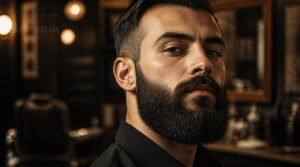
So does growing one actually change how people see you? The short answer is yes, and the science backs it up. Here’s exactly what a beard does to your face and your standing in a room.
Studies even suggest the right facial hair can reshape how sharp or slim your jawline appears, which is why picking beard styles that make your face look thinner matters just as much as growing one in the first place.
Stronger Jawline Appearance
Your jawline is the anchor of a masculine face, and a beard builds it up fast. Even 8mm of growth adds visible jawline definition, while heavier length creates bulk that compensates for a softer jaw.
Shape a clean neckline and sharp cheek border, and the contrast against your neck skin makes that structure look chiseled, intentional, commanding.
Greater Perceived Maturity
Age is a story your face tells before you speak, and a beard rewrites the plot toward experience. Facial hair can push age estimates upward by several years, signaling life lived rather than youth unproven.
A well-groomed beard reads as groomed reliability, hinting at self-control and earned wisdom. Culturally, this maturity cue often reinforces respect and social dominance.
Higher Dominance and Status
Walk into any room with a beard, and people notice who’s in charge. Facial hair works as a status signal, boosting perceived dominance and authority in social hierarchy.
That’s why bearded men often win greater deference in group settings. Grooming choices strengthen leadership perception, giving you an edge in workplace hierarchy before you even speak.
Aggression and Threat Perceptions
A beard doesn’t just read as masculine, it reads as ready to fight. Facial hair aggression cues shift how fast people judge you as a threat, especially paired with a hard stare or squared shoulders.
That dominance perception shift gets stronger in shadowed environments, where beard threat cues trigger snap judgments before anyone sees your actual expression.
Perceived Versus Biological Masculinity
Here’s the twist: what people perceive doesn’t always match what’s biologically true. Your beard signals perceived masculinity through social cognition, not actual testosterone levels.
- Beard density often reflects genetics, not hormone levels
- Self-rated masculinity rises regardless of biology
- Observers judge dominance instantly
- Perceived age shifts with facial hair
- Masculinity scales measure impression, not chemistry
Which Beard Style Looks Most Masculine?
Not all beards send the same signal. Length, thickness, and grooming style each shift how masculine you look. Here’s how the most common styles stack up against each other.
Clean-Shaven Versus Stubble
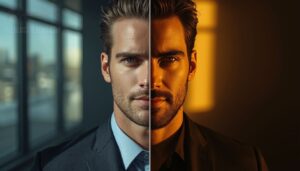
Here’s a surprise: clean-shaven still wins in the boardroom. HR pros rate stubble a red flag, and 48% of men prefer clean-shaven for professional evaluations. Health scores back this up too, light stubble scores lowest on cleanliness.
Yet 59% of men personally prefer facial hair. So the tension is real: masculinity scales favor beards, but hiring and social-skills ratings still lean clean.
Light Stubble and Dominance

So where does that leave you if clean-shaven wins hiring rounds? Light stubble hits the sweet spot. Rated 3.88 on dominance versus 3.10 clean-shaven, it’s your ideal masculinity signal.
Why it works:
- Signals testosterone levels without looking unkempt
- Blends authority with approachability
- Boosts perceived leadership by 11%
That’s Authority Approachability Mix in action, dominance signaling that still invites trust.
Heavy Stubble and Attraction

Now push past dominance into pure attraction, and the sweet spot shifts. Women consistently rate heavy stubble, around 10 days growth, as most attractive, beating clean-shaven and full beards alike. That jawline texture reads rugged without looking blocky.
The edge is subtle, not dramatic. Trim weekly with an adjustable trimmer to lock in that "intentional but easy" look.
Full Beards and Masculinity

Stubble wins for attraction, but full beards still dominate on raw masculinity scales. Masculinity ratings climb linearly with length, so a full beard reads as the strongest masculine signal your face can send.
Why it works:
- Maximizes lower-face size, the key masculinity cue
- Signals maturity and social dominance instantly
- Reflects testosterone-driven growth capacity
It’s less about attraction here and all about perceived power.
Grooming and Face Shape
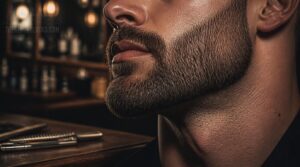
Genetics decide your beard length, but your razor decides how masculine it looks. Match beard styles to face shape: square jaws want tapered cheek lines, round faces need chin-focused jawline contouring, ovals suit balanced sideburns.
Keep neckline trims two fingers above your Adam’s apple. Smart facial hair grooming shapes facial morphology itself, turning average genetics into a commanding jawline.
How Beards Affect Attraction and Social Perception
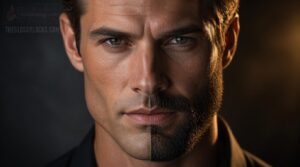
Your beard doesn’t just change your face, it changes how people treat you. Attraction, trust, leadership potential, even how good a parent you seem to be, it all shifts once facial hair enters the picture. Here’s what the research actually shows.
Women’s Facial Hair Preferences
Ask ten women what they want on a man’s face, and you’ll get ten different answers. Most lean toward light stubble, that sweet spot between rugged and refined. Full beards win points for maturity and status. Groomed stubble reads as approachable and warm.
Cultural variation shapes it too, and fertility cycles can even shift her preference toward bolder facial hair.
Masculinity Versus Attractiveness
Here’s the twist: max masculinity doesn’t equal max appeal. Studies show masculine and attractive faces sit at odds, roughly a -0.37 correlation. Why? Extreme masculinity reads as aggressive.
Picture the trade-offs:
- Chiseled jaw, but colder eyes
- Heavy brow, but harder expression
- Full beard, but less warmth
- Dominant look, but lower approachability
Balance wins. Aggression, controlled, flips this trend positive.
Leadership and Workplace Perceptions
Your beard walks into the boardroom before you even speak. Bearded men score 73% higher on perceived competence in leadership roles, according to hiring managers. That’s executive presence, built into your jawline.
Clear expectations and consistent policy enforcement earn respect, but a beard adds managerial authority signals before you say a word. Your face sets the social hierarchy fast.
Trustworthiness and Parenting Ability
People trust your face before they trust your words. If you’re under 30, light stubble reads as most trustworthy, beating both clean-shaven and full beards.
But for parenting? Full beards win. Women rate heavily bearded men highest for parenting skills and paternal investment. Kids agree, picking bearded fathers as "good dads." Grooming responsibility signals discipline, and discipline signals a caregiver worth trusting.
Cross-Cultural Beard Preferences
Your beard’s meaning shifts depending on where you stand on the map. In Middle Eastern and South Asian cultures, beards signal wisdom and status, often tied to religious tradition. East Asia leans clean-shaven historically. Latin America mixes both. Diaspora communities combine styles entirely.
Masculinity perception stays constant, but cultural variation shapes how strongly beards translate into attraction and respect.
How Growing a Beard Affects Confidence
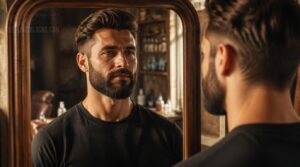
A beard doesn’t just change how others see you. It changes how you see yourself. Here’s what that shift actually looks like, piece by piece.
A beard doesn’t just change how others see you, it changes how you see yourself
Self-Rated Masculinity
Grow one out, and you’ll likely rate yourself as more masculine, no survey needed. Studies back this up: self-rated masculinity climbs with beard length, stubble to full.
Grooming rituals build daily structure, feeding a real self-esteem boost. Your beard becomes part of your identity, shaping how you see your own body image and masculine traits.
Confidence and Assertiveness
That self-esteem boost doesn’t stay quiet. It shows up in your posture, your eye contact, the way you take up space in a room.
Bearded men report sharper assertive body language and stronger emotional strength under pressure. Your shoulders square up. Your voice steadies.
Social confidence follows naturally, reinforcing the identity you’re already building through beard confidence and daily grooming.
Identity and Self-Expression
That steadier posture feeds into something deeper: how you see yourself. Your beard becomes a personal grooming identity, a daily statement of values, ruggedness, or creativity.
- Signals cultural or subcultural belonging
- Reflects personal narrative through style
- Reinforces professionalism or edge
- Builds routine commitment identity
- Strengthens self-image with every trim
This is identity expression, shaping your masculine traits from the inside out.
Grooming and Emotional Well-Being
Your trim isn’t just upkeep, it’s mood enhancement grooming. That daily ritual works like stress relief, calming your mind while sharpening your look.
Beard care becomes mindfulness practice, one stroke at a time. Confidence builds with every session, feeding self-esteem and reinforcing your masculine traits from the mirror outward.
Managing Beard Stereotypes
Not every workplace reads a beard the same way, so know your room before you commit to a style. Conservative industries still lean on old stereotypes, while creative fields embrace beard perception as an asset.
Own your look with intent. Beards signal masculine traits, but you control the narrative through grooming, posture, and confidence, not the whiskers alone.
Frequently Asked Questions (FAQs)
Do beards make you more masculine?
Funny how a razor was supposed to make you look "civilized," yet it’s the stubble left behind that reads as powerful. Science backs it: beards boost perceived dominance, maturity, and masculine traits, a secondary sexual characteristic shaped by sexual selection itself.
Does a beard make a guy more attractive?
Yes, and science backs it up. Heavy stubble wins the most attraction points with women, especially for short term dating. It hits that sweet spot between rugged and refined, boosting mate preference through perceived maturity and masculine traits.
Are beards a symbol of masculinity?
Your beard carries centuries of symbolic weight. Cultures worldwide tie facial hair to masculine identity, power, and wisdom. It’s rooted in sexual selection, signaling maturity and dominance, though today’s masculine traits stretch well beyond what grows on your face.
Do girls prefer a guy with a beard?
Cinderella’s prince chose by fit, not just charm, and mate choice works the same way. Studies show women often rate well-groomed stubble highest, though full beards win for long-term partners, signaling maturity over fleeting attraction.
Are men with beards more masculine?
Facial hair alone won’t hand you masculinity, but it amplifies how others read it. Beard growth patterns, testosterone levels, and confident body language work together, shaping perception far more than whiskers ever could alone.
Are men with a beard attractive?
Attraction depends on context. Heavy stubble wins for short-term dating appeal, while full beards signal long-term partner potential. Cultural beard appeal and personal taste shift the verdict, but grooming and face shape matter just as much as hair itself.
If breakouts or excess oil are part of the equation, going clean-shaven for a while can reset your skin, and this guide on deciding whether to shave your beard walks through how to weigh that trade-off.
Does a long beard make a man more manly?
Length alone won’t seal the deal. Growing it out signals maturity and formidability in social judgments, but real manliness comes from confidence, posture, and presence. A long beard amplifies what’s already there, it doesn’t create it.
Do beards affect women’s perceptions of men?
Like a knight’s chainmail, a beard signals readiness. Women rate full beards higher for parenting ability and long-term appeal, while stubble wins short-term attraction, especially near peak fertility. Grooming quality and culture shift these judgments too.
Does having a beard make you more manly?
Yes, in perception terms. A beard triggers a masculinity perception shift, boosting dominance and status cues. But true "manliness" blends beard growth, testosterone levels, confidence, and character, so facial hair alone won’t define you.
Do beards make guys more attractive?
Science says yes, with limits. Heavy stubble wins short term attraction, full beards build long term trust and appeal, and clean-shaven faces still land lowest on dominance ratings, so your beard’s power depends on the length you choose.
Conclusion
Grow one week of stubble and you could look like a completely different man overnight. So does a beard make you look more masculine? Science says yes, but the real prize isn’t just your face. It’s the dominance and status other people hand you before you say a word. Your beard sends the signal. Your grooming decides the message. Shape it well, and every room reads you as someone worth respecting.