This site is supported by our readers. We may earn a commission, at no cost to you, if you purchase through links. This content is for general informational and educational purposes only and is not a substitute for professional medical, dermatological, or nutritional advice.

Your scalp sheds between 50 to 100 hairs daily—that’s normal. But when your ponytail feels thinner, your part widens, or you spot more scalp than usual, something’s shifted.
Thinning hair affects 80 million Americans, and the causes range from genetic patterns you inherited to stress levels you can control.
The good news? Hair follicles aren’t dead—they’re dormant. With the right combination of evidence-based treatments, targeted nutrition, and strategic product choices, you can reactivate growth cycles and rebuild density.
Understanding what’s triggering your hair loss is the first step toward reversing it.
Table Of Contents
- Key Takeaways
- Common Causes of Thin Hair
- Proven Ways to Promote Hair Growth
- Top 10 Products for Hair Growth and Volume
- 1. Multi Peptide Hair Density Serum
- 2. Thickening Texture Hair Spray Volume
- 3. Rogaine Womens Minoxidil Hair Regrowth Foam
- 4. Nutrafol Hair Growth Supplements Women
- 5. Red Light Hair Growth Hat
- 6. Virtue Hair Thickening Mask Treatment
- 7. Rosemary Scalp Revival Hair Oil
- 8. Natural Hair Growth Serum Treatment
- 9. Kerastase Volumizing Hair Mousse Product
- 10. Volumizing Root Lift Spray
- Medical and Advanced Treatment Options
- Essential Hair Care Tips for Thin Hair
- Frequently Asked Questions (FAQs)
- Conclusion
Key Takeaways
- Hair follicles aren’t dead when you’re thinning—they’re dormant, and evidence-based treatments like minoxidil, PRP therapy, and targeted nutrition can reactivate growth cycles and rebuild density within three to six months.
- Genetic hair loss affects 80 million Americans, but combining FDA-approved medications (minoxidil increases density in two-thirds of users, finasteride stops loss in 90% of men) with stress management and nutrient correction delivers measurably better outcomes than single interventions.
- Your daily habits matter more than you think—heat styling above 160°C destroys keratin bonds, while simple practices like scalp massage for four minutes daily, sulfate-free cleansing, and gentle combing can thicken individual strands by improving follicle circulation.
- Natural remedies like rosemary oil matched minoxidil’s effectiveness in clinical trials, proving you don’t always need prescriptions to see regrowth, though consistency over three to six months remains non-negotiable regardless of which treatment path you choose.
Common Causes of Thin Hair
Thinning hair doesn’t happen in a vacuum—there’s always a reason behind it, even if it’s not immediately obvious. From genetic inheritance to current stress levels, multiple factors can conspire to leave your hair looking less than full.
Understanding what’s driving your hair loss is the first step toward taking control and finding solutions that actually work.
Genetic and Hereditary Factors
Your family tree holds more answers than you’d think. Androgenetic alopecia—the medical term for male pattern baldness and female pattern baldness—affects roughly 50 million men and 30 million women in the U.S. alone.
This hereditary hair loss stems from inherited traits passed down through family history, where specific DNA analysis reveals multiple genes working together to trigger follicle miniaturization and progressive thinning over time.
Understanding the role of hormone related factors is essential in addressing androgenetic alopecia.
Hormonal Changes and Imbalances
Hormone regulation shapes your hair’s behavior in ways that might surprise you. Androgenetic alopecia accelerates when androgen effects dominate, particularly during menopause symptoms when estrogen therapy becomes less available naturally.
Thyroid balance matters too—hypothyroidism triggers telogen effluvium and diffuse hair loss in roughly a third of affected individuals.
Postpartum hormonal changes push synchronized shedding that peaks around three months after delivery, affecting hair growth cycles dramatically. Understanding the role of postpartum hair loss is essential for addressing hair growth concerns.
Medical Conditions and Medications
Beyond hormonal shifts, certain prescriptions can trigger unexpected hair loss. Chemotherapy effects are well known—up to 80% of cancer patients experience significant thinning—but antidepressants, beta-blockers, and anticoagulants also cause drug interactions that disrupt growth cycles.
Even isotretinoin and oral contraceptives carry prescription side effects that manifest as medical alopecia. If you’re noticing changes after starting new medications, a dermatologist can help identify the culprit and adjust your treatment plan.
Nutritional Deficiencies
Your diet directly affects the strands growing from your scalp. Iron deficiency shows up in nearly 25% of patients presenting with alopecia, while zinc supplements can correct mineral imbalance linked to chronic shedding.
Vitamin D’s role and biotin benefits extend to follicle function, though vitamin C, folic acid, and adequate protein intake matter more than many realize.
Nutrition and hair growth aren’t separate—they’re inseparable.
Physical and Emotional Stress
Chronic pressure floods your system with cortisol, pushing follicles out of the growth phase and into rest mode—a pattern known as telogen effluvium. This condition can trigger shedding of up to 300 hairs daily, beginning two to three months after the initial stressor hits.
- Stress management and cortisol reduction protect your follicles from premature cycling
- Emotional wellness practices such as mindful relaxation offer measurable anxiety relief
- Most stress-induced hair shedding stops within six months once you address the trigger
- Recovery to baseline density usually occurs within twelve months after implementing stress relief strategies
Hair Styling and Chemical Damage
Flat irons above 200 °C destroy keratin bonds, while blow-dryers at 95 °C crack cuticles and strip moisture from every shaft they touch. Chemical relaxers weaken your hair’s resistance to breakage, and oxidative dyes—especially bleach—permanently compromise structural integrity.
Repeated heat styling, tight braiding, and harsh styling products accelerate hair breakage and thin your density.
Scalp protection starts with gentler tools, lower temperatures, and strategic hair care that prioritizes hair strengthening over aggressive styling.
Proven Ways to Promote Hair Growth
You don’t need expensive treatments or complicated routines to see real progress with thinning hair. The most effective strategies focus on supporting your body’s natural hair growth cycle through better nutrition, stress management, and smarter daily habits.
Real progress with thinning hair comes from supporting your body’s natural growth cycle through better nutrition, stress management, and smarter daily habits—not expensive treatments
Here’s what actually works, backed by clinical evidence and years of trichological practice.
Optimizing Nutrition for Hair Health

Your hair needs fuel to thrive, and that starts with what’s on your plate. Protein intake—around 0.8–1.2 g/kg daily—aids keratin production, while iron deficiency can trigger shedding in up to 72% of women with thinning hair.
Vitamin C boosts iron absorption, and omega benefits include stronger follicles.
Nutrient balance matters: address vitamin deficiencies through nutrition therapy to restore density and reverse nutrient deficiency-related loss.
Reducing Stress and Supporting Wellness

Stress can shove up to 70% of your follicles into early shutdown, triggering waves of shedding months later. Mindful meditation and stress management reshape cortisol patterns, while emotional wellness practices—like going to bed before midnight—cut alopecia risk by half. Integrative healing through relaxation techniques bolsters scalp health and hair growth:
- Practice daily mindfulness to normalize stress hormones
- Maintain consistent sleep schedules for follicle recovery
- Engage in physical activity to reduce systemic inflammation
Hair loss responds when you tackle the underlying issue: your stress load.
Gentle Hair Care Routines

Washing your hair five to six times a week with sulfate-free shampoo actually reduces perceived shedding and keeps strands healthier than infrequent cleansing. Follow with conditioning to support hair thickening, then blot gently and air-dry or use low heat from a distance.
Start gentle combing at the ends, incorporate weekly hair masks and scalp massage for scalp health maintenance, and watch your hair care routine transform fragile fibers into resilient ones.
Avoiding Damaging Styling Practices

Think of your styling tools as weapons—use them wrong, and you’ll lose the battle for thickness. Heat styling risks above 160°C start breaking down your hair’s internal structure, while chemical damage from relaxers and dyes weakens every strand you’re trying to save.
Protect what you’ve got with these hair care tips:
- Ditch tight hairstyles—ponytails and braids pull follicles into permanent retreat along your hairline
- Master gentle combing—wet hair breaks easier, so start at the ends and work up slowly
- Lower that heat—keep styling tools under 180°C and always use protection sprays for hair strengthening
- Space out chemical treatments—your scalp health maintenance depends on giving follicles recovery time between processes
Your hair care routine determines whether mechanical stress becomes breakage or your path to hair thickening.
Consulting a Dermatologist or Trichologist

When self-care doesn’t stop the shedding, it’s time to call in reinforcements. A Dermatologist Consultation or Trichologist Advice gives you the Hair Loss Diagnosis that guesswork can’t provide—through Scalp Examination, blood panels, and trichoscopy imaging. Roughly 17.5% of all Dermatology visits involve Hair Disorders, and Specialist Referral connects you with targeted treatments that actually match your follicle biology.
| What Specialists Detect | How They Help You |
|---|---|
| Hormonal imbalances | Prescribe targeted medications |
| Nutritional gaps | Recommend specific supplements |
| Autoimmune patterns | Deliver corticosteroid injections |
Top 10 Products for Hair Growth and Volume
When you’re ready to take action, the right product can make all the difference between stalled progress and visible results. You don’t need to guess your way through endless options—certain formulations have proven track records backed by real science and user outcomes.
Here’s a curated list of ten products that target thinning hair from multiple angles, giving you practical tools to rebuild density and volume.
1. Multi Peptide Hair Density Serum
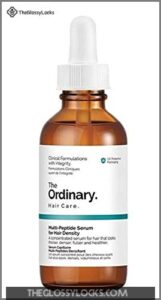
This leave-on scalp treatment combines peptide technologies—including copper peptides, those biomimetic regulators—with caffeine and botanical extracts to support hair density and volume. You apply it once daily, ideally at bedtime, directly to your scalp.
Clinical studies on peptide serums show impressive results: hair density increases up to 65 hairs/cm² and hair fall reductions exceeding 50%. The copper peptides extend your hair’s growth phase, improve follicle circulation, and create the ideal environment for thicker regrowth. These hair growth products work consistently over several months.
Best For: People dealing with thinning hair or hair loss who want a science-backed, multi-ingredient serum that supports thicker, denser hair growth over time.
- Clinical studies show peptide serums can increase hair density by up to 65 hairs/cm² and reduce hair fall by over 50% with consistent use
- Contains multiple peptide technologies and copper peptides that extend the hair growth phase and improve scalp circulation
- Clean formula that’s cruelty-free, vegan, alcohol-free, and silicone-free, with a simple once-daily application
- Results require several months of consistent daily use before noticeable improvements appear
- Some users report scalp irritation, headaches, or a greasy feel, especially if too much product is applied
- Effectiveness varies significantly between individuals, with some users seeing no results at all
2. Thickening Texture Hair Spray Volume

Volumizing texture sprays offer instant cosmetic enhancement when you’re seeking structural lift without heavy residue. These spray formulations use film-forming copolymers that coat each strand, increasing perceived diameter by roughly 40% on fine hair—manufacturer testing confirms full-day hold.
You’ll apply them to damp roots before blow-drying or mist onto dry hair for piecey texture. The zeolite and silk powder technologies create grip and body, mimicking natural density.
While thickening sprays don’t stimulate follicles like growth serums, they’re powerful volumizing techniques for daily confidence.
Best For: People with fine to medium hair who want quick, all-day volume and texture without sticky heaviness or needing to wash daily.
- Delivers 40% more volume instantly with zeolite and silk powder that lifts roots and adds grip without weighing hair down
- Works on both damp and dry hair, so you can build volume during blow-drying or add quick texture as a finishing touch
- Free of parabens, phthalates, and mineral oil, plus it protects against heat up to 250°C while you style
- At $31.45 for 3.6 ounces, it’s pricey and the small bottle runs out fast if you use it daily
- Some users report sprayer defects that dispense a glue-like substance instead of a fine mist, wasting product
- May irritate sensitive scalps due to certain ingredients, and the citrus floral scent isn’t for everyone
3. Rogaine Womens Minoxidil Hair Regrowth Foam
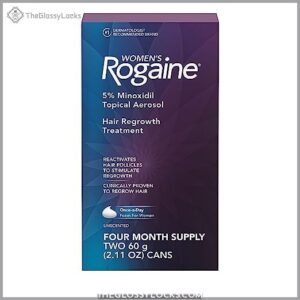
If you’re ready to move beyond temporary fixes, Rogaine’s 5% minoxidil foam stands as the only FDA-approved topical ingredient that actually regrows hair in women with hereditary thinning. You’ll apply half a capful once daily to your scalp, massaging it into thinning areas.
Clinical trials show over 80% of women experience regrowth within six months, with some noticing changes at twelve weeks. Minoxidil effects work by reactivating dormant follicles, though scalp irritation and increased shedding can occur initially.
Treatment duration is lifelong; stopping reverses gains.
Best For: Women with gradual thinning on top of the scalp who want the only FDA-approved ingredient proven to regrow hair and are committed to once-daily, long-term use.
- Over 80% of women see regrowth in six months, with hair up to 48% thicker in clinical trials
- Simple once-daily foam application fits easily into your morning routine without the mess of liquid solutions
- Unscented formula with less irritation than twice-daily options, making it more tolerable for sensitive scalps
- Requires lifelong commitment—stopping treatment means you’ll lose any regrown hair within months
- Initial side effects like scalp itching, dryness, and temporary increased shedding are common in the first few weeks
- Expensive for continuous use, and some users report quality issues with cans stopping to foam properly
4. Nutrafol Hair Growth Supplements Women
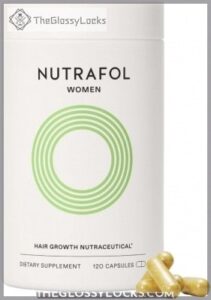
Nutrafol hair growth supplements promise to tackle female pattern thinning by addressing stress, nutrition, and hormonal triggers all at once. You’ll take four capsules daily, and clinical trials show measurably thicker hair after six months in women with self-perceived thinning.
The nutraceutical effects stem from saw palmetto, ashwagandha, marine collagen, and tocotrienols.
Yet supplement safety concerns exist—a 2024 case linked Nutrafol to severe liver injury, and the formula contains ingredients with known hepatotoxicity grades. Most users tolerate it well, but monitor your response closely.
Best For: Women ages 18-44 experiencing stress-related or nutritional hair thinning who want a multi-ingredient supplement backed by clinical data and are willing to commit to a 6-month regimen.
- Clinical trial showed statistically significant increase in terminal hair count after 6 months compared to placebo
- Targets multiple root causes of thinning including stress, hormones, and nutrition with 21 active ingredients like saw palmetto and ashwagandha
- Generally well-tolerated in trials with no serious adverse events reported during the 6-month study period
- A 2024 case report linked the supplement to severe liver injury, and several ingredients carry hepatotoxicity grades ranging from B to E
- Expensive ongoing cost and requires taking 4 large capsules daily, which some users find difficult
- Clinical trials excluded common diagnoses like androgenetic alopecia and telogen effluvium, limiting how well results apply to those populations
5. Red Light Hair Growth Hat

Red light helmets deliver 650 nm wavelength therapy straight to your follicles, and randomized trials show significant gains in hair density after 24 weeks of regular use. Low-level laser therapy extends your anagen phase and stimulates follicular proliferation without thermal damage.
You wear the device for 10-minute sessions at home—most users run 130 to 140 treatments over six to nine months. It’s safe, noninvasive, and FDA-cleared, though the $449 price tag and required consistency test your commitment to hair regrowth.
Best For: People with androgenetic alopecia who want a science-backed, hands-free treatment and can commit to 10-minute daily sessions for at least six months.
- Clinical trials show real results—significantly increased hair density and thicker shafts after 24 weeks of consistent use
- FDA-cleared and safe with no serious side effects, just occasional mild scalp irritation in some users
- Cordless and rechargeable design makes it easy to fit into your routine without being tethered to an outlet
- $449 is a steep upfront cost, and some buyers feel the results don’t justify the investment
- You need to stick with it for months (130 sessions) to see meaningful improvement, which requires serious commitment
- Some units have issues with the power button or battery life, and customer service through Amazon can be hit-or-miss
6. Virtue Hair Thickening Mask Treatment
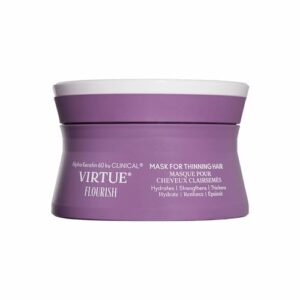
This whipped keratin treatment binds directly to damaged hair shafts. Clinical data on Alpha Keratin 60ku show 22% thicker strands and 95% split-end repair after five applications.
You apply it mid-length to ends once weekly—the silicone-free formula won’t collapse your roots or weigh down thinning hair.
At $59.50 for 5 oz, it’s a premium investment, yet 91% of study participants reported healthier-feeling hair in four weeks.
Color-safe and vegan, it delivers measurable hair repair and thickening results without harsh sulfates.
Best For: People with thinning or damaged hair who want clinically-backed repair and thickness without weighing down fine strands, and are willing to invest in premium haircare.
- Clinical testing shows 22% increase in hair thickness and 95% split-end repair after five uses
- Lightweight, silicone-free formula won’t flatten roots or make thinning hair look limp
- Color-safe and vegan with human-derived keratin that targets damage directly
- Premium price point at $59.50 for 5 oz, significantly more expensive than drugstore masks
- Results require consistent weekly use over time, not a quick fix
- Some users with color-treated hair reported difficulty brushing through their hair after use
7. Rosemary Scalp Revival Hair Oil
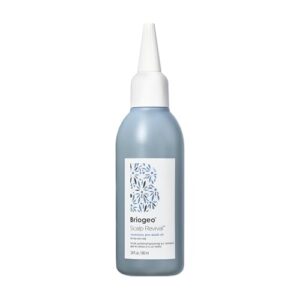
Rosemary oil benefits extend beyond folklore—one six-month trial showed rosemary oil matched 2% minoxidil in hair count increases, proving its role in hair growth stimulation.
This lightweight pre-wash oil combines rosemary with tea tree, biotin, and castor oil to deliver scalp revival techniques that soothe dryness and encourage hair regrowth. You’ll apply it several times weekly as an essential oil therapy for scalp care, though visible thickening requires three to six months of consistent use.
At $20 for 3.4 oz, it’s a research-backed natural hair remedy targeting hair thinning at the root.
Best For: People dealing with hair thinning or a dry, itchy scalp who want a natural, research-backed treatment and are willing to commit to several months of regular use before seeing results.
- Clinical trial showed it matched minoxidil for hair growth after six months, with less scalp itching than the prescription alternative
- Soothes and hydrates dry scalps immediately—100% of users felt comfortable after first use, and most saw better moisture within two weeks
- Lightweight formula with biotin, castor oil, and tea tree won’t weigh down fine hair or leave a greasy residue when rinsed properly
- Results take time—you won’t see measurable hair growth for at least three to six months of consistent use
- Some users find the scent unpleasant, and it can leave hair feeling oily if you don’t wash it out thoroughly
- May cause dryness or irritation in certain hair types, especially if you use too much or have a sensitive scalp
8. Natural Hair Growth Serum Treatment
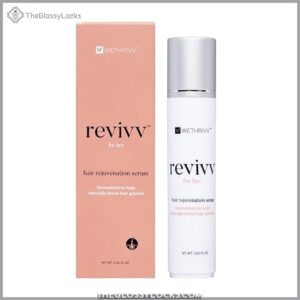
When your follicles need a gentle nudge without harsh chemicals, plant-based scalp serums deliver growth factors through natural oils like rosemary and castor. A 2025 trial showed 57.69% of users experienced significant hair regrowth with rosemary-castor formulations after 90 days—results that rival synthetic options.
These natural hair growth treatments work by enhancing scalp stimulation and microcirculation around each hair follicle, supporting both hair thickening methods and sustained regrowth. You’ll apply the serum daily to a clean scalp, though patience matters: meaningful density changes require three to six months of consistent use.
Best For: People who want a gentler, chemical-free approach to thinning hair and are willing to commit to 3–6 months of daily use for visible results.
- Clinical studies show natural ingredients like rosemary and castor oil can match minoxidil’s effectiveness, with 57.69% of users seeing significant regrowth after 90 days
- Fewer side effects than synthetic treatments—most users only experience mild irritation if any, versus the itching common with minoxidil
- Easy roll-on application fits into your daily routine, plus it’s vegan, cruelty-free, and fragrance-free
- Results take time—you’ll need consistent use for at least 3 months before seeing meaningful changes in hair density
- Effectiveness varies widely between users, with some reporting no improvement or scalp irritation
- Quality control issues reported by some customers, including broken bottles or defective roll-on applicators upon delivery
9. Kerastase Volumizing Hair Mousse Product
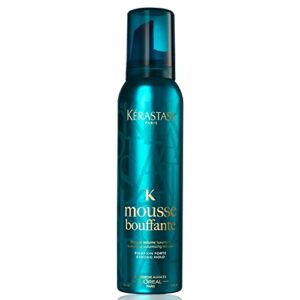
Salon-grade styling products bridge the gap between cosmetic volume and follicle support. Kérastase Densifique Densimorphose mousse—enriched with hyaluronic acid, ceramides, and gluco-peptides—addresses thinning hair by strengthening fibers while delivering root lift.
In hair mousse reviews, 88% of users recommend it for noticeable body, though mousse ingredients like wheat protein can dry some textures.
This styling product comparison shows Kérastase benefits go beyond typical volumizing techniques: you’re reinforcing fragile strands as you style. Apply two pumps to damp roots, blow-dry with a round brush, and expect flexible hold that lasts.
Best For: Fine or limp hair that needs lasting volume and heat-protected styling without stiffness or heavy residue.
- Strengthens and plumps hair fibers with hyaluronic acid, ceramides, and wheat protein while adding flexible, long-lasting volume
- High user satisfaction with 88% recommending it for noticeable body and root lift, especially when paired with blow-drying
- Heat protection and humidity resistance keep styles fuller throughout the day without frizz
- Premium pricing makes it expensive compared to drugstore alternatives, with some users questioning the value
- Mixed feedback on effectiveness—some report drying effects or insufficient hold depending on hair type
- Nozzle durability issues reported by multiple customers, with breakage occurring after only a few uses
10. Volumizing Root Lift Spray
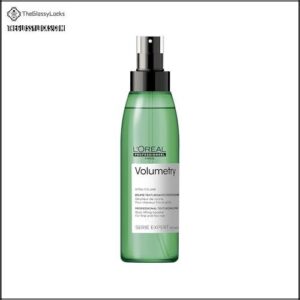
While mousse works wonders, a targeted volumizing spray hits the root zone where thinning hair needs it most. Kerastase Volumetry Root Lift Spray—formulated with salicylic acid to clarify oil buildup—delivers instant root volume without crunch.
Clinical testing showed an 87% increase in hair volume compared to untreated strands, and it shields against heat up to 450°F.
Spray formulations like this combine hair thickening polymers with scalp-friendly ingredients, making them ideal for second-day refreshes or post-gym styling when your crown needs a boost.
Best For: People with fine or thin hair looking for instant root lift and volume, especially for second-day styling or post-gym refreshes.
- Clinically proven to increase hair volume by 87% with heat protection up to 450°F
- Contains salicylic acid to prevent oily buildup at the roots without leaving a crunchy or stiff finish
- Sulfate-free formula works well on damp hair before blow-drying and is safe for color-treated hair
- Price point may be higher compared to drugstore volumizing sprays
- Effectiveness can vary on longer hair (over 4 inches) where root lift is harder to achieve
- Despite being labeled unscented, some users report sensitivity to fragrance components in the formula
Medical and Advanced Treatment Options

When lifestyle changes and over-the-counter products aren’t enough, medical and sophisticated treatments can offer real results.
These interventions work directly on your scalp and hair follicles to stop thinning and stimulate new growth.
Here’s what your dermatologist or trichologist might recommend based on your specific pattern of hair loss.
Minoxidil and Finasteride Medications
Two FDA-approved medications—Minoxidil (sold as Rogaine) and Finasteride (Propecia)—stand as the benchmark for hair regrowth. Here’s what you need to know about these treatments:
- Minoxidil works for about two-thirds of users, especially when you start early and apply it twice daily to thinning areas.
- Finasteride slows hair loss in nearly 90% of men by blocking DHT, the hormone responsible for male-pattern baldness.
- Combination therapy produces better results—pairing both medications increases hair density by an extra 9 hairs per square centimeter compared to Minoxidil alone.
- Side effects exist but vary—Finasteride carries a twofold risk of sexual dysfunction, while Minoxidil may cause scalp irritation or unwanted facial hair growth.
- Patience matters with treatment outcomes—you’ll need 6 to 12 months before visible improvements emerge, as hair follicles cycle slowly.
Platelet-Rich Plasma (PRP) Therapy
Your own blood holds powerful growth factors that can wake up sluggish follicles. PRP injections deliver concentrated platelets directly into your scalp, triggering hair regrowth through natural cell stimulation. This platelet-rich plasma therapy increased density by 25 hairs per square centimeter in clinical trials—and when combined with other hair loss treatments, results jumped even higher.
| Treatment Protocol | Expected Outcome |
|---|---|
| 3 monthly sessions | Baseline density increase |
| 4-week spacing | Growth factor activation |
| Maintenance every 3–6 months | Sustained hair restoration |
| 6–12 month duration | Visible thickness gains |
| Intradermal injection | Targeted plasma therapy |
Low-Level Laser Therapy Devices
Red light therapy for hair offers a gentler route when needles aren’t your thing. Low-level laser therapy devices—whether helmet, cap, or comb—deliver 655 nm wavelengths that wake up dormant follicles without breaking skin. Clinical trials show device efficacy averaging 34 additional hairs per square centimeter after 16 weeks of therapy sessions, three times weekly.
- You’ll avoid the discomfort and clinic visits PRP demands
- Treatment outcomes appear within four months of consistent use
- Laser hair growth works best alongside minoxidil for compound results
- FDA-cleared devices prove laser therapy for hair loss treatment carries minimal risk
Microneedling and Scalp Treatments
Needle therapy paired with minoxidil delivers microneedling benefits you can’t ignore—combined treatments boosted hair follicle density by 91.4 new hairs at 12 weeks versus 22.2 for minoxidil alone.
Scalp stimulation through 0.6 mm depths outperforms deeper penetration for hair growth, with sessions every 1-3 weeks optimizing hair restoration techniques.
You’ll experience mild discomfort lasting one day, but scalp conditions improve without serious risks across 536 documented cases.
Hair Transplantation Procedures
Scalp reconstruction through follicular unit extraction delivers permanent hair restoration techniques when other treatments fail. FUE techniques transplanted 4.7 million grafts globally in 2025 with 90-95% survival rates.
Your hair transplantation options include:
- Robotic surgery precision extracts individual hair follicles without linear scarring
- Hair grafting sessions restore 1,500-4,000 follicles per procedure
- Transplant costs range $4,637-$12,513 depending on baldness prevention needs
- Recovery timelines show visible hair growth within 4-6 months
Essential Hair Care Tips for Thin Hair

Once you’ve explored treatments and products, the real work begins with how you care for your hair every single day. Think of thin hair like a delicate fabric—it needs consistent, thoughtful handling to stay strong and look its best.
Here are the essential care practices that protect what you have and create the healthiest environment for new growth.
Maintaining Scalp Health
Your scalp isn’t just the ground beneath your hair—it’s the soil that determines what grows. Gentle cleansing with mild surfactants protects your skin barrier, while scalp massage for just four minutes daily can measurably thicken individual strands by improving microcirculation around hair follicles.
Supporting microbiome balance through targeted exfoliation and avoiding harsh detergents helps reduce inflammation that accelerates thinning hair.
Regular Trimming and Styling Advice
Think of trims as pruning: they remove damaged ends before splits climb upward. For thin hair, every six to eight weeks is ideal—salon data show this frequency cuts split ends by 50% while preserving length.
Strategic layering creates 30% more perceived volume than blunt cuts, and when paired with heat protection sprays and gentle combing, you’re building density through smarter styling, not heavier products.
Protecting Hair From Environmental Damage
Your hair faces an invisible battlefield every day: UV rays strip protein, air pollution triggers oxidative stress, and heat styling above 180°C fractures keratin fibers. Protecting thin hair from environmental stressors isn’t optional—it’s survival.
- Apply leave-on UV protection products before sun exposure to reduce protein loss
- Rinse hair after outdoor activity in polluted areas to remove particulate buildup
- Use heat protectants and keep styling tools below 160°C on damp hair
- Shield strands with hats or scarves during peak pollution and sunlight hours
Building a Sustainable Hair Care Routine
Consistency beats flawlessness when you’re fighting hair thinning. Your scalp and strands need predictable care—daily conditioning after every wash, weekly scalp massage sessions, and gentle hair routines you’ll actually stick with for three to six months minimum.
Hair growth demands patience, not chaos. Pair sustainable habits with hair supplements or evidence-based hair care, and reassess if new shedding appears.
| Daily Essentials | Weekly Priorities |
|---|---|
| Sulfate-free cleansing | Scalp massage (4 minutes) |
| Conditioning every wash | Hair treatments or masks |
| Wide-tooth detangling | Healthy trimming review |
Frequently Asked Questions (FAQs)
Can supplements reverse genetic hair loss completely?
No, supplements can’t fully reverse genetic hair loss. They may support hair follicle health and correct nutrient deficiencies, but they won’t eliminate the underlying genetic predisposition that drives androgenetic alopecia.
How long before noticing visible hair regrowth?
Most treatments take three to six months before you’ll spot visible results, though minoxidil can show early regrowth around two to three months. Your hair cycle naturally dictates this timeline.
Does washing hair daily make thinning worse?
No—daily washing won’t worsen thinning if you use gentle products.
Your scalp health management matters more than frequency impact analysis.
Proper cleansing actually reduces inflammation that can affect hair follicles and hair growth patterns.
Are natural remedies as effective as medications?
Clinical studies show only 30% of users stick with prescription medications due to side effects.
Natural remedies like rosemary oil and scalp massage offer gentler alternatives, though they lack the substantial evidence backing FDA-approved treatments for thinning hair.
Can hair thickness return to original density?
It depends on what caused your thinning hair. Acute telogen effluvium typically allows complete density restoration within six to twelve months.
Androgenetic alopecia, however, rarely returns to original thickness—treatments slow loss and improve coverage instead.
Conclusion
Sarah watched her temple regrowth fill in after six months of minoxidil and iron supplementation—proof that dormant follicles respond to targeted intervention.
Your thinning isn’t permanent. Whether you choose medical treatments, nutritional adjustments, or strategic products, consistency determines results.
Hair growth for thin hair requires patience and precision, but the science is clear: follicles can reactivate. Start with one evidence-based change today. Your scalp’s potential isn’t gone—it’s waiting for the right signal.