This site is supported by our readers. We may earn a commission, at no cost to you, if you purchase through links. This content is for general informational and educational purposes only and is not a substitute for professional medical, dermatological, or nutritional advice.
Your back isn’t the most cooperative place to shave. The angles are awkward, the reach is brutal, and one wrong move drags a blade across a curve it was never meant to handle. Most guys quit halfway through or skip it entirely and call it a personality.
The right shaving techniques for your back change everything. With solid prep, tools built for the job, and a method that follows your back’s natural contours, you get a clean, even result every time. No guesswork, no missed strips, no fire-alarm skin afterward.
Here’s exactly how to do it.
Table Of Contents
- Key Takeaways
- How to Prepare Your Back for Shaving
- Top 3 Tools for Shaving Hard-to-Reach Back Hair
- How to Shave Your Back Step by Step
- How to Avoid Cuts, Razor Burn, and Missed Spots
- Post-Shave Back Care to Prevent Bumps and Ingrown Hairs
- Frequently Asked Questions (FAQs)
- How do I shave my back effectively?
- Is shaving your back a good idea?
- Should I remove testicle hair?
- Is there a device to shave your own back?
- How often should I shave my back?
- Can I shave my back while showering?
- What causes back acne after shaving?
- Are electric shavers better than manual razors?
- How do I remove shaving cream residue completely?
- Does back hair grow back thicker after shaving?
- Conclusion
Key Takeaways
- A warm shower plus exfoliation before shaving softens coarse back hair and clears dead skin, making every blade pass cleaner and reducing irritation from the start.
- Purpose-built tools — extended-handle back shavers or razor extenders with pivoting heads — are what actually solve the reach problem, not contortion or workarounds.
- Working in sections (lower, mid, upper back) with short overlapping strokes and frequent blade rinsing is what separates a clean result from patchy, missed strips.
- Post-shave care is non-negotiable: cool water rinse, a non-comedogenic moisturizer while skin is still damp, and loose breathable clothing directly prevent razor burn, bumps, and ingrown hairs.
How to Prepare Your Back for Shaving

Before you even pick up a razor, your back needs proper prep or you’re walking straight into a patchy, irritating mess that’s entirely avoidable.
Starting with a pH-balanced shaving cream formulated for the bikini area makes a real difference in preventing the irritation and razor burn that dull prep almost always causes.
Start with a warm shower lasting at least five to ten minutes. The heat does two things: it opens your pores and starts hair softening with warm water, making those coarse back hairs pliable and far easier to cut cleanly. Think of it as conditioning leather before you work it. Rubbing a few drops of pre-shave oil for back hair into the skin after your shower locks in that moisture and gives the blade even more slip against those stubborn coarse hairs.
While you’re in there, exfoliate your back with a scrubbing mitt or loofah. This clears away dead skin that traps hairs and causes uneven blade contact. Rinse thoroughly, then don’t dry off completely before you shave. That lingering surface moisture is your prep window. Use it.
Top 3 Tools for Shaving Hard-to-Reach Back Hair
Reaching your own back is a geometry problem most razors weren’t built to solve. The right tool closes that gap fast and turns a frustrating stretch into a clean, controlled pass. Here are the three that actually get the job done.
1. Easy Back Hair Shaver Tool

Grab a specialized back hair shaver and stop wrestling with those impossible spots on your back. These tools are purpose-built for exactly one job: shaving your back clean without a contortionist routine.
The 18-inch extended handle clears your shoulder blades and entire lower back with zero strain, and the waterproof design means the shower is your shaving arena. Patented DRYglide technology keeps every pass smooth, not scratchy.
No batteries, no moving parts. It weighs just 7 ounces, so your grip stays rock steady.
The included exfoliating brush and extra blades round out a complete kit built to work.
| Best For | Anyone who struggles to reach and shave their own back without help or awkward maneuvering. |
|---|---|
| Handle Length | 18 inches |
| Waterproof Design | Yes |
| Weight | 7 oz |
| Included Accessories | Brush + extra blades |
| DRYglide Tech | Yes |
| Razor System | Dedicated shaver |
| Additional Features |
|
- The 18-inch handle gives you full reach across your back and shoulder blades without straining or twisting
- Works in the shower thanks to its waterproof design, and DRYglide technology keeps each pass smooth
- No batteries or charging needed — just a lightweight, simple tool that’s ready when you are
- Some users report the blades feel dull or cause skin irritation during use
- At $64.95, the value is debatable, especially given mixed feedback on sharpness
- Results may vary depending on hair thickness and skin sensitivity
2. Long Handle Razor Extension Tool
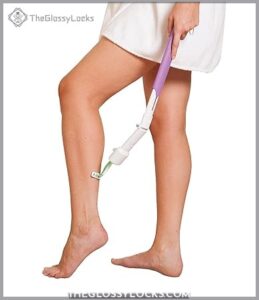
Don’t have a dedicated back shaver? A long handle razor extension turns your current blade into serious back coverage hardware.
For a full walkthrough of technique and tool setup, how to shave your back safely and effectively covers everything from handle angle to reaching those tricky spots.
The telescoping shaft adds 15 to 20 inches of reach, and the pivoting head locks at 30°, 45°, or 90°, so you’re steering around your shoulder blades with actual control, not guesswork. Two universal attachments fit most popular disposable and reusable razors right out of the box.
That longer lever matters. Shift your steering from your wrist to your forearm, move slow, and keep pressure steady. The blade stays aligned, contact stays consistent, your coverage stays clean.
| Best For | Anyone who struggles to reach their back when shaving, especially those with limited flexibility or mobility. |
|---|---|
| Handle Length | 15–20 inches |
| Waterproof Design | N/A |
| Weight | N/A |
| Included Accessories | 2 universal attachments |
| DRYglide Tech | N/A |
| Razor System | Extension adapter |
| Additional Features |
|
- Telescoping handle adds 15–20 inches of reach, making back coverage genuinely manageable
- Pivoting head locks at three angles (30°, 45°, 90°) for real control around awkward spots like shoulder blades
- Works with most popular disposable and reusable razors right out of the box
- Some users report the razor wobbling or slipping in the holder during use
- Certain razor handles may need duct tape to fit snugly — not exactly a polished solution
- Mixed reviews on whether the price matches the value, especially if fit issues arise
3. Back Hair Removal Shaver Tool
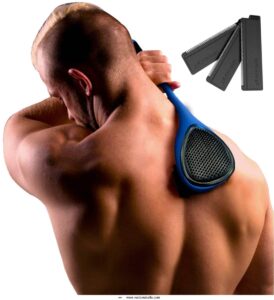
Want a purpose-built solution? A back hair removal shaver takes everything that razor extension does and integrates it into one clean, complete package.
The 18-inch ergonomic handle unfolds to give you full mid-back access with zero contortion. At just 11.36 ounces, it’s light enough to control without your arm checking out early. The patented DRYglide technology keeps the blade gliding smooth whether you’re in the shower or going completely dry, and the extra-wide blade head covers serious surface area fast.
Keep your blades sharp. Swap cartridges every 10 shaves, rinse after every pass, and you’re running clean, sharp, and nick-free every time.
| Best For | Anyone who wants a self-sufficient, all-in-one tool for removing back and body hair quickly without needing a second person to help. |
|---|---|
| Handle Length | 18 inches |
| Waterproof Design | Yes |
| Weight | 11.36 oz |
| Included Accessories | Brush + extra blades |
| DRYglide Tech | Yes |
| Razor System | Cartridge system |
| Additional Features |
|
- The 18-inch folding handle gives you full back access without awkward reaching or contortion
- DRYglide technology means you can shave in the shower or completely dry with equal ease
- Light at just over 11 ounces, so your arm won’t fatigue mid-shave
- Blades dull after roughly 10 shaves, so cartridge replacements are an ongoing cost
- Requires a careful hand — rushing increases the risk of nicks, cuts, or razor burn
- Sensitive skin may react poorly, and salt water exposure can make irritation worse
How to Shave Your Back Step by Step
Once your back is prepped and lathered, execution is everything. The sectional shaving method is your best move here. Divide your back into zones: lower, mid, and upper back. Work through each section separately so you stay precise and in control.
Use a dedicated back shaver or a razor extender to reach every zone without contorting your body. Short, overlapping strokes keep your coverage tight and consistent. Let the blade do the work and don’t press hard.
Follow this stroke rhythm:
- Start low, shaving with the grain first
- Rinse the blade every few strokes to clear buildup
- Switch cross-grain only on stubborn patches
When you shave your back using this system, back shaving becomes a clean, fast, and repeatable process.
How to Avoid Cuts, Razor Burn, and Missed Spots
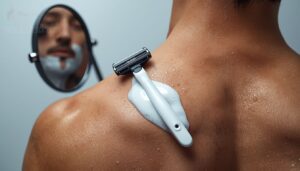
Mistakes happen fast when you’re working blind. Most cuts and missed spots trace back to the same fixable habits.
- Keep your razor angle flat against the skin. A steep blade digs in and nicks you.
- Shave in smaller sections. Shorter strokes maintain even lather coverage on curved zones.
- Rinse the blade often. Clogged razors skip, leaving stubble patches and dragging your skin raw.
- Change arm position mid-shave to flatten skin around your shoulder blades and reduce abrupt angle shifts.
Skin tension matters more than speed. Pull the skin taut before each stroke so the blade glides clean instead of catching folds. A shaving gel for sensitive skin adds the slip your blade needs to stay flat and glide without tugging.
Swap out dull blades before you feel extra pressure building. A fresh blade does the work. You just steer.
Stocking up with a multi-pack of replacement blades means you’ll never talk yourself into one more shave with a blade that’s already past its prime.
Post-Shave Back Care to Prevent Bumps and Ingrown Hairs

Think of freshly shaved skin like exposed wiring. One wrong move, everything short-circuits. Your job is sealing that barrier before it fails. A good after shave body moisturizer acts as the insulation that keeps that exposed wiring from sparking.
Freshly shaved skin is exposed wiring — one wrong move and everything short-circuits
Rinse with cool water first, cutting inflammation at the source. While skin’s still damp, apply a lightweight non-comedogenic moisturizer to lock in skin hydration. Skip this step and you’re giving razor burn and ingrown hairs an open invitation. Once skin settles, a salicylic acid exfoliant clears follicle-blocking keratin buildup without added irritation.
| Step | Product | Timing |
|---|---|---|
| Hydrate | Bland moisturizer | Immediately after rinsing |
| Exfoliate | Salicylic acid | 24-48 hours later |
| Protect | Breathable clothing | Right after shaving |
Postshave skin care doesn’t stop at the bathroom door. Ditch tight shirts right away. Trapped heat and friction turn bumps into a full inflammation outbreak.
Frequently Asked Questions (FAQs)
How do I shave my back effectively?
Like a surgeon with a scalpel, precision is what wins. Exfoliate and wet skin, then apply shaving cream, grab your razor extender with ergonomic grip, and move through your back shaving routine with controlled strokes.
Is shaving your back a good idea?
Yes, absolutely, if your skin’s in good shape. Back shaving gives you a cleaner look, sharper personal grooming, and control over your body hair management. Skip it if you’ve got active irritation or inflamed follicles.
Should I remove testicle hair?
Most men who trim report less chafing and sweat buildup. Personal comfort drives this call. If irritation’s your real enemy, trim instead of shaving full. Sensitive skin down there reacts fast, so keep it minimal.
Is there a device to shave your own back?
There are several. A back shaver tool does the job completely solo. From a long handle razor extension to dedicated reach extension tools, you’ve got purpose-built options that cover every hard-to-reach spot on your back.
How often should I shave my back?
Shave daily and your skin will revolt.
Every 4 to 5 days hits the sweet spot. It gives regrowth time to surface and your skin time to recover before your back hair shaver runs again.
Can I shave my back while showering?
The shower is the greatest back-shaving arena on earth.
Lukewarm water quickly softens hair and skin for smooth razor glide. Use a waterproof design razor on a razor extender to reach every last spot cleanly.
What causes back acne after shaving?
Back skin generates more sweat than almost anywhere else on your body. That warmth and moisture makes inflamed follicles a prime breeding ground for bacteria right after shaving, triggering razor burn and persistent ingrown hairs.
Are electric shavers better than manual razors?
Think manual razors are sharper? They are, but that’s the problem on your back. Electric shavers cut your irritation by up to 40% and nick skin just 3–7% of the time. Manual? Up to 18%.
How do I remove shaving cream residue completely?
Leftover lather acts like a stubborn film that your skin just can’t breathe through. Use lukewarm water and work your hands in firm circular motions across your back. If it still feels slick, re-rinse it.
Does back hair grow back thicker after shaving?
Worried that shaving regularly turns your back into a much thicker fur factory? Relax. Blunt cut ends just make regrowth feel coarser. Your follicles completely ignore razors. Hair regrowth patterns never change from shaving alone.
Conclusion
Picture a guy who spent years avoiding pool parties. He learned these shaving techniques for shaving back hair, showed up last summer, and didn’t think twice about taking his shirt off.
That’s the real payoff. You’ve got the prep, the tools, and the step-by-step method. You know how to dodge razor burn and keep your skin smooth after. There’s nothing left between you and a clean result except actually doing it.
Go handle it.