This site is supported by our readers. We may earn a commission, at no cost to you, if you purchase through links. This content is for general informational and educational purposes only and is not a substitute for professional medical, dermatological, or nutritional advice.
Your scalp shouldn’t feel like it’s staging a rebellion every time you wash your hair. But for millions of people, that burning, itching, and relentless discomfort is just part of their daily routine. The problem isn’t always about switching shampoos. Environmental stress, hidden skin conditions, and even your favorite hairstyle can transform a healthy scalp into a sensitive minefield.
You need solutions that tackle the underlying issue, not just mask the symptoms. The right treatment products and prevention strategies can break this cycle and restore genuine comfort to your scalp.
Table Of Contents
Key Takeaways
- Scalp irritation stems from specific triggers like pollution, UV damage, tight hairstyles, and skin conditions such as eczema or psoriasis—identifying your cause determines which treatment actually works.
- Prevention beats treatment: use lukewarm water, sulfate-free shampoos, skip high-heat styling, and manage stress since chronic inflammation shows up on your scalp first.
- Treatment products like Moroccanoil Dry Scalp Treatment and Act+Acre Scalp Detox Oil deliver real relief by removing buildup and calming inflammation, though prices range from $27 to $64 and results vary by individual.
- See a dermatologist if symptoms persist beyond four weeks, you notice severe pain with fever, rapid hair loss, or oozing lesions—home remedies can’t fix underlying infections or chronic conditions.
Common Causes of Sensitive Scalp Irritation
Your scalp isn’t acting up for no reason. Something in your environment, a skin condition, or even your daily hair routine could be the culprit.
Let’s break down the main triggers so you know what to watch for.
Environmental Triggers (pollution, Sun, Heat)
Air pollution doesn’t just dirty your hair—it triggers scalp irritation by disrupting your skin’s natural defenses. UV damage from sun exposure weakens your scalp barrier, leading to an itchy scalp and increased sensitivity. Heat stress amplifies these problems, causing burning and redness.
If you have sensitive scalps, outdoor exposure during peak hours can worsen skin irritation. Shield your scalp with breathable coverings and limit midday sun. Researchers use scientific study methods to understand the impact of environmental factors on skin health.
Skin Conditions (eczema, Psoriasis, Dandruff)
Eczema triggers intense itching and lichenification when flare-ups hit your scalp. Psoriasis symptoms include thick silvery scales with defined redness, often extending past your hairline. Dandruff causes visible flaking without major scalp inflammation, while seborrheic dermatitis brings greasy scales and redness.
All three conditions weaken your skin barrier, leading to sensitive scalp problems. Identifying which condition you’re dealing with determines your most effective treatment path.
Understanding the differences between dandruff and dry scalp helps you choose targeted treatments that actually work for your specific condition.
Hairstyling Habits and Accessories
Tight hairstyles like ponytails and braids pull at your roots, creating scalp tension that worsens sensitivity. Even non-breathable headwear traps sweat and irritants against sensitive scalps, turning everyday hair accessories into hidden triggers.
Over time, this repeated pulling can lead to traction alopecia, a condition where constant strain on hair follicles causes permanent hair loss.
Heat styling tools dry out your skin when used at high temperatures. Rough brushing with stiff bristles causes micro-tears you can’t see. Hair dyes disrupt your scalp’s protective barrier.
Key Symptoms of Scalp Sensitivity

Your scalp might be trying to tell you something. Pay attention to what you’re feeling because these symptoms can help you figure out what’s going on.
Here’s what sensitive scalp irritation actually looks like.
Proper pre-shave prep and exfoliation techniques help prevent redness, bumps, and discomfort before they start.
Burning, Itching, and Tingling Sensations
Burning, itching, and tingling can signal scalp dysesthesia or trichodynia—conditions where your nerve endings misfire without visible skin changes. You might feel intense itching from light brushing or spontaneous burning that seems to come from nowhere. These sensations point to neuropathic itch or neural sensitization, where your scalp’s alarm system overreacts.
Switching to a gentle, sulfate-free shampoo for scalp health can help calm irritated nerves by reducing chemical triggers that worsen sensitivity.
Burning and tingling without visible damage often signal nerve misfires—your scalp’s alarm system overreacting to harmless triggers
Recognizing these patterns helps you target the right treatment instead of guessing. Understanding the causes of scalp tingling, such as scalp inflammation issues, is essential for effective management.
Redness, Inflammation, and Tenderness
Visible redness reveals active scalp inflammation—your body’s alarm bell signaling trouble beneath the surface. Erythema treatment starts with identifying redness causes before they spiral into chronic scalp irritation.
Watch for these warning signs demanding tenderness management:
- Flushing or persistent red patches across your crown or hairline
- Swollen, warm areas that hurt when you touch them
- Throbbing discomfort that intensifies with movement or pressure
Addressing inflammation early prevents long-term scalp sensitivity complications.
Flaking, Dandruff, and Dryness
Flakes don’t always mean dandruff—you might just have a dry scalp. Dandruff flakes feel oily and look yellowish, while dryness causes small white bits that fall easily. Nearly half the world experiences dandruff at some point, often tied to scalp microbiome imbalance.
Dryness causes include harsh shampoos and low humidity stripping natural oils.
Proper dandruff treatment and scalp hydration target the real culprit behind your flaky scalp.
Preventing Scalp Irritation Effectively
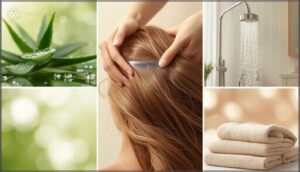
The best way to calm a sensitive scalp is to stop problems before they start. Small changes in your daily routine can protect your scalp from flare-ups and irritation.
Here are three simple strategies that make a real difference.
Avoiding Harsh Chemicals and Heat Styling
Your scalp needs a break from harsh ingredients. Skip sulfates and fragrances—these common preservatives strip natural oils and trigger irritation. Instead, reach for gentle shampoos and sulfate alternatives that respect your sensitive scalp.
Chemical-free formulas protect your scalp barrier, while heat protection products shield you during styling. Trade high-temperature tools for air-drying when possible. Natural oils like argan or jojoba nourish without triggering flare-ups.
Managing Stress and Lifestyle Factors
Chronic stress fuels inflammation that shows up on your scalp first. When you’re running on empty, your skin health takes the hit—and sensitive scalps flare fast.
- Get seven to eight hours of consistent sleep to calm scalp sensitivity
- Try progressive muscle relaxation or mindfulness to lower stress hormones
- Move your body regularly to reduce inflammatory markers
- Cut back on refined sugar and saturated fats
- Build a support network that helps you cope
These lifestyle changes aren’t optional—they’re your foundation for lasting relief.
Practicing Proper Washing and Drying Techniques
Your washing routine can trigger flare-ups or soothe them—it’s that powerful. Start with lukewarm water between 37 and 39°C to protect your skin barrier. Apply gentle shampooing with circular finger movements, never aggressive scrubbing. Rinse for at least twenty seconds. Skip the high-heat blow dryer; air-dry or use cool settings fifteen centimeters away. These scalp care tips transform sensitive scalps fast.
Top 7 Sensitive Scalp Treatment Products
You’ve done the prevention work. Now let’s talk about products that actually calm irritated scalps. These seven treatments target sensitivity with gentle, effective ingredients that won’t make things worse.
1. Moroccanoil Dry Scalp Treatment Oil
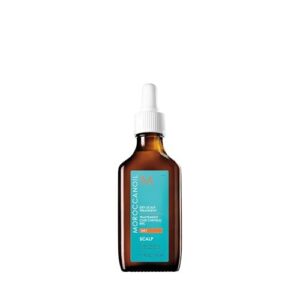
When your scalp burns and itches despite trying everything, Moroccanoil Dry Scalp Treatment might be the reset you need. This lightweight oil glides directly onto irritated patches before washing. It combines argan oil with conditioning ingredients to tackle flaking and dryness without heavy residue.
You’ll apply it once or twice weekly, massage it in, then rinse thoroughly. At $42 for 1.5 ounces, it’s pricey but delivers real scalp irritation relief for sensitive scalps. Patch test first—some users react to essential oils. If burning continues, stop immediately.
| Best For | People with chronically dry, itchy, or flaky scalps who want a lightweight pre-shampoo oil treatment that won’t weigh hair down. |
|---|---|
| Price | $42 |
| Volume | 1.5 fl oz |
| Form | Liquid |
| Hair Type | All types |
| Scent | Soothing |
| Vegan | No |
| Additional Features |
|
- Provides genuine relief from scalp itching and irritation, especially for conditions like eczema or psoriasis
- Lightweight formula absorbs well without leaving heavy, greasy residue on fine or thin hair
- Helps reduce visible flaking when used consistently as part of your routine
- Expensive at $42 for just 1.5 ounces, which adds up quickly with regular use
- Doesn’t work for everyone—some users see minimal improvement despite the price
- Can cause irritation or burning if you’re sensitive to essential oils, so patch testing is necessary
2. Act Acre Scalp Detox Oil
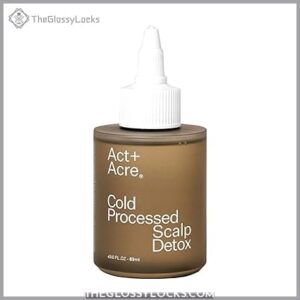
If budget isn’t a barrier, ActAcre Cold Processed Scalp Detox Oil pulls out build-up that regular washing misses. Vitamin E and baobab oil work together to clear dead skin and product residue while calming redness.
Clinical tests show it removes over 95% of scalp build-up in one use—real detox treatment options for irritated skin. You’ll massage it in pre-shampoo, wait ten minutes, then wash twice.
At $48 for three ounces, it’s a splurge, but users with sensitive scalp conditions report genuine scalp irritation relief without greasy after-effects.
| Best For | People with dry, flaky, or irritated scalps who want a clinically proven detox treatment and don’t mind spending more for plant-based, clean ingredients. |
|---|---|
| Price | $48 |
| Volume | 3 fl oz |
| Form | Liquid |
| Hair Type | Dry |
| Scent | Unscented |
| Vegan | Yes |
| Additional Features |
|
- Removes over 95% of scalp build-up in a single use, backed by clinical testing
- Cold-processed formula with basil leaf and baobab oil soothes sensitive conditions like psoriasis and eczema
- Free from sulfates, parabens, silicones, synthetic fragrances, and other common irritants—plus it’s vegan and cruelty-free
- Expensive at $48 for just 3 ounces, which won’t last long with regular use
- Requires double shampooing after treatment to avoid leaving hair feeling oily or greasy
- Small bottle size means you’ll need to reorder frequently if you use it weekly
3. Rene Furterer Scalp Treatment Oil
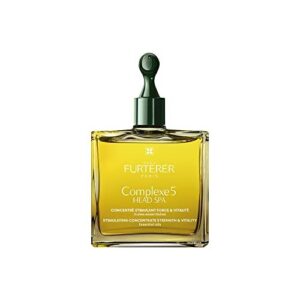
Rene Furterer Scalp Treatment Oil brings a different angle with orange, lavender, and castor oils that rebalance irritated skin. You’ll apply it pre-shampoo, massage gently for two minutes, then rinse—classic oil massage techniques that boost circulation while reducing itch.
At $58 for 1.6 ounces, it’s pricey but effective for mild scalp sensitivity. Some users report tingling, so patch-test first. The citrus scent is strong, which won’t suit everyone, but the gentle exfoliation and scalp detox methods deliver real hair growth tips over consistent use.
| Best For | People with irritated or sensitive scalps who want a pre-shampoo oil treatment that purifies, rebalances, and stimulates circulation to reduce itchiness and promote stronger hair growth. |
|---|---|
| Price | $58 |
| Volume | 1.6 fl oz |
| Form | Oil |
| Hair Type | Normal |
| Scent | Citrus |
| Vegan | No |
| Additional Features |
|
- Combines orange, lavender, and castor oils to soothe irritation while gently exfoliating and detoxifying the scalp
- Pre-shampoo application with massage technique boosts circulation and helps reduce hair fall over time
- Works well for dandruff, itchy scalp, and mild sensitivity when used consistently
- Expensive at $58 for only 1.6 ounces, making it a significant investment for regular use
- May cause tingling or burning sensations on sensitive scalps, requiring a patch test before full application
- Strong citrus scent can be overpowering for some users and requires extra rinsing after the massage treatment
4. Living Proof Dry Scalp Treatment Gel
Living Proof Dry Scalp Treatment Gel shifts from oil-based formulas to a lightweight gel that won’t weigh down fine hair. At $42 for 3.4 ounces, it’s color-safe and vegan—ideal for sensitive scalp solutions when you need quick absorption.
You’ll apply it directly to your scalp in sections, targeting dry scalp causes like moisture loss without that greasy residue. Treatment gel reviews highlight relief from itchy scalp solutions within days, though consistent gel application tips matter.
Some find the price steep, but the non-oily scalp relief methods work well for flaking and tightness.
| Best For | People with dry, flaky scalps who want a lightweight, non-greasy treatment that won’t weigh down fine or chemically treated hair. |
|---|---|
| Price | $42 |
| Volume | 3.4 fl oz |
| Form | Gel |
| Hair Type | All types |
| Scent | Citrus |
| Vegan | Yes |
| Additional Features |
|
- Absorbs quickly without leaving oily residue, making it ideal for daily use on fine hair
- Color-safe, vegan, and cruelty-free formula works well for sensitive or treated scalps
- Provides noticeable relief from itching and flaking within a few days of consistent use
- Expensive at $42 for 3.4 ounces compared to other scalp treatments
- Requires consistent reapplication every few days to maintain results
- Some users feel the price doesn’t match the performance given the need for frequent use
5. Kerastase Genesis Hair Strengthening Serum
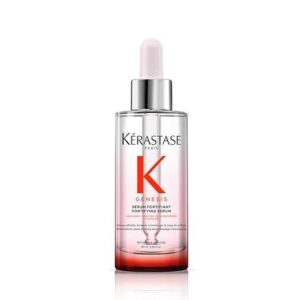
Kerastase Genesis Hair Strengthening Serum targets a different problem—hair breakage that worsens scalp stress. At $64 for 3 fluid ounces, this silicone-free formula combines ginger, caffeine, and arginine to fortify weak strands while staying gentle enough for sensitive scalp needs.
You’ll massage it into thinning areas daily, letting the lightweight serum benefits work without buildup. Hair care reviews note fewer hairs in the brush after consistent use, though the price and ongoing commitment might challenge your budget. It’s ideal when hair fortification and scalp treatment overlap.
| Best For | People dealing with hair breakage and thinning who want a lightweight, silicone-free treatment that strengthens weak strands without irritating sensitive scalps. |
|---|---|
| Price | $64 |
| Volume | 3 fl oz |
| Form | Liquid |
| Hair Type | Dry |
| Scent | Genesis |
| Vegan | No |
| Additional Features |
|
- Ginger, caffeine, and arginine formula fortifies hair and reduces breakage from daily brushing
- Lightweight and silicone-free so it won’t weigh down hair or cause buildup
- Works well for targeting specific thinning areas while being gentle on sensitive scalps
- Expensive at $64 for just 3 fluid ounces
- Requires daily, consistent use to maintain results
- Not ideal for oily hair types or scalps that produce excess sebum
6. Briogeo Charcoal Scalp Treatment Serum
Briogeo Charcoal Scalp Treatment Serum pulls impurities from your scalp surface with activated charcoal benefits while tea tree and peppermint soothe irritation instantly. You’ll apply this lightweight hair product directly to tender spots, letting the scalp detox formula absorb excess oil without greasy residue.
At $32 for just one ounce, it’s pricey for the amount you get. Hair care products with gentle formulas like this work best when your scalp sensitivity stems from buildup rather than underlying conditions. Results vary—some find relief immediately while others see limited improvement despite the cost.
| Best For | People with sensitive scalps dealing with buildup and irritation who want a targeted treatment serum with natural detoxifying ingredients. |
|---|---|
| Price | $32 |
| Volume | 1 oz |
| Form | Liquid |
| Hair Type | All types |
| Scent | Tea Tree/Peppermint |
| Vegan | Yes |
| Additional Features |
|
- Activated charcoal pulls impurities and excess oil from your scalp without leaving heavy residue
- Tea tree and peppermint provide instant cooling relief and calm itchiness on contact
- Clean, vegan formula avoids common irritants like parabens and mineral oil
- Expensive at $32 for only 1 oz, making it a pricey investment for regular use
- Results vary widely—some users report minimal improvement despite the cost
- May not be effective for those with thick hair or deeper scalp conditions beyond surface buildup
7. Kiehls Magic Elixir Hair Oil Treatment
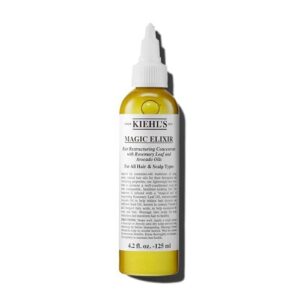
This lightweight pre-shampoo oil treatment benefits your irritated scalp with an avocado and rosemary oil blend that delivers hair nourishment without synthetic fragrance. You’ll massage the elixir ingredients into dry areas before washing, letting the scalp treatment work for 15 minutes to boost scalp comfort. At $27 for 4.2 ounces, it’s gentler on your wallet than competitors.
However, treatment results disappoint some users whose scalp sensitivity didn’t improve. The hair oil works better for dryness than inflammation—know what’s triggering your sensitive scalp before investing.
| Best For | People with dry scalps who want a gentle, natural pre-wash treatment that adds moisture and shine without harsh chemicals. |
|---|---|
| Price | $27 |
| Volume | 4.2 fl oz |
| Form | Oil |
| Hair Type | All types |
| Scent | Unscented |
| Vegan | No |
| Additional Features |
|
- Clean formula with avocado and rosemary oils, free from sulfates, synthetic fragrances, and artificial dyes
- Works as both a quick 15-minute pre-shampoo treatment or an overnight deep conditioning mask
- More affordable than many competing scalp oils at $27 for 4.2 oz
- Doesn’t reliably help with inflammation or irritation—better for dryness than sensitivity issues
- Some users find the bottle smaller than expected for the price point
- Results vary widely, with some people seeing no improvement in their scalp condition
Home Remedies and Professional Solutions
You can calm a sensitive scalp at home with simple ingredients from your kitchen or medicine cabinet. Natural remedies work for mild irritation while professional treatments target deeper issues.
Here’s when to try DIY solutions and when it’s time to see a dermatologist.
Natural Remedies (aloe Vera, Chamomile Rinses)
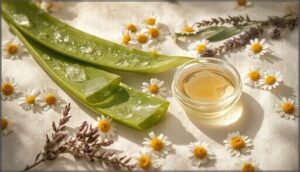
Your scalp doesn’t need a lab to feel better—simple natural remedies work. Aloe vera benefits include deep hydration and calming inflamed skin, while chamomile effects target redness with gentle astringents. These herbal remedies offer real scalp soothing without harsh additives.
- Pure aloe vera gel moisturizes dry patches and nourishes your skin barrier
- Chamomile extract rinses cool irritation after washing your hair
- Natural oils like these tackle scalp sensitivity without triggering reactions
- Steep chamomile flowers, cool completely, then use as your final rinse
- Always patch test before applying any new treatment to your sensitive scalp
Scalp Exfoliation With Gentle Acids
Chemical exfoliants give your sensitive scalp a fresh start without scrubbing. Lactic acid at 5% or salicylic acid around 2% dissolves buildup while respecting scalp pH balance—key for gentle exfoliants that won’t backfire.
Apply these acid concentrations once every week or two for scalp health. Patch test first, follow with hydration, and watch your scalp sensitivity causes fade with this sensitive skin care approach.
Essential Oils for Calming Irritation

Nature offers relief when scalp sensitivity causes flare up. Proper oil dilution matters—tea tree oil at 2-5% in coconut oil fights microbes, while lavender or chamomile ease inflammation.
Try these essential oil blends:
- Mix 3 drops tea tree with 1 tablespoon carrier oil for scalp massage
- Add frankincense for aromatherapy benefits
- Combine with colloidal oatmeal for extra soothing
- Patch test 24 hours before full application for calming irritation
When to Consult a Dermatologist

Home treatments can only go so far. If your sensitive scalp symptoms persist beyond four weeks, book a dermatologist referral.
Urgent care becomes critical when you notice severe pain with fever, rapid hair loss, or oozing lesions—signs pointing to scalp infection or chronic conditions needing specialist input. Don’t wait when scalp problems escalate beyond typical irritation into something more serious.
Frequently Asked Questions (FAQs)
Can diet changes improve sensitive scalp conditions?
Your fork might hold clues to calmer skin. Omega-3s, zinc, and hydration support barrier function and may ease inflammation.
Probiotics and antioxidants show promise, though evidence specifically for scalp sensitivity remains limited.
How often should I wash sensitive scalp?
Wash your sensitive scalp 2–3 times weekly with fragrance-free products to maintain oil balance and scalp pH.
Daily gentle cleansing works for oily types, while drier scalps benefit from 3–4 day intervals for ideal hydration levels.
Are silk pillowcases better for scalp irritation?
Silk pillowcases reduce friction and help manage moisture while you sleep. They won’t cure scalp sensitivity, but many people notice less itching and irritation. Think of them as a gentle care routine upgrade worth trying.
Do hair supplements help with scalp sensitivity?
Most hair supplements won’t fix scalp sensitivity unless you have nutrient deficiencies.
Omega-3 benefits and vitamin D role show promise for inflammation, but supplement efficacy lacks strong evidence for routine scalp health maintenance.
Can hormonal birth control worsen scalp irritation?
Yes, hormonal birth control can worsen scalp irritation in some people. Hormonal fluctuations affect sebum production and skin inflammation.
If your scalp symptoms started after beginning contraceptives, talk to your dermatologist.
Conclusion
The best defense against scalp discomfort is knowing when to stop fighting it. Listen to what your scalp is telling you.
These sensitive scalp irritation solutions work because they address root causes, not surface problems. Whether you choose treatment oils, natural remedies, or professional guidance, consistency matters more than intensity.
Your scalp adapted to stress over time. Give it time to heal. The rebellion ends when you stop treating your scalp like the enemy.