This site is supported by our readers. We may earn a commission, at no cost to you, if you purchase through links. This content is for general informational and educational purposes only and is not a substitute for professional medical, dermatological, or nutritional advice.
That polished blowout you see in magazines doesn’t happen by accident—it’s the result of deliberate technique, starting before you even pick up the dryer. Most people blast their hair with heat and wonder why they end up looking like they stuck their finger in an electrical socket, but frizz isn’t just bad luck or stubborn hair texture.
It’s actually your hair’s damaged cuticle layer reacting to moisture, heat, and friction in ways you can control. The difference between salon-smooth and frizzy comes down to understanding how your hair reacts to each step of the drying process, from the towel you grab to the angle you hold your dryer.
Once you know what causes those flyaways and how to counteract them, you’ll transform your blow-dry routine into one that seals smoothness in instead of roughing it up.
Table Of Contents
Key Takeaways
- Frizz prevention starts in the shower with microfiber towels and sulfate-free products that preserve your hair’s natural moisture balance and cuticle integrity before heat ever touches your strands.
- Proper blow-drying technique requires sectioning hair into 4-6 panels, pointing the nozzle downward to flatten cuticles, and finishing each section with cool air to lock in smoothness and seal the hair shaft.
- The right tools make the difference—ionic dryers at 1600-1875 watts paired with natural bristle brushes and heat protectants create a thermal shield that prevents damage while smoothing frizz.
- Post-blow-dry care determines longevity: let hair cool completely before touching, sleep on silk to reduce friction, and get trims every 6-8 weeks to stop split ends from traveling up the shaft and creating texture issues.
Essential Pre-Blow-Dry Steps for Less Frizz
Frizz doesn’t start when you turn on the dryer—it starts the moment you step out of the shower. The way you handle wet hair, from the towel you reach for to the products you smooth through each strand, determines whether you’ll end up with sleek control or a halo of flyaways.
Once your hair is towel-dried and prepped, choosing the right hair dryer makes all the difference in locking in smoothness and keeping frizz at bay.
Frizz starts the moment you step out of the shower—your towel and product choices determine sleek control or flyaways
Here are the five pre-blow-dry moves that set you up for a frizz-free finish every time.
Use a Microfiber Towel or T-shirt to Dry Hair
You’re setting yourself up for failure if you skip the towel step. Microfiber towels absorb up to three times their weight in water because the fibers create micro channels that pull moisture away from your hair shaft. This cuts your blow drying time by several minutes per section while reducing friction that lifts cuticles and creates frizz.
- Choose a high GSM microfiber towel for maximum water removal compared to cotton
- Pat or gently squeeze hair instead of rubbing to keep cuticles smooth
- Try turban-style wraps that stay put without constant adjustment during prep
- Roll the towel at your ends to push moisture outward without causing breakage
- Use the plush side for comfort and the smooth side for faster drying
Detangle Gently With Fingers or a Wide-tooth Comb
After your hair’s no longer dripping, detangling methods matter more than you think. Finger detangling works brilliantly on low-density tangles because your fingertips can feel resistance and adjust pressure instantly.
For thicker or frizzy hair, grab a widetooth comb and start at your ends—never the roots—because wet hair stretches like elastic before it snaps. Gentle handling now means smoother blow drying later.
Apply a Hydrating Mask or Deep Conditioner
Once detangling’s complete, lock in moisture with a hydrating mask or deep conditioner—your real defense against frizzy hair. Glycerin and hyaluronic acid derivatives in these hydrating treatments pull moisture into your hair shaft and hold it for up to 24 hours, strengthening your moisture lock before heat hits.
Hair mask benefits extend beyond frizz prevention because well-hydrated strands resist heat damage better during blow drying.
Choose Sulfate-free Shampoo and Conditioner
Before you reach for your blow dryer, your shampoo choice matters—sulfate free basics mean gentle cleansing with decyl glucoside instead of stripping surfactants that trigger frizzy hair.
Mild formulas preserve hydrogen bonds in your hair shaft while maintaining scalp health, which directly impacts hair hydration and color preservation. That balanced oil production you’re after? It starts in the shower with smarter hair care tips.
For those seeking gentle options, consider the benefits of a sulphate free hair care kit.
Prep With Heat Protectant or Anti-frizz Serum
Before heat hits your strands, armor up—heat protectants create a thermal shield with silicones or polymers that lock moisture in and smooth each cuticle layer, giving you real frizz control during blow drying.
Your hair serum strategy depends on porosity and texture:
- Apply a dime-sized amount to damp mid-lengths and ends for hair smoothening without root flatness
- Choose lightweight sprays for fine hair or richer formulas for coarse, frizzy hair
- Wait thirty seconds after application before styling to optimize cuticle care and heat protection
For more on protecting your style, explore the benefits of for healthier, shinier hair.
Best Blow Drying Techniques for Frizz Control
You’ve prepped your hair properly, and now it’s time to master the actual blow-drying process. The way you handle your dryer, brush, and sectioning strategy makes all the difference between sleek, smooth results and a frizzy mess.
If you’re dealing with oily roots between washes, proper beard washing frequency can help you maintain a fresh, clean look without over-drying your hair.
Here are five essential techniques that’ll help you take control and achieve salon-quality smoothness at home.
Section Hair for Even, Controlled Drying
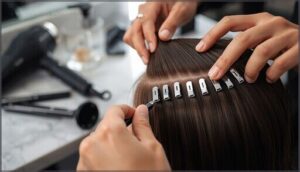
If you want to skip the chaos and lock in salon-level results, divide your mane into 4 to 6 vertical panels before you switch on your hair dryer. Sectioning techniques guarantee every strand gets uniform heat exposure, so you won’t end up with damp roots and fried ends.
Start at the nape and work upward—controlled airflow means zero frizz surprises.
Point Dryer Nozzle Downward to Smooth Cuticles
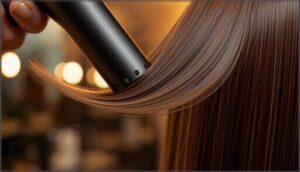
Angle your blow dryer nozzle so the airflow travels down each strand from root to tip—this single move flattens those lifted cuticle scales that create frizz. A narrow concentrator attachment focuses heat precisely along the shaft, minimizing turbulence and sealing in shine.
- Cuticle smoothing happens fast when airflow travels in one direction
- Nozzle design matters—a concentrator beats diffused air every time
- Airflow control reduces drying time while protecting texture
- Heat protectant pairs perfectly with downward techniques for lasting results
Use a Cool Air Setting to Finish

Your blow dryer’s cool button is your secret weapon against frizz—finish every section with a 30-second cool air blast to lock the cuticle flat and seal in smoothness.
That temperature drop slows moisture evaporation, letting cuticle scales settle uniformly while boosting your heat protectant’s staying power.
You’ll see shinier, tamer hair that laughs at humidity.
Keep Hair Dryer at a Safe Distance
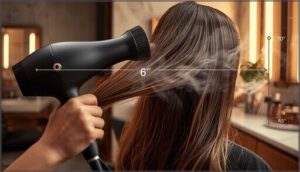
You wouldn’t iron a shirt by pressing the plate directly onto fabric, and the same logic governs blow drying techniques. Hold your dryer at least six inches from your scalp to distribute heat evenly and prevent cuticle scorching.
Safe distancing is your frizz reduction method that works because proper dryer placement stops moisture from evaporating too fast. Nozzle control paired with heat settings and a heat protectant guards against burn prevention failures.
Use a Natural Bristle or Ceramic Round Brush
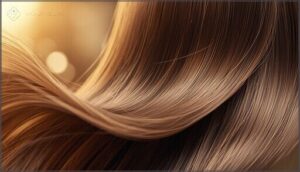
Your brush choice transforms blow drying techniques from a frizz battle into hair smoothing victory. Natural bristle brushes distribute scalp oils down each strand, taming frizzy hair solutions at the root, while ceramic coating barrels emit negative ions that crush static.
Different bristle types suit different textures—boar for fine hair, mixed nylon-bristle for thick locks.
Brush maintenance matters: clean weekly to preserve bristle benefits and extend your hair styling products investment.
Top 5 Products to Reduce Frizz When Blow Drying
You can have the best technique in the world, but if you’re using the wrong products, you’re basically fighting a losing battle against frizz. The right tools and formulas work with your hair’s natural structure, sealing the cuticle and locking out humidity before it even becomes a problem.
Here are five products that’ll actually make a difference when you’re blow drying.
1. Aquis Microfiber Hair Drying Towel
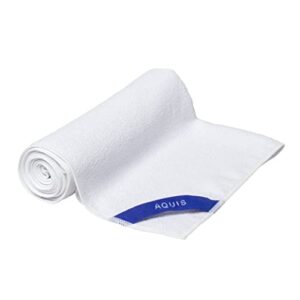
The AQUIS towel is a game changer because it uses proprietary microfiber technology that absorbs water eight times faster than standard cotton towels. This means you’re drastically cutting down blow-dry time and heat exposure, which directly translates to less frizz and cuticle damage.
The lightweight fabric stays soft through hundreds of washes while resisting friction that roughens hair strands.
It’s particularly effective for thick or curly textures that need efficient moisture removal without aggressive rubbing—your hair stays smoother from the start.
| Best For | Anyone looking to cut down on blow-dry time and heat damage, especially if you have thick, curly, or frizz-prone hair. |
|---|---|
| Hair Type | All hair types |
| Primary Benefit | Reduces drying time |
| Key Function | Water absorption |
| Material/Formula | Recycled microfiber |
| Heat Related | Reduces hairdryer time |
| Usage Context | Daily/Travel |
| Additional Features |
|
- Absorbs water way faster than regular towels, so you spend less time with a hairdryer
- Super gentle on your hair—no rough rubbing means less breakage and frizz
- Lightweight and durable enough to handle regular washing without losing its softness
- Pricier than your typical bath towel
- The microfiber texture might feel a bit staticky or weird to some people
- A few users with really thick or curly hair found it didn’t work as well as they’d hoped
2. Nexxus Frizz Defy Hair Serum
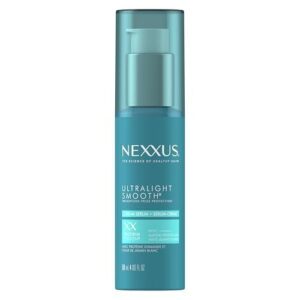
If you want frizz protection that actually lasts, the Nexxus Frizz Defy serum is a lightweight powerhouse that shields your hair in up to 98% humidity.
Its ProteinFusion blend wraps almond protein and jasmine flower around each strand, creating an invisible barrier that smooths flyaways without weighing you down.
Apply a small amount to damp hair before blow drying—it doubles as heat protection while keeping your hair smooth for up to 72 hours, even through multiple washes.
| Best For | Anyone with frizzy or flyaway-prone hair who needs humidity protection that won’t weigh their hair down. |
|---|---|
| Hair Type | Normal |
| Primary Benefit | Frizz control |
| Key Function | Humidity protection |
| Material/Formula | Silicone-free liquid |
| Heat Related | Heat protects |
| Usage Context | Daily styling |
| Additional Features |
|
- Blocks frizz in up to 98% humidity and keeps hair smooth for up to 72 hours
- Lightweight formula won’t make hair greasy or heavy
- Works as both a styling product and heat protectant
- May not work as well on extremely damaged hair without the full product system
- Results can vary depending on your specific hair type and local humidity
- Some people might not enjoy the scent
3. Olaplex Volumizing Blow Dry Mist
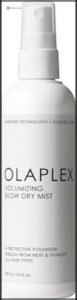
While serums handle humidity, Olaplex Volumizing Blow Dry Mist addresses both frizz and volume with its bond-building technology—repairing damaged hair bonds as you style.
Spray it on damp hair before blow drying and you’ll get heat protection up to 450°F, plus weightless lift that doesn’t feel sticky or stiff. The jackfruit polysaccharides create lasting body while bamboo extract acts as scaffolding against styling damage.
At $30 for 5 ounces, it’s a splurge, but your hair stays smooth, bouncy, and protected through every blow-dry session.
| Best For | Anyone with fine or damaged hair who wants heat-protected volume without crunchiness or weight. |
|---|---|
| Hair Type | All hair types |
| Primary Benefit | Heat protection |
| Key Function | Volume building |
| Material/Formula | Spray mist |
| Heat Related | 450°F heat protection |
| Usage Context | Blow-dry styling |
| Additional Features |
|
- Repairs hair bonds while protecting against heat up to 450°F
- Creates lasting volume and bounce that feels natural, not stiff
- Works across all hair types, from straight to coily
- Pricey at $30 for 5 ounces
- Unscented formula won’t appeal to fragrance lovers
- Not much info on how it plays with other styling products long-term
4. Mulberry Silk Head Scarf
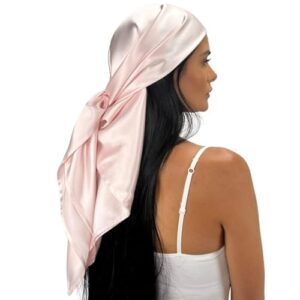
Protection doesn’t stop when your dryer clicks off—overnight friction can undo all that smoothness. That’s where a mulberry silk head scarf earns its keep, wrapping your hair in 22 momme silk that reduces breakage while you sleep.
The charmeuse weave stays smooth against your cuticles, locking in moisture and preventing frizz from pillow contact.
At around $25, it’s a strategic investment that works while you rest, maintaining your blow-dry between washes without adding products or heat.
| Best For | Anyone looking to protect their hair from overnight friction and frizz, especially those with textured, curly, or freshly styled hair who want to maintain their blow-dry between washes. |
|---|---|
| Hair Type | All hair types |
| Primary Benefit | Reduces frizz |
| Key Function | Friction reduction |
| Material/Formula | Mulberry silk |
| Heat Related | Minimizes heat damage |
| Usage Context | Sleep/Daily wear |
| Additional Features |
|
- Made from 100% Grade 6A mulberry silk with a smooth charmeuse weave that reduces friction and helps prevent breakage while you sleep
- Versatile enough to wear as a head wrap, neck scarf, bandana, or belt—so you’re not limited to nighttime use
- Machine washable and OEKO-TEX certified, making it easy to care for without special handling
- The slippery silk material can slide off during sleep, which defeats the purpose if you’re a restless sleeper
- Some users find it tricky to tie securely because of how smooth the fabric is
- Quality control issues have been reported, with some customers receiving damaged or lower-quality products
5. Eva NYC Invisible Dry Shampoo
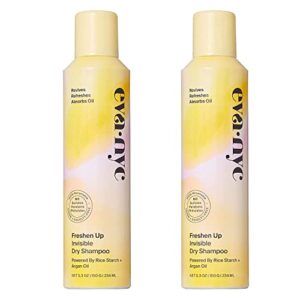
Between washes, your roots betray you—oil creeps in and flattens the volume your blow-dry built.
Eva NYC’s Invisible Dry Shampoo solves that problem with rice starch that absorbs grease without leaving white residue, even on dark hair.
The aerosol mist disperses evenly from six inches away, invigorating your scalp while argan oil adds a touch of shine.
At about $10 for 5.3 ounces, it’s an affordable backup plan that extends your style three days without water, heat, or starting over.
| Best For | People with busy schedules who want to refresh their hair between washes without white residue, especially those with darker hair tones. |
|---|---|
| Hair Type | Dry/All hair types |
| Primary Benefit | Oil absorption |
| Key Function | Hair refreshing |
| Material/Formula | Aerosol |
| Heat Related | No heat required |
| Usage Context | Between washes |
| Additional Features |
|
- Absorbs oil and adds volume without leaving visible white powder on dark hair
- Contains argan oil for added shine and nourishment while refreshing
- Affordable at around $10 per bottle with convenient aerosol application
- Takes more effort to blend completely into very dark or black hair
- Loses effectiveness after day three or with extremely oily hair
- Aerosol format may not appeal to users who prefer pump or powder alternatives
Post-Blow-Dry Care to Maintain Smoothness

You’ve done the hard work of blow drying your hair smooth, but the real battle is keeping it that way. What you do in the hours and days after you turn off that dryer determines whether your hair stays sleek or reverts to frizz.
Here’s how to lock in that smoothness and protect your work from humidity, friction, and everyday damage.
Let Hair Cool Before Touching or Styling
Your hair’s temperature spikes during blow drying, and that heat keeps working against you even after you switch off the dryer. Give your strands 5 to 15 minutes of cooling time before you touch or style them, because this rest period delivers three major frizz reduction tips:
- Hair cuticle sealing tightens those outer scales, locking in smoothness
- Scalp temperature control minimizes sweat buildup that triggers frizz
- Styling momentum preservation sets your sleek finish in place
Patience here pays off.
Apply Lightweight Oil or Serum for Shine
That final glow-up comes from a pea-sized drop of argan or grapeseed oil smoothed from mid-lengths to ends. These lightweight hair oils seal your cuticle, boosting shine enhancement without weighing strands down, because they form a reflective barrier that locks in frizz reduction methods you’ve already built.
Silicone-based hair serum works just as well—apply it sparingly after blow drying for that glass-like hair smoothing finish.
Protect Against Humidity With Anti-frizz Spray
Seal your style against the elements with a humidity-fighting hair spray that blocks moisture without turning strands stiff. Modern spray formulas use polymers and light silicones to create a flexible barrier, delivering frizz prevention that lasts hours in muggy weather. Look for products that activate with heat from blow drying, because they fuse with your hair fibers to maintain moisture balance and provide powerful hair shielding.
Your frizzy hair solutions work harder when you:
- Choose lightweight sprays that won’t weigh down your style
- Apply evenly from roots to ends before heading out
- Look for humidity control technology that adjusts to changing conditions
- Target flyaways with a focused mist at problem zones
- Layer with hair serum for double defense against environmental stress
Sleep on a Silk Pillowcase or Use a Silk Scarf
Your nighttime routine can undo a perfect blow-dry if cotton pillows snag and rough up your cuticles while you sleep. Switching to silk fabric benefits your hair texture management instantly—silk pillowcases and silk scarf wrapping techniques cut friction by 43% compared to cotton, preserving moisture and keeping frizzy hair solutions working all night.
These hair sleep habits deliver frizz control without extra morning styling.
Regular Trims and Gentle Hair Care Routines
Split ends travel up your shaft and sabotage even the best blow-dry, because damaged tips create uneven texture that resists smoothing. Locking in frizz control demands consistent hair trimming and hair maintenance routines that protect your investment:
- Schedule trims every 6 to 8 weeks to stop breakage before it starts and improve manageability by 20%.
- Detangle damp strands with gentle combing using a wide-tooth comb, starting at the ends.
- Deep condition weekly for hair hydration that smooths cuticles and aids frizz prevention.
- Massage your scalp regularly to boost circulation and maintain the foundation for healthy hair texture management and hair damage prevention.
These hair care routines strengthen every strand for lasting frizz control.
Frequently Asked Questions (FAQs)
What hair dryer wattage works best for frizz?
Like old-school extension cords, wattage balance matters—aim for 1600 to 1875 watts for frizz control.
This sweet spot delivers fast airflow management without scorching cuticles, especially when you pair heat settings with ionic hair dryer technology.
How often should I deep condition my hair?
Your hair type dictates deep conditioning frequency. Most benefit from weekly sessions, but dry or damaged strands thrive with two to three treatments per week to restore moisture balance and reduce frizz effectively.
Can I blow dry hair every day safely?
I’ve worked with clients who swear by their morning blowout ritual.
Yes, you can blow-dry daily if you use low to medium heat, apply heat protectant, and keep the dryer six inches from your scalp.
Does water temperature affect frizz when washing?
Yes, hot water lifts your cuticles and increases porosity, making frizz worse.
Cooler rinses seal the cuticle, lock in moisture balance, and prep your texture for smoother blow drying with better frizz control.
Which brush type causes the least frizz?
The stiffest tool can create the smoothest finish.
Boar bristle brushes cause the least frizz when blow drying because their natural fibers distribute scalp oils, seal cuticles, and minimize static during hair styling techniques.
Conclusion
Think of frizz like static cling—it only grabs hold when conditions are just right. Now that you know how to reduce frizz when blow drying, you’re not fighting your hair anymore; you’re working with its natural structure.
The towel you choose, the angle of your dryer, the products you layer—they all add up to cuticles that lie flat instead of flaring out. Smooth hair isn’t luck; it’s technique you can repeat every single time.