This site is supported by our readers. We may earn a commission, at no cost to you, if you purchase through links.
Your first pair of running shoes shouldn’t cost a fortune or feature space-age technology that makes zero sense when you’re just trying to run around the block without your knees screaming. Most beginners drop $100 to $200 on shoes loaded with features they don’t need yet, when what really matters is finding a pair that protects your joints, fits your foot shape, and doesn’t fall apart after fifty miles.
The right running shoes for beginners balance cushioning that absorbs impact with enough responsiveness to feel natural underfoot. Whether you pronate inward, have wide feet, or plan to stick to pavement, understanding a few key features—like heel-to-toe drop, breathable materials, and when stability actually helps—transforms shoe shopping from overwhelming guesswork into a straightforward decision that gets you running comfortably from day one.
Table Of Contents
- Key Takeaways
- 9 Best Running Shoes for Beginners
- 1. Brooks Ghost Neutral Running Shoe
- 2. Nike Women’s Revolution Running Shoes
- 3. New Balance Fresh Foam Running Shoe
- 4. Asics Gel Contend Running Shoes
- 5. Saucony Women’s Ride Running Shoe
- 6. Nike Women’s Road Running Shoes
- 7. Brooks Glycerin GTS Running Shoe
- 8. Brooks Adrenaline Running Shoe
- 9. Brooks Women’s Neutral Running Shoe
- What to Look for in Running Shoes
- How Should Running Shoes Fit Beginners
- Types of Running Shoes for New Runners
- How Much to Spend on Beginner Shoes
- Tips for Running Shoe Maintenance and Replacement
- Frequently Asked Questions (FAQs)
- Conclusion
Key Takeaways
- Most beginners should spend $100-$140 on daily trainers with balanced cushioning (8-10mm drop) rather than maxing out on premium features they don’t need yet—prioritize proper fit with a thumb’s width of toe space and snug midfoot support over flashy technology.
- Replace your running shoes every 300-500 miles or when the midsole loses its bounce and outsole tread flattens, because worn cushioning leads to joint pain and injuries that’ll sideline your progress faster than any other mistake.
- Start with 12-15 miles per week across 3-4 runs and increase total weekly distance by only 10% while taking regular recovery weeks—rushing mileage builds injuries, not fitness.
- Match your shoe type to your foot strike pattern: neutral shoes work for efficient runners, stability models help overpronators, and max cushioning protects joints during higher-mileage weeks or when recovering from setbacks.
9 Best Running Shoes for Beginners
You’re ready to lace up and hit the pavement, but the right pair of shoes can make or break your first miles.
Before you take that first stride, learn how patience and consistency build the foundation for any new habit that requires gradual progress.
I’ve tested dozens of options to help you find shoes that support your stride without slowing you down or emptying your wallet.
Here are nine beginner-friendly picks that’ll keep you comfortable from your first run to your hundredth.
1. Brooks Ghost Neutral Running Shoe
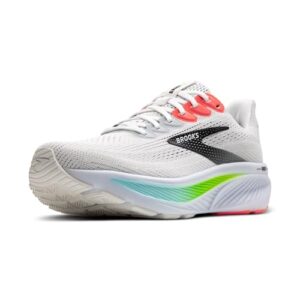
The Brooks Ghost 17 gives you a smooth, forgiving ride right out of the box. Its nitrogen-infused DNA Loft v3 cushioning absorbs impact without feeling mushy, so you can focus on building mileage instead of nursing sore joints.
The engineered mesh upper breathes well on warm days, while the relaxed fit accommodates different foot shapes without pinching. At $149.95, it’s your reliable companion for easy runs and recovery miles. You’ll find multiple width options too, making it easier to nail that Goldilocks fit on your first try.
| Best For | Runners looking for a reliable daily trainer that balances soft cushioning with enough support for everything from easy recovery jogs to casual all-day wear. |
|---|---|
| Cushioning | DNA Loft v3 |
| Breathable Upper | Double jacquard mesh |
| Supported Activities | Running, walking, gym |
| Arch Support | Neutral support |
| Sole Material | Rubber |
| Imported | Not specified |
| Additional Features |
|
- Nitrogen-infused DNA Loft v3 cushioning delivers plush comfort without feeling unstable or overly soft
- Engineered mesh upper breathes well and fits a range of foot shapes, with wide options available
- Versatile enough for running, gym sessions, or even wearing with jeans thanks to its clean design
- Stacked cushioning design can make some runners feel like their foot sits on top of the shoe rather than in it
- Traction struggles a bit on wet pavement or slick surfaces
- Limited colorways might not excite those who want more style variety
2. Nike Women’s Revolution Running Shoes
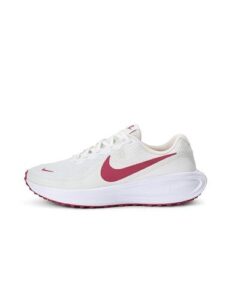
Looking for something lighter wallet? The Nike Revolution 8 delivers solid performance at $56.97 without cutting corners where it counts. Its foam midsole cushions each footfall while the breathable mesh upper keeps your feet from overheating on humid mornings.
The rubber outsole grips pavement reliably, and the secure lace system locks down your midfoot so you’re not fiddling mid-run. Just know that some runners find the fit runs narrow, so sizing up a half might save you from pinched toes.
| Best For | Budget-conscious runners who want reliable everyday training shoes and don’t mind a snugger fit. |
|---|---|
| Cushioning | Foam midsole |
| Breathable Upper | Translucent mesh |
| Supported Activities | Running, walking, gym |
| Arch Support | Yes |
| Sole Material | Not specified |
| Imported | Not specified |
| Additional Features |
|
- Affordable at $56.97 without sacrificing essential running features
- Breathable mesh upper keeps feet cool during workouts
- Solid rubber outsole provides dependable traction on pavement
- Runs narrow, which may require sizing up for wider feet
- Less cushioning than some runners prefer for long distances
- Some users report squeaking issues during wear
3. New Balance Fresh Foam Running Shoe
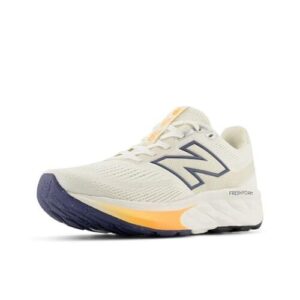
New Balance Fresh Foam 1080 wraps your foot in plush, uniform cushioning that smooths out bumpy pavement while staying responsive enough for faster efforts. The engineered mesh upper breathes well on warm days, and the 10 mm drop gives you a forgiving platform that won’t overwork your calves as you build mileage.
Some runners report the fit runs narrow, so consider ordering a wide width if your feet need extra room—quality may soften after six months of heavy use, but the comfort payoff makes it worth checking out.
| Best For | Runners and walkers who want plush cushioning for long miles or all-day comfort, especially those who spend extended time on their feet. |
|---|---|
| Cushioning | Fresh Foam |
| Breathable Upper | Engineered mesh |
| Supported Activities | Running, walking, daily |
| Arch Support | Yes |
| Sole Material | Rubber |
| Imported | Imported |
| Additional Features |
|
- Ultra-soft Fresh Foam midsole delivers lightweight cushioning that handles both easy runs and faster paces
- Breathable engineered mesh keeps feet cool during workouts and daily wear
- Versatile enough for running, walking, or casual use straight out of the box
- Tends to run narrow, so you may need to size up or order a wide width for a comfortable fit
- Durability can decline after about six months of heavy use
- Limited size range may not work for all foot shapes
4. Asics Gel Contend Running Shoes
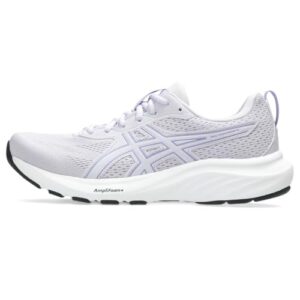
Asics Gel Contend delivers dependable cushioning without draining your wallet—at just $64.99, you get rearfoot GEL technology that softens heel strikes and an AMPLIFOAM+ midsole that balances plush comfort with long-lasting rebound.
The engineered mesh upper stretches with your foot, and the TRUSSTIC support unit keeps you stable through transitions without locking down your forefoot. Watch your sizing closely, though—some runners find the fit runs small or narrow, so you might need to try a half size up or a wide option.
| Best For | Budget-conscious runners and anyone who spends long hours on their feet—nurses, retail workers, or casual walkers who need reliable cushioning without spending over $100. |
|---|---|
| Cushioning | GEL technology |
| Breathable Upper | Jacquard mesh |
| Supported Activities | Running, walking, workouts |
| Arch Support | Yes |
| Sole Material | Rubber |
| Imported | Imported |
| Additional Features |
|
- Rearfoot GEL technology absorbs impact where you need it most, making heel strikes feel softer on long runs or shifts
- AMPLIFOAM midsole delivers a solid mix of comfort and durability that holds up through daily wear
- Engineered mesh keeps your feet cool and moves with you instead of fighting against your natural stride
- Sizing runs inconsistent—many people need to go up a half size or switch to wide widths to avoid tightness
- Soles can wear down faster than expected, especially if you’re putting in serious mileage
- Limited color choices mean you might not find a style that matches your taste
5. Saucony Women’s Ride Running Shoe
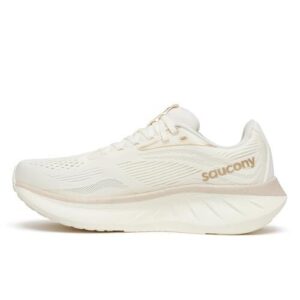
You’ll appreciate the Saucony Ride‘s PWRRUN+ cushioning that keeps your stride comfortable mile after mile without feeling mushy underfoot. At $108.95, you get a neutral platform with an 8mm offset that guides you smoothly from heel to toe, plus engineered mesh that breathes when your runs heat up.
If you need similar breathability and comfort for your head, check out human hair wigs for Black women that prioritize quality caps and natural materials.
The TriFlex outsole grips pavement reliably, while flex grooves let your forefoot move naturally. Just watch the tongue height—some runners find it rubs against their ankles, so test the fit before committing to longer distances.
| Best For | Neutral runners who want a cushioned daily trainer that handles everything from easy miles to tempo runs without losing ground feel. |
|---|---|
| Cushioning | PWRRUN+ foam |
| Breathable Upper | Engineered mesh |
| Supported Activities | Running, walking, gym |
| Arch Support | Yes |
| Sole Material | Not specified |
| Imported | Not specified |
| Additional Features |
|
- PWRRUN foam delivers plush cushioning that stays responsive and doesn’t pack out quickly
- Clean heel-to-toe transition with an 8mm offset makes it easy to pick up pace
- Breathable engineered mesh keeps your feet cool on longer runs
- Tongue sits high on the ankle and can dig in during runs
- Narrow fit through the heel doesn’t work for wider feet
- Limited colorway options compared to other daily trainers
6. Nike Women’s Road Running Shoes
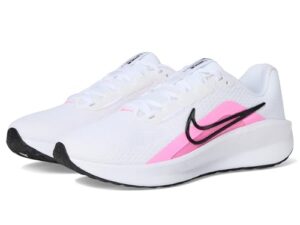
The Nike Journey Run combines lightweight foam cushioning with a breathable mesh upper that won’t weigh you down on easy miles. At just $63.97, you get Zoom Air under the forefoot for a springy feel, plus a waffle-pattern outsole that grips wet city streets reliably.
The stretchy knit-like upper reduces irritation during longer runs, while flexible forefoot zones let your stride flow naturally. Available in Extra Wide sizes for broader feet, though some runners find the toe box runs slightly narrow—try them on before committing.
| Best For | Runners with wide or flat feet who want affordable, breathable shoes for easy daily miles and casual runs. |
|---|---|
| Cushioning | Fresh Foam |
| Breathable Upper | Engineered mesh |
| Supported Activities | Running, walking |
| Arch Support | Yes |
| Sole Material | Not specified |
| Imported | Imported |
| Additional Features |
|
- Lightweight foam and Zoom Air cushioning deliver comfort without bulk at under $65
- Breathable mesh upper and flexible forefoot let your feet move naturally on longer runs
- Available in Extra Wide sizes with solid arch support and grip for wet pavement
- Toe box runs slightly narrow despite the wide sizing, so try before buying
- Looser fit may not work if you prefer a snug, locked-in feel
- Durability is uncertain and depends on how hard you run
7. Brooks Glycerin GTS Running Shoe
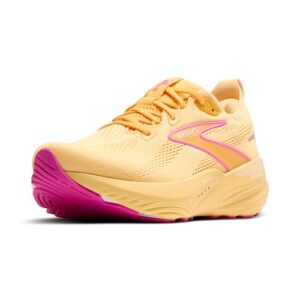
Brooks Glycerin GTS gives you plush DNA Tuned cushioning with built-in GuideRails that gently stabilize your stride without feeling restrictive. At $114.95, you get a double jacquard knit upper that flexes with your foot, plus a broad platform for confident transitions on easy runs.
The midsole balances soft landings with energetic toe-offs, making recovery miles feel seamless. Available in wide widths for roomier feet, though some runners size up half for extra toe space with thicker socks.
| Best For | Runners who want plush cushioning with gentle stability support for daily training and recovery runs, especially those with mild overpronation. |
|---|---|
| Cushioning | Soft mesh |
| Breathable Upper | Soft mesh |
| Supported Activities | Running, daily wear |
| Arch Support | Yes |
| Sole Material | Not specified |
| Imported | Not specified |
| Additional Features |
|
- DNA Tuned midsole delivers luxurious cushioning that feels soft but responsive during toe-off
- GuideRails system provides holistic support without the rigid feel of traditional stability shoes
- Double jacquard knit upper adapts to different foot shapes and accommodates wide widths
- Toe box may feel narrow or snug for some runners, often requiring a half-size up
- Sole durability concerns reported by some users over extended mileage
- Not ideal for runners with extremely wide feet despite wide width options
8. Brooks Adrenaline Running Shoe
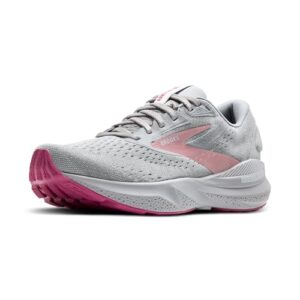
At $99.95, the Adrenaline GTS delivers nitrogen-infused DNA Loft v3 cushioning that feels lightweight yet plush under your feet.
GuideRails gently guide your stride without overcorrecting, keeping excess movement in check while you build mileage. The engineered air mesh upper breathes well and flexes naturally, though you might need to size up or choose a wide width if your feet run broad.
Expect a short break-in period before the 12mm drop and smooth transitions click into place for your daily training.
| Best For | Runners and walkers who need reliable support for overpronation, plus anyone dealing with flat feet or plantar fasciitis who wants cushioned stability for long distances. |
|---|---|
| Cushioning | DNA Tuned |
| Breathable Upper | Double jacquard knit |
| Supported Activities | Running, gym, cross training |
| Arch Support | Holistic support |
| Sole Material | Not specified |
| Imported | Not specified |
| Additional Features |
|
- Nitrogen-infused DNA Loft v3 cushioning delivers soft, responsive comfort without feeling heavy or clunky
- GuideRails support system keeps your stride aligned naturally without the rigid, overcorrected feel of traditional stability shoes
- Breathable engineered mesh upper stretches where you need it while maintaining structure through miles of wear
- Runs small or narrow for some feet, so you may need to size up or opt for a wide width to avoid pinching
- Short break-in period can cause arch irritation or blisters before the shoe molds to your foot
- Stability features add a bit of weight compared to neutral trainers, which might feel noticeable on faster runs
9. Brooks Women’s Neutral Running Shoe
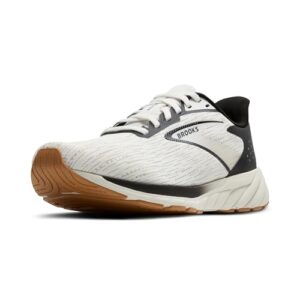
You deserve a shoe that feels like it was custom-built for your foot from day one. The Brooks Women’s Ghost neutral running shoe blends soft BioMoGo DNA foam cushioning with a breathable mesh upper that keeps your feet cool mile after mile.
The heel absorbs impact smoothly while the responsive forefoot propels you forward without feeling stiff. Available in standard and wide widths, the Ghost runs true to size and offers solid road grip plus a durable rubber outsole that withstands several hundred training miles.
| Best For | Runners who want a reliable everyday shoe with plush cushioning and breathable comfort for long training runs or casual wear. |
|---|---|
| Cushioning | DNA Loft v3 |
| Breathable Upper | Air mesh |
| Supported Activities | Running, walking, daily |
| Arch Support | Holistic support |
| Sole Material | Rubber |
| Imported | Imported |
| Additional Features |
|
- DNA midsole cushioning reduces underfoot pressure and adapts to your stride
- Breathable mesh upper keeps feet cool during extended runs
- Durable rubber outsole holds up well through hundreds of miles
- May lack enough support for runners with narrow feet
- Some users find the cushioning too firm for their preference
- Sizing can be inconsistent—may run tight or large depending on foot shape
What to Look for in Running Shoes
Choosing your first pair of running shoes doesn’t have to feel overwhelming. A few key features make all the difference between a shoe that complements your journey and one that holds you back.
Here’s what you need to know to find the right fit for your running goals.
Cushioning and Support for Impact Protection
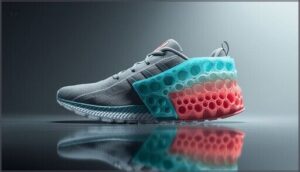
Your feet take a beating with every strike, so cushioning and support act as your first line of defense against injury.
Look for running shoes for beginners with midsole materials like nitrogen-infused foam or layered cushioning systems that spread impact absorption across multiple densities.
Support features such as medial posts control pronation, while durable foam maintains stability and breathability without collapsing after hundreds of miles.
Heel-to-Toe Drop and Why It Matters
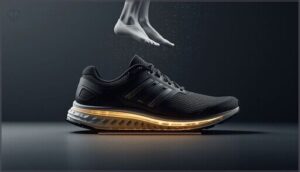
Drop measures the height difference between heel and forefoot, usually ranging from zero to twelve millimeters for everyday shoes.
Most beginners feel comfortable with eight to ten millimeters because it aids your natural foot strike without forcing sudden calf and Achilles adaptation.
A higher drop encourages heel landing, while lower drops shift you toward midfoot strikes—so match your current running form rather than chasing trends that increase injury risk.
You can learn more about how heel drop affects running form.
Breathable Upper Materials for Comfort
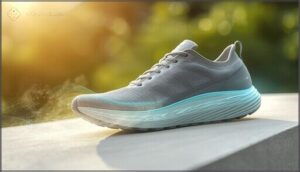
Breathable Fabrics keep your feet cool when mesh panels deliver sixty to ninety percent airflow through ventilation zones.
Moisture management starts with wicking threads that pull sweat to the surface, while airflow systems prevent that swampy feeling on long runs.
Look for engineered mesh in the forefoot and midfoot—it balances durability with breathability, so blisters and hot spots won’t cut your progress short.
Proper Fit and Width Options
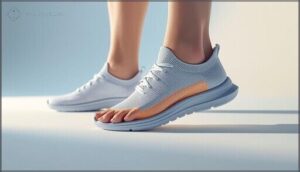
A good pair feels snug across your midfoot without squeezing, with 1 to 2 thumbs’ width up front for natural Toe Splay. That Toe Box Comfort and solid Midfoot Support keep you locked in mile after mile.
Width matters too:
- Standard B (women) or D (men) works for most runners
- Wide or extra-wide models add 3 to 6 millimeters across the forefoot
- Half sizes let you fine-tune length and Heel Fit for your unique Foot Shape.
Responsiveness and Energy Return

Once your fit is dialed in, you’ll notice how Energy Return powers your Running Dynamics. Responsive Midsole Tech rebounds energy at toe-off, cutting fatigue and boosting Athletic Performance on longer outings.
Foam blends combine Impact Absorption with springy Cushioning so each stride feels smoother. Running Shoe Reviews highlight this Shoe Responsiveness, yet beginners should favor balanced comfort over aggressive bounce that can destabilize your Running Performance.
Insights into optimizing your choice can be found by exploring factors like foam resiliency and sole design.
How Should Running Shoes Fit Beginners
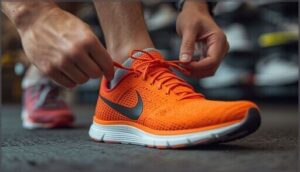
Getting the fit right can make or break your running experience, especially when you’re just starting out. A shoe that’s too tight will leave you with blisters and black toenails, while one that’s too loose can cause your foot to slide around and increase injury risk.
Here’s what you need to know to find a pair that feels like it was made for your feet.
Finding The Right Length and Toe Space
Your toes need room to breathe when you’re pounding pavement. Here’s how to nail the toe space for proper Foot Health and Comfort:
- Stand and check: Leave about a thumb’s width (1 to 1.5 cm) in front of your longest toe—this allows natural Toe Splay during your stride
- Wiggle test: Your toes should move freely without the shoe feeling loose
- Toe Box Depth matters: Opt for rounded shapes that prevent toenail trauma and accommodate foot expansion
Proper Foot Length sizing prevents black toenails and ensures adequate Cushioning where you need it most when Choosing the Right Running Shoes.
Ensuring a Snug Midfoot Without Slipping
When your foot slides forward with each stride, it’s time to fine-tune that Midfoot Support. A Heel Lock lacing pattern creates the secure Fit you need—thread laces through the top eyelets to anchor your heel and boost Foot Stability.
Proper Arch Alignment matters too. Choosing the Right Running Shoes means finding models with shaped midfoot bands that hug your instep, keeping adequate Cushioning and Support exactly where you need it.
Choosing The Correct Width for Your Feet
Foot Measurement unlocks comfort on every mile. Measure both feet standing—use the larger width against brand charts to find your match.
- Standard widths run B, D, and EE; look for 4E if you need extra room
- Wide shoes need a roomy Toe Box and instep, not just a bigger size
- Narrow feet thrive with tapered heels that prevent sliding
- Proper Width Options keep your Midfoot Support secure without pinching
- Test with running socks to catch pressure points early
Types of Running Shoes for New Runners
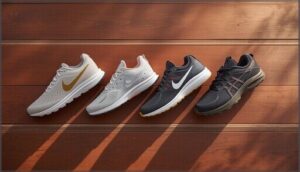
Walking into a running store can feel overwhelming when you’re faced with walls of different shoe categories.
The good news is that as a beginner, you only need to understand a few main types to find your perfect match. Let’s break down the four shoe categories that matter most when you’re just starting out.
Daily Trainers for Comfort and Versatility
Daily trainers are your go-to running shoes for everything from easy jogs to longer weekend miles. They blend moderate cushioning systems with breathable features and responsive midsole materials that won’t feel sluggish. The balanced design promotes a natural foot strike while protecting your joints, making them perfect for building consistent running form without overthinking running shoe technology.
| Feature | What You Get | Why It Matters |
|---|---|---|
| Cushioning | Full-length foam midsole | Absorbs impact without feeling mushy |
| Upper | Breathable mesh with secure lacing | Prevents foot movement during transitions |
| Outsole | Durable rubber | Good mileage and reliable grip on roads |
| Fit | Forgiving with neutral guidance | Suitable for most beginner running needs |
Stability Shoes for Overpronation Support
If your feet roll inward too much with every stride, stability shoes act like a gentle guide rail for your running form. These models add a medial support structure along the inside edge to reduce excessive pronation without feeling rigid.
You’ll notice denser foam on the arch side, wider supportive platforms, and extra heel support that keeps your foot aligned through each phase—key cushioning features that protect beginners building mileage.
Max Cushioning Shoes for Extra Comfort
Think of max cushioning shoes as landing on a plush carpet with every step—they absorb shock so your knees and joints don’t have to. These models stack thick foam underfoot to dampen impact on hard running surfaces, making them ideal for injury prevention when you’re building volume.
- Extra-soft landings protect your joints during longer training sessions
- Thicker midsoles offer plush comfort that reduces fatigue over miles
- Roomy toe boxes allow natural splay without cramping your forefoot
- Heavier builds trade some responsiveness for maximum impact protection
- Perfect for recovery runs or coming back from previous setbacks
The trade-off? They’re bulkier than lightweight daily trainers, but that cushioning technology pays off when pavement feels relentless.
Neutral Shoes for Balanced Running
While max cushioning coddles your joints, neutral shoes like the Brooks Ghost 17 and Nike Pegasus 41 let your natural running form shine through.
Balanced stride comes from even midsole cushioning on both sides—no medial posts guiding your foot strike. You get enough protection for daily runs without interference, plus a lighter build that makes tempo work feel easier. Perfect for beginners with efficient mechanics.
How Much to Spend on Beginner Shoes

You don’t need to break the bank to find a quality running shoe that’ll carry you through those first miles.
The sweet spot for beginner shoes sits around $140 or less, but knowing when to stretch your budget matters just as much as knowing when to save. Let’s break down what you’re actually paying for and when it makes sense to invest a little more.
Budget-Friendly Options Under $140
You don’t need to drain your wallet to lace up quality running shoes for beginners. Several affordable brands deliver solid lightweight cushioning and entry-level support under $140. Nike Revolution models hover around $60 to $90, while Brooks Ghost neutral trainers often drop below that price point during sales. New Balance Fresh Foam and Asics Gel Contend lines also give you dependable options without breaking the bank.
- Brooks Ghost pairs responsive cushioning with breathable mesh—often found on sale under $140
- Nike Revolution series offers beginner-friendly foam at just $60 to $90 for women’s models
- Asics Gel Contend delivers heel impact absorption and durable rubber for around $60 to $100
Value Vs. Premium Features
Value options deliver reliable cushioning and support for your first three to six months of running shoes for beginners training without the upfront cost.
Premium materials—like knit uppers and sophisticated foam polymers—offer plush comfort and longer midsole longevity, but they’re not make-or-break for new runners.
Budget priorities shift once your weekly mileage climbs and you recognize which feature tradeoffs matter most to your stride.
When to Invest in Higher-Priced Models
Once you’re logging 20 miles per week or training for a half marathon, premium shoe benefits become tangible.
High end materials and sophisticated cushioning hold up 500–700 miles, delivering long term savings through fewer replacements.
That performance upgrade pays off when exceptional support keeps your knees happy and your mileage climbing—a smart running shoe selection for committed beginners.
Tips for Running Shoe Maintenance and Replacement
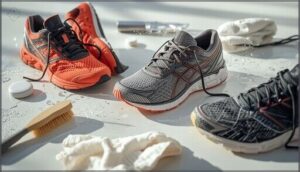
Your running shoes won’t last forever, but taking care of them the right way can help you get the most miles out of every pair. Knowing when to replace them and how to maintain them properly keeps you running safely and comfortably.
Here’s what you need to know about making your shoes last and recognizing when it’s time for a fresh pair.
When to Replace Your Running Shoes
Your running shoes aren’t built to last forever—most runners replace them after 300 to 500 miles to keep joints safe and cushioning fresh. Track your mileage using an app or log, and you’ll know when it’s time for a swap before aches and pains appear.
Running shoes lose their protective cushioning after 300 to 500 miles, so track your mileage and replace them before joint pain forces the decision
- Replace shoes every 5 to 8 months if you run consistently, even with lower mileage
- Lightweight trainers worn daily usually need renewal every 10 to 16 weeks
- Heavier runners or pavement pounders often hit the 300-mile mark sooner
- Midsole foams lose bounce faster in heat and humidity, accelerating wear
- Seasonal runners should grab fresh pairs before peak training starts
Signs of Worn-Out Cushioning and Tread
Your shoes start sending signals long before they fall apart. Check the outsole for smooth, flattened spots—tread wear below safe levels kills traction on wet roads.
Press the midsole foam with your thumb; if it stays compressed or feels firmer, cushioning loss has set in. Aching calves or new knee pain during runs? That’s foam fatigue warning you it’s replacement time.
Proper Care to Extend Shoe Lifespan
A few simple habits will double your running shoes’ durability. Rotate between two pairs—giving foam 24 hours to bounce back prevents premature breakdown.
After muddy runs, brush dirt from the outsole and upper cleaning with mild soap keeps materials intact. Air-dry away from heat, stuff with paper to hold shape, and swap insoles every few months.
Smart storage tips include cool, dry spots with silica packets controlling moisture.
Starting Gradually and Building Mileage
Your body adapts when you give it time—rush the process and injuries pile up fast. Start with 12 to 15 miles per week across 3 to 4 runs, increasing total distance by just 10 percent weekly. Mix run-walk intervals, take rest days, and let your Running Shoes for Beginners handle the impact while you focus on Gradual Progression.
| Week | Total Mileage | Long Run |
|---|---|---|
| 1-2 | 12 miles | 20 minutes |
| 3-4 | 13-14 miles | 25 minutes |
| 5-6 | 15-16 miles | 30 minutes |
| 7 | Recovery: 12 miles | 20 minutes |
Injury Prevention thrives on patience—your Running Community and Marathon Training Advice will echo this. Distance Management means honoring recovery weeks with 20 to 30 percent drops every month. Mileage Planning paired with smart Running Schedules keeps Beginners moving forward without setbacks, building confidence one sustainable mile at a time.
Frequently Asked Questions (FAQs)
What shoes should I wear to start running?
Start with daily trainers that offer balanced cushioning and support. Look for shoes with at least 30mm of heel cushioning and an 8mm drop—these features protect your feet and help prevent injuries as you build running form.
Do beginner runners need running shoes?
You could technically run barefoot, but here’s the thing: proper running shoes for beginners shield your joints from impact, prevent foot injuries, and make every mile feel easier as you build your foundation.
Can I use running shoes for walking only?
Yes, you can wear running shoes for walking only. Daily trainers offer excellent cushioning that protects your joints during strolls, and most walkers enjoy comfortable all-day wear without foot fatigue.
Do I need different shoes for treadmill running?
You don’t need special shoes for treadmill running. Daily trainers work perfectly on the belt surface. The cushioning and support that protect your joints outdoors translate seamlessly to indoor miles.
Should I buy shoes online or in-store?
Both have perks: online deals and customer reviews help you compare, while in-store visits let you test the fit and get instant guidance—weigh shipping costs against return policies for your best move.
How do I break in new running shoes?
Ironically, most running shoes don’t need traditional breaking in—wear them around the house for 15 to 30 minutes, then alternate with old shoes during short runs to prevent injury while adapting gradually.
Can running shoes help prevent shin splints?
Running shoes with proper cushioning and stability features can substantially reduce shin splint risk by absorbing impact and controlling overpronation.
Look for adequate forefoot support, moderate heel-to-toe drop, and orthotics support to minimize injury risk factors.
Conclusion
You don’t need to break the bank to find running shoes for beginners that actually work. Start with proper fit, enough cushioning to protect your joints, and a shoe that matches how your foot strikes the ground.
Replace them every 300-500 miles, listen to your body during those first runs, and remember—the best shoe is the one that keeps you comfortable enough to lace up tomorrow. Your running journey starts here.