This site is supported by our readers. We may earn a commission, at no cost to you, if you purchase through links. This content is for general informational and educational purposes only and is not a substitute for professional medical, dermatological, or nutritional advice.
Most home fades fail in the middle section—that awkward zone between your baseline and the top where lines appear, lengths clash, and what should be a smooth shift turns into a striped disaster. The culprit isn’t your clippers or your technique alone. It’s a misunderstanding of how guard sizes, blade lever settings, and blending methods work together to create that gradual progression from skin to length.
Master medium fade clipper settings, and you control the exact point where your fade starts, how aggressively it climbs, and where it plateaus into the longer hair on top. You’ll move through guards with purpose, adjust your lever with precision, and blend away every visible line until the shift flows so naturally that people can’t pinpoint where one length ends and another begins.
Table Of Contents
- Key Takeaways
- Essential Tools for a Medium Fade Cut
- Understanding Medium Fade Clipper Settings
- Choosing The Right Guard Sizes
- Step-by-Step Medium Fade Clipper Guide
- Blending and Detailing for Seamless Fades
- Top 6 Products for Medium Fade Clipper Settings
- Maintenance and Troubleshooting Your Clippers
- Frequently Asked Questions (FAQs)
- Conclusion
Key Takeaways
- Master medium fade clipper settings by understanding how guard sizes (typically 1-4), blade lever positions, and blending techniques work together to create smooth transitions that eliminate visible lines between the baseline and top section.
- Execute clean fades through deliberate guard progression—starting with guards 3-4 at the baseline, shifting to 2 in the mid-section, and finishing with 1 near the crown—while using the clipper lever to fine-tune blade exposure by half-guard increments without constant attachment swaps.
- Achieve professional blends by combining overlapping passes, wrist-flicking motions at section borders, and lever adjustments under bright light to feather harsh lines and build gradual transitions that flow naturally across different hair textures.
- Maintain clipper performance through consistent post-session cleaning, 3-5 drops of blade oil while running at low speed, and immediate guard alignment checks after any impact to prevent the dull blades and misaligned guards that ruin precision cuts.
Essential Tools for a Medium Fade Cut
You can’t execute a clean medium fade without the right gear in your hands. Professional clippers, guards, trimmers, and a few essential accessories will make the difference between a smooth blend and a choppy mess.
A taper fade length chart helps you pick the exact guard sizes for each section, so your transitions look intentional instead of accidental.
Let’s break down exactly what you need to own this cut from start to finish.
Clippers and Adjustable Blades
You need a professional clipper with a powerful motor delivering 5,000 to 7,000 RPM for clean, fast fading. Adjustable levers shift blade gaps between 0.2 mm and 0.5 mm, eliminating constant guard swaps.
Blade materials like titanium or stainless steel resist wear, while ergonomic design reduces hand fatigue during long sessions.
Regular blade maintenance—oiling and cleaning—keeps Wahl clippers and similar models cutting sharp.
Clipper Guards and Their Sizes
Clipper guards snap onto your blade to control cutting length, and guard sizes range from 0—closest to skin—up to 8, leaving more length on top. Each number corresponds to specific millimeters, with guard size charts confirming exact measurements.
For medium fades, you’ll usually use guards 1 through 6, blending shorter lengths at the baseline to longer hair higher up.
For a clear overview of, consult reliable resources before choosing your setting.
Trimmers for Detailing
After setting guard sizes on your clippers, you’ll want a dedicated trimmer for precision cutting around edges and necklines. These hair trimming tools use high-speed motors and narrow blade profiles for detailing techniques that clippers can’t match.
Look for lightweight trimmer ergonomics, zero-gap blades requiring regular blade maintenance, and interchangeable trimmer guards. Proper motor performance ensures clean cuts without snagging delicate hairline work.
For additional guidance on creating sharp lines and mastering detailing, explore the importance of detailing techniques.
Combs, Mirrors, and Capes
Beyond trimmers, you’ll rely on handheld tools that complete your barbering arsenal. Combs with fine teeth spacing lift hair evenly for guard sizes to cut smoothly, while mirrors let you inspect fade symmetry from every angle. Capes protect clothing during hair sectioning and keep loose clippings contained.
- Carbon fiber comb materials resist snagging during clipper passes
- Handheld mirror types provide essential back-angle visibility checks
- Water-resistant cape designs simplify cleanup after each cut
- Adjustable neck closures secure capes comfortably throughout service
- Regular clipper maintenance extends blade performance between clients
Understanding Medium Fade Clipper Settings
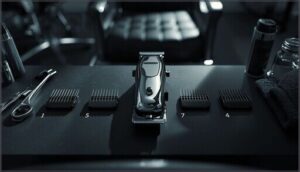
You can’t fade hair properly if you don’t understand your clipper settings, plain and simple. A medium fade sits right between the low and high fade zones, typically starting around the temples and working its way down, and knowing which guards and lever settings to use makes all the difference.
Mastering medium fade clipper settings—guard sizes and lever positions—is non-negotiable for achieving clean, professional results
Let’s break down exactly what defines a medium fade, which guard numbers you’ll reach for, and how to work that blade lever like a pro.
Defining a Medium Fade
A Medium Fade starts two to three finger widths above your ear, blending smoothly upward toward the temple over 1.5 to 2 inches. This fade haircut balances boldness with versatility, keeping the crown slightly higher to preserve the natural head shape. Understanding how hair texture and guard size interact with this baseline determines your clipper settings and fading techniques.
| Fade Aspect | Medium Fade Characteristics |
|---|---|
| Starting Point | 2-3 finger widths above ear |
| Blend Distance | 1.5-2 inches upward shift |
| Crown Height | Slightly higher than sides |
| Temple Alignment | Consistent with sideburn height |
Guard Number Ranges for Medium Fades
Your fade process hinges on the right clipper guard progression, and for a medium fade, you’ll rely on guards 3 through 1 to shape the blend. Start with a 3 or 4 at the baseline, shift to a 2 in the mid-section, then finish with a 1 near the crown.
Before you commit to any model, check out reviews of hair clippers designed specifically for fades to ensure your guards align smoothly and hold up over time.
Hair texture considerations shift these guard settings slightly:
- Straight hair manages full-size steps cleanly
- Wavy hair benefits from half guards like 2.5
- Curly hair holds longer on 3 before dropping
- Dense hair starts lower for gradual control
Blade Lever Positions Explained
Your clipper’s lever shifts blade exposure between closed and open settings, fine-tuning cut length by 1 to 2 guard sizes without swapping attachments. Closing the lever tightens the blade for precise lines and safety around ears, while opening it smooths transitions during the fade process.
Regular clipper maintenance keeps the lever moving freely, ensuring consistent blade adjustment across different hair texture types and guard combinations.
Choosing The Right Guard Sizes
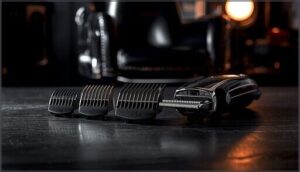
Selecting the right guard sizes makes or breaks your medium fade, plain and simple. You’ll need to understand which guards work for each section of the fade, how they interact to create smooth transitions, and when specialty guards give you that extra control.
Let’s break down the guard numbers that’ll get you professional results every time.
Common Guard Numbers for Medium Fades
Most barbers stick to a core lineup when executing a medium fade, and knowing which clipper guards to reach for will fast-track your mastery. You’ll generally use guards ranging from zero or one at the bottom, moving through two and three in the midsection, then finishing with guards three to four near the crown.
Here’s your essential medium fade guard progression:
- Start low with guard zero to one for tight skin fades and sharp baseline definition.
- Shift through guards two to three to build the taper zone and eliminate harsh jumps.
- Complete with guards three to four at the upper section, preserving length for smooth blending.
How Guard Sizes Affect The Blend
Narrower guard steps—say, moving from three to two—create finer fade transitions and a smoother blend, while jumping from four to one produces harsh lines that scream amateur hour. Your clipper settings must account for hair texture effects too, because curly hair amplifies every misstep and straight hair demands precision.
Overlapping passes with consecutive guards eliminate ridges, keeping your fade haircut smooth from baseline to crown.
When to Use Half Guards
Half guards shine when you need subtle fade transitions that full guard sizes can’t deliver. Use them to fine-tune the blend around the parietal ridge, soften lines between a one guard and zero guard, or perfect temple work for a balanced silhouette.
They remove hair in precise 1/8-inch increments, giving you exceptional control over guard size selection and clipper guard settings for smooth results.
Step-by-Step Medium Fade Clipper Guide
You’ve got your guards sorted and your clippers ready, so now it’s time to actually execute the medium fade. This is where technique meets precision, and you’ll see your vision take shape on the head in front of you.
Let’s break down the process into four critical stages that’ll take you from prepped hair to a clean, professional fade.
Prepping and Sectioning The Hair
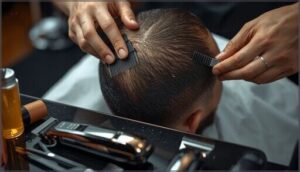
Before you even think about clippers or guard settings, you need to set the stage—because sloppy prep means sloppy fades. Hair Sectioning and Scalp Preparation separate amateurs from pros, so take these steps seriously:
- Wash and towel-dry the hair to remove oils, dirt, and product buildup that interfere with clipper guards.
- Comb through thoroughly to detangle knots and reveal natural hair growth patterns, cowlicks, and texture.
- Use a breathable cape and snug neck strip to keep stray hairs off skin and clothing during cutting.
- Section the crown area horizontally with clips, isolating longer top hair from the fade zone below.
- Check your haircutting tools—clean blades, oiled guards, and sharp trimmers guarantee smooth Clipper Maintenance and precise Fade Techniques.
Proper prep isn’t glamorous, but it’s the foundation of every clean medium fade you’ll create.
Creating The Baseline With Clippers
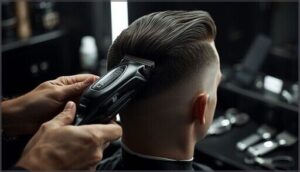
Now you’re ready to lay the foundation—your baseline sets every fade in motion. Choose a guard between #3 and #6 based on Hair Texture and desired density, then align your Clipper Angle to follow the head’s natural curve.
Use smooth, even passes around the back and sides, creating a clean horizontal line with your Baseline Technique. This reference point anchors your entire Fading Patterns progression, so symmetry matters here.
Progressing Through Guard Sizes
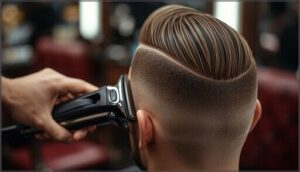
Once your baseline sits clean, drop down one or two guard sizes—say from a #5 to a #3—and cut about halfway up your fade zone.
Each Guard Size Selection builds toward smooth Fading Hair, so work in small steps. Guard Sizes that jump too far create hard lines, and your Clippers won’t forgive careless Guard Size progression when Hair Texture varies around the head.
Techniques for Smooth Transitions
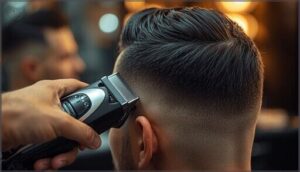
After you move between Guard Sizes, Feathered Edges come from adjusting Clipper Angles and lifting your wrist as you pass through Shifting Sections. Lever Control nudges blade height by half a millimeter, letting you soften hard lines without switching guards.
Overlap each stroke, flick your wrist at the border, and check both sides in the mirror—Fade Blending demands patience, and rushed Haircutting Techniques ruin a Fade Haircut fast.
Blending and Detailing for Seamless Fades
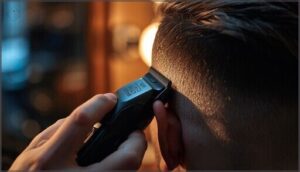
You’ve got your baseline and guard progression down, but now comes the real craft—turning those visible lines into a smooth, fluid blend that looks professional.
This is where technique matters more than the clippers in your hand, and small adjustments make all the difference.
Let’s break down the three essential skills that’ll take your medium fade from amateur to barber-level clean.
Using The Clipper Lever for Fading
Think of the clipper lever as your secret weapon for fade techniques and blade adjustment. Opening the lever increases exposure to remove more hair as you climb the fade haircut, while closing it tightens things up for cleaner transitions between guard sizes.
Use lever control to perfect each section without swapping clipper guards constantly, blending fading hair smoothly across different hair textures.
Flicking and Overlapping Techniques
Flicking Motion relies on quick wrist snaps, tilting your Clippers slightly to lift tiny lengths above your baseline for softer transitions in Fading Hair.
Overlap Methods involve guiding each pass from a higher point into the next section, merging Hair Texture smoothly with controlled Blade Control.
Master these Hair Fading Techniques with your Clipper Guards to build a smooth Blend across any Fade Haircut.
Addressing Visible Lines
Precision fixes stubborn Fade Lines before they ruin your Smooth Transitions, so check under bright white light to catch contrast between sections early.
- Adjust your Clippers angle slightly while crossing the Visible Line to feather edges with improved Line Blending
- Introduce half Guard Size steps between whole numbers to bridge gaps in your Fade Haircut
- Lift the lever gently as you pass over harsh lines, using controlled Hair Fading Techniques
- Overlap each section uniformly to prevent abrupt demarcation in your Fade Techniques
- Keep Clipper Maintenance regular so blade sharpness stays consistent across every pass
Top 6 Products for Medium Fade Clipper Settings
You can’t execute a clean medium fade without the right gear in your hands, plain and simple. The tools you choose—from clipper guards to capes—determine whether you’ll nail those smooth transitions or struggle through every blend.
Here are six products that’ll give you the control and precision you need to master medium fade clipper settings.
1. Wahl Hair Clipper Guards Set
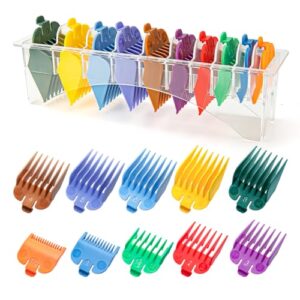
The Wahl Hair Clipper Guards Set delivers eight numbered combs spanning 3 mm to 25 mm, giving you the full range to nail that medium fade. These guards snap onto your Wahl clippers with a satisfying click lock system, holding steady while you blend from a tight No. 2 on the sides up through a No. 5 or 6 on top.
Color-coded versions speed up your workflow when you’re switching lengths mid-fade, and the lightweight plastic construction stays durable through daily cuts without adding bulk.
| Best For | Home users and professional barbers who need a complete guard set with clear sizing options for clipper cuts ranging from close buzz cuts to longer styles. |
|---|---|
| Material | Nylon |
| Weight | 0.25 kg |
| Brand | LAVEST |
| Color Options | Color-coded |
| Compatibility | Multiple clippers |
| Piece Count | 10 guards |
| Additional Features |
|
- Ten guards covering 1/16″ to 1″ give you plenty of length options for different styles and fades
- Color-coded system makes it quick to grab the right guard without checking sizes
- Built from tough nylon that holds up to regular use and fits most Wahl clippers plus several other brands
- Tighter fit means you might need to push harder to snap guards onto your clippers
- Colors are assigned randomly so you can’t choose specific color-to-size pairings
- Won’t work with every clipper model out there, so double-check compatibility before buying
2. Wahl Clipper Attachment Guard Kit
This fourteen-piece kit offers half-size increments from 1/16 inch up to a full inch, providing finer control between standard guards. Metal clips securely lock each guard to your clipper blade, ensuring no rotation during tight blends around the ear taper.
Color-coded labels allow for instant size identification, while a custom organizer keeps every guard in its designated slot, eliminating mid-fade searches.
The rounded teeth ensure smooth, snag-free operation, resulting in cleaner stepwise transitions.
| Best For | Home users and professional barbers who want precise fade control with half-size increments and quick guard identification during cuts. |
|---|---|
| Material | Plastic |
| Weight | 0.1 kg |
| Brand | Wahl |
| Color Options | Color-coded |
| Compatibility | Wahl clippers |
| Piece Count | 14 pieces |
| Additional Features |
|
- Half-size increments (1/16″ to 1″) give you finer control for smoother fades and blends
- Color-coded guards let you grab the right size instantly without squinting at tiny numbers
- Custom organizer keeps all 14 pieces sorted and ready, so you’re not digging through drawers mid-haircut
- Plastic construction feels cheaper than expected and can crack with regular use
- Guards don’t always fit snugly on all Wahl clipper models, leading to slight wobbling
- Some users report breakage over time, especially with the smaller guards
3. Omvoina Hair Cutting Cape
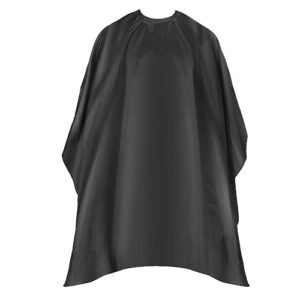
Hair flies everywhere during a fade, so keeping your workspace clean starts with the right cape. The Omvoina measures 57 by 51 inches, draping most clients comfortably while its waterproof nylon repels clippings and color. An adjustable snap closure secures around the neck without pinching, and the black fabric hides stains between washes.
You can wipe it down after each cut or toss it in the machine, making cleanup quick so you can focus on perfecting that blend.
| Best For | Barbers and home users who need an affordable, easy-to-clean cape that handles daily cuts without fuss. |
|---|---|
| Material | 100% Nylon |
| Weight | 7.04 oz |
| Brand | Generic |
| Color Options | Black |
| Compatibility | Universal |
| Piece Count | 1 cape |
| Additional Features |
|
- Waterproof nylon repels hair and color, making cleanup a breeze with a quick wipe or machine wash
- Large 57″ x 51″ size covers most clients comfortably while the adjustable snap prevents neck pinching
- Budget-friendly price point makes it accessible for new barbers or casual home use
- Buttons and snaps may not hold up to heavy professional use over time
- Edge stitching reflects the lower price and might fray with frequent washing
- Some units ship with buckles instead of the advertised snap closure
4. Husqvarna Trimmer Guard Kit Replacement
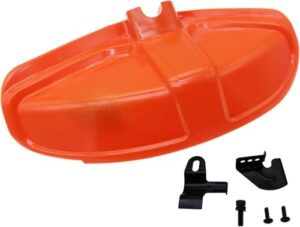
While trimmers shape your fade, they also throw debris straight at you—so a proper guard isn’t optional, it’s survival gear.
The Husqvarna guard assembly (part number 545030901) fits models 125L, 128LD, and similar series, deflecting clippings and protecting you during edgework. At 12 ounces, it mounts with included hardware, aligning snugly to your trimmer’s shaft without modifications.
Check for cracks before each session, clean mounting points after use, and replace it when holes elongate or cracks appear—damaged guards compromise safety fast.
| Best For | Husqvarna trimmer owners who need a reliable replacement guard to protect against flying debris during trimming and edging work. |
|---|---|
| Material | Plastic/Metal |
| Weight | 12 oz |
| Brand | 797444420814 |
| Color Options | Orange |
| Compatibility | Husqvarna trimmers |
| Piece Count | 1 guard |
| Additional Features |
|
- Direct OEM fit for multiple Husqvarna models (125L, 128LD, 326L series) with all mounting hardware included
- Lightweight at 12 ounces, so it won’t throw off your trimmer’s balance during use
- Sturdy construction designed to deflect clippings and protect you from debris impact
- Only works with specific Husqvarna models—won’t fit other trimmer brands
- Build quality can vary between production batches, so you might get inconsistent durability
- Less flexible than some original guards, which could make it more prone to cracking under heavy impact
5. Wahl Clipper Guard Set Replacement
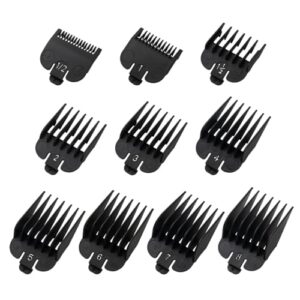
Guards crack, warp, and vanish—usually mid-fade when you need them most.
Wahl’s replacement guard set covers sizes 1 through 8 plus half sizes, giving you 3 mm to 25 mm lengths to rebuild your arsenal. The high-impact plastic snaps onto most Wahl blades via the universal hook system, locking securely without tools. Color coding speeds up size selection during rapid guard changes, and the reinforced teeth grip hair without snagging.
Check your clipper model against the compatibility chart before ordering, then rinse guards after every session to prevent buildup that degrades the snap fit.
| Best For | Home barbers and professionals who need reliable backup guards across multiple cutting lengths to handle everything from tight fades to longer trims. |
|---|---|
| Material | Nylon |
| Weight | 3.84 oz |
| Brand | Generic |
| Color Options | Color-coded |
| Compatibility | Multiple clippers |
| Piece Count | 10 guards |
| Additional Features |
|
- Wide range of sizes (3mm to 25mm) with color-coding makes grabbing the right guard quick and foolproof
- Universal hook system fits most Wahl clippers and stays locked during cuts without needing tools
- High-impact plastic construction holds up better than cheaper alternatives that crack or warp after a few uses
- Compatibility isn’t universal across all Wahl models, so you need to verify your specific clipper before buying
- Some guards can pop off unexpectedly during use, especially if hair buildup weakens the snap fit
- Quality varies between sizes in the set—certain guards may feel flimsier or fit less securely than others
6. Wahl Color Pro Cordless Hair Clipper
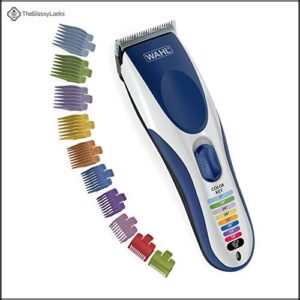
Wireless freedom lets you circle a client without fighting cord drag or hunting for outlets. The Wahl Color Pro Cordless runs 60 to 100 minutes per charge, plenty for multiple medium fades, and the color-coded guards match the same sizes you just replaced—3 mm through 25 mm.
The rotary motor maintains consistent power as the battery drains, while the adjustable blade lever gives you half-guard micro-fades without swapping attachments. Self-sharpening blades stay cool during extended sessions, and the detachable heads rinse clean under the tap between clients.
| Best For | Home users and travelers who want the flexibility of cordless clipping without being tethered to an outlet. |
|---|---|
| Material | Plastic/Metal |
| Weight | 1.4 lbs |
| Brand | Wahl |
| Color Options | White/Blue |
| Compatibility | Universal |
| Piece Count | Full kit |
| Additional Features |
|
- 60 minutes of cordless runtime gives you plenty of juice for multiple haircuts before needing a recharge
- Color-coded guide combs make it dead simple to grab the right length without guessing
- Removable blades rinse clean under the tap, so maintenance takes seconds instead of minutes
- Battery needs a full charge every 6 months even when not in use to keep it healthy
- Dropping it can damage the cutting head, so you’ll want to handle it carefully
- May arrive with some testing residue on the blades that needs a quick rinse before first use
Maintenance and Troubleshooting Your Clippers
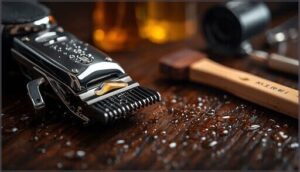
Your clippers won’t last without proper care, and even the best technique falls apart when your blades are dull, misaligned, or clogged with hair.
Regular maintenance prevents those frustrating mid-cut issues and keeps your fades crisp, while knowing how to troubleshoot common mistakes saves you from starting over.
Here’s how to keep your tools sharp and fix the problems that mess up your medium fades.
Cleaning and Oiling Blades
Your clippers won’t last if you skip the basics. After every session, brush off loose hair and apply 3 to 5 drops of oil along the blade edge while running at low speed.
This blade lubrication prevents rust, keeps blades sharp, and stops overheating. Wipe away excess oil to avoid gummy buildup, and you’ll maintain hair clippers that cut clean every time.
Aligning and Replacing Guards
Misaligned guards throw off your entire fade, so power down the clipper, then check that each guard sits flush against the blade head without rocking. Front and rear edges should run parallel within 0.5 mm, and mounting pegs must click firmly without forcing.
After any drop or hard impact, recheck alignment with a mirror, swap cracked guards immediately, and tighten screws in a crisscross pattern to prevent warping.
Fixing Common Fading Mistakes
Visible lines signal a guard size jump that’s too wide, so drop back one level, work the lever through open and closed settings, then feather upward with quick flicking strokes to rebuild the blend.
For uneven patches in your fade haircut, identify whether cutting errors stem from blade size inconsistency or pressure drift, then rework that zone with controlled passes, checking symmetry in natural light before declaring your fade correction complete.
Frequently Asked Questions (FAQs)
What number is a mid fade haircut?
A mid fade haircut usually uses guard sizes 1 through 4, starting around the temple area.
You’ll blend from a short baseline upward, creating smooth transitions with clipper lever adjustments between each guard length.
What is a 3:2:1 fade?
A 3-2-1 fade uses guard sizes 3, 2, and 1 to create a stepped blend from top to bottom, establishing distinct but smooth transitions across three levels for a clean, gradual fade haircut.
What are the levels for the fade clippers?
Clipper settings for fading hair rely on guard sizes ranging from 0 to 8, with blade adjustment through lever control enabling micro-transitions between guards for smooth fade techniques and professional-grade blending results.
How often should medium fades be maintained?
Your fade haircut will stay sharp for about two to three weeks before you’ll need regular trims.
Hair growth rates and client lifestyle determine whether you book closer to fourteen or twenty-one days.
Can medium fades work on curly hair?
Like traversing rough terrain with skill, medium fades absolutely work on curly hair types when you adjust clipper settings and fade techniques.
Use guard ranges 3–6, half guards for smoother transitions, and moisture for curl maintenance post-cut.
Whats the cost of a professional medium fade?
You’ll generally spend $25 to $60 for a professional medium fade, depending on your location and the shop’s reputation. Urban barbers charge more—$40 to $60—while suburban spots often range from $25 to $
How long does a medium fade take?
Time flies when you’re fading right. A medium fade usually takes 15 to 25 minutes for beginners, while experienced barbers complete it in 10 to 15 minutes with proper clippers and fading techniques.
Are medium fades suitable for thinning hair?
Yes, medium fades work well for thinning hair. The gradual blend reduces harsh scalp visibility, draws attention away from thinning patches, and maintains a fuller appearance through strategic guard progression and proper blending techniques.
Conclusion
Like sharpening a blade until it catches light just right, dialing in medium fade clipper settings turns confusion into control. You’ve learned the guard progressions, lever adjustments, and blending techniques that separate amateur attempts from clean, professional work.
Now you don’t guess—you execute with precision, moving through each section deliberately until the fade flows without a single visible line. The clippers are in your hands. The only question left is whether you’ll use them.