This site is supported by our readers. We may earn a commission, at no cost to you, if you purchase through links. This content is for general informational and educational purposes only and is not a substitute for professional medical, dermatological, or nutritional advice.

Most people replace their electric shaver blades about two years too late. The shaver still turns on, still buzzes against your face—so it feels fine. But dull blades don’t announce themselves. They just quietly start pulling instead of cutting, leaving your skin red and your shave patchy.
Blade replacement is one of those maintenance tasks that is easy to forget because there’s no obvious breaking point. Braun recommends swapping Series 9 cassettes every 18 months. Philips Norelco says 12 months for their Series 9000 heads. Your habits, hair coarseness, and how well you clean the shaver all shift that window.
Knowing the right schedule—and the warning signs that you’ve already missed it—can mean the difference between a clean two-minute shave and one that leaves your face looking like it lost an argument.
Table Of Contents
- Key Takeaways
- How Often Should You Replace Electric Shaver Blades?
- Key Factors Affecting Blade Replacement Frequency
- Signs Your Electric Shaver Blades Need Replacing
- How Maintenance Extends Blade Lifespan
- Can You Sharpen Electric Shaver Blades?
- Choosing The Right Replacement Blades
- Should You Replace Blades or The Entire Shaver?
- Tips to Maximize Blade and Shaver Longevity
- Frequently Asked Questions (FAQs)
- How often should a Shaver replace the blades on an electric razor?
- How often should you replace a razor blade?
- When should you replace electric shaver blades & foils?
- How long does a Shaver blade last?
- How long do electric shavers blades last?
- Who makes the best electric razor?
- Can you sharpen Philips Norelco blades?
- How long do norelco shaver heads last?
- Can electric shaver blades cause ingrown hairs?
- Do replacement blades affect waterproofing or wet shaving?
- Conclusion
Key Takeaways
- Most electric shaver blades need replacing every 12–18 months, but daily shavers and those with coarse hair should swap them closer to the 9–12 month mark.
- Pulling, tugging, patchy results, and increased skin irritation are your shaver’s way of telling you the blades are already overdue for a change.
- Cleaning after every shave, lubricating regularly, and storing your shaver away from bathroom humidity can meaningfully extend blade life — sometimes by several months.
- DIY sharpening isn’t worth it; every major brand recommends replacing blades outright, and attempting to sharpen them risks damaging the blade geometry, voiding your warranty, and irritating your skin.
How Often Should You Replace Electric Shaver Blades?
Most electric shaver blades need replacing every 12 to 18 months, but that number shifts depending on your shaver brand, how often you shave, and the type of razor you use.
If you shave daily, you’ll likely hit that replacement window sooner—check out this guide on electric razors for bald heads to see how heavy use affects blade lifespan across popular models.
Getting the timing right means fewer nicks, a cleaner shave, and no wasted money swapping parts too soon — or too late.
Here’s what the key factors actually look like in practice.
Recommended Replacement Intervals by Brand
Each brand runs on its own Braun Cassette Schedule, Philips Norelco Cycle, or Panasonic Foil Timing — and knowing yours matters. Braun recommends 18 months for Series 9 cassettes. Philips Norelco suggests 12 months for Series 9000 heads. Panasonic’s Arc5 foil replacement schedule also lands at 12 months. Remington’s Head Lifespan sits between 12–18 months. Your Shaver Replacement Guide starts by following these brand baselines.
For best performance, replace the Series 9 replacement head every 18 months.
Differences for Daily Vs. Occasional Shavers
How often you shave shapes your replacement schedule more than almost anything else.
Daily shavers see a faster blade wear rate — blades can dull noticeably around 9–12 months.
Shave a few times weekly, and blade longevity stretches to 18 months.
Your shaving frequency directly affects skin irritation timing and cost per shave, so match your maintenance habits accordingly.
hard water deposits can accelerate blade dulling.
Impact of Shaver Type (Foil Vs. Rotary)
Your shaver type matters just as much as how often you shave.
Foil shavers, with their back-and-forth cutting motion and precise blade geometry, usually need replacement every 12–18 months.
Rotary shavers handle coarse hair better through circular motion and higher hair capture efficiency, but their blades last 12–24 months.
Foil wears faster on thick beards — about 20% quicker — directly affecting shaver performance and battery drain over time.
Key Factors Affecting Blade Replacement Frequency
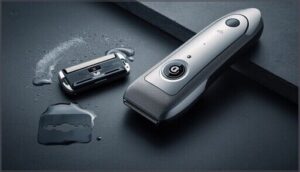
Not every shaver wears out at the same pace — and that’s not a coincidence.
A few specific things in your daily routine have a direct effect on how fast your blades dull. Here’s what actually moves the needle.
Shaving Frequency and Habits
How often you shave matters more than most people realize. Daily shavers generally need blade replacement every 12 to 18 months, while shaving frequency of just three or four times weekly can stretch that replacement schedule considerably longer.
Pass count impact is real too — extra strokes dull blades 20 percent faster. Light pressure and pre‑shave dryness also protect blade sharpness, cutting shaver maintenance costs over time.
Hair Type and Coarseness
Your hair type quietly controls blade wear rates more than most people expect. Coarse hair dulls blades up to 40% faster than fine hair, so the impact of coarse hair on blade sharpness is significant. Here’s what that means practically:
- Coarse/thick hair: Replace every 9–12 months
- Medium texture: Replace every 12–18 months
- Fine hair: Full 18-month blade longevity is realistic
Hair density effects compound this further — dense beards strain the cutting edges harder per pass.
Skin Sensitivity Considerations
Sensitive skin changes the math fast. Dull blades drag across delicate faces, causing redness and razor bumps — that’s why razor blade replacement every 9 to 12 months matters here.
Foil edge design creates a gentler barrier, and pairing it with allergy‑free lubricants and pre‑shave powder cuts friction substantially.
Smart shaver maintenance, including temperature management and irritation‑reducing materials, keeps shaving comfort consistent without punishing your skin.
Signs Your Electric Shaver Blades Need Replacing
Your shaver won’t send you a calendar invite when it’s time to swap the blades — but it will absolutely let you know.
The signs are easy to spot once you know what to look for.
Here are the four most common signals that your blades are overdue for a replacement.
Reduced Shave Closeness

The first sign of blade dullness impact is simple: your face doesn’t feel as smooth after shaving. Foil shavers normally cut to 0.1 mm, but worn blades easily leave 0.3 mm or more. That’s visible stubble visibility right after you finish.
Watch for these shave closeness red flags:
- Five o’clock shadow appears hours earlier than usual
- Neck and jawline feel patchy after one pass
- Shaving time increases as you repeat strokes
- You start applying more pressure compensation without realizing it
- Heat buildup signals your motor working overtime against dull cutters
Blade sharpness directly drives shaver performance optimization — once it drops, no amount of extra passes fully compensates.
Pulling, Tugging, or Discomfort
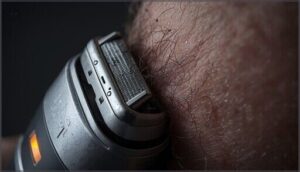
Pulling and tugging are the most telling blade dullness symptom — and it’s impossible to ignore. Dull blades bend hairs instead of cutting cleanly, creating that classic tweezing sensation.
Battery torque issues make it worse; drop below 40 percent charge, and shaver performance tanks fast.
Hair coarseness impact compounds both problems.
Lubrication deficiency adds friction on top, turning shaving discomfort from occasional to constant.
Address razor care now, or blade replacement becomes urgent.
Increased Skin Irritation or Razor Bumps
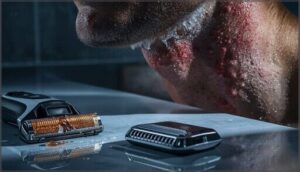
Razor bumps aren’t just annoying — they’re your skin’s way of saying something’s wrong. Worn foils and dull blades scrape instead of cutting, triggering an inflammatory response that shows up as redness and ingrown hairs.
Razor bumps are your skin’s signal that dull blades are scraping, not cutting
Bacterial build-up in neglected heads makes it worse, transferring germs into irritated follicles.
Prioritize razor care and cleaning before your next shave to avoid that post-shave soothing routine becoming a daily ritual.
Uneven or Patchy Shaving Results

Patchy results are a dead giveaway that something’s off. Dull blades miss up to 30 percent more hair on a second pass, and cleaning neglect effects compound the problem fast — clogged foils block nearly half your cutting slots.
Foil vs rotary patchiness differs too: foil types struggle on curved necks while rotary heads handle contours better.
Blade sharpness and performance drop noticeably after 12–18 months.
How Maintenance Extends Blade Lifespan

How you care for your shaver matters just as much as how often you use it. A few simple habits can add months — sometimes over a year — to your blades’ life.
Here’s what actually matters.
Proper Cleaning After Each Use
Every shave leaves behind oils, skin cells, and debris — and skipping cleanup is the fastest way to dull your blades. Good electric shaver maintenance after each use takes under a minute.
- Rinse Technique – Run warm water through waterproof heads for 10–20 seconds
- Brush Method – Use the included brush for dry-clean-only shavers
- Disinfection Spray – Apply alcohol-based spray to reduce bacteria buildup
- Drying Procedure – Air dry completely before reassembling; trapped moisture causes corrosion
Smart shaving head care and cleaning keeps blades sharper, longer.
Regular Lubrication Techniques
Cleaning gets you halfway there — lubrication closes the gap.
For oil application methods, one small drop on your foil or cutter block is all you need.
Run the shaver for five seconds, and you’re done.
Stick to light mineral or dedicated shaver oil as your lubricant type.
Spray vs drop comes down to preference, but avoid over‑oil — too much attracts hair and clogs the head.
Safe Storage to Prevent Damage
Where you store your shaver matters more than most people think. Keep it in a dry environment — bathrooms trap humidity that corrodes blades fast.
Use the protective cap to guard the foil between uses. Invest in a travel case if you’re on the go. Keep it away from heat and sunlight, which warp plastic and kill battery life early.
Can You Sharpen Electric Shaver Blades?
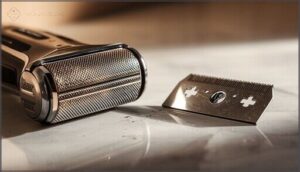
It’s tempting to think you can just sharpen a dull electric shaver blade and buy yourself a few more months — but it’s not that simple.
There’s a lot of bad advice floating around on this one, and some of it can actually damage your shaver or hurt your skin.
Here’s what you actually need to know before you try anything.
Sharpening Myths Vs. Reality
You’ve probably seen self‑sharpening claims on electric shaver packaging and wondered if they’re legit. Here’s the truth: those blades are designed to hold their edge longer, not to restore it once it’s gone.
Toothpaste polishing and DIY honing methods only strip surface buildup temporarily. Ceramic blade longevity beats stainless steel, but even ceramics eventually dull beyond recovery.
Manufacturer sharpening stance across every major brand is clear — replace, don’t sharpen.
Risks of DIY Blade Sharpening
DIY blade sharpening sounds clever — until it isn’t. The risks are real and range from annoying to dangerous.
- Precision Loss: Uneven filing destroys blade geometry, damage beyond repair
- Physical Injury Risk: Brittle blades can snap mid‑sharpening, cutting your fingers
- Heat‑Induced Weakening: Friction softens blade steel, tanking blade durability fast
- Skin Irritation: Burrs and micro‑tears make every shave rougher, not smoother
Manufacturer Recommendations
Every major brand makes their stance clear: don’t sharpen, just replace. Following the right replacement schedule protects both your skin and your warranty.
| Brand | Replacement Interval | Key Note |
|---|---|---|
| Braun 18-month | Every 18 months | Warranty-linked replacements advised |
| Philips 12-month | Every 12 months | Self-sharpening blades included |
| Panasonic Annual | Every 12–24 months | Replace foils and blades together |
| Remington 6-month | Every 6 months | Coarse hair shortens this further |
| All Brands | Varies by use | Razor Maintenance extends blade life |
These Shaver Blade Replacement Guidelines exist for a reason — Blade Sharpness and Performance drop fast once wear sets in. Trust the manufacturer’s Electric Shaver Maintenance Tips over any DIY shortcut.
Choosing The Right Replacement Blades
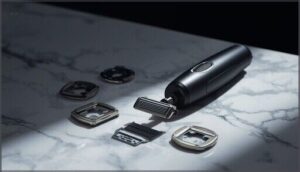
Once your shaver starts underperforming, picking the right replacement blades makes all the difference. Not all blades are created equal, and buying the wrong ones can cost you more than just money.
Here’s what to think about before you buy.
OEM Vs. Third-Party Blades
OEM replacement parts are the safe bet for warranty impact protection, but third‑party options can deliver serious cost savings — premium aftermarket Braun heads run around $16.49 versus $45 for originals. Quality standards vary, so stick to reputable brands with good reviews. Here’s what matters most:
- Blade Sharpness and Performance — Top aftermarket heads satisfy 95% of users
- Blade Lifespan — OEM lasts ~18 months; quality third‑party delivers 12–15 months
- Subscription Options — OEM auto‑delivery programs cut costs up to 15%
Model Compatibility Checks
Getting the wrong replacement heads is an easy mistake — one that tanks your shaver performance and durability overnight.
Start with series number mapping: Philips uses codes like SH50 for Series 5000, while Braun’s type code decoding (a four-digit number like 5793) pinpoints exact parts. Brand compatibility charts and cross-reference tools on manufacturer websites make razor head replacement schedule planning straightforward and foolproof.
Where to Buy Quality Replacements
Official Brand Stores like usa.philips.com or us.braun.com — they guarantee genuine OEM replacement parts with warranty verification built in. Authorized Retailers like ShaverOutlet.com are solid alternatives.
Price Comparison Tools can help you find the best deal, but always run a quick counterfeit detection check first.
- Genuine Braun 32S cassettes last up to 18 months
- Fake blades void your warranty instantly
- Philips SH50/52 heads average $40 at Best Buy
- Amazon’s official brand stores ship in two days
Should You Replace Blades or The Entire Shaver?
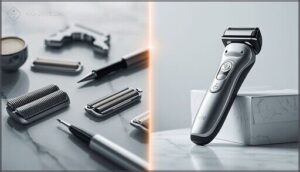
When your shaver starts underperforming, it’s tempting to toss the whole thing — but that’s not always the right call. Sometimes a simple blade swap is all it takes; other times, the smarter move really is starting fresh. Here’s how to figure out which situation you’re actually in.
Assessing Motor and Body Condition
Before you toss your shaver, do a quick check. Touch the body while it runs — a healthy motor produces steady Motor Vibration; grinding or silence points to real trouble.
Test Switch Responsiveness and Battery Health too; if runtime has dropped under 10 minutes, the battery’s shot.
Scan Housing Integrity for cracks.
These Shaver Troubleshooting checks reveal whether you’re dealing with a blade issue or something deeper.
Cost-Effectiveness of Blade Replacement
Once you’ve confirmed the motor is fine, replacing blades almost always wins on cost.
A Braun Series 9 cassette runs $50–$60, while a new shaver costs hundreds. Third-Party Pricing cuts that further — aftermarket foils run 20–50% less.
Factor in Subscription Savings and Bulk Purchase Benefits, and your Per-Shave Cost Analysis drops to under $0.10 daily. Smart Shaver Maintenance beats buying new every time.
When to Upgrade Your Shaver
Sometimes blade replacement isn’t enough.
If your shaver’s battery lifespan has dropped under 20 minutes per charge, or motor wear is causing constant pulling, it’s time for a full shaver replacement.
Failed waterproof sealing, cracked housing, or a burnt smell means no amount of shaver maintenance will save it.
Newer models offer smart sensors and ergonomic redesign that genuinely change the experience.
Tips to Maximize Blade and Shaver Longevity
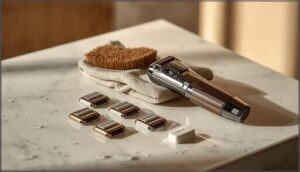
Getting more life out of your shaver comes down to a few simple habits you probably aren’t doing yet.
Small changes to how you clean, charge, and maintain your razor can add months — sometimes years to its lifespan.
Here’s what actually matters.
Cleaning and Drying Best Practices
Consistent shaver care and cleaning is what separates blades that last 18 months from ones that quit at nine.
After each shave, tap the head gently, then use the brush technique along the inner frame — never directly on foils. Try the soap lather method to flush out skin and grime. Rinse with sonic rinse mode if available, then follow these air drying tips: shake off water, pat gently, and store uncapped for moisture prevention.
Proper Charging and Battery Care
Keeping your shaver’s battery healthy is just as important as the blades themselves.
Stick to the ideal charge range of 20–80% — full discharges wear down the cells faster.
Temperature-controlled charging matters too; charge between 0°C and 35°C, and never plug in right after a hot shave.
Use your original charger only — charger compatibility isn’t optional.
For long-term storage, leave it at 40–60%.
Using Self-Cleaning Features (if Available)
If your shaver came with a self-cleaning station, use it. Station setup takes under a minute — dock the shaver head-down, and the system manages the rest.
Braun’s alcohol-based solution manages cartridge timing automatically, while Philips SmartClean offers eco mode to cut fluid use.
Drying integration means blades stay corrosion-free between shaves.
Regular station use can extend blade life noticeably — fewer replacements, better razor performance overall.
Frequently Asked Questions (FAQs)
How often should a Shaver replace the blades on an electric razor?
Most shavers need to replace their blades every 12 to 18 months. Daily use pushes that closer to 12, while occasional shavers can stretch to 18 or beyond.
How often should you replace a razor blade?
Most experts recommend replacing your razor blade every 12 to 18 months for best Razor Performance Optimization. Daily shavers should lean toward 12 months, while occasional users can stretch Replacement closer to
When should you replace electric shaver blades & foils?
Replace electric shaver blades and foils when you notice blade dullness indicators like tugging, irritation, or patchy results — generally every 12 to 18 months, sooner with heavy use or coarse hair.
How long does a Shaver blade last?
Most blades last 12 to 18 months with regular use. Daily shavers may hit that limit closer to 12 months, especially with coarse hair or heavy user pressure impact.
How long do electric shavers blades last?
The rule of thumb: most electric shaver blades last 12 to 18 months. Daily shavers may need replacement closer to 9 to 12 months, while occasional users can stretch blade longevity further.
Who makes the best electric razor?
Braun, Panasonic, and Philips dominate the electric razor market.
Panasonic Arc5 leads on raw power, Braun excels in comfort, and Philips Norelco wins for sensitive skin.
Your best pick depends on your beard and budget.
Can you sharpen Philips Norelco blades?
Technically, yes — but you shouldn’t.
Philips Norelco’s self-sharpening blades use space-grade steel, and DIY sharpening safety concerns are real: uneven pressure creates burrs that snag skin, voids your warranty, and wrecks post-sharpening performance fast.
How long do norelco shaver heads last?
Most Norelco shaver heads last about 12 months with daily use. Occasional shavers can stretch that to 18–24 months. Proper electric shaver maintenance makes a real difference in Norelco lifespan.
Can electric shaver blades cause ingrown hairs?
Yes, they can — especially when blades are dull.
Poor blade sharpness, heavy shaving pressure, and low skin sensitivity awareness turn your shaver into a hair-yanking machine that practically invites ingrown hairs.
Do replacement blades affect waterproofing or wet shaving?
Replacement blades can affect waterproofing if they don’t seat fully, creating gaps that risk water ingress.
Always use compatible heads to preserve your shaver’s IPX rating and maintain safe, reliable wet shaving performance.
Conclusion
Staying sharp isn’t just advice for your career—it applies to your shaver, too. Knowing how often you should replace electric shaver blades keeps you ahead of the dull, draggy shaves that sneak up on you.
Stick to your brand’s recommended timeline, watch for pulling or patchiness, and clean your shaver consistently. Small habits protect both your skin and your investment.
When the signs show up, don’t wait—swap the blades and get back to smooth.