This site is supported by our readers. We may earn a commission, at no cost to you, if you purchase through links. This content is for general informational and educational purposes only and is not a substitute for professional medical, dermatological, or nutritional advice.
Walk down any hair care aisle and you’ll see bottles that promise thicker, fuller hair, as if a few minutes in the shower could solve a problem rooted deep in the scalp. That’s where the myth starts.
Shampoo can clean away oil, calm dandruff, and reduce breakage, which may make your hair look healthier and feel easier to manage, but it can’t wake up follicles damaged by hormones, scarring, or time.
If you’ve been asking whether shampoo can really help with hair loss, the honest answer sits in the gap between cosmetic improvement and true regrowth, and that gap matters more than most labels admit.
Table Of Contents
- Key Takeaways
- Shampoo Helps, but Won’t Regrow Hair
- What Hair Loss Are You Seeing?
- Why Hair Loss Happens
- How Hair-Loss Shampoos May Help
- Ingredients That May Be Worth Trying
- Ingredients and Habits That Can Backfire
- When Shampoo Isn’t Enough
- Frequently Asked Questions (FAQs)
- Do any hair loss shampoos actually work?
- Can shampoo worsen scalp sensitivity or allergies?
- How does water quality affect shampoo performance?
- Are natural or organic shampoos better for hair loss?
- Can frequent coloring or bleaching impact shampoo benefits?
- Does scalp massaging during shampooing influence shedding?
- Conclusion
Key Takeaways
- Shampoo can improve scalp health, reduce breakage, and make hair look fuller, but it can’t regrow hair lost to hormones, scarring, or age.
- The right shampoo supports your scalp’s microbiome, moisture balance, and comfort, helping you keep the hair you have rather than restoring what’s gone.
- Ingredients like ketoconazole, zinc pyrithione, and gentle surfactants help manage dandruff and inflammation, but only targeted medications address deeper causes of hair loss.
- If you notice sudden, patchy, or persistent hair loss or scalp changes, it’s important to seek medical advice rather than relying on shampoo alone.
Shampoo Helps, but Won’t Regrow Hair
Shampoo can genuinely support a healthier scalp, and for some people, that makes a real difference in how much hair they’re losing each day. But there’s an important line between keeping what you have and actually regrowing what’s gone.
If you’re curious about how scalp care can influence actual regrowth, this guide explains the science behind restoring hair and scalp health.
Here’s what shampoo can — and can’t — realistically do for your hair.
What Shampoo Can Realistically Improve
Think of shampoo as your scalp’s daily maintenance crew — not a cure, but genuinely useful.
The right formula promotes Scalp Microbiome Health, improves Scalp Moisture Balance, and removes excess oil that weighs hair down.
You’ll likely notice Frizz Reduction, better Detangling Ease, and real Hair Shine Enhancement.
That’s the effectiveness of shampoos for hair loss, done honestly — meaningful improvement, not miracles.
Many thinning‑hair shampoos include amino acids stimulate growth to support follicle activity.
Why Shampoo Rarely Reverses True Hair Loss
Here’s the hard truth: shampoo can’t reach where the real problem lives. Hormone-driven thinning happens deep within follicles, and no rinse‑off product clears that hurdle. Medication penetration issues mean even helpful ingredients wash away before doing lasting work. The limitations of shampoos in treating hair loss come down to biology.
The hard truth is that shampoo can support your scalp, but biology keeps it from reversing hormone-driven hair loss
- Follicle regeneration limits mean scarred or miniaturized follicles don’t rebuild from cleansing
- Scalp barrier function controls what actually absorbs — most actives don’t penetrate deeply enough
- Hormone-driven thinning requires systemic treatment, not surface cleansing
- Microbial overgrowth effects can worsen shedding, but shampoo offers only brief contact time
- Shampoo ingredients that may help hair loss still can’t replicate what targeted medications do
Reduced Breakage Vs Actual Regrowth
There’s a meaningful difference between keeping the hair you have and growing new hair. Shampoos that support fiber strengthening, moisture retention, and surface slip enhancement lower mechanical stress on each strand — that’s hair breakage prevention, not hair regrowth therapy.
Cuticle protection reduces snapping, so you lose fewer hairs daily. That’s real, but it isn’t the same as new follicle activity.
When Results Are Modest but Still Useful
Modest results still matter. Gradual symptom relief — less itch, less flaking, reduced shedding visibility — adds up to real scalp comfort gains over weeks.
Your hair looks fuller simply because fewer strands are breaking. That improved hair manageability makes sticking to a longer routine easier.
Think of shampoo as a supportive treatment foundation, not a standalone fix.
What Hair Loss Are You Seeing?
Before figuring out whether a shampoo can help, it’s worth taking a closer look at what you’re actually experiencing. Not all hair loss looks or behaves the same way, and the type you’re dealing with changes everything about how to address it.
Here are four patterns worth knowing.
Normal Daily Shedding Vs Excessive Shedding

Losing hair is unsettling — but most shedding is just your Hair Cycle Phases doing their job. Understanding normal daily hair shedding means knowing your Shedding Count sits between 100 and 200 hairs each day.
Watch for these clear distinctions:
- Trigger Timing: Excessive shedding appears 2–3 months after stress or illness
- Diagnostic Threshold: Clumps in the drain consistently signal something worth investigating
- Seasonal Variation: Brief upticks in autumn are common and usually self-correct
- Hair shedding vs breakage: Breakage snaps mid-shaft; true loss releases from the root
Receding Hairline, Widening Part, and Thinning
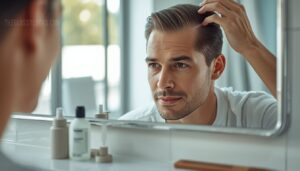
When your hairline is receding or your hair part is widening, the pattern tells you something specific. Frontal miniaturization produces wispy, lighter hairs along the temples — a sign of Temporal Density Loss, not just aging.
Part Width Expansion beyond 5mm signals early pattern loss.
Knowing the difference between a mature vs receding hairline helps you choose targeted options, including ketoconazole shampoo and other shampoo ingredients that may help hair loss.
Monitoring early temple thinning signs can reveal the onset of androgenetic alopecia.
Hair Breakage Vs Follicle-based Hair Loss

Not all hair loss is the same — and the difference between hair breakage and follicle-based shedding changes everything about how you respond.
- Root vs Shaft: True shedding starts at the scalp; breakage snaps anywhere along the strand.
- Cuticle Integrity: Damaged cuticles cause mechanical damage, not follicle miniaturization.
- Scalp pH Impact: Alkaline shampoos weaken fibers, worsening breakage.
- Shampoo’s Role: Shampoo ingredients that may help hair loss address shaft health — limitations of shampoos in treating hair loss mean they can’t restore follicle health.
Signs That Suggest a Medical Cause

Some signs go beyond what shampoo can address.
For more insight on how stress, sleep, and nutrition shape your hair health, check out this expert guide to holistic hair care and styling.
Patchy bald patches that appear suddenly often point to autoimmune hair loss like alopecia areata. Scaly scalp lesions suggest fungal infection.
Sudden diffuse shedding following illness or stress signals telogen effluvium.
Thyroid thinning, medication loss, nutritional deficiency, and hair loss all need medical evaluation — not a new bottle from the shelf.
Why Hair Loss Happens

Hair loss rarely has just one cause, and that’s often what makes it so frustrating to figure out. Before you can choose the right shampoo or treatment, it helps to understand what’s actually driving the shedding.
Here are the most common reasons hair loss happens.
Androgenetic Alopecia and DHT
For many people, pattern baldness isn’t random — it’s driven by DHT production, a potent hormone converted from testosterone through 5α-reductase activity.
Once DHT binds to follicles via androgen receptor binding, the follicle miniaturization process begins quietly:
- Anagen (growth) phases shorten with every cycle
- Hairs grow progressively thinner and finer
- Temples, vertex, and crown are hit first
- Severe miniaturization becomes increasingly hard to reverse
Androgenetic alopecia follows this predictable pattern baldness distribution, which is why DHT blockers like ketoconazole and pyrithione zinc play a meaningful role in hair loss management — slowing progression rather than stopping genetics entirely.
Stress-related Telogen Effluvium
Your body treats stress like an emergency — and your hair pays the price.
Psychological stress, illness, surgery, or nutrient deficiencies can trigger a hair cycle shift called telogen effluvium, pushing follicles into early rest.
Trigger timing matters: shedding generally begins 2–3 months after the stressor.
The good news? Once the cause resolves, recovery timeline is gradual but real — regrowth follows naturally.
Hormonal Changes and Thyroid Issues
Stress isn’t the only internal trigger worth watching. Thyroid Hormone Imbalance is another quiet disruptor — both hypothyroidism and hyperthyroidism cause Diffuse Scalp Thinning that spreads evenly rather than leaving one bald patch.
TSH Screening Importance can’t be overstated here; a simple blood test often reveals the problem.
Once treated — sometimes with Levothyroxine Effects, gradually stabilizing hormone levels — hormonal hair loss frequently reverses on its own.
Scalp Inflammation, Dandruff, and Seborrheic Dermatitis
Sometimes the culprit lives right on your scalp. Malassezia, a yeast naturally present on skin, can trigger scalp inflammation when Sebum Production Regulation goes off‑balance — feeding flare‑ups of seborrheic dermatitis and dandruff.
Keeping hair wrapped overnight creates exactly that warm, humid environment — as explored in this guide on leaving hair in a towel overnight — giving Malassezia the conditions it needs to thrive.
Environmental Triggers like humidity, stress, or seasonal shifts often worsen symptoms. anti‑dandruff shampoos containing zinc pyrithione or ketoconazole help manage Malassezia species identification and reduce irritation‑driven shedding effectively.
- Flakes aren’t just cosmetic — they signal underlying scalp inflammation
- Ketoconazole targets yeast directly at the source
- Zinc pyrithione offers milder, over‑the‑counter daily control
- Topical Steroid Protocols or Non‑Medicated Shampoo Alternatives suit different severity levels
Medication Side Effects and Rapid Weight Loss
Scalp inflammation isn’t always the trigger — sometimes your prescription is. Certain medications quietly disrupt the hair growth cycle. Antidepressant Shedding, Beta Blocker Alopecia, and Retinoid Thinning are all documented side effects worth knowing.
| Medication Type | Hair Loss Pattern |
|---|---|
| SSRIs / Antidepressants | Telogen effluvium ~8 weeks in |
| Beta Blockers | Diffuse shedding, 2–4 months |
| GLP-1 / injectable weight loss medications | GLP-1 Crash from rapid fat loss |
Significant weight loss stresses follicles through Nutrient Deficiency Hair pathways. Medical evaluation helps separate medication-related loss from other causes.
How Hair-Loss Shampoos May Help
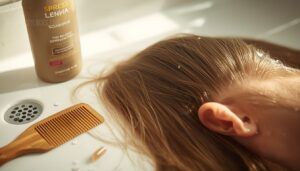
Hair-loss shampoos aren’t miracle workers, but they can play a useful role in your routine.
The right formula may help tackle several scalp and hair concerns that contribute to shedding.
Here’s what these shampoos can actually do for your hair and scalp.
Reducing Scalp Inflammation
Ever notice how a burning, itchy scalp feels like a wildfire you can’t put out? Targeting scalp inflammation starts with Barrier Repair and gentle shampoo choices.
Try these strategies:
- Cooling Compresses for instant relief
- Aloe Vera to calm redness
- Colloidal Oatmeal for soothing
- Scalp Hydration with panthenol
- harsh chemicals—choose anti-inflammatory agents for lasting comfort
Controlling Dandruff and Yeast Overgrowth
While you’re battling flakes and itching, controlling dandruff means targeting Malassezia suppression with antidandruff shampoos. Ketoconazole, zinc pyrithione action, and piroctone olamine work together to reduce pityrosporum and yeast overgrowth.
Nanocarrier delivery helps actives reach follicles, supporting microbiome balance. For stubborn cases, alternating formulas ensure a healthier scalp environment and steadier control over recurring symptoms.
Removing Buildup and Excess Sebum
Addressing product buildup and excess sebum is key to scalp oil regulation and hair follicle health. For instance, using chelating shampoos counters hard water mitigation, while a lukewarm rinse technique loosens residue without irritating the scalp microenvironment.
Watch for film-forming polymers that cling to roots.
Effective sebum management depends on:
- Surfactant type
- pH balance
- Rinse quality
- Cleansing frequency
Supporting a Healthier Scalp Environment
When you choose a shampoo with gentle surfactants and a pH-balanced formula, you’re not just cleaning—you’re supporting scalp health and hair growth. Microbiome balance, barrier repair, and scalp hydration all depend on avoiding harsh chemicals.
Recommended ingredients like panthenol and glycerin help deliver nutrients, keeping your scalp environment calm, resilient, and ready for healthy hair.
Strengthening Hair Fibers to Reduce Breakage
Think of your hair as a rope—if the fibers fray, it snaps.
Conditioning agents, cationic surfactants, and film formers like silicones help with cuticle smoothing and detangling slip, while hydrolyzed rice protein and keratin reinforce weak spots.
Moisture retention and pH control keep strands flexible, and polymers can even increase hair shaft diameter for added protection.
Why Short Contact Time Limits Effectiveness
Ever wonder why shampoo for hair loss doesn’t work miracles? Short contact time means actives barely touch your scalp before rinse-off dilution kicks in. Here’s what limits results:
- Active Diffusion Window is brief.
- Surface Binding Duration drops fast.
- Scalp Penetration Barrier blocks deeper action.
- Microbiome Disruption can linger.
- Effectiveness depends on delivery technologies.
Ingredients That May Be Worth Trying

Choosing the right shampoo starts with understanding which ingredients actually support your scalp and hair. Not every option works for every type of hair loss, so it helps to know what’s worth considering.
Here’s a look at some of the most promising ingredients you’ll find in hair-loss shampoos.
Ketoconazole for Dandruff-related Shedding
Did you know that ketoconazole, at a 2% concentration, is a powerhouse in antidandruff shampoos?
Its antifungal action calms scalp inflammation, which often leads to less shedding within weeks—a practical Shedding Timeline.
While it won’t regrow hair, consistent use promotes scalp health and can be safely paired in Combination Regimens for broader hair loss management.
Selenium Sulfide and Other Anti-dandruff Actives
If ketoconazole isn’t your match, selenium sulfide offers strong anti-fungal action at higher selenium concentration levels—often 1% to 2.5%—with proven yeast suppression efficacy. By slowing scalp turnover, it reduces stubborn flaking.
Compared to milder actives like zinc pyrithione, selenium sulfide’s potency makes it a practical choice for persistent dandruff, supporting scalp health and hair retention.
Caffeine and Saw Palmetto Claims
While selenium sulfide targets scalp yeast, caffeine and saw palmetto often headline marketing claims in hair loss shampoos.
Mechanistic evidence hints at DHT pathway effects, yet clinical study gaps and dosage realities limit proven regrowth.
For many, effectiveness of shampoo for hair loss remains modest.
Before using these, consider:
- Real-world safety interactions
- Variable ingredient strengths
- Hair loss myths
- Limited follicle regrowth
Humectants Like Glycerin and Panthenol
While caffeine and saw palmetto get attention, humectants like glycerin and panthenol quietly deliver practical benefits.
Moisture retention from a moisturizing shampoo boosts scalp hydration and hair softening, making strands more flexible and less prone to breakage.
Panthenol, a recommended shampoo ingredient for scalp health, increases surface moisture and elasticity—helpful for dryness, though not for true regrowth.
Proteins, Peptides, and Strengthening Agents
For hair that feels brittle, strengthening agents can make a real difference. You’ll notice:
- Keratin Film Benefits—protein films smooth the shaft, reducing friction.
- Hydrolyzed Peptide Coating—smaller peptides fill cuticle gaps, lessening breakage.
- Molecular Size Penetration—tiny fragments settle on the hair, not deep inside.
- Film-Former Mechanics—conditioning agents protect strands, but don’t regrow follicles.
PH-balanced, Gentle Cleansing Formulas
When you choose a pH-balanced, gentle cleansing formula, you’re protecting your scalp’s acid mantle and supporting barrier‑friendly pH. These low‑irritant formulations use mild surfactant systems—like Sodium Cocoyl Isethionate—and humectant enrichment to reduce dryness and breakage.
It’s a practical step for hair loss mitigation through pH‑balanced cleansing, keeping the scalp microenvironment healthier.
| Acid Mantle Preservation | Mild Surfactant Systems | Humectant Enrichment |
|---|---|---|
| Barrier-friendly pH | Sodium Cocoyl Isethionate | Low‑irritant Formulations |
| Scalp microenvironment and hair follicle health | Surfactant type and scalp irritation | pH‑balanced |
| Hair loss mitigation through pH‑balanced cleansing | Gentle cleansing | Moisture retention |
Ingredients and Habits That Can Backfire

Not every shampoo ingredient or habit helps healthy hair, and some can actually make things worse. It’s easy to overlook small choices that quietly add up over time.
Here are the main pitfalls to watch for if you’re hoping to protect your hair.
Harsh Sulfates and Drying Alcohols
Ever wondered if shampoo causing my hair loss is more than a myth? Sulfates and isopropyl alcohol act like harsh chemicals, stripping your scalp’s natural defenses. Here’s what you may notice:
- Sulfate Irritation Mechanism triggers inflammation and dry scalp.
- Alcohol-Induced Dryness leaves strands brittle.
- Cuticle Erosion weakens hair.
- Protein Loss from barrier disruption increases breakage.
Irritating Preservatives, Fragrances, and Allergens
When scalp reacts to shampoo, preservative allergens and fragrance chemicals are often the culprits.
Expired shampoo can make this worse, since weakened preservatives let irritants build up, so it’s worth checking how long shampoo lasts and when it expires.
Formaldehyde releasers, methylisothiazolinone irritation, bronopol sensitivity, and paraben reactions can trigger redness, itching, or scaling. Even a fragrance allergen list may hide sensitizers. For clarity, here’s a quick reference:
| Chemical Irritant | Typical Reaction |
|---|---|
| Formaldehyde-releasing preservatives | Redness, eczema |
| Methylchloroisothiazolinone | Itching, rash |
| Bronopol | Burning, scaling |
| Parabens | Redness, irritation |
| Fragrance allergens | Itching, dermatitis |
Overwashing and Aggressive Scalp Scrubbing
Too much washing or rough scrubbing is like sanding your skin—scalp barrier damage leaves you open to micro‑injury risk, sebum depletion, and friction‑induced inflammation.
If you’re switching products, sudden hair shedding dynamics may spike.
Gentle washing, proper pH balance, and respecting scalp microbiome balance help preserve scalp barrier function and keep irritation from spiraling out of control.
Heavy Buildup From Poorly Matched Formulas
Have you noticed your roots feeling heavy or limp after washing?
That’s often Residue Accumulation—Conditioner Residue, Styling Product Layering, or Hard Water Minerals building up when Surfactant Mismatch leaves debris behind.
Sodium Lauryl Sulfate and other shampoo ingredients to avoid for hair loss can disrupt Scalp microbiome balance and pH balance in scalp health, risking irritation and breakage.
Switching Shampoos Too Often
Switching shampoos too often is like changing the rules mid-game—your scalp can’t keep up. This habit leads to:
- Barrier disruption and scalp sensitivity from shifting cleansing agents
- Irritant accumulation, which may trigger redness or flaking
- Dandruff regimen instability, letting yeast and scale rebound
- Product performance tracking confusion, making it hard to spot true hair shedding dynamics or breakage misidentification
Misleading “hair Regrowth” Marketing Claims
When brands lean on Vague Clinical Language or splash dramatic Before After Photos, it’s easy to feel hopeful. Yet, cosmetic shampoo claims often stretch into a Regulatory Gray Area, promising regrowth that’s not supported by evidence.
Ingredient Overpromises and legal issues surrounding false shampoo claims fuel Consumer Skepticism. Effectiveness of hair loss shampoos is modest—don’t mistake clever marketing for medical results.
When Shampoo Isn’t Enough

Sometimes, shampoo alone won’t be enough to tackle the root causes of hair loss. It’s important to know when extra steps or support might make a real difference for your hair and scalp.
Here’s what you should consider if you’re looking for more than just a new wash routine.
When to See a Dermatologist
Although shampoo can help with surface issues, you need to seek dermatological care for hair loss when symptoms go deeper—think Rapid Mole Changes, Persistent Rash, Non-Healing Wound, Scalp Pain, or Unexplained Redness.
A dermatologist’s role is key for medical diagnosis of hair loss, especially when causes aren’t clear or hair thinning persists despite your efforts.
Best Shampoo Pairings With Minoxidil or Other Treatments
When medical causes need attention, the right shampoo pairing matters. For Scalp Prep Timing, use a Sulfate-Free shampoo before minoxidil—this keeps irritation low.
Anti-Dandruff Synergy comes from ketoconazole shampoos, especially if you’re tackling dandruff.
Leave-In Conditioning Order matters, too—apply only to hair lengths, not scalp.
Nanocarrier Shampoo Integration enhances DHT blockers, strengthening your routine for hair loss management.
Lifestyle Factors That Affect Shedding
Pairing the right shampoo with treatments is just one piece—your daily habits matter, too.
For instance, low Protein Intake or poor Iron Levels can trigger nutritional deficiency and hair loss. Sleep Quality shapes recovery, while Smoking Effects and rapid Weight Fluctuations often fuel stress‑induced hair loss. Consider these:
Even Vitamin K plays a role, since vitamin K benefits for hair include supporting healthy circulation and nutrient delivery to follicles.
- Balanced meals for strong roots
- Gentle hair care regimen
- Avoiding harsh Shampoo ingredients
Creating a Realistic Long-term Hair Routine
Building a realistic long-term hair care regimen means weaving together Wash Frequency Guidelines, Scalp Massage Routine, Conditioning Application Timing, and a Trim Maintenance Schedule.
Track your progress every three months—adjust as needed.
Here’s a practical table to guide your routine:
| Step | Frequency | Focus Area |
|---|---|---|
| Shampoo | 2–3 times/week | Scalp health |
| Massage | Daily/weekly | Blood flow |
| Conditioner | After shampoo | Breakage prevention |
| Trim | Every 8–10 weeks | Length retention |
What Shampoo Can and Cannot Do on Its Own
Even with the best intentions, shampoo’s reach is limited. It can support scalp oil regulation, moisture retention, and gentle cleansing benefits, but regrowth depends on deeper factors.
For clarity, here’s what shampoo alone can do:
- Cleanse scalp and hair
- Support microbiome modulation
- Reduce breakage
- Improve scalp comfort
True regrowth needs more than just washing.
Frequently Asked Questions (FAQs)
Do any hair loss shampoos actually work?
Coincidentally, many people notice less shedding after switching to a recommended shampoo, but clinical evidence shows effectiveness of shampoos for hair loss is modest. Ketoconazole helps scalp health, yet combination therapy outperforms rinse-off DHT-blocking shampoos alone.
Cost-benefit analysis matters.
Can shampoo worsen scalp sensitivity or allergies?
Yes, shampoo can worsen scalp sensitivity or allergies, especially if it contains chemical irritants like sulfates or parabens.
Sensitizing additives, Alcohol-Induced Irritation, and the Fragrance-Free Misconception often trigger contact dermatitis or delayed reactions, affecting scalp barrier function.
How does water quality affect shampoo performance?
Did you know hard water can increase hair breakage risk by 25% over six months?
Hard Water Interference causes Lather Reduction Issues, Mineral Film Formation, and pH Imbalance Effects, leaving your scalp’s pH disrupted and hair drier from Chlorine Dryness.
Are natural or organic shampoos better for hair loss?
Natural or organic shampoos aren’t always better for hair loss.
Certified Organic Standards vary, and some products use natural surfactant types and botanical extract benefits, but results depend on recommended shampoo ingredients for scalp health, not just eco-friendly packaging or essential oils.
Can frequent coloring or bleaching impact shampoo benefits?
Frequent coloring or bleaching weakens hair shafts, raises color-induced porosity, and causes cuticle damage, making dye fade acceleration and bleach scalp irritation more likely.
For fragile hair, choose gentle, pH-balanced hair loss shampoos and prioritize conditioning agents for protection.
Does scalp massaging during shampooing influence shedding?
Scalp massaging during shampooing often triggers mechanical shedding, releasing telogen hairs already primed to fall.
The pressure boosts scalp circulation, supporting scalp health, but aggressive massage can increase hair breakage, so gentle technique and recommended ingredients matter for best results.
Conclusion
Don’t judge a book by its cover—shampoo bottles promising miracles often disguise hard truths.
While cleansers can’t reverse hormonal hair loss or "wake" dormant follicles, they do tackle scalp health, reduce breakage, and support environments where growth thrives. The answer to can shampoo really help with hair loss? Yes, but only as one piece of a larger puzzle.
Pair gentle formulas with professional advice, manage expectations, and focus on well‑rounded care. Your hair’s foundation starts at the scalp—nurture it wisely, and let science guide the rest.