This site is supported by our readers. We may earn a commission, at no cost to you, if you purchase through links. This content is for general informational and educational purposes only and is not a substitute for professional medical, dermatological, or nutritional advice.
Drop a strand of hair in water and watch what happens. Sink fast, and you’re dealing with raised, damaged cuticles that soak up product like a sponge, only to lose it just as quickly. Float, and those cuticles sit sealed shut, resistant to anything you slather on.
That one test tells you more about your hair’s needs than any product label ever will. Porosity, not curl pattern or hair type, decides whether a lightweight leave-in sinks in or sits on top doing nothing.
Get this wrong and you’ll waste money on products fighting your hair’s actual structure. Get it right, and choosing hair porosity products becomes less guesswork, more strategy, the difference between hair that drinks moisture and hair that just looks wet.
Table Of Contents
- Key Takeaways
- What is Hair Porosity, Exactly?
- How to Test Your Hair Porosity at Home
- How to Choose Products for Low Porosity Hair
- How to Choose Products for Medium Porosity Hair
- How to Choose Products for High Porosity Hair
- Top Products for High Porosity Hair
- How Porosity Affects Color and Chemical Treatments
- How to Prevent Product Buildup by Porosity
- How to Build a Porosity-Based Hair Routine
- Common Hair Porosity Myths Debunked
- Frequently Asked Questions (FAQs)
- How can I tell what type of porosity my hair is?
- How to tell if a product is good for low porosity hair?
- Is it healthier to have low or high porosity hair?
- Can hair have more than one porosity type?
- Does porosity affect how fast hair grows?
- What haircare mistakes make porosity issues worse?
- Can diet or hydration levels change hair porosity?
- Should porosity affect how often you wash hair?
- Conclusion
Key Takeaways
- Your porosity, not your curl pattern or hair type, determines whether products actually absorb into your hair or just sit on top, and you can figure out yours at home with the float, spray, and slip tests.
- Low porosity hair needs lightweight, water-based formulas plus heat (like a warm cap or steam) to pry open those tightly sealed cuticles, while heavy oils and silicones just create buildup.
- High porosity hair has gaps that let moisture rush in and escape just as fast, so you need rich sealing creams and oils, plus methods like LOC or LCO, to lock hydration in before it slips back out.
- Porosity isn’t permanent or tied to your curl type; it shifts with heat, color treatments, and time, so retesting every few months keeps your routine actually matched to what your hair needs now.
What is Hair Porosity, Exactly?

Every product you’ve ever slapped on your strands either soaked in or slid right off, and porosity is the reason why. It’s not about how thick or thin your hair looks; it’s about what’s happening at the cuticle level, where moisture actually gets in or gets locked out. Here’s what’s really going on beneath the surface, and why it matters more than you think.
Understanding porosity alongside your hair growth cycle’s anagen, telogen, and catagen phases gives you a fuller picture of why your strands behave the way they do.
If your strands tend to feel dry and textured no matter what you use, this guide to understanding and caring for crinkly hair textures breaks down how porosity shapes your routine.
Porosity, not thickness, decides whether product soaks into your hair or slides right off
How Porosity Affects Product Absorption
Picture your cuticle layer as a gate, and porosity decides how wide it swings open. Higher porosity means faster absorption, often within 5 to 15 minutes, since raised cuticles create quick pathways.
Low porosity hair stays flattened, slowing uptake but improving moisture retention once product gets in.
Molecular weight matters too: smaller, lightweight hydration formulas penetrate faster than heavy oils ever could.
This happens because pore size and connectivity largely determine how much liquid a porous material, including hair, can actually absorb.
What Changes Porosity Over Time
Once product absorption makes sense, the next question is why it changes.
Hair porosity shifts as the cuticle layer wears down through aging, UV exposure, rough detangling, tight styles, and friction.
Chemical services and heat styling lift cuticles fastest, which weakens moisture retention.
Even long hair ends usually turn more porous over time than newer growth near the roots naturally.
How to Test Your Hair Porosity at Home
You don’t need a lab coat or a salon appointment to figure out what your hair is working with; a glass of water and a few minutes will tell you plenty. Three simple checks, done back to back, give you a much clearer read than guessing ever could. Here’s how each one works.
The Float Test
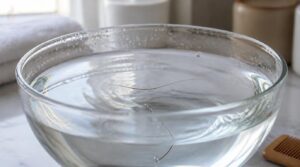
Ever wondered why a strand of hair floats when dropped in water? That’s the float test, and it’s your quickest hair porosity test. Drop a clean, dry strand into room-temperature water. Low porosity hair floats; high porosity hair sinks fast. Repeat with several strands for accuracy, since one anomaly won’t confirm your result.
The Spray Test

Water floating tells you one thing; a spray bottle tells you another. Mist clean hair from six to eight inches away, then watch closely. Beading means low porosity. Quick absorption within seconds signals high porosity. Slower soak-in over two to five minutes points to medium.
Check for surface residue afterward, too; leftover film hints at buildup skewing your results.
The Slip Test
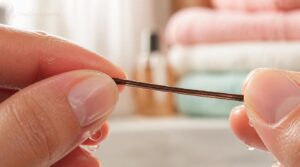
Why does hair sometimes glide right off your fingers while other strands cling stubbornly? That’s hair cuticle friction at work.
Lay a clean strand flat, pull gently: easy slip signals looser cuticles and faster moisture absorption speed; resistance means tighter packing.
This porosity slip correlation confirms slip test accuracy when paired with float and spray results for reliable hair strand absorption readings.
How to Choose Products for Low Porosity Hair

If your hair falls into the low porosity camp, that tightly sealed cuticle means you’ve got to work smarter, not harder, when picking products.
The wrong formula sits on top of your strands and never really gets in, leaving you with buildup instead of moisture.
Here’s what actually earns a spot in your routine, and what you’ll want to skip.
Best Lightweight, Water-Based Formulas
Think of low porosity strands like a raincoat, moisture beads unless formulas stay light. Choose:
- waterbased leaveins
- lightweight leaveins
- fragrance-free mists
- silicone-free serums
- pH-balanced sprays
These support hair hydration levels without residue, improve hair moisture retention, and fit a smart hair porosity routine. Warm hands or a towel can boost heat-activated absorption for better slip and uptake on wash days.
Ingredients to Avoid
A handful of ingredients quietly sabotage your progress. Skip heavy oils like castor and coconut, plus mineral oil, petrolatum, and non-water-soluble silicones; they seal cuticles shut.
Avoid drying alcohols (propylene glycol) and harsh sulfates, too.
Large protein molecules cause stiffness, so go silicone-free and light on protein treatment.
Buildup from heat styling or chemical treatments makes matters worse.
Using Heat to Boost Absorption
Ever notice how your deep conditioner seems to just sit there? Low porosity cuticles need coaxing.
A heat cap heated to 35°C creates micro-openings, boosting absorption up to 30%. Steam for 5-10 minutes works too, softening keratin gently. Cap on for 15-30 minutes, then finish with a cool rinse to seal moisture in.
How to Choose Products for Medium Porosity Hair
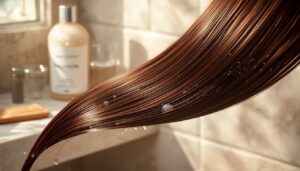
If your hair sits comfortably in the middle, soaking up moisture without hoarding or rejecting it, you’ve landed on the porosity type that gives you the most wiggle room.
That flexibility doesn’t mean you can skip strategy, though; it just means your routine gets to focus on maintenance rather than correction.
Here’s what actually keeps medium porosity hair balanced, from wash day to styling.
Balancing Moisture and Protein
Medium porosity hair sits in a sweet spot, but that balance can tip fast. Moisture Protein Balance means equal parts hydration and structural strength; lean too hard on rich moisturizers and elasticity suffers, snapping instead of stretching.
That’s why Alternating Treatments, light protein masks one week, Hydrating Protein Masks the next, keeps strands resilient without overloading them either direction.
When to Clarify and How Often
Every 4-6 weeks with a sulfate-free clarifying shampoo works for most medium porosity hair, but hard water users should chelate every two weeks regardless. Watch for buildup signs: dull strands, weighed-down curls, or product that just sits on top instead of absorbing.
Got color? Clarify 24-48 hours before treatments, then wait 7-10 days after toning to protect your investment.
Lightweight Stylers That Work
Once your wash routine is clean, styling is where you lock in that balance. Look for water-based formulas with alcohol-free gels and thermostable polymers, they hold shape without stiffness or crunch.
A style balm followed by a lightweight soufflé gives definition and moisture sealing without buildup, keeping curls bouncy rather than weighed down like heavier low or high porosity products would.
How to Choose Products for High Porosity Hair

High porosity hair has a cuticle full of tiny gaps, so moisture rushes in fast and slips right back out just as quickly. Your job is to slow that exit down and keep hydration locked where it belongs. Here’s exactly what to reach for and how to layer it for the best results.
Sealing Oils and Rich Creams
Picture your cuticle like shingles ripped up in a storm. Rich masks and creams fill those gaps, while lightweight sealing oils (argan, apricot seed) lock moisture in without weighing hair down.
Apply to damp hair, then try heat assisted sealing, gentle warmth boosts penetration. Patch test first; even natural oils can irritate sensitive scalps.
Humectants Vs Occlusives
Sealing oils only work if there’s moisture underneath to trap, which brings up humectant balance. Glycerin and aloe vera pull water into the shaft, but on high porosity hair without an occlusive sealing that moisture back in, you’re drawing it right out again.
- Apply humectants first
- Layer occlusives second
- Watch humidity levels
- Prioritize moisture retention
Using The LOC or LCO Method
That humectant-occlusive balance is exactly what LOC and LCO are built on. LOC (liquid, oil, cream) seals moisture before styling; LCO (liquid, cream, oil) locks it in after.
On damp, freshly washed high porosity hair, LOC often absorbs better, while LCO suits finer strands needing lighter sealing. Test both to find your best moisture retention method.
Top Products for High Porosity Hair
Knowing what your hair needs is one thing; finding it on a shelf is another. High porosity hair does best with formulas built to seal moisture in, not just add it. Here are four worth adding to your routine.
1. Aunt Jackie’s Quench Leave-In Conditioner
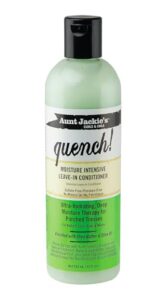
High porosity hair loses moisture almost as fast as it drinks it in, which is exactly the gap Aunt Jackie’s Quench Leave-In was built to close.
The formula leans on shea butter, olive oil, and marshmallow root to coat the cuticle and slow water loss, while glycerin pulls moisture in from the air.
It’s marketed as non-heavy, and for most curl types it holds up.
Use it on clean, damp hair for the best slip and definition.
| Best For | People with high porosity, thick, or curly/coily hair who need a lightweight leave-in that boosts moisture, softness, and curl definition without weighing strands down. |
|---|---|
| Key Ingredient | Shea Butter |
| Hair Type | Curls, Coils, Waves |
| Primary Benefit | Moisture & Softness |
| Frizz Control | Yes |
| Usage Frequency | Daily |
| Formula Weight | Lightweight |
| Additional Features |
|
- Blends shea butter, olive oil, and marshmallow root to lock in moisture and reduce frizz
- Softens and detangles hair, helping cut down on breakage while combing
- Lightweight formula works well for daily use on both wet and dry hair
- Watery texture may mean using more product to fully coat thick hair
- Some users notice a greasy or slightly tacky feel after it’s applied
- Smaller bottle size can run out fast for those with thick or high porosity hair
2. TGIN Honey Miracle Hair Mask 12oz
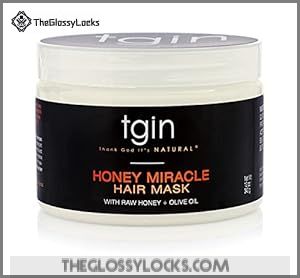
Honey does the heavy lifting here, and that’s no accident. As a natural humectant, it pulls moisture into strands that would otherwise shed hydration fast, while olive and jojoba oils seal that moisture in behind a lifted cuticle.
The formula skips parabens, sulfates, and petrolatum, so buildup isn’t a concern with weekly use.
For real results, sit under a dryer 10-15 minutes, or let it work unheated for up to an hour before rinsing.
| Best For | People with dry, curly hair types 3c and 4c who want a deep conditioning mask that boosts moisture, softness, and manageability without leaving buildup. |
|---|---|
| Key Ingredient | Raw Honey |
| Hair Type | Type 3c/4c Curly |
| Primary Benefit | Deep Conditioning |
| Frizz Control | Yes |
| Usage Frequency | As Needed |
| Formula Weight | Light Consistency |
| Additional Features |
|
- Rich in raw honey, jojoba oil, and olive oil to deliver lasting hydration and shine
- Light, easy-rinsing formula that helps detangle hair and reduce frizz
- Free of parabens, sulfates, and petrolatum, so it works well for regular use
- Some users notice inconsistent detangling depending on their hair’s condition
- The scent may feel too strong for those with sensitivities
- Contains hydrolyzed wheat protein, which isn’t ideal for anyone with a protein sensitivity
3. R+Co Apple Cider Vinegar Cleansing Rinse
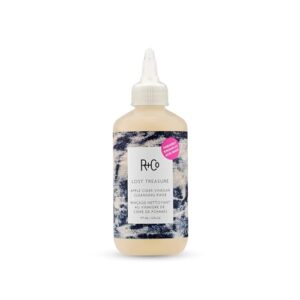
Buildup is the enemy of high porosity strands, since gaps in the cuticle trap product residue that blocks moisture from getting where it needs to go. This rinse experiences that directly.
Apple cider vinegar‘s mild acidity temporarily tightens the cuticle, smoothing rough edges while coconut-derived cleansers lift residue gently. Glycerin sneaks in light humectant moisture so you’re not left stripped.
Massage into soaking wet hair post-shampoo for one to three minutes. It won’t strip your color, and instant slip makes detangling far easier.
| Best For | People with high porosity, color-treated hair dealing with product buildup or oiliness from hard water who still want to keep their color vibrant. |
|---|---|
| Key Ingredient | Cleansing Agents |
| Hair Type | All Hair Types |
| Primary Benefit | Buildup Removal |
| Frizz Control | Improves Manageability |
| Usage Frequency | Daily or Weekly |
| Formula Weight | Non-Drying |
- Clears out residue and buildup without stripping hair or drying it out
- Adds noticeable shine, softness, and easier detangling thanks to instant slip
- Vegan, cruelty-free, and gentle enough for regular use between washes
- Costs more than typical drugstore shampoos
- Some users may notice mild tingling or itchiness on the scalp at first
- Best results require a specific application method, like pouring into your hand first
4. As I Am Hydration Elation Conditioner
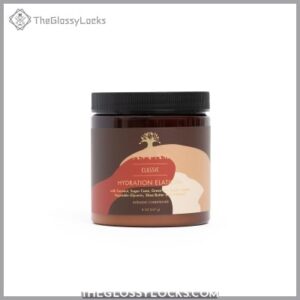
Coconut oil and shea butter form the backbone of this deep conditioner, and that combo matters for high porosity strands craving sealed-in moisture. Glycerin pulls hydration in while panthenol adds shine and body.
Leave it on 15 to 30 minutes, plastic cap optional, to let the formula penetrate frayed cuticles rather than sit on top.
At 8 oz, it’s pricier per ounce than similar masks, and finer-textured curls may find it heavy. Still, detangling slip is a genuine strength here.
| Best For | This conditioner is best for people with dry or curly hair, especially those with low porosity or protein-sensitive strands looking to boost softness and manageability. |
|---|---|
| Additional Features |
|
- Smooths and aligns the hair cuticle for a sleeker look
- Delivers deep moisture that strengthens weak, damaged areas
- Helps repair and prevent split ends over time
- Small 8 oz size means you’ll repurchase often relative to the price
- Detangling and slip performance gets mixed reviews
- Can feel heavy or weigh down finer hair textures
How Porosity Affects Color and Chemical Treatments
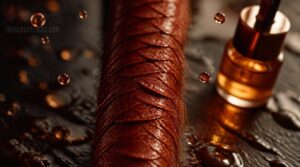
Chemical processing—color, relaxers, perms—lifts the cuticle even further, which means already-porous hair takes on extra strain.
That raises the stakes for how you care for it afterward, since damaged cuticles lose moisture faster and show wear sooner.
Here’s what actually helps, starting with color protection and how to adjust your routine once the chemicals have done their work.
Protecting Color-Treated High Porosity Hair
Color and high porosity together spell trouble unless you’re strategic. Dye lifts the cuticle, so use color-safe shampoo, cool water, and weekly deep conditioning.
- Faded, dull strands losing vibrancy fast
- Cuticles gaping like shingles blown off a roof
- Sealed ends holding onto rich, glossy color
- Frizz management through balanced humectants and occlusives
Apply the LOC method faithfully, adjusting oil to prevent buildup.
Adjusting Routines After Chemical Processing
Chemical processing doesn’t end when you rinse the color out; your routine has to change with it.
| Timeframe | Focus | Frequency |
|---|---|---|
| Week 1-2 | Bond repair | Weekly |
| Month 1-2 | Moisture-protein balance | Biweekly |
| Ongoing | Deep conditioning treatment | Monthly |
| Nightly | Protective sleeping methods | Daily |
| Every few months | Reassessment schedule | Quarterly |
Follow a heat protection routine, and adjust as porosity shifts.
How to Prevent Product Buildup by Porosity
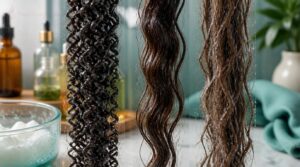
Even the best products can turn against you if they’re layered on too often or too heavily for your porosity type. Buildup shows up differently depending on how open or closed your cuticle is, and it can quietly undo all that careful product matching you just learned. Here’s what to watch for and how often you should really be clarifying.
Signs Your Hair Has Buildup
Run your fingers through your strands. Does hair feel tacky texture or coated rather than smooth? That’s product buildup talking.
Watch for dull appearance, an itchy scalp, or a heavy feeling that clarifying wash can’t seem to fix. Flaky residue near the roots, especially white or scaly bits, signals leftover product disrupting your hair moisture balance and proper hair porosity product selection.
Clarifying Frequency by Porosity Type
Once you’ve spotted buildup signs, the next question is timing.
Low porosity hair does best clarifying every 4-6 weeks.
Medium porosity hair stretches to 6-8 weeks, sometimes 12 as maintenance.
High porosity hair needs it every 3-6 weeks since residue collects faster.
Adjust for seasonal changes, swimming, or heavy styling, whichever hits your moisture balance first.
How to Build a Porosity-Based Hair Routine
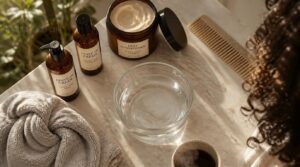
Knowing your porosity type is only half the battle; the real payoff comes when you turn that knowledge into a routine you actually follow.
That means rethinking your wash day order, how often you deep condition, and how you handle trims to keep damage from creeping back in.
Here’s how each piece fits together based on what your hair needs most.
Wash Day Steps by Porosity
Once you know your porosity from the float test, wash day changes shape entirely.
Low porosity needs a warm pre-wash rinse, water-based cleanser, and short dwell time to avoid drying strands.
Medium porosity tolerates balanced cleansers with moderate dwell time.
High porosity benefits from the LCO method post-rinse, sealing moisture in before it escapes through lifted cuticles.
Deep Conditioning Frequency
Wash day sets the stage, but frequency seals the deal.
Low porosity thrives on 10-14 day deep conditioning to dodge buildup.
Medium porosity does best weekly.
High porosity, especially in dry seasons, wants twice weekly with heat, warm towel or steam, to boost absorption.
Post-chemical hair needs twice-weekly sessions for 2-3 weeks before easing into maintenance.
Trimming and Damage Prevention
Split ends don’t fix themselves; they climb. Trimming frequency depends on your porosity type: high porosity hair needs cuts every 6-8 weeks, chemically damaged strands every 8.
DIY search-and-destroy works for isolated splits using sharp shears, never dull ones. Widespread damage calls for professional trimming. Either way, follow up with protein treatments and gentle conditioners to protect cuticle health.
Common Hair Porosity Myths Debunked

Even after mastering testing and building your routine, a few stubborn misconceptions about porosity tend to stick around. Some get repeated so often they start to sound like fact, even when the science says otherwise. Let’s clear up two of the biggest ones holding people back.
Porosity Isn’t Fixed for Life
Your porosity today isn’t your porosity forever. Climate, chemical processing, and heat all shift it, while trims and protective styles pull it back down.
- Humidity raises porosity
- Coloring opens the cuticle
- Protective styles lower damage
- Trims stop split ends traveling up
- Seasonal tweaks keep hair balanced
Porosity changes, so retest every few months instead of assuming.
Curl Pattern Doesn’t Determine Porosity
Ever assumed tight coils mean thirsty hair? That’s curl porosity independence at work: a 3B curl can run high porosity while straight strands sit low. Genetics over curl pattern decides cuticle condition, not coil shape.
Porosity vs curl type are separate systems entirely, since moisture movement factors depend on cuticle gaps, not arc.
Frequently Asked Questions (FAQs)
How can I tell what type of porosity my hair is?
Three simple porosity test methods tell you fast: the float test (sinking speed), the spray test (droplet absorption), and a slip test checking texture. Combine all three, on clean strands, for the clearest read on your cuticle condition.
How to tell if a product is good for low porosity hair?
Think of a locked door versus one left ajar: a good product should slip through, not sit outside. Run the quick absorption test, favor lightweight water formulas, and skip heavy oils that just sit on low porosity hair.
Is it healthier to have low or high porosity hair?
Neither wins outright.
Low porosity hair and high porosity hair each carry different risks, tight cuticles resist product absorption rate, open ones lose hydration fast. Health comes from matching your routine to your hair’s actual behavior, not chasing one porosity type.
Can hair have more than one porosity type?
Picture a river with calm pools and rushing rapids, same water, different behavior. That’s your strand: mixed porosity zones are real. Roots, mid-shaft, and ends often show regional differences across one hair’s hair porosity spectrum.
Does porosity affect how fast hair grows?
Not directly, but it shapes the conditions growth depends on. High porosity hair breaks faster from moisture loss and heat damage, while low porosity buildup can smother strands, both limiting length retention even when growth itself stays steady.
What haircare mistakes make porosity issues worse?
Like sandpaper on silk, everyday habits wear cuticles raw. Overwashing with harsh cleansers, rough towel rubbing, and skipping heat protection lift the cuticle further.
Heavy product buildup and moisture-protein imbalance worsen both low porosity and high porosity hair, fueling frizz and damage.
Can diet or hydration levels change hair porosity?
Not directly. Diet and hydration support overall hair health and mineral content, but they don’t reshape cuticle structure. Hair porosity stays tied to genetics, heat, and chemical exposure, not water intake or nutrition alone.
Should porosity affect how often you wash hair?
Your wash schedule is like a thermostat, it needs calibrating to your hair’s actual absorption rate, not guesswork.
Yes, porosity should guide wash frequency: low porosity resists buildup less often, while high porosity often needs washing every five to seven days to avoid dryness.
Conclusion
Strands speak the truth your labels never will. Once you understand it, how to choose hair porosity products stops feeling like trial and error and starts feeling like fluency.
Low porosity craves lightness. High porosity craves richness. Medium porosity asks for balance. Retest every few months, since heat, color, and time reshape your cuticle.
Master that rhythm, and every bottle you buy becomes a deliberate choice, not a gamble.