This site is supported by our readers. We may earn a commission, at no cost to you, if you purchase through links. This content is for general informational and educational purposes only and is not a substitute for professional medical, dermatological, or nutritional advice.

Your friend swears retinol erased her fine lines. Then you try it, and by day four your cheeks are flaking, stinging, and red.
That reaction isn’t a sign your skin can’t handle retinol. It’s a sign you started too fast. Retinol is a true skincare powerhouse, but it rewards patience, not enthusiasm.
Knowing how to introduce retinol into your skincare routine means picking a gentle 0.01% to 0.03% formula, applying a pea-sized amount once a week, and protecting your barrier with moisturizer and daily SPF. Here’s the step-by-step plan I use with my clients.
Table Of Contents
- Key Takeaways
- Is Your Skin Ready for Retinol?
- How to Choose Your First Retinol Product
- How to Introduce Retinol Into Your Routine
- How Often Should Beginners Use Retinol?
- Which Ingredients Can You Combine With Retinol?
- Managing Retinol Irritation and Tracking Results
- Frequently Asked Questions (FAQs)
- How should I start using retinol in my skin care routine?
- What is the 1/2/3 rule for retinol?
- What to never mix with retinol?
- What do Koreans use instead of retinol?
- Can I use retinol during pregnancy or breastfeeding?
- Should retinol be applied to damp or dry skin?
- Can retinol be used around the eyes?
- How long does an opened retinol product last?
- Is it safe to use retinol year-round?
- Conclusion
Key Takeaways
- Start with a low concentration (0.01%–0.03%) applied as a pea-sized amount just once a week, then build gradually to every other night over five weeks while watching how your skin responds.
- Apply retinol to clean, fully dry skin at night—waiting 10–20 minutes after cleansing and using the moisturizer-sandwich method if you’re sensitive—and never skip broad-spectrum SPF 30+ every morning.
- Pair retinol with barrier-supporting ingredients like ceramides, niacinamide, and hyaluronic acid, but avoid mixing it with benzoyl peroxide, AHAs, BHAs, or physical exfoliants in the same routine.
- Learn the difference between normal purging (small whiteheads in your usual breakout zones that clear by week 6–8) and true irritation (stinging, peeling, or redness anywhere), and pause or seek medical help if severe symptoms like swelling or hives appear.
Is Your Skin Ready for Retinol?

You might be wondering if now’s the right time to start retinol. The answer starts with your skin barrier. If your skin feels comfortable, with no redness, stinging, or tightness, it’s likely ready for a gradual introduction.
For a gentle starting point, browsing the best anti-aging creams with retinol can help you find beginner-friendly formulas with lower concentrations.
Age matters less than you’d think. Early texture changes or an oily, uneven look are good cues that retinol could help, whether you’re 25 or 45. Dermatologists note that noticing early skin changes like shifts in texture or tone matters more than your exact age.
Be realistic, too. Mild flaking or a few temporary breakouts can happen as your skin adjusts, and that’s usually manageable. Severe burning or swelling isn’t.
Do patch testing first, and take extra care if you have sensitive skin. Unsure? A dermatologist consultation is a smart step, especially if you manage eczema, rosacea, or other conditions. Your skin’s comfort comes first.
How to Choose Your First Retinol Product

The right first retinol can make the difference between a smooth start and a week of irritation. Don’t worry, you only need to check four things before you buy. Here’s what to look for, so you can pick your first retinol product with confidence.
Start With Lower Strength
I know stronger sounds faster, but your skin truly disagrees. Begin with a low concentration of 0.01% to 0.03%, then do patch testing on your inner arm first.
Use a pearl-sized amount during nighttime application, and follow gradual introduction. Picture how it feels to:
- Wake up calm, not red.
- Trust your skin barrier again.
- Keep going with steady, quiet confidence.
Match Your Skin Type
Strength is only half the story. Your skin type decides which retinol feels comfortable.
Dry or sensitive complexions often do better with a lower-strength pick, like the best retinol cream for wrinkles, which balances potency with barrier-friendly ingredients.
Sensitive skin does best with gentle options like bakuchiol and a once-weekly start. For dry skin management, choose a cream and apply it over moisturizer. Oily skin tolerance is higher, so lightweight gels work well. For combination skin balance, use a serum, with a lighter touch on dry cheeks.
Choose Barrier-Supporting Ingredients
Your skin type sets the pace, but your moisturizer sets the safety net. Look for barrier repair support in the same formula or the cream you layer on top.
- Ceramides to help limit water loss.
- Niacinamide to support your skin’s own lipids.
- Hyaluronic acid for added hydration.
- Panthenol to soothe dryness.
Support helps, but it can’t promise irritation-free retinol use.
Look For Protective Packaging
A great retinol won’t help if its container lets it break down. Light and air are the biggest threats, so choose protective packaging wisely. Look for an opaque container, aluminum tube, or amber glass bottle. Better yet, pick an airless pump, which limits oxygen exposure with every use.
Why does this matter? Light stability protects potency and slows ingredient degradation. Avoid clear jars.
How to Introduce Retinol Into Your Routine
You’ve picked your product, so now it’s time to put it to work. A smart retinol routine has two parts, one for your evening and one for your morning. Let’s walk through each, so you can start with confidence.
Nighttime Application and Moisturizer Order
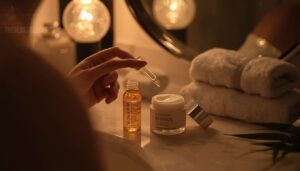
Ready for tonight? Start with clean, fully dry skin. Damp skin pulls retinol in faster, which can mean more irritation.
Dot a pea-sized amount on your forehead, cheeks and chin, then spread evenly, avoiding lips and nasal creases. Give it a minute, then follow with moisturizer.
For sensitive skin care, try the retinol sandwich: moisturizer, retinol, moisturizer.
Morning Skincare and Sun Protection
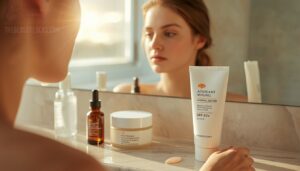
Picture Maya, who used retinol last night and skipped sunscreen today because the sky looked cloudy. Her cheeks are pink by noon. Sound familiar?
Make sunscreen every morning non-negotiable. Cleanse gently, add your antioxidant serum, then moisturize, waiting a minute or two between steps. Finish with broad-spectrum SPF 30 or higher, about a quarter teaspoon for face and neck. Mineral formulas offer gentle UV protection.
How Often Should Beginners Use Retinol?

Maya bought her first serum and used it three nights straight. By Thursday, her cheeks were red and flaky. Sound familiar?
Slow down. Your Beginner Retinol Routine should begin with a low concentration 0103 formula and a peasized amount, applied once or twice a week for the first two weeks.
Then build gradually. Move to two or three nights in weeks three and four, and try every other night by week five if your skin stays calm. If you’re sensitive, start with one night weekly. Skin cycling, with rest nights between, keeps your barrier happy.
Go gently, and you’ll feel:
- Proud of your glowing skin
- Confident that you’re in control
- Relieved when redness stays away
- Reassured by every comfortable night
Which Ingredients Can You Combine With Retinol?

Wondering what’s safe to pair with your new retinol? Good news: some ingredients make it easier to tolerate.
Hyaluronic acid is a great place to start. Apply it first, then your retinol, and you’ll help offset dryness. Niacinamide and ceramides are your barrier-supporting powerhouses. They calm redness, reduce moisture loss and keep your skin steady while it adjusts. Peptides pair well too, supporting firmness and repair.
Vitamin C needs a little planning. Don’t layer it with retinol. Use it in the morning and save retinol for night.
Finish every routine with a rich moisturizer. And each morning, apply broadspectrum SPF 30, since retinol can leave skin more sun-sensitive.
Add only one new product at a time. It keeps you in control.
Managing Retinol Irritation and Tracking Results

Even with a careful start, your skin may need a little time to adjust to retinol. Knowing what’s normal and what isn’t helps you stay in control and keep your routine safe. Here’s how to read your skin’s signals and track your progress with confidence.
Purging Versus Irritation
Is it a retinol purge or just irritation? The difference matters.
Purging shows up only where you usually break out, as small whiteheads without burning, and it settles by week 6 to 8. Active skin irritation appears anywhere, with peeling or stinging, tightness, and cystic bumps that worsen. Reacting within two days? That’s likely your skin barrier, not an adaptation period.
Purging means small whiteheads where you usually break out, while burning or stinging anywhere signals irritation, not adjustment
When to Pause or Seek Help
Not sure whether to push through? Pause when active skin irritation lingers past two to four weeks, or when stinging, flaking, and redness keep climbing. Your skin barrier needs time to heal.
Stop immediately and get medical help for hives, facial swelling, fever, pus, or severe pain. Considering eczema and retinol or rosacea and retinol? Always ask your dermatologist first.
When to Expect Visible Results
Once your skin settles, patience pays off. Cellular turnover brings early glow, but tolerance building comes first. Here’s your rough timeline with consistent use:
- Weeks 2–4: smoother, brighter texture
- 8–12 weeks: fewer breakouts
- Months 3–6: softer fine lines
- Several months: fading dark spots
- Ongoing: collagen production keeps building
Take monthly photos. Retinol can’t erase deep wrinkles. Protect progress with daily sunscreen.
Frequently Asked Questions (FAQs)
How should I start using retinol in my skin care routine?
Picture Maya, new to retinol, using it nightly and ending up flaky.
Start slow instead. Cleanse with a gentle cleanser, apply a pea-sized amount twice weekly, then apply moisturizer. Always wear morning SPF daily, too.
What is the 1/2/3 rule for retinol?
Rushing retinol could ruin your skin! Follow the 1-2-3 rule: once weekly, then twice, then three times, using a pearlsized amount.
Try the buffering method with moisturizer, stay at 1-2 nights per week, wear SPF.
What to never mix with retinol?
Skip benzoyl peroxide, AHAs, and BHAs in the same routine, since they can dry and redness-flare your skin. Steer clear of physical exfoliants and fragrance-heavy products too. Already on a prescription retinoid? Ask your clinician first.
What do Koreans use instead of retinol?
Many Koreans reach for bakuchiol, a plant-based option that firms skin without the redness retinol can cause. Paired with niacinamide and hyaluronic acid, it suits sensitive skin well. Start with a gentle cleanser.
Can I use retinol during pregnancy or breastfeeding?
Think of pregnancy and retinol as a lantern and a nursery: keep them apart. Skip it.
Breastfeeding and retinol is gentler, yet avoid the chest. Protect a compromised skin barrier with moisturizer and gentle cleanser.
Should retinol be applied to damp or dry skin?
Wondering if damp skin is okay? Stick with clean dry skin. Damp skin absorbs retinol more deeply, which raises irritation risk and stresses your skin barrier.
Wait 10 to 20 minutes after cleansing, then apply a pea-sized amount.
Can retinol be used around the eyes?
Yes, but go gently. Choose a fragrance-free retinol made for the eye area, ideal for sensitive skin. Dab a tiny amount along the orbital bone, over moisturizer, avoiding lids. It helps reduce fine lines when used carefully.
How long does an opened retinol product last?
Think of opened retinol as a ticking clock. Most formulas last 6 to 12 months, whatever the concentration.
Keep storage cool and dark, close it after each application, and toss yellowed products before the expiration.
Is it safe to use retinol year-round?
Yes, you can use retinol year-round, as long as you protect your skin. Apply it during your nighttime routine and wear SPF 30+ every morning. Winter lowers sun risk, but summer sensitivity calls for extra caution.
Conclusion
Picture Maya, who waited three weeks before moving her retinol from once to twice weekly. No flaking, no stinging, just calmer, smoother skin by month three.
That’s the whole secret behind how to introduce retinol into skincare routine planning: go slowly, moisturize generously, and wear SPF every morning. Your skin sets the pace, so listen to it.
Retinol truly isn’t a race. Stay steady, and you’ll earn a glowing, resilient complexion that lasts for years.