This site is supported by our readers. We may earn a commission, at no cost to you, if you purchase through links. This content is for general informational and educational purposes only and is not a substitute for professional medical, dermatological, or nutritional advice.

I once trimmed my nose hair with a pair of beard scissors and a bathroom mirror. The mirror won. I bled, sneezed, and swore off sharp objects near my face for a month.
If you’ve ever flinched while holding a trimmer near your nostril, you already know what features matter most in a nose hair trimmer. Safety comes first, but blade type, battery behavior, water resistance, and weight all decide whether you get a clean cut or a tugging, eye-watering mess.
A 1 to 2 mm standoff and a rounded tip separate a calm morning from a painful one. Here’s how to spot them.
Table Of Contents
- Key Takeaways
- Which Nose Trimmer Safety Features Matter Most?
- Nose Hair Trimmer Blades and Cutting Mechanisms
- Battery Options and Consistent Motor Performance
- Water Resistance and Easy Trimmer Cleaning
- Trimmer Grip, Weight, and Precision Control
- Useful Attachments Versus Extras Worth Skipping
- Frequently Asked Questions (FAQs)
- Conclusion
Key Takeaways
- Put safety first by choosing a trimmer with a rounded tip and a protective guard that keeps the blade 1 to 2 mm off your skin, and trim only the visible hairs so you keep the ones that filter dust and germs.
- Pick a rotary or dual-edge blade with a motor near 3,000 RPM or faster, since it cuts from several angles without tugging, and keep the battery charged because a fading cell makes the blades slow down and yank.
- Choose a waterproof model (IPX7) with a detachable head, and rinse and air-dry it after every use so debris and bacteria don’t build up in the blade gaps.
- Look for a light, well-balanced body with a rubber or silicone grip for steady control, and skip extras like extra heads and LED lights that add cost without improving the trim.
Which Nose Trimmer Safety Features Matter Most?
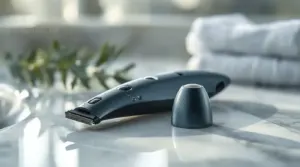
I once nicked a nostril so badly with a bargain trimmer that I started shaving with more respect. A good trimmer shouldn’t make you flinch, and safety design is the first thing worth checking. Here are the two features that matter most, starting with what keeps the blades off your skin.
If you’re still shopping around, this roundup of the best shavers for pubes compares models on blade guards and skin-friendly design.
Protective Guards and Rounded Tips
A friend once tried trimming his nose with kitchen scissors. He still won’t discuss it. A good guard system would have spared him.
Look for a 1 to 2 mm standoff between blade and skin. Tips should be rounded, ideally 0.3 to 0.8 mm in radius, so they deflect off tissue instead of snagging.
Preserving Protective Hair and Personal Hygiene
Guards protect your skin, but your nose hair does the real work. Those hairs catch dust, pollen, and microbes before they reach your lungs, so aim for shorter, not bare.
- Trim only visible hairs at the nostril entrance.
- Tilt your head back 15 to 20 degrees and keep the hair dry.
- Clean the blade after every use.
Unclean blades can harbor bacteria that touch your skin directly, so washing and sterilizing blades after each use helps prevent the spread of germs.
Nose Hair Trimmer Blades and Cutting Mechanisms
I once bought a trimmer because the box said "ultra precision," then spent a week looking like I’d lost a fight with a hedge.
Next time, I’ll check a roundup of the best shape-up clippers that compares blade quality and battery life instead of trusting the packaging.
The blade is where that precision either lives or dies, so it’s worth knowing what’s spinning or sliding near your nostrils.
Next, we’ll look at two designs that decide how smooth, safe, and thorough your trim feels.
Rotary Versus Linear Cutting Heads

I once bought a linear trimmer because it looked precise. My nostril disagreed within ten seconds.
Rotary blades spin inside a perforated shield, so they catch hairs from any angle. That suits the curve of a nasal canal, and the enclosed design keeps the cutting edge off your skin. Linear blades shuttle under a comb guard, so they shine on flat spots like eyebrows and sideburns, but they need careful alignment and can tug.
Dual-Edge Designs and Cutting Coverage

Rotary heads solved my first problem, but dual-edge blades solved the next one. Mine cut from the top and the side at once, so I stopped running the trimmer back over the same spot. That meant less tugging and fewer sore mornings.
Look for a rounded tip and a guard, plus a motor near 3,000 RPM or faster. Slower motors snag.
Battery Options and Consistent Motor Performance

A dead trimmer once quit on me halfway through my left nostril, and I still remember the tug. Nobody warns you that a weak battery can pull hair instead of cutting it.
A fading cell slows the blades, and slow blades yank.
A rechargeable battery with USB-C charging is the easiest route. Good lithium-ion models hold motor power RPM in the 6500 to 8500 range until the charge runs out, so the last trim feels like the first. Quick-charge helps: one minute buys three.
Here’s what to check:
- Lithium-ion runtime: around 90 minutes per full charge
- Battery indicator: warns you before the motor drags
- Lithium AA: long battery life, up to 18 hours
Skip alkaline cells if you go disposable.
Water Resistance and Easy Trimmer Cleaning

A wet trimmer once taught me more about grooming than any manual. I rinsed mine under the tap, then stuck it in a drawer, and a week later the blade gaps held a gray crust I won’t describe. Learn from my mistake.
I skipped drying my trimmer once, and the grime that crept into its blades taught me to always rinse and air-dry
Look for an IPX7 waterproof rating. It means the unit survives full submersion in one meter of water for 30 minutes, so a shower or a quick dunk under the faucet won’t hurt it.
Rinse the head after every use. Hair and skin debris dry in the blade gaps, dull the edges, and invite bacteria. A detachable head makes this easy, because you can flush water through the housing, inside and out, and clear the clippings fast.
Shake it dry, then store it open to the air.
Trimmer Grip, Weight, and Precision Control

My first trimmer handled like a wet bar of soap, and my nostril learned that lesson the hard way. Grip matters more than you’d think.
Look for ergonomic grip design with a matte rubber or silicone texture. It keeps the body steady when your hands are wet or soapy. Finger indentations help too, since they stop the trimmer from rotating in your palm.
Weight distribution is the quiet factor. Aim for a body under 300 grams, ideally under 15 cm long, with the motor balanced against the grip. That cuts wrist strain and gives you better precision trimming control.
A rotating head also helps, since you won’t bend your wrist. Good ergonomic handle design shows in the comfort grip feel.
Useful Attachments Versus Extras Worth Skipping
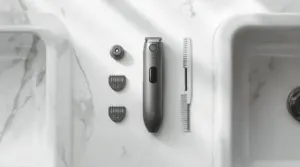
You might think more attachments always means more value. I used to, until I bought a trimmer with seven heads and used one. The rest gathered lint in a drawer.
Attachment versatility rarely helps here, since body heads sacrifice precision and power. A detail trimmer attachment is worth it for beard edging and sideburns if it cuts as close as a dedicated trimmer. An eyebrow comb needs several length settings, or you’ll overcut.
A vacuum system saves sink cleanup, but you must clean its insides regularly. LED lights add cost, not accuracy, in a bright bathroom. Skip the glow and spend that money on a protective guard system, skinsafe technology, solid blade safety mechanisms, and a thoughtful nostril safety design.
Frequently Asked Questions (FAQs)
How are you supposed to use a nose trimmer?
My first try felt like parallel parking inside a tunnel, so trust me. Tilt your head back, insert only the tip about ¼ inch, and make slow circles, trimming visible hairs only, never forcing it.
How often should you trim your nose hair?
I once trimmed on a whim and found a hair waving at me from a mirror. Now I check weekly. Most people need a trim every one to four weeks, whenever hairs show or tickle.
Does trimming nose hair make it grow back thicker?
Ever lose an argument to your own nostril? I did, and the myth lost. No, trimming won’t make hair thicker. It only cuts the shaft above the skin, so the blunt, stubbly tip just feels coarser.
When should you replace your trimmers blades or head?
My old trimmer lasted two years before I noticed I was bracing for every pass. Don’t wait that long.
Swap the head at the manufacturer’s stated interval, often about three months on replaceable models. Replace sooner if it pulls, snags, or rust and chips appear.
How long does a nose hair trimmer last?
I once kept a trimmer for eight years, mostly because I forgot I owned it. Expect two to five years from most models. AA-powered units often reach five, while rechargeables fade near three.
Can you use a nose trimmer on ears?
I once trimmed my ears with a pair of kitchen scissors. Never again. Yes, a nose trimmer works on ears, since the guarded blades suit both. Insert it only 5-6 mm, never deeper.
Conclusion
My buddy Dan bought a flashy $40 trimmer with a pointed tip and a battery that died mid-nostril. He returned it in a week. His replacement cost half as much and just worked.
When you’re deciding what features matter most in a nose hair trimmer, start with a rounded protective guard, then check blade type, battery life, washability, and grip. Skip the gimmicks. Pick the boring one that doesn’t bite. Your nostrils will thank you.