This site is supported by our readers. We may earn a commission, at no cost to you, if you purchase through links. This content is for general informational and educational purposes only and is not a substitute for professional medical, dermatological, or nutritional advice.
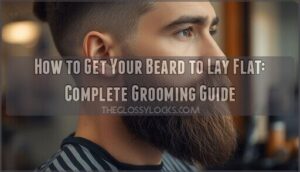
Your beard looks great from the front, but when you catch your reflection from the side, there it is—puffed out like a furry satellite dish. A beard that won’t lay flat isn’t just frustrating; it makes even the most well-groomed guy look unkempt and adds unnecessary bulk that throws off your whole profile.
The good news? Getting your beard to cooperate and lie down doesn’t require expensive products or professional help. With the right combination of washing techniques, strategic product application, and a few daily grooming habits, you can transform that wild, poofy mess into a sleek, controlled beard that actually follows the contours of your face and looks intentional instead of accidental.
Table Of Contents
- Key Takeaways
- Step-by-Step Routine to Make Your Beard Lay Flat
- Essential Grooming Techniques for a Flat Beard
- Choosing The Right Products for Flat Beards
- Top 3 Products to Keep Your Beard Down
- Troubleshooting Common Beard Laying Issues
- Frequently Asked Questions (FAQs)
- How do I get my beard to lay flat?
- Can a long beard lay flat against your skin?
- Why does my beard not lay flat?
- Does a beard straightener make your beard lay flat?
- How to style a beard?
- Is it normal for beard hair to stick out?
- Is Pulling Out Beard Hair Bad?
- How Long Should You Let Your Beard Grow?
- Why Does My Beard Not Stay Straight?
- How Can I Get My Beard to Face Down?
- Conclusion
Key Takeaways
- Getting your beard to lay flat requires a consistent sequence: wash with lukewarm water 2-3 times weekly, apply beard oil while damp, lock it down with balm or wax, then brush downward daily and use heat styling to train the hair into submission.
- Your genetics determine follicle angle and hair texture, so some beards naturally resist laying flat—but strategic trimming, proper hydration with jojoba or argan oil, and heated tools at 180-190°C can override stubborn growth patterns.
- The right product combo matters more than expensive brands: beard oil softens coarse hairs, balm provides medium hold with 15-30% beeswax, and wax delivers maximum control for long or wiry beards that refuse to cooperate.
- Daily brushing with boar bristle and wooden combs trains hair downward over weeks, while blow-drying 6 inches away on medium heat physically reshapes the beard’s profile without damaging the cuticle.
Step-by-Step Routine to Make Your Beard Lay Flat
Getting your beard to lay flat isn’t rocket science, but it does take the right sequence of moves. You can’t skip steps and expect results—each one builds on the last to tame those wild hairs and lock in control.
Here’s the exact routine that’ll transform your unruly beard into a smooth, disciplined masterpiece.
Wash and Dry Your Beard Properly

Three out of four beard problems start in the shower—getting the wash right sets you up for a flat, controlled look all day. Use a dedicated beard wash 2–3 times weekly to keep natural oils balanced and prevent dryness. Rinse with lukewarm water to protect skin and minimize irritation, then gently pat dry with a soft towel instead of rubbing.
Key washing and drying steps for beard hygiene:
- Wash your beard 2–3 times per week with a specialized beard shampoo
- Use lukewarm water to protect natural oils and reduce skin irritation
- Pat gently with a microfiber towel—never rub vigorously
- Blow-dry on low heat at 6–10 inches distance while brushing downward
- Keep the beard slightly damp before styling for better control
To achieve the best results, understanding beard drying techniques is essential for maintaining a healthy and well-groomed beard.
Apply Beard Oil for Softness

Once your beard is clean and slightly damp, it’s time to lock in moisture. Dispense 3–5 drops of beard oil into your palm, rub your hands together, then work it through from roots to tips. This simple move softens coarse hairs, tames frizz, and preps your beard to lie flat instead of puffing out like a hedgehog. Using beard care products can greatly improve the overall health and appearance of your beard.
| Beard Length | Oil Drops | Focus Area |
|---|---|---|
| Short (1–2 inches) | 3–4 drops | Skin & roots |
| Medium (2–4 inches) | 5–6 drops | Even coverage |
| Long (4+ inches) | 7–9 drops | Ends & density |
Jojoba and argan oils penetrate deep, boosting elasticity and reducing that wiry texture that fights your comb. Apply when hair is damp—not soaking—so the oil seals in hydration and smooths the cuticle for maximum control.
Use Beard Balm or Wax for Hold

Oil softens, but balm locks everything down. Scoop a pea-sized amount for short beards, almond-sized for longer growth, then rub it between your palms until it melts.
Work the balm through every layer—roots to tips—so the 15–30% beeswax content grips each hair and holds your shape for hours.
For iron-fisted control on stubborn hairs, switch to beard wax with its 40%+ wax punch.
Comb and Brush for Even Distribution
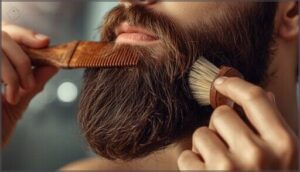
After balm sets, grab your wide-tooth beard comb and drag it downward from jaw to tip—this detangles without ripping.
Then follow with a boar bristle brush in smooth, firm strokes to train every whisker into alignment and push natural oils across 95% of your surface area.
Comb twice daily, brush once, and you’ll slash flyaways while building hair that obeys gravity.
Style With Blow Dryer or Heated Brush

Turn on your blow dryer’s medium setting and lock the nozzle about 6 inches out—that distance shields your whiskers from cuticle cracks while smoothing the profile.
Or reach for a heated beard brush at 180–190℃, glide slowly downward, and watch curl vanish into a flatter jawline.
Both heated beard tools deliver all-day hold when paired with a quick spray of heat protectant.
Essential Grooming Techniques for a Flat Beard

Getting your beard to lay flat isn’t just about the products you use—it’s about mastering the daily habits that train your facial hair to cooperate. The right grooming techniques make the difference between a beard that fights you every morning and one that falls into place with minimal effort.
Here’s how to take control with brushing, training, trimming, and taming those stubborn areas that refuse to behave.
Daily Brushing and Combing Tips
You want that beard lying flat, not sticking out like a porcupine? Start with the right tools—boar-bristle beard brush for oil distribution and a wooden beard comb for detangling.
Your daily beard habits matter: brush once daily, moving downward from cheeks to chin for proper beard alignment. This beard grooming routine works because consistent strokes train hair texture to cooperate, making beard maintenance actually manageable.
Training Beard Hairs to Grow Downward
Your hair follicles have a fixed exit angle—you can’t permanently change growth patterns, but you can manipulate beard texture through consistent training methods.
Brush downward 1–2 times daily to align shafts and encourage beard to lay flat. For stubborn beards, combine heat styling with your beard grooming routine: blow-dry while brushing in the direction you want, training your beard over weeks of beard maintenance.
Effective Trimming Without Losing Length
You want a flatter profile without surrendering hard-earned length—start with guard settings above 12 mm for the chin and drop just one or two sizes on the cheeks to tame side puff.
Trimming techniques that preserve length include:
- Using stepwise blending to reduce bulk at the edges only
- Dusting visible flyaways with scissors for surface refinement
- Limiting full passes to prevent over-thinning
- Tapering cheek lines for a slimmer silhouette
- Employing scissor-over-comb work on longer beards
This approach controls hair texture while maintaining your beard shape and style.
Managing Mustache and Side Puff
Your mustache and side puffs are the two trickiest zones to flatten—center mustache hairs often poke straight out, while cheek growth puffs horizontally. Target them with wax for the ‘stache and balm for the sides, then brush downward and outward to train facial hair texture.
For square or round faces, longer sideburns aligned with your jawline visually reduce side puff and improve beard styling.
Choosing The Right Products for Flat Beards

Your beard won’t lay flat without the right arsenal in your grooming kit. The products you choose make the difference between a wild, unruly mess and a sleek, controlled beard that stays exactly where you want it.
Let’s break down the essential products that’ll give you complete command over your facial hair.
How Beard Oil Helps Control Hairs
Beard oil is your first line of defense against wild, unruly hairs. It delivers essential hydration that makes coarse fibers more pliable and easier to manage.
By lubricating each strand, it slashes friction by up to 80%, so your beard stays smooth instead of frizzy.
Apply a few drops daily, work it from roots to tips, and watch stubborn hairs start cooperating.
Benefits of Beard Balm and Wax
When you need more muscle than oil alone, beard balm steps up with medium hold plus deep conditioning—plant butters like shea boost hydration by up to 50%, taming frizz while beeswax forms a flexible film that trains hairs downward all day.
For maximum control on long or wiry beards, beard wax delivers strong, all-day lock without the slip, perfect for styled looks that refuse to budge.
Selecting Combs and Brushes for Your Beard Type
Your wax won’t hold if you pair it with the wrong tools. Choose a boar bristle brush for dense, coarse beards—firm bristles distribute oil and train hairs downward. A wide-tooth beard comb detangles without breakage, while wood beats plastic by eliminating static that causes puff.
Match brush shapes and comb teeth spacing to your beard density and hair texture for real control.
Top 3 Products to Keep Your Beard Down
You can spend hours mastering technique, but if you’re using the wrong products, your beard will still puff out like a rebellious cloud.
The right trio of tools makes the difference between a beard that cooperates and one that fights you every morning.
Here are three essentials that’ll give you the control you’ve been missing.
1. Premium Organic Beard Oil Care
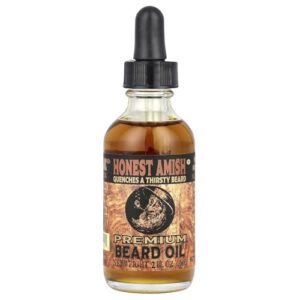
Your secret weapon against that wild, untamed facial hair? Premium Organic Beard Oil Care. This hand-crafted formula uses jojoba and argan oil—natural moisturizers that actually mimic your skin’s own sebum—to soften coarse hairs and make them more manageable.
Daily application boosts hair flexibility by hydrating each strand from root to tip, reducing that frustrating frizz and brittleness. The organic ingredients support healthier hair growth patterns without chemicals, making it easier to brush your beard flat.
Plus, it conditions the skin underneath, so you’re building better beard health while taming the chaos.
Best For: Guys who want to tame their scraggly, unruly beards and make them softer and easier to manage with natural, organic ingredients.
- Softens coarse facial hair and reduces frizz, making your beard lie flatter and look more groomed.
- Conditions the skin underneath to prevent itching, flakiness, and irritation that can mess with your grooming routine.
- Hand-crafted in the USA with all-natural, organic ingredients like jojoba and argan oil that actually work without harsh chemicals.
- The scent can be too subtle for some users, or occasionally miss the mark depending on your personal taste.
- Doesn’t provide strong hold, so if you’re trying to sculpt or style your beard into a specific shape, you’ll need something else.
- Runs on the pricier side compared to other beard oils, and the bottle may leak a bit when you’re traveling.
2. Natural Beard Care Shampoo Set
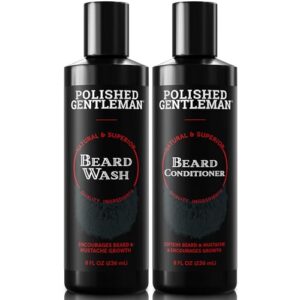
Once your oil’s doing its job, you need the right shampoo to keep your beard in fighting shape. Natural Beard Care Shampoo Set delivers gentle cleansing without sulfate-free harsh chemicals that strip away moisture.
With 98% natural ingredients, including tea tree and organic aloe, it hydrates coarse facial hair while preventing the dryness and dandruff that make hairs stick out.
This beard shampoo works because beard care starts with proper washing—your facial skin has fewer oil glands than your scalp, so dedicated formulas protect what little sebum you’ve got while promoting overall beard health.
Best For: Men with coarse or unruly beards who want a gentle, sulfate-free cleansing routine that tackles dryness, dandruff, and flyaways without stripping natural oils.
- 98% natural and organic ingredients including tea tree and aloe that hydrate facial hair and skin while preventing itch and flaking
- Sulfate-free and paraben-free formula specifically designed for facial skin’s lower oil production, protecting sebum better than regular shampoos
- Complete wash and conditioner set made in the USA that’s cruelty-free and excludes alcohol, gluten, phthalates, and silicones
- Conditioner can be thick and hard to squeeze out of the bottle, while the shampoo tends to be runny and watery
- Results may vary for very dry or brittle beards, with some users not seeing the softening or growth benefits they expected
- Scent is muted or unpleasant for some, and the price point sits higher than many conventional beard shampoos
3. Wooden Beard Comb For Men
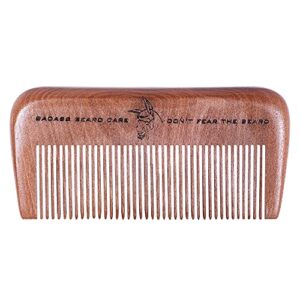
After shampooing, grab a wooden beard comb to seal the deal—it’s not just about detangling, it’s about taking control. Unlike plastic, this solid walnut comb eliminates static that makes hairs fly, helping your beard lay flat with every pass.
The hand-sanded, fine teeth glide through coarse growth without snagging, distributing oils evenly for smoother beard styling. It’s pocket-sized, anti-static grooming that trains unruly hairs downward.
When beard care meets the right comb material, you stop fighting your beard and start commanding it.
Best For: Men with long, thick, or curly beards who want to reduce frizz, eliminate static, and achieve a smoother, more controlled look while using a durable, eco-friendly grooming tool.
- Eliminates static and flyaways, helping your beard lay flat and look polished without the frizz you get from plastic combs.
- Hand-sanded fine teeth glide through coarse hair without snagging or breaking strands, while evenly distributing oils for healthier growth.
- Made from solid walnut hardwood that’s built to last, plus it’s pocket-sized and more sustainable than disposable plastic alternatives.
- Costs more upfront than cheap plastic combs, though the durability and performance often justify the price over time.
- Can break if you carry it loose in your pocket for months, so it’s better kept in a case or separate pouch.
- May not work as well for guys with very thin or fine facial hair who need less aggressive teeth spacing.
Troubleshooting Common Beard Laying Issues
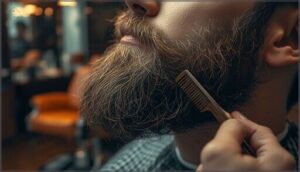
Even with the right routine and products, you’ll run into moments when your beard just won’t cooperate. Some hairs refuse to lay flat, others frizz out like they’ve got a mind of their own, and certain patches grow in directions that defy logic.
Here’s how to tackle the most common problems that keep your beard from looking sharp and controlled.
Dealing With Stubborn Hairs That Stick Out
Even when you nail your beard maintenance tips, a few flyaway control stragglers will challenge your beard styling techniques. Beard hair texture and beard growth patterns mean some strands won’t surrender easily—but you can win this fight. Here’s your hair shaft management playbook:
- Target trimming: Use scissors to snip only the rebels that stick out, preserving length elsewhere while keeping your beard to lay flat.
- Strategic balm placement: Work extra product directly onto stubborn areas, then press them down with your palm for 10–15 seconds.
- Heat styling tips: Run a heated brush over problem zones at around 185°C to reset their direction without damage.
Addressing Beard Dryness and Frizz
Dryness breeds rebellion in your beard—rough texture, frizz, and hairs that won’t cooperate. Winter conditions and harsh cleansers strip natural oils, leaving your facial hair brittle and unruly.
| Cause | Effect | Fix |
|---|---|---|
| Low humidity | Brittle strands | Daily beard oil application |
| Overwashing | Stripped sebum | Gentle cleansing 2–3× weekly |
| Poor hydration | Increased porosity | Beard balm + water intake |
Lock in moisture with jojoba or argan oil, then seal with balm for frizz control and lasting beard health.
Fixing Uneven or Patchy Growth
Patchy growth reveals what genetics programmed into your hair follicles—some men simply inherit lower beard density in certain zones. Androgenetic patterns affect roughly 30–50% of men by middle age, meaning uneven facial hair isn’t a flaw, it’s biology.
Patchy beards aren’t a flaw—they’re genetics, affecting 30–50% of men by middle age
Five tactics to improve beard thickness and texture:
- Apply 5% minoxidil foam daily to sparse areas for 3–6 months
- Microneedle patchy zones weekly alongside topical growth serums
- Supplement with biotin, zinc, and B vitamins for follicle support
- Maintain beard health and hydration with oil and balanced nutrition
- Consult a dermatologist about PRP or corticosteroid injections for stubborn patches
Strategic facial hair management trains existing growth while medical options activate dormant follicles.
When to Trim or Consult a Barber
You’ll need a trim every one to two weeks for short beards, two to four weeks for medium length, and four to eight weeks for longer growth—roughly following that 0.27-millimeter daily pace.
If your cheek lines blur, split ends multiply, or one side outgrows the other, book a barber consultation. Professional trimming techniques restore symmetry and train stubborn growth patterns that home maintenance can’t fix alone.
Frequently Asked Questions (FAQs)
How do I get my beard to lay flat?
You get your beard to lay flat by washing properly, applying beard oil for softness, using balm for hold, brushing downward daily, and blow-drying with heat to train facial hair follicles into smooth, controlled beard growth.
Can a long beard lay flat against your skin?
Yes, a long beard can lay flat against your skin with proper beard care and styling. Length actually helps—heavier fibers naturally drape downward when you maintain good beard products, regular maintenance, and control Hair Follicle Direction effectively.
Why does my beard not lay flat?
Your beard resists lying flat because genetics dealt you a particular hand—coiled follicles, stubborn DHT sensitivity factors, varied hair follicle angle, and irregular beard growth patterns create flyaways that defy gravity and grooming alike.
Does a beard straightener make your beard lay flat?
A heated beard straightener effectively smooths coarse facial hair, reshaping the beard texture through heat styling.
Straightening tools work within minutes, helping your beard lay flat by temporarily breaking hydrogen bonds and reducing puffiness throughout the day.
How to style a beard?
Think of styling your beard like sculpting—you shape what’s already there.
Comb downward while applying balm or wax, then use blow-drying with a brush to train facial hair into your desired look.
Is it normal for beard hair to stick out?
Absolutely. Facial hair growth follows individual follicle patterns, so natural beard behavior includes hairs projecting outward—especially during early stages.
Beard hair texture, density, and dryness all contribute to stray hairs that resist lying flat without proper beard care.
Is Pulling Out Beard Hair Bad?
Yes—plucking your facial hair triggers follicle damage, skin inflammation, and hyperpigmentation, especially in darker complexions. Repeated trichotillomania-style pulling creates scarring, unpredictable hair regrowth patterns, and infections that undermine your entire beard care and grooming routine.
How Long Should You Let Your Beard Grow?
Let your beard grow for at least two to four months before major trimming. This timeframe allows you to see natural growth patterns, beard thickness, and texture while facial hair reaches sufficient length for proper styling.
Why Does My Beard Not Stay Straight?
Your beard bucks like a rodeo bull because of hair follicle structure, genetic influence factors, and beard growth patterns. Curly shafts, asymmetric angles, and coarse facial hair texture all resist staying straight without deliberate beard care and maintenance intervention.
How Can I Get My Beard to Face Down?
Train your beard to face downward through daily brushing in the desired direction, and apply beard balm for hold.
Trim every two to four weeks to maintain controlled growth patterns and prevent horizontal flare.
Conclusion
Your beard doesn’t need to fight you every morning. Once you master how to get your beard to lay flat—washing properly, applying the right products, and using heat strategically—you’ll control its shape instead of letting it control yours.
The routine takes five minutes, maybe less once it becomes second nature. Your profile will look sharper, your grooming intentional, and that puffed-out satellite dish? Gone. You’ve got this handled.