This site is supported by our readers. We may earn a commission, at no cost to you, if you purchase through links.
Your stylist’s rule of thumb probably sounds familiar: skip the wash before color day. There’s real chemistry behind that advice, not just salon folklore. Second-day hair carries a thin layer of sebum that acts like a natural buffer, protecting your scalp while barely slowing down pigment absorption.
But that buffer has limits. Too much oil, or a coat of silicone from your favorite conditioner, and you’re looking at patchy, faster-fading results instead of rich, even color.
So is it better to dye dirty hair? The answer depends on your hair type, your product habits, and timing you can actually control, starting with what’s happening on your scalp right now.
Table Of Contents
- Key Takeaways
- Is It Better to Dye Dirty Hair? The Short Answer
- How Oils and Buildup Affect Hair Dye
- When to Wash Hair Before Dyeing
- Top 3 Shampoos and Conditioners for Dye Prep
- How to Protect Hair After Dyeing
- Frequently Asked Questions (FAQs)
- Can dirty hair affect bleaching blonde results?
- Does hair texture change dyeing requirements?
- Should you condition hair after dyeing immediately?
- How does humidity affect freshly dyed hair?
- Can you dye hair with dandruff present?
- Can I dye hair the same day I workout?
- Does hair porosity affect how dye develops?
- How long should color processing time typically last?
- Can you dye hair over old box dye?
- Should I deep condition before or after coloring?
- Conclusion
Key Takeaways
- Wait 24 to 48 hours after washing before coloring, since a light layer of natural oils protects your scalp and helps pigment absorb evenly without going overboard into greasy territory.
- Too much oil or silicone buildup from styling products can block dye from reaching the cortex, leading to patchy, faster-fading color, so a clarifying shampoo three days before your appointment strikes the right balance.
- Permanent dye is more sensitive to oil buildup since it needs to penetrate the cortex, while semi-permanent dye just coats the cuticle and is more forgiving of unwashed hair.
- After coloring, hold off on shampooing for 48 to 72 hours, stick to lukewarm water, and use sulfate-free, color-safe products to keep your cuticle sealed and your color from fading fast.
Is It Better to Dye Dirty Hair? The Short Answer

Yes, but with conditions worth knowing before you skip that pre-color wash. Your hair type, the dye you’re using, and how "dirty" is actually dirty all change the answer. Here’s what determines whether skipping the shampoo helps or hurts your results.
If you’re unsure whether your strands can handle it, this breakdown of what happens when you shampoo after bleaching walks through the risks in plain terms.
Why Second-day Hair Often Works
Ever wonder why colorists love "day two" hair? Skipping the wash lets natural oils protect the scalp, forming a barrier that softens skin and reduces friction. This helps even dye deposition and better moisture balance, so pigment lifts uniformly.
Waiting 24 to 48 hours means less irritation, since sebum shields you while dye absorption rate stays efficient.
When Clean Hair Works Better
That said, clean hair has its own case. Precise color work like balayage or foil highlights needs accurate color accuracy, and buildup distorts what stylists see.
Semi-permanent dyes also stain better on product-free strands, deepening dye absorption depth and boosting color retention across your whole head. This is largely because product buildup on hair can interfere with the chemical reactions needed for even color development.
When Greasy Hair Blocks Color
Skip clean hair only when scalp is genuinely greasy, not just "day two." Real excess sebum coats each strand, creating a sebum dye barrier that blocks pigment from reaching the cortex.
- Weaker dye absorption depth
- Blotchy, uneven color absorption
- Faster fading post-application
- Dye sitting on hair, not in it
That’s the product buildup effect at work, and it’s why oily hair prep matters before dyeing greasy hair.
Permanent Versus Semi-permanent Dye
Not all dye needs the same prep. Permanent hair dye relies on a developer to swell the cuticle and drive pigment into the cortex, so oil buildup matters more, it can slow absorption rate and dull color intensity.
Semipermanent dye just coats the cuticle, so it’s more forgiving, faster fade, lighter damage, but less gray coverage and no developer required.
Bleach and Lightener Considerations
Bleach plays by different rules. It breaks down melanin using a peroxide activator, and higher concentrations lift more pigment but raise breakage risk.
Skip the dirty-hair logic here, clean or lightly oiled hair with intact porosity lifts more evenly. Always run a strand test first, apply section by section, and expect 20-45 minutes processing depending on your target level.
How Oils and Buildup Affect Hair Dye
Your hair isn’t just "clean" or "dirty," it’s carrying a whole chemistry set of oils and residue that colorists actually pay attention to. Some of that buildup helps you, some works against you, and knowing which is which changes how your color turns out. Here’s what’s really happening on your strands before the dye ever touches them.
Natural Oils Protect The Scalp

Your scalp isn’t just sitting there while you skip a wash, it’s building a hydrolipidic film that blocks irritation. This natural barrier cuts scalp sensitivity during dye application, shielding you from tingling and redness. Think of it as a raincoat: those oils create lipid film protection, reinforcing your scalp barrier before chemicals even touch it.
Excess Sebum Affects Absorption
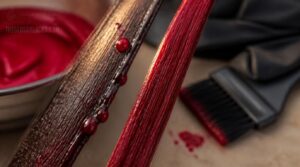
Too much of a good thing? That’s excess sebum in short. Past a certain point, that same protective lipid film starts blocking hair dye absorption instead of helping it. Here’s what heavy grease does to color penetration:
A good hydrating leave-in conditioner keeps strands balanced instead, so color can absorb evenly without excess buildup getting in the way.
- Coats strands, slowing wetting
- Dilutes developer contact
- Uneven sebum distribution
- Weakens color absorption
- Forces longer processing time
Silicone Buildup Causes Uneven Color

Ever notice hair that just won’t get wet? That’s silicone buildup, not sebum. Water-insoluble types like dimethicone coat the shaft, blocking dye from reaching the cortex.
| Hair State | Color Result |
|---|---|
| Silicone-free | Even, vibrant |
| Buildup present | Patchy, dull |
| Clarified 24-48hrs prior | Uniform |
| Heavy residue | Faded fast |
A clarifying shampoo beforehand restores absorption.
Buildup Increases Irritation Risk
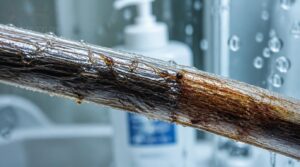
Skipping the wash doesn’t just mute your color, it can leave your scalp paying the price. Sebum traps dye chemicals against skin, while silicone residue prolongs contact even longer.
Three risks stack up fast:
- Trapped chemical exposure extends irritation
- Cumulative buildup thickens with each color
- Repeated PPD contact amplifies allergic sensitivity
A clarifying shampoo cuts that irritant load before dye day.
When to Wash Hair Before Dyeing

So timing isn’t one-size-fits-all, it depends on your hair type, texture, and history. Get the window right, and you set your color up for even, long-lasting results. Here’s how to time your wash based on exactly what you’re working with.
The 24-to-48-hour Washing Window
Mark your calendar: 24 to 48 hours before your appointment is the sweet spot. That gap lets your sebum barrier rebuild without tipping into greasy territory, balancing scalp protection with dye absorption.
Wash too close to color day and you strip protective oils; wait too long and buildup interferes. This window sets up everything that follows, including your post-color maintenance timeline.
Oily and Fine Hair Timing
That 24-to-48-hour rule bends a bit if you run oily or have fine hair. Sebum peaks fast on fine strands, so wash 12-24 hours before your appointment instead.
Humidity makes it worse too, ramping up sebum production and flattening fine hair further. Watch for slick roots; that’s your cue for a quick clarifying rinse before dye day.
Dry, Curly, Textured Hair
Curls play by different rules. Natural oils and reduced washing preserve moisture retention, so dyeing on lightly unwashed hair prevents dryness and breakage.
Before color day:
- Deep condition beforehand
- Skip harsh clarifying shampoo
- Choose porosity-matched products
- Protective style overnight
- Avoid hot water rinses
Low porosity strands need lighter formulas; high porosity benefits from protein. Scalp protection stays intact, supporting better color longevity.
Chemically Treated Hair Preparation
Bleached or previously colored strands don’t get the same "dirty hair" pass. Run a porosity test first, then cleanse with sulfate-free shampoo and a bond-protecting treatment.
| Hair Condition | Prep Step |
|---|---|
| Bleached | Bond treatment |
| Over-processed | Gentle detangling |
| High porosity | Lower developer |
| Damaged | Moisture retention |
Clean hair here prevents patchy dye absorption.
Clarifying Before Color Day
Heavy stylers or hairspray junkies need one more step: clarifying shampoo three days out, not the night before. This strips silicone buildup without over-stripping, letting your protective oil layer rebuild in time for color day.
Skip it and you risk the same patchy absorption bleached hair fights. Balance is the goal here, clean canvas, but not a bare one.
Top 3 Shampoos and Conditioners for Dye Prep
Not every shampoo is gentle enough for pre-color hair, and picking the wrong one can undo your timing strategy fast.
You need something that clears buildup without stripping the oils your scalp actually needs.
Here are three tried-and-true picks worth keeping in your color-day routine.
1. Redken Detox Cleansing Cream Shampoo
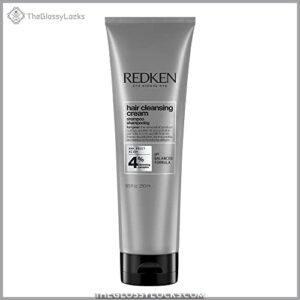
Think of this cleansing cream as a reset button for your scalp, not a daily driver. It lifts dry shampoo residue, hard water minerals, and pollution buildup using fruit acids and gentle exfoliants, so dye doesn’t have to fight through a film to reach your cuticle.
That matters because leftover styling product can block absorption by up to 35%, leading to streaky, uneven results. This formula clears that path while still letting your scalp’s protective oils regenerate before color day.
It’s color-safe in moderation, best used weekly or monthly if you’re already dyed. Apply it 24 to 48 hours before your appointment. That window clears interference without over-stripping the hydrolipidic barrier your scalp needs for comfortable, even processing.
| Best For | This clarifying shampoo is best for people with oily scalps, product buildup, or hard water residue who want a weekly reset that preps hair for salon color services and boosts vibrancy in highlighted hair. |
|---|---|
| Product Type | Clarifying Shampoo |
| Color-Treated Safe | Yes, in moderation |
| Sulfate-Free | Not specified |
| Key Ingredient | Fruit acids |
| Scalp/Hair Benefit | Removes buildup |
| Usage Timing | 24-48 hrs before dye |
| Additional Features |
|
- Effectively removes product buildup, hard water minerals, and pollution residue
- Gently exfoliates the scalp with alpha hydroxy and fruit acids while strengthening the cuticle and adding shine
- Cleanses thoroughly without stripping moisture, leaving hair soft and manageable
- Not suitable for daily use — best limited to weekly or as-needed clarifying
- Can feel too harsh on mid-lengths and ends, so application should be focused on the scalp
- Small 1.7 oz bottle may run out quickly for frequent users, reducing its value over time
2. Redken Extreme Anti Breakage Conditioner
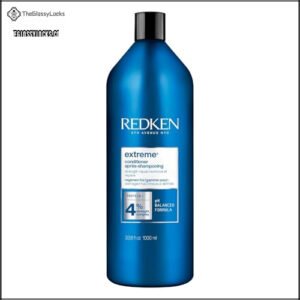
Once your scalp is clear of buildup, the hair itself still needs reinforcing before it faces dye. Redken Extreme Anti Breakage Conditioner leans on a Strength Complex of soy protein amino acids and arginine, filling in gaps along the cuticle where damage often concentrates, mid-shaft and at the ends.
Citric acid does quiet work here too, balancing pH and smoothing the cuticle so strands lie flatter and absorb color more evenly. You’ll notice less snapping during detangling and a softer, more resilient feel overall.
Applied root to tip after shampooing, it preps compromised hair to handle the stress dyeing puts on it.
| Best For | Anyone with dry, damaged, color-treated, or frizzy hair who wants to strengthen strands and reduce breakage before or after coloring. |
|---|---|
| Product Type | Conditioner |
| Color-Treated Safe | Yes |
| Sulfate-Free | Not specified |
| Key Ingredient | Soy protein amino acids |
| Scalp/Hair Benefit | Reduces breakage |
| Usage Timing | After shampooing pre-dye |
| Additional Features |
|
- Strength Complex with soy protein amino acids and arginine helps reinforce hair and reduce breakage
- Citric acid balances pH and smooths the cuticle for better manageability and color absorption
- Adds hydration and shine without greasy residue or weighing hair down
- Some users report increased dryness despite its moisturizing claims
- Mixed opinions on whether it’s worth the price
- Results can vary depending on hair type and level of existing damage
3. Verb Hydrating Shampoo and Conditioner Duo
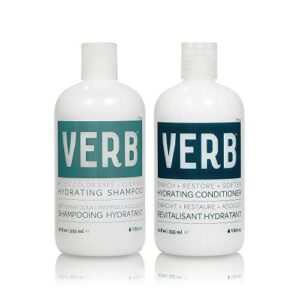
Dryness and frizz calling the shots on color day? The Verb duo earns its spot here. Shampoo and conditioner work together, argan oil and aloe vera soaking into thirsty strands so hair drinks in moisture before dye ever touches it.
No sulfates, no parabens, just clean hydration that won’t strip the protective oils you spent 48 hours building up. That’s the whole point of prepping this way.
Cuticles smooth out, detangling gets easier, and you’re left with less mechanical stress heading into the coloring process. Color-safe and vegan, it works whether your hair is curly, fine, or thick, a genuinely flexible pick for pre-dye prep.
| Best For | Anyone with curly, fine, coily, straight, thick, or wavy hair who wants extra hydration and frizz control, especially before or after coloring. |
|---|---|
| Product Type | Conditioner |
| Color-Treated Safe | Yes |
| Sulfate-Free | Yes |
| Key Ingredient | Argan oil |
| Scalp/Hair Benefit | Reduces frizz |
| Usage Timing | Daily use |
| Additional Features |
|
- Argan oil and pro-vitamin B5 boost elasticity, shine, and hydration
- Free from sulfates, parabens, and gluten, plus vegan, cruelty-free, and made in the USA
- Sunflower seed extract offers UV protection and helps preserve color-treated hair
- Some users notice more frizz or dryness after use, depending on hair type
- Packaging issues have been reported, including bottles arriving unsealed and leaking
- May feel too lightweight for very dry or damaged ends without extra treatment
How to Protect Hair After Dyeing
Getting the color right is only half the job, what you do in the days after matters just as much. Your cuticle is still settling, and the wrong move can undo hours of work in the chair. Here’s exactly how to lock in that color and keep it looking salon-fresh.
Delay The First Shampoo
Patience pays off here. Your cuticle stays open 48 to 72 hours post-color, so pigment needs that window to fix in the cortex.
- Skip washing for 2-3 days
- Let cuticle sealing finish
- Protect the fixation process
- Avoid early color fade
Jump the gun and you’ll strip 40% more pigment than waiting would’ve preserved.
Wash too soon after dyeing and you’ll strip 40% more color than patience would have preserved
Choose Sulfate-free Color Care
Sulfates strip more than dirt, they pull pigment straight out of the cuticle. Swap in a sulfate-free shampoo with mild surfactants like cocamidopropyl betaine for gentle cleansing that respects your color investment.
pH-balanced formulas keep cuticles sealed and comfortable on the scalp, while moisture retention stays intact. The payoff? Real color longevity, wash after wash.
Wash With Lukewarm Water
Hot water feels great, but it’s opening your cuticle and rinsing pigment right down the drain. Stick to lukewarm water, roughly 98-105°F, comfortable on the inside of your wrist. This range still lifts buildup and cleanses gently without over-drying.
- Prevents excess cuticle lifting
- Preserves color vibrancy
- Keeps scalp comfortable, not stripped
Condition After Every Wash
Rinsing with lukewarm water is only half the job. Follow every wash with a color-safe conditioner to reseal the cuticle and lock in pigment.
| Skip Conditioner | Condition Every Wash |
|---|---|
| Cuticle stays raised | Cuticle seals shut |
| Faster color fade | Moisture retained, color holds |
Leave-in hydration between washes keeps porosity in check, so your color doesn’t drink water and fade fast.
Use Weekly Repair Treatments
Daily conditioner isn’t enough to reverse dye damage. Add a weekly protein treatment to rebuild keratin bonds, then follow with a moisture mask, alternating so cuticles don’t over-soften.
Fine hair needs once weekly; damaged strands, twice. Choose color-safe formulas with rice water protein, apply to damp hair, then delay shampooing 24-48 hours.
Stick with it four to six weeks and you’ll see real strength return.
Frequently Asked Questions (FAQs)
Can dirty hair affect bleaching blonde results?
Ironically, "dirty" hair often bleaches cleaner. Buildup blocks penetration and causes patchy lifting, but a light oil-sebum balance buffers your scalp barrier.
Always run a strand test first, since porosity and bleach timing shift results unpredictably.
Does hair texture change dyeing requirements?
Yes, texture reshapes the whole protocol. Porosity controls absorption speed, curl pattern affects distribution, strand thickness dictates processing time, and cuticle openness determines whether color reads even or patchy across your head.
Should you condition hair after dyeing immediately?
Skipping it isn’t harmless: dye leaves cuticles rough and thirsty. Immediate conditioning restores moisture and shine right after rinsing clear. Just skip deep masks for 72 hours, applying only ear-down for scalp-safe conditioning that protects fresh pigment.
How does humidity affect freshly dyed hair?
Humidity lifts the cuticle and boosts water uptake, pushing pigment out faster. Add UV exposure and that fade speeds up further. Raise your hair’s porosity awareness, use anti-humidity products, and you’ll keep color locked in longer.
Can you dye hair with dandruff present?
Technically, yes, but proceed carefully. Dandruff flakes disrupt even color contact, and dye chemicals can strip protective oils, worsening flakes and scalp irritation. Patch test first, manage dandruff, then color once your scalp barrier calms down.
Can I dye hair the same day I workout?
Picture sweat beads rolling straight into freshly dyed strands, salt and moisture prying the cuticle open before it seals. You can work out same-day, but sweat contact fades color faster, so wear a headband and skip washing immediately after.
Does hair porosity affect how dye develops?
Yes, big time. Porosity controls dye absorption, since cuticle openness decides how fast pigment enters the shaft. Low porosity resists penetration, high porosity fades quickly. A quick float test reveals which type you’re working with before color day.
How long should color processing time typically last?
With 20 volume developer, plan on 30 to 35 minutes; 10 volume stretches closer to Developer freshness, target shade level, and your hair porosity all shift absorption rate, so watch the cuticle layer, not just the clock.
Can you dye hair over old box dye?
You can, but you can’t ignore it, and you can’t rush it. Old box dye layering affects hair dye absorption and color longevity, so check for fading first before re-dyeing over uneven, blotchy results.
Should I deep condition before or after coloring?
Deep condition before coloring, rinsed fully. It’s a pre-color hydration boost that preps the cuticle without blocking dye. Save protein balance maintenance and repair masks for post-color, once your cuticle sealing treatment locks in pigment.
Conclusion
Skip a hundred washes and your color still won’t forgive silicone buildup or three days of grease.
Is it better to dye dirty hair? Yes, within reason. A light natural buffer protects your scalp and helps pigment grip evenly, but oily roots or product-heavy strands sabotage that balance fast.
Time your wash right, pick the correct cleanser, and let your colorist work with your hair’s rhythm, not against it. That’s lasting color.
- https://zodiac-spa.com/clean-vs-dirty-hair-for-hair-dyeing
- https://www.hair.com/should-i-wash-my-hair-before-color.html
- https://www.lorealparisusa.com/beauty-magazine/hair-color/hair-color-application/should-you-wash-hair-before-coloring
- https://www.wella.com/professional/en-CA/blog/hair-color/should-i-wash-my-hair-before-coloring-it
- https://www.redken.com/blog/5-popular-haircolor-myths-debunked-by-redken-artist-sean-godard.html