This site is supported by our readers. We may earn a commission, at no cost to you, if you purchase through links. This content is for general informational and educational purposes only and is not a substitute for professional medical, dermatological, or nutritional advice.
You run your fingers through your hair and notice it feels rough, like straw. But is your hair just thirsty for moisture, or has it suffered actual structural damage? The distinction matters more than you might think.
Dry hair lacks natural oils and can bounce back with the right hydration, while damaged hair has a broken cuticle layer that no amount of conditioner can fully repair. Understanding which condition you’re dealing with determines whether you need a moisture boost or serious repair work.
The good news is that a few simple tests can reveal exactly what your hair needs—and once you know, you can stop wasting time and money on treatments that won’t work.
Table Of Contents
- Key Takeaways
- Key Differences Between Dry and Damaged Hair
- Common Signs Your Hair is Dry
- Identifying Signs of Hair Damage
- Simple At-Home Hair Assessment Methods
- Common Causes of Dry and Damaged Hair
- Effective Treatments for Dry or Damaged Hair
- Preventing Future Hair Dryness and Damage
- Frequently Asked Questions (FAQs)
- Conclusion
Key Takeaways
- Dry hair lacks natural oils and moisture but maintains structural integrity, while damaged hair has broken protein bonds and cuticle layers that can’t be fully repaired with hydration alone.
- The strand stretch test reveals the difference: healthy hair stretches 30-50% and snaps back, damaged hair breaks immediately or stretches excessively without returning, and dry hair feels rough but holds its shape.
- Heat styling above 300°F and chemical treatments like bleach or relaxers break down keratin bonds and cause permanent structural damage that requires protein treatments and regular trims rather than just moisture.
- Prevention through protective styling, reducing heat exposure to below 300°F, trimming every 6-8 weeks, and maintaining a diet rich in protein, omega-3s, and biotin is more effective than trying to reverse severe damage after it occurs.
Key Differences Between Dry and Damaged Hair
Dry hair and damaged hair might look similar, but they’re actually two different issues that need different fixes. Understanding what’s causing your hair problems will help you pick the right treatments and get better results.
Let’s break down what sets these two conditions apart so you can figure out what’s really going on with your hair.
Causes of Dry Vs. Damaged Hair

The roots of your hair struggles differ dramatically. Dry hair stems from a lack of natural oils—often triggered by over-washing, harsh product ingredient impact, or environmental exposure levels like sun and salt water. A contributing factor can be dry scalp conditions.
Damaged hair, however, results from structural harm: heat styling frequency, chemical treatment types (bleach, relaxers), and excessive processing break down protein bonds.
Understanding these hair dryness causes versus hair damage causes guides you toward the right fix.
How Each Condition Affects Hair Structure
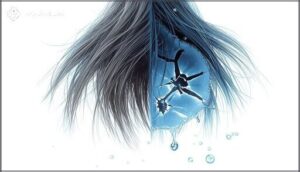
Here’s where hair dryness causes versus hair damage causes truly show up: in your hair structure itself. Dry hair struggles with moisture retention because the cuticle layer damage allows water to escape. Damaged hair, though, suffers protein bond breakdown deep in the cortex—compromising fiber elasticity and internal architecture.
Environmental factors, such as sun exposure, can also lead to dry and brittle hair. Think of dryness as surface-level, while hair damage strikes at your hair’s core strength. Both create hair texture changes, but through different mechanisms.
Visual and Textural Differences
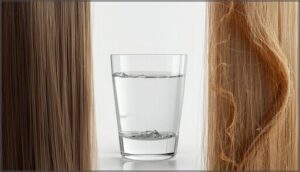
Beyond structural changes, you’ll notice clear differences by sight and touch. Dry hair looks dull and feels rough but stays intact when you run it through your fingers.
Signs of damaged hair include visible split ends, breakage, and that crispy texture. Try the porosity test: damaged strands sink fast due to microscopic damage in the cuticle, while textural indicators like strand elasticity help confirm hair dryness versus actual structural harm.
Common Signs Your Hair is Dry
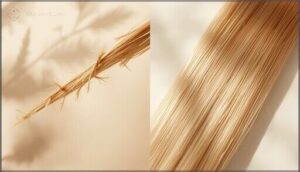
Dry hair sends clear signals that it’s missing moisture and natural oils. You’ll notice these signs in how your hair looks, feels, and behaves throughout the day.
Here’s what to watch for when checking if your hair is dry.
Lack of Moisture and Natural Oils
When your scalp doesn’t produce enough sebum, your strands miss out on that natural moisturizer they need to stay flexible and shiny. Low sebum production and poor moisture retention leave hair vulnerable to dryness and damage.
- Your scalp may feel tight or itchy from insufficient oil production
- Hair porosity issues prevent proper moisture absorption and retention
- Environmental factors like sun exposure strip away protective natural oils
- Oil deficiency leads to visible lack of shine and dull appearance
- Dehydrated strands lose their natural bounce and movement
Rough, Brittle Texture
When you run your fingers through your strands and they feel coarse or stiff, that rough, brittle texture signals your hair’s lost essential moisture. Studies show 38.9% of women report dry hair with rough characteristics.
This texture change happens when your hair cuticle lifts and becomes uneven, making strands feel scratchy instead of smooth.
Managing texture starts with understanding these warning signs of damaged hair.
Dull, Flat, or Lifeless Appearance
When your hair loses its natural shine and sits flat against your scalp, that dull appearance often points to product buildup, scalp oiliness, or nutritional deficiencies robbing your strands of vitality.
Several factors create this lifeless look:
- Product buildup from styling products weighs hair down and blocks light reflection
- Scalp oiliness makes fine hair types appear greasy and flat
- Poor styling techniques can emphasize lack of volume
- Hair texture and density influence how flat strands naturally fall
Increased Frizz and Flyaways
When you notice wispy strands standing straight up or frizzy hair puffing out from your main style, that’s often cuticle disruption at work. Humidity effects cause keratin damage by making raised cuticles swell, while static buildup creates those annoying flyaways.
Heat styling and product influence can worsen both issues, leaving your hair texture uneven and difficult to smooth—clear signs of hair dryness or hair damage.
Identifying Signs of Hair Damage
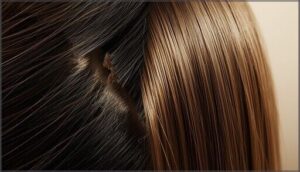
While dry hair lacks moisture, damaged hair has experienced structural harm that changes how it looks and behaves. You’ll notice damage shows up differently than simple dryness—it’s usually more severe and localized to specific areas.
Let’s look at the telltale signs that your hair has moved beyond dry into truly damaged territory.
Split Ends and Breakage
Split ends are one of the clearest signs of hair damage. When your hair’s protective outer layer breaks down, the strand literally splits apart at the tip—sometimes traveling up the shaft if left untrimmed. You’ll see frayed, Y-shaped ends and notice increased hair breakage throughout.
If bleaching is what caused this damage in the first place, understanding how long hair bleaching takes at home versus the salon can help you avoid over-processing next time.
Preventing breakage starts with trimming frequency: schedule cuts every 6–8 weeks to maintain hair elasticity and stop damage assessment from getting worse.
Changes in Hair Texture or Elasticity
Healthy hair bounces back when stretched; damaged hair snaps. That difference reveals your hair’s protein structure and moisture balance. Protein impact from heat styling or chemical treatments weakens keratin bonds, causing texture changes and reducing hair elasticity—your strands feel rough and lose their natural spring.
- Test elasticity by gently stretching a wet strand; it should return to shape without breaking
- Environmental stressors like UV rays and pollution degrade the protective cuticle over time
- Moisture balance directly affects flexibility—dehydrated hair feels stiff and shows visible texture changes
Excessive Shedding or Thinning
Losing 50 to 100 strands daily is normal—more signals excessive shedding or telogen effluvium. You’ll notice clumps in the shower or on your brush, often tied to stress, hormonal shifts, or nutritional gaps.
Shedding vs. thinning matters: shedding involves full strands from the root, while thinning reflects breakage from heat or chemical damage. Women under 50 report higher rates, especially on wash days.
Shedding pulls full strands from the root, while thinning shows breakage from heat or chemical damage
Burned or Chemically Altered Areas
Chemical treatments—relaxers, bleach, perms—can leave visible burned or chemically altered areas on your scalp and strands. Look for uneven texture, discoloration, or scarring. Scalp chemical burns may cause redness or scabbing, while weakened hair structure shows brittleness and breakage in specific zones.
Chemical treatment effects include irreversible hair loss if follicles scar. Heat damage combined with chemicals accelerates burned hair issues, making restoration difficult without professional help.
Simple At-Home Hair Assessment Methods
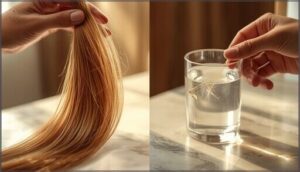
You don’t need a salon appointment to figure out what’s going on with your hair. A few quick tests at home can tell you whether you’re dealing with dryness, damage, or both.
Let’s walk through some simple ways to assess your hair’s condition right now.
The Strand Stretch Test
When testing hair elasticity at home, take a single wet strand and gently stretch it between your fingers. Healthy hair should extend about 30-50% before snapping back, showing good protein balance and moisture levels.
If your hair breaks immediately, you’re likely dealing with severe damage. Hair that stretches excessively without returning signals protein loss, while minimal stretch indicates dryness and low hair porosity.
Visual Inspection Techniques
Beyond the stretch test, your eyes can tell you plenty. Check your hair in natural daylight—dullness and lack of shine often mean dryness, while split ends and breakage point to damage. Run your fingers down a strand to assess the cuticle layer; rough texture signals trouble.
Don’t skip a scalp condition check either, since flakiness affects overall hair health and density distribution.
How to Differentiate Dry From Damaged Hair
Once you’ve inspected your hair, combine your findings to separate moisture issues from structural problems. Dry hair feels rough but holds its shape—it’s lacking hydration. Damaged hair stretches too much or feels mushy because the protein structure is compromised.
Check elasticity, cuticle condition, and hair porosity together. Your tactile analysis reveals whether you need moisture or repair treatments.
Common Causes of Dry and Damaged Hair

Understanding what’s causing your hair to feel dry or look damaged is the first step toward fixing it. Some of the biggest culprits are things you do every day without realizing the toll they take.
Let’s look at the most common reasons your hair might be struggling right now.
Over-Washing and Harsh Ingredients
You mightn’t realize that washing your hair too often—five or more times weekly—can strip away protective oils and leave strands dry and brittle. Over-washing combined with harsh ingredients like sulfates accelerates hair damage and scalp conditions. Here’s what to watch for:
- Dull, frizzy hair that feels rough and straw-like
- Greasy roots faster as your scalp overproduces oil
- Itchy, flaky scalp from disrupted moisture balance
- Color fading quicker in treated hair
- Increased breakage and split ends
Switching to sulfate-free shampoos helps restore your hair’s natural health.
Heat Styling and Chemical Treatments
Every time you straighten or curl your hair above 300°F, you’re breaking down keratin bonds and losing moisture from deep within each strand. Heat styling and chemical treatments are major culprits behind protein degradation and cumulative damage.
High temperatures crack the cuticle, while bleach and color treatments weaken your hair’s structure, increasing breakage and leaving texture coarse, brittle, and permanently altered.
Environmental Stressors (Sun, Salt, Chlorine)
Environmental stressors like UV damage, saltwater effects, and chlorine exposure quietly strip your hair’s natural defenses. UV rays degrade keratin and break down protective lipids, while saltwater draws out moisture through osmotic effects. Chlorine chemically oxidizes proteins and removes essential oils, leaving your strands vulnerable.
Common Environmental Impact signs include:
- Sun-bleached, brittle texture from UV damage
- Coarse, dehydrated feel after saltwater exposure
- Static and frizz from chlorine’s lipid removal
- Increased porosity and rough cuticles
- Dull appearance signaling moisture loss
Protecting your hair health requires awareness of these environmental stressors contributing to dryness and hair damage daily.
Poor Diet and Nutritional Deficiencies
Your hair reflects what you feed your body. Iron deficiency weakens follicles and triggers excessive shedding, especially in women. Low vitamin D levels thin strands and slow growth, while inadequate protein intake causes breakage and brittleness. Biotin deficiency shows up as dry, fragile hair, and lacking fatty acids leads to moisture loss.
These nutritional deficiencies directly impact hair health, creating damage no product can fully repair without addressing your diet first.
Effective Treatments for Dry or Damaged Hair
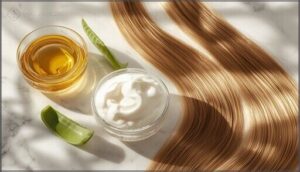
Once you’ve identified whether your hair is dry, damaged, or both, the next step is choosing the right treatment to restore its health. The good news is that most hair concerns respond well to targeted care when you get to the source of the problem.
Let’s look at three essential strategies that can bring your hair back to life.
Deep Conditioning and Protein Treatments
When your strands need serious rescue, understanding treatment mechanisms matters. Deep conditioning treatments replenish moisture and oils, targeting dry hair by restoring flexibility. Protein treatments rebuild damaged structure by infusing hydrolyzed proteins that strengthen weakened areas.
- Application frequency: Weekly deep conditioning suits medium porosity hair, while high porosity may need twice-weekly sessions
- Product selection: Keratin-based options work best for severe hair damage
- Treatment overlap: Alternate protein and moisture treatments to prevent rigidity from excessive protein
Reducing Heat and Chemical Exposure
Think of your hair like fabric—constant heat and chemical treatments wear it thin. Cutting back is the most powerful move you can make.
Heat styling tools above 300°F convert hair keratin into a weaker form, while chemical treatments break bonds that give your strands strength.
Choose natural styling methods and protective products when heat’s unavoidable, and watch your hair rebuild itself naturally.
Regular Trims and Gentle Detangling
Beyond minimizing damage from heat and chemicals, you’ll need to actively maintain what you’ve got. Regular trims every 6-8 weeks stop split ends from climbing up your strands, supporting hair retention and length goals. Pair that with gentle detangling—starting from the ends with a wide-tooth comb or detangler spray—and you’ll notice less breakage prevention and easier styling.
- Your hair finally holds its style without fighting back
- Split ends disappear before they ruin your progress
- Brushing becomes quick and painless instead of stressful
- You actually see your hair getting healthier each month
Preventing Future Hair Dryness and Damage

Once you’ve repaired your hair, the real work begins—keeping it healthy. Prevention is always easier than fixing damage after the fact.
Let’s walk through the daily habits and lifestyle changes that will help maintain your hair’s health. Additionally, we’ll discuss the signs that it’s time to call in a professional.
Protective Styling and Hair Care Habits
Regarding style installation, keep tension control in mind—tight braids or weaves can cause hair damage and texture changes. Limit style duration to six to eight weeks, giving your scalp health a break between looks.
Focus on moisture maintenance with regular conditioning and gentle hair care habits. Watch for signs of hair damage like scalp pain or thinning, which signal it’s time to remove your protective style.
Diet and Lifestyle Tips for Healthy Hair
Your hair care tips extend beyond products—what you eat matters just as much. A balanced diet rich in protein, omega-3s, and hair vitamins like biotin strengthens strands from within. Hydration importance can’t be overstated—drink plenty of water daily.
Nutritional deficiencies show up as thinning or dullness, so consider supplement choices after checking with your doctor. Stress reduction through exercise also promotes healthy hair diet goals.
When to Seek Professional Advice
While diet and hydration build a foundation for hair health, some situations require expert eyes. Persistent scalp issues, sudden hair loss, or severe structural damage that won’t improve after six months signal it’s time to see a dermatologist or trichologist.
Chemical overexposure causing ongoing hair thinning, treatment ineffectiveness, or excessive hair shedding also warrant professional evaluation within two to four weeks.
Frequently Asked Questions (FAQs)
Can dry hair become damaged over time?
Yes, dryness progression weakens your hair’s structure over time. Without moisture, the cuticle lifts and exposes inner layers to damage—causing breakage, split ends, and long-term implications for overall hair health.
Does hair type affect dryness or damage?
Like a blueprint that determines a building’s vulnerabilities, your hair type shapes its susceptibility to dryness and damage. Curliness effects and porosity influence moisture retention, while ethnic variations and gender differences reveal distinct patterns in hair texture fragility.
How long does hair repair typically take?
Repair timelines vary by damage severity and hair type. Mild damage shows visible improvements within 3 to 6 months with consistent treatment. Severe hair damage repair often requires 6 to 12 months of restorative treatment and regular trims.
Are natural remedies effective for damaged hair?
Natural remedies work well for mild hair damage repair. Coconut oil penetration restores hair moisture, while herbal mechanisms like rosemary strengthen strands.
Chemical comparison shows gentler hair treatment outcomes, though emerging evidence suggests longer hair care timelines than salon alternatives.
Can you reverse severe hair damage completely?
Unfortunately, once protein bonds break from heat or chemicals, complete hair repair isn’t possible.
Keratin treatments and protein therapies help strengthen strands temporarily, but severely damaged hair requires trimming and prevention strategies for long-term outcomes.
Conclusion
Your hair’s been giving you signals all along—you just needed to know how to read them. Now that you can tell if your hair is dry or damaged, you’re equipped to give it exactly what it needs.
Dry hair craves moisture and oils, while damaged hair requires protein and protective care. Listen to what your strands are telling you, adjust your routine accordingly, and you’ll see real transformation.
Your healthiest hair starts with understanding what it’s asking for.