This site is supported by our readers. We may earn a commission, at no cost to you, if you purchase through links. This content is for general informational and educational purposes only and is not a substitute for professional medical, dermatological, or nutritional advice.

Your hair can look smooth one minute and morph into a cloud of frizz the next—even when you haven’t changed a thing about your routine. Humidity above 60% causes your hair shaft to swell and lift, letting moisture seep in and disrupt your carefully styled strands. Air pollution settles on your hair’s surface, creating rough patches that catch light all wrong.
Essential oils for frizzy hair work differently than the silicones and synthetics lining most bathroom shelves. Peppermint cools your scalp while sealing moisture, ylang ylang conditions without weighing strands down, and rosemary strengthens follicles from the root up. The key lies in pairing these concentrated plant extracts with the right carrier oils and application methods.
Table Of Contents
- Key Takeaways
- What Causes Frizzy Hair
- Benefits of Essential Oils for Frizzy Hair
- Top 6 Essential Oils for Frizzy Hair
- Best Carrier Oils for Frizz Control
- How to Use Essential Oils on Frizzy Hair
- Safety Tips and Precautions
- Common Mistakes to Avoid With Essential Oils
- Frequently Asked Questions (FAQs)
- Can essential oils completely eliminate frizz in hair?
- Are there any essential oils that can cause further dryness in frizzy hair?
- Can essential oils replace my regular conditioner completely?
- How long until I see frizz reduction results?
- Can I mix multiple essential oils together safely?
- Do essential oils work on all hair types?
- Conclusion
Key Takeaways
- Essential oils like peppermint, rosemary, and ylang ylang work by penetrating the hair cuticle to seal moisture and strengthen damaged fibers, but they must be diluted to 0.5–2% in carrier oils like jojoba, argan, or coconut to avoid scalp irritation and chemical burns.
- Frizz happens when your hair’s cuticle lifts due to humidity above 60%, heat styling over 180°C, or over-washing more than three times weekly, stripping the natural oils that maintain moisture balance.
- Pre-shampoo oil treatments applied 30–60 minutes before washing and leave-in serums on damp hair reduce frizz by up to 40%, but overuse causes product buildup that clogs follicles and worsens frizz instead of controlling it.
- You’ll see softer hair within one week, but real frizz control takes 2–4 weeks of consistent use with proper dilution ratios, carrier oil selection matched to your hair porosity, and clarifying shampoo every 7–10 days to prevent residue accumulation.
What Causes Frizzy Hair
Frizz happens when your hair’s cuticle layer lifts up instead of lying flat, letting moisture sneak in and puff things out. A bunch of different factors can trigger this—some you can control, others you can’t.
Let’s break down what’s actually making your hair rebel.
Humidity and Environmental Factors
Humidity levels above 60% trigger your hair shaft to swell as moisture floods in, lifting the cuticle and creating that frizz you’re battling. Air pollution deposits particles that rough up your hair’s surface, while weather effects—from summer heat to winter dryness—keep shifting frizz patterns.
Climate control matters: stabilizing indoor humidity between 40–50% gives you real frizz reduction without constant product reapplication.
Hair Care Habits and Product Use
Your hair washing frequency shapes your frizz reality—washing more than three times weekly damages cuticles and strips natural oils, with 68% of daily washers seeing improvement when they cut back.
Sulfate-based shampoos disrupt your hair’s protective layer, while alcohol-heavy styling products dehydrate strands.
Product layering matters too: the right sequence of leave-in treatment, cream, then gel reduces frizz by 40% compared to random application.
Genetics and Hair Texture
Beyond what you do to your hair, your genes write the frizz script. Curl patterns and hair fiber shape come from specific gene expression inherited from your parents—those with tighter curls see more natural texture variation and frizz potential. While essential oils can’t rewrite your genetic hair types, understanding your texture inheritance helps you choose natural hair care strategies that work with your biology for real hair texture improvement.
Researchers use scientific study methods to better understand the intricacies of genetic inheritance and its effects on hair texture.
Heat Styling and Over-washing
Your hot iron and daily shampoo habit might be sabotaging your hair care goals. Regular heat styling above 180°C damages the cuticle, increasing hair porosity and letting moisture escape—hello, frizz control nightmare.
Over-washing strips natural oils that keep your moisture balance in check.
Before reaching for more styling tools, consider natural hair remedies like essential oils to repair heat damage and restore smoothness.
Benefits of Essential Oils for Frizzy Hair
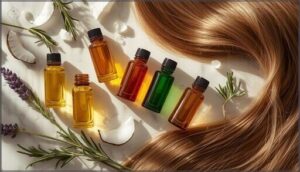
Essential oils work at the structural level to tame frizz, not just coat your hair with temporary shine. They penetrate the cuticle to lock in moisture, strengthen damaged fibers, and even address the scalp issues that make frizz worse.
Here’s what these concentrated plant extracts actually do for your hair.
Deep Conditioning and Moisture Sealing
When you blend essential oils with carrier oils, you’re creating a protective barrier that locks moisture inside each strand. This moisture balance prevents the hair cuticle from lifting in humid conditions, directly reducing frizz.
A diluted oil blend applied as a leave-in treatment or hair mask delivers hair hydration while supporting scalp health, giving you consistent frizz reduction between washes.
Hair Fiber Strengthening
Resilience in your hair strands depends on maintaining their structural integrity. Essential oils contribute to hair repair by reducing mechanical breakage and improving how each fiber withstands daily styling stress.
- Antioxidant components shield your strands from environmental damage
- Oil-based treatments reduce breakage by lubricating the hair shaft
- Laboratory tests show modest improvements in tensile strength with regular use
- Consistent hair care with diluted oils aids short-term fiber fortification
Promoting Hair Growth and Thickness
Density matters when you’re fighting frizz, and essential oils can nudge your scalp into a healthier growth phase. Regular massage with diluted rosemary or peppermint oil stimulates follicle care and scalp stimulation, while antioxidant-rich blends support natural regrowth.
Perceived thickness often improves as frizz drops, making strands appear fuller—your hair growth strategies just got a formulation upgrade backed by modest research gains.
Scalp Health Improvement
A healthy scalp is your first line of defense against frizz. Scalp massage with diluted essential oils boosts microcirculation around each hair follicle, while antimicrobial properties tackle irritation that triggers shedding.
Anti-inflammatory components calm scalp irritation and help maintain sebum balance, so you’re not battling excess oil or dryness.
These scalp health tips turn aromatherapy for hair into real follicle-level support.
Top 6 Essential Oils for Frizzy Hair
You’ve already learned how essential oils work to tame frizz and strengthen your hair.
Now it’s time to meet the specific oils that deliver real results. Here are six essential oils backed by their unique properties and proven track records for controlling frizzy hair.
1. Tisserand Peppermint Essential Oil
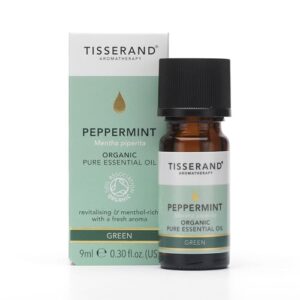
Peppermint oil benefits begin with its menthol-rich profile, steam-distilled from Mentha piperita to deliver scalp stimulation and cooling effects you’ll feel immediately.
Tisserand Peppermint Essential Oil provides hair refreshment when diluted to 0.5–2% in carrier oils—think jojoba or almond—before application. This aromatherapy for hair offers frizz reduction by enhancing glide during detangling while imparting a tingling sensation.
Proper dilution is non-negotiable for frizzy hair care; undiluted use risks irritation. Patch test first, then massage into your scalp to support circulation and manageability.
| Best For | Anyone looking to add a cooling, refreshing boost to their hair care routine, especially if you want to stimulate your scalp and help manage frizz with a natural essential oil. |
|---|---|
| Brand | Tisserand |
| Size | 1.6 oz |
| Scent Type | Peppermint |
| Primary Use | Aromatherapy |
| Hair Care | Yes |
| Price | Not listed |
| Additional Features |
|
- Strong menthol content delivers an immediate cooling sensation that feels great on the scalp
- Works well in DIY hair treatments when diluted properly with carrier oils for detangling and frizz control
- Pure essential oil with a refreshing herbal scent that doubles as aromatherapy
- Requires careful dilution (0.5–2%) and patch testing—undiluted use can cause serious irritation
- Strong scent might be too intense for some people, especially in small spaces
- Not suitable for everyone (avoid if pregnant, nursing, or have very sensitive skin)
2. Gya Labs Ylang Ylang Essential Oil
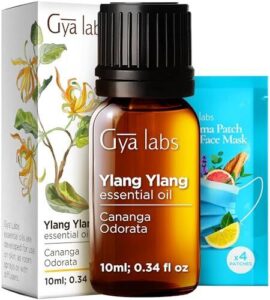
Ylang ylang essential oil delivers a floral conditioning boost for frizzy hair, but only when you respect dilution guidelines. Gya Labs Ylang Ylang Essential Oil works best at 1–2% in jojoba or coconut carrier oil, sealing moisture and improving manageability without the irritation risk of undiluted use.
Essential oil blends featuring ylang ylang soften strands through gentle scalp circulation support, though evidence for frizz reduction leans on traditional use rather than clinical trials.
Patch test first—scalp sensitivity varies—and integrate slowly into your hair care routine for safer, smoother results.
| Best For | People with frizzy hair who want a natural, floral-scented conditioning treatment and are comfortable diluting essential oils safely into their routine. |
|---|---|
| Brand | Gya Labs |
| Size | 0.34 Fl Oz |
| Scent Type | Ylang Ylang |
| Primary Use | Aromatherapy |
| Hair Care | Yes |
| Price | $9.98 |
| Additional Features |
|
- Helps seal moisture and improve manageability when blended with carrier oils like jojoba or coconut at 1–2% dilution
- Offers a pleasant floral scent that can make hair care routines more enjoyable and encourage consistent use
- Affordable at $9.98 for a small bottle that lasts when used in diluted blends
- Requires dilution and patch testing due to potential scalp sensitivity—can’t be applied directly to hair or skin
- Limited clinical evidence specifically for frizz reduction; benefits are based mostly on traditional use and user experience
- May not suit everyone, especially those with sensitive scalps, preexisting skin conditions, or during pregnancy without consulting a doctor first
3. Tisserand Geranium Essential Oil
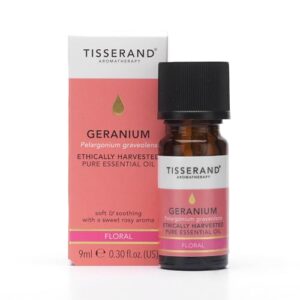
Tisserand Geranium Essential Oil brings moisture balance to frizzy hair through citronellol and geraniol constituents that help seal the cuticle layer. You’ll get the best geranium oil benefits when diluting to 1–2% in argan or jojoba carrier oil—this concentration aids sebum regulation and static reduction without irritating your scalp.
Essential oil blends pairing geranium with rosemary or sandalwood boost conditioning properties and aromatherapy effects, though clinical data on frizz control methods remains limited.
Hair serum recipes featuring geranium improve manageability moderately versus carrier oils alone, making it a practical addition for hair moisturizing routines when used properly.
| Best For | People with frizzy hair looking for a natural way to balance moisture and reduce static, especially if they already use carrier oils like argan or jojoba in their routine. |
|---|---|
| Brand | Tisserand |
| Size | 0.3 oz |
| Scent Type | Floral |
| Primary Use | Aromatherapy |
| Hair Care | Yes |
| Price | $24.32 |
| Additional Features |
|
- Contains citronellol and geraniol that help seal the hair cuticle and improve moisture retention
- Works well in blends with other oils like rosemary or sandalwood for added conditioning benefits
- Can help regulate sebum production on the scalp, contributing to overall hair manageability
- Requires proper dilution (1-2% in carrier oil) and patch testing, which adds extra steps to your routine
- Clinical evidence specifically for frizz control is limited compared to other hair treatments
- May cause irritation in sensitive individuals and isn’t suitable for everyone, particularly those with Geraniaceae plant allergies
4. Gya Labs Organic Rosemary Oil
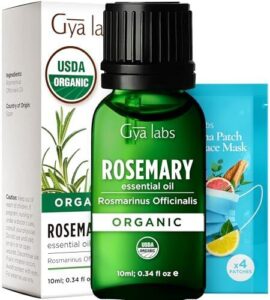
Gya Labs Organic Rosemary Oil delivers cineole and alpha-pinene compounds that support scalp microcirculation—potentially aiding nutrient delivery to hair follicles. Organic certification with GC-MS testing confirms quality, though human evidence on hair growth tips remains inconclusive.
You’ll see moderate frizz reduction when diluting this rosemary essential oil to 1–3% in jojoba or coconut carrier oil for scalp massage techniques twice weekly. Essential oil blends pairing rosemary with lavender boost conditioning effects. Proper dilution prevents irritation while letting you utilize rosemary oil benefits for improved hair care manageability.
| Best For | People looking for an affordable organic essential oil to support scalp health and hair thickness through diluted topical application or aromatherapy use. |
|---|---|
| Brand | Gya Labs |
| Size | 1.38 oz |
| Scent Type | Rosemary |
| Primary Use | Aromatherapy |
| Hair Care | Yes |
| Price | $8.99 |
| Additional Features |
|
- Certified organic with third-party testing (GC-MS, MSDS, COA) ensures you’re getting quality rosemary oil with verified purity
- Versatile usage across hair care, skincare, diffusing, and DIY projects like candles or soaps gives you multiple ways to use one bottle
- Contains cineole and alpha-pinene compounds that may improve scalp circulation and support fuller-looking hair when properly diluted
- Multiple users report packaging problems including leaky bottles, damaged seals, and receiving half-empty or potentially used products
- Requires proper dilution to 1-3% in carrier oils before use, which adds an extra step and cost for separate carrier oils
- Not safe for use during pregnancy or on pets, and human research on hair growth benefits remains limited despite promising animal studies
5. Gya Labs Sandalwood Essential Oil
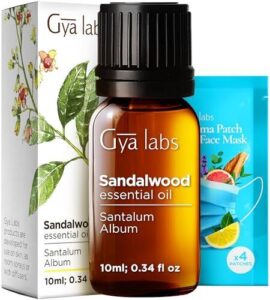
Sandalwood essential oil brings sesquiterpene compounds that help balance scalp moisture. You’ll notice improved hair conditioning when you add 5–8 drops to 30 mL of argan carrier oil for scalp massage twice weekly.
While aromatherapy uses highlight its woody scent, actual frizz reduction evidence is limited compared to rosemary or peppermint. Oil quality matters—look for Santalum album sourcing with GC-MS purity verification.
Sandalwood benefits dry scalps best, but always patch-test first since natural oils for hair can still trigger sensitivities in frizzy hair routines.
| Best For | People with dry scalps looking for a natural conditioning oil that adds moisture balance and a calming woody scent to their hair care routine. |
|---|---|
| Brand | Gya Labs |
| Size | 0.34 Fl Oz |
| Scent Type | Sandalwood |
| Primary Use | Aromatherapy |
| Hair Care | Yes |
| Price | $19.99 |
| Additional Features |
|
- Contains sesquiterpene compounds that support scalp moisture and hair conditioning when mixed with carrier oils
- Versatile use beyond hair care—works in diffusers, aromatherapy, DIY candles, and meditation spaces
- Rich, warm, earthy aroma that promotes relaxation and creates a soothing atmosphere
- Limited scientific evidence specifically supporting frizz reduction compared to oils like rosemary or peppermint
- Requires dilution with carrier oil for safe skin and scalp application, adding an extra step
- Quality varies by sourcing and purity standards—needs verification through certificates of analysis for best results
6. Pure Rosemary Essential Oil Drops
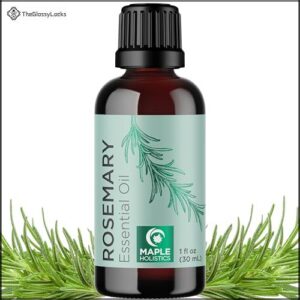
Pure Rosemary Essential Oil Drops from Gya Labs gives you 100% undiluted oil with rosmarinic acid and cineole—compounds that support scalp health and hair follicle function.
You’ll mix 5–10 drops per 30 mL carrier oil (1–3% dilution) for scalp massage twice weekly, following hair growth tips backed by studies showing rosemary oil benefits comparable to some hair treatments.
This essential oil blends well with lavender or peppermint in frizzy hair routines.
The $12.95 bottle includes a dropper for precise aromatherapy effects, though quality may vary between batches.
| Best For | Anyone looking for an affordable, pure essential oil to support hair growth and scalp health through diluted topical treatments or aromatherapy. |
|---|---|
| Brand | Not specified |
| Size | 1 Fl Oz |
| Scent Type | Rosemary |
| Primary Use | Aromatherapy |
| Hair Care | Yes |
| Price | $12.95 |
| Additional Features |
|
- 100% undiluted rosemary oil with active compounds like rosmarinic acid that research links to hair follicle health
- Costs only $12.95 and comes with a dropper for easy mixing with carrier oils
- Versatile enough for scalp treatments, skin care, or diffuser use
- Requires dilution with a carrier oil before applying to skin, which adds an extra step
- Quality might be inconsistent from bottle to bottle based on user feedback
- No allergen or sensitivity warnings provided, so patch testing is necessary
Best Carrier Oils for Frizz Control
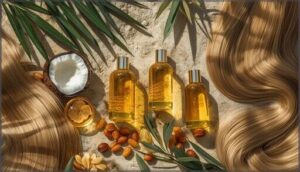
Essential oils won’t do much on their own—they need a carrier oil to dilute them safely and deliver their benefits to your hair. The right carrier oil also fights frizz by locking in moisture and smoothing the hair cuticle.
Here are four top picks that work well for different hair types and frizz concerns.
Jojoba Oil Benefits
Jojoba Oil mimics your scalp’s natural sebum better than any other carrier, making it the benchmark for restoring oil balance without triggering that heavy, greasy aftermath you’re trying to escape.
- Hair moisture floods in where dryness once ruled, replenishing parched strands from the inside out
- Frizz reduction happens fast as cuticles lie flat under jojoba’s protective, lightweight film
- Scalp health rebounds when sebum production normalizes, ending the cycle of overcompensation
- Hair shine emerges naturally, not from silicone coatings but from genuinely conditioned fibers
- Essential oils penetrate deeper when jojoba carries them, amplifying your hair care results
Argan Oil for Hydration
Argan oil floods your hair with oleic and linoleic acids—two fatty powerhouses that smooth lifted cuticles and lock moisture deep inside each strand, giving you the hydration your frizz has been screaming for.
| Argan Oil Benefits | How It Controls Frizz |
|---|---|
| High oleic acid content | Smooths cuticle surface, sealing moisture |
| Rich in vitamin E | Repairs damage, reduces breakage |
| Lightweight absorption | Hydrates without greasy residue |
Blend it with essential oils like rosemary or lavender at 1–2% concentration, and you’ll boost hair hydration while keeping frizz under your command.
Coconut Oil for Deep Conditioning
Your hair’s worst enemy—dryness deep in the shaft—meets its match with coconut oil. This powerhouse penetrates each strand to boost internal moisture and reduce protein loss, tackling frizz from the inside out.
Regular deep conditioning with coconut oil delivers lasting hair repair, sealing cuticles and giving you the smooth, controlled texture you’ve been fighting for.
Grapeseed and Almond Oil Options
Looking for lightweight frizz control that won’t drag your hair down? Grapeseed and almond oils deliver serious smoothing power without the grease.
- Grapeseed oil seals moisture with linoleic acid, staying feather-light on every strand
- Almond oil floods hair with vitamin E and fatty acids for real conditioning
- Both work beautifully in oil blending with essential oils
- You get frizz reduction and hair smoothing minus the heavy buildup
Choose grapeseed for fine hair, almond for extra nourishment.
How to Use Essential Oils on Frizzy Hair
You’ve got your essential oils and carrier oils ready—now it’s time to put them to work. The method you choose depends on your hair’s needs and how much time you have.
Here are five proven ways to incorporate these oils into your routine for smoother, less frizzy hair.
Pre-shampoo Oil Treatments
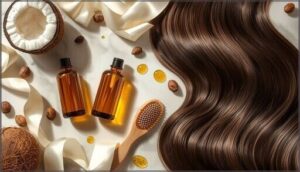
Think of pre-shampoo oil treatments as a protective shield before cleansing. Apply a coconut or argan oil blend to your hair shaft 30–60 minutes before washing to lock moisture and reduce cuticle lift.
This pre-poo method cuts frizz by coating strands, minimizing protein loss during shampooing. A gentle scalp massage enhances absorption, giving you smoother, more manageable hair.
Leave-in Serum Application
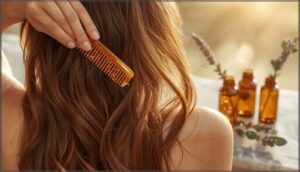
A lightweight leave-in serum works wonders when you apply it to damp hair—distribution improves, and you’ll see frizz reduction up to 40% in humid conditions.
Use a pea-sized amount for medium-length hair, finger-combing through sections for even coating.
Product layering under your styling products delivers extra hair smoothing without buildup.
Let the serum formulations dry a few minutes before finishing your frizz control routine.
Scalp Massage Techniques
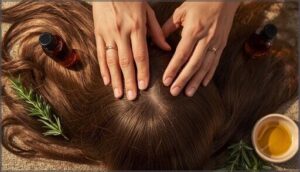
Gentle circular motions with your fingertips for 3–5 minutes boost scalp blood flow by up to 28%, which can strengthen hair follicles and reduce frizz. Use light pressure—about the weight of two apples—and work from your hairline toward the crown.
Blending rosemary essential oil with a carrier oil during these sessions 2–3 times weekly improves scalp health maintenance and distributes natural oils evenly.
DIY Essential Oil Hair Masks
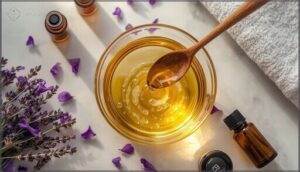
Creating your own masks lets you tailor oil blending to your hair typing and texture needs. Mix 2 tablespoons of coconut or argan oil with 5–8 drops of lavender essential oil for a deep-conditioning treatment.
Apply to damp hair, leave for 20–30 minutes, then rinse with lukewarm water. Mask frequency of once weekly suits most frizz-prone hair, balancing ingredient safety with moisture benefits.
If you’re unsure how much to mix up, the egg hair mask guide for growth and thickness includes handy scaling tips so you always get the right amount for your length.
Spray Formulations for Daily Use
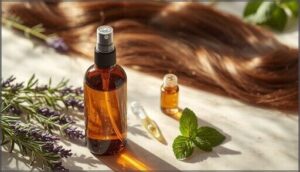
Spray formulations offer a lighter approach to taming flyaways throughout the day. You’ll want a 0.5–1% essential oil blend—rosemary, lavender, or peppermint work well—diluted in a water-alcohol carrier with an emulsifier like polysorbate 20 for scalp compatibility.
| Ingredient Type | Example Options | Typical Concentration |
|---|---|---|
| Essential oil blends | Lavender, rosemary, peppermint | 0.5–1% total |
| Carrier base | Ethanol (70–80%), distilled water | 95–99% |
| Emulsifier | Polysorbate 20, glycerin | 1–2% |
| Antioxidant | Vitamin E | 0.1–0.5% |
Store in amber bottles and use spray nozzles for even distribution. Nanoemulsion techniques can improve absorption, making daily use tips like applying to damp hair more effective for frizzy hair without buildup.
Safety Tips and Precautions

Essential oils won’t cause problems if you use them the right way, but skipping a few basic safety steps can lead to irritation, burns, or unexpected skin reactions. Most issues happen when people apply oils too strong or pick the wrong type for their situation.
Here’s what you need to know to keep your hair routine safe and effective.
Proper Dilution Guidelines
You’ll protect your scalp by mastering dilution ratios—the difference between healing and harm. Mix 3–12 drops of lavender essential oil per teaspoon of carrier oil for a safe 0.5–2% concentration.
Patch testing on your inner forearm for 24 hours reveals potential reactions before full application.
If you have reactive skin, it helps to compare mustache wax for sensitive skin options, since a gentle, fragrance-free formula lowers your chance of irritation.
For sensitive scalps, reduce to 0.25–0.5% and select gentle carrier oil options like jojoba to optimize essential oil benefits while minimizing frizzy hair concerns.
Oils to Avoid for Certain Users
Your body’s unique chemistry determines which essential oils work safely for frizzy hair. Pregnancy precautions mean skipping rosemary and basil—they can trigger contractions. Epilepsy triggers include phototoxic citrus oils that overstimulate your nervous system. Scalp allergies demand patch testing before using lavender essential oil or cinnamon bark. Pediatric safety rules out eucalyptus for kids under six. Medication interactions require medical guidance, especially with blood thinners and grapefruit-derived carrier oil blends.
Phototoxic Reactions and Sun Exposure
After applying certain essential oils for frizzy hair, your skin can react badly to sunlight. Phototoxicity risks are highest with citrus oils like bergamot—they absorb UV rays and cause redness, blistering, or dark spots within 24 hours.
Essential oil safety demands you skip sun exposure for 12 hours post-application. Use broad-spectrum sunscreen and protective clothing if you can’t avoid going outside.
Common Mistakes to Avoid With Essential Oils
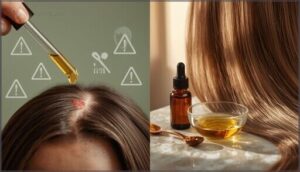
Even when you know the benefits and safety basics, it’s easy to slip into habits that sabotage your results or irritate your scalp. These mistakes often stem from good intentions—wanting faster results or deeper conditioning—but they can lead to buildup, damage, or sensitivity.
Here are the most common pitfalls to watch for when using essential oils on frizzy hair.
Using Undiluted Oils on Scalp
Pouring pure essential oil straight onto your scalp is like throwing gasoline on a spark—it’s asking for trouble. Undiluted risks include scalp irritation, redness, and even chemical burns, especially with high oil concentration.
Applying undiluted essential oils directly to your scalp risks severe irritation, burns, and chemical damage that proper dilution with carrier oils prevents entirely
Your skin sensitivity varies, but patch testing and proper dilution methods with carrier oils are non-negotiable. Don’t gamble with your scalp health when treating frizzy hair safely.
Overuse and Product Buildup
Layering essential oils day after day without proper residue removal clogs follicles and actually increases frizz. Product buildup from oil interactions with styling products creates a heavy film that weighs hair down.
To maintain buildup prevention, limit leave-in treatment to 2–3 times weekly. Use a clarifying shampoo every 7–10 days to strip accumulated residue while preserving scalp health and preventing scalp irritation from trapped oils.
Overnight Treatments Risks
Leaving essential oils on your scalp overnight can backfire on your frizz-fighting goals. That extended contact time amplifies risks that daytime treatments avoid:
- Scalp irritation and dermatitis develop when undiluted oils sit against sensitive skin for 6–8 hours
- Oil buildup clogs follicles, attracting dirt and worsening scalp conditions
- Allergic reactions intensify with prolonged exposure to contact allergens in hot oil treatment formulas
Limit leave-in treatments to 30–60 minutes for safer hair care.
Ignoring Individual Hair Needs
Your hair type variations matter more than you think. Tailored regimens account for oil absorption rates, scalp sensitivities, and unique frizz patterns that generic treatments miss.
Straight hair needs lighter oils than coily textures, while porosity determines moisture retention. Essential oils that nourish one person’s hair can sit on another’s surface, leaving buildup instead of smoothness.
Match your hair care to your actual hair texture for real results.
Frequently Asked Questions (FAQs)
Can essential oils completely eliminate frizz in hair?
No, you can’t expect complete frizz elimination. Essential oils improve moisture sealing and hair porosity, but high humidity will still disrupt cuticles. Frizz control requires layered strategies beyond oils alone.
Are there any essential oils that can cause further dryness in frizzy hair?
Yes, certain essential oils with strong astringent properties—like undiluted citrus, eucalyptus, and tea tree—can strip your hair’s natural oils, triggering dryness and worsening frizz instead of controlling it.
Can essential oils replace my regular conditioner completely?
No, you can’t swap conditioner for essential oils completely. Conditioners deliver slip-enhancing agents and detanglers that oils alone can’t match.
Pair oils with your regular conditioner for balanced moisture and manageability instead.
How long until I see frizz reduction results?
Most people spot softer, shinier strands within the first week, but real frizz control kicks in around 2 to 4 weeks with consistent usage—your hair porosity and essential oil concentration both matter.
Can I mix multiple essential oils together safely?
You can blend essential oils, but keep total dilution around 1–2% in a carrier oil.
Start with just two or three oils, patch test first, and avoid mixing photosensitive citrus oils in leave-in products.
Do essential oils work on all hair types?
Essential oils aren’t one-size-fits-all. Your hair type, porosity, and texture shape how well oils penetrate and seal moisture.
Coarser hair often sees better frizz reduction, while fine strands need lighter formulas to avoid greasiness.
Conclusion
Like Goldilocks testing porridge, you’ll need to find the essential oils for frizzy hair that work just right for your strands. Peppermint seals moisture, while rosemary strengthens roots, but they won’t perform miracles without proper dilution in carrier oils.
Skip the overnight treatments that promise transformation—they usually cause buildup instead. Start with pre-shampoo applications twice weekly, adjust based on your hair’s response, and remember that consistency beats intensity every time.