This site is supported by our readers. We may earn a commission, at no cost to you, if you purchase through links. This content is for general informational and educational purposes only and is not a substitute for professional medical, dermatological, or nutritional advice.
Your new diffuser sits on the counter, still in its box, while you wonder if you’ll actually figure out how to use it correctly. Most people fill the reservoir, add a few drops of oil, and hope for the best—but that approach often leads to weak scent, water spills, or a machine that stops working after a few weeks.
Understanding the right water level, oil ratios, and placement makes the difference between a diffuser that transforms your space and one that becomes another unused gadget. The process isn’t complicated once you know the key steps for your specific diffuser type.
With proper setup and a few smart habits, you’ll get consistent fragrance, better air quality, and a diffuser that lasts for years instead of months.
Table Of Contents
- Key Takeaways
- What is a Diffuser and How Does It Work?
- Choosing The Right Diffuser for Your Needs
- Setting Up Your Diffuser Step-by-Step
- How to Use an Ultrasonic Diffuser
- Using Other Diffuser Types Effectively
- Best Practices for Diffusing Essential Oils
- Safety Tips for Diffuser Use
- Cleaning and Maintaining Your Diffuser
- Benefits of Using a Diffuser at Home
- Frequently Asked Questions (FAQs)
- How often should I clean my diffuser attachment?
- Can I use a diffuser on wet hair if I’m not blow drying?
- What’s the difference between ceramic and plastic diffuser attachments?
- Is a diffuser safe to use on color-treated hair?
- What diameter blow dryer barrel do most diffusers attach to?
- Can I use a diffuser all night long?
- How often should I replace my diffuser?
- Can I mix different essential oil brands together?
- What happens if I use too much oil?
- Are diffusers safe to use during pregnancy?
- Conclusion
Key Takeaways
- Proper diffuser setup requires matching water levels to your specific model (typically 100-300ml) and adding 3-5 drops of essential oil per 100ml of water to achieve a consistent scent without overwhelming your space or damaging the device.
- Ultrasonic diffusers work best when run in 30-60 minute intervals with breaks in between, placed on stable surfaces away from walls and electronics, with slight ventilation to prevent respiratory irritation from concentrated oil buildup.
- Regular cleaning after every 1-2 uses—emptying the reservoir, wiping with mild detergent, and running monthly vinegar rinses—prevents mineral deposits and oil residue that clog the mist outlet and reduce effectiveness.
- Using distilled water instead of tap water significantly extends diffuser lifespan by reducing mineral buildup, while choosing 100% pure essential oils from reputable brands ensures you get real aromatherapy benefits without synthetic fillers that damage internal components.
What is a Diffuser and How Does It Work?
A diffuser is a simple device that spreads essential oils into the air so you can enjoy their scent and benefits throughout your space. It works by breaking down the oils into tiny particles that mix with the air you breathe.
Let’s look at the basics of how diffusers work, the main types you’ll find, and the different ways they release fragrance into your room.
Essential Oil Diffuser Basics
An essential oil diffuser disperses aromatic oils into the air, creating a fragranced mist that fills your space. Using essential oil diffusers is simple: add water to the recommended water levels, then mix in your essential blends. The diffuser transforms this mixture into vapor through various diffusion rates.
Proper diffuser hygiene and oil quality guarantee safe, effective aromatherapy every time you use it. To guarantee the accuracy of information, it’s vital to rely on scientific study summaries for guidance on best practices.
Different Types of Diffusers
Your diffuser comparison starts with understanding four main types of oil diffusers. Ultrasonic diffusers create a cool mist through water and ultrasonic vibrations—popular for their quiet operation. Nebulizing diffusers use pure oil atomization without water, delivering maximum aroma intensity. Evaporative diffusers rely on natural air flow, while heat diffusers warm oils gently.
Each diffusion technology offers different mist output levels and maintenance needs for your space.
How Diffusers Disperse Scents
Understanding scent dispersion helps you choose the right oil diffuser. Each diffuser mechanism breaks essential oils into tiny oil particles that float through your space. Ultrasonic models create microdroplets through vibration, while nebulizers spray pure oil directly.
Vapor pressure determines how quickly aroma release occurs. Air currents then carry these particles throughout your room, spreading the fragrance evenly for best diffusing results. If your beard feels wiry or coarse, softening techniques like using quality oils can help restore smoothness and manageability—discover proven methods to soften a stiff beard for better grooming results.
Choosing The Right Diffuser for Your Needs
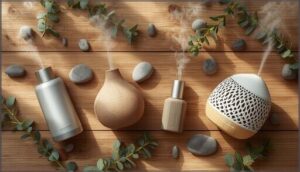
Picking the right diffuser isn’t about finding the fanciest option. It’s about matching the tool to your space and what you need from it.
Here’s a look at the main types and what matters most when choosing one. One key factor is water quality—switching to distilled water when washing your hair can help remove mineral buildup and restore your hair’s natural shine.
Ultrasonic Diffusers
When you want a quiet diffuser that won’t disrupt your space, ultrasonic technology is your answer. These units use high-frequency vibrations to break water and essential oil into a fine mist with droplets under 3 microns. You’ll get mist output control and adjustable settings for fragrance intensity.
Water quality impacts performance, so use clean room-temperature water. Regular diffuser maintenance prevents mineral buildup and keeps everything running smoothly.
Nebulizing Diffusers
If you’re after pure aromatherapy without dilution, a nebulizing diffuser delivers oil atomization through diffuser nozzles that transform essential oil into fine particles. You’ll notice higher aroma intensity right away, but essential oil consumption runs faster than water-based models.
These units need careful diffuser maintenance to prevent clogs. Nebulizing tips include regular cleaning of the atomizer and using oils designed for this powerful diffusion method.
Evaporative and Heat Diffusers
Both evaporative diffusers and heat diffusers offer simple, budget-friendly ways to enjoy essential oils in smaller spaces. Here’s how diffuser mechanics work for each type:
- Evaporative diffuser: Uses airflow control to carry oil vapor from a pad, producing lighter scent intensity.
- Heat diffuser: Applies heat settings to increase oil volatility, delivering stronger aroma faster.
- Coverage: Best suited for targeted scenting rather than large areas.
- Maintenance: Replace pads regularly and monitor diffuser types and uses for safety.
Factors to Consider (Room Size, Features)
Room size determines which diffuser types and uses work best for your space. Ultrasonic diffusers generally cover 100 to 400 square feet, while larger models handle over 500 square feet. For smaller rooms, proper humidity levels also support how to improve skin hydration levels by maintaining moisture in the air around you.
Consider diffuser features like adjustable mist settings, timers, and auto-shutoff for better air quality control.
Space planning matters too—placement away from vents ensures even scent coverage, and multiple oil diffusers improve diffusion in open areas.
Setting Up Your Diffuser Step-by-Step
Setting up your diffuser the right way ensures it works properly and safely from the start. The process is simple when you break it down into clear steps.
Here’s what you need to do before turning on your diffuser for the first time.
Preparing The Water Reservoir
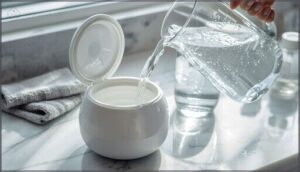
Start by checking that your water tank is spotless—rinse it with distilled water to wash away any mineral deposits that could interfere with your diffuser’s performance. Fill the reservoir to the marked line with room-temperature water, avoiding tap water if it’s hard.
A clean water tank ensures your essential oil diffuser runs smoothly and maintains proper hygiene practices for quality diffusion.
Adding Essential Oils
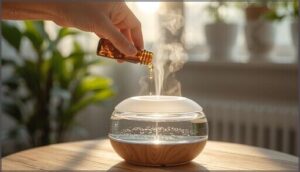
Choose a 100% pure essential oil from a reputable brand to guarantee you’re getting true aroma strength without synthetic fillers.
Add 3–5 drops per 100 ml of water—this diffuser ratio works for most spaces, but you can adjust based on how strong you want the scent.
If you’re making essential blends, start small and test for oil interactions before committing to larger amounts.
Assembling and Placing The Diffuser

Before you power on your diffuser, check that every piece snaps together firmly—loose connections lead to leaks and wasted oil.
Surface preparation matters: set your ultrasonic diffuser on a stable, flat area at least 1 foot from walls or electronics to improve airflow and prevent moisture damage. This simple diffuser placement step protects both your device and your space.
How to Use an Ultrasonic Diffuser

Ultrasonic diffusers are the most popular type because they’re easy to use and work well in most spaces.
Getting the measurements right and choosing the correct settings will help you get the best results. Here’s what you need to know to operate your ultrasonic diffuser safely and effectively.
Water and Oil Measurements
Your ultrasonic diffuser’s capacity determines the right water levels and essential oil ratios. Most oil diffusers hold 100–300 milliliters, and measurement guidelines recommend 3–5 drops per 100 milliliters of water.
Fill your essential oil diffuser to the marked line, then add your chosen essential oils. This oil dilution rate balances scent strength with safe operation, preventing damage while delivering effective aromatherapy benefits.
Selecting Timer and Mist Settings
After filling your ultrasonic diffuser with water and essential oils, you’ll adjust timer settings and mist control to fine-tune aroma strength and diffusion rates. Most models offer:
- High, low, or intermittent mist settings to control scent intensity
- Timer options ranging from 1 to 4 hours or continuous operation
- Auto-off safety features that stop the unit when water runs low
- LED indicators showing your selected settings
These controls let you match diffusion rates to your room size and preferences.
Operating Safely
Now that you’ve set your timer and mist levels, keep your aromatherapy practice safe by following a few key guidelines. Run your diffuser in 30–60 minute blocks with breaks in between to avoid overexposure and headaches. Always ensure slight ventilation—crack a door or window—so essential oils don’t build up in the air and overwhelm sensitive lungs or pets. For a safe experience, consider using pet safe diffusers to minimize risks.
| Safety Factor | Recommendation | Why It Matters |
|---|---|---|
| Run Time | 30–60 minutes on, 30–60 minutes off | Prevents respiratory irritation and nervous system stress |
| Ventilation | Open door or window slightly | Reduces buildup of volatile compounds in indoor air |
| Room Size | Match diffuser output to space | Avoids overly concentrated essential oils in small areas |
| Pet Access | Allow animals to leave the room | Protects sensitive respiratory systems from harm |
| Sensitive Groups | Shorten sessions for children, asthmatics | Lowers risk of coughing, wheezing, or allergic reactions |
Place your diffuser on a stable, flat surface away from bed edges or cribs to prevent spills. If anyone develops a headache, dizziness, or cough during use, turn off the unit immediately and ventilate the space. Most modern ultrasonic diffusers include auto-shutoff when water runs low, which prevents overheating.
You’ll get the aromatherapy benefits you’re after without unnecessary risks when you follow these diffuser safety precautions.
Using Other Diffuser Types Effectively

Not all diffusers use water and mist to spread essential oils through your space. Some rely on pure oil concentration, natural evaporation, or gentle heat to release fragrance.
Here’s how to use these alternative diffuser types safely and effectively.
Nebulizing Diffuser Instructions
A nebulizing diffuser works without water, delivering pure essential oil through oil atomization. You’ll place a few drops directly into the glass chamber, where an air pump creates fine droplets for aroma dispersion.
This preserves the oil’s therapeutic properties better than other diffusers.
Clean the atomizer after each use to prevent clogs—diffuser maintenance keeps your aromatherapy sessions effective and your nebulizing diffuser running smoothly.
Passive and Reed Diffuser Setup
Reed diffusers offer a gentle, no-fuss way to enjoy aromatherapy—just add your essential oils to the vessel and insert the reeds. They work through capillary action, drawing fragrance upward naturally. Diffuser placement matters: choose a stable surface with good airflow, away from vents and sunlight.
- Flip reeds every week or two for reed maintenance and stronger scent
- Oil selection affects diffusion rates—citrus notes fade faster than woody ones
- Space reeds wider or closer together for fragrance control
- Replace reeds when switching oils to keep scents pure
Heat and Candle Diffuser Use
Candle placement shapes your aromatherapy experience—position your heat diffuser on a stable surface away from curtains and paper. Flame safety basics matter: never leave a burning candle unattended.
Heat control is essential since excessive temperatures alter essential oils’ chemical makeup through oil volatilization. Thermal effects can degrade fragrance quality, so monitor the water level and extinguish the flame before it runs dry.
Best Practices for Diffusing Essential Oils

Getting the most from your diffuser isn’t just about turning it on and walking away. The oils you choose and how you use them make all the difference in creating the right atmosphere and avoiding waste.
Here’s what you need to know to diffuse essential oils like a pro.
Choosing Quality Oils
Quality control measures matter when choosing essential oils for your diffuser. Look for 100 percent pure oils in dark glass bottles with botanical names and batch numbers clearly labeled.
Oil purity tests like GC/MS reports confirm you’re getting authentic products without synthetic fillers.
Check oil shelf life and aromatic profiles to guarantee fresh, potent essential oils that deliver real aromatherapy benefits and essential oil safety.
Determining The Right Oil Amount
Getting the oil amount right keeps your diffuser working well without overwhelming your space. Start with 3–5 drops per 100 ml of water in ultrasonic models, then adjust based on scent strength and oil potency.
- Smaller rooms need fewer drops to prevent aroma saturation that triggers headaches
- Lighter citrus oils require more drops than intense florals like rose
- Your diffuser capacity determines maximum safe amounts for best performance
Monitor how your essential oil diffuser disperses scent, and increase by just 1–2 drops if needed.
Blending Oils for Desired Effects
Think of blending oils like mixing paint—combining essential oils creates custom aroma profiles tailored to your needs.
Start with simple diffuser blends using 2–3 oils in tested ratios: try 3 drops lavender, 2 drops bergamot, and 1 drop chamomile for relaxation.
These essential oil recipes let you craft scent combinations that target mood, focus, or respiratory comfort through purposeful aromatic blends.
Safety Tips for Diffuser Use
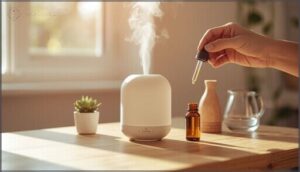
Using a diffuser safely protects your home and everyone in it. A few simple precautions prevent accidents and keep the benefits flowing. Here’s what you need to know to diffuse with confidence.
Proper Placement and Ventilation
Where you place your diffuser matters more than you might think. Set your essential oil diffuser on a flat, stable surface at least three feet from where people sit or sleep. Position it near doorways or vents to support airflow management and air purification.
Keep rooms naturally ventilated—don’t seal spaces completely. Following these diffuser placement and safety guidelines ensures better indoor air quality and reduces irritation risk.
Pet and Child Safety
You wouldn’t leave cleaning supplies where small hands can reach them—treat your diffuser with the same respect. Keep ultrasonic models on high surfaces away from children and pets to prevent spills or ingestion.
Some essential oils are toxic to cats and dogs, so check pet safety tips before diffusing. Watch for coughing or irritation, and always use proper diffuser placement with good ventilation.
Avoiding Common Mistakes
Beyond keeping pets and children safe, smart essential oil usage means steering clear of a few pitfalls. Don’t overdo oil ratios—too much clogs your ultrasonic diffuser and strains the motor. Give it breaks instead of running nonstop to prevent overheating risks.
Choose stable device placement away from humidity to stop mold prevention issues, and stick with pure oils made for diffusers.
Cleaning and Maintaining Your Diffuser
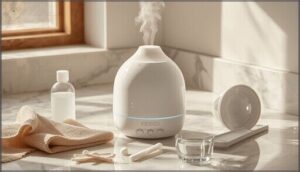
A clean diffuser works better and lasts longer than one that’s neglected. Regular maintenance prevents mineral deposits and oil residue from clogging your device or reducing its effectiveness.
Here’s how to keep your diffuser in top shape with simple daily care and quick fixes for common problems.
Daily and Weekly Cleaning Steps
Keeping your essential oil diffuser clean protects both its performance and your health. Empty the water reservoir after each use to prevent stagnant water buildup.
Weekly, follow these steps:
- Wipe the reservoir with a soft cloth and mild detergent.
- Run a 1:1 vinegar to water rinse for mineral removal.
- Clean the ultrasonic plate gently with a cotton swab.
- Rinse thoroughly with clean water.
- Dry all components completely before reassembling.
Preventing Mineral and Oil Buildup
Regular maintenance goes beyond weekly wipes. Use distilled water in your ultrasonic diffuser to reduce mineral deposits and white dust on surfaces. Tap water leaves calcium buildup that clogs mist outlets over time.
After each session, drain and dry the reservoir completely—standing water forms sticky oil residue. Run a diluted vinegar cycle monthly for descaling, then rinse thoroughly to protect internal components from concentrated essential oils.
Troubleshooting Common Issues
When your diffuser stops working right, don’t panic—most problems have simple fixes. Check these common mist issues before considering diffuser repair:
- Empty or low water causes weak output—refill to the marked line
- Oil residue on the ultrasonic plate blocks scent—wipe with rubbing alcohol
- Overheating solutions include unplugging for 30 minutes to reset electronics
Regular cleaning prevents most electronic failures in your essential oil diffuser.
Benefits of Using a Diffuser at Home

A diffuser does more than make your home smell nice. It can improve your mood, help you sleep better, and even support your overall wellness.
Here’s what you can expect when you make diffusing part of your daily routine.
Aromatherapy for Relaxation and Sleep
You can utilize the power of an essential oil diffuser to transform your sleep quality and ease daily tension. Calming scents like lavender work as natural mood stabilizers, helping your autonomic nervous system find balance.
These relaxation techniques offer genuine stress relief without harsh chemicals. Aromatherapy for relaxation and sleep aren’t just trends—they’re time-tested methods that influence your REM cycles and help you unwind naturally.
Air Purification and Mood Enhancement
The promise of cleaner air and brighter moods draws many people to diffusers, and research shows certain essential oils can reduce airborne irritants while influencing your sense of well-being. Aromatherapy benefits extend beyond pleasant scents—they touch your emotional state and perceived indoor air quality.
Diffusers offer cleaner air and uplifted moods by dispersing essential oils that freshen spaces and enhance emotional well-being
- Citrus and eucalyptus oils may help freshen stale air and lift your spirits naturally.
- Diffusing in well-ventilated spaces maximizes air quality improvement without overwhelming your senses.
- Lower mist settings deliver subtle mood boosters that won’t trigger headaches or irritation.
- Blending floral or cooling oils lets you tailor aromatherapy to your personal preferences safely.
Natural Alternatives to Candles and Sprays
You don’t need open flames or aerosol sprays when diffusers deliver home fragrance safely and naturally. Ultrasonic models release cool mist without heat, while nebulizing diffusers atomize essential oils into fine vapor for concentrated aromatherapy benefits.
Reed diffusers work passively through capillary action, and each flameless option offers spray alternatives that fit your wellness routine—giving you control over natural remedies without fire hazards.
Frequently Asked Questions (FAQs)
How often should I clean my diffuser attachment?
Let’s say you’ve been diffusing lavender nightly for two weeks. You’ll want to clean your diffuser after every 1 to 2 uses to prevent oil residue and mineral buildup that leads to bacterial growth.
Can I use a diffuser on wet hair if I’m not blow drying?
Essential oil diffusers aren’t designed for wet hair diffusion—they’re meant for room aromatherapy, not scalp contact.
Instead, try hair serum options or diffuse oils nearby for aroma without risking scalp safety or essential oil interactions.
What’s the difference between ceramic and plastic diffuser attachments?
Picture choosing between a smooth ceramic bowl and a clear plastic one—each holds water differently.
Ceramic attachments retain oils longer and resist heat better, while plastic alternatives are lighter and less fragile for everyday diffuser maintenance.
Is a diffuser safe to use on color-treated hair?
Aromatherapy diffusers are generally safe for color-treated hair since the mist doesn’t directly deposit concentrated oils.
Keep your diffuser distant, use gentle oil options, and maintain good ventilation for color preservation and safe diffusion tips.
What diameter blow dryer barrel do most diffusers attach to?
Think of finding the right match as fitting a key into a lock. Most diffuser attachments fit blow dryer barrels between 25 and 75 inches in diameter, with adjustable adapters extending compatibility.
Can I use a diffuser all night long?
Most ultrasonic diffusers work safely through the night with auto-shutoff timers.
Run yours for 2–4 hours to support sleep improvement without overpowering oil concentration or raising humidity, ensuring gentle nighttime diffusion and better sleep quality.
How often should I replace my diffuser?
Most diffusers last three to five years with regular cleaning and proper care.
Replace yours sooner if it leaks, stops misting, or shows cracks—signs that durability factors and usage patterns have taken their toll.
Can I mix different essential oil brands together?
You can mix different essential oil brands in your diffuser, but oil compatibility and brand mixing require caution. Test small amounts first, as varying aroma profiles and diffusion rates may create unpredictable blends or increase residue buildup.
What happens if I use too much oil?
Adding excess oil can overwhelm your senses and trigger headaches or irritation. Oil overuse risks include clogged components, poor diffuser maintenance needs, and unbalanced aroma. Start small—more isn’t always better for safe aromatherapy.
Are diffusers safe to use during pregnancy?
Pregnancy calls for extra caution with aromatherapy. Always consult your healthcare provider before diffusing essential oils.
Choose mild options like lavender in low concentrations, maintain good ventilation, and limit exposure to short sessions.
Conclusion
A diffuser that sits unused for months is just expensive shelf décor. But when you learn how to use a diffuser correctly—matching water levels to your model, adding the right oil amounts, and cleaning it weekly—you achieve better air quality and consistent scent throughout your home.
The setup takes five minutes. The difference it makes in your daily environment lasts for years. Your space deserves that transformation.