This site is supported by our readers. We may earn a commission, at no cost to you, if you purchase through links. This content is for general informational and educational purposes only and is not a substitute for professional medical, dermatological, or nutritional advice.

Your hair is built from 18 different amino acids that link together to form keratin, the protein responsible for strength, elasticity, and shine. When heat styling, chemical processing, or environmental stress breaks down these building blocks, your strands become weak, brittle, and prone to breakage.
Amino acid hair treatments work by delivering these essential protein fragments directly into damaged areas of your hair shaft, effectively giving your hair the raw materials it needs to rebuild itself. Unlike harsh chemical straighteners or temporary surface coatings, these treatments repair from within by targeting the molecular foundation of each strand.
Whether you’re dealing with heat damage, color-related dryness, or general brittleness, understanding how amino acids restore your hair’s structure can help you choose the right treatment and achieve stronger, healthier results.
Table Of Contents
- Key Takeaways
- What Are Amino Acid Hair Treatments
- Key Benefits of Amino Acid Hair Treatments
- How Amino Acid Treatments Work
- Types of Amino Acid Hair Treatments
- Top Amino Acid Hair Treatment Products
- How to Apply Amino Acid Hair Treatments
- Pros and Cons of Amino Acid Hair Treatments
- Frequently Asked Questions (FAQs)
- Conclusion
Key Takeaways
- Amino acid treatments repair hair by delivering protein building blocks directly into damaged areas of the hair shaft, filling gaps in the cuticle and strengthening the keratin structure from within rather than just coating the surface.
- These treatments offer a safer alternative to chemical relaxers because they work with your hair’s natural protein structure instead of breaking down disulfide bonds, which means less scalp irritation, preserved curl patterns, and better moisture retention.
- Results typically last 6 to 12 weeks and work best when you use sulfate-free products, limit heat styling above 300°F, and apply treatments every 8 to 12 weeks to maintain smoothness and strength.
- While salon treatments cost $275 to $450 per session, at-home options range from $40 to $120 and deliver similar benefits when applied correctly—section your hair, distribute evenly, and follow processing times of 4 to 10 minutes for best results.
What Are Amino Acid Hair Treatments
Amino acid hair treatments work by replenishing the building blocks of keratin, the protein that makes up most of your hair’s structure. These treatments fill in damaged areas of the hair cuticle, strengthening strands from within without the harsh chemicals found in traditional smoothing services.
To understand how they transform your hair, let’s look at what they’re, how they function at a molecular level, and what sets them apart from other protein-based options.
Definition and Purpose
Amino acid hair treatments are professional services that replenish the building blocks your hair needs to stay strong and healthy. These treatments deliver essential amino acids directly into your hair shaft, where they support keratin formation and restore your hair’s natural structure.
The primary purpose centers on three key goals:
- Repairing damage from heat styling, chemical processing, and environmental stress
- Strengthening hair structure by rebuilding protein bonds that give your hair resilience
- Enhancing hydration effects to lock in moisture and improve overall hair health
Unlike surface-level conditioners, amino acid treatments work from within to genuinely repair your hair. These treatments also improve overall hair texture by penetrating the hair shaft and strengthening its structure.
How Amino Acids Work in Hair Care
Your hair is primarily made of keratin, a protein built from amino acids like cysteine that form the disulfide bonds giving your hair its strength. When amino acid treatments penetrate your hair shaft, they fill gaps in damaged areas and support keratin replenishment.
This cuticle repair process smooths rough surfaces while enhancing moisture retention.
The amino acid blend benefits extend to hair regeneration and scalp health by supporting protein structure at the molecular level. These treatments also help to promote optimal scalp health, which is essential for hair growth.
Differences From Traditional Protein Treatments
While amino acids work at a cellular level, traditional protein treatments take a different approach. Protein treatments use larger molecules (21-170 kDa) that coat your hair’s surface rather than penetrating deep into the cortex.
Amino acid treatment molecules are much smaller (131 Da to peptides), letting them travel through your cuticle for internal hair repair. This size difference affects how each treatment targets hair damage and achieves outcomes.
Key Benefits of Amino Acid Hair Treatments
Amino acid treatments offer a range of real benefits that go beyond just making your hair look good. These treatments work at a structural level to rebuild and protect each strand, addressing issues from breakage to frizz.
Let’s look at the specific ways amino acid treatments can transform your hair’s health and appearance.
Strengthening and Repairing Damaged Hair
When your hair has taken a beating from color treatments or heat styling, amino acids step in like a repair crew, filling weak spots along the cuticle to restore structural strength. Clinical evidence shows impressive results:
- Cuticle reinforcement binds amino acids to damaged keratin sites
- Breakage reduction improves combing strength with regular use
- Split end repair decreases visible damage in chemically treated hair
- Elasticity improvement helps strands bend without snapping
- Chemical damage reversal strengthens overprocessed fibers from within
Enhancing Hair Elasticity and Resilience
Flexibility is the hallmark of healthy strands, and amino acid treatments deliver just that by working their way deep into your hair’s structure. These small proteins form protective barriers around each fiber, keeping moisture locked in while reducing breakage during your daily styling routine.
| Amino Acid Type | Primary Benefit | How It Works |
|---|---|---|
| Silk amino acids | Improved hair elasticity | Penetrate shaft to bind with keratin |
| Serine & glycine | Humectant properties | Attract and hold water within fiber |
| Keratin amino acids | Reduced breakage | Reinforce weak points along cuticle |
Technical reports show that silk amino acids create a flexible film around your hair, helping strands bend without snapping even when you’re combing through tangles or using heat tools. By maintaining hair elasticity through repeated use, these treatments prevent structural fatigue that leads to brittleness, making your hair more resilient against everyday wear and tear. The result is hair that bounces back from stress instead of breaking under pressure.
Improving Manageability and Texture
When you’re tired of wrestling with stubborn strands every morning, amino acid conditioners offer a real solution by maintaining your hair’s natural moisture balance, making detangling easier and styling performance noticeably better.
These treatments penetrate deep into your hair shaft rather than simply coating the surface, filling rough, porous areas to boost smoothness and softness.
Regular application helps you achieve hair manageability that transforms daily hair styling from a chore into something simpler.
Frizz Reduction and Moisture Retention
Because silk amino acids are hydrophilic, they bind water directly into your hair shaft, preventing moisture loss that leads to dryness and frizz. Amino acid hair treatments smooth your cuticle and improve surface texture, reducing static even in humid conditions.
This hydration balance creates long-lasting smoothness by limiting excess environmental moisture uptake, keeping your strands sleek and flyaway-free through deep conditioning from within.
Safe, Chemical-Free Smoothing
Unlike traditional hair straightening methods that rely on harsh chemicals, amino acid treatment offers natural smoothing without formaldehyde alternatives or aggressive agents. These gentle ingredients work through protein reinforcement rather than structural damage, making them safer for chemical sensitivities and long-term safety.
You’ll achieve effective frizz reduction and hair smoothing through this nonchemical treatment approach, protecting your hair’s integrity while still getting the sleek results you want.
How Amino Acid Treatments Work
Amino acid treatments work by targeting the very foundation of your hair’s structure. They interact with keratin proteins at a molecular level, repairing damage from the inside out.
Here’s what happens when you apply an amino acid treatment to your hair.
Replenishing Keratin and Cysteine Bonds
When your hair undergoes heat or chemical damage, the disulfide bonds between cysteine residues break down, weakening keratin structure reinforcement.
Amino acid treatments target this by delivering cysteine crosslinking agents and keratin-building peptides directly to damaged sites. These formulas promote peptide bond strength and amino acid alignment, helping regenerate connections within your hair protein matrix—though they can’t fully restore virgin hair’s original cysteine bonds.
Filling Gaps in The Hair Cuticle
Chemical processing and excessive bleaching create Cuticle Gap Causes—pores, fissures, and lifted scales that expose your cortex. Amino Acid Penetration allows low-molecular-weight peptides to diffuse through these defects, reaching damaged zones within the hair shaft.
Protective Film Formation then occurs as crosslinked amino acid treatment deposits coat compromised cuticle regions, achieving Porosity Reduction and Strength Reinforcement. This dual action—filling gaps and forming a barrier—aids in repairing damaged hair at structural weak points.
Moisturizing and Nourishing Properties
Beyond patching damage, your amino acid blend benefits deliver lasting hair hydration. Cysteine and methionine boost water retention, while serine locks moisture deep within each strand. Hydrolyzed effects from collagen peptides boost hair moisture by increasing skin hydration up to 9.2% after 84 days, ensuring cuticle repair reinforces deep conditioning. Amino penetration targets dryness at the molecular level, transforming brittle fibers into resilient, nourished hair.
- Moisture stays locked in for 2–3 months, protecting you from frizz
- Hydration reaches the cortex, not just the surface
- Water loss drops below 3% within 24 hours of treatment
- Your hair regains its natural shine, proving repair is working
Impact on Hair Structure and Health
When amino acid treatment reaches your cortex integration point, it rebuilds protein structure from within. Bond reformation reconnects damaged keratin chains, improving hair elasticity by up to 37% while reducing breakage by half.
You’ll notice water retention jumps as treatments strengthen your hair structure, transforming fragile strands into resilient fibers. This thorough hair damage repair proves amino acids don’t just coat—they fundamentally restore hair health at the molecular level.
Types of Amino Acid Hair Treatments
You’ll find amino acid treatments in several forms, each designed to fit different routines and hair goals. Some options deliver professional-level results in a salon setting, while others work quietly in your daily routine at home.
Let’s look at the main types available and how amino acid treatments compare to their keratin counterparts.
In-Salon Smoothing Services
When you book a professional salon treatment, you’re investing in expertise and lasting results. Salonstyle services use amino acid hair treatments designed for your specific texture and damage level.
Application techniques involve consultation, thorough product distribution, and heat activation to seal the cuticle. Treatment longevity generally reaches 8-12 weeks, though cost analysis shows prices ranging from $150-$450 depending on hair length.
The safety profile beats traditional chemical smoothing, and your stylist will explain post-treatment care essentials.
At-Home Leave-in Treatments
For everyday care, at-home amino acid treatments offer convenience without sacrificing results. Product layering works best when you apply leave-in formulas to damp mid-lengths and ends—where damage hides—using application techniques that prevent buildup.
Benefits of amino acid hair treatments become visible within weeks:
- Lightweight formulas suit fine hair types without weighing strands down
- Water-based options deliver moisture retention and frizz control daily
- Multi-benefit products combine conditioning with heat protection
Choose formulations matched to your hair type for best results.
Rinse-Out Masks and Deep Conditioners
Intensive deep conditioning sessions pack more punch when serious repair is needed. Rinse-out masks with hydrolyzed keratin, cysteine, and arginine deliver a concentrated amino acid treatment directly to your hair’s cortex, boosting tensile strength by 15–20% over eight weeks. Clinical studies confirm a 30% drop in breakage and a 40% moisture boost after just one application—real hydration impact you can measure.
| Mask Ingredients | Repair Efficacy |
|---|---|
| Hydrolyzed keratin, cysteine, lysine | 30% reduction in breakage (8 weeks) |
| Argan oil, coconut oil, aloe vera | 40% moisture increase (single use) |
| Glycine, serine, proline complex | 25% elasticity improvement (6 weeks) |
Apply these treatments weekly, focusing on mid-lengths and ends where damage is most prevalent. The amino acid hair care market reached $1.91 billion in 2024, growing at an annual rate of 7.2% as consumers seek gentler hair conditioning alternatives. Consistent use of these treatments strengthens your hair hydration routine, with most formulas suitable for 95% of hair types, posing no risk of protein overload.
Differences Between Amino Acid and Keratin Treatments
What truly separates amino acid treatment from keratin treatment? Chemistry, safety, and staying power draw the line:
- Formaldehyde Content – Keratin treatments often rely on formaldehyde or glyoxylic acid to lock straightening power into your hair fiber, while amino acids skip the aldehydes entirely.
- Straightening Power – Keratin delivers poker-straight results; amino acids soften texture without erasing natural wave.
- Treatment Longevity – Keratin lasts 3–5 months; amino acid hair smoothing treatments fade over 4–12 weeks, reducing safety concerns.
Top Amino Acid Hair Treatment Products
Now that you understand how these treatments work, you’re probably wondering which products actually deliver results. The market offers everything from leave-in molecular masks to heat-protective serums, each designed to target specific hair concerns.
Here are seven amino acid treatments that stand out for their formulations and real-world performance.
1. K18 Leave In Molecular Hair Mask
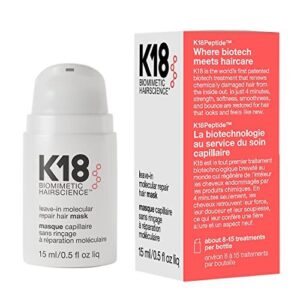
If you’re looking for a product that doesn’t just coat your hair but actually reconnects broken bonds at the molecular level, the K18 Leave-In Molecular Repair Hair Mask is worth your attention. This leave-in amino acid treatment uses the patented K18Peptide to restore up to 91% of your hair’s original strength after bleach or chemical damage, according to clinical efficacy studies.
You apply it to clean, towel-dried hair, wait just four minutes, and skip conditioner so the peptide can penetrate deeply. It works on all hair types, improving hair manageability while reducing breakage and boosting shine.
The formula is vegan, cruelty-free, and color-safe, reflecting strong ethical attributes. Though the bottle is small and pricey, many find the hair repair results—especially for severe hair damage and hair strengthening—justify the investment.
Best For: People with bleached, chemically treated, or heat-damaged hair who want real structural repair instead of just surface conditioning.
- Clinically proven to restore up to 91% of hair’s original strength in just 4 minutes
- Works at the molecular level with a patented peptide that reconnects broken keratin bonds for lasting results
- Vegan, cruelty-free, and color-safe formula that works on all hair types
- Expensive for a small bottle, raising concerns about long-term value
- Requires skipping conditioner, which changes your usual routine
- Some users report it didn’t work for their hair or provide enough moisture
2. Keratin Hair Serum Frizz Control Shine
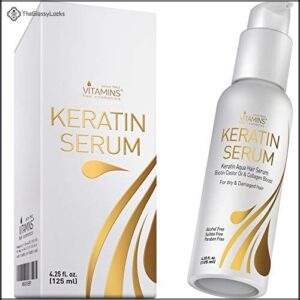
When you need frizz control that lasts up to 72 hours without the heaviness, a keratin hair serum blends hydrolyzed keratin with biotin, castor oil, and collagen to smooth your strands and add shine. This alcohol-free, sulfate-free formula works across all hair types, providing heat protection while filling cuticle gaps for measurable luster improvement.
User satisfaction rates hover around 69% for frizz reduction, though application evenness matters—distribute carefully to avoid waste. It’s a lightweight amino acid hair treatment option that delivers instant smoothness without greasiness or harsh chemicals.
Best For: Anyone with frizzy, damaged, or dry hair who wants lightweight shine and smoothness that lasts up to 72 hours without greasy buildup.
- Fills cuticle gaps with keratin and wheat protein to reduce frizz for up to three days, even in humid weather.
- Heat protection plus biotin and collagen help repair damage while keeping hair soft and shiny across all hair types.
- Sulfate-free and alcohol-free formula won’t strip natural oils or weigh hair down like heavier treatments.
- The 4.25 oz bottle runs small for the price, and the pump may fail when you’re running low.
- You need to apply it carefully—uneven distribution wastes product and leaves some sections frizzy.
- Results vary by person, with only about 69% of users reporting strong frizz control in satisfaction surveys.
3. Hairfinity Amino Acid Hair Masque
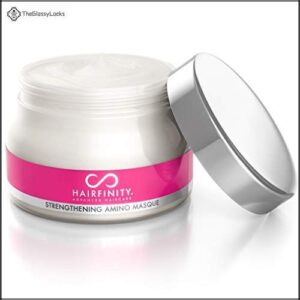
Hairfinity’s Strengthening Amino Masque delivers deep conditioning with a 94% natural ingredient analysis built on coconut, almond, and jojoba oils paired with amino acids. Internal testing documents up to 90% breakage reduction, positioning it as a serious hair treatment for damaged or color-treated strands.
User satisfaction varies—some report visible volume and shine within weeks, while others find the scent overwhelming or experience sensitivity. Its sulfate-free, silicone-free safety profile appeals to clean-beauty advocates, though the 15-minute wait and thick texture may not suit fine hair or rushed routines in today’s competitive amino acid treatment market.
Best For: Anyone with damaged, over-processed, or color-treated hair who wants a deep-conditioning treatment that’s mostly natural and free of sulfates and silicones.
- Reduces breakage by up to 90% in testing, with amino acids that actually fill in gaps to strengthen each strand
- Over 94% natural ingredients including coconut, almond, and jojoba oils for real hydration without harsh additives
- Works across all hair types—curly, straight, colored, keratin-treated—so it’s versatile for different textures and needs
- The scent can be overwhelming or artificial for some users, and a few people report headaches or sensitivity
- Requires a full 15-minute wait, which isn’t ideal if you’re in a rush or prefer quick routines
- The thick, rich formula may be too heavy for fine or straight hair, and results depend on following directions carefully
4. Keratin Hair Serum Heat Protectant Oil
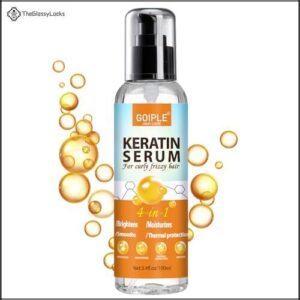
When you apply heat styling tools above 400°F, you’re triggering protein denaturation that compromises keratin structure—this is where a heat protectant oil becomes essential. Keratin Hair Serum combines 1% keratin complex with macadamia and argan oils, creating a thermal barrier up to 450°F while controlling frizz. The coconut-scented formula costs $7.99 and works across all hair types, though some users report greasiness with overuse.
Market growth projections show heat protection products expanding from $3.84 billion in 2024 to $6.14 billion by 2032, reflecting rising awareness of thermal damage prevention through amino acids and keratin benefits in daily hair treatment routines.
Best For: People with curly, frizzy, or heat-damaged hair who style with hot tools regularly and want affordable thermal protection without heavy residue.
- Protects hair up to 450°F with keratin and macadamia oil while adding shine and controlling frizz
- Works on all hair types and costs just $7.99, making professional-grade heat protection accessible
- Lightweight formula doubles as a daily treatment to repair damage from styling tools
- Some users find it too greasy if they apply more than a small amount
- Mixed reviews on the coconut scent—not everyone loves it
- Quality control issues with occasional reports of opened or damaged bottles arriving
5. Remilia Hair Keratin Pro Vitamin Capsules
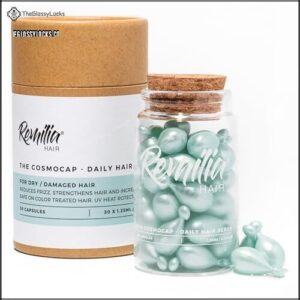
If you’re drawn to single-dose convenience, Remilia Hair Keratin Pro Vitamin Capsules offer 30 biodegradable seaweed shells filled with amino acid treatment serum.
Each capsule contains keratin amino acids, hydrolyzed silk, and pro-vitamin B5 alongside silicones for slip and shine. Clinical testing showed a 43% reduction in frizz and breakage after one use.
You’ll twist off the tip, apply to damp mid-lengths and ends, and use half a capsule for fine hair or a full dose for thicker strands.
At $22.49, the cruelty-free formula aids hair repair and strength while the compostable shells align with brand sustainability goals.
Best For: Travelers and eco-conscious users who want single-dose hair repair without the bulk of traditional bottles, especially if you have color-treated or chemically processed hair that needs consistent frizz control.
- Clinically backed 43% reduction in frizz and breakage after just one use, with keratin amino acids and silk protein that actually strengthen damaged hair
- Biodegradable seaweed capsules mean zero plastic waste—you can literally compost the shells after use
- Pre-measured doses prevent product waste and stay fresh longer since each capsule is sealed until you twist it open
- At $22.49 for 30 capsules, you’re paying about 75 cents per wash, which adds up fast compared to bottled serums
- Contains dimethiconol (a silicone) that can cause buildup on some hair types, requiring occasional clarifying shampoo
- Results vary widely depending on your hair condition—what works dramatically for damaged hair might feel heavy or unnecessary on healthy strands
6. Aminotouch Collagen Keratin Hair Treatment Shot
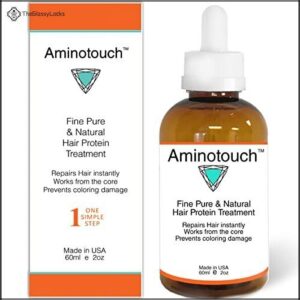
For concentrated damage repair, Aminotouch Natural Pure Protein Treatment delivers a 60 ml collagen keratin shot you mix with your conditioner. This minimalist formula—just hydrolyzed collagen, keratin, and stabilizers—contains no silicones or oils.
Add 4 to 8 droppers to conditioner, apply to towel-dried hair, and let it process 20–30 minutes under a cap. The product review data shows a 4.2-star rating, and the application protocol works as pre-treatment use before coloring to prevent breakage.
At $12.36, it’s a customizable amino acid treatment for chemically stressed strands.
Best For: People with chemically damaged, bleached, or over-processed hair who want a customizable protein boost they can mix into their regular conditioner.
- Clean formula with just collagen and keratin—no silicones or fillers that weigh hair down
- Adjustable strength by controlling how many droppers you add, so you can dial it up or down based on damage level
- Works as a pre-color treatment to strengthen hair before bleaching or dyeing
- Not meant for healthy hair—too much protein can make undamaged strands stiff and dry
- Requires mixing and a 20–30 minute processing time, so it’s not a quick fix
- Some users report inconsistent results with frizz, and packaging quality has been hit or miss
7. Kiehl’s Amino Acid Hair Conditioner
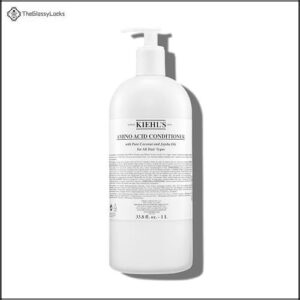
If you prefer something designed for everyday hair care, Kiehl’s Amino Acid Conditioner brings amino acids, coconut oil, and jojoba oil together in a gentle formula. It strengthens hair while improving moisture balance—no sulfates or parabens to worry about.
At 33.8 fl oz, it’s priced at $56.00, and consumer feedback highlights how it makes hair manageable and soft, though some notice it’s less moisturizing on very thick strands.
The creamy texture rinses clean, and the refillable packaging fits sustainable routines nicely.
Best For: People with all hair types looking for a daily conditioner that strengthens and moisturizes without harsh chemicals, especially if you care about sustainable packaging.
- Amino acids and natural oils work together to strengthen hair and improve elasticity, reducing breakage over time.
- Sulfate-free and paraben-free formula makes it gentle enough for sensitive scalps and everyday use. Its nourishing blend also supports defined, polished edges — explore styling techniques for sleek hair edges that complement any look without compromising scalp health.
- Refillable packaging helps cut down on plastic waste while the creamy texture rinses clean without residue.
- At $56 for 33.8 fl oz, it’s pricey compared to drugstore alternatives.
- Some users with very thick or coarse hair find it doesn’t provide enough deep moisture, especially at the ends.
- A few customers report durability issues with the cap, which can be frustrating given the premium price point.
How to Apply Amino Acid Hair Treatments
Getting the most from your amino acid treatment comes down to proper application and timing. Whether you’re working with an at-home product or heading to a salon, understanding the process helps you protect your hair and get the best results.
Let’s walk through how to apply these treatments correctly, how often to use them, and what to watch out for based on your hair type.
Step-by-Step At-Home Application Guide
Getting the best results from your at-home amino acid treatment starts with a clean slate. Pre-treatment cleansing with a clarifying shampoo removes buildup, improving ingredient penetration. Always patch test new products 24–48 hours before full application to check for reactions.
Divide damp hair into four sections for even product distribution, then follow these timing and care steps:
| Treatment Phase | Action | Timing |
|---|---|---|
| Application | Section and distribute evenly | Start with 1 mL |
| Processing | Leave in or rinse per instructions | 4–10 minutes |
| Drying | Air dry or use low heat styling | Until 100% dry |
| Maintenance | Repeat treatment cycle | Every 3–4 shampoos |
For step-by-step application methods and frequency, comb through from ends to roots to reduce breakage. Heat styling should use the lowest effective temperature after treatments dry completely.
Post-treatment care with sulfate-free shampoos extends your amino acid treatment process results up to 12 weeks.
Professional Salon Application Process
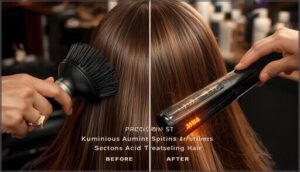
At your salon appointment, your hair stylist begins with a thorough consultation to assess texture and damage. This is followed by a triple-cleansing with clarifying shampoo.
The amino acid treatment process involves precise sectioning and brush application, keeping the product 0.5 inches from the roots. Heat activation follows—flat irons at 400-450°F seal amino acids deep into each strand.
The professional haircare service concludes with blow-drying and trimming, ensuring safety standards throughout.
Frequency and Maintenance Tips
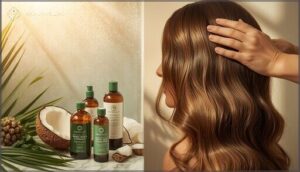
To best results, you’ll usually schedule your amino acid hair treatment every 12 weeks. Your hair care routine matters just as much—here’s what makes the difference:
- Use sulfate-free shampoos to preserve smoothing effects
- Wash less frequently to extend treatment longevity
- Apply deep conditioning treatments weekly for moisture balance
- Limit heat styling above 300°F to prevent protein breakdown
- Adjust treatment intervals based on environmental factors like humidity
Proper hair treatment aftercare and protein balance keep your strands resilient between sessions.
Safety Precautions and Suitability for Hair Types
Before you apply any amino acid hair treatments, patch test 24 hours ahead to catch potential allergic reactions. While these formulas skip formaldehyde’s harsh fumes, your hair type and current condition still matter.
| Hair Concern | Safety Consideration |
|---|---|
| Fine hair | Cysteine strengthens without weight |
| Chemically treated | Fills damage gaps safely |
| Pregnancy safety | Natural ingredients pose minimal risk |
| Heat damage | Avoid temperatures above 140°F |
| Scalp sensitivity | Glutamine stabilizes pH balance |
These treatments suit nearly everyone, though curl patterns may loosen with high heat.
Pros and Cons of Amino Acid Hair Treatments
Before you commit to an amino acid treatment, it helps to weigh what you’re getting into. Like any hair care approach, these treatments come with real strengths and a few trade-offs worth knowing about.
Let’s break down the advantages, limitations, costs, and how well they work across different hair types.
Advantages Over Chemical Treatments
If you’re weighing amino acid treatment against harsh chemical treatments, the differences run deeper than gentler formulas. Research from 2022 shows that sodium hydroxide relaxers strip cystine from your hair, directly weakening the disulfide bonds that keep strands intact, while amino acid systems avoid that destructive pathway entirely.
Unlike harsh chemical relaxers that weaken your hair’s bonds, amino acid treatments strengthen strands without causing structural damage
Here’s what sets amino acid treatments apart:
- Structural damage stays minimal: Unlike lye relaxers that lift cuticles and create fissures in your hair shaft, cysteine-based smoothing realigns proteins without aggressive bond-breaking, leaving you with visibly less roughness and breakage.
- Scalp risks drop dramatically: Traditional relaxers commonly cause inflammation, burns, and irritation from strong alkalis, whereas formaldehyde-free amino acid formulas reduce inhalation symptoms and scalp injury for both you and your stylist.
- Curl preservation becomes possible: Amino acids like arginine restore elasticity while maintaining your natural wave pattern, unlike hydroxide relaxers that permanently force hair straight and erase texture entirely.
- Enhanced moisture transforms texture: Amino acid shampoos mimic your hair’s natural components, filling damaged areas and locking in hydration to reduce frizz and breakage far better than sulfate-heavy conventional products.
- Safety compatibility expands options: Cysteine treatments are gentle enough for color-treated, highlighted, or sensitive hair—even suitable for pregnant clients and teens over 12—while many keratin systems release formaldehyde and aren’t recommended for these groups.
The science is clear: amino acid treatments deliver smoothing and repair by working with your hair’s existing protein structure, not breaking it down. That means you can address frizz, improve manageability, and boost hair health without the cumulative damage, dryness, and long-term breakage that follow repeated relaxer use.
Limitations and Potential Drawbacks
Amino acid treatments aren’t without limits, especially if your hair is seriously compromised. Studies show that hair with over 45% cuticle erosion gains limited efficacy—breakage reduction stays below 20%, and repeated washing strips protective films within five cycles. That means temporary results for most users.
Overuse risks structural weakening and increased brittleness, while acidic formulas can trigger scalp sensitivity, irritation, or contact dermatitis.
Product variability makes comparison tough, and costs rival traditional keratin services despite shorter-lasting effects—so hair treatment pros and cons deserve careful consideration before you commit.
Suitability for Different Hair Textures
Your hair texture dictates how amino acid treatment performs in real life. Fine hair gains combing ease—up to 30% smoother—and measurable tensile strength without added weight, while coarse hair benefits from arginine and serine for lasting smoothing over 8–12 weeks. Curly hair retains its natural pattern with improved elasticity, and coily hair softens without aggressive relaxer damage.
Porosity levels also play a crucial role. High-porosity, chemically processed hair absorbs amino acids readily, but low-porosity types risk stiffness from overuse.
- Fine or low-density strands: Lightweight serine and glycine prevent buildup
- Thick, coarse textures: Higher arginine doses improve manageability
- Curly, coily, natural hair: Proline and glutamine preserve curl definition
Cost and Long-Term Results
Treatment affordability depends on your chosen approach. Salon sessions cost between $275 and $450 per visit, whereas DIY kits range from $40 to $120 per bottle, offering multiple uses. Over a three-year period, professional treatments can accumulate costs of $1,500 to $4,500, compared to $240 to $900 for at-home treatments.
| Method | Per Application | 3-Year Total |
|---|---|---|
| Salon | $275–$450 | $1,500–$4,500 |
| DIY | $20–$40 | $240–$900 |
| Touch-ups | $100–$300 | $400–$1,200 |
Reapplication frequency is a key consideration, as effects typically last 2 to 3 months before fading. Long-term hair health can improve through the cumulative benefits of strengthened keratin bonds, although ongoing maintenance is necessary. The investment timeline favors consistent use, with 85.4% of users combining amino acid supplements and topical treatments seeing clinical improvement within 12 weeks, compared to 48.6% using standard care alone.
Frequently Asked Questions (FAQs)
Can amino acid treatments help with hair growth?
While amino acids won’t reverse genetic baldness, they do support healthy hair growth by supplying building blocks for keratin synthesis and strengthening existing strands—reducing breakage helps you keep the length you’ve grown.
How long do amino acid treatment results last?
Results generally last 6 to 12 weeks based on hair porosity, maintenance routine, and environmental factors. Sulfate-free products and minimal heat styling extend treatment duration.
Reapplication intervals of 8 to 12 weeks maintain hair smoothness and shine.
Are amino acid treatments safe during pregnancy?
Most pregnancy experts say limited hair treatment use poses low fetal exposure risk when products skip formaldehyde alternatives and endocrine disruptors, since dermal absorption stays minimal.
Many recommend waiting for postpartum treatments to minimize any chemical exposure concerns.
Can you color hair after amino acid treatment?
Pairing wine with the wrong dish can ruin both flavors—timing works the same way.
You can color your hair 2 to 3 days after amino acid treatment once the treatment sets, preserving both color and treatment efficacy.
Conclusion
You don’t need expensive salon visits to see real results. Amino acid hair treatments deliver structural repair at the molecular level, whether you’re using a five-minute mask at home or investing in professional smoothing.
The key isn’t the price tag—it’s consistency. By replenishing the exact building blocks your hair loses daily, these treatments don’t just temporarily patch damage; they rebuild resilience from the inside out, strand by strand.