This site is supported by our readers. We may earn a commission, at no cost to you, if you purchase through links. This content is for general informational and educational purposes only and is not a substitute for professional medical, dermatological, or nutritional advice.

Deep in Honduras’s rainforests, the Miskito people have used batana oil for generations to maintain thick, healthy hair—long before it caught the attention of modern trichology. The oil comes from the American oil palm, Elaeis oleifera, and carries a dense concentration of oleic acid, linoleic acid, and vitamin E that few plant oils can match.
If your hair snaps at the ends, drinks moisture without holding it, or sheds more than it should, those nutrients speak directly to that problem.
Batana oil for hair growth isn’t a trend—it’s a clinically interesting ingredient with a track record worth understanding.
Table Of Contents
- Key Takeaways
- What is Batana Oil for Hair Growth?
- How Batana Oil Promotes Hair Growth
- Benefits of Batana Oil for Hair
- How to Apply Batana Oil to Hair
- Recommended Batana Oil Hair Care Routine
- Batana Oil for Different Hair Types
- Potential Side Effects and Precautions
- Realistic Hair Growth Expectations
- Comparing Batana Oil to Other Growth Oils
- Frequently Asked Questions (FAQs)
- What happens if I use Batana oil every day?
- What happens if you leave batana oil in your hair?
- Why is Batana oil so expensive?
- Does batana oil actually regrow hair?
- What are the side effects of Batana oil?
- Does Batana oil grow hair?
- Is Batana oil good for your scalp?
- Is Batana oil good for curly hair?
- How to use Batana oil for hair repair?
- Does Batana oil help with hair growth?
- Conclusion
Key Takeaways
- unique combination of oleic acid, linoleic acid, and vitamin E, which penetrate the hair shaft to repair damage and seal in moisture—something most surface‑conditioning oils can’t do.
- It won’t regrow lost hair on its own, but consistent use reduces breakage, calms scalp inflammation, and creates the healthy follicle environment your hair needs to grow stronger over time.
- How you use it matters as much as what it does—warming it first, massaging it into the scalp, and applying it two to three times a week delivers noticeably better results than occasional or heavy‑handed use.
- Authentic batana oil should be rich brown to black, smell earthy like toasted nuts, and list Elaeis oleifera from Honduras on the label—anything pale, odorless, or suspiciously cheap is likely diluted or counterfeit.
What is Batana Oil for Hair Growth?
Batana oil has been quietly doing its job for centuries — long before it landed on your radar. It comes from a rich tradition of hair care rooted in the rainforests of Honduras, and there’s real science behind why it works.
Pairing it with a sulfate-free organic shampoo and conditioner set helps preserve those centuries-old benefits without stripping the oil’s natural goodness.
Here’s what you need to know before adding it to your routine.
This lightweight blend of niacinamide, adenosine, and fermented extracts works together to calm redness while quietly smoothing texture over time, as this numbuzin No.3 skin softening serum review breaks down in more detail.
It’s hyaluronic acid, a hydration powerhouse worth understanding fully—especially since knowing how hyaluronic acid fights visible signs of aging can help you get the most out of every application.
Origin and Traditional Uses
Batana oil has deep roots in La Mosquitia, Honduras, where Miskito people have used it for centuries. Their cultural hair practices earned them the name Tawira — "people of beautiful hair."
For centuries, the Miskito people of Honduras mastered hair care so well they became known as Tawira — the people of beautiful hair
Through a palm fruit ritual of hand-harvesting, sun-drying, and traditional fermentation, families extract this oil seasonally.
This Miskito heritage isn’t trendy; it’s generations of proven, traditional hair care practices built on natural ingredients.
Modern producers often use a cold-press extraction method to retain the oil’s nutrients and antioxidants.
Key Nutrients and Compounds
What makes this oil work comes down to chemistry. Batana oil delivers a precise mix of nutrients your hair follicles actually need:
- Oleic Acid Benefits – Penetrates the hair shaft for deep moisture (up to 55%)
- Linoleic Acid Anti-inflammatory – Calms scalp irritation and helps elasticity
- Palmitic Acid Protection – Coats cuticles to shield against damage
- Vitamin E Antioxidants – Fights oxidative stress and repairs split ends
- Carotenoid Skin Repair – Helps cell turnover and follicle health
The oil’s rich omega‑9 content is highlighted in its oleic acid profile.
How Batana Oil Differs From Other Oils
Not all natural oils for hair work the same way. What sets batana oil apart starts at the source — a specific palm species, Elaeis oleifera, processed entirely by hand. That manual extraction preserves its signature red-orange hue and roasted aroma, qualities refined oils lose.
| Feature | Batana Oil | Coconut/Argan Oil |
|---|---|---|
| Color | Red-orange | Clear/golden |
| Extraction | Manual, fire-roasted | Machine-pressed |
| Penetration | Deep follicle repair | Surface conditioning |
That deep penetration makes organic batana oil a stronger choice for hair growth and long-term hair care and maintenance.
How Batana Oil Promotes Hair Growth

Batana oil doesn’t just sit on the surface of your hair — it works at a deeper level to support the conditions your follicles actually need.
The secret lies in a handful of specific nutrients and biological effects that make this oil stand out.
Here’s how each one plays a role.
Nutritional Benefits for Hair Follicles
Your hair follicles need the right nutrients to thrive — and Batana Oil delivers several at once.
Its fatty acids, including Oleic Acid and Linoleic Acid, nourish Hair Follicles and reinforce your scalp’s Lipid Barrier, reducing moisture loss around each root.
Vitamin E compounds and Carotenoid Support help maintain healthy follicle cell membranes.
Together, these Antioxidants and Fatty Acids create a stable, well-nourished environment for stronger growth.
Antioxidant and Anti-inflammatory Effects
Every day, your scalp faces UV rays, pollution, and heat — all of which trigger oxidative stress that quietly weakens follicles.
For wavy hair especially, this damage compounds fast — a solid wavy hair care routine built around scalp health can make a real difference in keeping follicles strong.
Batana Oil Benefits come from its Tocotrienol Free‑Radical Scavenging activity, Carotenoid UV Shielding, and Vitamin E Protection, which together neutralize that damage.
Its Omega‑Fatty Inflammation‑Calming properties and Phytosterol Barrier Reinforcement reduce scalp irritation at the source, making these Antioxidants and Fatty Acids genuine Natural Remedies for Hair Loss.
Support for Scalp Health
Keeping your scalp in balance is where real hair growth begins.
Batana Oil helps scalp health on multiple fronts — its fatty acids regulate sebum production, prevent microbial overgrowth, and strengthen barrier restoration.
Scalp massages with the oil deliver a meaningful circulation boost, improving nutrient delivery to follicles.
That said, some users find the scalp irritation and lingering scent worth the tradeoff, so it’s worth comparing options in this guide to top hair growth products for men before committing to one.
Together, moisture retention and scalp nourishment create the clean, balanced foundation that natural oils like this one make possible.
Benefits of Batana Oil for Hair
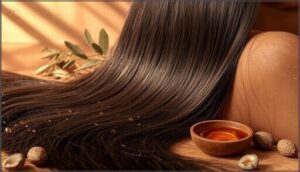
Batana oil doesn’t just support growth — it changes how your hair looks and feels day to day.
fatty acids and antioxidants work together to address some of the most common hair struggles people deal with.
Here’s what regular use can actually do for your hair.
Moisturizing Dry and Damaged Hair
Dry, brittle strands are often a sign your hair’s moisture barrier has broken down.
Batana oil targets this through fatty acid penetration — oleic acid seeps into the cortex, while palmitic and stearic acids handle cuticle sealing to lock hydration in.
vitamin E antioxidant compounds repair lipid damage, and lightweight hydration means your scalp gets consistent nourishment without greasiness.
practical natural hair care.
Reducing Hair Breakage and Shedding
Breakage is often the silent thief of length retention. Batana Oil works through fatty acid reinforcement — lauric acid strengthens hair bonds, while cuticle sealing locks in moisture to prevent snap breakage.
Here’s what consistent use can do:
- Reduces hair breakage by up to 30% in coarse textures
- Enhances elasticity boost for strands that bend, not snap
- Promotes scalp health to minimize excessive shedding
- Provides oxidative stress protection during heat styling
- Aids seasonal shedding prevention in drier months
Enhancing Hair Texture and Shine
Dull, rough hair often comes down to one thing: lifted cuticles.
Batana Oil’s oleic moisture seals those cuticles flat, allowing light to bounce evenly off each strand. Vitamin E glow kicks in through tocopherols that repair surface damage, while carotenoid luster fights environmental dullness from the inside out.
The result is smoother texture and noticeably reflective shine.
| What It Does | How You See It |
|---|---|
| Cuticle Smoothing | Silkier, polished texture |
| Frizz Barrier | Sleek strands in humidity |
| Hair Nourishment | Deeper color, visible shine |
How to Apply Batana Oil to Hair
Getting the most out of batana oil comes down to how you apply it.
The process is simple, but a few key steps make a real difference in your results. Here’s what you need to know to do it right.
Getting the sequence right—prepping the scalp before anything else—is exactly why these traditional Indian hair growth secrets still hold up so well today.
Preparing and Warming The Oil

Batana oil is solid at room temperature — that’s completely normal. Before any hair treatment, warm 1–2 teaspoons between your palms until it melts into a smooth liquid.
Too firm to scoop? Try the double boiler method: set the jar in warm water for 2–3 minutes. Store organic batana oil below 25°C to preserve its hair growth nutrients.
Scalp Massage Techniques

Once the oil is melted and ready, massaging it properly makes all the difference for scalp health and hair growth.
- Circular Motion: Use fingertips in small circles, starting at the hairline and working backward — about 30 seconds per section.
- Kneading Pressure: Press deeper into the crown and temples, holding 2–3 seconds per spot.
- Tapping Stimulation & Pinching Stretch: Alternate light taps with gentle pinches to activate follicles.
Five to ten minutes of organic batana oil scalp massage daily provides real results.
Application to Hair Lengths and Ends
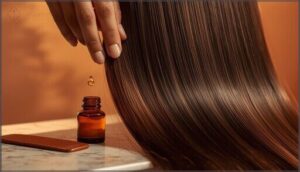
Your scalp massage sets the foundation — now bring that care down the full strand.
Work a nourishing treatment through the lengths and ends every two to four weeks, following this step-by-step at-home hair spa routine to lock in moisture and shine.
Work a pea-sized amount through mid‑lengths first using a wide-tooth comb for even mid‑length moisturization, then seal the ends using the end sealing technique.
This leave‑in coating locks moisture for hours, helps split‑end repair, and makes length retention your most reliable result for hair growth and hair care.
Recommended Batana Oil Hair Care Routine
Getting results from batana oil isn’t just about how you apply it — it’s about building a routine that actually works for your hair.
A few simple habits can make the difference between okay results and real, noticeable change. Here’s what a solid batana oil routine looks like.
Frequency of Use for Best Results
How often you use batana oil matters just as much as how you apply it. Your application schedule shapes everything. Here’s a practical hair care routine to guide you:
- Daily Scalp Massage – Small amounts every morning for thinning roots
- Bi‑weekly Growth Boost – Two to three scalp sessions weekly for hair regrowth
- Weekly Deep Treatment – Full overnight application for damaged strands
- Overuse Warning Signs – Greasiness or buildup means scaling back to every other day
Leave-in Vs. Rinse-out Methods
batana oil matters as much as how often. Leave-in methods work best overnight, giving the oil 6 to 8 hours to penetrate follicles and support scalp circulation.
Rinse-out methods suit oily scalps or fine hair — for 30 to 60 minutes, then shampoo out. Managing overnight residue with a silk scarf prevents greasy buildup while protecting hair growth progress.
Combining With Other Hair Products
Batana oil pairs well with products you already use. For a shampoo boost, add 5 to 10 drops per ounce of shampoo.
Conditioner enrichment works the same way — stir in a few drops, leave it on for 3 to 5 minutes. For deeper care, carrier blend recipes and essential oil fusion options like rosemary or peppermint support scalp treatment and hair growth naturally.
Batana Oil for Different Hair Types
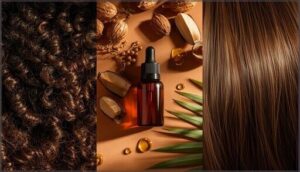
Not all hair types work the same way, and batana oil knows that.
How you use it — and how much — depends on your hair’s texture, porosity, and history.
Here’s how it fits into three common hair types.
Curly, Coily, and Kinky Hair
Curly, coily, and kinky hair loses moisture faster than other types — and that’s where batana oil earns its place. Its omega fatty acids support moisture retention by sealing the hair shaft, while scalp circulation improves with regular massage, encouraging edge growth. Think of it as deep conditioning and scalp health in one step.
- Enhances curl definition and reduces frizz control issues in humid weather
- Penetrates coily strands for lasting hair conditioning without greasiness
- Promotes scalp health and follicle nourishment for steady hair growth
- Works as one of the most effective natural hair products for type 4 textures
Straight and Wavy Hair
Straight and wavy hair types face their own challenges — excess oil at the roots, limp volume, and frizz control in humidity. Batana oil, used sparingly, promotes scalp health without weighing strands down.
Massage a small amount into the scalp to encourage hair growth and regrowth. For styling tips, apply to mid-lengths only to protect hair texture, boost hair volume, and add shine.
Color-Treated and Chemically Processed Hair
Color damage raises hair porosity, meaning your strands lose moisture faster and feel rougher after every session.
Batana oil works as a cuticle repair sealant here — lock it in after washing to restore moisture balance without disrupting chemical reactions in relaxed or permed hair.
Apply mid-length to ends for hair restoration, improved scalp health, and steadier hair growth between color appointments.
Potential Side Effects and Precautions

Batana oil is generally safe for most people, but like any natural product, it comes with a few things worth knowing before you start.
Using it the wrong way — or buying the wrong bottle — can lead to issues that have nothing to do with the oil itself.
Here’s what to watch for.
Avoiding Scalp Buildup
Too much of a good thing can work against you. When using batana oil, following oil amount guidelines matters — start with a pea-sized amount and increase only if your hair absorbs it fully.
Stick to a clarifying shampoo schedule every one to two weeks, and always do a pre-wash rinse with warm water. Proper dilution ratios and thorough post-wash rinsing protect scalp health and support steady hair growth.
Identifying Authentic Batana Oil
Not all batana oil is created equal. Counterfeit versions flood the market, so knowing what to look for protects your investment and your scalp.
- Label verification: Authentic batana oil lists Elaeis oleifera and La Moskitia, Honduras as its source.
- Color test: Real oil is rich brown to black — not pale yellow.
- Aroma clues: Genuine roasted batana smells earthy, like coffee or toasted nuts.
- Texture melt: True organic and natural hair care oil solidifies below 20 °C, then melts smoothly in your hands.
- Price red flags: Suspiciously cheap plant-derived ingredients often signal dilution with cheaper oils.
Realistic Hair Growth Expectations

Batana oil isn’t a quick fix, and that’s worth saying upfront.
What you see depends on how you use it, how consistent you are, and what your hair actually needs.
Here’s a closer look at what shapes your results.
Timeline for Visible Results
Results don’t arrive all at once — build in layers.
| Timeline | What You’ll Notice |
|---|---|
| First Week Effects | Softer texture, added shine, easier detangling |
| Four Week Milestones | Less shedding, calmer scalp, reduced breakage |
| Eight Week Growth | Fuller roots, early baby hairs, visible density |
By three months, consistent batana oil use can support real hair regeneration techniques — turning a fragile routine into genuine long-term maintenance and meaningful hair loss prevention.
Factors Influencing Effectiveness
How fast you see results depends on more than just applying oil.
- Oil Purity — Cold-pressed, unrefined batana oil absorbs better and delivers more to hair follicles
- Application Frequency — Consistent use several times weekly maintains scalp health more effectively than occasional treatment
- Scalp Condition — Dry or damaged scalps often respond faster to this natural oil’s emollient properties
- Storage Conditions — Keeping batana oil in dark glass away from heat preserves its DHT blocker compounds
- Lifestyle Factors — Sleep, nutrition, and stress levels all shape how well your scalp health responds
User Reviews and Experiences
Real users back this up. Many report less shedding and fuller edges within 4 to 6 weeks, with satisfaction ratings often landing at four or five stars.
Common complaints center on texture — it’s thick and earthy‑smelling. But those who stick to consistent application routines describe real shifts in scalp sensations, hair growth, and overall hair restoration that’s hard to ignore.
Comparing Batana Oil to Other Growth Oils

Batana oil isn’t the only oil people reach for when they want healthier hair. Coconut, argan, and castor oils have all earned their place in the conversation, too.
Here’s how batana oil stacks up against each one.
Batana Oil Vs. Coconut Oil
Both oils work differently under the surface. Coconut oil’s lauric acid penetrates deep into the hair shaft but can make strands feel stiff. Batana oil offers a softer coating with a richer fatty acid profile, better suited for scalp health and moisture retention.
- Penetration Depth: Coconut penetrates; Batana conditions the outer cuticle
- Texture Weight: Batana feels heavier, ideal for coarse or high-porosity hair
- Scalp Irritation: Batana is less likely to trigger flaking than coconut oil
Batana Oil Vs. Argan Oil
lighter — it absorbs quickly — it absorbs quickly and works well for daily frizz control.
Batana oil moves slower, with heavier viscosity weight that makes it better suited for deep hair treatment and high-porosity strands. Its richer fatty acid profile delivers more cushioning moisture.
For natural hair care, batana oil wins on intensity; argan oil wins on convenience.
Batana Oil Vs. Castor Oil
Castor oil is thicker and stickier — great for grip, but prone to buildup and scalp irritation risk if overused.
Batana oil offers a better fatty acid balance, with a lighter viscosity penetration that absorbs more cleanly into the scalp. For hair growth and scalp health, batana oil feels less suffocating. It’s the smarter natural oil choice for a regular hair treatment routine.
Frequently Asked Questions (FAQs)
What happens if I use Batana oil every day?
Daily Batana Oil use can cause scalp buildup risk and oil weight issues. Stick to two or three times weekly for the best frequency vs benefits balance without clogging follicles.
What happens if you leave batana oil in your hair?
Leaving Batana Oil in your hair overnight boosts moisture, smooths frizz, and improves texture. Just don’t overdo it — build-up risk is real, and scalp irritation can follow heavy, repeated use.
Why is Batana oil so expensive?
Batana oil is expensive because it comes from a limited harvest in Honduras, requires handcrafted production by artisan communities, and faces high market demand with strict authenticity verification — all driving the price up.
Does batana oil actually regrow hair?
The short answer is: not exactly.
There’s no clinical evidence that batana oil regrows lost hair. It promotes scalp health and reduces breakage, but proven hair loss treatments like minoxidil still lead the way.
What are the side effects of Batana oil?
Side effects are rare but real.
You may notice scalp irritation, allergic reactions, or greasy buildup with overuse. Always do a patch test first, especially if you’re sensitive to nut or palm oils.
Does Batana oil grow hair?
The short answer is: not directly. There’s no scientific evidence that batana oil triggers follicle activation on its own.
What it does do — reduce breakage, support scalp health — can make hair appear fuller over time.
Is Batana oil good for your scalp?
Yes, Batana Oil promotes scalp health in several meaningful ways — from sebum regulation and inflammation reduction to scalp nourishment and microbiome balance — making it a reliable natural hair treatment and conditioning option.
Is Batana oil good for curly hair?
Curly hair craves moisture, struggles with frizz, and needs strength. Batana Oil delivers all three — locking in hydration, boosting curl elasticity, and providing frizz control that lasts through the day.
How to use Batana oil for hair repair?
Warm batana oil in your palms using heat‑free melting, then massage into your scalp for hydration.
Leave overnight for deep hair repair, or rinse after 30 minutes for a lighter treatment.
Does Batana oil help with hair growth?
Think of each hair follicle as a tiny garden. Without water and nutrients, nothing grows.
Batana oil delivers both — nourishing roots, boosting scalp circulation, and supporting your natural growth cycle from the inside out.
Conclusion
Healthy hair is a garden—it needs the right soil, the right nutrients, and consistent care.
Batana oil for hair growth gives your follicles exactly that: deep nourishment rooted in generations of real-world results.
won’t work overnight, but neither does any garden worth tending. Use it consistently, apply it correctly, and trust the process.
Miskito people didn’t protect this oil for centuries by accident. Your hair deserves that same deliberate attention.