This site is supported by our readers. We may earn a commission, at no cost to you, if you purchase through links. This content is for general informational and educational purposes only and is not a substitute for professional medical, dermatological, or nutritional advice.
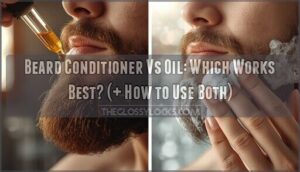
Most guys throw beard oil on their face every morning and call it good. Then they wonder why their beard still feels like steel wool by noon. Here’s the thing: oil slides right past your hair shaft and heads straight for skin.
Conditioner? It grabs onto the hair itself, coating each strand with hydration that actually sticks around. They’re not competitors—they’re teammates working completely different roles.
One handles the itch and flake happening underneath your beard. The other softens the wiry mess on top. Knowing which does what means you can stop wasting product on problems it was never designed to fix.
Table Of Contents
- Key Takeaways
- Beard Conditioner Vs Oil: Key Differences
- What is Beard Conditioner?
- What is Beard Oil?
- Benefits of Beard Conditioner
- Benefits of Beard Oil
- When to Use Beard Conditioner Vs Oil
- Application Methods Compared
- Choosing The Right Product for Your Beard
- Can You Use Both Products Together?
- Expert Tips for Optimal Beard Care
- Frequently Asked Questions (FAQs)
- Is it better to use beard oil or conditioner?
- Which is better, beard oil or conditioner?
- Should you use beard oil and conditioner together?
- When should I use beard conditioner?
- Does conditioner make your beard softer?
- Can beard products affect facial hair color?
- How do beard conditioners and oils impact skin allergies?
- Are there age-specific recommendations for using these products?
- How do climate and seasons affect product choice?
- Which product works better for patchy beards?
- Conclusion
Key Takeaways
- Beard oil targets the skin underneath your facial hair to prevent itch and flaking, while conditioner coats the hair shaft itself to soften coarse strands and reduce frizz—they solve different problems and work best when used together.
- Apply conditioner during your shower as a rinse-out treatment 2-3 times per week for deep hydration, then use beard oil daily on damp or dry hair as a leave-in product to lock in moisture and nourish your skin.
- Short beards (under 1.5 cm) only need oil for quick absorption and itch prevention, but medium to long beards require both conditioner for softening and oil for daily moisture to handle thickness and prevent breakage.
- Layer products in the correct order—conditioner first in the shower, rinse thoroughly, towel-dry, then apply 3-6 drops of oil from roots to tips—to maximize absorption and prevent greasy buildup.
Beard Conditioner Vs Oil: Key Differences
You can’t build a solid beard care routine without knowing what you’re actually putting on your face. Beard conditioner and beard oil might sound similar, but they work completely differently—and using the wrong one at the wrong time won’t give you the results you’re after.
Knowing how to apply beard oil properly matters just as much as choosing the right product in the first place.
Here’s what actually separates these two products.
Texture and Consistency
Feel matters when you’re choosing between beard conditioner and beard oil. The difference in texture affects product absorption, skin hydration, and overall beard health.
If scent matters as much as texture to you, check out options for the best smelling beard conditioner to find one that matches your style.
| Product | Texture | Feel on Contact | After Absorption |
|---|---|---|---|
| Beard Conditioner | Creamy, lotion-like | Thick, coats hair evenly | Light residue remains |
| Beard Oil | Thin, liquid | Slick, spreads quickly | Absorbs completely |
Conditioner’s heavier consistency suits deep beard care sessions. Oil’s low viscosity penetrates beard porosity fast, delivering nutrients without weighing down hair density or altering beard texture.
For those dealing with irritation or flakiness, beard oil for skin conditions targets underlying issues while maintaining optimal moisture balance.
For an in-depth breakdown of the beard oil versus conditioner benefits, review expert insights on daily hydration and beard health.
Rinse-Out Vs Leave-In
How you rinse—or don’t—defines your beard care rhythm. Beard conditioner is a wash-out product you apply in the shower, massage through wet facial hair, and rinse after a few minutes.
Beard oil stays put all day, soaking into your skin and hair for continuous hydration. Conditioner delivers short bursts of softness; oil powers your daily routine with lasting skin comfort and improved hair texture.
If you’re choosing between the two, a natural beard conditioner for dry beards works well for weekly deep treatments, while oil handles daily maintenance.
| Application Stage | Beard Conditioner | Beard Oil |
|---|---|---|
| When You Use It | During shower, on wet beard | Post-shower, on damp or dry beard |
| Contact Time | 2–5 minutes before rinsing | Left in all day |
| Primary Goal | Deep conditioning treatment | Ongoing beard hydration and skin nourishment |
| Frequency | 2–3 times per week | Once or twice daily |
| Product Absorption | Coats hair shaft, then rinsed away | Penetrates skin and hair completely |
For those seeking more information on the benefits and proper use of leave-in products, check out these tips on intense hydration for beards.
Primary Functions
Conditioner zeroes in on your beard hair shaft, coating each strand to crush friction and make combing smooth. Oil targets the skin under your whiskers, flooding your face with moisture so it won’t flake or itch.
Think of conditioner as your deep repair treatment for coarse, wiry strands. Oil is your daily defense against dry skin and rough texture.
Conditioner repairs coarse strands while oil defends against dry skin—two tools, two targets
| Focus Area | Beard Conditioner | Beard Oil |
|---|---|---|
| Main Target | Beard hair shaft | Skin beneath beard |
| Core Function | Softens and detangles strands | Hydrates face, nourishes follicles |
| Best For | Texture improvement, frizz control | Beard itch prevention, skin comfort |
What is Beard Conditioner?
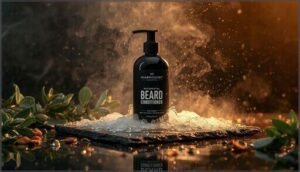
Beard conditioner is an in-shower product designed to deep-clean and hydrate your facial hair from root to tip. Unlike leave-in products, you rinse it out after a few minutes, making it work more like the conditioner you use on your head.
Let’s break down what’s actually inside these products, how they deliver results, and the different types you’ll find on the market.
Common Ingredients
Your beard conditioner is built on a foundation of nourishing carrier oils—jojoba, argan, and sweet almond are common picks. Beard butters like shea and cocoa soften wiry hair, while conditioning agents such as cetearyl alcohol and BTMS help with detangling.
Active ingredients like aloe vera calm the skin, and essential oils or fragrance options add scent.
How It Works
The secret to transforming coarse whiskers lies in how positively charged conditioning agents target your beard’s weak spots. Here’s the curative process behind effective beard conditioner and facial care:
While conditioner works on the surface, beard oil benefits extend deeper to nourish the skin underneath and support stronger, healthier growth over time.
- Cuticle smoothing: Each hair’s outer scales flatten, cutting friction and making detangling seamless during your beard care routine
- Shaft hydration: Water and nutrients penetrate damaged layers, strengthening hair follicles and improving beard texture
- Protective film: A thin barrier shields strands from combing damage, supporting consistent beard growth
- Enhanced shine: Smoothed surfaces reflect light evenly, boosting your beard’s natural luster without heavy products
This dual action benefits both hair care and skin health beneath your beard.
Types of Beard Conditioners
Your arsenal includes five distinct formulas, each engineered for specific beard challenges.
| Type | Application Method | Best For |
|---|---|---|
| Rinse Out | Applied 2-5 minutes in shower, then washed away | Post-wash softening and detangling |
| Leave In | Stays on beard after towel-drying | All-day frizz control and styling support |
| Co Wash | Massaged in, briefly left, rinsed out | Cleaning without stripping natural oils |
| Moisturizing | Seals water into hair cuticle | Dry, brittle beards needing hydration |
| Strengthening | Protein-based, used weekly | Damaged beard hair with breakage |
Rinse out formulas pair perfectly with beard oil for complete beard care and maintenance.
What is Beard Oil?

Beard oil is your daily defense against dry, scratchy facial hair and the irritated skin lurking beneath it. This lightweight, leave-in product combines carrier oils with essential oils to nourish both your beard and the skin underneath.
Let’s break down what’s actually inside beard oil and the different types you’ll find on the market.
Core Ingredients
Your beard oil bottles may look simple, but they pack a mix of active ingredients that work together. Most formulas blend carrier oils with essential extracts, conditioning agents, and fragrance options to deliver targeted beard care.
- Carrier oils like jojoba, argan, grapeseed, and sweet almond soak into hair and skin fast
- Essential oils add scent and antioxidant support
- Vitamin E (tocopherol) prevents rancidity and maintains skin barrier health
Types of Beard Oils
You’ll find beard oil in five main categories, each built for specific results. Scented oils blend carrier oils like jojoba with essential oils such as tea tree oil to deliver fragrance alongside conditioning. Organic blends skip pesticides and rely on plant-based ingredients. Synthetic oils use lab-made components for longer shelf life.
Absorption rates and finish types range from lightweight and matte to rich and glossy.
Benefits of Beard Conditioner

Beard conditioner isn’t just another product to clutter your bathroom shelf—it’s designed to fix what regular washing can’t. If your beard feels rough, tangled, or just won’t cooperate, conditioner targets those problems head-on.
Here’s what it actually does for your facial hair.
Deep Hydration for Beard Hair
Your beard pulls moisture from skin and air, then loses it fast to evaporation—especially in dry climates.
Conditioners fix this by combining humectants like glycerin to draw water into hair shafts with emollients that seal it in.
Leave them on for two to five minutes in the shower so deep hydration can actually penetrate coarse fibers and reach your follicle care base.
Softening and Detangling
Conditioning agents bind to each strand and coat it with a slippery layer that lowers friction when you drag a comb through dense beard textures. Hair softeners like silicones smooth cuticles so fibers slide past each other instead of snagging.
Apply your beard conditioner, wait three minutes, then use wide-tooth detangling tips—roots to ends—for softening that makes beard care seamless.
Reducing Frizz and Damage
Smooth cuticles mean less frizz, and hydrating ingredients repair damage from heat tools or harsh weather. When you seal each hair shaft with conditioner, breakage drops because strands bend instead of snapping.
Lock in moisture and protect against environmental stress with this three-step plan:
- Condition twice weekly to restore hydration and smooth rough cuticles
- Apply beard oil daily as a protective barrier against humidity
- Trim split ends monthly to stop damage from traveling upward
Benefits of Beard Oil

Beard oil isn’t just about making your beard look good—it’s your first line of defense against the skin problems that come with growing facial hair. While conditioner manages the hair itself, oil goes straight to the source by targeting the skin underneath.
Here’s what beard oil actually does for you.
Moisturizing Skin Beneath The Beard
Your beard looks sharp, but the skin underneath? That’s where beard oil shines. It delivers essential hydration methods that penetrate down to your face, not just the hair.
Lightweight oils like jojoba and squalane moisturize without feeling greasy, keeping dry skin solutions simple.
This targeted approach to skin care stabilizes moisture levels, reduces tightness, and sets the foundation for genuine beard health tips that work.
Preventing Beard Itch and Dandruff
Keeping your skin calm stops beard itch causes before they start. Beard oil addresses flake prevention by balancing moisture and reducing the yeast overgrowth that triggers beardruff.
Smart beard hygiene tips include:
- Washing 2–4 times weekly to remove buildup without stripping oils
- Applying beard oil daily to maintain hydration between washes
- Choosing tea tree formulas to target skin irritation naturally
- Patting dry instead of rubbing to avoid friction and redness
This beard care routine delivers real beard health benefits.
Enhancing Beard Shine and Manageability
Beyond stopping itch, beard oil gives you actual control over how your beard looks. Argan and jojoba blends coat each hair for smoother, shinier styling—no grease, just polish.
Daily application makes frizz control methods simple: warm a few drops in your palms, work skin to tips, then brush through. Your beard stays soft, manageable, and reflects light like you actually know what you’re doing.
When to Use Beard Conditioner Vs Oil

Knowing when to reach for conditioner versus oil makes all the difference in your beard care routine. Each product has its moment to shine based on what your beard needs right then.
Let’s break down the specific situations where each one works best.
Post-Wash Beard Care
Right after washing, your beard is primed for peak absorption. Pat it dry gently—rubbing damages cuticles. Apply conditioner in the shower, leave it for 2 to 4 minutes, then rinse thoroughly. Once you’ve finished drying your beard, work 3 to 7 drops of oil through damp hair and skin. This post-wash routine locks in hydration and prepares your beard for styling.
| Product | Timing | Purpose |
|---|---|---|
| Conditioner | In-shower, 2-4 min | Deep hydration, detangling |
| Oil | After drying | Skin moisturizing, hair nourishment |
Daily Beard Maintenance
Every morning, your beard demands consistent attention to stay sharp and healthy. This daily beard maintenance routine builds the foundation for long-term beard health.
Use beard oil once or twice daily to balance skin hydration and prevent dryness. Brush with boar bristles to distribute natural oils and tame flyaways. Trim stray hairs weekly to maintain your shape.
| Maintenance Task | Tool/Product | Frequency |
|---|---|---|
| Moisturizing | Beard oil | 1-2 times daily |
| Distribution & shine | Boar bristle brush | Once daily |
| Edge control | Scissors or trimmer | Weekly |
Special Beard Concerns
Trouble spots in your beard demand targeted solutions—not guesswork. Match your main struggle to the right weapon below.
| Beard Concern | Best Product |
|---|---|
| Itchy skin, beard dandruff, patchy growth | Beard oil (jojoba or argan) |
| Split ends, curly beards, frizz | Beard conditioner (rinse-out) |
Build your beard care routine around these fixes. Oil resolves skin-level issues like beardruff. Conditioner manages hair damage and texture control in your beard maintenance plan.
Application Methods Compared
Getting the application right makes all the difference in your beard care routine. The way you apply conditioner versus oil isn’t just about slapping product on your face—each has a specific technique that maximizes results.
Here’s how to properly use each product and how often you should be reaching for them.
How to Apply Beard Conditioner
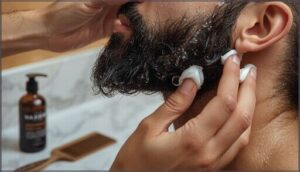
Getting beard conditioner right starts with preparation. Wash your beard first with a dedicated beard shampoo, then pat it damp—not dripping. Squeeze a quarter-sized amount into your palms, warm it up, and work it from your neck upward to coat roots and skin.
Use a wide-toothed comb to distribute evenly. Leave rinse-out formulas for 2–10 minutes, then rinse thoroughly with cool water.
How to Apply Beard Oil

Beard oil works best on a clean, slightly damp beard right after showering—open pores drink it in.
Dispense 2–3 drops for short beards, 4–6 for medium, and 8–12 for longer growth into your palms. Rub to warm the jojoba oil and essential oils, massage into skin first, then work through beard hair from roots to tips.
Frequency of Use

Your grooming routine thrives on consistency, not guesswork. Most beards need beard oil daily—once after showering—to lock in skin moisture and support healthy beard growth. Beard conditioner works differently:
- Short beards: Apply 2–3 times weekly to avoid product buildup
- Medium beards: Use 3–4 times per week for tangle control
- Long beards: Condition daily or every other day for deep hydration
These usage guidelines keep your beard care products effective without overloading your facial hair.
Choosing The Right Product for Your Beard

Picking the right beard product isn’t one-size-fits-all. Your beard’s length, thickness, and your skin’s needs all play a role. Here’s what you should consider before making your choice.
Beard Length and Thickness
Your facial hair length and density determine which product delivers the best results. Short beards under 1.5 centimeters thrive on beard oil alone—it penetrates quickly and prevents itch.
Medium to long beards between 1.6 and 7.5 centimeters need both conditioner for deep softening and oil for daily moisture.
Thick beards with coarse beard texture demand richer conditioner to tackle stiffness, while fine hair stays light with oil only.
Skin Type and Sensitivity
Your skin reacts before your beard does—and ignoring that’s a rookie move. Sensitive skin demands fragrance-free beard oil with lightweight carriers like jojoba to prevent irritation and redness. Dry skin solutions point you toward richer conditioners with ceramides for skin barrier repair, while oily skin types benefit from non-comedogenic formulas that won’t clog pores.
- Sensitive skin care: Choose gentle formulas without fragrance or alcohol to reduce beard irritation
- Dry skin solutions: Pick conditioners with ceramides and occlusives for skin moisturizer benefits and skin comfort
- Oily skin: Opt for lightweight beard oil that hydrates without triggering breakouts
- Skin barrier repair: Use products with lipids to strengthen protection and lower reactivity
Desired Look and Style
Your style goals drive product choice more than any generic advice ever will. A natural-looking finish needs just 3 to 6 drops of fast-absorbing beard oil for healthy shine without grease.
Sleek and polished grooming tips point toward heavier oils with argan for glossy control. Want fullness? Beard conditioner prevents breakage while balm over oil lifts hairs outward.
Casual days call for light oil; formal events demand layered beard styling with conditioner, oil, and balm for crisp definition.
Can You Use Both Products Together?
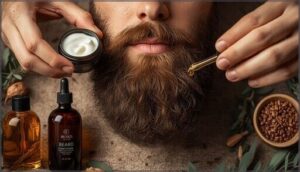
You don’t have to choose between beard conditioner and oil—they work better as a team. Using both products together gives you the full package: deep conditioning plus daily moisture and protection.
Here’s how to layer them properly for maximum beard health.
Layering Techniques
Stacking conditioner and beard oil isn’t guesswork—it’s about hydration strategies that match your beard texture. Here’s how layering order maximizes oil absorption and keeps your beard styling sharp:
- Rinse conditioner thoroughly, then towel-dry until damp—not soaked.
- Wait 1–2 minutes so residual moisture settles before applying oil.
- Use 3–6 drops of beard oil for medium beards, working root to tip.
- Let oil absorb 3–5 minutes before adding balm or styling products.
Best Order of Application
Always apply beard conditioner first during your shower routine, rinse it completely, then follow with beard oil on towel-dried hair. This product layering sequence prevents residue buildup and maximizes absorption.
Conditioner hydrates your beard texture deeply, while oil locks in moisture and nourishes skin beneath. Proper application timing ensures each beard care product works at full strength without interference.
Maximizing Beard Health
Consistency unlocks the real power behind combining beard conditioner and beard oil in your facial hair routine. Using both products regularly delivers complete beard nutrition—conditioner strengthens beard hair structure while oil maintains skin balance underneath.
This dual approach promotes healthier hair growth, reduces breakage, and keeps your beard styling sharp. Solid beard maintenance means choosing quality hair care products and sticking with them for ideal grooming results.
Expert Tips for Optimal Beard Care

You’ve got the basics down, but mastering your beard game means avoiding the traps most guys fall into. The difference between a good beard and a legendary one often comes down to sidestepping common errors and adapting your routine when the weather shifts.
Let’s break down the mistakes that sabotage your results and how to adjust your approach throughout the year.
Common Mistakes to Avoid
You can sabotage your whole routine with overuse risks—slathering on too much beard oil or conditioner leaves you greasy, clogs pores, and kills volume. Dirty application traps grime against your skin, while wrong products for your skin type trigger breakouts or flaking.
Insufficient research means you might mix beard oil vs balm incorrectly. Incorrect timing wastes every drop of your beard care products.
Seasonal Beard Care Adjustments
Your beard fights different battles each season, so swap your arsenal accordingly.
Winter beard tips: Reach for richer conditioners and heavier beard oils when cold air strips moisture and indoor heat dries skin.
Humidity control flips in summer—lighter beard care products absorb faster and won’t trap sweat.
Climate adaptation means stocking both formulas, letting beard growth patterns and daily weather dictate your seasonal product switch for smarter beard maintenance tips.
Frequently Asked Questions (FAQs)
Is it better to use beard oil or conditioner?
Neither product proves “better”—your beard dictates the choice. Oil benefits skin beneath your beard with daily moisture, while conditioner uses deep hydration for coarse hair.
Peak beard health demands both beard care products together.
Which is better, beard oil or conditioner?
Your beard’s length decides the winner. Short beards thrive on beard oil’s lightweight nourishment for skin health, while longer beards demand beard conditioner’s deep hydration plus oil for complete beard care.
Should you use beard oil and conditioner together?
Yes. You can layer both products in your daily beard maintenance since conditioner hydrates beard hair while oil moisturizes skin underneath.
Product layering maximizes beard health by addressing different needs simultaneously within your grooming routine.
When should I use beard conditioner?
Apply beard conditioner right after washing your beard to restore moisture and soften hair.
Use it when your facial hair feels coarse or tangled, ensuring proper beard hydration as part of your daily routine.
Does conditioner make your beard softer?
Conditioning products coat each coarse hair shaft with moisture-rich ingredients, smoothing the cuticle and delivering deep beard hydration.
That’s why softening techniques like regular beard conditioner use transform wiry facial hair into touchable, manageable texture.
Can beard products affect facial hair color?
Most beard conditioners and oils won’t alter your natural color stability. However, some formulas contain tinting agents or pigment effects that can subtly shift shade over time, especially with color depositing conditioner variants designed for gradual dye interactions.
How do beard conditioners and oils impact skin allergies?
Many products trigger facial hair care dermatological reactions through fragrance sensitivity and preservatives. Beard conditioner and beard oil both carry allergy prevention risks—watch for skin irritation, beard eczema, and moisturizing ingredient reactions during skincare routines.
Are there age-specific recommendations for using these products?
You’ll want to follow product labels carefully, as fragrance concerns and skin sensitivity increase with age.
Teens should stick with gentle formulas, while seniors benefit from hypoallergenic options that reduce irritation risk.
How do climate and seasons affect product choice?
Your climate dictates product weight. Cold, dry winters demand richer beard oils and weekly deep conditioners to fight flaking.
Hot, humid summers call for lightweight formulas that won’t trap sweat or clog pores.
Which product works better for patchy beards?
Think of it like tending sparse grass: nourishing the soil beneath matters most. Beard oil wins for patchy growth—it hydrates skin, softens existing hair texture, promotes follicle health, and helps your beard style camouflage thin spots better than conditioner alone.
Conclusion
Stop treating your beard like a one-product problem. The beard conditioner vs oil debate misses the point entirely—your face needs both.
Conditioner rebuilds your hair from the inside out, turning brittle strands into something you’d actually want to touch. Oil keeps the skin underneath calm and flake-free.
Run them together and you’ll finally have a beard that looks intentional instead of accidental. Different tools. Different jobs. Same face.
- https://www.geauxbearded.com/blogs/news/the-benefits-of-beard-conditioner
- https://www.gillette.co.in/en-in/tips-for-shaving/skin-care/beard-oil-uses-and-side-effects
- https://evanalexandergrooming.com/blogs/the-den/transform-your-beard-with-evan-alexander-grooming-a-complete-guide-to-leave-in-beard-conditioner