This site is supported by our readers. We may earn a commission, at no cost to you, if you purchase through links.

Grey hair doesn’t happen overnight, but the panic when you spot that first silver streak often does. Your scalp produces less melanin as you age, but factors like oxidative stress, nutritional gaps, and genetics accelerate the process—sometimes decades earlier than you’d expect.
While no shampoo can reverse greying at the follicle level, the right formula can slow visible progression, deposit subtle color, and improve the texture that makes grey strands coarser and harder to manage. Some products rely on herbal extracts to support scalp health, while others use oxidative dyes that gradually blend greys into your natural color.
Understanding the difference between cosmetic camouflage and biological support will help you choose a shampoo that matches your hair type, goals, and tolerance for maintenance.
Table Of Contents
- Key Takeaways
- 10 Best Shampoos to Reduce Grey Hair
- 1. WOW Skin Science Onion Black Seed Shampoo
- 2. Biotique Henna Shampoo for Dark Hair
- 3. Just For Men Control GX Shampoo
- 4. DXN Ganozhi Ganoderma Shampoo 250ml
- 5. Forest Essentials Amla Honey Mulethi Cleanser
- 6. Patanjali Kesh Kanti Reetha Hair Cleanser
- 7. Grisi Organogal Darkening Shampoo Cactus Extract
- 8. Klorane Anti Yellowing Hair Essentials
- 9. Kerastase Blond Absolu Purple Shampoo
- 10. Loreal Paris Purple Shampoo Brass Toning
- Key Ingredients That Target Grey Hair
- How Shampoos Reduce Grey Hair Appearance
- Choosing The Right Shampoo for Grey Hair
- Tips for Maximizing Shampoo Results
- Natural Methods to Support Grey Hair Reduction
- Limitations and Evidence for Grey Hair Shampoos
- Frequently Asked Questions (FAQs)
- Conclusion
Key Takeaways
- Most grey hair shampoos work through cosmetic color-depositing or toning rather than reversing melanin loss at the follicle level, so expect gradual blending and tone correction instead of true repigmentation.
- Ingredients like henna, black walnut, and purple pigments mask or darken grey strands temporarily, while antioxidants (onion oil, ganoderma) and moisturizers (argan oil, hyaluronic acid) support scalp health and improve hair texture without proven grey reversal.
- Sulfate-free formulas paired with proper application—2-3 times weekly, left on for several minutes, and alternated with hydrating cleansers—maximize color deposit and minimize dryness or over-toning.
- Addressing internal factors like stress, nutrient deficiencies (B12, copper, iron), and UV damage through diet, supplements, and sun protection can slow premature greying more effectively than shampoo alone.
10 Best Shampoos to Reduce Grey Hair
You’ll find shampoos designed to reduce grey hair work in different ways, from depositing subtle color to nourishing follicles with ingredients linked to pigment support. Some formulas use herbal extracts or peptides that claim to slow premature greying, while others focus on toning yellow hues or blending existing grey strands.
Below, we’ve rounded up ten options that combine various mechanisms to help you manage grey hair at home.
1. WOW Skin Science Onion Black Seed Shampoo
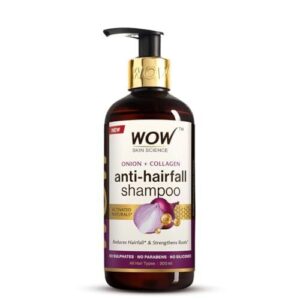
You’ll find WOW Skin Science Onion Black Seed Shampoo positioned as a gentle, sulfate-free formula that blends red onion seed benefits with black seed efficacy to strengthen your hair and support scalp health.
The ingredient profile includes conditioning agents like panthenol and betaine, creating a mild cleanser suitable for daily use.
Marketing claims suggest it can reduce hair fall and prevent premature greying through antioxidant action, though user-reported outcomes focus more on improved texture and shine than measurable grey hair reduction.
This shampoo reviews better as a supportive grey hair treatment for overall hair vitality rather than biological repigmentation.
Best For: People looking for a gentle, sulfate-free shampoo to strengthen hair and support scalp health, especially if you’re dealing with hair fall, dryness, or dullness—though it’s not a proven solution for reversing grey hair.
- Mild, plant-derived cleansing agents make it suitable for frequent use and various hair types without harsh sulfates or parabens.
- Contains conditioning ingredients like panthenol and betaine that improve hair texture, shine, and manageability according to user reviews.
- Antioxidant-rich onion and black seed oils may support overall scalp health and potentially slow premature greying, though evidence is more theoretical than clinical.
- No peer-reviewed clinical data showing measurable reduction or reversal of grey hair—claims rely on ingredient properties rather than product-specific trials.
- Some users report no improvement in hair growth or even increased hair fall, with results varying widely between individuals.
- Defective pumps and long international shipping times have been common complaints, and it may not work well for oily hair types.
2. Biotique Henna Shampoo for Dark Hair
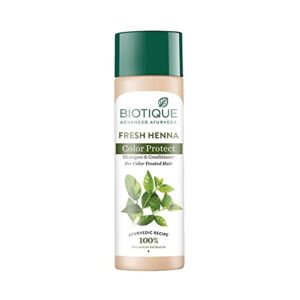
Switching gears to Biotique Bio Henna, you’re looking at an Ayurvedic formulation that blends henna benefits with botanicals like soap nut and Brahmi for color enhancement and scalp care.
Ingredient analysis shows only 2% henna—enough to add subtle brown highlights, but not dramatic color change.
User experiences often mention softer, shinier hair with less frizz, though some say results vary by hair type.
This shampoo aids grey hair reduction mainly by masking new greys, not reversing established ones—think gentle, plant-powered hair care.
Best For: People with dark hair who want a gentle, herbal shampoo that adds subtle brown highlights, softens texture, and helps mask the appearance of new grey hairs through plant-based ingredients.
- Contains natural botanicals like henna, soap nut, and Brahmi that condition hair while adding shine and reducing frizz
- Dermatologist-tested formula is vegan, cruelty-free, and free from harsh synthetic preservatives
- Can help delay the visible appearance of premature grey by depositing light brown tones with regular use
- Only 2% henna content means color effects are subtle and won’t dramatically darken hair or cover established grey
- Some users find it pricey compared to conventional shampoos, and it may not lather much due to its herbal nature
- Results vary by individual hair type, and full ingredient transparency isn’t always provided beyond key botanicals
3. Just For Men Control GX Shampoo
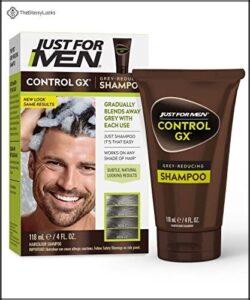
Just For Men Control GX takes a different approach—it’s a gradual gray reduction shampoo using oxidative dye precursors from the phenylenediamine family. You’ll see results after several weeks of regular use, not overnight. Consumer reviews suggest noticeable blending around week three, though the formula won’t eliminate all gray hair—it’s designed for subtle darkening.
Before you start, do the required 48-hour skin allergy test; regulatory compliance mandates serious allergen safety warnings because phenylenediamines can trigger hypersensitivity reactions. Follow shampoo application tips carefully to avoid staining and improve hair color results.
Best For: Men who want a low-maintenance way to blend scattered grays gradually without the commitment or obvious look of traditional hair dye.
- Works slowly over 2–3 weeks so the change looks natural and nobody notices you’re coloring your hair
- Replaces your regular shampoo routine—no separate dye sessions or messy application kits
- Lets you control how much gray you keep by stopping once you hit your preferred shade
- Contains phenylenediamine allergens that require a mandatory 48-hour patch test and carry serious reaction warnings
- Can stain your skin, shower, and towels if you’re not careful during application and rinsing
- Won’t cover all your gray—it’s designed for partial blending, so heavy gray coverage takes longer or may stay visible
4. DXN Ganozhi Ganoderma Shampoo 250ml
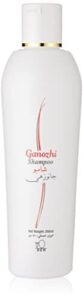
DXN Ganozhi Ganoderma Shampoo 250ml shifts gears entirely—it’s a care-focused cleanser, not a color-depositor. Ganoderma extract and panthenol work to condition your scalp and smooth hair shafts, improving shine and manageability.
User experiences highlight softer hair and reduced breakage, though some report initial dryness during the first two weeks.
Here’s the reality: no clinical trials show this shampoo repigments gray hair. Laboratory data on Ganoderma even suggests anti-melanogenic effects, meaning it theoretically opposes pigment formation. If you’re chasing true gray reversal, manage your expectations—this product prioritizes scalp health over color correction.
Best For: People looking for a gentle, scalp-health shampoo with Ganoderma that softens hair and reduces breakage—not those expecting proven grey-hair reversal.
- Ganoderma extract and panthenol improve shine, smoothness, and manageability across all hair types
- PH-balanced formula helps reduce breakage, leading to less hair fall from damage
- Mild cleanser suitable for daily use with generally positive user feedback on scalp comfort
- No clinical evidence it repigments grey hair—lab data suggests Ganoderma may actually reduce melanin production
- May cause dry hair during the first two weeks of use
- Small 250ml bottle requires frequent replacement for households with multiple users
5. Forest Essentials Amla Honey Mulethi Cleanser

Forest Essentials Amla Honey Mulethi Cleanser leans heavily on Ayurvedic ingredients—amla, henna, mulethi, and honey—promoted for preventing premature greying through scalp health and follicle nourishment. The sulfate-free formula offers gentle cleansing without stripping natural oils, and user reviews praise improved shine and softness.
However, no peer-reviewed trials validate grey hair reduction claims; benefits rest on traditional use, not clinical proof. Some users report slower greying progression, though these observations remain anecdotal.
If you’re seeking a nourishing shampoo that may support hair health, this fits—but don’t expect documented repigmentation.
Best For: Anyone drawn to Ayurvedic hair care who wants a gentle, sulfate-free cleanser that may support scalp health and slow premature greying, though without clinical proof.
- Gentle, sulfate-free formula cleanses without stripping natural oils, making it suitable for daily use and all hair types
- Contains traditional Ayurvedic ingredients like amla and henna, which are believed to strengthen follicles and maintain hair color
- Users report improved shine, softness, and reduced hair fall with regular use
- No peer-reviewed studies confirm the grey hair reduction claims—benefits are based on traditional use, not clinical trials
- Mixed feedback on moisturizing ability, and some users find it ineffective for their specific scalp issues or hair type
- Premium price point may not justify results for everyone, especially if you’re expecting measurable repigmentation
6. Patanjali Kesh Kanti Reetha Hair Cleanser

Patanjali Kesh Kanti Reetha Hair Cleanser incorporates classic Ayurvedic ingredients like reetha, amla, and shikakai into your daily routine. It focuses on scalp health and dandruff control rather than instant grey coverage.
Controlled anti-dandruff studies show that herbal shampoos, including Kesh Kanti variants, match synthetic formulas in reducing flaking and irritation. Market analysis reveals that India’s herbal shampoo segment is booming, with consumers favoring natural formulations.
However, some users report dryness, and claims about reversing grey hair lack solid clinical backing. If you seek gentle cleansing with traditional hair-care benefits, this product fits—but don’t expect documented repigmentation.
Best For: People who want a natural, Ayurvedic shampoo for daily cleansing that helps with dandruff and scalp health without harsh chemicals.
- Clinically shown to reduce dandruff and flaking as well as synthetic shampoos, making it a solid herbal option for scalp issues.
- Uses traditional ingredients like reetha, amla, and shikakai that gently cleanse while supporting hair texture and shine.
- Fits into the growing demand for plant-based hair care, offering a natural alternative to chemical-heavy formulas.
- Some users experience dryness or rough hair texture, especially without a good conditioner to follow up.
- Claims about reversing grey hair aren’t backed by strong clinical evidence—it’s more about maintaining scalp health than repigmentation.
- Contains sulfate cleansers despite its herbal branding, which may disappoint those looking for a fully sulfate-free product.
7. Grisi Organogal Darkening Shampoo Cactus Extract
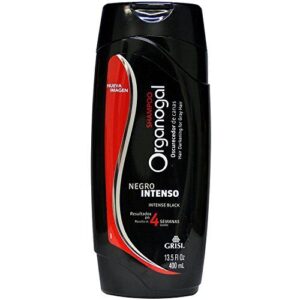
Grisi Organogal combines cactus hydration benefits with walnut darkening effects to gradually color gray strands. You’ll apply it like regular shampoo, but expect a gradual color change over four weeks rather than instant coverage.
Black walnut extract deposits natural pigments on your hair shaft, while cactus provides vitamins and moisture. Watch for application staining risks on skin and towels.
Product reviews and ratings show mixed results—some users see noticeable darkening, others report minimal change. Long-term efficacy depends on your hair type and consistent use, so manage expectations accordingly.
Best For: People with light to moderate gray who want a gradual, natural-looking darkening alternative to traditional hair dye and don’t mind waiting several weeks for results.
- Uses natural botanical extracts (cactus and black walnut) instead of harsh chemical dyes, making it gentler on hair and scalp
- Works as a 2-in-1 product that both darkens gray hair and conditions with vitamins and moisture from cactus extract
- Provides subtle, progressive color change that looks more natural than instant dye jobs
- Results are inconsistent—some users see noticeable darkening while others report little to no change even after months of use
- Stains skin, towels, and bathroom surfaces easily during application and requires careful handling
- Requires daily or very frequent use to maintain results, and the darkening effect can fade between washes or when using styling products
8. Klorane Anti Yellowing Hair Essentials
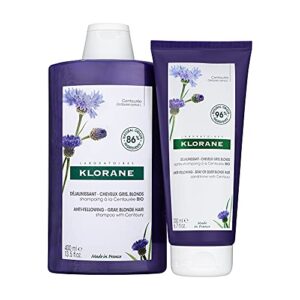
If your gray hair is taking on brassy yellow tones, Klorane Anti-Yellowing Shampoo uses centaury pigment—a botanical blue extract—to neutralize warmth without harsh purple dye. Anti-yellowing efficacy is backed by user data showing 93% saw reduced yellowing after 15 days.
You’ll get 86% naturally derived ingredients and gentle surfactants that won’t strip your scalp. The application regimen is simple, hair feel stays soft, and cosmetic quality improves with consistent use.
It’s a plant-based alternative when traditional purple shampoo formulas feel too harsh for your gray hair care routine. Apply daily or as needed for best results.
Best For: Anyone with gray, white, or platinum blonde hair who wants to get rid of yellow or brassy tones using a gentler, plant-based formula instead of traditional purple shampoos.
- Uses natural centaury pigment to neutralize yellowing—93% of users saw less brassiness after just two weeks of regular use.
- Contains 86% naturally derived ingredients with mild surfactants, so it’s gentle enough for daily washing without drying out your hair or scalp.
- Leaves hair shiny, soft, and easy to style while maintaining cool silver tones, with 93% of users reporting more radiant-looking hair.
- Pricey at $46 for about a pound of product, which adds up if you’re using it frequently.
- Some customers report packaging problems like leaking bottles and tops that are tough to open.
- A few users mention the newer formula doesn’t work as well as the old version, and in rare cases, people experienced increased hair breakage or shedding.
9. Kerastase Blond Absolu Purple Shampoo

When salon-quality toning is what you’re after, Kérastase Blond Absolu Purple Shampoo delivers concentrated violet pigment (Acid Violet 43) that neutralizes yellow and brass in grey hair from the first wash.
Hyaluronic acid and edelweiss extract provide hydration balance, strengthening fibers up to 16 times when paired with the brand’s conditioning treatment.
Usage frequency matters—apply once or twice weekly, leaving it on for two to five minutes, then alternate with a gentler cleanser to avoid over-pigmentation.
Cost analysis shows premium pricing, but purple shampoo benefits include lasting tone correction between salon visits.
Best For: People with cool blonde, bleached, ashy, or grey hair who want salon-level toning at home and don’t mind premium pricing for concentrated violet pigment that neutralizes yellow undertones between professional visits.
- Delivers instant brassiness neutralization with highly concentrated Acid Violet 43 pigment that works in one wash
- Strengthens hair fibers significantly (up to 16x when used with the brand’s conditioner) thanks to hyaluronic acid and edelweiss extract
- Provides lasting tone correction and protection from oxidation when used once or twice weekly as part of a rotation
- Premium price point that some users find hard to justify compared to drugstore purple shampoos
- Can be drying to certain hair types, often requiring additional moisturizing products in your routine
- Risk of over-pigmentation or discoloration (especially on extensions) if you use it too frequently or leave it on too long
10. Loreal Paris Purple Shampoo Brass Toning
If you’re looking for accessible color correction without breaking the bank, L’Oréal Paris EverPure Purple Shampoo delivers violet pigment (CI 60730/Ext. Violet 2) and hibiscus extract to neutralize brassy yellow tones in grey, silver, or blonde hair.
The sulfate-free benefits come from gentler surfactants like coco-betaine, reducing dryness common in color-treated hair. Apply two to three times weekly, leaving on one to two minutes—longer contact risks a temporary violet cast on porous strands.
Hydration effects from amodimethicone improve softness, making this L’Oréal Paris formula a practical choice for at-home hair toning and brassiness control.
Best For: People with blonde, silver, grey, or highlighted hair who want an affordable way to neutralize yellow or brassy tones at home without the dryness of traditional purple shampoos.
- Sulfate-free formula with gentler surfactants that won’t strip color or leave hair feeling parched
- Visible reduction in yellow-orange tones after a few weeks when used two to three times per week
- Softens and conditions while toning, thanks to hibiscus extract and amodimethicone
- Leaving it on too long can create a temporary purple or violet cast, especially on very light or porous hair
- Some users find it doesn’t completely eliminate brassiness and requires consistent use to maintain results
- Can be drying for certain hair types despite being sulfate-free, and the scent may not appeal to everyone
Key Ingredients That Target Grey Hair
When you’re looking at shampoos that claim to reduce grey hair, you’ll notice certain ingredients pop up again and again. These active compounds work in different ways—some darken strands, others protect pigment, and a few nourish the scalp to support healthier hair growth.
Let’s break down the key players you should recognize on the label.
Red Onion Seed Oil and Black Seed Oil
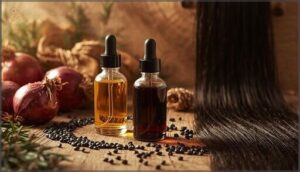
Among Natural Ingredients gaining attention for Hair Pigmentation, red onion seed oil benefits include reducing premature greying through improved scalp health and circulation. Black seed oil aids Hair Growth Factors by strengthening follicles during the oil extraction process. Argan oil can also contribute to hair health by providing a hydrating boost.
Traditional uses in hair care have led many shampoo formulas to blend these oils, targeting grey hair while nourishing your scalp with time-tested botanicals.
Henna and Herbal Extracts
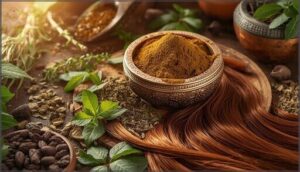
If you want a plant-based option with lasting color, henna delivers through lawsone binding—a natural dye molecule that attaches to your hair shaft and gives grey strands copper-to-auburn tones. Traditional applications often pair henna with indigo blending for deeper shades, and repeated use builds henna color intensity over time.
As a natural and organic solution, henna promotes hair growth and scalp turnover. These Ayurvedic herbs offer herbal dye safety without harsh chemicals in your hair care routine.
Ganoderma and Vitamin B5

Beyond surface color, you’ll find ingredients that work at the follicle level to protect your hair from stress-driven aging. Ganoderma extract helps maintain healthy cell activity in follicles, while vitamin B5 penetrates deep into each strand to strengthen bonds and lock in moisture. These additions support grey hair health through tangible improvements in shine, resilience, and manageability.
- Ganoderma reduces oxidative stress that accelerates follicle aging
- Vitamin B5 reinforces internal hair structure and prevents breakage
- Both ingredients boost moisture retention for softer, more radiant grey strands
Centaury and Cornflower Extracts

When yellow tones dull your grey hair, centaury and cornflower extracts deliver a natural fix. These plant-based blue pigment sources neutralize unwanted warmth without harsh chemicals, making your silver strands look cooler and brighter. Grown organically in France, the extracts pair with gentle cleansing bases that respect hair fiber integrity during regular shampoo use.
| Feature | How It Works | Best For |
|---|---|---|
| Blue pigment source | Cyanocentaurein counteracts yellow tones | White and platinum grey hair |
| Yellow tone neutralization | Delivers subtle silver highlights | Photodegraded or brassy strands |
| Application frequency | Safe for regular hair treatment routines | Fragile, aging grey hair care |
| Gentle cleansing bases | Preserves strand structure during washing | Sensitive scalps and brittle hair |
| Hair fiber integrity | Maintains natural ingredients without damage | Anyone seeking safer hair care |
Argan Oil and Hyaluronic Acid

Fiber elasticity matters because gray hair grows coarser and more brittle over time. Argan oil’s 80% unsaturated fatty acids—mainly oleic and linoleic acid—improve moisture retention and cut protein loss by up to 40% during heat styling.
Meanwhile, hyaluronic acid penetrates the cortex to strengthen keratin bonds, boosting tensile strength while reducing frizz by 11%.
Together, these ingredients restore shine and manageability without altering pigment in your hair care routine.
How Shampoos Reduce Grey Hair Appearance
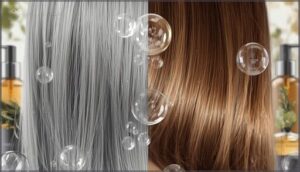
Most shampoos marketed for grey hair work through cosmetic effects rather than reversing the biological process of greying. They use color-depositing pigments, toning agents, and conditioning ingredients to mask grey strands and improve the overall appearance of your hair.
Understanding these mechanisms helps you set realistic expectations and choose products that match your specific needs.
Color-Depositing Technology
Color-depositing shampoos work through controlled pigment delivery, where dye molecules bind to your hair’s outer cuticle during washing. These formulations use specific mechanisms to help you manage grey visibility:
- Purple shampoo and silver shampoo neutralize yellow tones using complementary color theory, with violet pigments creating cooler hues through color neutralization.
- Gradual grey-reducing formulas layer small amounts of pigment with each wash, building darker tones over multiple applications through repeated dye binding.
- Color-correcting shampoos combine nonionic surfactants with cationic dyes for formulation stability, enabling simultaneous cleansing and pigment deposit while supporting color protection.
Your usage patterns directly affect results—most color-depositing products require three to five minutes of contact time and once-or-twice weekly application to maintain tonal correction without over-darkening.
Gray-Blending and Toning
Unlike full-coverage formulas, gray-blending and toning shampoos reduce visibility through optical effects rather than total repigmentation. Purple shampoo neutralizes brassiness by depositing violet pigments that counteract yellow tones—most effective when your hair is 20–50% gray.
Gray-blending mechanisms layer color gradually, creating softer contrast with your natural shade. You’ll see 30–60% coverage differences depending on your gray percentage, with best product performance emerging after consistent use over several weeks.
Moisturizing and Shine-Boosting Effects
Beyond covering gray, your shampoo’s hydration mechanisms directly affect how light bounces off each strand. Gray hair generally runs drier than pigmented hair, so lightweight formulas with argan oil and hyaluronic acid restore moisture without weighing down your locks.
These oil benefits include cuticle smoothing—creating that reflective surface you’re after. When your hair care routine prioritizes shine enhancement through proper hydration, your gray hair transforms from dull to luminous.
Strengthening and Protecting Hair Structure
Think of your hair shaft as a layered structure—when cuticle integrity breaks down, protein loss accelerates, leaving strands vulnerable. UV radiation and heat styling compound the damage, but targeted hair care tips can turn things around.
Shampoos with conditioning polymers boost silicone deposition, reducing friction during styling and reinforcing hair health. That’s hair strengthening in action—proper hair maintenance protects what gray hair needs most: resilient structure.
Choosing The Right Shampoo for Grey Hair
Not all shampoos for grey hair work the same way, and picking the wrong one can leave you disappointed or dealing with unwanted yellow tones. Your choice depends on whether you’re looking to mask grey, add moisture, or simply keep your hair healthy while it transitions.
Let’s walk through the key factors that’ll help you find a formula that actually fits your hair’s needs.
Sulfate-Free Formulas
When you’re shopping for gray hair care, sulfate-free shampoo is your best bet for protecting your scalp barrier and preserving moisture retention. Harsh sulfates strip natural oils and damage cuticle integrity, leaving gray strands dry and brittle.
That’s why market adoption of sulfate-free formulas has skyrocketed—consumer preference now leans heavily toward gentler cleansers that keep color vibrant and hair healthy without irritation.
Hydrating and Nourishing Ingredients
Look for humectants like glycerin and panthenol that draw moisture into your hair shaft—one hyaluronic acid shampoo claims up to 72 hours of hydration.
Plant oils such as argan and coconut strengthen elasticity and penetrate deeply, while conditioning agents smooth the cuticle for better shine.
Antioxidants like vitamin E protect against environmental damage, addressing the unique hydration needs that make gray hair feel coarse and dry.
Color Correction Vs. Repigmentation
Color-correcting shampoos deposit temporary pigments that mask gray hair through optical neutralization—purple tones cancel yellow—but don’t restore melanocyte activity or hair pigmentation treatment at the follicle level.
Here’s what you need to know:
- Dye durability: Semi-permanent formulas fade after 4–12 washes, requiring repeated use
- Oxidative stress: Toning products don’t address internal hydrogen peroxide buildup
- Clinical repigmentation: Evidence remains limited; most marketed solutions offer cosmetic color correction, not biological change
- Cosmetic limitations: Hair toning and coloring masks gray without reversing pigment loss
Matching Shampoo to Hair Type and Goals
Beyond understanding color correction, your hair type and goals determine which shampoo achieves results. Fine hair users see 30% less breakage with volumizing formulas like Biolage, while thick coarse hair needs moisture-rich options—Kevin Murphy tames frizz by 60%.
For dryness solutions, argan oil reduces coarse gray frizz by 50%. Oily control formulas work for 70% of oily scalps, and color-treated grays benefit from sulfate-free purple shampoos that neutralize brass in 92% of cases.
Tips for Maximizing Shampoo Results

Even the best shampoo won’t deliver results if you’re not using it correctly. How you apply the product, how often you wash, and what you do between washes all matter for managing gray hair.
Let’s look at three practical strategies that can help you get the most from your chosen formula.
Proper Application Techniques
Technique matters more than product choice when you’re fighting grays. Follow these steps to get the most from your gray-targeting shampoo:
- Use about 2 teaspoons of shampoo for full coverage across your scalp and hair.
- Massage your scalp gently with fingertips for 5 minutes to boost circulation and distribute pigment evenly.
- Leave the product on for several minutes so color-depositing agents can work.
- Apply firm pressure without scratching to stimulate follicles.
- Rinse thoroughly to remove buildup while keeping beneficial deposits.
Frequency of Use and Routine Integration
When you’re building a solid hair care routine, your wash frequency directly shapes your results. Use color-depositing shampoos 2–3 times weekly to avoid over-toning and dryness, alternating with a gentle moisturizing formula on other days.
Always follow with a conditioner pairing to lock in hydration, then layer leave-in products for shine and frizz control. Reviews confirm this routine sequencing maximizes gray-coverage benefits over time.
Sun Protection and Diet Considerations
Since UV hair damage accelerates pigment loss in graying hair, you should apply leave-in sprays with broad-spectrum SPF 30 before sun exposure—they shield both scalp and fibers.
Pair that with an antioxidant-rich diet addressing nutrient deficiencies like iron, copper, and vitamin D3, which support melanin synthesis and reduce oxidative stress, giving your anti-gray hair solutions a stronger foundation for long-term hair health.
Natural Methods to Support Grey Hair Reduction

While shampoos can mask or tone gray hair, complementary natural strategies may address the underlying factors that contribute to premature graying. These methods won’t reverse gray strands overnight, but they support scalp health and melanin production from the inside out.
Here’s what you can incorporate into your routine alongside your chosen shampoo.
Herbal Oils and Traditional Remedies
You’ll find that traditional Ayurvedic formulations offer time-tested support for greying hair through topical application. Polyherbal blends combining bhringraj, amla, and brahmi strengthen hair follicles and support pigmentation better than single-herb options.
Consider these natural hair products:
- Henna dyes provide stable copper-to-brown coverage on grey strands after 3–4 hours
- Onion remedies deliver antioxidants that counter oxidative stress when applied 2–3 times weekly
- Rosemary lotions boost scalp circulation and nutrient delivery to hair bulbs
- Amla-brahmi oils maintain melanin production in follicles with consistent use
Stress Reduction and Lifestyle Changes
Chronic stress accelerates premature greying by depleting melanocyte stem cells through sympathetic nerve activation.
Chronic stress triggers premature graying by depleting melanocyte stem cells through sympathetic nerve activation
You can counteract this damage through mindfulness benefits like meditation, which lowers hair cortisol, and improving sleep quality to restore melanin production. Smoking cessation removes pro-oxidant stressors that overwhelm follicle defenses.
These stress management changes complement any antigray hair solutions or shampoo regimen by addressing biological triggers of grey hair at their source.
Dietary Adjustments for Hair Health
What you eat directly influences hair pigmentation and melanin production through micronutrient supply and oxidative defense. To support hair health and maintain color, focus on:
- Protein intake from eggs, fish, and legumes to provide tyrosine and cysteine for melanin synthesis
- Antioxidant foods like berries, leafy greens, and green tea to combat follicle oxidative stress
- Omega3 fatty acids from salmon and sardines to improve scalp circulation and hair structure
- Balanced diet rich in vitamin B12, iron, copper, and zinc to correct micronutrient deficiencies linked to premature greying
Hydration effects also matter—drink adequate water daily for best follicle function and hair care results.
Supplements for Premature Greying
Vitamin B12 and folate deficiencies show up in over half of premature greying cases, making them your first-line supplements. Trace minerals—especially copper—correlate with earlier graying, though zinc and iron don’t show the same link.
PABA benefits and catalase supplements have older or limited evidence. Multi-ingredient efficacy remains unclear; most products support general hair health and melanin production without proven repigmentation.
Limitations and Evidence for Grey Hair Shampoos

Before you invest in a grey-hair shampoo, you need to understand what these products can and can’t do. The science behind grey-hair reduction is still evolving, and most shampoos work differently than you might expect.
Here’s what the research tells us about effectiveness, realistic outcomes, and when it’s time to seek professional guidance.
Clinical Study Findings
Repigmentation evidence for grey hair shampoos remains limited. Most substantial trial data comes from multi-component systems—serums plus supplements—rather than stand-alone shampoos. Small sample sizes and short follow-up periods restrict conclusions about shampoo efficacy.
System studies targeting melanogenesis show promise, but isolating the shampoo’s role is difficult. Reviews confirm that biological grey hair reversal through shampoo alone lacks large-scale support, highlighting gaps between marketing claims and clinical proof.
Cosmetic Vs. Biological Effects
Most gray hair shampoos work through surface coloration rather than follicle repigmentation. They deposit pigment on the hair shaft or neutralize yellow tones—cosmetic fixes that wash out over time.
True biological reversal would require targeting melanin pathways in your follicles, restoring natural pigment production. Current anti-gray shampoo formulations don’t penetrate deeply enough for that.
Safety concerns remain minimal with proper use, though limited evidence confirms actual repigmentation claims.
Managing Expectations and Results
You’ll likely see gradual blending rather than dramatic reversal—most users need 8 to 12 weeks before noticing meaningful change in gray hair appearance. Individual variability matters; some respond well, others see minimal improvement.
Realistic outcomes focus on tonal correction and cosmetic enhancement, not complete repigmentation. Continued use maintains results, but expect partial darkening rather than full restoration.
Satisfaction factors include healthier-looking hair and softer contrast, not necessarily elimination of all grays.
When to Consult a Hair Care Professional
If you notice sudden onset of greys before age 25, especially with scalp symptoms like itching or hair loss, seek professional help. Endocrine disorders and nutritional gaps often hide beneath premature greying.
When cosmetic limitations leave you frustrated or quality-of-life concerns mount, a dermatologist can uncover treatable causes that hair care products alone won’t fix. Your hair health deserves expert eyes when shampoos aren’t enough.
Frequently Asked Questions (FAQs)
Can gray hair ever fully reverse naturally?
Think of your follicles as tiny factories—when their machinery slows, reversing gray hair naturally becomes rare.
Stress-related reversal and medical repigmentation occur occasionally, but biological limits mean complete natural repigmentation cases remain uncommon in premature greying.
How long before seeing noticeable color changes?
Your timeline depends on the product type. Color depositing shampoos show tonal shifts after seven to ten washes, while gradual blending formulas need two to three weeks of daily use for noticeable gray hair reduction.
Are purple shampoos safe for daily use?
While purple shampoo works wonders on gray hair, daily use isn’t wise. Overuse strips scalp oils, triggers pigment buildup, and risks scalp irritation.
For safer practices maintaining hydration balance, limit color correction to once weekly.
Do men and women need different formulas?
Men’s scalps produce more sebum, so AntiGray Shampoo for them may cleanse more deeply. Women often face fragrance sensitivities and dryness.
However, hormonal influence on Hair Type matters more than Marketing tactics when choosing Hair Care for Gray Hair.
Will hard water affect gray reduction results?
Hard water can wreak havoc on gray hair shampoo results. Mineral buildup from calcium and magnesium blocks color-depositing formulas, accelerates color fading, and reduces shampoo efficacy.
Chelating treatments and water softeners offer mitigation strategies.
Conclusion
Managing melanin loss takes more than wishful thinking—it requires the best shampoo to reduce grey hair matched to your scalp’s needs. Whether you’re depositing color gradually, toning brassiness, or nourishing follicles with herbal extracts, consistency matters more than price tags.
Track your progress monthly, adjust your routine when results plateau, and remember that grey coverage works alongside diet, stress management, and sun protection. Your hair’s resilience depends on what you feed it, inside and out.
- https://pmc.ncbi.nlm.nih.gov/articles/PMC11444426/
- https://centreforcrueltyfreetesting.com/products/anti-gray-study-clinical-trial
- https://www.newbeauty.com/arey-gray-hair-study-2024/
- https://www.cosmeticsdesign.com/Article/2024/09/25/Arey-s-double-blind-study-challenges-what-s-possible-in-grey-hair-treatment/
- https://arey.com