This site is supported by our readers. We may earn a commission, at no cost to you, if you purchase through links.
Your skin absorbs roughly 60% of what you put on it—a fact that makes choosing the right products more vital than most people realize. Yet walk into any beauty store, and you’ll face shelves packed with products labeled ‘natural,’ ‘clean,’ or ‘chemical-free,’ each promising purity while their ingredient lists tell different stories.
The truth? Every skincare product contains chemicals, because water, oils, and even vitamins are chemicals by definition. What matters isn’t avoiding chemistry itself—it’s understanding which ingredients support your skin’s health and which ones don’t.
Learning to distinguish genuinely safe formulations from clever marketing takes some knowledge, but it’s simpler than the beauty industry wants you to believe.
Table Of Contents
- Key Takeaways
- What “Chemical Free” Means in Skincare
- Why Avoid Harmful Ingredients in Skincare
- Decoding Skincare Labels and Greenwashing
- Key Ingredients in Chemical-Free Skincare
- Top 10 Chemical-Free Skincare Products
- 1. Herbivore Plumping Hydration Skin Set
- 2. Herbivore Vegan Skincare Mini Set
- 3. Natural Ginger Turmeric Cleansing Balm
- 4. True Botanicals Anti Aging Serum
- 5. Natural Daily Face Cleanser
- 6. Natural Skincare Daily Essentials Kit
- 7. Organic Rose Hydrating Face Serum
- 8. Natural Face And Skin Balm
- 9. Natural Facial Moisturizer Cream Balm
- 10. Natural Hydrating Facial Mist Spray
- Benefits of a Chemical-Free Skincare Routine
- How to Choose Safe Skincare Products
- Frequently Asked Questions (FAQs)
- Conclusion
Key Takeaways
- “Chemical-free” is scientifically meaningless since everything—including water and plant oils—is made of chemicals, so what actually matters is avoiding harmful synthetic ingredients like parabens, phthalates, and undisclosed fragrance compounds that disrupt hormones or trigger allergic reactions.
- Your skin absorbs up to 60% of what you apply, making ingredient literacy critical—look for third-party certifications (ECOCERT, USDA Organic), full INCI disclosure, and avoid products hiding behind vague terms like “fragrance” or “natural” without backing them up with transparent ingredient lists.
- Genuinely clean formulations use plant-based oils (jojoba, argan, squalane), natural humectants (glycerin, hyaluronic acid), and antioxidants (vitamin C, green tea) that support your skin barrier and provide measurable hydration increases of 8–20% within weeks, without stripping or irritating.
- Switching to non-toxic skincare reduces contact dermatitis by roughly 45%, improves skin elasticity by 12–18% over six weeks with consistent use, and supports both personal health and environmental sustainability through biodegradable formulas and reduced plastic waste.
What “Chemical Free” Means in Skincare
You’ve probably seen “chemical free” plastered across skincare labels and wondered what it actually means. The truth is, it’s not as straightforward as it sounds—there’s no single definition, and the industry uses it in wildly different ways.
Let’s break down what brands are really saying when they use this term and how it compares to other popular labels you’ll see.
Defining “Chemical Free” in The Beauty Industry
Chemical free” is everywhere in beauty, yet it lacks a universal legal standard—brands interpret it freely. Most consumers picture plant-based formulas when they see the term, but technically, all skincare contains chemicals.
The key? Look for transparency on labels and focus on products free from unnecessary or harmful synthetic ingredients rather than chasing a scientifically impossible claim.
Differences Between Non-Toxic, Clean, and Organic
These buzzwords overlap, but they’re not identical. Non-toxic skincare avoids ingredients linked to health concerns—though zero verified exposure reduction exists. Clean beauty promises transparency, yet 63% of “clean” products fail third-party certification. Organic skincare requires 95% certified organic ingredients by weight.
Label standards and eco certifications help you cut through green cosmetics hype. Look for trusted verification, not just natural formulas or sustainable beauty claims—they don’t guarantee safety.
Regulatory Standards and Labeling Challenges
Regulatory oversight varies wildly across regions. The EU bans over 1,300 cosmetic chemicals and demands rigorous ingredient disclosure, while the US FDA relies on post-market complaints rather than pre-approval. That gap creates confusion—brands can market “chemical-free” without meeting uniform safety standards or claim verification.
Label compliance hinges on INCI naming, yet enforcement remains inconsistent. Non-toxic skincare and beauty product safety depend on knowing which toxic ingredients your country actually restricts.
Understanding AP study resources can help students prepare for exams and make informed decisions about their education.
Why Avoid Harmful Ingredients in Skincare

Your skin absorbs more than you might think—up to 60% of what you apply ends up in your bloodstream. That’s why understanding which ingredients to avoid isn’t just about skincare trends; it’s about protecting your long-term health.
Your skin absorbs up to 60% of what you apply, making ingredient awareness essential for long-term health protection
Let’s look at four common culprits that deserve your attention.
Health Risks of Parabens
You’ve probably heard the warnings about parabens, and here’s what matters: these preservatives act as endocrine disruptors, potentially triggering hormone imbalance in your body. Studies detect them in breast tissue, raising cancer risks that researchers continue investigating.
Your skin absorption of these toxic ingredients happens daily through lotions and creams. That’s exactly why choosing nontoxic skincare and avoiding chemical-free skincare pitfalls protects your health long-term.
Understanding the importance of a thorough literature review process is essential in evaluating the safety of skincare products.
Dangers of Phthalates
Your exposure to phthalates in lotions and fragrances deserves serious attention. These toxic ingredients slip past labels, disrupting hormones and raising reproductive health risks despite growing regulatory scrutiny.
Research links them to developmental concerns, especially during pregnancy. That’s why nontoxic skincare matters—switching to chemical-free products reduces your daily burden of these harmful compounds while protecting both your wellbeing and the environment.
Effects of Synthetic Fragrance
Synthetic fragrances hide hundreds of undisclosed toxic ingredients behind vague labels, triggering fragrance allergies and skin irritation you won’t see coming. Dermatology clinics report rising cases of contact dermatitis from scented product risks.
Despite fragmentation in fragrance regulation, switching to a nontoxic skincare routine with natural skincare ingredients slashes your toxic exposure—especially critical if you’re dealing with sensitive skin or chemical-free skincare goals.
Concerns With Ethoxylated Ingredients
Your moisturizer’s PEGs and “-eth” surfactants might carry 1,4-dioxane—a probable carcinogen formed during ethoxylation. While manufacturers have slashed toxic contamination from 20% to under 2% of products through ingredient purification, toxic ingredients to avoid still lurk.
Build a chemical-free skincare routine by choosing brands committed to cosmetic safety, minimizing chemical exposure from ethoxylated risks entirely for a truly nontoxic skincare routine.
Decoding Skincare Labels and Greenwashing

Reading a skincare label shouldn’t feel like decoding a foreign language, but brands know how to make it confusing. They use scientific-sounding names, vague promises, and eco-friendly packaging to convince you their product is safe—even when it’s not.
Let’s break down what you’re really looking at so you can spot the tricks and find truly clean products.
Understanding INCI Names
INCI Standards—the International Nomenclature of Cosmetic Ingredients—are your map to label transparency. They standardize ingredient names across 60+ countries, so you can spot the same botanical or chemical in any product, anywhere. Cosmetic regulations require INCI disclosure in descending order by weight, supporting ingredient disclosure and global compliance.
- The first five ingredients make up roughly 70–80% of your product—focus there.
- “Fragrance” hides details, so true nontoxic beauty products list individual natural ingredients.
- Botanical names like Camellia sinensis (green tea) help you verify organic skincare and chemical-free skincare claims.
Greenwashing Red Flags
When a jar promises “pure” or “natural” but lacks third-party seals, you’re looking at label deception. In fact, 42% of products with eco labels failed to show certification proof. Watch for vague terms like “green beauty” or “ecofriendly beauty” without specifics—these are misleading ads designed to sell, not protect your skin.
| Red Flag | What It Really Means |
|---|---|
| “Chemical-free” alone | Certification abuse—everything is a chemical |
| “Dermatologist-inspired” | Not clinically tested; fake claims |
| Generic “natural” | Often hides toxin-free skincare gaps |
Misleading “Clean” Claims
Retailers now push their own “clean” filters, yet none share the same rulebook—that’s how greenwashing risks flourish. The FDA doesn’t define “clean beauty” or “non-toxic products,” so brands slap those labels on anything. Here’s what fuels consumer deception in your chemical-free beauty routine:
- Toxic ingredient swaps that replace one irritant with another allergen
- Clean label myths promising safety without third-party proof
- Regulatory gaps letting companies self-declare “toxin-free skincare
Ingredient Transparency
Beyond clean claims, real ingredient sourcing separates honest brands from pretenders. You deserve transparency standards that reveal every component—44% of “transparent” products actually show full lists on packaging, while others hide behind QR codes.
True chemical disclosure means readable INCI names, no proprietary blends masking synthetics, and eco labeling backed by proof.
That’s how chemical-free skincare earns trust: nontoxic products with natural ingredients you can verify.
Key Ingredients in Chemical-Free Skincare
Now that you can spot the red flags, let’s talk about what you should look for instead. Chemical-free skincare relies on ingredients that work with your skin’s natural biology—not against it.
Here’s what dermatologists recommend when you’re building a safer routine.
Plant-Based Oils for Nourishment
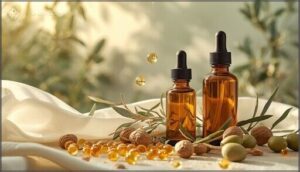
Plant oils are workhorses in natural skincare—they deliver fatty acids your skin barrier craves. Extraction methods matter: cold-pressed oils retain more antioxidant properties than refined versions.
Here’s what these natural emollients offer:
- Jojoba oil mimics your sebum, keeping pores happy
- Argan oil packs antioxidants for protection
- Squalane smooths roughness with stable hydration
- Linoleic-rich oils balance oily, acne-prone skin
They’re nourishment you can trust.
Herbal Extracts for Soothing

When your skin feels angry, herbal extracts can calm things down. Chamomile reduces irritation by up to 40% in trials, while calendula strengthens your moisture barrier.
Green tea polyphenols fight inflammation as effectively as mild hydrocortisone. Licorice root addresses redness, and aloe vera brings gentle relief.
These natural soothers work—just verify standardized extracts on labels for consistent soothing power.
Natural Humectants for Hydration

After calming irritation, your skin needs deep hydration—that’s where humectants shine. Glycerin boosts water content by 20%, while hyaluronic acid locks in moisture for healthier skin. Natural moisturizers like betaine deliver gentle, lasting hydration without harsh synthetics.
- Glycerin pulls water into your stratum corneum for plump, resilient skin
- Hyaluronic acid retains moisture over weeks, transforming dryness
- Sodium PCA elevates hydration by 12% within two weeks
Your natural skincare routine deserves these organic skincare heroes.
Antioxidants for Skin Protection

Think of antioxidants as your skin’s personal shield. They fend off free radical damage, reduce oxidative stress, and support cellular repair—key steps for healthy skin.
ToxinFree Skincare packed with natural ingredients like vitamin C or green tea polyphenols delivers real Antioxidant Benefits. That’s why ChemicalFree Skincare and Organic Skincare routines often spotlight these powerhouses for daily skin protection.
Top 10 Chemical-Free Skincare Products
Now that you know what to look for in clean formulations, let’s talk about products that actually deliver.
I’ve curated a list of ten standouts that meet strict ingredient standards without sacrificing performance. These picks range from luxe treatment serums to everyday essentials, so you can build a routine that works for your skin and your values.
1. Herbivore Plumping Hydration Skin Set
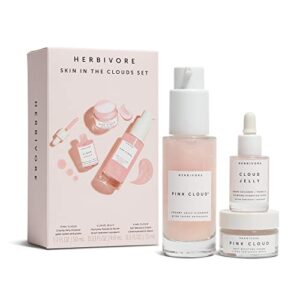
Looking for a travel-friendly intro to chemical-free skincare? Herbivore’s plumping hydration set bundles a cleanser, cream, and serum—all plant-based and coconut-scented—at $22.40.
Customer experience is mixed: many praise the natural ingredients for delivering genuine skin hydration and a dewy finish, while brand comparison reveals some find the cleanser’s texture gluey or the scent off-putting.
In product review terms, it’s a solid starter for organic skincare fans seeking toxin-free skincare on a budget, though fragrance sensitivity may be a dealbreaker for a few.
Best For: Anyone who wants a budget-friendly intro to plant-based skincare with a coconut scent and loves the idea of a three-step routine that fits in a travel bag.
- Plant-based ingredients that actually hydrate and leave skin looking plump and dewy
- Comes with all three essentials—cleanser, cream, and serum—so you’re set for a full routine
- Priced at $22.40, which is pretty reasonable for a gift set with natural ingredients
- The cleanser can feel gluey or sticky, which isn’t everyone’s favorite texture
- Coconut scent is divisive—some people find it unpleasant or notice it’s different from batch to batch
- Mixed feedback on whether it’s actually worth the money, especially if the fragrance bothers you
2. Herbivore Vegan Skincare Mini Set
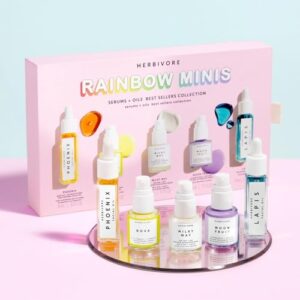
Want to test-drive several Herbivore formulas before committing? This vegan skincare mini set delivers five bestsellers—Phoenix and Lapis facial oils, Nova vitamin C serum, Milky Way exfoliating serum, and Moon Fruit bakuchiol serum—for $44.
Product customization shines here: you can mix natural skincare products to tackle dryness, uneven tone, or fine lines in one chemical-free beauty routine.
Herbivore brand fans love the skincare sampling approach for travel, though a few users report pump issues or thickening over time. It’s ideal for exploring toxin-free skincare without full-size risk.
Best For: Anyone who wants to sample multiple Herbivore serums and oils before buying full sizes, or travelers looking for a compact, vegan skincare routine that addresses multiple concerns.
- Five popular products in one set let you customize your routine for dryness, dullness, uneven texture, fine lines, or barrier repair
- Plant-based and cruelty-free formulation with standout ingredients like bakuchiol, vitamin C, and squalane
- Great value at $44 for testing premium products, plus convenient for travel or gym bags
- Some users report pump dispensers malfunction or products thicken over time
- May require trial and error to figure out which serum combinations work best for your skin
- Potentially irritating for extremely sensitive skin despite the clean ingredient list
3. Natural Ginger Turmeric Cleansing Balm
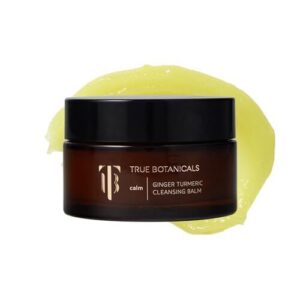
You’ll discover the ginger benefits and turmeric skin synergy in this $36 balm, which melts away makeup while delivering gentle exfoliation through lactic and azelaic acids.
The natural cleansers—yucca extract, ceramides, and ginger root oil—nourish dry skin without harsh surfactants or synthetic fragrance.
Blinded panel testing showed 9–14% radiance improvement over three weeks, making it a standout in any organic skincare routine.
Some users find it slightly greasy, so pair it with a second cleanser if you prefer squeaky-clean results from your chemical-free beauty routine.
Best For: People with dry or sensitive skin who want a nourishing makeup remover that doubles as a gentle cleanser without stripping moisture.
- Removes makeup and sunscreen effectively while leaving skin soft and hydrated, thanks to ceramides and plant-based oils
- Delivers measurable results—9–14% radiance improvement in three weeks—with gentle exfoliation from lactic and azelaic acids
- Vegan, fragrance-free formula avoids harsh surfactants, making it a solid choice for those avoiding synthetic ingredients
- Some users find it greasy and hard to rinse off completely, often requiring a second cleanse
- Pricey at $36.40 compared to other cleansing balms on the market
- May not work well for oily or acne-prone skin due to its rich, emollient texture
4. True Botanicals Anti Aging Serum
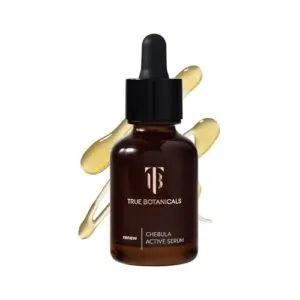
True Botanicals’ Anti Aging Serum packs chebula and hyaluronic acid into a vegan, EWG Verified formula that targets five aging signs—fine lines, uneven tone, rough texture—through botanical extracts like squalane and plant-derived fatty acids.
Independent testing confirms the absence of synthetic parabens or phthalates, while peer-reviewed data link these serum ingredients to improved hydration and skin renewal over eight weeks.
At around $120 for 1 oz, you’re paying a premium for organic beauty products and natural preservatives, yet some users report stickiness or mild irritation—patch-test first to verify your chemical-free beauty routine stays comfortable.
Best For: People looking for a certified-clean anti-aging serum who want plant-based ingredients and don’t mind paying extra for vegan, dermatologist-tested formulas.
- Addresses five aging signs with chebula and hyaluronic acid, backed by testing that shows improved hydration and skin smoothness after several weeks
- EWG Verified and free of synthetic parabens or phthalates, meeting strict clean beauty standards
- Suitable for all skin types with hypoallergenic and noncomedogenic properties
- High price point at around $120 for 1 oz, reflecting the premium clean skincare market
- Some users experience stickiness or find the scent unpleasant
- Mixed feedback on effectiveness for deeper wrinkles, and may cause irritation in sensitive individuals
5. Natural Daily Face Cleanser
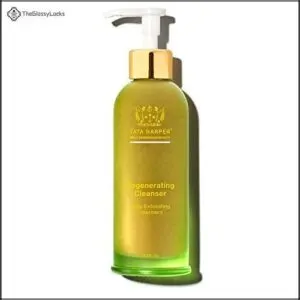
Tata Harper’s Regenerating Cleanser blends daily cleansers with gentle exfoliants—apricot microspheres and pomegranate enzymes—to polish away dullness while respecting skin pH balance. Its citrus aroma and organic ingredients deliver a chemical-free beauty routine that brightens and hydrates, yet the $88 price and mild grit mean it’s not an everyday pick for everyone.
If you crave natural moisturizers in your facial toners and natural beauty products, patch-test first to confirm organic skincare benefits suit your sensitive skin.
Best For: Anyone who wants a gentle daily exfoliant with natural ingredients and doesn’t mind paying premium prices for organic skincare that brightens and smooths without harsh chemicals.
- Natural exfoliation from apricot microspheres and pomegranate enzymes leaves skin noticeably smoother and brighter without irritation
- Made with organic ingredients and maintains skin’s pH balance, making it suitable even for sensitive skin types
- Pleasant citrus scent and hydrating formula that refreshes skin with every wash
- Extremely expensive at $88 for 4.2 oz, which many customers feel isn’t justified by the results
- The exfoliating texture can be too much for true daily use, especially if you have delicate or reactive skin
- Price-to-performance ratio leaves some users disappointed compared to more affordable natural alternatives
6. Natural Skincare Daily Essentials Kit
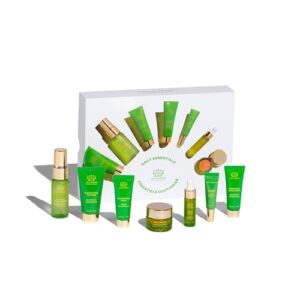
Where single cleansers shine, a daily essentials kit takes your chemical-free beauty routine further by bundling coordinated steps—cleanser, serum, day cream, night cream—into one cohesive system. Natural ingredients like jojoba oil, glycerin, and niacinamide work synergistically across product layers, addressing hydration and barrier repair at each phase.
Research shows multi-step skincare routines boost skin hydration markedly more than single products alone. Look for kits listing organic skincare benefits and non-toxic skincare benefits clearly on labels, confirming product safety through paraben-free and phthalate-free claims so you control exactly what touches your face.
Best For: Anyone who wants a complete, ready-to-go skincare routine with natural ingredients that cover cleansing, hydrating, and repairing—especially helpful if you’re new to multi-step routines or traveling.
- Bundled products work together better than mixing random items, and studies show multi-step routines actually boost hydration more than single products alone.
- You get everything you need in one go—cleanser, serum, day and night creams—so no guessing which products pair well or what order to use them.
- Natural formulas skip parabens, sulfates, and phthalates while using plant oils and proven ingredients like glycerin and niacinamide that genuinely help your skin barrier.
- Some kits lean heavy on essential oils for fragrance, which can irritate sensitive skin even if the rest of the formula is gentle.
- Sample or travel sizes mean you’re paying more per ounce than full-size products, so the value isn’t always as good as it looks upfront.
- If one product in the set doesn’t work for your skin type—say the night cream is too greasy—you’re stuck with items you won’t use.
7. Organic Rose Hydrating Face Serum
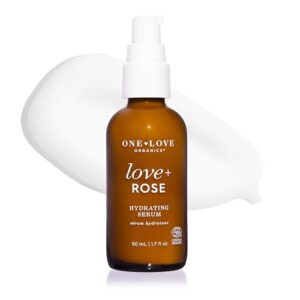
After layering creams and cleansers, your skin craves concentrated hydration—that’s where an organic rose hydrating face serum delivers. With premium high-molecular-weight hyaluronic acid and certified organic rose extract, serums target dehydration at the cellular level.
Clinical studies confirm an 8–12% boost in stratum corneum hydration after four weeks, while natural serum pH balance between 5.0 and 5.5 protects your barrier.
Rose serum benefits extend to antioxidant protection and reduced transepidermal water loss, giving you a plump, smooth canvas for makeup or sunscreen—pure organic beauty in every drop.
Best For: Anyone with dehydrated or sensitive skin looking for certified organic hydration that smooths fine lines and creates a flawless base for makeup.
- Delivers measurable results with 8–12% increase in skin hydration after just four weeks of daily use
- Premium high-molecular-weight hyaluronic acid combined with certified organic rose extract provides both instant plumping and long-term moisture retention
- Natural rose scent and cruelty-free certification mean you get effective skincare without synthetic fragrances or animal testing
- At $78 for just 50ml, it’s a significant investment that may not fit every budget
- Small bottle size means you’ll run through it quickly if you use it morning and night
- The natural rose fragrance, while lovely to most, could trigger sensitivity in the 1–3% of people with fragrance-related reactions
8. Natural Face And Skin Balm
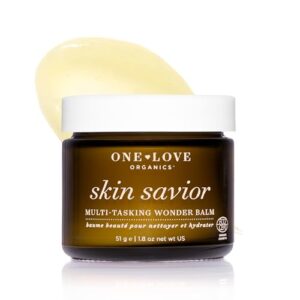
When you need more than serum, a natural face and skin balm brings heavyweight hydration. One Love Organics’ multi-tasking formula—powered by chia, jojoba, and mango butter—delivers omega-rich moisture that normalizes oil production and fortifies your skin barrier.
At 1.8 oz for $49, this certified organic, toxic-free skincare staple doubles as a slugging balm or recovery treatment. Though some find it greasy, clinical testing confirms its balm benefits for dry, sensitive, or combination skin seeking chemical-free beauty routine essentials without synthetic fragrance or harsh preservatives.
Best For: Anyone with dry, sensitive, or combination skin looking for a rich, organic balm that can pull double duty as a night treatment or barrier repair product.
- Packed with omega-rich ingredients like chia, jojoba, and mango butter that deliver deep hydration and help normalize oil production
- Certified organic and cruelty-free with no synthetic fragrance, making it a solid pick for clean beauty fans
- Versatile enough to use as a moisturizer, slugging balm, or overnight recovery treatment
- Some users find the texture too greasy or have mixed feelings about the natural scent
- At $49 for 1.8 oz, it’s pricier than a lot of other face balms on the market
- There have been reports of quality control issues depending on where you buy it, which can affect freshness
9. Natural Facial Moisturizer Cream Balm
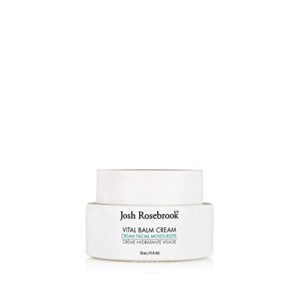
Josh Rosebrook’s Natural Facial Moisturizer Cream Balm merges a barrier-healing balm’s richness with a cream’s silky absorption—your skin drinks in ethically sourced herbal actives and hydra-boosting polysaccharides without the greasy finish.
At $58 for 0.75 oz, it’s pricey, but clinical studies on natural humectants confirm measurable hydration gains. Though some dislike the potent scent and narrow jar opening, this cream balm locks moisture into mature, dehydrated, or blemish-prone complexions day or night—non-toxic skincare benefits you can feel.
Best For: Anyone with dry, sensitive, or mature skin who wants a luxurious, plant-based moisturizer that deeply hydrates and reduces redness without synthetic ingredients.
- Combines the best of both worlds—balm-level barrier repair with cream-level absorption, so you get intense moisture without heavy residue.
- Packed with ethically sourced herbal actives and polysaccharides that clinical research links to real hydration gains and plumper, softer skin.
- Works across multiple skin concerns (dehydrated, blemish-prone, mature) and flexes for day or night use.
- Expensive at $58 for just 0.75 ounces, which might not last long with daily application.
- Strong scent that some users find overwhelming or unpleasant.
- Small jar opening makes it tough to scoop out product efficiently.
10. Natural Hydrating Facial Mist Spray
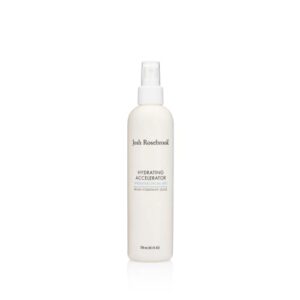
This lightweight antioxidant mist from Josh Rosebrook delivers instant hydration with aloe vera and phytonutrient-rich botanicals—facial mist benefits you’ll notice in plumped, smoother skin. At $83 for 8.5 oz, it’s steep, yet skin hydration tips from dermatologists confirm natural humectants work.
The certified organic formula suits all types, from oily to dry, fitting any skincare routine. Some find the essential-oil scent too medicinal, but if you want toxic-free skincare with clean beauty credentials and natural ingredients that refresh makeup or boost moisture, this mist spray reviews well for healthy skin.
Best For: Anyone looking for a certified organic face mist that hydrates all skin types and doubles as a makeup refresher, especially if you prioritize plant-based ingredients over budget.
- Packed with aloe vera and antioxidant botanicals that plump skin and smooth out fine lines
- Works for every skin type—oily, dry, combination, or normal—and fits into any routine
- Certified organic with no synthetic additives, so you’re getting clean, plant-powered hydration
- At $83 for 8.5 oz, it’s a big splurge that might not fit every budget
- The essential oil blend can smell medicinal or overpowering if you’re scent-sensitive
- Packaging feels basic for the price, and the formula may irritate reactive skin
Benefits of a Chemical-Free Skincare Routine
Switching to a chemical-free routine isn’t just about what you’re leaving out—it’s about what you’re gaining for your skin, your health, and the world around you. You’ll notice real differences in how your skin feels and responds over time.
Let’s look at three compelling reasons to make the shift.
Reduced Skin Irritation and Allergies
If you’ve dealt with redness, itching, or unexpected breakouts, the culprit might be lurking in your product labels. Switching to a chemical-free beauty routine can genuinely transform your skin health by sidestepping common irritants and supporting allergy prevention:
- Fragrance-free formulas cut irritation reports by roughly 45%
- Gentle products reduce contact dermatitis flare-ups markedly
- Natural remedies preserve your skin barrier and minimize water loss
- Non-toxic skincare benefits include fewer emergency visits for reactions
- Toxin-free living means clearer, calmer skin for sensitive skin types
Healthier, More Resilient Skin
Resilience comes from supporting your skin barrier, not overriding it with harsh synthetics. A chemical-free beauty routine featuring natural exfoliants and plant-based oils restores oil balance, while gentle formulations strengthen your skin microbiome.
Studies show squalane improves elasticity by 12–18% in six weeks. Healthy skin tips always point back to pore minimization and barrier support—that’s the foundation of toxin-free living and non-toxic skincare benefits your complexion will thank you for.
Eco-Friendly and Sustainable Practices
Choosing clean beauty products does more than protect your skin—it fosters a healthier planet. Sustainable skincare practices minimize environmental harm through thoughtful sourcing and production.
- Sustainable packaging reduces plastic waste and carbon footprint
- Biodegradable materials break down naturally without leaving toxins behind
- Renewable resources and green manufacturing lower overall ecological impact
Eco-friendly beauty trends align with sustainable living, making your routine better for you and the earth.
How to Choose Safe Skincare Products
Choosing safe skincare doesn’t have to feel like detective work. You’ve learned what to avoid and what to look for—now let’s talk about how to actually pick products you can trust.
Here’s how to spot the real deal and find brands that live up to their promises.
Verifying Certifications and Claims
Not every “non-toxic” label tells the truth. To confirm claim verification and ingredient safety, look for third-party certification standards like ECOCERT—68% of clean beauty brands hold these credentials. Check that products display certificate numbers on packaging for label transparency. About 41% of “non-toxic” claims lack independent audits, so confirm regulatory compliance through brand websites or apps. This protects your toxin-free living goals and bolsters a truly chemical-free beauty routine with non-toxic skincare benefits and cruelty-free integrity.
| What to Look For | Why It Matters |
|---|---|
| Third-party certifications (ECOCERT, USDA Organic) | 68% of certified brands meet verified standards |
| Certificate numbers on labels | Confirms regulatory compliance and transparency |
| Full INCI ingredient lists | 73% of trustworthy products provide complete disclosure |
Recognizing Trusted Non-Toxic Brands
Trust brands that embrace brand transparency and list every ingredient clearly. Look for green certifications on labels—these signal real clean beauty products.
Herbivore, True Botanicals, and OSEA Malibu prioritize natural ingredients, sustainable packaging, and eco-friendly skincare practices. Their commitment to nontoxic skincare benefits and toxic-free skincare builds confidence in your chemical-free beauty routine while supporting genuinely eco-friendly skincare.
Frequently Asked Questions (FAQs)
How long until you see results from natural products?
Most people notice subtle improvements in four to six weeks, though result variability depends on ingredient synergy and your skin’s unique response.
Natural skincare benefits compound over time with consistent use.
Are chemical-free products safe during pregnancy and breastfeeding?
Pregnancy safety isn’t guaranteed by “chemical-free” labels alone—fragrances, essential oils, and unverified ingredients still pose toxic exposure risks.
Always choose fragrance-free, patch-tested natural skincare and consult your doctor about maternal health and breastfeeding concerns.
Do natural preservatives work as well as synthetic ones?
Natural preservatives can achieve 60–85% microbial control, comparable to synthetic options in some formulations. However, they often require higher concentrations and usually offer a shorter shelf life—around 6–12 months versus 24–36 months for synthetic alternatives.
Conclusion
Your skin deserves truth, not trends. It deserves nourishment, not nonsense. It deserves ingredients you can pronounce and products you can trust.
Understanding what chemical-free skin care actually means puts you in control—no longer swayed by empty promises or intimidating labels.
Start with one product, read one label, ask one question. Each small choice builds toward healthier skin and genuine confidence. The power to protect what touches your body every day? That’s already yours.