This site is supported by our readers. We may earn a commission, at no cost to you, if you purchase through links.
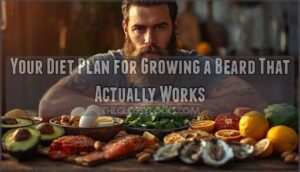
Most guys blame genetics when their beard comes in patchy or stalls out. Genetics does matter—but it’s only part of the story.
What you eat every day shapes the raw materials your follicles have to work with, and a lot of men are unknowingly running on empty.
Hair is made of keratin, a protein your body builds from nutrients. Skimp on zinc, protein, or healthy fats, and your follicles slow down or stop. It’s that mechanical. A solid diet plan for growing a beard doesn’t require anything extreme—just consistent, targeted eating that gives your hormones and hair follicles what they actually need to perform.
Table Of Contents
- Key Takeaways
- How Diet Influences Beard Growth
- Essential Nutrients for Beard Development
- Best Foods to Eat for Beard Growth
- Foods and Habits That Hinder Beard Growth
- Supplement and Lifestyle Tips for Better Results
- Frequently Asked Questions (FAQs)
- Does boron help beard growth?
- What foods make a beard grow thicker?
- Can genetics override the effects of a good diet?
- At what age does beard growth typically peak?
- How long before dietary changes show visible results?
- Does shaving more often make the beard grow faster?
- Are there medical conditions that permanently block beard growth?
- Conclusion
Key Takeaways
- Your beard runs on nutrients, not luck — protein, zinc, and healthy fats are the raw materials your follicles actually need to grow.
- Hormones like testosterone and DHT are diet-driven, so cutting sugar, alcohol, and processed foods gives your beard a real biological edge.
- Deficiencies in vitamin D, iron, biotin, or omega-3s can quietly stall growth or cause patchiness long before you notice something’s off.
- Lifestyle habits — resistance training, quality sleep, stress management, and staying hydrated — work alongside food to push your beard toward its genetic ceiling.
How Diet Influences Beard Growth
What you eat plays a bigger role in your beard growth than most guys realize. It’s not just about calories — it’s about giving your body the right raw materials to actually grow hair.
Think of it like building a house — and the nutrients that actually support beard growth are your foundation materials.
Here’s how diet connects to facial hair, starting with the basics.
The Role of Nutrition in Facial Hair
Nutrition is the foundation your facial hair has been waiting for. Hair follicles don’t run on willpower — they run on fuel. Without the right nutrient balance, beard density suffers, growth patterns stall, and patches win.
Here’s what diet and nutrition actually controls:
- Steady protein intake builds every strand
- Zinc and iron keep follicles in the growth phase
- Deficiencies silently wreck hair growth before you notice
A balanced diet is essential for healthy beard growth, as illustrated by the importance of keratin production from nutrients.
Hormones and Their Connection to Diet
Your beard doesn’t just grow — it reacts to your hormone balance. Testosterone and DHT are the real drivers behind facial hair thickness, and diet and nutrition shape how much of both you actually produce. Think of it as diet therapy for your follicles.
| Hormone Factor | Dietary Connection |
|---|---|
| Testosterone production | Healthy fats, zinc, magnesium |
| DHT conversion | Adequate protein intake |
| Cortisol (stress hormone) | Omega-3s, magnesium-rich foods |
| Insulin sensitivity | Whole foods, fiber, lean protein |
| Estrogen balance | Controlled body fat through calories |
Poor metabolic health — driven by excess sugar and processed food — tanks testosterone and disrupts hormone balance. Better eating habits mean better hormones and beard growth that actually shows up. Genetic sensitivity also impacts.
Common Nutrient Deficiencies Affecting Beards
What you’re missing from your plate might explain the patchiness. Iron deficiency slows oxygen to follicles, pushing hairs into a resting phase. Low zinc levels break down hair proteins. Poor biotin intake makes strands brittle.
The vitamin D role? It activates follicles directly. And weak omega-3 effects show up as dry, dull growth. These aren’t small gaps.
Essential Nutrients for Beard Development
Your beard doesn’t grow on willpower alone — it grows on what you’re actually feeding it.
Your beard runs on fuel, not willpower — feed it right or don’t expect results
Certain nutrients do the heavy lifting in terms of follicle health, hormone balance, and hair strength. Here’s what your body needs most.
Getting the balance right matters more than most people realize, especially if thyroid issues are part of the picture — hair loss treatment for thyroid patients often starts with targeting these exact nutrient gaps.
Protein and Amino Acids
Your hair is basically protein — about 80 percent of each strand is keratin, built from amino acids your body pulls straight from what you eat. When protein intake drops, beard follicles don’t get enough raw materials, so strands grow thinner and shed faster.
Keratin structure, collagen support, amino acid balance — it all traces back to diet and hair growth. Eggs, beef, and fatty fish cover your bases.
Vitamins D, C, and E
Think of vitamins D, C, and E as your beard’s support crew. Vitamin D activates dormant follicles, directly boosting hair follicle health.
Vitamin C drives collagen production and delivers antioxidant benefits that shield your roots from daily damage. Vitamin E locks in moisture and protects cell membranes.
Together, their vitamin interactions create real nutrient balance — essential dietary requirements for beard health that no single supplement replaces.
Zinc, Magnesium, and Selenium
Three minerals quietly run your beard’s backstage operations. Mineral balance between zinc, magnesium, and selenium directly shapes hormone regulation and follicle strength.
- Zinc contributes to testosterone production — but exceed 40mg daily and it backfires
- Zinc supplements help reduce DHT sensitivity in follicles
- Magnesium deficiency disrupts sleep and tanks nightly testosterone recovery
- Selenium benefits thyroid function, keeping your hair cycle steady
Nutrition and beard growth really does come down to the details.
Omega-3 Fatty Acids
Few nutrients punch above their weight like omega-3 fatty acids. These healthy fats do quiet, powerful work — promoting testosterone production, calming follicle-level inflammation, and keeping facial skin hydrated and resilient.
| Omega 3 Sources | Fatty Acid Benefits | Anti Inflammatory Effects |
|---|---|---|
| Salmon, mackerel | Boosts testosterone sensitivity | Reduces follicle irritation |
| Flax, chia seeds | Strengthens hair shafts | Lowers cytokine production |
| Fish Oil Supplements | Aids sebum balance | Improves nutrient delivery |
For nutrition for beard growth, aim for omega-3 a few times weekly.
Biotin and B-Vitamins
Biotin — vitamin B7 — is the backbone of keratin production, the protein that literally builds your beard strands. Without enough, hair grows brittle and thin.
The full vitamin B complex matters too: B3 boosts blood flow to follicles, while B12 and folate drive cell turnover. B vitamin deficiency is rarer than you’d think, but when it happens, facial hair nutrition suffers noticeably. Whole dietary supplements or a solid B complex can fill the gap for hair growth optimization.
Best Foods to Eat for Beard Growth
Knowing which nutrients matter is one thing — actually putting them on your plate is where the real work happens.
The good news is that most of the best foods for beard growth are things you can grab at any grocery store without breaking the bank. Here’s what deserves a regular spot in your meals.
Protein-Rich Foods (Eggs, Beef, Greek Yogurt)
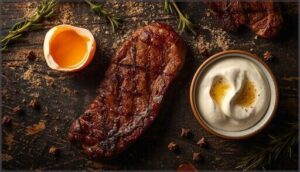
Eggs, beef, and Greek yogurt are your beard’s best allies. A large egg delivers 6–7 grams of complete protein plus selenium and biotin — serious egg nutrition for hair growth.
Beef advantages include a hefty 35 grams of protein per 100g with zinc to fuel testosterone. Greek yogurt effects round things out with slow-digesting protein and probiotics for better nutrient absorption. Smart meal planning with these three covers your protein benefits without dietary supplements.
Fatty Fish and Omega-3 Sources

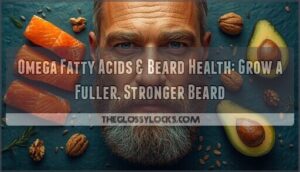
Fatty fish might be your beard’s secret weapon. Omega-3s are the key, and salmon, mackerel, and sardines pack 1,000–1,500mg of EPA and DHA per serving — the omega-3s your follicles actually use.
Aim for two seafood options weekly to hit your omega3 nutrition targets. Not a fish guy? Fish oil supplements work. Just watch mercury safety by sticking to low-mercury choices for steady beard growth.
Leafy Greens and Vegetables

Don’t sleep on spinach and kale. These leafy greens’ benefits go beyond a salad bowl — they’re loaded with nitrate-rich foods that boost nitric oxide, relaxing blood vessels and pushing more nutrients straight to your follicles. Better blood flow, better beard growth. Simple math.
Top green food options to add to your diet:
- Spinach — vitamin K, folate, and antioxidant effects that protect follicle health
- Kale — more vitamin C than spinach, supporting collagen and testosterone function
- Swiss chard — rich in magnesium for hormone balance
- Arugula — another nitrate-rich food that improves circulation
- Broccoli — sulforaphane antioxidants that reduce oxidative stress around follicles
Vegetable nutrition isn’t flashy, but it works.
Nuts, Seeds, and Healthy Fats
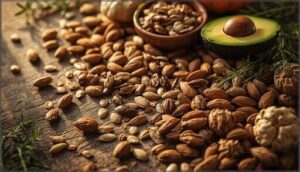
Greens feed your follicles, but nuts and seeds quietly do the heavy lifting. A small handful of almonds, walnuts, and pumpkin seeds gives you healthy fats, zinc, and vitamin E — all working together for real beard growth.
These nutrient dense snacks support testosterone without much effort. Sprinkle seed benefits over yogurt or oatmeal, and you’ve got nutrition for hair built into your day.
Foods High in Iron and Zinc
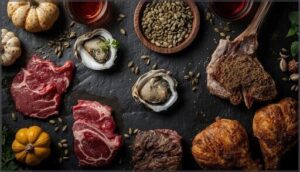
Nuts and seeds are solid, but iron and zinc are where beard nutrition gets serious. A mineral deficiency in either one can slow growth fast or leave patches where you want fullness. These iron-rich foods close that gap.
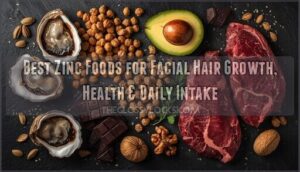
- Oysters — Just two can hit your full daily zinc target.
- Beef chuck — Packs 8mg zinc and 3mg iron per 100g.
- Lamb — Complete protein plus heme iron your body actually absorbs.
- Lentils — A plant-based iron source that pairs well with vitamin C sides.
- Chicken thighs — More iron and zinc than breast meat, easier to cook daily.
Zinc supplements can fill gaps, but whole foods give you better absorption for healthy beard growth long-term.
Foods and Habits That Hinder Beard Growth

You’ve been stacking your plate with the right stuff — but what about what you need to cut back on?
Some everyday habits quietly work against your beard without you even realizing it.
Here’s what’s likely getting in your way.
Refined Sugar and Processed Foods
Sugar is quietly wrecking your beard from the inside out. Refined sugar and processed foods spike insulin levels, which throws your hormones off balance and shrinks hair follicles over time.
The glycation effects alone — where excess sugar damages keratin proteins — leave beard hairs brittle and dull. Swapping these dietary impact culprits for whole foods is one of the simplest diet changes you can make.
Excess Alcohol and Salt
Alcohol and salt are a quiet tag team working against your beard. Heavy drinking tanks testosterone, depletes zinc and B-vitamins, and raises cortisol — all things that slow growth. Excess salt intake tightens circulation, starving follicles of nutrients. The dehydration impact compounds everything.
Watch these four:
- Alcohol effects on hormones kick in fast — even moderate drinking drops testosterone for up to 24 hours
- Nutrient depletion from regular drinking hits biotin, magnesium, and zinc hard
- High salt intake damages small blood vessels over time, reducing nutrient delivery
- Diet changes like swapping salty processed foods for fresh options support better circulation
Caffeine and Dehydration
Caffeine isn’t the villain here — but how you use it matters. Up to 400mg daily keeps hydration balance roughly neutral, as long as you’re drinking enough water.
Push past that, and dehydration effects hit fast: tighter skin, sluggish follicles, less nutrient delivery. Fluid loss also spikes cortisol and disrupts sleep, quietly tanking testosterone. Keep caffeine intake moderate, front-load it early, and chase it with water.
Smoking and Toxins
Smoking is one of the worst things you can do for beard health. Nicotine effects are real — it narrows blood vessels, starving each hair follicle of oxygen and nutrients before they ever arrive.
Smoke damage also creates oxidative stress that wrecks hormone balance and drops testosterone over time. Add in chemical toxins depleting zinc, biotin, and vitamin C, and you’ve got a recipe for patchy, fragile growth.
Supplement and Lifestyle Tips for Better Results

Food gets you most of the way there, but a few smart habits can close the gap.
Supplements and lifestyle choices work behind the scenes to keep your hormones and follicles firing on all cylinders.
Here’s what’s actually worth your attention.
When to Consider Supplements
Supplements aren’t magic pills — they fill gaps. If your beard density is dropping or growth patterns seem stalled, get bloodwork done first.
Low vitamin D, zinc, or iron can quietly choke your hair follicles. Confirmed nutrient deficits are when supplements earn their place.
Biotin around 2,500–5,000 mcg and vitamin D can support testosterone balance and real results — but only fix what’s actually broken.
Staying Hydrated
Your beard is basically a reflection of what’s happening inside your body — and water is the delivery system for all of it. Aim for around 3.7 liters daily.
Good skin hydration keeps follicles unclogged and inflammation low. Watch your electrolyte balance too; sodium and potassium help your skin actually hold onto that water. Simple hydration tips, real beard growth results.
Exercise and Sleep for Beard Health
Your workout is doing more than building muscle — it’s fueling your beard growth. Resistance training spikes testosterone by roughly 20 percent post-session, giving follicles a real hormonal push. Pair that with solid sleep patterns and you’ve got a legitimate beard recovery system running overnight.
- Lift heavy 3x per week
- Train in the morning for ideal hormone balance
- Sleep 7–9 hours consistently
- Finish workouts 3 hours before bed for better exercise timing
Managing Stress for Optimal Growth
Sleep sets the stage, but chronic stress can quietly undo it all.
Chronic stress spikes cortisol, which tanks testosterone and pushes follicles into a resting phase. That’s your beard hitting pause.
Cortisol management through mindfulness, relaxation techniques, and even magnesium-rich foods keeps hormone balance working in your favor. A short daily meditation session — 10 minutes — can meaningfully shift your stress response.
Frequently Asked Questions (FAQs)
Does boron help beard growth?
Not a miracle, but not nothing either. Boron benefits hormone balance by boosting free testosterone up to 25% and cutting estrogen — a quiet testosterone boost that may improve beard density if your follicles are game.
What foods make a beard grow thicker?
Eggs, salmon, beef, and Greek yogurt are your best bets. These foods pack protein, biotin, and zinc — the core nutrients that drive thicker facial hair growth and stronger follicles.
Can genetics override the effects of a good diet?
Yes — genetics sets your beard’s ceiling. No diet breaks through that.
What good nutrition does is help you hit that ceiling faster by optimizing hormone balance and follicle sensitivity along the way.
At what age does beard growth typically peak?
Most men hit peak beard growth between 25 and That’s when testosterone and DHT align, facial hair development matures, and your growth patterns finally stabilize into their full hormonal balance potential.
How long before dietary changes show visible results?
Most guys notice subtle shifts — softer texture, less itch — within 2 to 4 weeks. Real density changes take 8 to 12 weeks. For full results, give it 3 to 6 months.
Does shaving more often make the beard grow faster?
Shave every hour if you want — your beard won’t care. Shaving frequency is one of the biggest shaving myths out there. Hair follicles control beard growth, not your razor.
Are there medical conditions that permanently block beard growth?
Some medical conditions can permanently block beard growth. Genetic Follicle Absence, Androgen Insensitivity, Scarring Disorders, Autoimmune Conditions, and Hormone Imbalance affecting testosterone and hormonal balance can stop hair follicles from ever activating, regardless of nutrient deficiency fixes or hormone fluctuations.
Conclusion
Hippocrates said, “Let food be thy medicine”—and your follicles are listening. Every meal is either working for your beard or against it.
Your diet plan for growing a beard isn’t about flawlessness; it’s about consistency. Stack your plate with protein, healthy fats, and the right micronutrients, and you’re giving your body the raw materials it needs to deliver. Genetics loaded the gun. What you eat pulls the trigger.
- https://www.hims.com/blog/protein-for-hair-growth
- https://hairfixmexico.com/en/blog-en/maintain-your-beard-growth-with-a-good-diet/
- https://kopelmanhair.com/blog/best-vitamins-for-beard-growth/
- https://cremocompany.com/blogs/blog/how-to-grow-your-beard-faster
- https://thebeardclub.com/blogs/beard-culture/beard-growth-foods