
This site is supported by our readers. We may earn a commission, at no cost to you, if you purchase through links.

Your skin doesn’t operate on a single schedule—it defends itself during daylight hours and shifts into repair mode once the sun sets. That’s why dermatologists emphasize the difference between day and night face moisturizer: each formula is engineered to match your skin’s changing needs across a 24-hour cycle.
Day creams prioritize lightweight protection with SPF and antioxidants to shield against UV rays and pollution, while night creams deliver concentrated hydration and restorative ingredients like retinoids and ceramides that work best when your skin isn’t fighting environmental stressors.
Understanding these distinctions helps you choose products that support your skin’s natural rhythms rather than working against them.
Table Of Contents
- Key Takeaways
- What Sets Day and Night Moisturizers Apart
- Day Moisturizer: Core Features and Benefits
- Night Moisturizer: Core Features and Benefits
- Key Ingredients in Day Moisturizers
- Key Ingredients in Night Moisturizers
- Why Use Separate Day and Night Creams?
- Choosing Based on Skin Type and Concerns
- How to Integrate Both Into Your Routine
- Common Mistakes When Selecting Moisturizers
- Expert Tips for Maximizing Moisturizer Benefits
- Frequently Asked Questions (FAQs)
- Conclusion
Key Takeaways
- Day moisturizers prioritize environmental defense with SPF and antioxidants in lightweight formulas that protect against UV damage and pollution, while night moisturizers use richer textures with retinoids, ceramides, and peptides to support your skin’s natural repair cycle during sleep.
- Your skin operates on a circadian rhythm that shifts between daytime protection mode and nighttime cellular renewal, making separate formulations necessary to align with these distinct biological processes rather than using a single product for both phases.
- Key ingredient timing matters for both safety and efficacy—retinol and strong actives belong in night creams to avoid photosensitivity, while SPF 30 or higher and antioxidants are non-negotiable in daytime formulas to prevent photoaging and skin cancer.
- Choosing moisturizers based on your specific skin type (oily, dry, combination, sensitive, or acne-prone) and adjusting formulations seasonally or with age ensures you’re supporting your skin barrier function rather than working against your skin’s natural needs.
What Sets Day and Night Moisturizers Apart
Your day and night moisturizers aren’t interchangeable—they’re built for entirely different jobs. Day creams act as your skin’s frontline defense against UV rays, pollution, and daily wear, while night formulas focus on cellular repair when your skin naturally shifts into recovery mode.
For combination skin types, finding the right balance between hydration and oil control means choosing formulas that work with your unique needs—check out these expert-tested product recommendations to see which moisturizers deliver real results.
Day and night moisturizers serve entirely different jobs—one defends against daily damage, the other repairs while you sleep
Understanding these core distinctions helps you choose products that actually work with your skin’s biology instead of against it.
That’s why looking for beard oil with natural ingredients can make such a difference in how your skin responds long-term.
Key Functional Differences

Your skin doesn’t operate on a single schedule—it shifts gears between day and night.
Choosing skincare products that won’t cause redness becomes easier when you understand what your skin actually needs at different times of day.
Day moisturizers prioritize protection from UV rays and pollutants with SPF and antioxidants, using lightweight textures that won’t clog pores or interfere with makeup.
Night moisturizers focus on repair and moisture retention, delivering richer formulas with retinoids and ceramides that strengthen your skin barrier while you sleep.
These formulas work best when paired with choosing the right moisturizer for your skin type, ensuring your nighttime routine addresses your specific barrier needs.
Why Formulation Timing Matters

Formulation timing aligns with your skin’s circadian rhythms—cell turnover peaks overnight, making night moisturizer ideal for retinol and peptides that support skin renewal. Ingredient stability matters too: antioxidants in day moisturizer combat free radicals from UV exposure, while moisture levels drop during sleep, calling for barrier-repairing ceramides.
Understanding these day and night moisturizer differences helps you match skincare routine products to your skin’s natural cycles.
Day Moisturizer: Core Features and Benefits
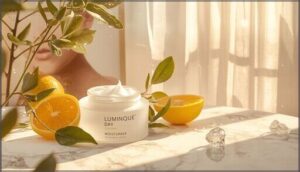
Day moisturizers serve a distinct role in your skincare routine by focusing on protection rather than repair. These formulations are engineered to shield your skin from damage while maintaining hydration throughout your waking hours.
Two essential features define how day creams support your skin during daily exposure to environmental challenges.
Protection From Environmental Stressors
Throughout daylight hours, your face endures a constant barrage of environmental aggressors. Day moisturizers defend against these threats through targeted formulations:
- SPF and UV filters that block ultraviolet radiation, preventing photoaging and DNA damage
- Antioxidants like vitamins C and E that neutralize free radicals from pollution and sunlight, reducing oxidative stress
- Protective barriers that reinforce skin’s natural defenses while maintaining hydration
These ingredients work together to safeguard your skin protection throughout the day.
Lightweight Texture and Fast Absorption
Day moisturizer formulas prioritize a non-greasy finish that won’t interfere with makeup or daily touchpoints. These lightweight products employ fast-absorbing gel creams and water-based textures with smaller humectants that penetrate the stratum corneum quickly.
Silicone agents and light esters deliver slip without heaviness, ensuring your daytime facial cream dries within minutes—no tackiness, just smooth, ready-to-go skin that stays protected and hydrated.
Night Moisturizer: Core Features and Benefits

Night moisturizers work differently than their daytime counterparts because your skin enters a natural repair mode while you sleep. These formulas are specifically designed to support that overnight renewal process with richer textures and targeted active ingredients.
Layering serums underneath allows those lighter treatments to penetrate first, which is why applying moisturizer afterward locks in hydration as part of your easy skin care routine.
Understanding what makes night creams effective will help you choose products that actually deliver results.
Deep Hydration and Skin Repair
While you sleep, your body prioritizes cellular renewal—and that’s when a night moisturizer steps in to deliver deep hydration. These formulas restore your skin barrier and improve moisture retention through carefully balanced ingredients:
- Humectants like glycerin boost water content by 10–20% in four weeks
- Ceramides at 1–2% concentration markedly improve lipid balance
- Hyaluronic acid at multiple weights targets both surface and deeper hydrating skin care needs
- Allantoin and panthenol calm irritation during overnight repair
- Time-release actives sustain skin hydration measurably until morning
Richer Formulas for Overnight Renewal
Your nighttime skincare relies on heavier emollients that lock in hydration while you rest. Night moisturizers often contain gentle retinol or retinoid concentrations to support collagen synthesis without irritation.
Ceramides and peptides reinforce your skin barrier during nocturnal regeneration, while occlusives reduce transepidermal water loss. These nighttime facial creams deliver deep moisturizing benefits that align perfectly with your skin’s overnight repair cycle.
Key Ingredients in Day Moisturizers

Day moisturizers aren’t just about hydration—they’re your skin’s first line of defense against everything the world throws at you. The ingredients in these formulas work together to shield, protect, and maintain moisture while you’re out and about.
Let’s look at the key components that make daytime products different from their nighttime counterparts.
SPF and Sun Protection Agents
When you choose a day moisturizer with SPF, you’re investing in the strongest defense against skin cancer and photoaging effects. Broad spectrum formulas protect against both UVA and UVB rays—look for SPF 30 or higher. Dermatologists recommend mineral and chemical UV filter combinations that block 97% of harmful radiation.
Your sunscreen types matter: opt for water-resistant, photostable formulations that layer well under makeup while delivering reliable sun protection throughout your day.
Antioxidants and Pollutant Defenses
Your skin confronts environmental toxins every moment you step outside. That’s why day moisturizer formulas include antioxidants like vitamin C and E, which neutralize free radical damage from urban pollution before it weakens your skin barrier repair mechanisms.
Look for ferulic acid—it enhances antioxidant stability and amplifies skin protection and care against oxidative stress throughout your day, safeguarding your skin health when you need it most.
Hydrating Humectants
Humectants in your day cream act like magnets, drawing moisture from the air directly into your stratum corneum. Glycerin at 5–20% concentrations improves skin hydration and reduces transepidermal water loss, while hyaluronic acid creates a temporary water reservoir on your surface.
These ingredients boost moisture retention and increase permeability to other actives—just what your skin needs for all-day defense.
Key Ingredients in Night Moisturizers

Night moisturizers work while your skin undergoes its natural repair cycle, which is why their ingredient lists look different from daytime formulas. These products concentrate on renewal, hydration, and strengthening your skin’s protective barrier rather than shielding it from external threats.
The most effective nighttime ingredients fall into three categories that target aging, moisture retention, and structural support.
Retinol and Anti-Aging Compounds
Retinol stands out as the gold-standard anti-aging ingredient for overnight facial rejuvenation. It stimulates collagen production and accelerates cellular turnover, reducing fine lines and wrinkles in as little as 12 weeks.
Your skin renewal happens most actively while you sleep, making night the ideal time for retinol’s anti-aging benefits. Start with lower concentrations to minimize irritation, and always pair with sunscreen during the day.
Hyaluronic Acid and Ceramides
After retinol jump-starts renewal, hyaluronic acid and ceramides lock in moisture overnight. Hyaluronic acid holds up to 1000 times its weight in water, delivering immediate hydration that plumps skin and softens fine lines. Ceramides strengthen your skin barrier repair and boost moisture retention for lasting results. Together, they maintain hydration levels while supporting barrier integrity—making them cornerstone moisturizer ingredients in night formulas:
- Hyaluronic acid provides instant surface hydration
- Ceramides constitute 50% of your skin’s lipid barrier
- Combined use improves measured hydration after 4–8 weeks
- Acid stability works best at pH 4.5–6.0
- Ceramide benefits include reduced transepidermal water loss
Peptides and Skin Barrier Support
Beyond hydration, peptides drive collagen production and reinforce skin barrier function during overnight repair. Signal peptides stimulate keratinocyte turnover, while palmitoyl pentapeptide-4 boosts skin elasticity and calms inflammation—reducing transepidermal water loss.
Peptide formulations often pair with ceramides for barrier repair, making them ideal moisturizer types for nighttime use. Different peptide benefits emerge based on concentration and combination, so targeted peptide-rich creams optimize barrier support while you sleep.
Why Use Separate Day and Night Creams?

Your skin doesn’t operate on a single setting throughout the day. It faces different challenges during waking hours compared to the repair work it does overnight.
Understanding how separate day and night creams support these distinct biological rhythms helps you build a routine that works with your skin, not against it.
Aligning With Skin’s Natural Rhythms
Your skin doesn’t just sit idle—it shifts gears between defense mode during the day and repair mode at night, following an internal clock that science calls the circadian rhythm. Understanding the circadian skin care principles can help enhance your daily skincare routine.
During daylight hours, your biological cycles prioritize protection against UV radiation and environmental damage. At night, cellular renewal accelerates, making this prime time for deeper hydration and restoration.
Using separate day moisturizer and night moisturizer formulas respects these natural skin rhythms, allowing each product to support what your skin actually needs during that phase.
Maximizing Daily and Nocturnal Benefits
Pairing a day moisturizer with SPF alongside a night moisturizer rich in retinoids or peptides delivers cumulative benefits that single-product routines can’t match. Daily hydration shields against environmental stressors, while nocturnal repair accelerates cell turnover and moisture retention.
This dual approach bolsters your skin cycle, reinforcing barrier function around the clock. Consistent day and night skin care yields resilient, healthier skin over time.
Choosing Based on Skin Type and Concerns

Your skin type shapes how day and night moisturizers should work for you. A product that balances oily skin during the day won’t necessarily meet the needs of someone with dry patches or sensitivity.
Understanding your specific concerns helps you select formulations that support your skin’s natural behavior rather than working against it.
Oily, Dry, and Combination Skin Needs
Choosing the right day moisturizer and night moisturizer depends heavily on your skin type. Oily skin needs lightweight, oil control methods that won’t clog pores—gel formulas work well to maintain moisture retention without excess shine.
Dry skin requires richer creams with hydration levels that support skin barrier repair.
Combination skin calls for a balanced skincare routine using targeted moisturizer ingredients and benefits that address both concerns while preserving skin pH balance.
Sensitive and Acne-Prone Skin Considerations
Reactivity and breakouts demand a thoughtful approach to facial hydration. If you have sensitive skin or acne treatment needs, choose noncomedogenic formulas that support skin barrier repair without triggering inflammation.
Here are some key considerations:
- Fragrance-free day and night creams reduce contact dermatitis risk
- Ceramide-rich moisturizer ingredients strengthen your skin’s natural defenses
- Oil-free textures layer comfortably under sunscreen and makeup
- Barrier-supportive formulas counteract drying actives and maintain skin health
This sensitive skin care strategy keeps your skin type balanced and calm. Using the right skin care products is essential for maintaining healthy skin.
How to Integrate Both Into Your Routine

You know what matters, but application is where most people stumble. The good news is that building a day-and-night moisturizer routine doesn’t require complicated steps or perfect timing.
Below, you’ll find practical guidance on layering your products correctly and choosing the right moments to apply them for maximum benefit.
Application Order and Layering Tips
The thinnest-to-thickest rule governs your skincare routine. Apply cleansers, toners, then serums before reaching for moisturizer. Day moisturizer follows serums and precedes SPF, while night moisturizer comes after treatments but before facial oils.
Wait 30 seconds between layers for ideal product absorption. This layering strategy enhances hydration levels and prevents pilling, ensuring each formula penetrates effectively for improved skin texture.
Timing for Optimal Results
Apply your day moisturizer within 60 minutes after cleansing to lock in moisture retention and boost product absorption.
For best results with your day night routine:
- Use morning skincare products 15 minutes before sun exposure
- Layer daytime moisturizers after serums but before SPF
- Apply night moisturizer as your final step post-treatment
- Align application timing with your skin cycle for enhanced day vs night skincare benefits
Common Mistakes When Selecting Moisturizers

Even well-intentioned shoppers make predictable errors when choosing facial moisturizers, and these missteps can undermine your skin’s health over time. The most common problems stem from overlooking critical protective ingredients or mismatching active compounds with your skin’s daily rhythm.
Understanding these two frequent mistakes helps you avoid wasted money and compromised skin barrier function.
Ignoring SPF in Day Creams
Skipping SPF in your daytime facial creams is like leaving your front door unlocked—you’re inviting trouble. UV damage accumulates daily, even under clouds, accelerating photoaging risk and raising skin cancer concerns.
If your day moisturizer lacks built-in sunscreen, you’ll need reliable sunscreen alternatives or a standalone SPF product. Daily protection isn’t optional in any serious day vs night skincare routine.
Using Harsh Ingredients at The Wrong Time
Timing harsh chemicals wrong can derail your skin health goals. Retinols and strong exfoliants belong in your night moisturizer, not daytime facial creams—they increase photosensitivity risk and invite sunburn. Meanwhile, alcohol-heavy formulas under SPF can trigger skin irritation, especially on sensitive skin.
Ingredient timing isn’t trivial; it’s central to safe antiaging skin care that protects rather than compromises your complexion.
Expert Tips for Maximizing Moisturizer Benefits

Selecting the right moisturizer is just the beginning—how you use it determines the results you’ll see. Dermatologists emphasize specific practices that improve product performance and skin health throughout your lifetime.
Your age and the season also play critical roles in which formulations will serve your skin best.
Dermatologist-Recommended Practices
Always start with a thorough skin assessment, ideally through a dermatologist consult, to identify your unique needs. Layer your moisturizer correctly—day and night creams serve distinct roles in your skincare routine.
Consider product rotation based on how your skin responds, and don’t skip dermatologist advice when irritation or breakouts occur. Your moisturizer choices should evolve as conditions change.
Adjusting Choices With Age and Season
Your skin’s needs shift as you age and as seasons change. Sebum production drops 10–40% between ages 20 and 60, making richer night moisturizer formulas more important over time.
Winter’s dry air increases transepidermal water loss, so swap lightweight day and night creams for occlusive options. Summer humidity calls for non-comedogenic hydration.
Adjust your skin care routine seasonally to maintain ideal skin barrier function and antiaging benefits.
Frequently Asked Questions (FAQs)
Can I use night moisturizer during the day?
You can technically swap products, but night moisturizer during daytime use may feel heavier and increase photosensitivity from active ingredients like retinol.
Always layer broad-spectrum SPF 30 or higher for adequate protection.
How long does moisturizer take to work?
Your skin feels softer within minutes, but visible texture improvements appear in four to eight hours.
Consistent moisturizing builds stronger moisture retention over two to four weeks, delivering lasting hydration and resilience.
Should I refrigerate my face moisturizer products?
Most facial moisturizers don’t require refrigeration—they’re formulated for room-temperature stability.
Cooling can extend product shelf life and preserve cosmetic stability, but may alter moisturizer texture, making skin care products harder to apply effectively.
Can moisturizers cause breakouts or clogged pores?
Yes—heavy formulas with comedogenic ingredients can trap oil and trigger breakouts. Noncomedogenic moisturizers prevent pore blockage, while fragrance-free options reduce skin irritation and support your skin barrier, especially for acne-prone or sensitive skin.
Do men and women need different moisturizers?
No universal requirement exists for gender-specific formulas. Your moisturizer preferences should align with individual skin type variance and concerns—hormonal skin changes, climate, and activities—rather than gender alone, ensuring individualized skincare that truly works.
Conclusion
Most people spend more time choosing a coffee than selecting their moisturizer—yet your skin works around the clock, and generic products can’t keep up. Recognizing the difference between day and night face moisturizer transforms skincare from guesswork into strategy.
Day formulas defend against environmental assault with SPF and antioxidants, while night creams fuel cellular repair with retinoids and ceramides. Match your moisturizer to your skin’s schedule, and you’ll finally work with your biology instead of against it.
- https://health.clevelandclinic.org/day-or-night-what-to-look-for-in-a-facial-cream
- https://www.skincare.com/expert-advice/ask-the-expert/day-vs-night-moisturizer-is-there-a-difference
- https://www.usdermatologypartners.com/press-media/dont-skip-the-night-cream-experts-weigh-in-on-the-benefits-of-moisturizing-before-sleep/
- https://my.clevelandclinic.org/staff/7887-melissa-piliang
- https://www.ncbi.nlm.nih.gov/pmc/articles/PMC5849435/