This site is supported by our readers. We may earn a commission, at no cost to you, if you purchase through links. This content is for general informational and educational purposes only and is not a substitute for professional medical, dermatological, or nutritional advice.
Your favorite cap has been blamed for a lot of receding hairlines. It’s also been in a few twin studies, and the results surprised researchers: the twin who wore hats had less temple hair loss than the one who didn’t.
So do hats make you bald? Not the way the myth claims. Genetics drives roughly 80% of pattern baldness, and your beanie can’t rewrite that code.
But hats aren’t off the hook. Tight bands, scratchy wool, and sweaty buildup can still stress your hair and scalp. Here’s what’s myth, what’s real, and how to wear your favorite hat without a second thought.
Table Of Contents
Key Takeaways
- Hats don’t cause pattern baldness, since genes drive roughly 80% of it, and in twin studies the daily hat wearer actually had less temple hair loss.
- The hairs you find in your hat are ones you’d already lost, because everyone sheds 50 to 150 hairs a day and a hat is just a handy place for them to land.
- Hats can still hurt your hair indirectly: years of tight bands or tight buns underneath can cause scarring traction hair loss, while rough fabrics and trapped sweat can cause breakage and scalp irritation.
- Choose a breathable, snug-but-not-tight hat, keep it clean, and see a dermatologist if you notice smooth bald patches, a painful or red scalp, or no improvement after about two months.
Can Wearing Hats Really Make You Bald?
You’ve probably heard that your favorite cap is quietly stealing your hair, so is there any truth to it?
Below, we’ll look at two things that explain most of the worry: what twin studies show and why your hat always seems full of stray hairs.
Let’s sort the myth from the facts so you can keep wearing your hat without the guilt.
While a hat won’t harm your follicles, steady habits like better sleep, less stress, and gentler styling are what help strengthen weak hair follicles naturally.
What Twin Studies Actually Show
How can researchers separate hats from heredity? By studying identical twins, who share the same genes but sometimes not the same habits.
In one study of 92 male pairs, the daily hat wearer actually had less temple hair loss than the sibling who skipped hats. Here’s the takeaway:
- Hats didn’t cause thinning
- Genetic factors mattered most
- Hats looked mildly protective
Hats may also help protect the scalp from sun exposure, which could reduce lifetime hair loss risk.
Why Hats Collect Naturally Shed Hairs
So why does your hat look like it’s full of hair after a long day? Because you shed 50 to 150 hairs daily anyway, and a hat is a handy place for them to land.
Those lost strands are quickly replaced, which is easier to appreciate once you see how much hair actually grows in two weeks.
Fabric weaves, static (especially from synthetic fabrics in dry winter air) and sweat all help loose strands cling. The hat isn’t pulling anything out; it’s just collecting what’s already gone. A satin lined beanie hat cuts down on friction and static, so fewer loose strands cling to the fabric.
Your hat isn’t stealing your hair; it’s just the convenient catch-all for strands that were already on their way out
Genetics, Not Hats, Drive Pattern Baldness

Here’s the part that might let you off the hook. Pattern baldness runs in families, and the numbers are striking. Twin studies put the heritability of androgenetic alopecia (the medical name for pattern hair loss) at roughly 80%, meaning genes explain most of who gets it.
Your genetic predisposition to baldness isn’t one gene, either. Researchers have flagged hundreds of gene regions, inherited from both parents, so it isn’t just your mother’s side. The AR gene on the X chromosome seems a major player. It makes hair follicles more sensitive to DHT (a hormone made from testosterone), which shrinks them over time.
That applies to male pattern baldness and female pattern baldness alike. Your hat isn’t part of the equation.
If thinning worries you, focus on hair growth products for men that target the real causes of pattern baldness instead of blaming your cap.
Tight Headwear Can Cause Traction Hair Loss
Your hat isn’t the real troublemaker here, but how tightly everything sits underneath it can be.
Pulling your hair into snug styles or wearing a snug covering for hours can put steady strain on your follicles (the tiny pockets that grow each hair).
Let’s look at two things worth knowing, starting with tight hairstyles and then how temporary shedding differs from lasting damage.
Tight Hairstyles Beneath Hats and Coverings

Is it the hat itself, or what’s underneath it? Mostly the second. A hat on loose hair is rarely the problem, but a tight bun or braid pressed under a helmet is another story.
That combined pull on your follicles is a classic route to traction alopecia. Go for looser styles, and keep pins away from strap and band contact points.
Temporary Shedding Versus Permanent Follicle Damage
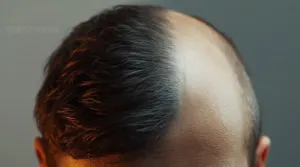
A little shedding after a hat comes off usually isn’t cause for panic. Stress, illness, or weight loss can trigger temporary hair shedding, and hats simply collect the strands that fall anyway. Broken shafts regrow normally, too.
Permanent hair follicle damage is a different story. Years of constant tension can scar follicles, leaving shiny, smooth patches where hair won’t return.
Hat Friction and Buildup Affect Hair Health
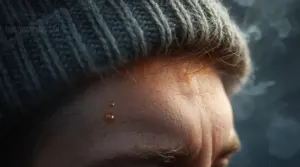
Hats rub against your hair all day, and that hat friction adds up. Each time fabric drags across a strand, it roughs up the cuticle (the shingle-like outer layer), which can mean frizz, split ends, and breakage over time. Wool and acrylic tend to be the biggest offenders.
Then there’s what gets trapped underneath. Sweat, oils, and dead skin cells pile up in a warm, closed space, and that buildup under hats may clog follicles and lead to scalp irritation or inflammation. Think of it as a tiny, stuffy greenhouse nobody asked for. A gentle clarifying scalp shampoo used once a week can lift that buildup without stripping your scalp’s natural oils.
Does this mean your favorite cap is wrecking your hair? Not exactly. Breakage isn’t the same as follicle loss, but it can make hair look noticeably thinner.
How to Wear Hats Without Damaging Hair

Picture Maya, who wears the same snug baseball cap every day on her commute. By week three, her hairline feels sore and there’s a faint red line across her forehead. Her hair isn’t doomed, but her hat habits need a tweak.
Here’s how to fix that:
- Choose breathable fabrics like cotton, bamboo, or linen, and look for a smooth satin lining to cut friction.
- Aim for snug, not tight. Marks on your skin mean it’s too small.
- Wear it slightly higher on your head instead of pressing it down.
- Let hair dry completely first, and wash your hats regularly.
- Skip tight ponytails or buns underneath, and rotate between a few hats.
Small changes protect your scalp, and your favorite cap can stay.
When Hair Loss Needs a Dermatologist
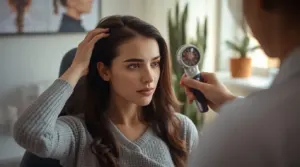
Picture Maya, who blames her favorite beanie for a smooth, coin-sized bald patch she spotted last week. She swaps hats, buys a new shampoo, and waits. Two months later, the patch is bigger.
The hat probably isn’t the whole story. Dermatologist John Anthony would likely point out that smooth, round patches, a red or burning scalp, or shedding after illness or stress deserve a closer look. So does hair loss that hasn’t improved after about two months of home care.
Don’t wait if your scalp hurts, oozes, or comes with a fever. A hair loss consultation can sort out traction alopecia, an autoimmune cause, or a nutritional gap. It’s worth booking even if it’s only chipping away at your confidence.
Frequently Asked Questions (FAQs)
Can hats worsen dandruff or an itchy scalp?
Your scalp isn’t plotting against your favorite cap, but it might feel that way. Sweat, heat, and oil can feed dandruff-causing yeast, so yes, hats can worsen flaking. Wash them often and let your scalp breathe.
If your flakes are oily and yellowish rather than small and dry, this guide to dandruff causes and remedies can help you pick the right fix.
Do hats protect the scalp from sunburn?
Yes, but only if the hat is built for it. A tightly woven fabric with a wide brim shades your scalp well, while a loose straw hat or baseball cap lets plenty of UV radiation sneak through.
Does sleeping in a hat harm hair?
Picture your hat as a cozy sleeping bag for your head: snug is fine, but cinched too tight, it gets grumpy. A loose, clean one won’t harm your follicles. A tight hat worn nightly might.
Conclusion
So, do hats make you bald? Not on their own. Your genes call the shots, and a beanie is just along for the ride.
What deserves your attention is the fit. Skip the band that leaves a dent, rinse away sweat, and keep your hats clean. Tight styles underneath matter too, since steady pulling is what harms follicles (the tiny pockets that grow each hair).
If patches appear, see a dermatologist. Otherwise, wear the hat.