This site is supported by our readers. We may earn a commission, at no cost to you, if you purchase through links. This content is for general informational and educational purposes only and is not a substitute for professional medical, dermatological, or nutritional advice.

Losing 50 to 100 hairs a day is normal, your brush isn’t lying to you when it looks worse than that some mornings. Stress, crash diets, thin ponytails, even a rough flu season can push more hairs into their resting phase at once, and suddenly your shower drain tells a different story.
Here’s the good news: hair loss isn’t one problem with one fix. It’s a handful of different causes, each with its own solution, and mixing them up wastes time you don’t have to lose.
That’s where real hair fall treatment methods come in, matched to your specific cause instead of guesswork.
Table Of Contents
- Key Takeaways
- Identify The Cause of Hair Fall
- Evidence-Based Medical Hair Fall Treatments
- Nutrition Strategies for Healthy Hair Growth
- Gentle Hair Care to Reduce Hair Fall
- Natural Remedies and Lifestyle Changes
- Frequently Asked Questions (FAQs)
- What is the best method to stop hair fall?
- What is the best treatment for falling hair?
- What are the big 3 hair loss treatments?
- What vitamin is lacking if your hair is falling out?
- What is the best treatment to stop hair fall?
- What is the best permanent treatment for hair loss?
- Is hair loss permanent?
- Do hot showers cause hair loss?
- Does caffeine stop hair loss?
- Can stress cause hair loss?
- Conclusion
Key Takeaways
- Hair loss has several different causes—genetics, hormones, medical conditions, and stress—so pinpointing yours first is the key to picking a treatment that actually works.
- Minoxidil and finasteride remain the gold-standard, evidence-backed treatments for pattern hair loss, but both take months of consistent use before you’ll see real results.
- What you eat matters as much as what you apply, since protein, iron, zinc, and vitamin D deficiencies can all drive shedding and are worth checking with bloodwork before supplementing.
- Everyday habits like gentle washing, avoiding tight hairstyles, managing stress, and skipping cigarettes protect your progress just as much as any medical treatment.
Identify The Cause of Hair Fall
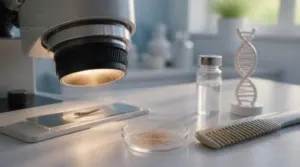
Before you fix hair fall, you need to know what’s causing it. Your hair follicles respond to a mix of genetics, hormones, health conditions, and even everyday habits, so guessing rarely works. Here’s what to check first.
If you’re ready to dig deeper, this guide on how to stop hair from falling out breaks down each trigger and how to address it.
Hair Growth Cycle Changes
Before blaming genetics, look at your hair growth cycle. Each follicle moves through anagen (growth), catagen, telogen (rest), then sheds. Stress, poor sleep, or crash diets can trigger growth phase shortening, pushing more follicles into telogen at once.
Hormonal shifts, from thyroid issues to postpartum changes or hormonal imbalance and hair loss in women, are another common reason follicles slip into rest early.
Losing 50-100 hairs daily is normal; a sudden surge usually means cycle disruption, not permanent loss. Understanding the phases of hair can help identify when shedding is part of a natural rhythm or a sign of imbalance.
Genetic and Hormonal Hair Loss
If shedding won’t quit, your genes may be talking. Androgenetic alopecia runs in families, driven by genetic risk variants affecting androgen receptor sensitivity. Testosterone converts to DHT (DHT conversion rate varies by person), and sensitive follicles react with faster follicle miniaturization. This hormonal follicle response explains why identical hormone levels cause hair loss in one person, none in another—true for both hormonal imbalance and inherited risk.
Medical Conditions and Medications
Genes aren’t always the culprit. Your body might be waving a flag through thyroid health, hormonal imbalance, or an autoimmune reaction attacking follicles directly.
- Thyroid dysfunction (hypo- or hyperthyroidism)
- Autoimmune screening for alopecia areata
- Medication side effects from certain drugs
Nutritional deficiencies matter too, and don’t skip your med list, since finasteride and minoxidil aren’t the only drugs affecting growth cycles.
Tests for Hair Loss Causes
So how does your doctor actually confirm what’s going on? It usually starts with a hair pull test and pattern history, then moves to scalp dermoscopy for a closer look at follicles.
Blood work checks thyroid issues, vitamin deficiency, and hormonal imbalance.
Unclear or scarring cases may need a scalp biopsy to rule out autoimmune disorders.
Evidence-Based Medical Hair Fall Treatments
Once you’ve found the cause, the next step is picking a treatment that actually works. Science has given us several solid options, from topical solutions to surgical fixes, and each one targets hair loss a bit differently. Here’s a look at the methods backed by real research.
Topical Minoxidil Treatment
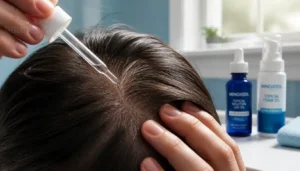
Think of minoxidil as fertilizer for follicles that haven’t given up yet. Apply it to a dry scalp, twice daily, and stay consistent—results take 4 to 6 months.
- Foam suits sensitive scalps better
- Solution can irritate with propylene glycol
- Both boost scalp circulation and follicle stimulation
Mild itching or dryness is common. Stick with it; patience pays off.
Finasteride and DHT Blockers

If genetics are driving your shedding, finasteride targets it at the hormone level. It blocks 5-alpha reductase, cutting DHT by about 65% and slowing follicle miniaturization. One 1mg tablet daily; give it three months minimum.
Since finasteride works on the hormone side of things, pairing it with a solid biotin supplement for hair growth can help support the structural side too.
Sexual side effects—lower libido, ED—show up more than placebo. Pregnant women shouldn’t handle broken tablets. Dutasteride blocks DHT harder, but finasteride remains the established, better-studied choice.
Corticosteroids for Alopecia Areata
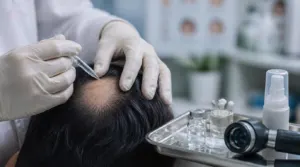
When patches appear suddenly, alopecia areata is often the culprit, an autoimmune attack on follicles. Corticosteroids calm that immune response.
- Topical clobetasol foam, twice daily
- Intralesional triamcinolone, every 4-6 weeks
- Regrowth starts around 6-8 weeks
- 62% see major regrowth
Watch for thinning skin. See a dermatologist before starting.
PRP and Laser Therapy
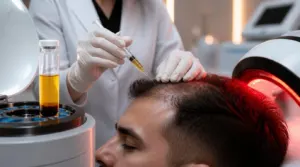
Blood as medicine? That’s platelet-rich plasma therapy: your own blood, spun down and injected into thinning areas to spark follicle regeneration.
| Treatment | Schedule | Timeline |
|---|---|---|
| PRP | 3 sessions, monthly | Months |
| Laser therapy | Weekly, ongoing | Gradual |
Low-level laser therapy uses red light for scalp health improvement. Combined, they often boost density better than alone—though maintenance keeps benefits going.
Hair Transplant Surgery
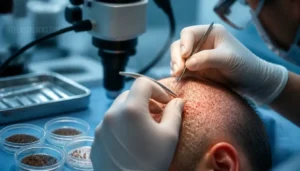
Surgery moves hair you already have, it doesn’t grow new follicles. Good candidates have stable donor area hair and permanent pattern loss, not patchy or temporary shedding.
- FUT vs FUE: strip versus individual extraction, different scars
- Graft survival hits 90-95% with proper technique
- Post-op recovery brings shedding first, growth by month 9-12
Expect scar management and realistic timelines, not overnight density.
Nutrition Strategies for Healthy Hair Growth

Think of your hair the way you’d think of a garden, it only grows as well as what you feed it. Medicine and topicals can only do so much if your body’s missing the raw materials for growth. Here’s what actually matters for nutrition and your hair.
Hair grows like a garden—only as well as the nutrients you feed it
Protein for Keratin Production
Your hair is basically protein, built brick by brick from amino acid synthesis. Skimp on protein and keratin production stalls fast.
Cysteine matters most, forming disulfide bonds that keep strands strong. Eggs, fish, and legumes cover your bases.
Chronic protein deficiency shows up as shedding and brittle strands, so protein quality matters as much as quantity for real nutrient absorption.
Iron, Zinc, and Vitamin D
Protein’s only part of the story. Iron deficiency is a classic hidden cause of shedding — low ferritin, fatigue, brittle nails.
Zinc supplements help follicle repair, but food sources like beef and pumpkin seeds work first.
Low vitamin D metabolism ties to pattern loss too. Get bloodwork before supplementing; nutrient interactions matter more than guessing.
Biotin for Confirmed Deficiency
Now the biotin question. Confirmed deficiency is rare, but when labs prove it, oral biotin therapy (5-20mg daily) helps.
Diagnosis needs blood work, not guessing — brittle nails and rashes often tag along with hair thinning.
Regrowth takes months, slower than lab numbers improve.
One catch: high doses skew thyroid tests, so tell your doctor before screening.
Hydration and Scalp Health
Vitamins aside, your scalp needs water too. A weak scalp barrier raises water loss and leaves skin flaky and tight.
Wash every 3-5 days, not daily, cutting moisture loss. Pick moisturizers with glycerin or hyaluronic acid, skip harsh sulfates, and try a silk pillowcase to cut friction while you sleep.
Supplement Testing and Safety
Popping pills without checking their quality is like watering a garden with unfiltered water. Look for third party certification, heavy metal screening, and confirmed potency label accuracy.
- Ingredient identity verification
- Zinc and biotin supplements dosed accurately
- Disintegration testing for real absorption
Skip mystery brands. Nutrient absorption enhancement means nothing if the capsule doesn’t dissolve.
Gentle Hair Care to Reduce Hair Fall

Think of your hair like a garden, it thrives on gentle handling, not rough treatment. How you wash, dry, and style it daily can make or break your progress, even if your diet and treatments are on point. Here are five simple habits that protect your strands from everyday damage.
Mild Shampooing and Conditioning
Think of your scalp like soil: strip it too hard and nothing grows well. Use sulfate-free shampoos with gentle surfactants, matched to your scalp’s natural pH (4.5-5.5). Wash 5-6 times weekly.
| Product Type | Key Ingredient | Benefit |
|---|---|---|
| Mild shampoo | Betaine/glucosides | Gentle cleansing |
| Conditioner | Conditioning polymers | Less friction |
| pH-balanced | Acidic formula | Scalp hydration |
Safe Detangling Techniques
Where you start matters. End first detangle by working knots loose from the tips before touching the roots, so you’re not dragging snarls through the whole strand.
- A comb gliding through soft, tangle-free ends
- Fingers gently separating a small knot cluster
- Sectioned strands clipped neatly out of the way
- A wide tooth comb easing through damp, conditioned hair
Try finger detangling first, then a widetooth comb.
Limiting Heat and Chemicals
Heat and chemicals wear hair down fast, like sun bleaching a fence over time.
Keep flat irons under 350°F, and always apply heat protectant sprays first—they coat strands and buffer damage.
Choose chemical-free keratin treatments over formaldehyde-based ones.
Wash with sulfate-free shampoos, and let hair air dry when you can. Small swaps, real protection.
Avoiding Tight Hairstyles
Your ponytail shouldn’t hurt. That tenderness after a tight braid or slicked bun? It’s early traction alopecia, from constant pulling on the roots.
If you’re worried about long-term damage, understanding how dreads affect your hair can help you spot which protective styles are worth the risk.
- Swap high ponytails for low, loose buns
- Rotate styles weekly to rest follicles
- Use silk scrunchies, not rubber bands
- Sleep on silk pillowcases to cut friction
Loosen up, and use wide-tooth combs for detangling. Gentle hair care today prevents breakage—and lasting damage—tomorrow.
Scalp Massage and Circulation
Five minutes a day, that’s it. Scalp massage boosts blood flow to roughly 120% of baseline, lasting 20+ minutes post-session. Use fingertip pressing (not rubbing) in circular motions—this drives microcirculation stimulation and dermal papilla activation. Bonus: it lowers cortisol, easing stress-related shedding. Keep pressure light, skip irritated skin, and stay consistent.
| Technique | Duration | Benefit |
|---|---|---|
| Fingertip pressing | 3 min | Peak blood flow |
| Circular motion | 3-5 min | Even distribution |
| Daily sessions | 5 min | Stress reduction |
Natural Remedies and Lifestyle Changes

Medicine and diet cover a lot of ground, but your daily habits matter just as much. Think of hair like a garden, it grows best when the whole environment helps it thrive, not just what you feed it. Here’s where to start.
Stress Management and Sleep
Your body can’t tell the difference between a looming deadline and a real threat, so chronic stress keeps cortisol high, pushing follicles into their resting phase early. Calming things down matters.
Try slow breathing, a wind-down routine before bed, and a consistent sleep schedule — deep sleep is when your scalp actually repairs itself and hormones reset.
Exercise for Better Circulation
Sleep resets your hormones, but movement gets your blood moving. Walking daily works your calf muscles like a pump, pushing blood back up from your feet. Aim for 150 minutes weekly of moderate aerobic activity — swimming or cycling count too. This boosts circulation and helps hair follicle regeneration. Pair it with scalp massage for even better results.
Quitting Smoking
Cardio’s great, but if you smoke, you’re pumping blood through constricted vessels. Nicotine cuts scalp perfusion — the opposite of what your follicles need.
Quitting helps fast:
- Heart rate drops within minutes
- Circulation improves within weeks
- Heart attack risk falls sharply after 1-2 years
- Lung cancer risk halves by year 10
Cravings and irritability pass. Ask your doctor about quit support resources.
Hair Oils and Herbal Remedies
Once you’ve quit, herbal oils can support what you’ve started. Coconut oil penetrates the hair shaft thanks to lauric acid, delivering amla and fenugreek deeper than most carriers. Amla’s tannins add shine; neem calms an itchy scalp. Rosemary and other essential oils are popular add-ins. Patch test first — think of it as feeding your garden’s soil, not a quick fix.
Long-Term Hair Loss Prevention
Oils help, but lasting results come from a real plan, not one fix. Think long-term maintenance: DHT management, hormonal balance, and scalp microbiome care, together.
- Consistent DHT blocking
- Balanced hormones
- Protein-rich foods
- Managed stress
- Routine scalp checks
Correct nutritional deficiencies, keep scalp health steady, and integrate these habits into daily life. Your garden keeps growing.
Frequently Asked Questions (FAQs)
What is the best method to stop hair fall?
Think of hair like a garden, no single tool fixes every problem. Your individualized treatment plan matters most, often combining minoxidil, finasteride, or biotin supplements with iron deficiency correction and scalp massage for real, lasting results.
What is the best treatment for falling hair?
There’s no single winner here. The best treatment matches your specific cause — pattern loss works well with minoxidil or finasteride, alopecia areata to corticosteroids. A suited treatment plan, started early, beats any one-size-fits-all fix.
What are the big 3 hair loss treatments?
No cape, no miracle serum—just three unglamorous allies. Minoxidil (topical), finasteride (oral, DHT-blocking), and ketoconazole shampoo team up daily, offering FDA-approved treatments plus supportive scalp care for real, evidence-backed combination therapy efficacy over time.
What vitamin is lacking if your hair is falling out?
Vitamin D deficiency tops the list, alongside low iron and B Get a vitamin D testing panel plus an iron level check before trying biotin supplements—nutritional deficiencies vary, so guessing wastes time and money.
What is the best treatment to stop hair fall?
Like a blacksmith forging armor, topical minoxidil and oral finasteride remain gold-standard, non-surgical fixes—no clinical trial or evidence grading beats their track record. Stay consistent for months; pair with laser therapy, PRP, or transplant surgery if results stall, always managing side effects with your doctor.
What is the best permanent treatment for hair loss?
For most people, hair transplant surgery is the closest thing to permanent. It moves resistant follicles to thinning spots, works best once loss has stabilized, and often pairs with minoxidil or finasteride for lasting maintenance.
Is hair loss permanent?
Here’s the good news: it depends on the follicle. Telogen effluvium and androgenetic alopecia often respond to early treatment, while scarring alopecia destroys follicles permanently. Catch it early, and regrowth stays possible—wait too long, and options narrow fast.
Do hot showers cause hair loss?
Not directly, no. But cranking the water up strips scalp oils and sebum balance, weakening hair shaft strength. Stick with lukewarm water, shorter showers, and you’ll protect your scalp microbiome from unnecessary oxidative stress.
Does caffeine stop hair loss?
Not on its own. Topical caffeine can boost follicle activity and counter DHT-linked shrinkage in lab studies, but human evidence stays limited. Think of it as fertilizer, not a fix — helpful support, not a guaranteed hair-loss blocker.
Can stress cause hair loss?
Think of stress as a storm shaking loose leaves from a tree, yes, it can trigger telogen effluvium. Cortisol floods your system, pushing follicles into resting mode, causing stress-induced shedding within two to three months.
Conclusion
Split ends, split decisions—your hair’s fate isn’t left to chance anymore. The right hair fall treatment methods work like tending a garden: pull one weed and expect roots elsewhere fast. Identify your cause, match your fix, and give it months, not days, to show.
Some mornings will still worry you. That’s normal. But consistency beats panic every time, and your scalp remembers patience. Treat it right, and it grows back the trust you gave it.