This site is supported by our readers. We may earn a commission, at no cost to you, if you purchase through links.

Most people waste money on hair growth products that don’t work. That’s because less than 5% of ingredients marketed for hair regrowth have FDA approval or solid clinical evidence. The rest rely on hope and misleading claims.
Your hair follicles don’t respond to marketing, they respond to science. Minoxidil, finasteride, and a handful of other proven compounds can actually trigger new growth or stop hair loss in its tracks.
But you need to know which products contain effective concentrations, how to use them correctly, and what realistic results look like. The difference between thinning hair and visible regrowth often comes down to choosing treatments backed by dermatology research instead of Instagram testimonials.
Table Of Contents
- Key Takeaways
- Proven Ingredients for Hair Growth
- Key Causes of Hair Thinning
- Top 10 Hair Growth Products That Work
- 1. Keranique Hair Regrowth Treatment For Women
- 2. Women’s Rogaine Hair Regrowth Treatment Solution
- 3. Vegamour GRO Hair Serum for Thinning
- 4. Rosemary Mint Hair Oil Treatment
- 5. Briogeo Avocado Kiwi Mega Moisture Mask
- 6. Hers Minoxidil Foam Hair Regrowth Treatment
- 7. NutraM Hair Serum DHT Blocker
- 8. Maxsoft Scalp Massager Shampoo Brush
- 9. Redken Extreme Conditioner For Damaged Hair
- 10. Neutrogena Rapid Tone Repair Dark Spot Serum
- Evaluating Hair Growth Product Effectiveness
- Tips for Maximizing Hair Growth Results
- Frequently Asked Questions (FAQs)
- What are hair growth products?
- What works best for hair growth quickly?
- Do hair growth products really work?
- Which hair growth products have proven scientific efficacy?
- Which Hims products are best for hair growth?
- Can natural products help with hair growth?
- Are there any hair growth products that actually work?
- What is the number 1 hair growth product?
- Do any hair growth supplements actually work?
- What is the most effective hair growth remedy?
- Conclusion
Key Takeaways
- Only minoxidil (FDA-approved) and finasteride have solid clinical evidence for hair regrowth, with 60-90% of users seeing improvement when used consistently for 3-6 months, while most other products lack reliable scientific backing.
- Hair loss stems from multiple causes including genetic DHT sensitivity (80% of male pattern baldness), nutritional deficiencies (iron, vitamin D, biotin), and lifestyle factors like stress and smoking, so effective treatment requires addressing your specific underlying cause.
- Consistency matters more than product choice—86% of people quit topical treatments early, but sticking with proven options like minoxidil or finasteride past one year cuts your dropout risk by 78% and delivers measurable results.
- Natural alternatives like rosemary oil can match 2% minoxidil’s effectiveness after six months of twice-daily use, though they work more slowly and complement rather than replace FDA-approved treatments for moderate to severe thinning.
Proven Ingredients for Hair Growth
Not all hair growth ingredients are created equal. Some have solid clinical evidence behind them, while others make big promises without the science to back it up.
Here’s what actually works, according to research and real-world results.
Minoxidil and Its Effectiveness

Minoxidil stands as the only FDA-approved ingredient proven to treat hair loss. When you apply the 5% formula consistently, you can expect visible results within 6-8 weeks, with peak growth appearing by 12-16 weeks.
Clinical studies show that about 60% of users report satisfaction after six months, though side effects like scalp irritation affect roughly one in three people. A post marketing study monitors the drug’s long-term safety and efficacy.
Finasteride for Male Pattern Baldness

If you’re weighing hair loss medications, finasteride is a proven option for male pattern baldness. It works by reducing DHT, the hormone behind shrinking hair follicles. Finasteride efficacy shows lasting hair regrowth, especially with treatment duration of five years or more.
Most men report patient satisfaction, though sexual side-effects affect a small percentage. Consistency is key for results. Clinical trials demonstrated improved scalp hair with finasteride treatment.
Biotin and Hair Health

Biotin shows up in many hair growth supplements, but the evidence isn’t as strong as you might think. True biotin deficiency—rare in healthy adults—can cause hair loss that improves with supplementation.
Studies in pediatric alopecia and post-surgery patients show some benefit, yet controlled trials in healthy people found no significant hair growth advantage over placebo.
High doses may also interfere with thyroid and cardiac lab tests.
Rosemary Oil and Scalp Circulation

Another natural option worth mentioning is rosemary oil, which works through vasodilation—widening blood vessels to boost scalp circulation. Better follicle oxygenation means more nutrients reach your hair roots.
A 2015 trial found rosemary oil matched 2% minoxidil’s results in androgenetic alopecia, while newer oil blends showed significant improvements in hair density and shedding reduction over 90 days.
Key Causes of Hair Thinning

Hair loss doesn’t happen for just one reason. Your genes, what you eat, how you live, and even the medications you take can all play a role.
Let’s look at the main culprits behind thinning hair so you can better understand what might be affecting yours.
Genetic and Hormonal Factors
Your genes and hormones often control whether you keep a full head of hair or start noticing thinning. Over 80% of male pattern baldness stems from genetic predisposition, especially linked to the X chromosome and specific risk loci.
DHT sensitivity causes hair follicles to shrink, while hormonal imbalances and hormonal changes accelerate hair loss. These genetic disorders and hormonal factors drive most progressive thinning patterns you might experience.
Nutritional Deficiencies (Iron, Vitamin D, Biotin)
If your diet falls short, iron deficiency, vitamin D, and biotin gaps can trigger hair thinning. About 28% of women with hair loss show undetected iron deficiency, while over half of alopecia patients lack vitamin D. Diagnostic thresholds help pinpoint deficiency prevalence.
Nutritional deficiencies often respond well to targeted supplements—iron, vitamin D, and biotin supplementation may restore growth when levels rise.
Lifestyle and Environmental Triggers
How does daily life affect your scalp? Stress management matters—73.8% of stressed individuals face hair loss versus 57.5% without stress. Smoking triples your risk of moderate hair thinning with ten or more cigarettes daily.
Air pollution damage escalates through PM2.5 particles triggering oxidative stress. Sleep deprivation under six hours nightly increases shedding, while tight hairstyles cause traction alopecia over time.
Medical Conditions and Medications
Ever wonder why your hair thinning won’t budge? Systemic health plays a starring role. For example, thyroid disorders can trigger shedding, while autoimmune alopecia often affects scalp and body hair. Medications for hair loss can help, but some drugs actually worsen it. Watch for:
- Thyroid disorders
- Autoimmune conditions
- Medication effects
Understanding these links guides smarter hair growth treatments.
Top 10 Hair Growth Products That Work
Now that you understand what causes hair loss, let’s look at products that can actually help. The following ten options range from FDA-approved treatments to scalp care tools that support healthier growth.
Each product targets different aspects of thinning hair, so you can find what works best for your specific needs.
1. Keranique Hair Regrowth Treatment For Women
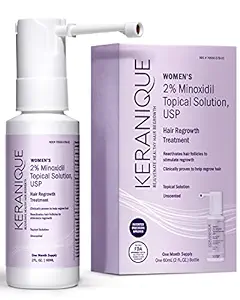
Looking for a hair growth product backed by science? Keranique Hair Regrowth Treatment for Women uses a 2% minoxidil concentration, the only FDA-approved ingredient for female pattern hair loss.
Its precision spray makes the application method straightforward, targeting thinning areas. You’ll need to use it twice daily for several months—think of it as a marathon, not a sprint.
Scalp irritation can occur, so monitor your skin closely. While results vary, many users report thicker hair, making it a reliable choice among hair loss treatments.
Best For: Women with mild to moderate hereditary hair loss who are committed to twice-daily application and willing to wait 4–6 months for visible results.
- Contains 2% minoxidil, the only FDA-approved ingredient proven to regrow hair in women with clinical studies showing measurable improvement
- Precision spray applicator makes it easy to target specific thinning areas without mess or guesswork
- Visible results typically appear within 4–6 months, with many users reporting thicker, fuller hair when used consistently
- Requires twice-daily application indefinitely—stopping treatment causes regrown hair to fall out within a few months
- Can cause scalp irritation, itching, dryness, and occasionally unwanted facial hair growth
- Mixed customer feedback on effectiveness, with some reporting no results, greasy hair texture, or value concerns relative to cost
2. Women’s Rogaine Hair Regrowth Treatment Solution
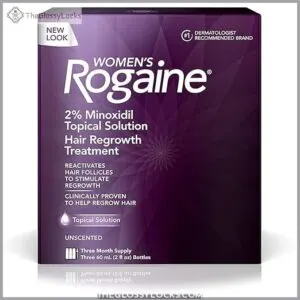
Rogaine’s 2% minoxidil solution stands as a proven option for women facing hereditary hair loss. Clinical data shows 19% of users achieve moderate regrowth after eight months, with 40% seeing minimal improvement.
You’ll apply 1 mL twice daily directly to your scalp—consistency matters here. Side effects include scalp itchiness in some users and unwanted facial hair in 3-51% of cases.
While user satisfaction averages 2.7 out of 5, many report visible results within 2-3 months. It’s not a miracle cure, but it’s backed by solid evidence.
Best For: Women with hereditary hair loss who are committed to a consistent twice-daily routine and want a clinically proven treatment, even if results take several months to appear.
- Clinically backed results with 60% of users experiencing some hair regrowth and 19% achieving moderate improvement after 8 months
- Unscented formula that’s easy to apply directly to the scalp with the included dropper
- Three-month supply provides good value for long-term treatment commitment
- Requires strict twice-daily application for at least 3-4 months before seeing results, which demands significant commitment
- Side effects are common, including scalp irritation, unwanted facial hair growth (3-51% of users), and occasional heart palpitations
- User satisfaction rating of 2.7 out of 5 suggests mixed real-world experiences, with some finding it greasy or messy to apply
3. Vegamour GRO Hair Serum for Thinning
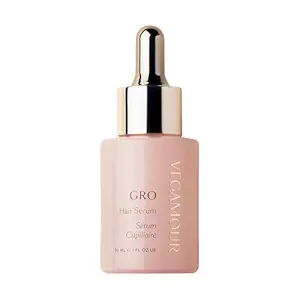
Vegamour GRO Hair Serum offers a plant-based alternative if you prefer hormone-free options. The serum ingredients include mung bean, red clover, and caffeine—all shown to support follicle health.
Clinical trials show impressive results: 91% less shedding after 120 days, with 89% reporting better hair density. User reviews consistently mention fuller hair within the first month, though visible regrowth takes 3-4 months.
You’ll apply it once daily to wet or dry hair. The safety profile is strong, with no adverse events in 90-day studies. Expect to pay more than minoxidil-based products.
Best For: People looking for a hormone-free, plant-based solution to hair thinning who don’t mind a higher price point and can commit to 3-4 months of daily use.
- Clinically proven results with 91% reduction in shedding and 89% improvement in hair density after 120 days
- Clean formula that’s vegan, cruelty-free, and free from hormones, parabens, and synthetic dyes
- Safe and well-tolerated with no adverse events reported in clinical trials
- Takes 3-4 months of consistent daily use before you’ll see visible regrowth
- More expensive than minoxidil-based alternatives
- Some users report bottles being less than half full or concerns about overall value for the price
4. Rosemary Mint Hair Oil Treatment
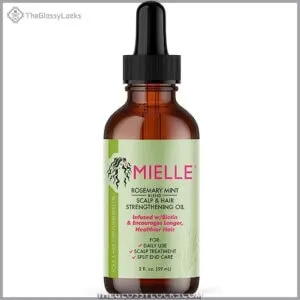
Mielle Organics Rosemary Mint Hair Oil Treatment provides an affordable, natural option backed by emerging research. A 2015 trial showed 3% rosemary oil matched 2% minoxidil’s hair growth after six months.
The rosemary benefits include improved scalp microcirculation and anti-inflammatory effects, while menthol effects boost blood flow where you massage it in. These oil blends generally show better tolerability than minoxidil—less itching reported.
You’ll apply twice daily for at least six months. At under $10, this hair oil offers solid value if you’re patient with gradual results.
Best For: People looking for a natural, budget-friendly alternative to minoxidil who are willing to commit to twice-daily use for at least six months to see results.
- Clinical research shows rosemary oil can match 2% minoxidil’s hair growth effects after six months of consistent use
- Better tolerated than minoxidil with significantly less scalp itching and irritation reported in trials
- Affordable at under $9 for a multi-use formula that works as pre-wash treatment, scalp oil, or split end care
- Requires at least six months of twice-daily application before measurable improvements appear, demanding significant patience and consistency
- Can feel greasy if you use too much product, and the strong rosemary scent may bother people sensitive to fragrances
- Currently supported by small-scale studies rather than large long-term trials, so it’s best viewed as a complement to rather than replacement for proven treatments in moderate to severe hair loss
5. Briogeo Avocado Kiwi Mega Moisture Mask
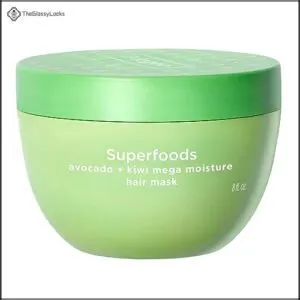
If your hair feels thirsty or brittle, a weekly treatment like Briogeo Avocado Kiwi Mega Moisture Mask can make a real difference.
This hair mask stands out for its hydration efficacy, blending avocado oil, kiwi extract, and chia seed oil to boost softness and shine. Ingredient benefits include biotin and antioxidants that support overall hair health.
Consumer reviews highlight smoother, more manageable hair across all hair types. While not a direct hair growth product, it’s a smart addition to your hair care products lineup.
Best For: People with dry, brittle, or frizzy hair who want intense weekly hydration without added protein, especially those using hair growth treatments that can cause dryness or irritation.
- Deep hydration formula with avocado oil, kiwi extract, and chia seed oil leaves hair noticeably softer, smoother, and shinier after just a few uses
- Works across all hair types and textures, with strong reviews from people with very dry, thick, curly, and natural hair noting improved manageability and detangling
- Clean formula that’s 96% naturally derived, vegan, cruelty-free, and free of silicones, parabens, and sulfates
- $39 for 8 oz is pricier than many drugstore masks, which might not fit every budget
- Rich, emollient formula can feel heavy or greasy if you overuse it or have fine hair that gets weighed down easily
- Some users report a sticky residue or needing to wash hair more frequently after use
6. Hers Minoxidil Foam Hair Regrowth Treatment
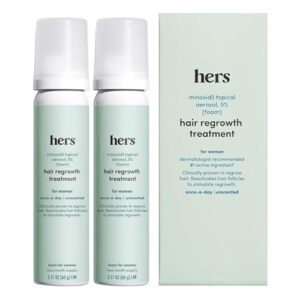
When you’re ready to move beyond moisture masks, topical minoxidil treatments offer clinically proven results. Hers Minoxidil Foam Hair Regrowth Treatment contains FDA-approved minoxidil 5% foam, shown to support hair regrowth and fuller hair in women.
You’ll apply it once daily to your scalp, and clinical data shows over 90% of users reported increased regrowth or reduced hair loss. The treatment timeline matters—expect visible changes around 3 to 6 months with application consistency.
Side effects like scalp irritation or temporary shedding can occur, but most women tolerate it well.
Best For: Women experiencing hair thinning or pattern hair loss who want a clinically proven, once-daily foam treatment that’s FDA-approved and backed by data showing over 90% of users saw improvement.
- Clinically proven 5% minoxidil formula that outperformed 2% strength in trials, with visible results typically appearing within 3-6 months of consistent use
- Easy, mess-free foam application that’s non-greasy and only requires once-daily use directly on the scalp
- Cruelty-free and free of parabens, silicones, and sulfates, making it suitable for various hair types and sensitivities
- Requires daily commitment to maintain results—stopping treatment means hair loss resumes, so it’s a long-term routine
- Common side effects include scalp irritation, temporary shedding when starting, and potential unwanted facial hair growth in some users
- Mixed effectiveness with some users reporting the product didn’t work for them, plus it can make hair feel stiff or crunchy after application
7. NutraM Hair Serum DHT Blocker
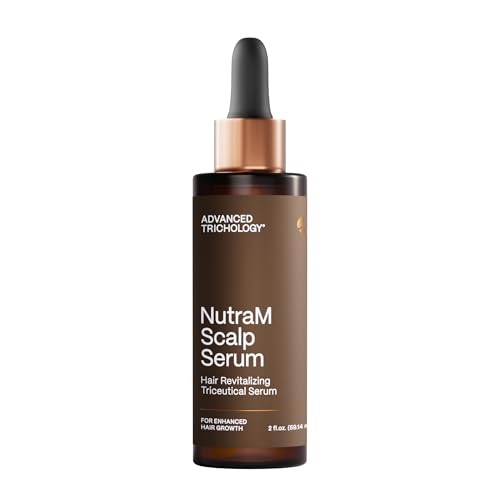
Beyond minoxidil, DHT blocking offers another science-backed path. NutraM Hair Serum combines topical melatonin with botanical DHT blockers to target the hormone that shrinks follicles.
Clinical evidence shows hair growth products addressing DHT can reduce hair loss patterns, and user feedback reports visible thickening around three months with daily application.
You’ll apply 1 to 2 milliliters to thinning areas overnight. Scalp irritation—flushing or itching—can occur, so reduce your application regimen to every 48 hours if sensitivity develops.
Best For: People dealing with hormonal hair thinning who want a botanical DHT-blocking serum that can work alongside other treatments like minoxidil or finasteride.
- Combines topical melatonin with botanical DHT blockers to target the root hormonal cause of follicle shrinkage
- Most users report visible thickening and reduced shedding around the three-month mark with consistent nightly use
- Lightweight, non-greasy formula absorbs quickly so you can wear it under hats or helmets during the day
- Scalp irritation—flushing, itching, or redness—affects some users, especially those with sensitive skin or alcohol sensitivities
- Mixed reviews on scent and texture, with some finding the smell unpleasant or the feel tacky enough to stop using it
- Results vary widely, and the brand relies more on internal polling than published clinical trials specific to this exact formula
8. Maxsoft Scalp Massager Shampoo Brush
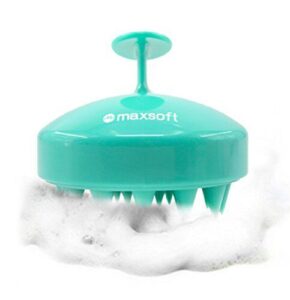
Mechanical stimulation alone won’t regrow hair, but the Maxsoft Scalp Massager Shampoo Brush promotes scalp health in ways that matter. Silicone bristle action delivers gentle exfoliation benefits, removing buildup that can clog follicles and compromise scalp blood flow.
A 2016 study showed daily scalp massage increased hair thickness from 0.085 to 0.092 millimeters over 24 weeks. You’ll use it two to three times weekly during shampooing—light pressure only.
User satisfaction ratings average 4.5 stars, with many reporting reduced itching and flakiness. Clean it with mild soap after each use to prevent microbial buildup.
Best For: People looking to improve scalp health, reduce dandruff and itching, and enhance blood flow while shampooing—especially those with thick or coily hair who struggle to reach their scalp.
- Gentle silicone bristles exfoliate buildup and distribute shampoo evenly without scratching
- Research-backed benefits show increased hair thickness with consistent 4-minute daily massage over 24 weeks
- High user satisfaction (4.5 stars average) with many reporting reduced flakiness and scalp tension
- Some customers report the brush breaks or loses bristles quickly, raising durability concerns
- Circular motions can cause tangles in longer or textured hair if you’re not careful
- Won’t regrow hair on its own—works best as a supplement to proven treatments like minoxidil
9. Redken Extreme Conditioner For Damaged Hair
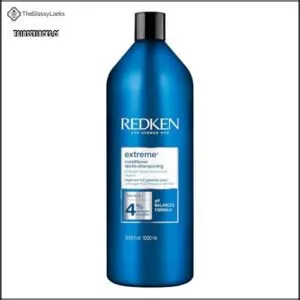
Damaged hair creates a poor foundation for growth, which is where Redken Extreme Conditioner earns its place among effective hair care product reviews. Its Protein Complex targets the hair shaft with amino acids and arginine, delivering breakage reduction up to 73% in testing versus non-conditioning shampoo.
You’ll apply it after cleansing, working through intended hair types—chemically treated or mechanically stressed strands. Application performance improves with consistent use, and sustainable packaging using 100% recycled plastic reflects responsible formulation.
While it won’t stimulate new growth, preventing breakage preserves length you’re working to achieve.
Best For: People with chemically treated or damaged hair who need a strengthening conditioner to reduce breakage and improve hair resilience.
- Reduces breakage by up to 73% when used with the full Extreme system, making hair noticeably stronger and more resilient
- Contains protein-based ingredients like amino acids and arginine that target damage from root to tip
- Uses 100% recycled plastic packaging and is produced with renewable energy
- Won’t repair severely damaged hair completely and results vary by hair type
- More expensive than many other conditioner options on the market
- May cause protein overload if not rotated with moisturizing products, especially for fine or low-porosity hair
10. Neutrogena Rapid Tone Repair Dark Spot Serum
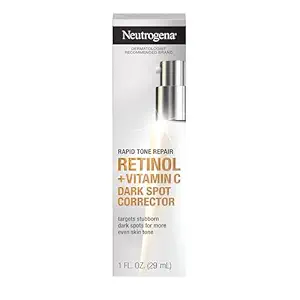
Though this product targets skin, not follicles, scalp health matters for hair growth product effectiveness. Neutrogena’s serum combines retinol and vitamin C to address dark spot reduction and uneven skin tone—concerns that can extend to your scalp after sun damage or inflammation.
Clinical outcomes show visible improvement within one week, with its tolerability profile supported by over 100 hair growth product testing studies on retinol formulations. Accelerated Retinol SA technology delivers active hair growth product ingredients without harsh irritation, making it useful for thorough scalp care routines alongside dedicated hair growth product results strategies.
Best For: Anyone dealing with stubborn dark spots, uneven skin tone, or post-inflammatory hyperpigmentation who wants a clinically-backed serum that combines retinol and vitamin C for faster visible results.
- Starts showing visible improvements in as little as one week, which is faster than most retinol products that take 8-12 weeks
- Combines two proven ingredients—retinol for cell turnover and vitamin C for melanin interference—giving you a dual-action approach to fading dark spots
- Formulated to be gentle enough for daily use across all skin tones, with Neutrogena’s technology designed to minimize the usual retinol irritation like redness and peeling
- Mixed customer reviews suggest it doesn’t work for everyone, with some reporting no improvement in dark spots or overall skin tone
- The pump dispenser can be unreliable and waste product, which is frustrating given the price point
- Requires diligent SPF50 sunscreen use afterward since retinol increases sun sensitivity, adding an extra step to your routine
Evaluating Hair Growth Product Effectiveness

Not all hair growth products live up to their promises, so knowing what to look for can save you time and money. The best way to judge effectiveness is to examine clinical evidence, ingredient quality, how easy the product is to use, and whether it’s safe for your situation.
Here’s what you need to think about before choosing a treatment.
Clinical Research and User Results
You’ll want solid proof before investing in hair growth products. Clinical trials show minoxidil efficacy rates of 74.2% for improved hair density, while finasteride outcomes demonstrate 86% success in halting hair loss. LLLT effectiveness markedly increases hair density, and PRP success reaches 70-80% in early thinning.
User satisfaction data reveals 43.8% of people report improvement with consistent minoxidil use, confirming these hair growth results aren’t just marketing hype.
Product Ingredients and Formulations
When you’re evaluating hair growth products, understanding the formulation makes all the difference. The best hair growth ingredients work through specific delivery systems and ideal concentrations—5% minoxidil delivers 14.90 hairs/cm² growth, while 0.25% finasteride with minoxidil achieves 81 hairs/cm² density increase.
Key factors include:
- Ingredient synergies combining actives like finasteride/minoxidil for enhanced results
- Formulation stability ensuring ingredients remain effective over time
- Individualized formulations matching your hair loss type and scalp sensitivity
Hair growth product formulas matter as much as their active components.
Application Methods and Usability
The best hair growth products fall flat without proper application. Topical treatments work when you use them daily—96.43% of users saw reduced shedding with consistent application over 90 days. Massage techniques boost blood flow by 400%, while newer application innovations like serums show 10.52% faster hair growth rates.
User compliance drives results, but twice-daily routines challenge adherence—only 15.5% maintain consistent topical frequency beyond six months.
Potential Side Effects and Safety
Even effective hair loss treatments carry risks you need to know. Minoxidil side effects include scalp irritation in 13.8% of users and unwanted facial hair in 12.3%. Finasteride risks involve sexual dysfunction in 4.4% of patients.
DHT blockers cause breast tenderness in 20-30% of women. Biotin concerns include lab test interference above 10,000 micrograms daily.
Oil reactions from undiluted rosemary oil require proper dilution before topical treatment.
Tips for Maximizing Hair Growth Results

Even the best hair growth products won’t deliver their full potential if you’re not using them correctly. Your results depend on more than just the product itself—consistency, lifestyle habits, and proper scalp care all play important roles.
Here’s how to get the most out of your treatment plan.
Importance of Consistent Product Use
Your results depend heavily on sticking with hair growth products long past the point when treatment fatigue sets in. Adherence challenges derail effectiveness—86.3% of patients stop topical minoxidil early, but those who push past one year cut their discontinuation risk by 78%. Long-term commitment beats wishful thinking every time.
Most patients quit hair growth treatments early, but sticking with them past one year cuts your dropout risk by 78%
Here’s how to form lasting habits and maintain realistic expectations:
- Apply treatments at the same time daily to build automatic routines
- Track progress with monthly photos to stay motivated through slow phases
- Prepare for the 4-6 month wait before visible hair growth appears
- Set phone reminders until application becomes second nature
- Accept that hair loss treatments require lifelong use to maintain results
Supporting Hair Growth With Nutrition
Consistent application sets the stage, but your body also needs the right fuel. Protein intake around 0.8–1.0 g/kg daily aids keratin production, while iron status and vitamin D levels directly impact follicle cycling. Omega acids combined with antioxidants reduce hair shedding, and micronutrient supplementation with biotin, zinc, and l-cystine strengthens hair fibers. Correcting vitamin deficiencies through dietary supplements bridges nutritional gaps that topical treatments alone can’t fix.
| Nutrient | Target Level | Hair Benefit |
|---|---|---|
| Protein | 0.8–1.0 g/kg/day | Boosts keratin synthesis |
| Iron (Ferritin) | Above 60 ng/mL | Reduces telogen shedding |
| Vitamin D | Above 30 ng/mL | Regulates follicle cycling |
Scalp Care and Massage Techniques
Beyond nutrition, gentle daily scalp massage improves blood flow to hair follicles and may thicken shafts by about 8–10% after six months of four-minute sessions. Stress reduction through massage promotes healthier follicle cycling, making technique parameters and consistency key for tangible results.
Scalp hygiene matters too—medicated shampoos containing ketoconazole control inflammation that impairs growth.
Device efficacy varies; microneedling paired with minoxidil outperforms minoxidil alone.
Consulting Hair Care Professionals
When over-the-counter hair growth products don’t deliver, a dermatologist or trichologist can identify scarring alopecia or other underlying causes your routine might miss. Professional guidance improves treatment adherence and outcomes—teledermatology access now makes expert evaluation convenient for many. Consider consultation if:
- Hair loss progresses rapidly or doesn’t improve within three to six months
- You need psychological support addressing the emotional impact
- Product testing reveals persistent side effects or unclear effectiveness
Frequently Asked Questions (FAQs)
What are hair growth products?
Hair growth products include topical treatments, oral supplements, and laser devices designed to stimulate follicles or slow thinning.
They range from FDA-approved medications like minoxidil to cosmetic serums and scalp-nourishing oils.
What works best for hair growth quickly?
Low-dose oral minoxidil shows visible improvements faster than topical formulas, with hair shedding reduced after three months.
JAK inhibitors like baricitinib deliver rapid regrowth in alopecia cases, sometimes achieving results within eight weeks.
Do hair growth products really work?
Like sorting facts from fiction in a crowded marketplace, evaluating product efficacy requires examining scientific evidence.
Hair growth products work for some people—minoxidil shows 35% effectiveness after 16 weeks, finasteride benefits 86% of users.
Which hair growth products have proven scientific efficacy?
The only treatments with solid Clinical Trial Data are minoxidil and finasteride. Minoxidil increased hair counts by 45% more than placebo at 48 weeks, while finasteride improved growth in 66% of men.
Which Hims products are best for hair growth?
Think of your follicles as a garden needing the right tools. Hims Topical Finasteride & Minoxidil Spray combines DHT-blocking finasteride with circulation-boosting minoxidil, making it your most effective hair growth products choice for reversing male pattern baldness.
Can natural products help with hair growth?
Yes, natural products can help with hair growth. Rosemary oil, pumpkin seed oil, and biotin all show real benefits in studies.
They boost scalp health, block DHT naturally, and support stronger hair when used consistently.
Are there any hair growth products that actually work?
Several FDA-approved treatments deliver proven results backed by clinical data. Minoxidil and finasteride show measurable effectiveness—around 60-90% see improvement.
However, realistic expectations matter since individual responses vary based on underlying causes.
What is the number 1 hair growth product?
Rogaine (minoxidil 5%) stands out as the top choice, backed by FDA approval and clinical trials showing regrowth in over 80% of women after six months.
It’s the only once-daily foam proven effective.
Do any hair growth supplements actually work?
Some hair growth supplements show real promise. Multi-ingredient formulas like Nutrafol increased terminal hair counts considerably in controlled trials, while biotin alone helps only when you’re actually deficient in this nutrient.
What is the most effective hair growth remedy?
Topical minoxidil stands as the most effective remedy, boosting hair counts by 12–18 hairs per cm² in trials.
For men, finasteride combined with minoxidil offers even stronger results, especially when started early.
Conclusion
Your follicles need science, not promises. Your scalp needs consistency, not quick fixes.
Your results depend on choosing hair growth products that actually work, using them correctly, and giving them time. Minoxidil works. Finasteride works. Proven formulations with clinical backing work. Everything else is marketing.
Start with evidence-based treatments, track your progress over months, and adjust based on what you see in the mirror. Real regrowth takes patience, but it’s absolutely achievable with the right approach.