This site is supported by our readers. We may earn a commission, at no cost to you, if you purchase through links.

Most men grab the razor, finish the shave, splash on whatever’s nearby, and move on. That works—until the razor burn shows up, or the tight, dry feeling sets in an hour later.
The blade does more than cut hair; it removes a thin layer of skin cells and disrupts the protective barrier underneath. Aftershave balm is what your skin reaches for after that kind of stress. Knowing how often you should use aftershave balm—and how to apply it correctly—turns a minor step into the part of your routine that actually protects your skin long-term.
Table Of Contents
- Key Takeaways
- How Often Should You Use Aftershave Balm?
- What Does Aftershave Balm Do for Your Skin?
- Should You Use Aftershave Balm Every Day?
- When is The Best Time to Apply Aftershave Balm?
- How Much Aftershave Balm Should You Use?
- Does Skin Type Affect Aftershave Balm Usage?
- Can You Use Aftershave Balm on Non-Shaving Days?
- What Ingredients Influence How Often to Use?
- How Does Aftershave Balm Compare to Other Aftershaves?
- Common Mistakes When Using Aftershave Balm
- Frequently Asked Questions (FAQs)
- When should you use aftershave balm?
- Are you supposed to rinse off after shave balm?
- How much aftershave balm should I use?
- What’s the point of aftershave balm?
- Can aftershave balm replace your daily moisturizer?
- Does aftershave balm expire or lose effectiveness?
- Can you layer aftershave balm with cologne?
- Is aftershave balm safe for tattooed skin?
- Can aftershave balm help with acne-prone skin?
- Conclusion
Key Takeaways
- Apply aftershave balm immediately after every shave while your skin is still slightly damp—this is when it absorbs best and does the most good.
- A pea-sized amount is all you need; using too much can clog pores and cause the very irritation you’re trying to avoid.
- Your skin type drives how often you reach for the balm—dry skin benefits from daily use, while oily or acne-prone skin does better with lighter, alcohol-free formulas used only on shave days.
- Skip harsh ingredients like denatured alcohol, synthetic fragrance, and comedogenic oils; gentler options with aloe, ceramides, or squalane support faster barrier recovery without the irritation.
How Often Should You Use Aftershave Balm?
Figuring out how often to use aftershave balm can feel confusing, especially with so much advice out there.
Getting the frequency right matters, but so does picking the right product—especially if you have aftershave balm for acne-prone skin to worry about.
Your skin type, shaving routine, and comfort all play a role in finding the right answer. Here’s what you’ll want to take into account as you make your own plan.
Recommended Frequency for Daily Shavers
For daily shavers, applying aftershave balm once after every shave is the highest level of care. This approach keeps irritation down, locks in moisture, and knocks out razor burn before it starts.
Your skin type matters—dry skin might need a bit more, oily skin a little less. Regular balm application is what turns a basic shaving routine into real Daily Shaving Tips for lasting comfort.
Key ingredients like aloe, squalane, and oat protein play a big role in calming skin and repairing the skin barrier function.
Best Practices for Occasional Shavers
If you only pull out the razor once or twice a week, reserve aftershave balm for shave days and smooth it on within minutes of drying your skin. This approach calms irritation, keeps the skin barrier comfortable, and lets balm ingredients do their work without clogging pores.
For occasional shavers, targeted application is the key to Aftershave Benefits. For those who need moisturizing ingredients, it’s helpful to look for key aftershave balm benefits that address your specific skin type.
Adjusting Use for Sensitive Skin
Sensitive skin care looks different for everyone, but it often means listening closely to how your face feels after every shave routine. For some, one thin layer of balm does the trick. For others, especially on irritation-prone days, a second, lighter application hours later helps.
Watch for these signs:
- Lingering redness or burning
- Tight, dry patches
- Itching after aftershave
- Swelling or bumps
- Worsening aftershave reactions
What Does Aftershave Balm Do for Your Skin?
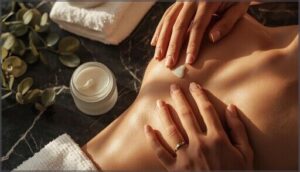
Aftershave balm does more than just offer a finishing touch after you shave. Each application brings several key benefits to your skin.
Here are the main ways it works for you.
Soothing Irritation and Redness
Ever feel like your skin’s on fire after a shave? That’s where aftershave balms earn their keep.
With soothing ingredients like aloe and chamomile, these calming products put out the “burn,” offering reliable redness relief and irritation control.
Post shave care with the right balm quickly eases flare-ups, making redness and razor burn much less noticeable.
Hydration and Moisture Retention
Consistently using aftershave balm after shaving keeps your skin’s moisture levels balanced and comfortable. Humectants like glycerin and panthenol draw water in, while occlusives such as dimethicone lock it down.
To enhance skin hydration and effective water retention, consider these tactics:
- Apply balm within minutes of shaving.
- Use a moisturizing balm daily.
- Focus on dry skin management.
- Layer hydration techniques as needed.
Supporting Skin Barrier Recovery
Frequently, aftershave balm steps in as a vital barrier repair for skin that’s just faced a razor. By reinforcing your skin’s lipid balance and boosting hydration, it speeds recovery.
Ingredients such as ceramides, squalane, and oat kernel oil support the barrier, while gentle formulas limit irritation and fend off microbes, rounding out your practical skin care routine.
Should You Use Aftershave Balm Every Day?

You might wonder if using aftershave balm every day is the right move for your skin. The answer depends on your routine, your needs, and how your skin reacts.
If your skin tends to react badly, checking out beard and skin care tips for sensitive or mature skin can help you figure out what ingredients to watch for.
Let’s walk through some key points to help you make the best choice.
Risks of Overuse
Slathering on aftershave balm like armor can do more harm than you’d expect. Overuse risks:
- Skin irritation and burning, especially with scented or alcohol-based formulas.
- Pore clogging and follicle damage, raising the chance of infection and breakouts.
- Barrier disruption, which means more dryness risk and persistent razor burn.
Always tailor your use to your skin’s needs.
Benefits of Daily Application
Think of daily aftershave balm as your skin’s steady hand after every shave. By focusing on hydration, you keep dryness at bay and encourage ongoing barrier repair.
This habit isn’t just soothing—it noticeably cuts down on irritation, giving you day-long comfort, even texture, and smoother results. When postshave care is consistent, your face stays calm, comfortable, and protected.
Alternatives for Non-shaving Days
You don’t always need aftershave balm on rest days—your grooming routine can easily swap in Daily Moisturizers, pure Aloe Vera Gel, or light Facial Toners.
After cleansing, opt for a gentle moisturizer or SPF-packed Sunscreen Product to protect and hydrate. These simple skin care tweaks keep your face comfortable between shaves and support a consistent, effective personal care routine.
When is The Best Time to Apply Aftershave Balm?

In the context of getting the most out of your aftershave balm, timing has a significant impact. Some moments are much better than others for soothing your skin and locking in hydration.
Here are the key times you should keep in mind.
Application Immediately After Shaving
Right after shaving, your skin is most vulnerable. Applying aftershave balm at this moment ensures maximum soothing and locks in moisture before irritation can set in.
Start with gentle Skin Preparation—rinse with cool water, pat dry, and leave skin slightly damp. This simple Aftershave Technique helps balm absorb evenly and improves Post Shave Care, minimizing Shaving Irritation.
Impact of Timing on Effectiveness
For aftershave balm, application timing can make all the difference. Your skin’s ability to absorb balm peaks while still damp from rinsing—helping humectants like glycerin pull moisture deeper.
If you wait too long, the balm sits on top, feeling heavier and less effective. This small window boosts comfort and keeps irritation at bay.
Morning Vs. Evening Routines
Catching your skin while it’s still damp is key, but Morning Skincare or an Evening Routine each plays a role. Mornings call for light, quick-absorbing balms that layer under sunscreen.
Evenings let you focus on Nighttime Recovery. Consider these choices:
- Invigorating balm after a morning shave
- Nourishing balm at night
- Match to your skin type for daily hydration
How Much Aftershave Balm Should You Use?
Knowing how much aftershave balm to use can make all the difference for your skin.
Too little won’t do the job, but using too much isn’t helpful either.
Here’s what you should look for with each application.
Recommended Amount Per Application

Nearly every routine benefits from applying a pea-sized amount of aftershave balm—about 0.25 milliliters. This size covers most faces, spreading evenly during postshave care.
Balm concentration, skin type, and product texture matter: thicker creams may need less, lightweight lotions sometimes a touch more. Usage adjustments come with practice, but this guideline helps prevent shaving irritation and enhance hydration.
Signs of Using Too Much or Too Little

Using too much aftershave balm often leaves a greasy residue or causes skin irritation, while too little misses the point—dryness signs like tightness, flakes, and lingering redness soon appear.
Trust your senses:
- Shiny skin and sticky fingers hint at balm overuse.
- Patchy dryness or stinging means not enough coverage.
- Persistent bumps reveal irritation, not soothing relief.
Tips for Even Coverage
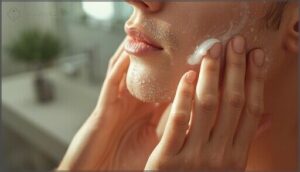
After shaving, always start with clean skin to make balm distribution smooth. Rub the aftershave balm evenly between your palms and fingertips; this preps your hands for steady movement.
Begin on your cheeks, use gentle upward motions, and follow consistent coverage patterns, gliding over the jawline and neck. Proper application techniques guarantee thorough postshave care without missing spots.
Does Skin Type Affect Aftershave Balm Usage?
Your skin’s needs can change how often you reach for aftershave balm.
Some people need more, some less, depending on skin type.
Here’s what to think about before you decide how often to use it.
Usage for Dry Vs. Oily Skin
Ever notice how Skin Type Matters for your Aftershave Routine? Dry Skin Care thrives on richer aftershave balm—think creamy, hydrating formulas that tackle tightness and flaking.
Oily skin, on the other hand, does best with lightweight, fast-absorbing picks. For true Moisture Balance, tailor your aftershave balm and routine to your unique skin types so comfort always comes first.
Adjusting Frequency for Sensitive Skin
Sometimes, sensitive skin demands a lighter touch. Focus on Sensitive Skin Care by using aftershave balm only after you shave—not multiple times a day—to minimize Irritation Prevention woes.
Gentle Product Tips go a long way: stick with fragrance-free, alcohol-free balms. If redness lingers, take it slow; consistent use helps Skin Barrier Repair without overwhelming your Daily Moisturizing Needs.
Special Considerations for Combination Skin
Ever notice how combination skin can feel like a weather map—oily T-zone, dry elsewhere?
Smart skin zone management starts with a lightweight aftershave balm, focusing more on cheeks and neck while skimming oily spots. Gentle exfoliation and oil control strategies keep pores clear, while balancing moisture helps each part of your skin care routine stay on track, not overloaded.
Can You Use Aftershave Balm on Non-Shaving Days?

You might wonder if aftershave balm is only for those fresh-out-of-the-shower moments.
The way you use it on days you don’t shave can make a difference for your skin. Let’s look at when and how you might work balm into your routine between shaves.
Moisturizing Benefits Outside Shaving
Think aftershave balm is only for post-shave comfort? It’s actually a smart tool for daily skin hydration and facial moisturizing, even when you haven’t shaved.
On non-shaving days, aftershave balms tackle dry spot relief, double as a lightweight moisturiser, and shield your face from harsh weather. This adds an extra layer of environmental protection to your seasonal skincare routine.
When to Skip Application
There’s no one-size-fits-all rule for aftershave balm; sometimes, it’s better to skip a day. If your skin feels irritated or you’re dealing with active breakouts, oily skin, or open nicks, hold off—especially with incompatible ingredients or poor hygiene.
Sensitive skin or shaving irritation flares? Listen to your skin and wait until things settle before reapplying.
Using Balm as a General Moisturizer
If you find yourself skipping aftershave balm now and then, keep in mind it doubles up beautifully as a daily moisturizer. For steady Skin Hydration between shaves, try this routine:
- Clean, dry face first
- Use a small amount
- Smooth evenly
- Reapply at night if needed
- Pick Balm Ingredients that match your skin care needs
What Ingredients Influence How Often to Use?
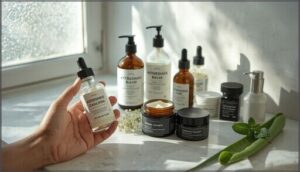
The ingredients inside your aftershave balm can make a big difference in how often you should use it.
Some are gentle, some are harsher, and a few can actually bother your skin over time. Here’s what to look out for as you scan the label.
Alcohol-free Vs. Alcohol-based Balms
Nearly always, your choice between alcohol-free and alcohol-based Aftershave Balm boils down to how your skin reacts after shaving.
Alcohol-based types sting, tighten, and may dry out sensitive skin due to ethanol effects and heavy fragrance options.
For most, alcohol-free balms with calming ingredients support your barrier and suit daily use, especially if Skin Sensitivity or irritation is part of your routine.
Natural Soothing Ingredients
If your goal is comfortable skin after every shave, natural ingredients matter. Aloe Vera, Chamomile Extract, and Witch Hazel deliver proven relief right where you need it.
Pair that with Plant Oils or a Squalane Moisturizer in your aftershave, and you’re using soothing ingredients that hydrate and calm—true support for sensitive skin and routine skincare.
Potential Irritants to Avoid
After choosing aftershave balms with soothing botanicals, it’s smart to keep an eye out for potential irritants.
Here’s a quick list of ingredients that can trigger irritation, dryness, or breakouts:
- Fragrance Allergens (“parfum,” limonene, linalool)
- Denatured Alcohol
- Comedogenic Oils (coconut, cocoa butter)
- Harsh Surfactants (sulphates)
- Essential Oils (peppermint, citrus)
How Does Aftershave Balm Compare to Other Aftershaves?

Choosing an aftershave isn’t always straightforward, with so many types on the shelf. Each kind comes with its own strengths and works a little differently for your skin.
Here’s how aftershave balm stacks up next to other popular options.
Balm Vs. Splash Vs. Lotion
The difference between aftershave balm, splash, and lotion is all about how your skin feels afterward.
Balms, often alcohol free, deliver deep moisture and a light protective layer—think creamy and soft.
Splashes feel brisk, with a thin finish that suits oily skin.
Lotions stand in the middle, blending a touch of alcohol with gentle hydration for balanced facial care.
Choosing The Right Product for Your Routine
Every routine benefits from careful Product Comparison and honest Skin Analysis. Look closely at textures, ingredients, and how your skin responds. For Routine Optimization, aim for comfort and results:
- Balms that hydrate without shine suit dry or balanced skin.
- Splashes work best after shaving oily zones.
- Gentle lotions often please most in-between.
Ingredient Research and thoughtful Brand Selection provide extra peace of mind.
Frequency Differences Among Types
Rarely does one aftershave fit all. Balm usage often suits daily application, especially for dry or sensitive skin, while splash frequency can vary—splashes are best limited to once a day to reduce dryness.
Aftershave timing also matters: postshave balm helps with recovery, but oily skin types may alternate products. The table below breaks it down for clarity.
| Type | Daily Application | Skin Types |
|---|---|---|
| Balm | Recommended post-shave | Dry, sensitive, combination |
| Splash | 1×/day or as tolerated | Oily, acne-prone, humid |
| Lotion | Flexible, as preferred | Balanced or all types |
Common Mistakes When Using Aftershave Balm

Even with the best intentions, it’s easy to slip up when using aftershave balm. Some habits can work against your skin’s healing instead of helping it.
Here are the most common mistakes you’ll want to avoid.
Over-application and Irritation
Think more balm means more relief? Not always. Over-application of aftershave can actually backfire—turning soothing rituals into a recipe for irritated skin, razor burn, or even clogged pores.
If your freshly shaven face starts to sting, redden, or break out, it’s a clear sign you’re using too much. Ingrown hairs and shave irritation can follow.
Applying to Dry or Dirty Skin
Rushing through skin preparation after shaving? That shortcut can cost you. When you apply aftershave to dry or dirty skin, tiny problems get locked in, leading to dullness and irritation.
For healthier, hydrated skin, avoid these risks:
- Missed hydration benefits on dry skin
- Breakouts from dirty skin effects
- Uneven coverage, amplifying irritated skin conditions
Prioritize clean, damp skin for ideal skin care results.
Ignoring Skin’s Changing Needs
Your skin isn’t static—it’s like a weather vane, always shifting. Ignoring changes in Hydration Levels, Oil Production, or even Aging Skin means your aftershave routine can fall flat. For example, what works in humid summer may irritate dry winter skin.
Your skin shifts like a weather vane, so your aftershave routine must shift with it
Use this table to fine-tune your skin care:
| Factor | What to Watch For |
|---|---|
| Seasonal Adjustments | Dryness, flaking |
| Skin Sensitivity | Redness, stinging |
| Hydration Levels | Tightness, roughness |
| Oil Production | Shine, breakouts |
| Aging Skin | Dullness, fine lines |
Frequently Asked Questions (FAQs)
When should you use aftershave balm?
Apply aftershave balm right after shaving, while your skin is still slightly damp.
This timing helps lock in moisture and lets the balm’s soothing ingredients absorb when your skin needs them most.
Are you supposed to rinse off after shave balm?
No, don’t rinse off aftershave balm. It’s a leave-on post-shave care product — balm absorption is the whole point.
Those skin-soothing balm ingredients need time to work and restore your skin’s pH.
How much aftershave balm should I use?
A pea-sized amount of aftershave balm is all your post shave daily routine needs. That’s roughly 2–3 ml — enough to cover your face without clogging pores or leaving skin moisture overloaded.
What’s the point of aftershave balm?
Aftershave balm is your skin’s reset button after shaving. It soothes irritation, locks in moisture, and rebuilds your skin barrier — core aftershave benefits that make post shave care genuinely worth the extra thirty seconds.
Can aftershave balm replace your daily moisturizer?
For many people with normal skin, a creamy, alcohol-free aftershave balm can absolutely moisturize and replace your daily moisturizer — but very dry or sensitive skin usually needs more.
Does aftershave balm expire or lose effectiveness?
Yes, aftershave balm does expire. Check the Expiry Dates on the label, watch for Spoilage Signs like odd smells or texture changes, and follow Storage Tips to slow Effectiveness Loss and extend Shelf Life.
Can you layer aftershave balm with cologne?
You can absolutely layer aftershave balm with cologne. Apply balm first, let it absorb for a minute, then spray cologne on pulse points.
Scent layering works best when both share similar fragrance notes.
Is aftershave balm safe for tattooed skin?
On healed tattooed skin, an alcohol-free, fragrance-free aftershave balm is generally safe. Skip it on fresh ink — your tattoo needs dedicated, gentle aftercare until fully healed.
Can aftershave balm help with acne-prone skin?
The right aftershave balm can actually support acne-prone skin. Choosing an alcohol-free formula with aloe or tea tree oil soothes irritated skin without clogging pores — a smart addition to any postshave care routine.
Conclusion
What’s the point of a careful shave if your skin pays for it afterward? Knowing how often should you use aftershave balm—and actually following through—means your skin recovers faster, stays hydrated, and holds up better over time.
Match your frequency to your skin type, apply it while your skin is still damp, and choose a formula without harsh irritants. That one small, consistent habit quietly does more for your skin than most men realize.
- https://www.halecosmeceuticals.com/blog/soothe-your-skin-with-aftershave-balm-for-men-the-ultimate-guide
- https://www.zingariman.com/blogs/zingari-blog/what-is-after-shave-balm-and-why-should-you-use-it
- https://shavingtime.co.uk/blogs/news/how-much-aftershave-balm-should-you-use
- https://www.harlemworldmagazine.com/choosing-the-best-aftershave-for-sensitive-skin-guide/
- https://www.niveausa.com/advice/men/what-does-aftershave-do