
This site is supported by our readers. We may earn a commission, at no cost to you, if you purchase through links.

Most guys treat their beards like the hair on their heads, washing them every single day without a second thought. That approach might seem logical, but it’s actually one of the fastest ways to turn a healthy beard into a dry, brittle mess.
Your beard hair is coarser and more vulnerable than scalp hair, and the skin underneath needs a delicate balance of natural oils to stay comfortable and irritation-free. Overwash, and you’ll strip away those protective oils, leading to flaking, itchiness, and a beard that looks more like straw than something worth growing.
The sweet spot for most beards sits somewhere between daily scrubbing and neglecting it entirely, and finding that balance depends on understanding your skin type, lifestyle, and what your beard actually needs to thrive.
Table Of Contents
- Key Takeaways
- Why You Should Wash Your Beard
- How Often Should You Wash Your Beard?
- What Factors Affect Beard Washing Frequency?
- Signs You’re Washing Your Beard Too Often
- Signs You’re Not Washing Enough
- How to Wash Your Beard Properly
- Should You Use Beard Shampoo or Regular Shampoo?
- How to Keep Your Beard Clean Between Washes
- Should You Condition Your Beard?
- Solutions for Overwashed or Underwashed Beards
- Frequently Asked Questions (FAQs)
- Can You Wash your beard daily?
- How often should you wash your facial hair?
- How do you wash a beard?
- How often should you trim your beard?
- How to keep a beard healthy?
- What is a good beard wash?
- Is it good to wash your beard every day?
- Can I just use water to wash my beard?
- How often should you oil your beard?
- What happens if you don’t wash your beard?
- Conclusion
Key Takeaways
- Wash your beard 2-3 times per week to maintain the balance between cleanliness and preserving natural oils, adjusting frequency based on your skin type, activity level, and beard length.
- Overwashing strips protective oils and leads to dryness, brittleness, and beardruff, while underwashing causes buildup, odor, and skin issues like acne and clogged pores.
- Use beard-specific wash products with sulfate-free formulas instead of regular shampoo, which contains harsh chemicals that damage facial hair and irritate the skin beneath.
- Daily water rinses, beard oil application, and brushing help maintain beard health between washes without stripping away the moisture your beard needs to stay soft and manageable.
Why You Should Wash Your Beard
Your beard isn’t just facial hair, it’s living tissue that needs proper care to stay healthy and look its best.
Regular washing does more than keep things fresh, it protects your skin, prevents problems, and makes your grooming routine actually work.
Here’s why making beard washing part of your routine matters more than you might think.
Prevents Odor and Buildup
When you skip washing, your beard becomes a magnet for sweat, dead skin, and sebum, creating the perfect storm for bacterial growth. Studies have shown beards can harbor bacteria levels comparable to toilet seats, which impacts both odor control and skin health. Regular beard hygiene, ideally 2–3 times per week, prevents buildup and keeps your beard fresh. A buildup of these substances can foster bacterial and microbe growth.
Here’s what proper beard washing frequency addresses:
- Removes odor-causing bacteria and prevents unpleasant smells
- Clears away accumulated dirt, oil, and product residue
- Reduces beard dandruff and flaking from excess sebum
- Creates an environment where hygiene practices support overall product effectiveness
Reduces Skin Issues Like Acne and Itchiness
Washing your beard at least every other day removes up to 70% of acne-causing bacteria that thrive in facial hair. Without regular cleansing, sweat, sebum, and dead skin cells clog pores beneath your beard, triggering breakouts and beard itch.
Men who wash their beards three times weekly report 60% fewer inflammatory lesions. Beard acne, also known as folliculitis, can be addressed with proper washing.
Proper washing benefits include reducing skin irritation by 37%, especially for sensitive skin types prone to itchiness causes like product ingredients buildup.
Keeps The Skin Beneath Healthy
Beyond clearing acne, proper beard washing frequency aids skin hydration and barrier function underneath. Washing 2-3 times weekly maintains sebum balance, preserving natural oils that prevent dry skin and inflammation reduction by up to 40%.
This routine also protects microbiome health, keeping beneficial bacteria thriving at ideal pH levels. Healthy skin beneath translates directly to better beard health, fewer irritation issues, and stronger follicles that encourage growth.
Makes Styling and Maintenance Easier
A clean beard dramatically improves beard styling, shaping, and overall manageability. When you wash 2-4 times weekly, you remove buildup that weighs hair down, boosting product effectiveness for waxes and balms.
This creates an ideal growth environment while preventing overwashing effects like brittleness that complicate beard grooming.
Better beard texture means less maintenance time detangling and fighting unruly hair—your beard maintenance routine becomes faster and more enjoyable.
How Often Should You Wash Your Beard?
So how often should you actually wash your beard? The short answer is 2-3 times per week for most guys, but there’s more to it than that.
Your skin type, daily routine, and beard length all play a role in finding what works best for you.
The 2-3 Times Per Week Rule
Most barbers recommend washing your beard 2-3 times per week to reach that ideal frequency between cleanliness and sebum retention. This gentle cleansing schedule removes dirt and sweat without stripping natural oils, reducing beardruff risk while supporting hydration.
Your beard washing frequency depends on your beard care routine, but this range works for most guys’ beard grooming needs, keeping your beard wash balanced and effective.
Daily Rinsing Vs. Full Washing
You don’t always need a full wash to keep your beard fresh. Daily rinsing with lukewarm water removes sweat, dust, and surface grime without disrupting skin hydration or stripping natural oils—this simple beard washing routine aids odor prevention and reduces product buildup between your 2-3 weekly full washes.
Rinsing benefits include:
- Maintains cleanliness without over-drying
- Prevents clogged pores and irritation
- Aids your washing frequency for beards goals
Adjusting Frequency Based on Your Needs
Since no two beards are identical, your washing beard frequency should flex with your daily environment and skin type. Factors influencing beard washing are personal, so stay observant.
If skin dryness or a greasy beard crops up, you’re getting real-time feedback—climate change, product changeover, or health fluctuations all shift what your beard needs. Watch for signs of overwashing, then dial your routine up or down.
What Factors Affect Beard Washing Frequency?

There’s no one-size-fits-all answer to how often you should wash your beard, because what works for one guy won’t necessarily work for another.
Your personal needs depend on a handful of key factors that influence how quickly your beard gets dirty, oily, or uncomfortable.
Understanding these variables helps you dial in the perfect washing routine for your specific situation.
Your Skin Type (Oily, Dry, or Sensitive)
Your skin type dictates how often you should use beard wash. Oily skin produces up to twice the sebum of dry skin, causing your beard to accumulate grease and grime more quickly—requiring three to four washes weekly. Conversely, dry or sensitive skin types should limit washing to every three or four days to maintain the natural moisture barrier and prevent irritation.
Here’s how to tailor your routine to your skin type:
- Oily skin thrives on more frequent washing to control excess sebum production and keep your beard fresh.
- Dry skin needs gentler, less frequent cleansing—overwashing strips away protective oils your beard desperately needs.
- Sensitive skin responds best to sulfate-free formulas and extended intervals between washes to prevent flare-ups.
- Combination skin benefits from alternate-day washing to balance oily and dry zones across your face.
- Track how your beard feels between washes—greasy by day two signals oily beard care needs, while tightness means you’re in dry beard care territory.
Pay attention to your skin’s health signals, and you’ll find the perfect washing frequency to keep both your beard and the skin beneath it in optimal condition.
Lifestyle and Activity Level
Your workout intensity, job environment, and daily sweat accumulation directly shape how often you need to wash your beard. Men in dusty workplaces or using respirators face unique factors influencing beard washing—contaminants trapped in facial hair demand post-shift cleansing to maintain proper seal integrity and skin health.
If you’re exercising regularly or working outdoors in a hot climate, hygiene routines should include rinsing after each session to prevent folliculitis and acne breakouts.
Beard Length and Thickness
Beard length and hair texture dictate how much oil and debris accumulate between washes. Thick, full beards trap more dirt and generally need washing 2–3 times weekly, while thin or patchy growth retains less sebum and can go longer.
Coarse or curly hair distributes oil poorly along the shaft, so extending intervals to every 3 days prevents dryness and breakage during styling.
Climate and Environmental Conditions
Hot, humid weather ramps up sebum production and sweat, so you’ll want to wash your beard more often—maybe every other day—to cut through the oil. Cold, dry air does the opposite, stripping moisture and calling for fewer washes to prevent beard dryness.
Urban pollution exposure clogs hair faster than clean country air, and summer heat demands seasonal adjustments in your routine to keep hydration balanced.
Signs You’re Washing Your Beard Too Often

Washing your beard too often strips away the natural oils that keep it soft and healthy. When you overdo it, your beard will start sending you clear signals that something’s off.
Here are the telltale signs that you’re washing more than you should.
Dryness and Brittleness
When you strip away your beard’s natural oils through overwashing, you’re inviting dryness and brittleness. Sulfate-based cleansers are especially harsh, removing up to 90% of protective oils in a single wash. You’ll notice your beard feels rough, snaps easily during grooming, and loses its natural hydration.
To fight this, moisturize with beard oil daily and wash just two to three times weekly using gentle, sulfate-free products.
Dull Appearance
Overwashing creates a lackluster beard by stripping sebum that gives your beard its natural shine. You’ll notice a matte finish and reduced light reflection, especially if you’re using harsh products or living in hard-water areas.
Mineral buildup and oxidized sebum contribute to that dull appearance, making your beard look lifeless.
Cut back your beard washing frequency to restore luster and let those natural oils do their job.
Flaking Skin or Beardruff
When your skin feels too dry from frequent washing, you might notice white flakes showing up—that’s beardruff. This skin flaking often stems from disrupted oil production or seborrheic dermatitis, sometimes triggered by fungal overgrowth.
Excessive washing removes the protective oils your skin needs, leading to irritation and beard dandruff. Scale back to help your skin maintain its natural balance and achieve a flake-free beard.
Tugging or Discomfort When Grooming
Tension during your grooming routine often signals that overwashing has stripped away protective oils, leaving hair coarse and unmanageable. When you notice your beard resisting the comb, it’s time to rethink washing your beard frequency and restore moisture.
- Detangling Techniques: Work from ends upward with a wide-toothed comb to minimize painful pulls
- Tool Selection: Switch to boar-bristle brushes that glide smoothly through dry facial hair
- Product Buildup: Residual gentle beard wash creates friction between strands, increasing resistance
- Skin Sensitivity: Irritated skin beneath magnifies discomfort from even light grooming pressure
- Hydration Importance: Apply beard oil after every wash to reduce snagging and restore flexibility
Increased Breakage and Split Ends
When you wash too often, beard breakage becomes visible as damaged strands snap during routine grooming. Studies show harsh product ingredients strip moisture, leading to hair breakage in over 30% of men who skip sulfate-free formulas.
Split end prevention requires adjusting your washing frequency and trimming every 4-6 weeks. Hydration importance can’t be overstated—daily beard oil application reverses these signs of overwashing effectively.
Signs You’re Not Washing Enough

On the flip side, skipping washes too often comes with its own set of problems. Your beard will start sending you signals that it needs more attention, and they’re usually pretty hard to ignore.
Here are the telltale signs that you’re not washing your beard enough.
Greasy or Heavy Feeling Beard
If your beard feels slick to the touch or looks visibly oily, you’re likely skipping too many washes. Sebum overproduction kicks in when you don’t wash your beard with proper frequency, trapping product buildup and debris. This creates a heavy sensation that no amount of brushing can fix.
Lifestyle factors, beard density, and washing habits all play a role. Proper washing techniques with the right beard products help balance sebum oils and prevent buildup.
Visible Dirt or Product Residue
Styling balms, oils, and environmental grime form a visible film on your beard when your cleaning routine falls short. Product residue types like waxes and silicones trap particulate matter—urban pollution studies show facial hair collects considerably more airborne particles than clean-shaven skin.
This residue buildup affects beard health and hygiene, creating a dull coating that proper beard washing removes, with one clarifying session eliminating up to 90% of surface film.
Unpleasant Odor
That stale, musty smell clinging to your facial hair signals hygiene trouble—studies show beards can harbor bacteria levels exceeding those found on dog fur when washing routines lag.
Four factors drive beard odor:
- Microbial Load – Bacteria break down sebum into rancid-smelling acids
- Sebum Buildup – Unwashed oils oxidize and turn sour
- Environmental Factors – Food particles and pollutants get trapped
- Health Conditions – Yeast overgrowth produces musty odors
Regular beard wash with proper technique eliminates these sources.
Itchiness and Irritated Skin
That persistent itch beneath your whiskers isn’t just annoying—it’s your skin screaming for help. Dry skin, product buildup, and climate impact all fuel irritation, especially when you’re skipping washes.
Up to 60% of men report itchy beard symptoms during early growth, and infrequent cleansing allows sweat, oils, and dead skin to accumulate. This triggers beardruff, skin irritation, and sometimes medical conditions like seborrheic dermatitis that compromise skin health completely.
Beard Acne or Clogged Pores
Those bumps along your jawline? Clogged follicles from oil, dead skin, and product residue that haven’t been washed away. When you skip cleansing, debris traps bacteria inside pores, triggering acne pathophysiology and follicular obstruction that leads to painful breakouts.
- Pustules and papules form where sebum and keratin plug hair follicles
- Shaving practices can push bacteria deeper, worsening skin issues
- Close shaves increase ingrown hairs and pimple-like inflammation
- Preventive measures include medicated cleansers with benzoyl peroxide
- Therapeutic solutions require consistent washing to restore skin health
How to Wash Your Beard Properly
Washing your beard the right way makes all the difference between a healthy, comfortable beard and one that feels dry or stays greasy. The technique matters just as much as the frequency, so don’t rush through it.
Here’s the step-by-step process I walk clients through to get their beards properly clean without stripping away natural oils.
Start With Lukewarm Water

When washing your beard, start with warm water instead of hot. Hot water strips away up to 30% more natural oils than lukewarm temperatures, which can leave your beard dry and brittle.
The best temperature—around body temperature—preserves oil while still providing solid cleansing efficacy. It also reduces skin sensitivity issues by 35%, boosting user comfort and making your entire beard wash routine more effective.
Soak Your Beard Completely

After you’ve got the water temperature right, let that warmth penetrate every inch of your beard for at least 1-2 minutes. Full soaking loosens up to 85% of trapped debris and pollutants, preparing your beard for a proper beard wash. Here’s why soak duration matters when washing beard properly:
- Helps remove micro-particles embedded deep in facial hair
- Increases moisture retention by 49%, preventing breakage
- Allows hydration benefits to reach skin beneath, reducing clogged pores by 60%
- Softens styling products, improving debris removal efficacy by 54%
Complete soaking aids skin health and sets up your proper beard washing technique for success.
Use a Proper Beard Wash

Once your beard is fully soaked, reach for a beard wash specifically designed for facial hair. Regular shampoo strips natural oils, causing dryness and breakage—studies show proper beard washing products reduce irritation by over 40%.
Choose sulfate-free, gentle wash formulas with ingredients like tea tree oil or aloe vera for skin health. Market trends show beard shampoo demand growing 8.9% annually as men prioritize specialized grooming.
Massage The Cleanser Into Beard and Skin

With your beard shampoo applied, work it in using small, circular motions—this boosts circulation enhancement and follicle stimulation while breaking down grime.
Here’s what proper massage techniques deliver:
- Sebum regulation spreads natural oils evenly, preventing dry patches
- Microbial control reduces bacterial buildup by up to 70%
- Deeper cleansing reaches skin beneath, where dirt hides
Focus on your fingertips, not palms, massaging for 1-2 minutes.
Rinse Thoroughly

Once you’ve massaged your beard wash in, incomplete rinsing leaves residue that clogs pores and triggers itchiness in over half of guys within a day.
Use lukewarm water, running your fingers through your beard for 45–60 seconds—this rinse duration clears 95% of product buildup.
Keep going until the water runs completely clear and there’s no slippery feel left behind.
Pat Dry With a Clean Towel

After rinsing, never rub your beard harshly—it causes up to 40% more breakage and skin irritation. Instead, use gentle blotting with a clean, dedicated microfiber towel to prevent breakage and bacteria transfer:
- Press lightly against your beard to absorb water without friction
- Pat to 70% dryness—leave some moisture for beard oil absorption
- Replace towels regularly for proper towel hygiene when washing your beard
Should You Use Beard Shampoo or Regular Shampoo?

You might be tempted to grab whatever’s in your shower, but the shampoo you use on your scalp isn’t designed for your beard.
Regular shampoos contain ingredients that can strip away natural oils, leaving your facial hair dry and damaged.
Here’s what you need to know about choosing the right cleanser for your beard.
Why Regular Shampoo Can Harm Your Beard
Using generic hair shampoo on your beard might seem harmless, but it’s like using dish soap on fine fabric—the damage adds up. Regular shampoos contain SLS and harsh alkali chemicals like sodium hydroxide or potassium hydroxide, causing oil stripping that leaves facial hair brittle and prone to breakage.
Regular shampoo strips your beard like dish soap on fine fabric—harsh chemicals cause oil loss, brittleness, and breakage
They create pH imbalance by disrupting your skin’s natural acid mantle, leading to dryness and irritation. Detergent irritation from sulfates also weakens the hair structure and damages your skin barrier beneath the beard, triggering flaking, redness, and even beardruff over time.
Sulfate-Free and Gentle Formulas
Switching to sulfate-free beard wash protects your facial hair from the damage caused by SLS and harsh surfactants. Gentle ingredients like aloe and coconut derivatives hydrate both your beard and skin, reducing irritation by up to 63% compared to regular products.
These formulas maintain your natural oil balance, which keeps your beard softer and healthier.
With the market for sulfate-free beard shampoo growing at 8.9% annually, more men are ditching parabens and choosing gentle cleansers that actually work with your skin, not against it.
How to Keep Your Beard Clean Between Washes

You don’t need to wash your beard every day to keep it clean and healthy. Between full washes, there are simple habits you can build into your routine that prevent buildup, maintain freshness, and support beard health.
Here’s what you should be doing on the days you skip the shampoo.
Rinse With Water Only
Between washes, a daily water rinse works wonders for your beard. You don’t need shampoo every time—lukewarm water removes surface sweat and debris immediately after workouts or meals without stripping natural oils.
Think of it as a quick refresh that keeps your beard clean and comfortable. Just soak thoroughly, massage the water through, and pat dry.
This simple habit maintains freshness while protecting your beard’s natural moisture balance.
Use a Beard Brush Daily
A quality beard brush does more than detangle—it’s your secret weapon for healthier growth between washes. Daily brushing distributes natural oils from root to tip, keeping your beard soft and nourished. The bristle material matters; boar bristles excel at oil distribution while providing gentle exfoliation benefits that prevent beardruff.
Proper brushing technique means starting at the tips, working upward, then following your growth direction. This simple beard grooming tip stimulates blood flow to follicles, promoting stronger beard health without constant washing.
- Brush from tips upward first to detangle, then follow natural growth direction
- Boar bristle brushes naturally distribute sebum oils for shine and protection
- Daily exfoliation removes dead skin cells, preventing itchiness and beardruff
- Gentle massaging motion stimulates blood flow, encouraging healthier follicles
- Consistent brushing trains hairs to grow in your desired direction for easier styling
Apply Beard Oil for Hydration
After brushing distributes your natural oils, beard oil picks up where sebum leaves off. Jojoba and argan compositions mimic your skin’s natural oils, delivering beard hydration without greasiness.
Apply 3–6 drops daily to a clean, slightly damp beard—the application timing maximizes oil absorption. Length matters: shorter beards need fewer drops, while fuller growth requires more.
This usage balance maintains ideal beard washing frequency by keeping moisture levels steady between washes, preventing that uncomfortable dry feeling.
Maintain Good Hand Hygiene
Your beard oil routine means little if you’re constantly transferring dirt and bacteria with unwashed hands. Studies show hand hygiene compliance often sits below 50%, yet proper technique can reduce infections by up to 58%.
Before touching your beard, wash hands thoroughly—scrubbing under nails where germs hide. Dry completely, since damp hands spread bacteria faster.
This simple habit protects beard health and hygiene between washes, keeping your facial hair cleaner naturally.
Should You Condition Your Beard?
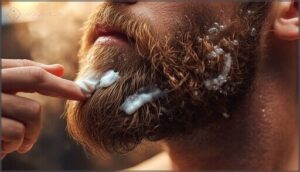
Conditioning your beard isn’t just a nice-to-have step, it’s one of the smartest moves you can make to keep your facial hair soft, manageable, and healthy. Just like washing, though, how often you condition matters, and there are a few different approaches you can take depending on your beard’s needs.
Let’s break down when and how to condition, plus the benefits you’ll see when you make it part of your routine.
How Often to Use Beard Conditioner
After you’ve washed your beard, conditioning 2 to 3 times per week is the sweet spot for most guys. Short beards need less, while longer ones might benefit from daily conditioning to prevent tangles and keep things soft.
Your skin type matters too—dry skin calls for more frequent conditioning, while oily skin can skip a day to avoid product buildup and greasiness.
Co-Washing as an Alternative
Instead of traditional shampoo, you can cowash—that’s the beard cowashing method, using a cleansing conditioner to wash beard hair gently while retaining natural oils. Co-wash benefits include softer, more manageable hair and fewer flakes, and market trends show these products are growing fast. Ideal beard washing frequency is 2 to 3 times weekly, especially for coarse or curly beards. Co-wash drawbacks? Residue buildup if you don’t rinse properly, so alternate with regular shampoo occasionally.
- Gentle cleansing: Co-wash products clean without stripping essential oils
- Best beard cowashing benefits: Maintains moisture, reduces dryness and irritation
- Suitable beards: Works best for curly, coarse, or dry beard types
- Co-wash frequency: Use 2 to 3 times per week for balance
- Co-wash drawbacks: May cause buildup; combine with occasional shampooing
Benefits of Regular Conditioning
Regularly moisturizing your beard with conditioner provides hydration benefits, resulting in softer, more manageable hair and easier detangling. Conditioning also offers damage protection, reducing breakage and split ends.
Additionally, it improves the skin health beneath the beard by preventing flakiness and irritation.
Conditioned beards also experience styling enhancement, as they hold their shape better and look polished. These benefits make the extra step of conditioning worthwhile.
Solutions for Overwashed or Underwashed Beards

Finding the right balance with your beard washing routine can take some trial and error, but the good news is that any damage can be fixed with a few simple adjustments.
Whether your beard feels like straw or looks like an oil slick, the solution comes down to tweaking your routine and giving your facial hair what it actually needs.
Here are three practical fixes that’ll get your beard back on track.
Restore Moisture With Beard Oil
If your beard feels dry or looks dull after washing, you’ll want to reach for beard oil right away. Daily application works wonders—just 2-3 drops for shorter beards, up to 6-8 for longer growth.
Natural oils like jojoba and argan provide deep skin nourishment while restoring moisture balance.
Always choose quality products with safety considerations in mind, avoiding harsh synthetic additives that compromise beard health.
Adjust Your Washing Schedule
Finding your ideal washing routine isn’t a guessing game—it’s about reading what your beard tells you. Start with the standard 2-3 times weekly, then make seasonal adjustments and tweaks based on activity levels, skin sensitivity, and how your beard responds.
Here’s how to dial in your washing frequency:
- Track your beard’s behavior for two weeks, noting dryness, oiliness, or product buildup after each wash
- Increase shampooing frequency to 3-4 times weekly if you’re active, sweating daily, or notice greasiness
- Scale back to 1-2 washes when your beard feels brittle, flaky, or uncomfortable during grooming
- Consider length matters—thicker, longer beards trap more oils and generally need consistent washing beard frequency
Use Balms for Extra Hydration
Beard balm works differently than beard oil—it’s thicker, stays put longer, and delivers moisture where you need it most. Natural oils like jojoba and argan penetrate deep, while beeswax locks in hydration and gives you light hold for styling.
Apply balm to a slightly damp beard for better absorption—you’ll see reduced flaking, softer hair, and way less itch within days.
| Balm Type | Best For | Application Frequency |
|---|---|---|
| Oil-Rich Balm | Dry, coarse beards | Daily |
| Light Balm | Normal beards | 2-3 times weekly |
| Styling Balm | Thick, unruly beards | After each wash |
Frequently Asked Questions (FAQs)
Can You Wash your beard daily?
Is daily washing right for your beard? You can wash daily if you use gentle, sulfate-free beard shampoo—but it depends on your skin condition, lifestyle adjustments needed, and whether you maintain proper hydration with beard oil afterward.
How often should you wash your facial hair?
You should wash your facial hair two to three times per week with a gentle beard shampoo.
This beard washing frequency prevents dryness while removing dirt, maintaining beard health and hygiene without stripping natural oils.
How do you wash a beard?
The proper beard washing techniques start with lukewarm water to open cuticles, then apply sulfate-free beard wash using circular massage motions.
Rinse thoroughly, focusing on the skin beneath, and gently pat dry with a clean towel.
How often should you trim your beard?
Most men should schedule beard trimming and shaping every 2-4 weeks. Trim your beard more frequently if growth rate accelerates or beard length demands maintenance.
Professional barber visits and consistent beard grooming tips prevent split ends effectively.
How to keep a beard healthy?
Maintaining a healthy beard requires proper hydration with oil, regular trimming to prevent split ends, a healthy diet rich in nutrients, and a consistent beard care routine including gentle washing and cleaning practices.
What is a good beard wash?
A quality beard shampoo relies on mild surfactants, pH balance near 5, and moisturizing ingredients like glycerin or panthenol.
Fragrance-free options suit sensitive skin, while formulas with pyrithione zinc provide dandruff control when needed.
Is it good to wash your beard every day?
Daily washing might sound like peak grooming, but it’s overkill. Overwashing strips natural oils, triggers sebum overproduction, and disrupts your skin microbiome—leading to dryness, irritation, and long-term beard damage.
Can I just use water to wash my beard?
You can rinse with water daily, but dermatologists say it won’t fully cleanse your beard. Water removes surface dirt yet leaves behind oils, buildup, and bacteria—making proper beard washing essential for true beard cleanliness.
How often should you oil your beard?
You should apply beard oil daily, ideally right after showering when your beard’s still slightly damp. This helps lock in moisture and keeps both your facial hair and the skin underneath properly hydrated.
What happens if you don’t wash your beard?
Skipping beard washes leads to bacterial buildup, skin irritation, and allergen accumulation. You’ll notice odor development, beardruff, and hair damage. Buildup clogs pores, causing itchiness and acne, while compromising overall skin health and beard care routines.
Conclusion
Your beard will either reward you or remind you—every time you look in the mirror, touch it, or catch someone else noticing. The difference comes down to how often you wash your beard and whether you’re listening to what it’s telling you.
Stick to the 2-3 times per week guideline, adjust for your skin and lifestyle, and you’ll build a routine that keeps your beard healthy, comfortable, and looking sharp without overthinking it.
- https://www.wolfsmanebeardcare.com/blogs/news/how-often-should-i-wash-my-beard-your-guide-to-beard-care
- https://www.healthline.com/health/beauty-skin-care/beard-maintenance
- https://curology.com/blog/the-experts-guide-to-beard-maintenance
- https://www.aad.org/public/everyday-care/skin-care-secrets/face/healthy-beard
- https://fivestarbarberbrand.com/2025/09/05/how-often-should-you-go-to-the-barber