This site is supported by our readers. We may earn a commission, at no cost to you, if you purchase through links.
Skin irritation rarely starts with one dramatic mistake. More often, it builds from small habits that seem harmless: a hot shower, a foaming cleanser, a shirt collar that rubs the same spot all day.
I see this often in clinic. People blame “sensitive skin” when the real problem is a worn-down barrier that can’t hold water or keep irritants out.
The good news is that learning how to avoid irritation usually means making a few smart changes, not overhauling your routine. Once you know the common triggers, you can calm your skin, protect it daily, and spot signs sooner.
Table Of Contents
- What Triggers Skin Irritation Most?
- How to Avoid Skin Irritation
- Choose Products That Won’t Irritate
- Protect Your Skin Barrier Daily
- Reduce Friction, Heat, and Sweat
- Soothe Irritation Before It Worsens
- When Irritation Needs Medical Care
- Frequently Asked Questions (FAQs)
- How to prevent skin irritation?
- What should I do if my skin is irritated?
- How can I get rid of irritated skin faster?
- Why does my skin feel irritated?
- How to quickly get rid of irritation?
- What is the main cause of irritation?
- Can diet affect how easily skin gets irritated?
- Does hard water make skin irritation worse?
- Can swimming pools or chlorine trigger irritation?
- How do seasonal changes affect sensitive skin?
- Conclusion
What Triggers Skin Irritation Most?

Skin irritation usually starts with a small group of everyday triggers. Once you know what’s likely to set your skin off, it’s much easier to prevent flare-ups and protect your skin barrier.
This guide to sensitive skin irritation treatment and trigger prevention can help you spot patterns before they turn into flare-ups.
Here are the most common causes to watch for.
Harsh Cleansers, Alcohol, and Fragrance
Although skin seems tough, harsh formulas can unravel it fast:
- High Surfactant Irritation Potential: Sodium lauryl sulfate SLS strips oil.
- Alcohol Dryness Mechanism: Alcohol Denat stings compromised skin.
- Fragrance Allergen Profile: Fragrance allergens trigger irritant contact dermatitis.
- Formulation pH Impact and Label Transparency Standards matter; choose fragrance-free laundry detergent and skip scented cleansers, even when they claim natural botanicals.
Avoiding products with high surfactant levels can protect your skin barrier.
Hot Water and Over-washing
Beyond harsh cleansers, hot water, and Over-washing Frequency quietly damage skin. Thermal Skin Vasodilation raises redness, while Skin Lipid Depletion leaves tight, sting-prone skin. Add Soap Residue Build-up and Water Hardness Impact, and irritation flares faster, especially with overexfoliation after hot and humid conditions.
Use lukewarm water, try a cool shower, and prioritize moisturizing dry skin right after every wash.
Heat, Sweat, and Humidity
After hot water, hot and humid conditions add a hit. Sweat Salt Irritation, Heat-Induced Nerve Sensitivity, and Microclimate Moisture Trapping can make skin sting fast. Humidity Yeast Growth also raises the risk of Sweat Intertrigo and Heat rash in damp folds.
That’s why sweat management matters: take a cool shower, dry skin well, and use an air conditioner when needed.
Friction From Clothing, Shaving, and Masks
After sweating, rubbing is the next spark. Repeated contact from Mask Edge Design, seams, and shaving can wear down skin barrier protection quickly.
- Choose Smooth Clothing, loose clothing, and natural fibers for smarter clothing material selection.
- Use Shave Blade Lubrication and a moisturizing barrier.
- Try Anti-Chafing Pads and Friction Mapping Techniques where masks rub at the nose, cheeks, and chin.
Allergens in Skincare, Laundry, and Metals
When irritation keeps returning, think hidden allergens: fragrance‑free laundry detergent, hypoallergenic soaps, nickel, and Food Allergen Derivatives in skincare can all trigger allergic contact dermatitis. Allergen Cross-reactivity also matters.
Use Laundry Residue Removal, Allergen Detection Methods, and Metal Sensitivity Screening to narrow causes. If flares follow makeup, jewelry, or clothing, patch testing often gives the clearest answer for your skin.
Stress, Scratching, and Barrier Damage
Because stress shows up on skin fast, three steps matter:
- Stress Hormone Effects and Cortisol‑Induced Inflammation raise itch.
- Scratching blocks Skin Micro‑injury Healing and worsens Itch Cycle Disruption.
- Use stress reduction, itch relief techniques, Moisturizing techniques to reduce dryness, Lipid Replenishment, skin barrier repair, and barrier protection to calm flares and keep bacteria out of broken skin.
How to Avoid Skin Irritation

The best way to prevent skin irritation is to keep your routine simple and pay attention to what your skin reacts to. Small habits often make the biggest difference, especially when your skin barrier is already stressed.
Here are the key steps that help you protect your skin and avoid common flare-ups.
Stick to a Simple, Fragrance-free Routine
Think of your skin like a picky houseguest: keep the routine calm. Use a simple skincare routine with Minimalist Skincare Steps, low Product Rotation Frequency, and a Simplified Product Lineup.
Choose hypoallergenic options, Allergen avoidance, and fragrance-free laundry detergent.
Travel Fragrance-free Kit promotes Packaging Waste Reduction and Moisturizing and barrier repair after exposure, without extra triggers for daily control.
Wash With Lukewarm, Not Hot, Water
Hot water acts like sandpaper on sensitive skin. Choose lukewarm or cold water for Lukewarm Water Benefits, better temperature regulation, and Thermal Stress Reduction.
Use a Gentle Rinsing Technique with Temperature Consistency, then follow the Pat Drying Method.
For heat rash prevention strategies, calm flare-prone areas with a cold damp washcloth or cool wet towels after cleansing each time, gently.
Limit Showers to 10–15 Minutes
Want calmer skin fast? Keep showers to 10–15 minutes.
Set a timer, use lukewarm or cold water for temperature regulation, and turn off water while lathering.
prioritize body areas, limit shampoo passes, and minimize re-wetting.
These simple hygiene practices reduce water exposure, support your skin barrier, and improve moisture control, especially when skin already feels tight, itchy, or reactive during flares.
Moisturize Right After Cleansing
Here’s the key: moisturization works within one minute after cleansing.
Use the Pat Dry Technique, then Dab, not Rub. Apply a cream with Layered Humectants by the Press Application Method, and add an Immediate Occlusive Layer on dry spots.
These moisturizing techniques, to reduce dryness, improve moisture control, support a skincare routine, and provide moisturizing as a barrier against allergens.
Avoid Known Triggers One at a Time
Once skin is moisturized, change only one thing at a time. Use Single Variable Swaps, Trigger Journaling, and Staggered Product Introduction, so you can spot irritants clearly.
Treat your usual routine as Control Group Testing, then follow an Isolation Protocol for Eczema trigger avoidance, environmental allergens, and Contact dermatitis allergen control.
Allergy testing and management helps when patterns stay unclear.
Stop Using Products That Sting or Burn
Once you’ve isolated your triggers, act on what your skin tells you in real time. If a product stings or burns, rinse it off immediately with lukewarm water and stop using it.
Don’t push through. Document Sting Episodes, noting the product, area, and timing to monitor reaction timing patterns.
Limit Product Layers, Check pH Compatibility, and Choose Low-Active Formulas free from SLS, alcohol denat, essential oils, and other chemical irritants.
Choose Products That Won’t Irritate
What you put on your skin matters as much as what you do to it. The wrong ingredients can quietly undo even the most careful routine.
Here’s what to look for — and what to leave on the shelf.
Look for Fragrance-free and Dye-free Labels
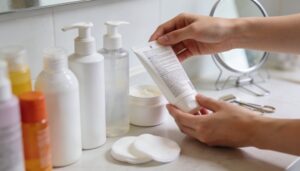
Reading labels puts you back in control. Use label terminology and ingredient decoding, not marketing claims. Focus on these key practices:
- Choose fragrance-free products
- Seek dye-free claims
- Skip CI Color Codes
- Avoid FD&C Additives
- Check regulatory claims
For selecting fragrance-free and dye-free personal care products, practice label reading to identify chemicals. This supports fragrance allergy care and strengthens allergen avoidance and environment control when persistent irritation occurs.
Avoid SLS, Denatured Alcohol, and Menthol

After labels, check harsher triggers, too.
Choose SLS-Free Cleansers and Gentle Surfactant Alternatives to protect your skin barrier.
Pick Alcohol-Free Toners, and avoid alcohol denat, ethanol or SD alcohol if your skin stings easily.
Choose Menthol-Free Shampoos.
Practice Ingredient Transparency, plus use of fragrance-free and dye-free personal care products and fragrance-free laundry detergent, for skin irritation prevention every single day.
Be Cautious With Essential Oils and Citrus Extracts
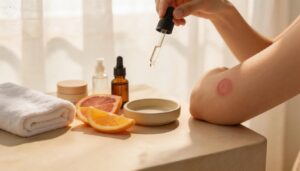
Because natural can mislead, use caution with essential oil therapy and citrus fruits on sensitive skin. Phototoxicity Risk rises with Citrus Oil Concentration, poor Dilution Guidelines, and wrong Sun Exposure Timing.
Even diluted oils may trigger skin irritation, allergic reactions, or allergic contact dermatitis. Patch test first, stop if it stings, and practice safe Essential Oil Storage away from heat.
Pick Mild Cleansers Over Antibacterial Soaps

Choose mild cleansers, not antibacterial soaps. They clean well without extra antimicrobial irritants and help protect skin barrier function. For washing, gentle options are usually safer for sensitive, dry, itchy skin, or eczema.
- Reduced surfactant load
- Lipid-preserving formulas
- Microbiome-friendly cleansing
- Minimalist ingredient list
- Cost-effective routine using fragrancefree and dyefree personal care products, hypoallergenic skincare, skin moisturization, and skin irritation management.
Use Preservative-light Formulas for Sensitive Skin

Because sensitive skin flares easily, favor preservative-light formulas with gentle Preservative Types that match pH Compatibility. Airless Packaging lowers contamination, while Stability Testing helps keep water-based products safe.
Ingredient Transparency matters too, so compare preservative names, not marketing claims. Prioritize fragrance-free and dye-free personal care products, hypoallergenic skincare, skin barrier support, and steady skin moisturization over harsh extras for comfort.
Patch Test New Products Before Full Use

Think small first. Use a Test Area on clean, intact skin, with normal Application Frequency, then watch through the full Observation Period. Stop if Reaction Severity rises.
Good Result Tracking facilitates Patch test interpretation, Patch testing, and diagnosis of dermatitis, helping separate Contact dermatitis, Allergic contact dermatitis, and Irritant contact dermatitis before you use a product widely for safety.
Protect Your Skin Barrier Daily
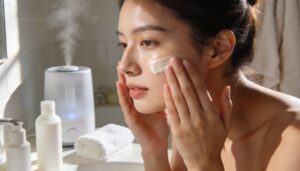
Your skin barrier does better when you support it every day, not just when irritation shows up. A few steady habits can cut down on dryness, stinging, and flare-ups from heat, friction, and harsh products.
Here are the daily steps that matter most.
Use Thick Creams Over Thin Lotions
Dry, reactive skin needs a coat, not a splash. A thick cream provides moisture control for skin health because viscosity benefits slow water loss and temper absorption speed.
Use the layering technique on targeted areas, with seasonal adjustments as weather shifts.
This reinforces the importance of moisturizing for dry skin, barrier cream usage for protection, and topical corticosteroid cream.
Apply Moisturizer Twice a Day
Twice-daily care pays off. Morning Moisturizing and Evening Moisturizing give your skin Consistent Timing, Layered Hydration, and a Skin Barrier Boost.
Moisturizers create a protective layer, supporting moisturizing barrier repair. These moisturization techniques to reduce dryness are also proper skin hydration techniques, improving moisture control for skin health.
Apply cream within minutes of cleansing, while skin is still slightly damp.
Seal Dry Areas With Petroleum Jelly
After moisturizing, use a Petroleum Jelly Seal on stubborn dry skin.
- Apply petroleum jelly to clean skin.
- Use Thin Film Application.
- It boosts the Moisture Retention Strategy.
- Try a Nighttime Seal Routine to Avoid Greasy Transfer.
- Remember, moisturizers create a protective layer for skin dryness prevention, not barrier cream usage for skin protection, especially on lips, hands, elbows, and cracked patches.
Add Barrier Creams to High-friction Spots
After Petroleum jelly seals dry patches, use barrier cream usage for skin protection on Targeted Application Zones like mask lines, thighs, toes, or underarms.
Try Friction Zone Mapping, then spread a thin layer with Precision Application Tools.
Choose Sweat-Resistant Formulas with Dimethicone or Zinc oxide ointment, wear Loose cotton clothing, and follow Reapplication Frequency Guidance when rubbing continues during activity.
Avoid Over-exfoliating Sensitive Skin
After barrier creams, go easy on scrubs and acids.
For sensitive skin, watch Exfoliation Frequency, Acid Strength, and Layering Mistakes. Gentle exfoliation methods for sensitive skin and Alternative Exfoliants lower dermal barrier disruption.
Use Barrier Monitoring: if skin stings, tightens, or peels, stop. Lean on skin moisturization strategies and preventive skin care while your barrier heals more safely overall.
Wear Sunscreen to Reduce Inflammation
After easing up on exfoliants, protect healing skin from UV rays, which can trigger redness and immune stress.
- Mineral Sunscreen with Zinc Oxide
- Broad Spectrum Protection
- Photostable Filters
- broad spectrum sunscreen with an SPF of at least 50
- anti-inflammatory ingredients like hyaluronic acid, aloe vera, chamomile, or green tea
Monitor reapply frequency, as steady coverage helps calm irritation daily.
Reduce Friction, Heat, and Sweat

Irritated skin often gets worse when heat, sweat, and rubbing all build up at once. A few small changes in what you wear and how you manage moisture can make a real difference.
Start with these simple ways to keep skin cooler, drier, and more comfortable.
Wear Loose, Breathable Cotton Clothing
Think of fabric as your skin’s climate control.
| Focus | Why it helps |
|---|---|
| Airflow Design, Breathable Weave | loose cotton clothing improves cooling airflow. |
| Loose Fit Benefits, loose clothing | lowers rubbing, heat, and sweat. |
| Tagless Construction, Pre-wash Treatment | Clothing choices for rash prevention, impact of clothing choices on skin health, and atopic dermatitis and clothing material choices matter for sensitive skin daily. |
Keep Skin Folds Clean and Dry
Because moisture gets trapped fast, wash folds gently with lukewarm water, then pat dry with a soft clean cloth or Microfiber Fold Cloth.
Loose cotton clothing and Ventilated Fold Garments reduce Sweat-related dermatitis.
Fold Hygiene Checklist and Daily Fold Inspection for Intertrigo management and prevention, showing Impact of clothing choices on skin health and keeping Fold Absorbent Pads dry.
Use Powder or Barrier Ointment Where Needed
Use Targeted Powder Application in damp folds and for Pressure Point Protection when friction and wetness build. Choose a Moisture Absorbing Powder, not baby powder, then add Occlusive Ointment, use with zinc oxide ointment if sealing is the goal.
Avoid infected areas. Layering Powder Ointment isn’t routine.
Wear protective gloves and protective clothing, maintaining a healthy skin barrier daily.
Change Out of Sweaty Clothes Quickly
Wet fabric acts like sandpaper. Do a Rapid Garment Swap: remove sweaty clothes, try a Quick Skin Rinse, then Dry Towel Patting before a Pre-Prepared Outfit.
Choose Moisture-Wicking Materials and other Clothing choices for rash prevention, including Protective clothing.
This limits the impact of heat and sweating on skin irritation, helps sweat-related dermatitis, and aids heat rash prevention strategies daily.
Avoid Peak Heat When Irritation Flares
Heat can pour fuel on a flare. During irritation, avoid peak sun and plan around extreme temperatures because sweat and warmth worsen heat rash and barrier stress.
- Practice Shade Seeking.
- Prefer Air Conditioning.
- Build Hydration Planning.
- Try Nighttime Cooling and Temperature Monitoring.
That cooling therapy helps limit heat and cold stress on skin in freezing cold or torrid hot weather.
Choose Footwear and Fabrics That Reduce Rubbing
Think of friction like sandpaper on skin. Choose smooth shoe design, low-profile seams, and moisture-wicking socks to cut rubbing and sweat.
Add arch support cushioning and adjustable lacing so feet stay stable, not sliding.
In hot weather, open-toed shoes may help.
Pick cotton, silk, bamboo, and other protective clothing that stays soft, breathable, and dry against skin all day long.
Soothe Irritation Before It Worsens
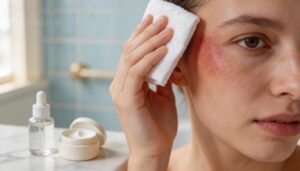
When your skin starts to sting, itch, or feel hot, quick care can keep a small flare from turning into a bigger problem. The goal is to calm the area, protect your skin barrier, and avoid anything that adds more stress.
These simple steps can help you settle irritation early and know what to do next.
Use Cool Compresses for Fast Relief
Cooling brings pruritus relief.
For Compress Timing, choose Cloth Material, dampen it with cool water, and rest it on skin for 5 to 10 minutes with light Application Pressure. Temperature Safety matters, so don’t place an ice cube directly on skin.
Among nonpharmacological treatments for itchy skin, natural home remedies for pruritus, and antiitch remedies, follow Post-Compress Care: pat dry.
Try Aloe Vera on Unbroken Skin
After a cool compress, aloe can calm skin irritation if you use it wisely:
- Choose Pure aloe selection, an Additive free formula, and skip menthol or citrus.
- Use Post cleanse timing with Thin layer application on unbroken skin.
- Try Refrigerated storage, then moisturize skin after aloe if it doesn’t sting, for preventing skin irritation, protecting barrier, and reducing tightness later.
Take Oatmeal Baths for Itch and Redness
After aloe, a Colloidal Oatmeal Soak helps.
For Oatmeal Bath Prep, add finely milled oatmeal to lukewarm water.
Oatmeal Bath Benefits include itch and redness relief.
Oatmeal baths are natural home remedies for pruritus and nonpharmacological treatments for itchy skin.
For Baby Oatmeal Bath use, follow Oatmeal Bath Frequency as needed, and remember the importance of moisturizing for dry skin.
Avoid Scratching With Short Nails or Gloves
After an oatmeal bath, protect healing skin from your own nails.
- Follow a nail trimming schedule for short fingernails.
- Use smart glove material choice, wear gloves, and keep a nighttime glove routine.
- Try nonstick bandage, stress ball, finger tap distraction, hand occupancy techniques, or a rubber band on your wrist. This helps break the itch-scratch cycle before skin tears.
Pause Exfoliants, Retinoids, and Strong Actives
Stop the cycle early: during irritant contact dermatitis, pause retinoids, chemical exfoliants, and other strong actives. Think Retinoid Pause Duration: three to seven days, Exfoliant Hold Timing: three to five, then use Strong Active Sequencing with a Gradual Reintroduction Strategy.
Practice Layering Conflict Management, avoid chemical vs physical exfoliation, strong soaps, detergents, and choose gentle exfoliation methods for sensitive skin.
Rinse Skin Promptly After Irritant Exposure
When irritation hits, start an Immediate Water Flush with Continuous Running Water, especially after Cleaning product chemicals that irritate the skin. Remove Contaminated Clothing right away.
Avoid Rubbing, then use Gentle Pat Drying.
A cold water shower can help, though water hardness effects may sting the skin.
This step bolsters a proper skincare routine and helps with strengthening the skin’s natural barrier daily.
When Irritation Needs Medical Care

Most skin irritation settles down with simple care, but sometimes it needs a closer look. If symptoms keep hanging on or start to change, it’s smart to pay attention.
Here are the signs that mean it’s time to think about medical care.
Symptoms Lasting More Than One to Two Weeks
Still there after two weeks? Think beyond simple irritation. Track:
- Symptom timeline
- Functional impact
- Documentation habits
These reveal escalation signs, causes and triggers of skin itching, and possible underlying conditions. If nonpharmacological treatments for itchy skin fail, seek dermatologist consultation about patch testing and diagnosis of dermatitis or medical interventions for chronic itch, even when it seems mild at first.
Spreading Rash, Swelling, or Severe Redness
Need Rapid Rash Assessment when redness spreads or swelling deepens. Angioedema Warning includes eyelid, lip, or throat swelling.
Infection Red Flags and Fever Accompanying Rash matter, but so do Allergic Reaction Signs from contact dermatitis or allergic contact dermatitis. This shifts rash diagnosis.
Seek dermatologist consultation quickly; you may need a topical anti‑inflammatory, not continued home treatment at this stage.
Fever, Pain, or Signs of Infection
- Fever thresholds of 37.5°C or higher, along with rigors and chills.
- Pain patterns, urinary signs, and respiratory clues point to infection.
- The presence of pus, worsening warmth, or tenderness requires immediate care.
These symptoms suggest an immune response shifting from an inflammatory skin reaction toward infection. While the pain gate theory can be used for comfort, prompt prevention of bacterial and fungal infections should be prioritized.
Reactions After Using Specific Products or Metals
Think of your skin as a smoke alarm: when nickel, fragrance, or alloys trigger contact dermatitis, stop the source and get checked.
Treat your skin like a smoke alarm: if nickel, fragrance, or metal triggers a rash, stop exposure and get checked
| Trigger | Clue | Type |
|---|---|---|
| Nickel bracelet rash; Alloy watchband irritation | Cobalt lipstick reaction | allergic contact dermatitis |
| Chromium leather rash; Metal implant debris | fragrance sting | irritant contact dermatitis |
These often stay where metal touches, but may spread after repeated exposure.
Patch Testing for Allergic Contact Dermatitis
If products or metals keep setting you off, Allergy testing with patch tests can clarify allergic contact dermatitis. Standard Allergen Panels are placed on your back using Placement Techniques, then checked at follow-ups.
Timing of Readings matters because reactions appear. Reading Scoring System and Interpretation Guidelines guide patch test interpretation, Symptoms of irritant vs allergic dermatitis, and allergen avoidance.
When Hydrocortisone or Prescription Treatment May Help
After patch testing, treatment becomes clearer. Your dermatologist may recommend:
- topical steroids for eczema flare management
- topical anti-inflammatory care
- oral steroids for acute allergic reaction
- topical vs systemic choices under prescription steroid guidelines
- phototherapy and light therapy for itch management
Follow Steroid contraindications carefully. This is the use of topical corticosteroids for eczema relief when home care fails or spreads.
Frequently Asked Questions (FAQs)
How to prevent skin irritation?
Nothing matters more: choose fragrance-free cleanser, short lukewarm showers, Gentle Drying Techniques, immediate moisturizer, chemical irritant avoidance, Hydration Management, breathable clothing, and stress reduction for skin to protect Skin pH Balance and a healthy barrier.
What should I do if my skin is irritated?
To manage skin conditions, use compresses, stop itching, and moisturize dry skin regularly.
Incorporate Hydration Boost, Sleep Hygiene, Dietary Adjustments, Air Quality Control, DIY Remedies, and nonpharmacologic itch control into your routine for comprehensive care.
For persistent symptoms, consider topical anti-inflammatory corticosteroids for eczema relief and allergy management for dermatitis.
How can I get rid of irritated skin faster?
Try Hydrating mist, Ceramide cream, Anti-inflammatory diet; Stay hydrated; Vitamin E oil;
natural home remedies for pruritus; importance of moisturizing for dry skin; topical anti-inflammatory;
use of topical corticosteroids for eczema relief; avoid irritants early.
Why does my skin feel irritated?
Like a fire alarm, causes of skin irritation include contact dermatitis, allergic reactions to cosmetic ingredients, hard-water irritation, skin microbiome disruption, environmental factors affecting skin health, hormonal imbalance, food sensitivities, and medication side effects.
Remember the importance of moisturizing for dry skin.
How to quickly get rid of irritation?
Start with a cool compress or ice cube for Instant Itch Relief, then apply aloe, oatmeal, a topical anti-inflammatory, Anti-itch Balm, or Skin Calming Toner, followed by Hydration Boost and Moisture Lock to support hydration.
What is the main cause of irritation?
Typewriter-era, irritation mainly reflects irritants, irritant contact dermatitis, immune hyperreactivity, microbiome imbalance, environmental pollutants, genetic predisposition, environmental triggers, and oxidative stress;
Allergy testing clarifies risk, while maintaining a healthy skin barrier reduces flares for you.
Can diet affect how easily skin gets irritated?
Yes.
Dietary influences on skin irritation: High sugar dairy and processed foods can worsen Dietary inflammation, while an Anti-inflammatory diet, Low Glycemic Diet, Omega-3 intake, attention to Dairy sensitivity, and the Gut-skin connection may help.
Does hard water make skin irritation worse?
Not by coincidence, hard water worsens skin irritation: Mineral Residue, Soap Scum Buildup, and pH Alkalinity Shift increase moisture loss, dryness and flakiness, Eczema Flare Risk, Acne Exacerbation, making maintaining a healthy skin barrier harder.
Can swimming pools or chlorine trigger irritation?
Pools can irritate skin: chlorine skin stripping, chloramine inhalation, and abnormal pool water pH can trigger irritants, contact dermatitis, and skin inflammation, especially with eczema.
Post-swim moisturization and hydration before swimming help maintain the skin barrier.
How do seasonal changes affect sensitive skin?
Season’s greetings can sting: Cold air dryness, Wind chill irritation, Temperature swing stress, Pollen season spikes, Summer UV exposure, UV rays, and heat and sweating can make sensitive skin flare faster during extreme seasonal shifts.
Conclusion
Soothing skin starts with smart steps. Focus on fortifying your skin’s barrier by making a few simple changes to your daily routine.
Learn to recognize common triggers and take control with gentle, fragrance-free products. By following these practical tips on how to avoid irritation, you’ll be well on your way to calm, healthy skin.
Make these habits a part of your daily life and enjoy a happier, healthier complexion that glows with vitality and resilience every day.