This site is supported by our readers. We may earn a commission, at no cost to you, if you purchase through links. This content is for general informational and educational purposes only and is not a substitute for professional medical, dermatological, or nutritional advice.
You reach for your razor and see it: orange freckles creeping across the blade. That rust didn’t show up overnight. It’s been building from stray water drops and skipped rinses, and now it’s sitting between you and a clean shave.
Here’s the good part. Fixing it doesn’t take a trip to the store or a new blade. Your kitchen already holds what you need.
Below, you’ll learn how to de rust razor blades quickly, using simple household staples, so you can get back to shaving without nicks, drag, or wasted steel.
Table Of Contents
- Key Takeaways
- How to De-Rust Razor Blades Quickly
- Best Household Razor Rust Removers
- Remove Stubborn Rust Without Blade Damage
- Is a De-Rusted Razor Safe?
- Prevent Razor Blades From Rusting Again
- Frequently Asked Questions (FAQs)
- How to get rid of rust on a razor blade?
- Can WD-40 remove rust from knives?
- Why do razor blades rust so quickly?
- Will rubbing alcohol rust a razor?
- What is the easiest way to remove rust quickly?
- What removes rust from a blade?
- How do you get rust off a razor blade?
- How to stop razor blades from rusting?
- Why did my razor rust so fast?
- Can I use WD-40 on my electric shaver?
- Conclusion
Key Takeaways
- Before you clean anything, check your blade for deep pits or rough spots—if the metal’s damaged, no amount of scrubbing will save it, so toss it instead.
- A 5-10 minute soak in white vinegar breaks down light rust fast, while a baking soda paste tackles the tougher tackles the tougher spots without scratching the blade.
- Never mix your cleaning products (like vinegar and baking soda together), and always keep the sharp edge protected during scrubbing to avoid ruining your shave.
- The real fix is prevention: rinse your blade after every shave, dry it fully, stand it upright, and add a thin coat of oil to keep rust from coming back.
How to De-Rust Razor Blades Quickly
If your razor blade has light rust, you can usually clean it up in just a few minutes. The goal is to move fast without being rough on the blade or careless with your hands. Start with the simple steps below so you can clean it safely and know when it’s time to stop.
For a deeper dive, this guide on how to remove rust from razor blades safely walks through gentle methods like castile soap and vinegar soaks.
Inspect Blade for Deep Pitting
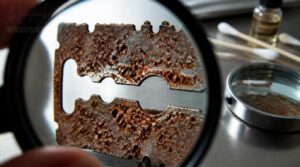
- Start with Blade integrity check.
- Do Edge surface inspection for rust spots.
- Use Pit depth assessment on blade pitting.
- Try Microscopic pitting analysis, spot pitting corrosion.
- Mark Corrosion halo identification; skip surface pitting repair if blade integrity fails.
Deep pits, tiny craters, or rough catches mean metal is gone, and that razor is done. Don’t gamble your face for one shave.
Deep pits and rough catches mean the metal is gone—don’t gamble your face on a worn-out blade
Rinse Off Hair and Residue
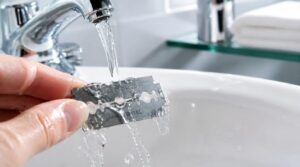
If the blade passed inspection, give it a warm water rinse right away. This quick rinse routine clears loose hair and cream before they turn slick. Use clean running water, then a touch of warm water and soap for stubborn film. Finish with plain water, pat with a clean towel, and let it air dry. Hot water rinse? Skip it.
If you use cleanser, note that foaming agents don’t clean and mainly help spread detergent.
Soak Blade in White Vinegar
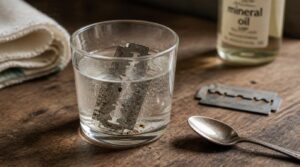
Once the residue is gone, set the razor in white vinegar using a glass or plastic cup. For safe razor blade cleaning, keep the Vinegar Soak Duration to 5 to 10 minutes, then check progress. A small swirl works as a Gentle Agitation Method for rust removal.
Finish with Rinse After Soak and Oil Coating Application for razor blade restoration.
Gently Scrub Rusted Blade Flats
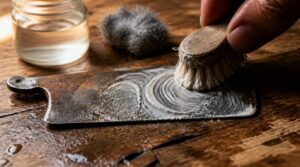
After the vinegar loosens rust, use a soft brush scrub with baking soda paste on the flats. Work in circular motion cleaning with a light pressure scrub, keeping strokes parallel for edge safe scrubbing.
If spots linger, use steel wool grade 0000 for lightly sanding rusted areas, skip harsh abrasive cleaning techniques, and finish with flat surface polishing using a soft towel.
Rinse, Dry, and Oil Blade
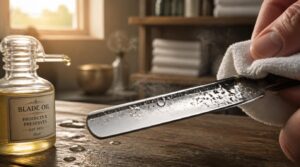
Once rust lifts, finish the job right:
- Use cool water for clean rinsing.
- Pat dry, don’t rub.
- Check for spots, chips, or pitting.
- Dry razor completely after each use, preventing water spots.
- Add a thin oil film, then apply light blade oil weekly and store away from humid bathrooms.
That matters because white vinegar dissolves rust, but prevention saves blades.
Choosing stainless steel blades from the start, paired with smart storage tips like those in what to put in a shower caddy, keeps rust from ever becoming a problem.
Best Household Razor Rust Removers
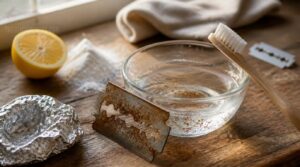
You don’t need a whole shop setup to clean up light razor rust at home. A few simple household items can do the job if you use the right one for the mess in front of you. Here’s what to reach for before that rust gets comfortable.
White Vinegar for Light Rust
Think of white vinegar as a quick pit stop for light rust. Its 5 percent acetic acid helps loosen oxidation, so white vinegar dissolves rust with a 30 second soak, then a quick check. For faint spots, dab instead.
Rinse well, dry fully, and keep vinegar and baking soda separate. This DIY rust remedy suits light surface rust.
Baking Soda for Moderate Rust
Often, baking soda paste is the safe play for moderate rust on a razor blade.
- Mix 3:1 baking soda and water.
- Cover spots, keep it damp, wait 5 to 15 minutes.
- Use a gentle scrub technique with cloth or nylon.
- Rinse well, dry fully, add post-clean oil coating.
That helps moderate rust removal, and baking soda paste lifts stubborn spots.
Lemon and Salt for Corrosion
Fresh lemon juice mixed with salt is a quick rescue for light corrosion. Its citric acid loosens oxidation, and the salt abrasive helps lift it away without getting rough. Use fresh juice, wait 5 to 15 minutes, then rinse, dry, and oil. That’s good rust removal, and smart rust prevention too afterward.
| Feeling | Result |
|---|---|
| Relief | Cleaner blade |
| Confidence | Safer shave |
Soap and Toothbrush Cleaning
Good razor blade cleaning starts simple. Use Castile soap and a little warm water to build soap lather formation, then work an old toothbrush across the blade for gentle debris removal.
The toothbrush scrubbing action helps with regular cleaning and maintenance. Finish with a warm water rinse, dry after cleaning, and handle blade sanitization carefully so you don’t trap moisture.
Avoid Mixing Cleaning Ingredients
Bad mix, bad fumes. In razor blade cleaning, Chemical Reaction Risks matter: white vinegar dissolves rust, and lemon juice cuts through oxidation, but never combine cleaners. Skip vinegar and baking soda if product is present, since acidbase neutralization and bleach reactions can backfire. Follow Label Reading Precautions, use Safe Cleaner Combinations, keep Ventilation During Cleaning, and practice Separate Storage Practices.
Remove Stubborn Rust Without Blade Damage
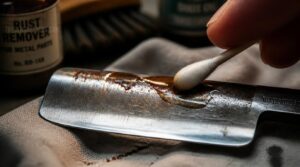
Stubborn rust needs a lighter hand than most people think. Your goal is to lift the corrosion without scratching the blade flats or ruining the edge. Here’s how to work carefully, use the right pressure, and know when it’s time to stop.
Apply Commercial Rust Remover Carefully
When household fixes stall, reach for commercial rust removers made for metal blades, not random bathroom chemicals.
- Start with Selecting Commercial Remover
- Use Masking Blade Edge
- Keep rust removal targeted
- Finish Rinse Neutralize Steps
After that, handle Post Treatment Care with a light oil for rust inhibitor application. It improves moisture control and helps lower skin irritation later. Controlled Dwell Time matters too.
Follow Product Contact Times
Once remover is on, Contact Time Basics keeps steel safe.
Use a Contact Time Log for Contact Time Safety, then dry and finish with rust inhibitor application.
| Step | Guide |
|---|---|
| Minimum Contact Time | white vinegar, baking soda paste |
| Maximum Contact Time | commercial rust removers, citric acid solutions |
Check the blade after the minimum, never push past the maximum, and don’t mix products either.
Use 0000 Steel Wool
Once the remover has done its job, switch to 0000 steel wool for targeted rust removal. Use the Steel Wool Technique with light oil, not an abrasive paste, so Proper Wool Pressure stays gentle.
That gives you safer DIY rust remediation, cleaner blade maintenance, and better corrosion prevention. Finish with Wool Safety Practices and dry Wool Storage Methods afterward, safely.
Protect The Cutting Edge
After rust removal with white vinegar or baking soda paste, treat the edge like a straight line of glass.
- Shield edge
- Skip steel wool there
- Wipe, don’t scrape
- Follow an Edge Inspection Guide
- Finish with Edge Lubrication Tips, plus drying and storing razor blades for blade edge preservation, Edge Corrosion Prevention, and an Edge Maintenance Routine using Edge Protection Methods.
Stop When Metal Shows Pitting
While cleaning, use Visual pitting inspection and Pit depth assessment first. If white vinegar, baking soda paste, rust removal, or oxidation removal reveals craters, follow the Pitting stop rule and Stop rust progression immediately. Deep pits weaken the edge.
Switch to Edge protection tactics, dry the blade, oil it, and focus on passivation layer restoration or replacement if needed later.
Is a De-Rusted Razor Safe?
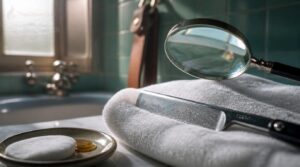
Cleaning off rust is only half the job. Before you put that blade back on your skin, make sure it’s still safe to use. Here’s what to check before you shave.
Check Edges for Chips
Think the blade looks clean? Hold it under bright light and do Edge Chip Detection first. Use a magnifier for Chip Size Measurement and Chip Location Mapping along the cutting edge. That quick Chip Impact Assessment protects blade sharpness retention after rust removal.
For microscratch prevention and solid blade maintenance, follow Chip Prevention Tips while inspecting both sides closely now.
Replace Pitted or Dull Blades
Although rust removal can clean the surface, check edge integrity before shaving. Assess pitting depth, identify dull blades, and determine replacement timing by looking for pits, drag, or uneven edges. Deep corrosion ends blade lifespan extension.
Even after white vinegar treatment and other prevention techniques, blade replacement is the smart move to prevent skin irritation and keep your shave safe.
Discard Rusty Disposable Blades
One bad blade can wreck a good shave, so toss rusty disposables fast. Safe Blade Disposal means using Proper Sharps Containers, with Labeling Disposal Containers and Childproof Blade Storage.
- No loose blades
- Avoiding Blade Reuse
- No paper wrapping
This protects your hands, keeps rust removal from turning risky, and makes blade storage safer for kids and pets.
Sanitize With Isopropyl Alcohol
Rust is one problem, germs are another, and a clean-looking blade can still carry both. Wipe on 70% isopropyl alcohol, fully wetting the disinfecting blade for 30 seconds, then let it air dry rather than toweling it off.
| Concentration | Result |
|---|---|
| 70% | Best disinfecting |
| 90%+ | Evaporates too fast |
| Under 60% | Weak |
Watch for Shaving Irritation
Your skin talks back after a shave, so listen to it. Redness, burning, or itchy patches often mean friction caused irritation, not leftover rust from your white vinegar soak.
Razor bump formation shows up when hairs curl back into skin. If discomfort keeps returning on a de-rusted blade, ease up on pressure or see a dermatologist.
Prevent Razor Blades From Rusting Again
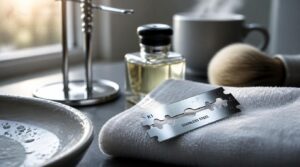
Getting the rust off is only half the job. The real win is keeping it from ever coming back. Here are five simple habits that’ll keep your blade sharp, clean, and rust-free for good.
Rinse Blades After Every Shave
Grab the habit now: rinse right after every shave, no exceptions. A steady stream of warm water flushes hair debris and prevents lather buildup before it dries onto the steel.
- Angle the blade so water flows through channels
- Turn it to hit every position
- Check between blades for trapped residue
- Make sure thorough rinsing, not a quick splash
- Keep going until the surface looks clear
This simple step reduces corrosion risk and maintains blade sharpness.
Dry Blades Immediately
Once rinsed, don’t let water sit. Towel pat dry with gentle pressure, then let the blade air dry fully before storage.
A quick blow dryer on low works too. This quick drying routine stops flash rust cold. Toss in silica gel packets, and store away from moisture. Simple habit, real protection.
Store Razors Upright
Where you set that razor down matters as much as how you dry it.
Lay it flat and water pools right on the blade. Stand it up on a razor stand and gravity does the draining for you. Vertical storage speeds drying, keeps the head off grimy counters, and makes grabbing the right razor fast during busy mornings.
Apply a Thin Oil Coating
Standing that razor upright only experiences water. Steel still meets air, and that’s where a thin oil coating earns its keep. A drop of food grade mineral oil, spread thin, builds a hydrophobic layer.
- Wipe excess, leave just a faint slick
- Reapply after each humid shower session
- Store the oiled blade in its stand
No pooling, no residue.
Reduce Bathroom Humidity
Oil protects the blade, but the room around it matters too.
Install an exhaust fan and run it during and after every shave. Open windows briefly to clear steam, and use humidity sensors to track moisture. Wipe surfaces quickly, place silica gel nearby, and keep bathroom humidity below 60% for real rust prevention.
Frequently Asked Questions (FAQs)
How to get rid of rust on a razor blade?
Soak the blade in white vinegar for 30 minutes, scrub gently with a soft toothbrush, rinse fully, dry completely, then apply a thin oil coat. This quick rust treatment restores the edge without damage.
Can WD-40 remove rust from knives?
Yes, WD-40 loosens light surface rust on knives through its solvent action, though it’s weaker than white vinegar or baking soda paste. Spray, wait, wipe clean, then dry fully and add a mineral oil barrier for lasting protection.
Why do razor blades rust so quickly?
Your bathroom is basically a rust factory. Steam, wet counters, leftover shaving cream, that’s high humidity exposure plus mineral-rich water creating electrolyte presence. Add worn surface coatings or lower-grade blade alloy quality, and oxidation starts fast, often within a single day.
Will rubbing alcohol rust a razor?
Rubbing alcohol won’t cause rust on stainless steel blades, since alcohol evaporation happens fast, limiting oxidation time.
Carbon steel carries more risk if moisture lingers. Wipe blades briefly, then dry immediately, this quick drying effect helps prevent rust formation without harming blade coating.
What is the easiest way to remove rust quickly?
A vinegar soak beats every other home remedy for rust: overnight loosens grime fast, then scrub gently with a soft toothbrush. Rinse, dry, and oil the blade. No baking soda, lemon salt mix, or commercial remover needed for light rust.
What removes rust from a blade?
Kitchen staples work better than folks expect. White vinegar and lemon juice dissolve oxidation through acid action, baking soda paste lifts stubborn spots, baking soda paste lifts stubborn spots, and a citric acid soak or aluminum foil method breaks corrosion loose without harming steel.
How do you get rust off a razor blade?
Give it a thirty-minute vinegar soak, then work in a baking soda paste or lemon-salt scrub. Rinse well, dry fully, and finish with a light oil coat to stop flash-rust cold.
How to stop razor blades from rusting?
Most folks only think about rust prevention after their favorite blade’s already pitted. Dry blades fully after each shave, store them away from bathroom humidity, and apply a thin oil coating weekly for real corrosion inhibition.
Why did my razor rust so fast?
That rust spread like wildfire, and here’s why: high humidity, wet storage, and hard water minerals attacked a low-quality alloy blade you kept too long, skipping desiccant cases and proper ventilation.
Can I use WD-40 on my electric shaver?
Skip it. WD-40 can damage plastic seals and leave residue that attracts hair and dirt. Manufacturers warn against it, since oil affects foil coatings. Instead, use approved electronics lubricants and wipe blades dry to prevent oxidation.
Conclusion
That rust never stood a chance once you knew where to look. Vinegar, baking soda, and a little elbow grease turned a corroded blade back into a clean cutting edge, no store trip required. Now you know how to de rust razor blades quickly, and more importantly, how to keep them that way.
Rinse after every shave. Dry the blade. Add a thin coat of oil. Small habits, sharp results. Your razor stays ready, and your shave stays smooth every time.