This site is supported by our readers. We may earn a commission, at no cost to you, if you purchase through links.
Your hair faces a brutal gauntlet every single day. Friction from cotton pillowcases during sleep can strip away moisture and snap strands like dry twigs. Scorching flat irons denature the protein structure that keeps each strand intact. Even something as innocent as UV rays slowly oxidizes the pigment molecules in your hair, fading color and weakening its protective outer layer.
The damage accumulates quietly—a few broken strands here, a patch of dullness there—until one day you’re staring at brittle ends and wondering what went wrong.
The good news? Most hair damage is preventable when you understand the mechanics behind it and make strategic adjustments to your routine, from the products you choose to how you style and even how you sleep.
Table Of Contents
Key Takeaways
- Switch to silk or satin pillowcases and use protective sleep hairstyles to slash nighttime breakage by 20–40%, since friction from cotton fabric is one of the biggest hidden culprits behind damaged hair.
- Keep heat styling tools at or below 180°C (356°F) and embrace air-drying whenever possible—daily hot tool use weakens your strands over time, but alternating with heat-free methods can reduce your monthly heat exposure by up to 65%.
- Pre-detangle dry hair before showering and avoid brushing when wet, as damp strands are 20% more fragile and prone to snapping under the stress of a brush or comb.
- Layer UV-blocking products, leave-in treatments, and sulfate-free shampoos into your routine to defend against environmental damage like sun exposure, chlorine, and pollution that quietly strip away your hair’s strength and moisture.
Protect Your Hair While Sleeping
Your pillowcase might be your hair’s worst enemy. Between friction, tangling, and tension from how you style your hair at night, you’re setting yourself up for breakage while you sleep.
Here’s how to protect your strands from nighttime damage and wake up with healthier hair.
Use a Silk or Satin Pillowcase

One of the simplest switches you can make? Upgrading to a silk or satin pillowcase. Cotton pillowcases create friction that leads to breakage and frizz—switching to silk or satin can reduce breakage by 20–40% after just six weeks.
- Silk retains moisture better than cotton, keeping strands hydrated overnight
- Satin reduces tangles notably, especially for chemically treated or curly hair
- High-thread-count options deliver the smoothest surface and best friction reduction
This swap works wonders for nighttime hair care and long-term hair damage prevention.
Try Protective Hairstyles for Sleeping

Beyond your pillowcase, protective hairstyles for sleeping can cut breakage by 30% when you use no-metal elastics. Loose braids, twists, or a pineapple updo reduce friction-induced damage by 25% during those eight hours of tossing and turning.
| Hair Type | Best Sleep Style |
|---|---|
| Straight/Fine | Leave down or loose bun |
| Wavy/Curly | Pineapple updo or loose braid |
| Coiled/Textured | Two braids or silk scarf wrap |
| Thick/Long | Low braid with satin scrunchie |
Satin bonnets alone decrease breakage by 9–14% over three months.
Detangle Your Hair Before Bed
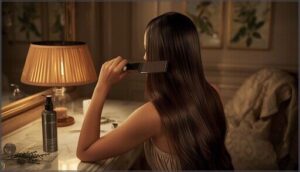
Nighttime detangling cuts overnight hair breakage by up to 40%. Start at your ends with a wide-tooth comb—working upward minimizes shed hair by around 25%. A detangling spray with conditioning agents drops friction by 18–32%, so you’ll wake up with fewer morning tangles.
- Apply 1–2 pumps of lightweight serum before combing for smoother glide
- Detangle at least 5 minutes before bed to reduce pillow-induced breakage
- Pair with a gentle sleep hairstyle for maximum friction reduction
Choose The Right Hair Accessories

Once your hair’s tangle-free, reach for silk pillowcase–friendly accessories. Satin scrunchies cut breakage by 32% compared to cotton, while non-metal clips cause 35% less abrasion than their metal counterparts.
Skip heavy ornaments—anything over 50 grams raises traction alopecia risk by 30–40%. Coiled elastic alternatives reduce tension by 40%, protecting your hairline without the overnight damage standard hair ties inflict.
Is It Better to Sleep With Hair Up or Down?

Should you twist your hair up or let it loose? Sleep positioning makes all the difference for scalp health and friction reduction. Sleeping with hair down slashes breakage by 20%, beating loose updos that increase hair tension.
Nighttime styling matters—combine your silk pillowcase with a gentle, low braid for best hair protection. Your sleep hairstyles and hair maintenance routine work together to defend against overnight damage.
Protect Hair During Heat Styling
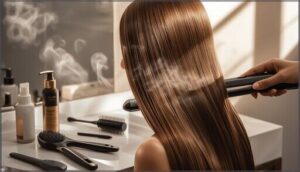
Heat styling tools can transform your look in minutes, but they’re also one of the fastest routes to damaged, brittle hair. The good news is that you don’t have to give up your flat iron or blow dryer completely—you just need to use them smarter.
Here are three essential strategies to protect your hair every time you reach for hot tools.
Choose Lower Temperature Settings
You’ve got more control over heat styling than you think—dialing down your flat iron or blow-dryer to 180°C (356°F) or below can cut strand breakage by 22%. Temperature control is your first line of defense against hair damage.
Pair lower settings with a solid heat protectant, and you’ll preserve your hair’s integrity without sacrificing the sleek finish you’re after. Styling safety starts with thermal protection.
Reduce Frequency of Hot Tool Use
Consistently reaching for your flat iron or curling wand daily? That habit is slowly weakening your strands.
Swapping in heat-free styling methods—like braid-outs, foam rollers, or air-drying techniques—can slash your monthly heat exposure by up to 65%. Every skipped blow-dry session preserves your hair’s natural strength and moisture, making breakage reduction strategies as simple as alternating your routine.
Air Dry When Possible
Letting your hair dry naturally is one of the simplest damage reduction moves you can make. Studies show heat-free drying cuts cuticle damage by up to 50%, while your strands retain more moisture and elasticity over time.
- Blot with a microfiber towel to reduce breakage by 25%
- Try plopping or loose wrapping to cut drying time by 40%
- Apply leave-in conditioner for frizz control and scalp comfort
- Use a cool diffuser setting if you need gentle assistance
Top 6 Products to Protect Your Hair
You’ve got the techniques down—now let’s talk about the products that actually make a difference. I’ve curated a list of six essentials that cover everything from growth support to friction-free sleep, all backed by solid performance in the salon and at home.
These aren’t just nice-to-haves; they’re the tools that’ll help you maintain healthier, stronger hair with less effort.
1. Rosemary Mint Hair Growth Oil
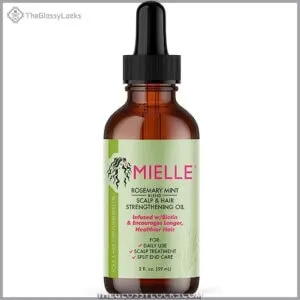
Rosemary Mint Hair Growth Oil delivers targeted scalp treatment through biotin, rosemary benefits, and mint oil—a trio that invigorates follicles and nourishes hair health.
Research shows rosemary essential oils can boost hair growth by roughly 11% over six months, while mint stimulates circulation at the root.
You’ll want to apply this lightweight formula directly to your scalp twice weekly for best results. It’s a multitasker too: use it as a pre-wash treatment or dab it on split ends for extra hair protection without the grease.
Best For: Anyone dealing with thinning hair or a dry, flaky scalp who wants a natural growth boost backed by clinical research.
- Rosemary oil showed 11% hair count improvement in clinical trials, so there’s real science behind the formula
- Works as a scalp treatment, pre-wash oil, or split-end repair—you get multiple uses in one bottle
- Paraben-free and suitable for all hair types, including sensitive scalps
- Easy to overdo it and end up with greasy hair if you’re not careful with the amount
- Mint scent might irritate people sensitive to strong fragrances
- Results take 3–4 months of consistent use, so it’s not a quick fix
2. Pure Silk Queen Pillowcase
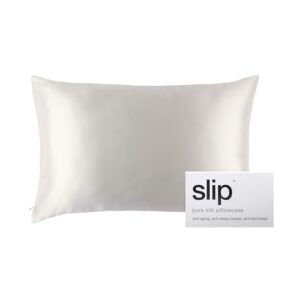
Pure Silk Queen Pillowcase transforms your nightly routine into a strategic hair protection method. The 22-momme mulberry silk fabric benefits your strands by slashing friction 30–50% compared to cotton—that’s a serious upgrade in friction reduction and hair breakage prevention.
You’ll notice smoother mornings and less frizz within the first week, since silk locks in moisture about 25% better than standard pillowcase materials.
It’s a foundational piece of sleep hair care that works while you rest, supporting your overall hair maintenance and health without adding steps to your routine.
Best For: Anyone dealing with bedhead, frizz, or sleep creases who wants an easy way to protect their hair and skin overnight without changing their routine.
- Cuts friction by 30–50% compared to cotton, which means noticeably less breakage and smoother hair in just the first week
- Boosts moisture retention by up to 25%, helping you wake up with softer, more hydrated hair and skin
- Machine washable with an invisible zipper, so it’s actually practical for everyday use despite being real silk
- Pricey compared to regular pillowcases, which might be tough to justify if you’re on a budget
- Some users have reported issues with fabric durability and zipper quality over time
- A few customers have questioned whether the material is actually authentic silk, which raises trust concerns
3. Olaplex Bonding Hair Oil Treatment
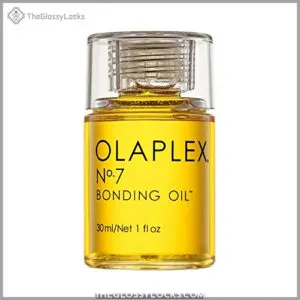
Olaplex Bonding Hair Oil Treatment takes hair protection further with its bond-building formula, targeting breakage at the molecular level. You’re getting 450°F heat protection plus up to 82% improvement in breakage resistance after consistent use—that’s backed by clinical data showing real bond repair and scalp health benefits.
The weightless formula tames frizz for 72 hours while boosting shine, making it ideal for heat styling days or overnight treatments. It’s pricey, but the oil efficacy shows in measurably stronger strands and reduced split ends within weeks.
Best For: Anyone dealing with heat damage, frizz, or breakage who wants proven bond repair and long-lasting smoothness, especially if you style with hot tools regularly.
- Clinical results show up to 82% improvement in breakage resistance and measurably stronger hair within weeks of consistent use
- Protects against heat up to 450°F while taming frizz for up to 72 hours without weighing hair down
- Works across all hair types with minimal scalp irritation (98% reported none) and plays well with most other products
- Expensive compared to regular hair oils, and some users question whether the price matches the results
- Can cause slight yellowing on very light bleached blonde hair with repeated applications
- Packaging has been called misleading by some customers
4. Kerastase Magic Night Hair Serum
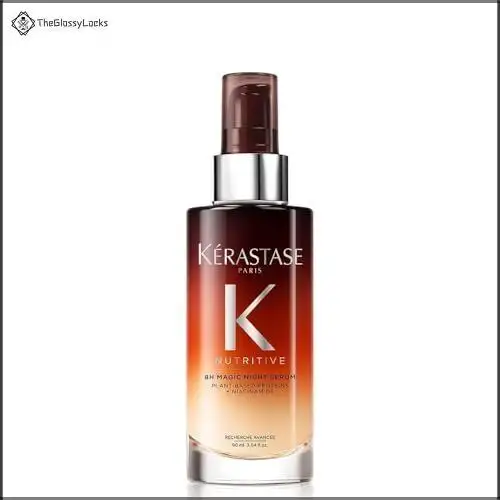
Kerastase Magic Night Hair Serum works while you sleep, giving your hair an 8-hour nourishment session with plant-based proteins, niacinamide, and iris extract that absorb completely by morning. Studies show 84% less frizz and 98% stronger strands versus untreated hair.
The leave-in formula shields against pillow friction without rinsing, making overnight repair simple.
At $62 for 90ml, it’s an investment, but the hair hydration payoff and detangling power make this night serum a solid choice for consistently dry, damaged hair needing intensive care.
Best For: People with dry, frizzy, or damaged hair who want intensive overnight hydration and easier morning styling without adding another step to their routine.
- Absorbs fully overnight with plant proteins and niacinamide, delivering measurable results (84% less frizz, 98% stronger hair)
- No rinsing required in the morning, so you wake up with softer, detangled, shinier hair ready to style
- Protects against pillow friction and works while you sleep, making it an effortless way to repair damage
- Expensive at $62 for a small 90ml bottle that may not last long with regular use
- Price point puts it out of reach for anyone on a tighter budget
- Some customers report receiving bottles with damaged or leaking packaging
5. Soft Satin Hair Scrunchies Set
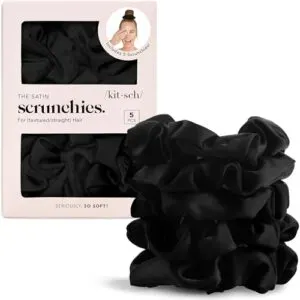
While serums target repair, the right hair accessories prevent damage from the start. Kitsch’s Soft Satin Hair Scrunchies Set offers a simple upgrade from traditional elastics—independent tests show these gentle hair ties reduce breakage by 6–12%.
The satin material glides over strands instead of tugging, making them ideal for protective sleep styles or daytime wear. At just over an ounce for the set, they’re lightweight enough for fine hair yet stretchy for thick textures.
Smart hair maintenance starts with swapping out damaging elastics for these soft hair wraps.
Best For: Anyone looking to reduce hair breakage during sleep or throughout the day, especially those with delicate, fine, or damage-prone hair who want a gentler alternative to traditional elastics.
- Reduces breakage by 6–12% compared to regular elastics, making them a measurably gentler option for all hair types
- Satin material glides smoothly over strands without tugging or creating creases, ideal for overnight protective styles
- Lightweight and stretchy design works for both fine and thick hair textures while doubling as stylish wrist accessories
- Limited color variety according to some user feedback
- May stretch out over time with regular use, though they typically maintain elasticity
- Oversized fit might not work for everyone, particularly those with very fine or thin hair
6. Silky Satin Durag Wave Cap

For overnight protection that goes beyond a scrunchie, consider adding a Silky Satin Durag Wave Cap to your hair care arsenal. This two-piece set—featuring moisture-tech satin and 43-inch tails—locks in treatments while you sleep, reducing friction that leads to breakage.
Satin wave caps and durags offer measurable hair protection methods, cutting moisture loss by 15–20% at the crown. At $8.99, it’s an affordable upgrade from a basic satin bonnet. Just note the material runs thin, so handle with care during styling.
Best For: Anyone looking to protect their hair overnight without spending much, especially if you’re working on waves or want to lock in treatments while you sleep.
- Affordable two-piece set at $8.99 gives you both a durag and wave cap for different styling needs
- Moisture-tech satin fabric cuts down on friction and helps reduce breakage by 15–20% at the crown
- Long 43-inch tails and wide strap make it easy to tie and adjust for a secure fit
- Material feels thin and cheap according to some users, so it may not hold up long-term
- Wave cap elastic can lose its stretch quickly with regular use
- Center stitching might cause the fabric to slip up, and sizing may not work well for smaller heads
Protect Hair From Environmental Damage

Your hair faces a daily battle with the elements—sun, chlorine, humidity, and pollution all chip away at its strength and shine. Environmental damage doesn’t happen overnight, but the cumulative effect can leave your strands dry, brittle, and faded.
Here’s how to shield your hair from the outside world and keep it healthy no matter where life takes you.
Shield Hair in Sun Exposure
Your hair can lose up to 20% of its strength after prolonged sun exposure—UV rays break down proteins just like they damage your skin. That’s why UV hair protection matters year-round, not just in summer. Invest in sunscreen serums with UV filters, wear wide-brim hats, and embrace protective hairstyles that minimize exposure. Here’s your defense strategy:
| Protection Method | Damage Reduction |
|---|---|
| UV-blocking products | 15–25% less color fade |
| Wide-brim hats | ~40% less protein loss |
| Protective styling | 25–50% less breakage |
| Antioxidant serums | 18–30% reduced stress |
Understanding theme development concepts is essential for creating effective hair care strategies.
Deep condition weekly to offset moisture loss and combat hair sun damage before it becomes visible. Summer hair care isn’t optional—it’s essential for hair health and preventing irreversible damage.
Protect Hair When Swimming
Before you begin, remember that chlorine damage strips up to 8% of your hair’s elasticity in just 30 minutes. Swim cap benefits are real—they block roughly 70% of chlorine exposure.
For pool water protection, saturate strands with clean water first to reduce mineral buildup by 40%.
Post swim care matters: rinse immediately, follow with chelating shampoo, and deep condition weekly to restore moisture and prevent hair damage.
Combat Humidity and Moisture Loss
When ambient humidity jumps from 40% to 90%, your hair can swell and frizz within two hours—especially if it’s bleached or porous. Combat humidity with barrier products like water-vapor–permeable silicones that protect without locking in excess moisture.
Use hydrating masks weekly to stabilize moisture balance, and wrap damp hair in a microfiber towel to minimize frizz and prevent surface water from triggering cuticle disruption. Using a microfiber hair towel can help reduce frizz and drying time.
Use Leave-in Treatments for Daily Protection
Leave-in treatments act as your hair’s daily armor against pollution, UV rays, and mechanical stress. When applied to damp strands, these formulas penetrate three times better than on dry hair, forming a protective coating that locks in moisture and shields against damage for up to 72 hours.
- Silicone products reduce combing damage by 37% and offer heat protection up to 446°F
- Protein-enriched formulas restore 26% of lost elasticity in chemically processed hair
- Botanical oil leave-ins prevent 34% of water-induced swelling during shampooing
- UV-filtering treatments decrease color fading by 68% over 30 days
- Daily moisture serums increase strand elasticity by 12–18% within four weeks
Apply leave-in conditioner to sectioned, towel-dried hair using a wide-tooth comb for 91% coverage. Reapply every 48–72 hours to maintain consistent hair protection without product buildup—daily use beyond this offers diminishing returns for hair damage prevention.
Essential Hair Care and Maintenance Tips
Your daily hair care routine matters just as much as the protective measures you take overnight or during styling. Small shifts in how you handle, wash, and nourish your hair can prevent damage before it starts.
Here are five essential maintenance habits that’ll keep your strands strong and healthy from root to tip.
Detangle Hair Before Showering
Taking a few minutes to detangle your hair before stepping into the shower can cut breakage by up to 30%—making this simple pre-shower routine one of the smartest hair protection moves you’ll make.
Use a wide-tooth comb or detangling brush with a lightweight spray to reduce friction and minimize hair damage, especially if you have coarse or curly textures that tangle easily.
Brush Hair When Dry Instead of Wet
Wet hair is far more fragile than dry hair—a 2022 study showed brushing damp strands increases hair breakage by 20%, largely due to greater hair strain and friction on weakened cuticles.
Wet hair is 20% more prone to breakage than dry hair due to weakened cuticles and increased friction
For hair damage prevention, reach for a wide-tooth comb once your hair’s dry. Dry brushing is one of the easiest hair care tips that delivers real hair health benefits without extra effort.
Choose Sulfate-Free Shampoos
Sulfate-free shampoos offer gentle cleansing without stripping your hair’s natural moisture—a 2020 study found they reduced scalp irritation by 31% in sensitive skin types.
These formulas deliver real hair health benefits, preserving color and supporting scalp health while still cleaning effectively.
If you’ve noticed redness or dryness, switching to sulfate-free options provides solid hair damage prevention that your scalp will thank you for.
Use Moisturizing Oils and Serums
After switching your cleanser, enhance your hair protection with moisturizing oils and serums. Coconut oil reduces protein loss by 28% after washing, while argan oil boosts strand moisture by 12–18%.
These natural remedies deliver serious hair health benefits you’ll notice. Try silicone-based serums for locking hydration and reducing friction by up to 35%, or reach for hyaluronic acid formulas that increase surface hydration by 15–20% within hours.
Support Hair Health With Proper Nutrition
Your hair reflects what you eat—literally. Protein intake around 1.0–1.2 g/kg daily aids keratin production, while correcting iron deficiency can cut shedding by 25–40%.
Focus on nutrient balance through Mediterranean-style dietary patterns rich in omega-3s, zinc, and vitamins C and D.
Skip megadose hair supplements; whole foods deliver better hair nourishment and sustainable hair growth promotion than isolated pills.
Frequently Asked Questions (FAQs)
How often should I trim my hair?
Ironically, cutting hair helps it grow healthier. You’ll want trims every 8–12 weeks for split end prevention and damage control—part of your hair maintenance routine that fosters hair health and wellness while promoting stronger growth.
Can stress cause hair loss or damage?
Yes, stress hormones like cortisol can trigger telogen effluvium, pushing 30-40% more follicles into hair shedding within 2-3 months. Good news? Hair regrowth usually begins once stress levels drop.
What water temperature is best for washing hair?
Cool to lukewarm water (90–104°F) protects cuticle damage and boosts moisture retention.
Finish with a cold rinse to seal cuticles, improve shine, and support scalp health—especially vital for color-treated or porous hair.
Do hair masks really improve hair strength?
Think of your strands like fabric—regular conditioning treats the surface, but a quality hair mask with protein benefits penetrates deeper for cortex reinforcement.
Weekly use genuinely strengthens hair when formulated with keratin or amino acids.
Should I change products seasonally for hair health?
Switching products seasonally can help maintain hair moisture balance and address climate-specific challenges.
About 64% of consumers adjust their hair care routine with the seasons, reporting better manageability and reduced breakage through strategic product rotation benefits.
Conclusion
An ounce of prevention is worth a pound of cure—and nowhere is that truer than with your hair. Now that you know how to protect hair from heat, friction, UV rays, and environmental stressors, you’re equipped to stop damage before it starts.
Swap your pillowcase, adjust your styling routine, and invest in protective products that actually work. Your hair will thank you with strength, shine, and longevity you can see and feel every single day.