This site is supported by our readers. We may earn a commission, at no cost to you, if you purchase through links.
That tiny nick on your chin shouldn’t still be bleeding five minutes later, but here you are, dabbing tissues like you’ve opened a vein. Shaving cuts bleed more than you’d expect because your face has roughly 8,000 to 9,000 nerve endings and blood vessels per square inch—far more than most body parts.
The upper lip and jawline are especially vascular, which explains why a razor nick the size of a pinhead can turn your bathroom sink into a crime scene. Most cuts stop bleeding within three to five minutes with the right approach, but standing there holding wet toilet paper isn’t it. You need actual techniques that work with your skin’s biology, not against it.
Table Of Contents
- Key Takeaways
- Why Shaving Cuts Bleed Easily
- Immediate Steps to Stop Shaving Bleeding
- Effective Bleeding Control Methods
- Promoting Healing After a Shaving Cut
- Top 6 Products to Stop Shaving Bleeding
- Shaving Techniques to Prevent Cuts
- When to Seek Medical Attention
- Frequently Asked Questions (FAQs)
- How to stop bleeding from shaving fast?
- Why do razor cuts bleed so much on legs?
- What is the difference between a head shaver and a hair clipper?
- What is the best Shaver for bald heads?
- What is the best men’s hair clipper?
- Should you use a hair clipper or a Shaver?
- What clippers are best for shaving your head?
- What do barbers use to shave bald heads?
- What is the best product to shave your head?
- Are head shavers better than clippers?
- Conclusion
Key Takeaways
- Your face bleeds dramatically from shaving cuts because it contains 8,000 to 9,000 nerve endings and blood vessels per square inch—far denser than most body parts—making even tiny nicks open multiple vessels at once.
- Stop bleeding fast by rinsing with cold water for 5-10 seconds to constrict blood vessels, then applying firm direct pressure with clean tissue for at least 5 minutes without lifting to check progress.
- Styptic pens with aluminum sulfate or alum blocks work best for stubborn bleeding, while common household items like antiperspirant, lip balm, or cooled coffee can serve as effective backups by constricting blood vessels or creating protective barriers.
- Prevent cuts entirely by shaving with the grain using sharp blades at a shallow angle, paired with quality shaving cream or gel that creates a slick protective layer between your skin and the razor.
Why Shaving Cuts Bleed Easily
Your face has more blood vessels per square inch than almost anywhere else on your body, which is why even tiny shaving nicks can bleed like you’ve been in a fight.
That’s also why men need a targeted skincare routine for men that addresses both excess oil production and the irritation from frequent shaving.
Your face bleeds dramatically from tiny shaving nicks because it’s packed with more blood vessels per square inch than almost anywhere else on your body
The good news is that once you understand what’s happening beneath the surface, you’ll know exactly how to stop it fast. Here’s what makes shaving cuts so dramatic—and where they’re most likely to happen.
Skin Anatomy and Razor Cuts
Your skin is layered like a cake, with a paper-thin epidermis on top—just a tenth of a millimeter thick on your face.
While bold black hair dye transforms your look from the outside, your skin’s delicate top layer deserves just as much care and attention.
Slice through that with a razor blade, and you hit the dermis, packed with blood vessels and nerves. That’s why shaving nicks bleed fast and sting sharp. Facial skin holds dense vessel networks, so even shallow cuts open multiple tiny vessels at once.
Combine that with poor shaving habits, and you’ve set the stage for hair follicle inflammation remedies to become a regular part of your routine.
For additional tips, see how constricting blood vessels stops bleeding.
Common Causes of Shaving Nicks
Most shaving nicks trace back to dull blades that tug hair instead of slicing cleanly, forcing your skin into the razor’s path. Pressing too hard flattens skin against the blade, while poor lubrication creates dry patches that drag and skip.
Rushing through strokes or holding the wrong razor angle practically guarantees those stinging cuts. Proper skin preparation and steady pressure make all the difference.
For better overall results, it’s important to follow expert shaving techniques and prevention for fewer nicks and healthier skin.
Areas Most Prone to Bleeding
Your upper lip, chin, and jawline sit right at the top of bleeding zones because those spots pack dense capillaries just under thin skin.
The nose bridge and cheekbone area follow close behind—vessel location there means even light razor cuts tap into a rich blood supply. Facial anatomy explains why shaving injuries in these regions produce more dramatic bleeding than you’d expect from such small nicks.
Immediate Steps to Stop Shaving Bleeding
When you nick yourself shaving, your first instinct might be to panic—but don’t.
A quality aftershave balm for acne-prone skin will soothe the cut and prevent irritation without triggering breakouts.
The right moves in the first minute make all the difference between a quick fix and a messy situation.
Here’s exactly what to do the moment you spot that blood.
Cleaning The Cut With Cold Water

Right after you nick yourself, grab some cool water and rinse the cut for 5 to 10 seconds. Cold water therapy triggers blood vessel constriction, slowing bleeding fast while washing away debris.
This simple wound cleaning method aids first aid and cut hygiene practices without irritating your skin. Just pat dry gently—don’t rub—and you’re ready for the next step in wound care.
Applying Direct Pressure
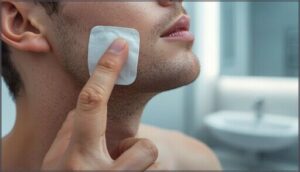
Once you’ve rinsed, grab a clean tissue or gauze and press it firmly over the cut for at least 5 minutes. This wound compression technique triggers hemostasis techniques that help form a blood clot.
Here’s how to apply direct pressure effectively:
- Place the pad directly over the bleeding site, not beside it
- Press firmly with your fingertips without lifting to check progress
- If the tissue soaks through, add another layer on top
- Maintain constant pressure until bleeding control is achieved
This method works better than styptic pencils for most shaving cuts.
Elevating The Area to Slow Bleeding

After pressure, try lifting the area above your heart to help with bleeding slowdown. Wound elevation reduces capillary pressure by using gravity, which improves bleeding control.
For facial cuts, tilt your head back slightly. For limbs, prop them on a pillow. This elevation technique works alongside direct pressure to slow blood flow and help that blood clot form faster than a styptic pencil alone.
Effective Bleeding Control Methods

Once you’ve stopped the initial bleeding with pressure and cold water, you can reach for specific products that work faster and more effectively.
These methods rely on ingredients that constrict blood vessels or create a physical seal over the cut. Here’s what actually works when you need quick results.
Using Styptic Pens and Alum Blocks
Styptic pens and alum blocks are your first-line defense against stubborn shaving cuts. A styptic pencil delivers concentrated aluminum sulfate directly to the nick, contracting tissue and stopping bleeding in seconds.
Alum blocks use potassium aluminum sulfate for a gentler astringent effect. Press either one firmly against the cut for a few moments, allow it to dry, then rinse with cool water to minimize skin irritation.
Applying Aftershave or Antiperspirant
Alcohol-based aftershave constricts blood vessels instantly, making it a solid backup when you don’t have a styptic pen nearby.
Antiperspirant works similarly—aluminum chloride in roll-on or stick formulas tightens tissue and plugs tiny cuts. Dab either one directly on the nick, hold for a few seconds, and let it dry. You’ll feel a brief sting, but bleeding stops fast.
Alternative Home Remedies (Lip Balm, Coffee)
Lip balm seals small shaving cuts surprisingly well—petrolatum or beeswax varieties create a protective barrier that helps clotting happen faster. Coffee works as a natural astringent when you dab cooled liquid on the nick with a cotton swab, thanks to caffeine’s mild vessel-constricting effect.
- Apply petroleum jelly-based lip balm directly to the cut and let it sit
- Use fragrance-free balms to avoid stinging sensitive or broken skin
- Brew coffee, let it cool completely, then apply with a clean swab
- Press gently for 30 seconds to allow the remedy to take effect
- Combine with direct pressure for stubborn bleeding that won’t quit
Promoting Healing After a Shaving Cut

Once you’ve stopped the bleeding, your next job is making sure that cut heals quickly and cleanly.
The right aftercare keeps your skin from getting infected, speeds up recovery, and helps you avoid those annoying dark spots or scars.
Here’s what you need to do in the hours and days after a shaving nick.
Keeping The Wound Clean and Moist
Once the bleeding stops, your cut needs the right environment to heal quickly. Rinse it gently with cool running water for five minutes, then pat dry with a clean towel. Keep the wound moist with a thin layer of aloe vera gel or antibiotic ointment, and cover it with a breathable bandage. Proper wound cleaning and skin hydration support the healing process while reducing infection risk.
| Daily Wound Care Step | Purpose |
|---|---|
| Rinse with cool water | Removes debris and bacteria |
| Pat dry gently | Prevents reopening the cut |
| Apply moisturizing ointment | Maintains moist healing environment |
| Cover with clean bandage | Shields from dirt and friction |
| Change dressing daily | Prevents infection and promotes skin care |
Using Petroleum Jelly for Faster Recovery
After you’ve cleaned and dried the cut, petroleum jelly becomes your recovery ally. This simple product creates a protective skin barrier that locks in moisture retention, helping your shaving cuts heal about twice as fast.
Here’s why it works for wound healing:
- Seals the wound to prevent crusting and itching
- Keeps healing enzymes active in a moist environment
- Shields nerve endings from friction and irritants
- Aids collagen production for smoother skin care
Apply a thin layer within minutes of injury, reapplying after washing to maintain continuous protection.
Preventing Infection and Scarring
Once petroleum jelly is in place, your next job is infection control and scar prevention. Clean the wound daily with mild soap and cool water, then pat dry with a clean tissue.
Change your bandage whenever it gets wet to maintain proper wound cleaning. Skip antibiotic ointment unless your doctor recommends it—petroleum jelly alone aids skin regeneration without risking irritation.
Top 6 Products to Stop Shaving Bleeding
You don’t need fancy tools to stop a shaving cut, just the right products. Some items work because they constrict blood vessels, while others create a protective barrier that speeds up clotting.
Here are six reliable options you can grab from your medicine cabinet or pick up at any drugstore.
1. Taylor Old Bond Street Sandalwood Shaving Cream
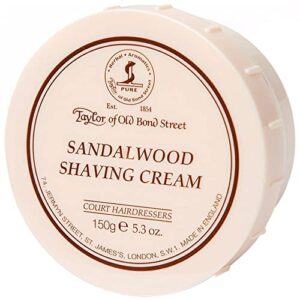
A quality shaving cream like Taylor of Old Bond Street Sandalwood can actually prevent cuts before they happen. This glycerin-based formula builds a thick, protective lather that cushions your skin while the razor blade glides across, reducing friction and the tugging that causes nicks.
The cream’s stearic acid keeps the lather stable for multiple passes, and its moisturizing properties soften whiskers so your razor cuts cleanly instead of catching. Users consistently rate its slickness and protection around nine out of ten—fewer cuts mean less bleeding to manage.
| Best For | Traditional wet shavers who want a luxurious, protective lather and don’t mind investing in quality shaving products and learning proper brush technique. |
|---|---|
| Brand | Taylor of Old Bond Street |
| Size | 5.3 oz |
| Scent | Sandalwood |
| Skin Type | All types |
| Special Feature | Paraben-free |
| Primary Use | Shaving cream |
| Additional Features |
|
- Creates an exceptionally slick, protective lather that reduces nicks and razor burn while softening whiskers for a closer shave
- Paraben-free formula works well for sensitive skin and provides genuine moisturizing benefits beyond just lubrication
- Classic sandalwood scent adds a touch of luxury to your daily routine without being overwhelming
- Higher price point compared to drugstore shaving creams and foams
- Requires a shaving brush and proper technique to get the best results, which adds time and a learning curve
- May not provide enough cushion for very thick or coarse hair without multiple passes
2. Recipe For Men Antiperspirant Deodorant
You might be surprised to learn that your antiperspirant can stop a shaving cut in seconds. Recipe For Men Antiperspirant Deodorant contains aluminum chlorohydrate, the same antiperspirant ingredient that plugs sweat ducts—and it works brilliantly on bleeding nicks.
Roll it directly over the cut, and the aluminum chloride constricts blood vessels while forming a barrier. This Swedish-made, vegan product is gentle enough for sensitive skin thanks to its alcohol-free, skin-friendly formula with allantoin and shea butter, so it won’t sting freshly shaved areas.
| Best For | Men with sensitive skin who want a dual-purpose product that controls odor for 24 hours and can double as an emergency styptic for shaving nicks. |
|---|---|
| Brand | Recipe for Men |
| Size | 2.0 fl oz |
| Scent | Unscented |
| Skin Type | Sensitive |
| Special Feature | Alcohol-free |
| Primary Use | Deodorant |
| Additional Features |
|
- Alcohol-free formula with allantoin and shea butter won’t irritate freshly shaved or sensitive skin
- The aluminum chlorohydrate ingredient stops bleeding from shaving cuts quickly while providing all-day odor protection
- Non-staining and absorbs into skin without leaving residue on clothes
- Very expensive at $49.99 for just 2 fl oz, making it one of the pricier deodorants on the market
- Takes several minutes to fully dry after application, which can be inconvenient
- Difficult to dispense the last 15-20% of product from the bottle, leading to waste
3. Jack Black Lip Balm With Spf
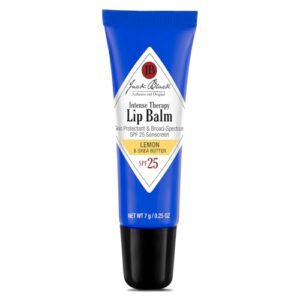
Lip balm isn’t just for chapped lips—it’s a pocket-sized miracle for shaving cuts. Jack Black Intense Therapy Lip Balm with SPF 25 seals small nicks with its waxy blend of petrolatum, shea butter, and avocado oil, helping clots form faster while keeping skin hydrated.
The SPF 25 protects freshly shaved areas from sun damage, and the emollient-rich formula soothes skin irritation without stinging. Apply a clean dab directly to the bleeding spot using a cotton swab. It’s dermatologist-tested, paraben-free, and penetrates quickly without leaving a greasy film.
| Best For | Anyone dealing with dry, chapped lips who wants moisturizing protection with built-in SPF 25, especially if you spend time outdoors or live in harsh climates. |
|---|---|
| Brand | Jack Black |
| Size | 0.25 oz |
| Scent | Various flavors |
| Skin Type | All types |
| Special Feature | SPF 25 |
| Primary Use | Lip balm |
| Additional Features |
|
- Absorbs fast without feeling sticky or greasy, so you can apply and go
- Packed with skin-loving ingredients like shea butter, avocado oil, and vitamin E that actually hydrate and protect
- SPF 25 shields your lips from sun damage during daily activities
- At $10, it’s pricier than most drugstore lip balms
- Contains lanolin and petrolatum, which some people prefer to avoid
- The thicker texture might feel too heavy if you like lightweight balms
4. Folgers Classic Roast Coffee
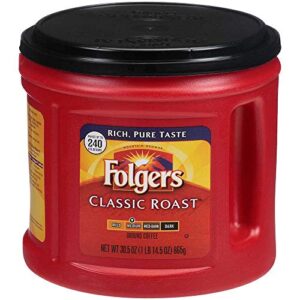
Coffee grounds aren’t just for your morning brew—they’re a surprising ally for razor cuts. Folgers Classic Roast, a medium roast with balanced flavor profiles, acts as a natural vasoconstrictor thanks to its caffeine content.
The coffee benefits include tightening blood vessels to stop bleeding fast. Dampen a pinch of grounds and press gently onto the shaving cut for about 30 seconds. The gritty texture helps clotting while the caffeine constricts capillaries. Just rinse thoroughly afterward—you don’t want coffee stains mingling with your cologne.
| Best For | People who want a quick, natural way to stop razor cuts using something they already have in their kitchen. |
|---|---|
| Brand | Folgers |
| Size | 1.92 lbs |
| Scent | Coffee |
| Skin Type | N/A |
| Special Feature | AromaSeal lid |
| Primary Use | Coffee |
| Additional Features |
|
- Acts as a natural vasoconstrictor thanks to caffeine, helping stop bleeding from shaving cuts quickly
- Easy emergency fix—just dampen a pinch of grounds and apply for about 30 seconds
- Multi-purpose product that works for both your morning coffee and minor first aid needs
- Requires thorough rinsing to avoid coffee stains on skin or clothing
- The gritty texture might feel uncomfortable when applied to cuts
- Not the most conventional or mess-free solution compared to styptic pencils or alum blocks
5. The Art of Shaving Styptic Pen
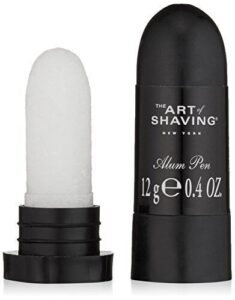
This precision tool delivers instant razor cut solutions through aluminum sulfate, a compound with powerful astringent properties. The Art of Shaving Styptic Pen Benefits include rapid bleeding control methods—you’ll feel a brief sting as it constricts blood vessels on contact.
Its portable styptics design fits discreetly in your shaving kit, making shaving nick treatment easy anywhere. Unlike messy alternatives, this styptic pencil offers targeted shaving cut treatment with a sterile applicator tip.
It’s clinical-grade shaving safety in your pocket, stopping bleeds within seconds.
| Best For | Wet shavers and straight razor users who need a compact, travel-friendly solution for stopping bleeding from nicks and cuts quickly. |
|---|---|
| Brand | Clubman |
| Size | 0.4 oz |
| Scent | Unscented |
| Skin Type | All types |
| Special Feature | Travel size |
| Primary Use | Cut treatment |
| Additional Features |
|
- Stops bleeding from shaving cuts in seconds using aluminum sulfate’s astringent properties
- Compact 0.4 oz size makes it perfect for travel or throwing in your dopp kit
- Works for all skin types and stays unscented so it won’t clash with cologne or aftershave
- The 0.4 oz size is pretty small and might not last long for frequent users
- Pricey for what you get compared to other styptic options on the market
- Can leave a white residue on skin and may break or separate from the base after repeated use
6. Thayers Rose Petal Witch Hazel Toner
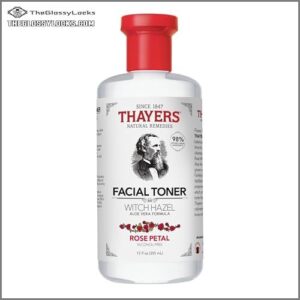
This alcohol-free toner harnesses witch hazel properties through gentle astringent action that tightens tissue around minor nicks without the sting of traditional aftershave alternatives. The natural ingredients—certified organic witch hazel, aloe, and glycerin—deliver outstanding skin hydration while calming razor burn.
Toner benefits extend beyond shaving cut treatment: you’ll get bleeding control methods that work with your skin’s barrier, boosting moisture by 50 percent clinically. It’s dermatologist-tested shaving safety that soothes sensitive areas while maintaining your skin’s natural pH for faster healing.
| Best For | People with sensitive skin who want a gentle, natural toner that soothes irritation and hydrates without harsh alcohol or chemicals. |
|---|---|
| Brand | Thayers |
| Size | 12 oz |
| Scent | Witch Hazel |
| Skin Type | All types |
| Special Feature | Organic ingredients |
| Primary Use | Toner |
| Additional Features |
|
- Alcohol-free formula with certified organic witch hazel won’t sting or dry out your skin like traditional toners
- Works double duty as both a daily toner and aftershave treatment for razor burn and minor cuts
- Suitable for all skin types and helps balance your skin’s natural pH while reducing pore appearance
- Won’t help fade dark spots or acne scars if that’s your main concern
- The subtle scent might disappoint you if you prefer a stronger rose fragrance
- Can get pricey depending on where you live, especially for regular use
Shaving Techniques to Prevent Cuts
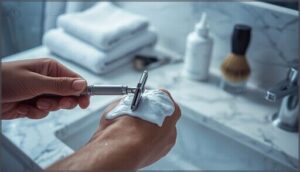
Prevention is always easier than damage control. The way you shave makes all the difference between smooth skin and a battlefield of nicks and cuts.
Let’s walk through the core techniques that keep your razor gliding safely across your skin.
Choosing The Right Razor and Blade
Your razor blade and handle design make all the difference in preventing nicks. Here’s what to prioritize in men’s grooming:
- Blade material: Stainless steel or platinum-coated options offer better edge retention and smoother shaving technique than cheaper blades.
- Safety features: Guards and flexible heads reduce direct skin contact.
- Razor ergonomics: A comfortable handle design gives you control during each pass.
Shaving With The Grain
Many people shave straight down without thinking, but hair growth patterns on your face aren’t uniform.
Run your fingertips across your cheeks and neck to feel which direction offers the least resistance—that’s your grain direction. Shaving with the grain means moving your razor along that natural path, which dramatically reduces razor burn, nicks, and painful ingrown hairs while improving overall shaving safety.
Using Shaving Gel or Cream
Using shaving gel or shaving cream creates a slick barrier between the blade and your skin, so the razor glides smoothly instead of dragging and causing bleeding. That protective layer also hydrates stubble to soften hair, which means less tugging and fewer shaving cuts.
Choose a gel or cream designed for sensitive skin to prevent razor burn and help shield against nicks before each stroke.
Maintaining Proper Razor Angle
Keeping a shallow angle keeps the blade from digging into deeper skin layers, which prevents nicks and razor burn. That angle helps you shave smoothly without scraping, but it changes as blade sharpness drops—so check your angle adjustment after a few passes.
A gentle cutting feel beats a hard scrape every time.
When to Seek Medical Attention
Most shaving cuts stop bleeding within minutes, but some situations need a doctor’s attention. Knowing when to call for help can prevent complications and guarantee proper healing.
Here’s what to watch for after a shaving cut.
Signs of Severe or Persistent Bleeding
Most shaving cuts stop within minutes, but watch for warning signs that need emergency response. Seek immediate care if you notice:
- Bleeding that soaks through dressings every few minutes despite direct pressure
- Bright red blood that won’t stop after 15-20 minutes of wound care
- Dizziness, confusion, or pale skin suggesting poor hemostasis
- Cuts deeper than a quarter-inch requiring professional wound assessment
Recognizing Infection and Complications
Even minor cuts can turn risky if you’re not watching for trouble. Infection signs include increasing redness spreading beyond the wound, warmth, swelling, or pus. Fever above 100.4°F, persistent drainage, or pain that worsens after 48 hours all demand attention. Don’t ignore delayed healing beyond two weeks—it signals your body needs backup.
| Sign | What to Watch For | Timing |
|---|---|---|
| Local inflammation | Redness, warmth, tenderness | 24-48 hours |
| Discharge | Foul-smelling pus, persistent drainage | 2-3 days |
| Systemic response | Fever, chills, body aches | Any time |
When Professional Help is Needed
Judgment calls matter when a nick crosses into serious territory. Trust your gut if bleeding won’t quit, the wound looks too deep, or infection signs appear—these aren’t things to wait out at home.
- Severe bleeding that soaks through multiple bandages after 15 minutes of pressure
- Deep cuts exposing fat tissue or edges that won’t stay closed
- Cuts on eyelids, lips, or over joints where movement reopens wounds
- Signs you’re on blood thinners or have clotting disorders affecting normal healing
Frequently Asked Questions (FAQs)
How to stop bleeding from shaving fast?
Rinse your razor cut with cold water for 10 to 20 seconds, then press a clean tissue firmly on the spot for at least 30 seconds to encourage clotting and stop the flow.
Why do razor cuts bleed so much on legs?
Your legs have dense capillaries just beneath the surface. A sharp razor slices cleanly through these tiny blood vessels, creating straight cuts that bleed steadily until clotting factors kick in to stop the flow.
What is the difference between a head shaver and a hair clipper?
A head shaver delivers a nearly bald finish under 5 mm using rotary or foil designs, while hair clippers with guards maintain longer hair lengths from 5 to 25 mm for buzz cuts.
What is the best Shaver for bald heads?
Rotary head shavers like Skull Shaver or Remington Balder Pro balance comfort and closeness for daily head shaving.
Their multi-direction blades follow skull curves better than flat foil shavers, reducing nicks.
What is the best men’s hair clipper?
When you’re cutting through thick hair, you need power that won’t stall.
High-quality rotary or digital brushless motors in clippers like Andis ReVite deliver around 7,000 strokes per minute for smooth, professional fades.
Should you use a hair clipper or a Shaver?
If you want to prevent bleeding and nicks, choose a hair clipper. Clippers keep blades off your skin, making them safer grooming tools than shavers for skin conditions or anyone learning proper hair removal techniques.
What clippers are best for shaving your head?
Look for balding clippers with zero-gap blades and high-speed motors—they deliver skin-close results without tugging.
Cordless designs with self-sharpening titanium or ceramic blades give you smooth, frustration-free head shaving techniques every time.
What do barbers use to shave bald heads?
Barbers usually reach for electric shavers with dual foils or straight razors paired with shaving creams and hot towels.
They’ll finish with clippers for detailing, then apply an alum block or styptic pencil if needed.
What is the best product to shave your head?
Shave your worries away—the best product depends on your scalp.
Electric shavers with rotary blades suit curved heads, while foil razors offer closeness.
Pair either with quality shaving creams for smooth results.
Are head shavers better than clippers?
Head shavers excel at achieving close, smooth results on bald scalps with less irritation, while clippers offer better versatility for maintaining varied hair lengths and creating precise patterns or designs.
Conclusion
You’ve faced worse than a nick, and you’ll face worse again—but now you know how to stop bleeding from shaving before it derails your morning.
Cold water, direct pressure, and a styptic pen turn panic into a thirty-second fix.
Sharp blades, proper technique, and shaving with the grain keep cuts from happening at all.
Your face heals fast when you treat it right.
Stop the bleeding, skip the drama, move on.