This site is supported by our readers. We may earn a commission, at no cost to you, if you purchase through links.
Paraphenylenediamine, better known as PPD, triggers allergic reactions in up to 6.2% of the population—yet it remains the workhorse ingredient in most permanent hair dyes, including many L’Oréal formulas. If you’ve experienced scalp burning, facial swelling, or itchy rashes after coloring your hair, PPD might be the culprit.
The short answer: not all L’Oréal hair dyes are PPD free, but the brand does offer alternatives for sensitive scalps. Some lines like Casting Creme Gloss and certain Inoa formulas swap out this potent allergen for gentler substitutes, while classic permanent ranges still rely on PPD for deep, long-lasting color. Knowing which products contain this chemical—and how to spot them on ingredient labels—can mean the difference between a gorgeous new shade and a trip to the dermatologist.
Table Of Contents
- Key Takeaways
- Does L’Oréal Hair Dye Contain PPD?
- Which L’Oréal Hair Dyes Are PPD Free?
- How to Check for PPD in L’Oréal Hair Dye
- Alternatives and Safety Tips for Sensitive Users
- Choosing The Right L’Oréal Hair Dye for You
- Frequently Asked Questions (FAQs)
- Which hair dye does not have PPD?
- Does L’Oréal have PPD?
- Which hair dye has the lowest PPD?
- What are the symptoms of a PPD allergy?
- How can I tell if a hair dye is PPD-free?
- Are there any treatments available for PPD allergies?
- How long do PPD-free hair colors last?
- Are PPD-free formulas available in all shades?
- Whats the price difference for PPD-free options?
- Conclusion
Key Takeaways
- L’Oréal’s product lines vary significantly—while most permanent dyes contain PPD for lasting gray coverage, alternatives like Inoa and Casting Creme Gloss use gentler chemistry that reduces or eliminates this allergen depending on your region.
- PPD (paraphenylenediamine) triggers allergic reactions in up to 6.2% of people, causing symptoms from scalp itching to severe facial swelling that appear 24-96 hours after dye contact.
- You can’t trust marketing claims alone—flip the box and scan ingredient lists for “paraphenylenediamine,” “p-phenylenediamine,” or “toluene-2,5-diamine” before purchasing, since formulations differ by shade and country.
- Even PPD-free formulas aren’t risk-free, as alternative amines, resorcinol, and fragrance allergens can still provoke reactions, making a 48-hour patch test essential before every application.
Does L’Oréal Hair Dye Contain PPD?
The answer isn’t straightforward—some L’Oréal hair dyes contain PPD, while others don’t.
If you have a sensitive scalp or struggle with oiliness, choosing the right hair color maintenance routine can help minimize irritation from PPD and similar allergens.
It depends entirely on which product line you’re looking at, since the brand offers both traditional PPD-based formulas and gentler alternatives designed for sensitive skin.
Let’s break down what’s actually in these dyes and where PPD shows up.
What is PPD and Why is It Used?
PPD, or paraphenylenediamine, is a powerful dye ingredient that bonds directly to your hair shaft, creating vibrant, long-lasting color that survives multiple washes. This PPD chemistry works by reacting with hydrogen peroxide to open hair cuticles and deposit pigment deep inside.
PPD bonds directly to your hair shaft by reacting with peroxide, creating vibrant, long-lasting color that survives multiple washes
Here’s why manufacturers rely on it:
- Strong gray coverage that doesn’t fade quickly
- Deep, rich shades from darker browns to intense blacks
- Color formation that lasts weeks longer than PPD-free alternatives
- Better melanin bonding for consistent, even results
But there’s a trade-off with dye ingredients this effective—allergic reactions happen, ranging from mild itching to severe swelling. That’s why hair dye safety matters so much, especially if you’ve got sensitive skin or a history of allergies. For more on this topic, check out PPD-free hair dye options. Understanding PPD helps you make smarter choices about PPD-free hair dyes.
PPD in L’Oréal Permanent and Semi-Permanent Dyes
Most L’Oréal permanent formulas list paraphenylenediamine as a primary oxidative component for strong gray coverage and color longevity. You’ll spot PPD in classic permanent lines where dye chemistry requires it to bond pigment into your hair cortex.
Some semi-permanent options also include PPD for lasting shades, though allergen risks remain. Not every Loreal hair dye contains PPD—certain formulas use PPD alternatives to reduce reactions while maintaining hair safety standards.
L’Oréal adheres to strict regulatory compliance standards to guarantee ingredient safety and proper labeling.
Variations Across L’Oréal Product Lines
L’Oréal’s portfolio presents unique PPD Free hair dyes and traditional formulas, depending on which line you choose. You’ll find important product line differences that affect your allergic reaction risk and color outcome.
If you want vibrant, long-lasting results without the irritation, check out our guide to the best black hair dye options for safer formulas that deliver professional color.
- L’Oréal Professionnel is geared towards salon stylists with high-lift ammonia-based systems that usually contain PPD
- Casting Creme Gloss offers semi-permanent color with reduced PPD concentrations and gentler chemistry
- Loreal Inoa uses ammonia-free technology designed for sensitive scalps while maintaining impressive gray coverage
- L’Oréal Paris consumer kits vary widely—always check ingredient lists for paraphenylenediamine before purchasing
Which L’Oréal Hair Dyes Are PPD Free?
L’Oréal doesn’t make it simple—some of their lines have reduced PPD or use alternative dye chemistry, but very few are completely PPD-free.
If you’re searching for genuinely PPD-free options, you’ll need to know which specific products to look for and understand that formulations can vary depending on where you live.
Here’s what you need to check before you buy.
L’Oréal Inoa and Casting Creme Gloss
If you’re exploring hair color options with scalp sensitivity in mind, two L’Oréal lines stand out. L’Oréal Inoa is marketed as ammonia free and doesn’t rely on PPD as its primary dye chemical, using an oil delivery system instead.
Casting Creme Gloss, a demi-permanent dye, also usually appears as PPD free in consumer guidance, offering gentle formulas with impressive color longevity and high shine.
Regional and Formula Differences
Not all L’Oréal hair dye formulations are the same worldwide. Regional variations affect ingredient substitutions, ammonia levels, and even PPD presence, so you can’t assume a PPD-free formula in one country matches another.
Here are key differences to watch:
- Hydrogen peroxide concentrations shift between 6 percent and 9 percent depending on local cosmetic product ingredients regulations.
- Paraphenylenediamine levels are reduced or replaced in stricter markets, impacting shade accuracy.
- Labeling differences mean safety protocols and allergen warnings appear in region-specific formats.
- Exclusive shade ranges exist only in certain territories due to distributor agreements.
Always check your local packaging for accurate ingredient lists.
How to Identify PPD-Free L’Oréal Products
Your safest bet is to hunt for explicit PPD Free labels on the box before you buy. Check the ingredient list for paraphenylenediamine or its common abbreviation, PPD—if either appears, that dye isn’t safe for sensitive scalps. When in doubt, ask store staff for the Safety Data Sheet or allergen alerts to verify product authenticity.
| Where to Look | What to Check | Red Flags |
|---|---|---|
| Front packaging | PPD Free badge or claim | Missing allergen alerts |
| Ingredient panel | Paraphenylenediamine listed | PPD spelled out in full |
| Store display | Safety Data Sheet available | Vague “gentle” wording only |
Always perform a patch test 48 hours before full application, even with verified PPD-free L’Oréal hair dye formulas.
How to Check for PPD in L’Oréal Hair Dye
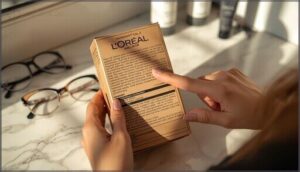
The ingredient list on the back of the box is your best friend—it’ll tell you exactly what you’re about to put on your scalp, no guessing required. Loreal hair dye labels must list paraphenylenediamine or its related compounds if they’re present, so you can spot them before committing.
Look for these key indicators on the packaging:
- PPD or p-phenylenediamine listed in the ingredient panel
- Toluene-2,5 diamine and other aromatic amines used in similar formulations
- “PPD Free” claims prominently displayed on the front of the box
- Patch test warnings which often signal the presence of strong allergens
Don’t just skim the front label—marketing language can be vague. Chemical alternatives like MEA or ethanolamine may replace PPD in gentler formulas, but you won’t know unless you flip that box over and read carefully.
Alternatives and Safety Tips for Sensitive Users

If you’re sensitive to PPD or want to avoid it altogether, you’re not stuck with limited options.
L’Oréal uses alternative dye chemistry in some formulas, but it’s essential to understand what replaces PPD and whether other ingredients might still cause reactions. Let’s break down what you’ll actually find in PPD-free formulas and what else to watch out for.
Alternative Hair Dye Ingredients Used by L’Oréal
When L’Oréal ditches PPD, they don’t just leave a gap—they engineer alternatives. Ammonia substitutes like MEA (monoethanolamine) soften the dye experience, reducing that sharp chemical smell. Meanwhile, alternative couplers step in as primary intermediates, delivering lasting color without the high allergen load.
| Traditional Ingredient | L’Oréal Alternative |
|---|---|
| PPD (p-Phenylenediamine) | Alternative dye precursors |
| Ammonia | MEA or ethanolamine |
| High oxidation systems | Low oxidation dye chemistry |
These gentle formulas aim for sensitive skin solutions while maintaining professional-grade results.
Other Potential Allergens in PPD-Free Dyes
Just because a dye skips PPD doesn’t mean you’re in the clear—cross-reactive compounds and alternative amines can still trigger allergic reactions. Here’s what might sneak past you:
- Toluene-2,5-diamine and similar aromatic amines that share PPD’s allergenic chemistry
- Resorcinol and other stabilizer risks lurking as pH adjusters
- Fragrance allergens from essential oils and masking scents
- Inert additives like preservatives (parabens, MIT) causing independent contact dermatitis
Always patch test PPD-free formulas for complete skin allergy prevention and cosmetic safety.
Choosing The Right L’Oréal Hair Dye for You
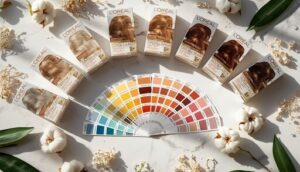
Finding the right L’Oréal hair dye isn’t just about picking your favorite shade—it’s about matching the formula to your hair’s unique needs and your skin’s tolerance level. Your hair type, previous chemical treatments, and sensitivity all play a role in which product will give you the best results without triggering reactions.
Here’s how to choose a L’Oréal dye that works for you, not against you.
Matching Product to Hair Type and Sensitivity
Your hair texture and scalp sensitivity should guide your PPD free hair dye selection. Fine hair benefits from lightweight, gentle formulas that won’t weigh strands down, while coarse or curly types need moisturizing options to prevent frizz.
If you have a sensitive scalp prone to allergic reactions, prioritize color compatibility with lower preservative loads and always patch test 48 hours before application for effective skin allergy prevention.
Consulting With Professionals and Dermatologists
Before you color at home, booking a Medical Consultation with a dermatologist provides professional guidance on your unique sensitivity profile. Allergy Testing through patch panels can pinpoint specific triggers beyond PPD, helping you dodge future allergic reactions. Cosmetic Dermatology experts offer Dermatologist Advice on skin allergies and safe application techniques, ensuring your beauty product allergies don’t sideline your color dreams.
- Dermatologists perform 48-72 hour patch tests to identify sensitivities before you commit to full application
- They review ingredient lists alongside your medical history to recommend truly compatible formulas
- Professional guidance includes recognizing warning signs like intense itching, swelling, or blistering post-dye
- Specialists suggest non-PPD alternatives suited to your scalp condition and hair goals
- Follow-up documentation tracks your allergy profile for safer cosmetic choices down the road
Best Practices for Safe Home Hair Coloring
Once you’ve got professional clearance, executing Gentle Dye Techniques at home becomes your next step. Safe Coloring Tips start with a fresh patch test 48 hours prior, even if you’ve used the same PPD Free Hair Dye before. Allergy Prevention Measures include gloves, ventilation, and watching the clock—over-processing invites irritation and compromises Color Protection Methods you’ll rely on later.
| Timing & Application | Post-Color Care |
|---|---|
| Section hair into 5–7 parts for even coverage | Use sulfate-free shampoo 2–3 times weekly |
| Follow exact processing times per box instructions | Apply deep conditioning treatment once weekly |
| Rinse with cool water until it runs clear | Protect color with hats or UV sprays outdoors |
Frequently Asked Questions (FAQs)
Which hair dye does not have PPD?
Searching for a gentler path to vibrant color? L’Oréal Inoa and Casting Creme Gloss are marketed as PPD-free options in many regions, offering chemical alternatives for sensitive skin while reducing allergic reactions compared to traditional formulas.
Does L’Oréal have PPD?
Yes, L’Oréal uses PPD (paraphenylenediamine) in many permanent and semi-permanent formulas to create lasting color.
Not all products contain it, though—ingredient lists vary by shade, line, and region, so always check your specific box.
Which hair dye has the lowest PPD?
Like finding a needle in a haystack, identifying the lowest PPD levels requires checking each formula’s ingredient list.
L’Oréal Inoa and Casting Creme Gloss usually offer reduced PPD content for sensitive skin.
What are the symptoms of a PPD allergy?
PPD allergic reaction symptoms usually appear within 24 to 96 hours after dye contact.
You’ll notice itching, redness, and swelling around your scalp, hairline, eyes, and hands—sometimes with painful blisters or weeping skin.
How can I tell if a hair dye is PPD-free?
Finding PPD free formulas feels freeing! Flip the box over and read ingredient lists for p-phenylenediamine or related amines, check allergen warnings, and always perform patch testing before applying any hair dye.
Are there any treatments available for PPD allergies?
If you experience a skin reaction, rinse immediately and apply hydrocortisone cream for skin irritation.
Antihistamines help with mild symptoms, but severe swelling or anaphylaxis treatment requires emergency care—always consult dermatological care professionals.
How long do PPD-free hair colors last?
You’ll usually enjoy 6 to 12 weeks of color retention with PPD free dyes, though fading factors like hair porosity, washing frequency, and heat styling can substantially impact dye durability and overall color longevity.
Are PPD-free formulas available in all shades?
Think of the color spectrum as a buffet—PPD-free formulas don’t cover every dish.
L’Oréal’s Inoa and Casting Creme Gloss offer PPD alternatives in select shades, but very dark or vivid options remain limited by regional availability.
Whats the price difference for PPD-free options?
PPD-free L’Oréal options like Inoa usually cost 10 to 25 percent more than standard formulas in North America, with drugstore versions ranging from $12 to $18 per box compared to traditional dyes.
Conclusion
Your scalp shouldn’t pay the price for beautiful color. Now that you understand which L’Oréal formulas contain PPD and which don’t, you’re equipped to make safer choices without sacrificing the shade you want.
Whether you opt for Inoa’s ammonia-free technology or stick with patch-testing traditional dyes, remember: the question “is L’Oréal hair dye PPD free” doesn’t have a single answer—it depends entirely on the specific product you choose. Your hair, your rules, your safety first.