This site is supported by our readers. We may earn a commission, at no cost to you, if you purchase through links. This content is for general informational and educational purposes only and is not a substitute for professional medical, dermatological, or nutritional advice.
That maddening urge to scratch mid-conversation, during a work meeting, or worse—on a first date—affects roughly half of all adults at some point. An itchy scalp isn’t just annoying; it’s often your skin signaling something specific, whether that’s a disrupted pH balance, a fungal overgrowth, or even chronic stress tightening the tissue around your hair follicles.
The good news? Most causes respond well to targeted natural remedies—ones backed by real evidence, not wellness folklore. From antifungal oils to kitchen-cabinet rinses, effective itchy scalp relief through natural solutions is more accessible than most people realize.
Table Of Contents
- Key Takeaways
- Common Causes of an Itchy Scalp
- Natural Oils for Itchy Scalp Relief
- Effective Home Remedies and Treatments
- Top 6 Products for Natural Itchy Scalp Relief
- Preventing and Managing Itchy Scalp Naturally
- Frequently Asked Questions (FAQs)
- What to do when your scalp is extremely itchy?
- What is the best home remedy for itchy scalp?
- How to get rid of itchy scalp fast?
- Can essential oils help relieve scalp itch?
- What are the best herbal remedies for a irritated scalp?
- What causes an itchy scalp?
- How do you get rid of a dry scalp & itchy scalp?
- What Causes Dry and Itchy Scalp?
- What is the best natural remedy for itchy scalp?
- How can I stop my scalp from itching?
- Conclusion
Key Takeaways
- An itchy scalp almost always has a specific cause — dry skin, fungal overgrowth, product sensitivity, or stress — and knowing which one you’re dealing with makes fixing it much faster.
- Natural remedies like tea tree oil, apple cider vinegar, and coconut oil aren’t just folk wisdom — they target the actual root causes of scalp itch with real, evidence-backed results.
- What you eat and how you manage stress directly affects your scalp, so lasting relief often means looking beyond your shampoo bottle to your diet and daily habits.
- If your itch sticks around longer than one to two weeks, or you notice hair loss, pus, or spreading redness, it’s time to stop DIY-ing and see a doctor.
Common Causes of an Itchy Scalp
An itchy scalp rarely just happens out of nowhere — something is usually triggering it. The good news is that once you know what’s behind the itch, you can actually do something about it.
Paying attention to those signals early — like persistent scalp tingling or redness that won’t quit — makes finding the real cause a whole lot easier.
Here are the most common culprits worth knowing.
Dry Skin Conditions
Scalp xerosis — dry skin on your scalp — is one of the sneakiest culprits behind that relentless itch. When your skin barrier weakens, moisture escapes faster than it should, leaving your scalp tight and flaky.
Hot showers, harsh shampoos, and cold dry air all chip away at your scalp’s natural hydration. Unlike dandruff, dry scalp flakes are small and white — and honestly, easier to fix with the right natural remedies.
To better protect your scalp, it’s important to understand the role of the hydrolipidic film’s crucial protection in maintaining moisture.
Sensitive Scalp Issues
Sometimes the problem isn’t dryness — it’s just that your scalp is wired to overreact. Sensitive scalp issues affect nearly half of all people, so you’re far from alone.
Common triggers include:
- Fragrances and preservatives in everyday hair care products
- Strong sulfates that strip your scalp’s natural oils
- Product allergies causing redness, burning, or scalp inflammation
- Residue buildup from leave-in styling products
Switching to fragrance-free, gentler formulas is often the first real win.
Scalp inflammation and sensitivity can be caused by exposure to certain fragrance allergens in hair care products.
Inflammatory Skin Disorders
When sensitivity tips into something more persistent, you might be dealing with an inflammatory skin disorder. Conditions like seborrheic dermatitis, psoriasis, and scalp eczema cause real skin inflammation — not just irritation.
Seborrheic dermatitis shows up as greasy, yellowish flakes with redness, while psoriasis symptoms look thicker and silvery. Dermatitis treatment and managing dandruff early can keep these flare-ups from taking over your life.
Fungal and Bacterial Infections
If flakes and itch keep coming back, it’s time to think about Fungal Infections or Bacterial Causes. These microbes upset your scalp’s balance, often sneaking in through tiny cuts or oily buildup. Watch for:
- Clusters of pus-filled bumps (Scalp Folliculitis)
- Greasy, stubborn flakes
- Red, hot patches
- Painful, swollen lumps
- Infection Symptoms that worsen or spread
Antifungal and Antibacterial care matters here.
Stress and Nutritional Deficiencies
Restlessness and worry can stir up Stress Hormones, making your scalp itchier by the day. Low Iron Levels, Vitamin Deficits, and missing Omega Fats leave your scalp dry, tight, and prone to flaking. That’s why Scalp Care means more than shampoo—balancing stress, diet, and Cortisol Impact is your first line of defense.
| Cause | Impact on Scalp Health | Natural Remedies |
|---|---|---|
| Stress Hormones | Increased itch, dryness | Meditation, gentle oils |
| Vitamin Deficits | Flaking, irritation | Balanced diet, supplements |
| Iron Levels | Tenderness, shedding | Iron-rich foods, care |
Natural Oils for Itchy Scalp Relief
Nature has some surprisingly powerful allies for a restless, itchy scalp. The right oils can do everything from fighting off bacteria and fungus to simply calming irritated skin down.
Here are six worth keeping in your corner.
Tea Tree Oil Benefits
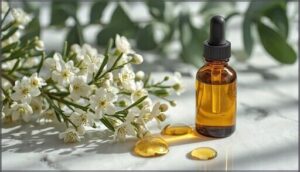
Tea tree oil is one of those natural remedies that actually delivers. Its antifungal properties target the yeast behind dandruff, and studies show a 5% tea tree oil shampoo can cut dandruff severity by about 41%.
Pairing it with the best oils for 4C hair care can boost results while keeping your scalp nourished and balanced.
A 5% tea tree oil shampoo can slash dandruff severity by 41%, making it one of nature’s most effective scalp remedies
It also calms scalp inflammation, breaking the itch-scratch cycle. Just remember proper oil dilution methods — a few drops in your shampoo keeps your scalp health on track.
Eucalyptus Oil Properties
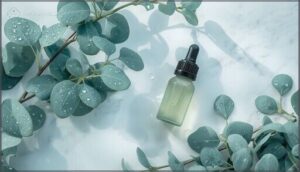
Eucalyptus oil punches above its weight as one of the most multipurpose natural remedies for itchy scalp. Its chemical composition — over 80% eucalyptol — drives serious antimicrobial effects against yeast and bacteria. The anti-inflammatory action helps calm scalp inflammation, while its cooling properties give instant sensory benefits that break the itch cycle fast.
- Antiinflammatory compounds reduce redness and irritation
- Antimicrobial effects fight yeast and bacterial buildup
- Cooling properties deliver immediate, soothing relief
Olive Oil Moisturizing Effects

Olive oil is one of the oldest home remedies for itchy scalp — and honestly, it earns its reputation. Its natural emollients, including oleic acid and squalene, work as a lipid barrier that seals in moisture and eases that tight, dry feeling fast.
For real scalp hydration, massage warm olive oil in for 30–45 minutes before washing. Simple, effective, and genuinely soothing.
Coconut Oil for Scalp Soothing
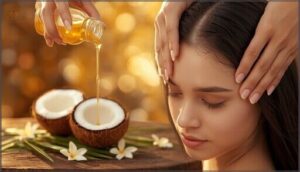
Coconut oil is a quiet powerhouse for scalp soothing. Its lauric acid fights the fungi behind dandruff, while its fatty acids lock in moisture — tackling two itch triggers at once.
For oil application, warm a teaspoon between your palms, then give yourself a gentle scalp massage for 5–10 minutes. Leave it for 20–30 minutes, then rinse. Simple home remedies for itchy scalp don’t get more effective.
Rosemary and Peppermint Oils
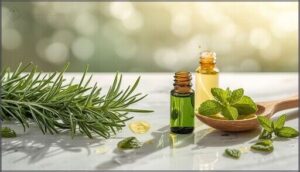
These two essential oils are a serious duo for stubborn itch. Rosemary oil boosts scalp circulation by widening tiny blood vessels, delivering more nutrients to your follicles. Peppermint oil follows with a cooling menthol tingle that gives fast itch relief.
For oil blends, mix 3 drops rosemary and 2 drops peppermint per tablespoon of carrier oil. Massage in, wait 20 minutes, rinse.
Lavender and Argan Oil Uses

Lavender and argan oil make a calming pair for itchy scalp relief. Lavender’s key compounds, linalool and linalyl acetate, dial down inflammation and fight scalp bacteria.
Argan oil floods dry patches with vitamin E and fatty acids, restoring your scalp’s moisture barrier.
Blend 5 drops lavender essential oil into 2 tablespoons argan, massage in for 10 minutes, and leave it 30 minutes before rinsing.
Effective Home Remedies and Treatments
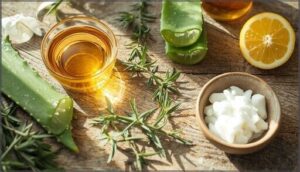
Your kitchen probably has more scalp-soothing power than you think. A handful of simple, natural ingredients can calm the itch, rebalance your scalp, and even tackle the root cause — no fancy products needed.
Here are five home remedies worth trying.
Apple Cider Vinegar Scalp Rinse
Apple cider vinegar is one of those natural remedies that’s been hiding in your kitchen all along. It works by restoring your scalp’s pH balance, making it harder for itch-triggering microbes to take hold.
Here’s how to use it safely:
- Mix 1 part ACV to 3–5 parts water
- Spray onto scalp after shampooing
- Massage gently, leave 5–15 minutes
- Rinse with cool water
Aloe Vera Gel Application
If ACV is the wake-up call, aloe vera is the cool-down your scalp actually craves. Pure aloe vera gel works as one of the most effective natural remedies because it hydrates, exfoliates, and calms inflammation all at once.
| Aloe Vera Application | Details |
|---|---|
| Amount | A tablespoon covers most scalps |
| Leave-on time | 20–30 minutes minimum |
| Frequency | 2–3 times weekly |
| Best mix-in | A few drops of tea tree oil |
| Rinse method | Lukewarm water only |
Massage it in gently, let it work, and your scalp health will thank you.
Baking Soda Exfoliation
Now, if your scalp needs a deeper reset, baking soda is your go-to natural scrub. Mix one tablespoon with enough water to make a paste, then massage it into your damp scalp for about two minutes.
This gentle cleansing exfoliant lifts dead skin, clears buildup, and maintains pH balance — delivering real scalp irritation relief without harsh chemicals.
Chamomile Tea Hair Rinse
Chamomile tea is one of those quiet herbal remedies that punches well above its weight for scalp soothing. Steep two chamomile tea bags in two cups of hot water for 20 minutes, cool completely, then pour over your scalp after shampooing.
Here’s why this tea rinse recipe earns a permanent spot in your natural hair care routine:
- Chamomile benefits include anti-inflammatory compounds that calm redness and itching fast
- Works as a hair shine booster by smoothing the hair surface
- Gentle enough for sensitive scalps — no stripping, no irritation
- Doubles as a home remedy for mild dandruff by reducing flaking inflammation
- Safe for color-treated hair, supporting long-term scalp health naturally
Meditation and Stress Reduction
Stress quietly hijacks your scalp. When cortisol spikes, it triggers inflammation that turns a mild itch into a full-blown scratch fest.
Meditation techniques like mindful breathing — inhale four seconds, exhale six — help dial down that stress response fast. Even five minutes of calming exercises daily can ease stress and scalp health issues naturally.
It’s one of the most underrated natural remedies out there.
Top 6 Products for Natural Itchy Scalp Relief
Finding the right product can make a real difference when your scalp just won’t stop itching. The good news is that nature has already done most of the heavy lifting — you just need to know what to reach for.
Here are six natural products worth keeping in your routine.
1. NOW Tea Tree Essential Oil
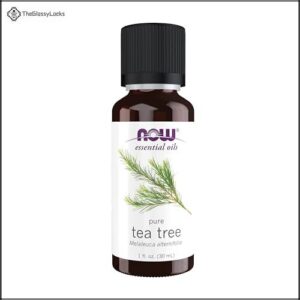
If you want one oil that does the heavy lifting, NOW Tea Tree Essential Oil is worth keeping on your shelf. It’s steam-distilled from Melaleuca alternifolia leaves — the real deal, no fillers.
Its antifungal and antibacterial properties make it a solid choice for itchiness tied to yeast or bacteria. Just don’t apply it straight to your scalp. Dilute about 1 drop per 30 ml of carrier oil first. It’s potent, pure, and built for results.
| Best For | Anyone looking for a versatile, no-nonsense essential oil to tackle skin issues, clean their home, or freshen the air naturally. |
|---|---|
| Origin | USA/Globally Sourced |
| Natural Source | Tea Tree Leaves |
| Skin Use | Yes |
| Vegan Friendly | Yes |
| Scent Profile | Tea Tree |
| Volume/Size | 1.1 oz |
| Additional Features |
|
- 100% pure and undiluted — no fillers or synthetic additives
- Pulls triple duty for skin care, aromatherapy, and household cleaning
- Vegan and cruelty-free, responsibly sourced
- Highly concentrated, so you have to dilute it before putting it on your skin
- Can cause irritation or allergic reactions for some people
- Scent and quality can feel inconsistent compared to other brands
2. Now Sweet Almond Oil Moisturizer
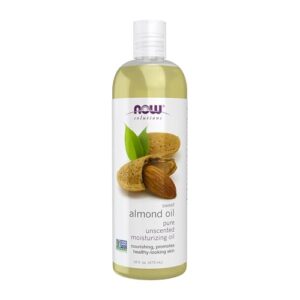
Think of sweet almond oil as the quiet workhorse of scalp care. NOW’s version is 100% pure, non-GMO, and cold-pressed — no solvents, no shortcuts.
It absorbs easily without clogging pores, making it a great fit for sensitive or dry scalps that need real hydration. Massage it in to boost circulation and deliver vitamins right to your hair roots.
It’s also unscented, so you can blend it freely with tea tree or lavender for a custom treatment.
| Best For | Anyone with a dry or sensitive scalp who wants a clean, no-fuss oil they can use solo or mix with their favorite essential oils. |
|---|---|
| Origin | USA Packaged |
| Natural Source | Almonds |
| Skin Use | Yes |
| Vegan Friendly | Yes |
| Scent Profile | Unscented |
| Volume/Size | 16 oz |
| Additional Features |
|
- Pure and non-GMO — no weird additives or fillers
- Absorbs fast and won’t clog pores, even on sensitive skin
- Unscented, so it plays well with other oils for custom blends
- The bottle gets slippery fast when your hands are oily
- No pump dispenser, which makes dispensing a little messy
- The oil can look cloudy or show particles sometimes, which might throw you off
3. Sky Organics Olive Oil
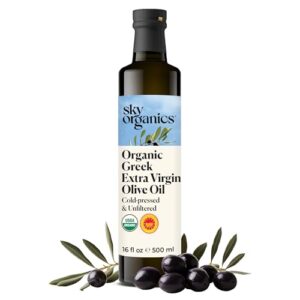
Olive oil has been a scalp staple for centuries — and Sky Organics gives you one of the cleanest versions out there. It’s cold-pressed, unfiltered, and certified organic, sourced from small Greek farms.
That unfiltered quality means more natural polyphenols and vitamins reach your scalp. Use one to two tablespoons as a pre-shampoo mask, leave it on for 15 minutes, then wash out thoroughly.
One heads-up: if dandruff is your main issue, go easy — olive oil can sometimes feed the yeast behind it.
| Best For | Anyone who wants a clean, organic olive oil they can use in the kitchen and on their skin or hair. |
|---|---|
| Origin | Greece |
| Natural Source | Olives |
| Skin Use | Yes |
| Vegan Friendly | Yes |
| Scent Profile | Mild Olive |
| Volume/Size | 16.9 fl oz |
| Additional Features |
|
- 100% pure, cold-pressed, and unfiltered — so you get more of the good stuff like polyphenols and vitamins
- Versatile enough to use for cooking, salads, AND as a scalp or skin treatment
- Sourced from small Greek farms and certified organic, so you know what you’re getting
- Has a slightly bitter taste that not everyone loves
- Pricier than a lot of other olive oil options on the shelf
- Not ideal if dandruff is a concern — it can sometimes make that worse
4. doTERRA Eucalyptus Essential Oil
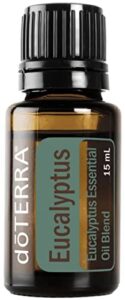
Few oils hit the scalp quite like eucalyptus. doTERRA’s version isn’t a single-species oil — it’s a proprietary blend of five eucalyptus species, which means a higher concentration of eucalyptol, the compound responsible for that cooling, anti-inflammatory relief. That’s a real difference you’ll feel.
Dilute 1–2 drops in a teaspoon of coconut or almond oil before massaging it in — never apply it straight. Your scalp gets the tingle; your skin stays happy. A patch test first is always smart.
| Best For | Anyone looking to support respiratory health, soothe sore muscles, or add a refreshing, clarifying boost to their wellness routine. |
|---|---|
| Origin | USA |
| Natural Source | Peppermint Plant |
| Skin Use | Yes |
| Vegan Friendly | Yes |
| Scent Profile | Peppermint |
| Volume/Size | 15 mL |
| Additional Features |
|
- Proprietary blend of five eucalyptus species means a stronger concentration of eucalyptol for real, noticeable relief
- Versatile — works for massage, skincare, oral health, and even cleaning surfaces
- Supports clear breathing and helps open airways naturally
- Toxic to dogs and cats, so pet owners need to be careful
- Strong aroma isn’t for everyone, especially those sensitive to bold scents
- Pricier than a lot of other essential oils on the market
5. Bragg Organic Apple Cider Vinegar
 View On Amazon
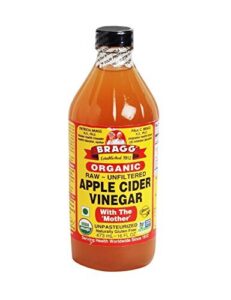
If eucalyptus brings the tingle, apple cider vinegar brings the reset. Bragg’s organic ACV works by restoring your scalp’s natural pH — when that balance is off, bacteria and yeast thrive, and the itch follows.
Mix one part ACV with two parts water, apply it after shampooing, let it sit for a few minutes, then rinse. The “Mother” — that cloudy stuff settling at the bottom — means it’s raw and unfiltered, exactly what your scalp needs.
This rinse works because it strips away the mineral deposits that cause brassiness — our guide to getting rid of brassy hair with vinegar covers the full routine.
| Best For | Anyone dealing with scalp imbalance, digestive issues, or skin concerns who wants a certified organic, raw ACV they can use in the kitchen and bathroom alike. |
|---|---|
| Origin | USA |
| Natural Source | Apples |
| Skin Use | Yes |
| Vegan Friendly | Yes |
| Scent Profile | Apple Vinegar |
| Volume/Size | 16 oz |
| Additional Features |
|
- USDA Certified Gluten Free and organic — you know exactly what you’re getting
- Contains the “Mother,” meaning it’s raw and unfiltered for maximum benefit
- Pulls double duty as a health supplement and a kitchen staple
- At $7.99 for 16oz, it’s pricier than basic vinegar if you’re just using it to clean
- The “Mother” settles at the bottom, so you’ll need to shake it before each use
- Overkill for laundry or household cleaning — cheaper options work just as well there
6. FGO Organic Chamomile Tea
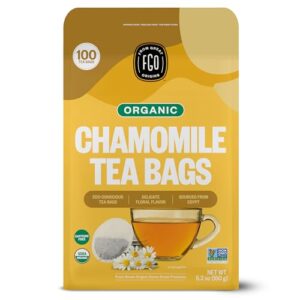
While ACV resets your scalp’s chemistry, chamomile tea works the other way — it calms what’s already inflamed.
FGO Organic Chamomile Tea makes this easy. Brew two or three of their eco-friendly, USDA Organic bags in a cup of hot water, let it cool completely, then pour or spray it onto your scalp after shampooing. Leave it on for a few minutes before rinsing.
Users with seborrheic dermatitis swear by it — less redness, less itch, more peace.
| Best For | Anyone looking for a gentle, caffeine-free tea to support relaxation, scalp care, or everyday wellness — especially those dealing with inflammation or sensitivity. |
|---|---|
| Origin | USA |
| Natural Source | Chamomile Flowers |
| Skin Use | Yes |
| Vegan Friendly | Yes |
| Scent Profile | Floral Chamomile |
| Volume/Size | 5.29 oz |
| Additional Features |
|
- 100% USDA Organic with eco-friendly Abacá Hemp Fiber tea bags — good for you and the planet
- Caffeine-free and mild enough to drink any time of day, hot or iced
- Comes with a love-it-or-we-buy-it guarantee, so there’s zero risk trying it
- The flavor is pretty subtle — if you like bold tea, this might feel like flavored water
- Bags aren’t individually wrapped, which can be a dealbreaker for some
- Results for things like labor prep or medicinal use really vary person to person
Preventing and Managing Itchy Scalp Naturally
Relieving an itchy scalp isn’t just about treating the problem once it shows up — it’s about stopping it before it starts. Small daily habits can make a real difference in how your scalp feels long-term.
Here’s what you can do to stay ahead of the itch.
Gentle Shampoo and Conditioner Choices
Your shampoo bottle might be the quiet troublemaker behind your itchy scalp. Switching to a sulfate-free shampoo protects your scalp’s natural oils instead of stripping them away.
Look for hypoallergenic formulas with soothing ingredients like aloe vera or colloidal oat, and choose fragrance-free options if your skin reacts easily.
Keeping things pH balanced — around 5.0 — helps your scalp stay calm and comfortable.
Good Scalp Hygiene Practices
Beyond product choices, your daily habits shape everything. A gentle scalp massage while washing lifts buildup and boosts circulation — use your fingertips, never your nails. Regular exfoliation once a week clears dead skin before it blocks follicles.
Gentle cleansing with lukewarm water, consistent hair brushing, and clean pillowcases are simple home remedies for scalp care that quietly keep itchy scalp problems from creeping back.
Importance of a Balanced Diet
What you eat shows up on your scalp. Nutrient balance isn’t optional — it’s foundational for scalp health and keeping skin conditions from flaring. Natural remedies for scalp health start from within:
- Healthy fats from salmon and avocados calm inflammation
- Protein intake from eggs bolsters keratin and follicle strength
- Mineral deficiency in zinc or iron triggers itchy scalp fast
Stay hydrated. It’s one of the simplest hydration tips that works.
When to Seek Medical Attention
Sometimes, natural remedies just aren’t enough — and that’s okay to admit. If your itchy scalp lasts longer than one to two weeks despite trying gentle shampoos or oils, it’s time to see a doctor.
Medical red flags like fever, hair loss, pus, or spreading redness signal a possible scalp infection needing real scalp conditions and treatment — not just home care.
Frequently Asked Questions (FAQs)
What to do when your scalp is extremely itchy?
When your scalp won’t stop itching, start simple. Apply diluted tea tree oil or aloe vera gel directly to the area. Both calm scalp inflammation fast and are among the most trusted natural relief methods around.
What is the best home remedy for itchy scalp?
Think of your scalp as a garden — sometimes it just needs the right care. Apple cider vinegar, diluted with water, rebalances pH fast.
For a deeper cleanse, pairing that rinse with a tea tree and witch hazel shampoo for scalp odor can tackle the bacteria and excess oil behind smelly, flaky roots.
Tea tree oil combats fungal triggers. Coconut oil soothes and seals.
How to get rid of itchy scalp fast?
For fast relief from an itchy scalp, try a gentle scalp massage using fingertip pads for three to five minutes — it boosts circulation and spreads natural oils instantly.
Can essential oils help relieve scalp itch?
Yes — essential oils can genuinely help. Tea tree oil, peppermint, and lavender all target the root triggers of an itchy scalp through antifungal, anti-inflammatory, and soothing itch relief mechanisms that make a real difference.
What are the best herbal remedies for a irritated scalp?
Aloe vera and chamomile are top herbal remedies for an irritated scalp. These natural remedies act as powerful scalp soothers, delivering calming treatments and herbal relief — fast, gentle, and without harsh chemicals.
What causes an itchy scalp?
Up to half of people deal with a sensitive, itchy scalp at some point. Dryness, dandruff, skin inflammation, and hair follicle issues are the most common culprits behind scalp irritation and itchy flakes.
How do you get rid of a dry scalp & itchy scalp?
Getting rid of a dry, itchy scalp starts with simple hair care swaps — gentle cleansing, scalp massage, and targeted natural remedies.
The right scalp treatment can restore balance without harsh chemicals.
What Causes Dry and Itchy Scalp?
An itchy scalp usually comes down to a disrupted skin barrier function, imbalanced scalp pH balance, or poor sebum regulation. All of which leave your scalp dry, irritated, and screaming for relief.
What is the best natural remedy for itchy scalp?
There’s no single winner, but tea tree oil, coconut oil, and apple cider vinegar consistently top the list for natural remedies. Each targets different root causes of scalp relief with real, evidence-backed results.
How can I stop my scalp from itching?
A thousand things can trigger scalp itch, but most respond well to simple scalp itch remedies like tea tree oil, apple cider vinegar rinses, or switching to gentle hair care products.
Conclusion
The best itchy scalp relief natural solutions often come from the simplest places—yet most people overlook them while searching for something more complicated. Your scalp doesn’t need a pharmacy; it needs attention.
A few drops of tea tree oil, a weekly apple cider vinegar rinse, or even five minutes of stress relief can quiet the chaos underneath your hair. Once you stop fighting your scalp and start listening to it, everything changes.