This site is supported by our readers. We may earn a commission, at no cost to you, if you purchase through links.
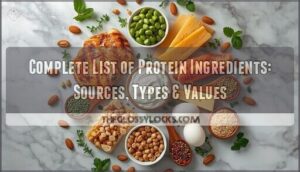
Your body assembles approximately 50,000 different proteins daily—each one constructed from the building blocks you consume at every meal. Yet when you scan ingredient labels or plan your grocery list, the sheer variety of protein sources can feel overwhelming.
Understanding which protein ingredients deliver complete amino acid profiles, ideal digestibility, and the best nutritional value transforms how you nourish yourself. From familiar staples like chicken breast and Greek yogurt to lesser-known options like textured vegetable protein and hemp powder, each ingredient brings distinct advantages to your plate.
Whether you’re comparing animal-based proteins with plant alternatives or evaluating specialized isolates and concentrates, knowing your options helps you build meals that truly support your body’s continuous protein synthesis.
Table Of Contents
- Key Takeaways
- What Are Protein Ingredients?
- Animal-Based Protein Ingredients
- Plant-Based Protein Ingredients
- Protein Powders and Isolates
- High-Protein Dairy Ingredients
- Processed and Specialty Protein Sources
- Protein Ingredient Nutritional Values
- Choosing Quality Protein Ingredients
- Incorporating Protein Ingredients in Meals
- Protein Ingredient Considerations and Tips
- Frequently Asked Questions (FAQs)
- Are there any protein-rich ingredients that are suitable for vegetarians or vegans?
- Is it possible to consume too much protein? What are the potential risks?
- Can protein powder replace whole food sources?
- Does cooking method affect protein absorption rates?
- Are protein bars as effective as shakes?
- Which protein sources best support muscle recovery?
- How do I combine incomplete proteins effectively?
- Conclusion
Key Takeaways
- Animal proteins like chicken, fish, eggs, and dairy deliver complete amino acid profiles with high digestibility scores (DIAAS often above 100), while most plant proteins require strategic pairing—such as beans with grains—to achieve complete nutrition.
- Protein quality varies significantly by source and processing, with whey isolate reaching 90g protein per 100g and excellent biological value, whereas whole foods like Greek yogurt (10g/100g) and tofu (8-15g/100g) offer moderate density with additional nutrients.
- Your daily protein needs shift based on life stage and activity level, ranging from 0.8g/kg for sedentary adults to 1.6-2.2g/kg for strength athletes, with distribution across 3-5 meals optimizing absorption and muscle synthesis.
- Balancing protein intake with 45-65% carbohydrates, 20-35% fats, and 25-38g daily fiber prevents nutrient displacement and supports cardiovascular health, satiety, and sustained energy beyond muscle recovery alone.
What Are Protein Ingredients?
Protein ingredients are the foods and supplements that supply your body with amino acids—the building blocks for muscle, tissue, enzymes, and hormones. Some sources deliver all nine essential amino acids (complete proteins), while others provide only a few (incomplete proteins).
Understanding this difference helps you choose the right ingredients to meet your nutritional needs.
Definition and Role in Nutrition
Protein ingredients are dietary proteins that supply the amino acids your body can’t make on its own. You’ll find protein content in foods ranging from chicken and fish to beans and quinoa—each offering unique protein nutrition and health benefits. These protein sources play essential roles in tissue repair, immune function, and enzyme production.
Protein quality varies by source, so balancing dietary needs across multiple protein foods ensures you’re meeting your nutrient balance goals effectively.
Understanding AP study resources can help students learn about various subjects, including science and nutrition.
Complete Vs. Incomplete Proteins
Not all protein sources are created equal—some deliver every amino acid your body requires, while others fall short. Complete proteins provide all nine essential amino acids in sufficient amounts, ensuring ideal amino acid balance and nutrient bioavailability. Incomplete proteins lack one or more, which is where dietary flexibility matters:
Complete proteins deliver all nine essential amino acids your body needs, while incomplete proteins fall short—dietary flexibility bridges the gap
- Animal-based protein sources (eggs, dairy, meat, fish) usually supply complete proteins with high protein quality.
- Most plant proteins are incomplete unless strategically combined.
- Soy products stand out as rare complete plant options.
Mixing legumes with grains creates complete amino acid profiles across meals.
Animal-Based Protein Ingredients
Animal proteins have long been nutritional staples because they deliver complete amino acid profiles your body can’t make on its own. From everyday meats to seafood and dairy, these ingredients pack high-quality protein alongside essential nutrients like iron, zinc, and B vitamins.
Here’s a breakdown of the most common animal-based protein sources and what they bring to your plate.
Lean Meats (Chicken, Beef, Turkey)
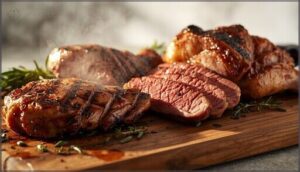
When you’re choosing lean meats—chicken breast, turkey breast, or lean beef sirloin—you’re securing complete proteins with outstanding biological value and all nine essential amino acids. Skinless chicken delivers about 31 g protein per 100 g cooked, while turkey offers roughly 29 g.
Cooking methods like grilling or baking preserve nutrient retention and support protein digestion without adding unnecessary fat, ensuring food safety.
Understanding the theme development process is vital for effective communication about nutritional topics.
Fish and Seafood (Salmon, Tuna, Halibut)
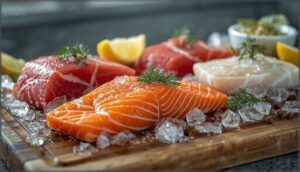
Moving beyond poultry and beef, fish and seafood deliver outstanding protein foods with added omega benefits. Salmon packs about 22–25 g protein per 100 g, tuna offers 23–26 g, and halibut provides roughly 23 g—all complete sources aiding muscle repair. Balance your protein intake with seafood safety awareness, choosing sustainable fishing options and monitoring mercury risks in larger species.
- Salmon and tuna frequently score DIAAS above 100, reflecting excellent digestibility
- Leucine content in fish aids muscle protein synthesis effectively
- Proper cooking at 63°C (145°F) ensures food safety
- Weekly intake of 1–2 servings aligns with dietary guidelines
- Lean fish show favorable carbon footprints versus red meats
Eggs and Egg Whites

Whether scrambled at breakfast or poached for lunch, eggs deliver roughly 6.3 g protein each—complete with all nine essential amino acids. Egg whites alone provide 3.6 g protein per large egg while skipping fat entirely.
Watch for egg allergies in children, pasteurize liquid forms to reduce Salmonella risk, and enjoy yolk benefits like emulsification in hollandaise. Cooking at proper temperatures preserves protein structure beautifully.
Dairy Proteins (Milk, Yogurt, Cheese)
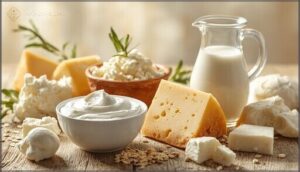
From creamy Greek yogurt to aged cheddar, dairy delivers 3.4–30 g protein per 100 g. Milk’s casein digests slowly for overnight recovery, while whey benefits include rapid amino acid delivery post-workout. Cottage cheese and dairy milk both shine as protein foods with complete profiles.
Yet dairy allergens and lactose intolerance affect many adults, so choose lactose-free options or plant alternatives if protein absorption becomes uncomfortable.
Plant-Based Protein Ingredients
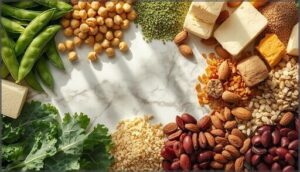
Plant-based proteins have come a long way from being seen as second-tier alternatives—they’re now recognized as nutritional powerhouses in their own right.
You’ll find excellent protein sources across legumes, nuts, seeds, whole grains, and soy products, each bringing unique nutritional benefits to your plate.
Let’s look at the specific plant-based ingredients that can help you meet your protein needs while supporting overall health.
Legumes (Beans, Lentils, Peas)
Legumes like lentils, beans, and peas pack 15–25 grams of protein per cooked cup, making them standout plant sources for dietary protein. You’ll also get 7–14 grams of fiber per serving, supporting gut health while keeping you satisfied longer.
Pairing these pulses with grains—think rice and beans—fills in missing amino acids like methionine, boosting overall protein nutrition and health.
Lentil recipes and bean benefits extend far beyond muscle: they’re low in saturated fat and help reduce heart disease risk.
Nuts and Seeds (Almonds, Pumpkin Seeds, Walnuts)
Nuts and seeds deliver 5–9 grams of protein per ounce alongside heart-healthy monounsaturated and polyunsaturated fats. Almonds, walnuts, and pumpkin seeds are convenient, crunchy snacks that supply essential minerals like magnesium and zinc.
- Almonds: About 6 g protein per ounce
- Pumpkin seeds: Around 9 g protein per ounce
- Walnuts: Roughly 4.3 g protein per ounce
- Chia seeds: Approximately 4.7 g protein per ounce
Be mindful of nut allergies when incorporating these protein-rich foods into meals.
Whole Grains (Quinoa, Brown Rice)
Quinoa stands out among grains with 8.14 g of protein per cooked cup and a complete amino acid profile. Its PDCAAS of 0.78–0.82 rivals many animal proteins.
Brown rice delivers about 2.6 g per cup, though it’s limiting in lysine.
Pairing either grain with legumes can boost your amino acid scores above 90, enhancing protein digestibility and supporting your daily requirements.
Soy Products (Tofu, Tempeh, Edamame)
Tofu, tempeh, and edamame deliver complete plant-based protein with impressive versatility. You’ll get 8–15 g per 100 g from tofu, roughly 19 g from tempeh, and about 11 g from cooked edamame.
Tempeh’s fermentation process boosts digestibility and adds gut-friendly compounds, while soy products overall offer DIAAS scores around 72–90—approaching animal protein benchmarks and supporting your muscle-building goals.
Protein Powders and Isolates

Protein powders and isolates offer a concentrated, convenient way to boost your daily intake, especially when whole foods fall short. They come in both animal-based and plant-based forms, each with different processing methods that affect protein content, digestibility, and cost.
Here’s what you need to know about the most common options on the market.
Whey Protein (Concentrate, Isolate, Hydrolysate)
Whey protein benefits include rapid muscle recovery and a complete amino acid profile, making it one of the most protein-rich foods available. You’ll find three forms: concentrate (70–80% protein), isolate (90%+ protein with minimal lactose), and hydrolysate (pre-digested for faster protein absorption).
Each offers excellent digestion rates and aids your daily high protein foods intake, especially when timing matters for training or recovery goals.
Casein Protein
Unlike whey’s quick release, casein protein digests slowly—releasing amino acids steadily over 6–8 hours. That extended availability aids overnight muscle recovery and satiety. You’ll generally get 80–90% protein by weight, with micellar casein providing the slowest digestion.
Casein benefits include:
- Sustained amino acid delivery for prolonged fasting periods
- High leucine content (~9–10 g per 100 g) for muscle synthesis
- DIAAS scores above 1.1, confirming complete dietary protein sources
- Minimal lactose in isolate forms
- Effective addition to protein foods group for recovery-focused nutrition
Plant-Based Powders (Pea, Rice, Hemp, Soy)
Plant-based protein powders offer vegan options when dairy isn’t suitable. Pea protein delivers 80–85% protein with strong leucine levels around 6–8% for muscle support, while rice protein provides 80% but lacks lysine—an amino acid gap you’ll notice. Hemp sits lower at 50–60% protein, yet balances omega fats nicely. Soy isolate reaches 90% protein with a complete amino acid profile, though allergen concerns affect some individuals.
Protein absorption and nutrient balance vary, so matching plant sources to your nutrition and diet goals matters.
Blended Protein Powders
Protein blending solves single-source gaps you’d face otherwise—combining whey protein powder with casein or pairing pea and rice creates an amino acid balance that mimics high-protein foods. Blends enhance digestion rates and muscle recovery through nutrient timing:
- Rapid and sustained amino acid delivery
- 20–35 grams protein per serving
- Complete essential amino acid profiles
- Added fiber or enzymes for digestion
Third-party testing confirms what’s inside protein-rich foods and powders alike.
High-Protein Dairy Ingredients

Dairy products deliver some of the most concentrated protein you’ll find in whole foods, along with calcium and other nutrients that support bone health and muscle function.
From thick Greek yogurt to crumbly cottage cheese, these ingredients fit easily into meals throughout the day.
Here’s how the most common high-protein dairy options stack up.
Greek Yogurt
When you reach for Greek yogurt, you’re getting roughly 10 g of protein per 100 g—nearly double that of regular yogurt thanks to the straining process. Different Greek varieties and yogurt strains deliver similar protein density, though fat content varies.
Because Greek yogurt leans heavily toward casein, digestion rates are slower, keeping you satisfied longer. It’s one of the simplest high protein foods to add to your routine for consistent nutrition benefits.
Cottage Cheese
Cottage cheese benefits go beyond convenience—you’re looking at 11–12 g of protein per 100 g, mostly casein that slows protein digestion and extends amino acid availability for hours.
That sustained release aids muscle repair overnight and between meals. With leucine around 1 g per serving and a complete amino acid content, cottage cheese ranks among the most protein-rich foods in your dairy aisle.
Skim and Whole Milk
Whether you pour skim or whole milk, you’re tapping into high protein foods with roughly 8 g per cup—80% casein for slow release, 20% whey for faster uptake. Whole milk adds 3.25% fat and slightly more protein-rich nutrition, while skim trims fat but keeps calcium sources strong.
Both offer dairy benefits with a PDCAAS of 1.00, though lactose content remains unless you choose lactose-free options.
Cheese Varieties
Aged cheddar and parmesan pack 25–36 g protein per 100 g, making cheese production a protein-rich foods powerhouse. The aging process deepens flavor profiles—12 to 36 months for parmesan—while slashing lactose to trace levels.
Mozzarella and cottage cheese offer dairy nutrition and diet benefits with less sodium. Cheese pairing with nuts or whole grains balances high-protein foods with fiber for maximum nutritional benefits across varied protein sources.
Processed and Specialty Protein Sources

Processed and specialty protein sources offer convenient alternatives when you’re looking to boost your protein intake beyond whole foods. These ingredients range from soy-based meat substitutes to wheat proteins and fortified snacks, each with distinct textures and nutritional profiles.
Understanding what they’re and how they’re made helps you choose options that fit your dietary goals and preferences.
Textured Vegetable Protein (TVP)
If you’re exploring meat alternatives, textured vegetable protein (TVP) offers a practical plant-based nutrition solution with about 12–15 g protein per 30 g dry serving. Made from defatted soy flour, this sustainable food is cholesterol-free and mimics ground meat when rehydrated.
You’ll find it in vegan options like chili and tacos, though it’s lower in methionine—pairing it with grains creates a complete, high-protein meal.
Seitan and Vital Wheat Gluten
Seitan delivers a powerful punch—around 25 g of high protein per 100 g—making it one of the most protein-rich foods in plant-based nutrition. Made from essential wheat gluten, it’s about 75–80% protein by dry weight and ideal for dietary protein needs.
Key wheat protein benefits include:
- Lean texture mimicking meat
- Low fat content
- Adaptable in stir-fries and stews
- Rich in glutamic acid
Just remember: seitan nutrition isn’t suitable if you’re gluten-sensitive.
Protein-Enriched Foods and Snacks
Beyond whole-food proteins like seitan, protein-enriched foods and snacks now dominate supermarket aisles. Protein fortification using whey, soy, or pea isolates lets bars, crackers, and ready-to-eat meals deliver 10–30 g per serving—supporting 15–25% of your daily intake.
Snack trends reflect consumer preferences for high-protein, nutrient-balanced options. Food technology ensures these protein-rich foods remain tasty while meeting your dietary goals efficiently.
Protein Ingredient Nutritional Values
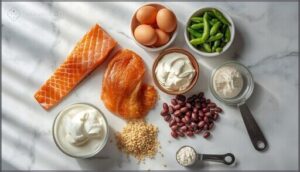
When you’re comparing protein ingredients, the numbers tell you what you’re actually getting in each serving. Protein content varies widely—from 12 grams per 100g in eggs to over 90 grams in certain isolates—and understanding these values helps you make smarter choices for your goals.
Beyond the raw numbers, factors like amino acid balance and digestibility scores show you how well your body can actually use that protein.
Protein Content Per 100g
Protein density varies widely across ingredients. Whey isolate leads at roughly 90 g per 100 g, while soy isolate delivers around 90 g and casein about 80 g.
Among whole foods, turkey breast hits 30 g, bison 25 g, and Greek yogurt ranges from 10–20 g depending on strain.
Plant options like TVP offer 50–60 g dry, and firm tofu provides 8–15 g based on moisture content.
Amino Acid Profiles
Looking beyond sheer protein content, you’ll want to know which amino acids you’re actually getting. Essential amino acids drive everything from muscle repair to immune function, and not all protein-rich foods deliver them equally. Complete proteins—like eggs, whey, and soy isolate—give you all nine, while many plant sources need pairing to balance amino acid profiles and enhance nutrient bioavailability for protein digestion:
- Dairy and whey usually pack 2–3 g leucine per serving, fueling muscle protein synthesis.
- Lysine runs high in animal proteins but often limits cereal grains alone.
- Methionine plus cysteine shine in eggs and meat; legumes with grains fill the gap.
- Tryptophan and histidine vary by source, with dairy offering favorable ratios for your protein intake.
Biological Value and DIAAS Scores
When comparing protein sources, Biological Value (BV) and DIAAS (Digestible Indispensable Amino Acid Scores) reveal how efficiently your body uses what you eat. Whey protein isolate scores highest—often 104 to 159 BV—delivering complete proteins with exceptional amino acid scores and nutrient bioavailability for protein digestion.
Plant options like soy hit 70–90, while strategic blends boost protein efficiency to meet dietary recommendations for high protein, essential amino acids in protein-rich foods.
Choosing Quality Protein Ingredients
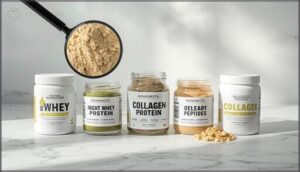
Not all protein ingredients are created equal—and quality matters when you’re building a healthy diet. From labels packed with fillers to products that lack transparency, it’s easy to end up with less than you bargained for.
Let’s look at two key factors that can help you separate the best options from the rest.
Third-Party Certifications
When you’re browsing the protein aisle, third-party certifications act as your quality assurance checkpoint. Look for stamps from USP, NSF, or Informed-Sport—these audit processes verify label claims and check compliance with USDA food safety standards. Here’s what matters:
- USP Verified confirms 92% of products meet declared protein content
- NSF Certified for Sport screens for banned substances with 98% pass rates
- DIAAS-ready scores appear on 22% of North American proteins in 2024
Avoiding Unnecessary Additives
Beyond certifications, scan food labels for unnecessary additives that compromise clean labeling goals. Choose additive-free formulas with natural preservatives instead of synthetic alternatives.
In 2023, 62% of protein products showcased “no artificial flavors or colors”—a jump from 54% in 2019. Organic options often skip functional additives beyond salt, aligning with nutrient intake priorities and food safety regulations for healthy eating habits.
Incorporating Protein Ingredients in Meals
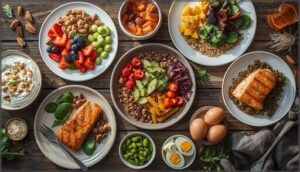
Getting enough protein throughout the day doesn’t have to feel complicated or repetitive. You can mix and match different protein sources across meals and snacks to keep things interesting while hitting your daily targets.
Here’s how to work high-quality protein ingredients into breakfast, lunch, dinner, and those in-between moments.
Breakfast Ideas
Start your day strong by planning morning meals that deliver 20–35 grams of protein—an amount that promotes satiety and energy. Greek yogurt topped with nuts or scrambled eggs paired with cottage cheese offers nutrient balance and sets a healthy eating habit.
You’ll find meal prep easier when you rotate protein-rich foods like salmon, tofu, or hemp seeds throughout the week, creating variety while maintaining your nutrition and wellness goals.
Lunch and Dinner Options
Midday and evening meals anchor your daily protein intake with 25–40 grams per serving, supporting tissue repair and long-term wellness. Balanced meal planning pairs lean chicken breast, salmon, turkey, or beef with whole grains and vegetables, creating healthy eating patterns rich in nutrient balance.
- Grilled chicken breast with quinoa and roasted broccoli
- Baked salmon over brown rice with steamed asparagus
- Turkey meatballs with whole-wheat pasta and marinara
- Lean beef stir-fry with bell peppers and snap peas
- Pan-seared fish tacos with black beans and cabbage slaw
Rotate protein recipes and embrace food variety to meet your nutritional goals without monotony.
High-Protein Snacks
Nutrient-dense snacks deliver 10–20 grams of protein between meals, bridging gaps in your protein intake and supporting healthy eating habits. Protein bars, energy balls, and other high-protein foods keep you satisfied while meeting dietary needs—think portable, whole-food-based healthy munchies that fuel your day.
Choose protein-rich foods that align with your nutrition and health goals without sacrificing convenience.
| Snack Options | Protein Per Serving |
|---|---|
| Greek yogurt with almonds | 15–18 g |
| Hard-boiled eggs (2) | 12 g |
| Protein bars (quality brands) | 10–20 g |
| Cottage cheese with berries | 14 g |
| Edamame (1 cup) | 17 g |
Protein Ingredient Considerations and Tips

Choosing the right protein ingredients means more than just checking the grams per serving. You’ll want to watch for common allergens, match your intake to your actual needs, and make sure protein doesn’t crowd out other essential nutrients.
Let’s walk through three practical areas that’ll help you make smarter decisions about the protein sources you use.
Allergen Awareness (Dairy, Soy, Gluten, Nuts)
If you’re managing dairy allergies, soy intolerance, gluten sensitivity, or nut reactions, choosing protein-rich foods requires careful attention to labels and cross-contamination risks. Here’s what you need to watch for:
- Dairy proteins like whey and casein can trigger reactions in up to 2–3% of adults
- Soy isolates affect about 0.4–0.5% of individuals, prompting alternative searches
- Gluten appears in some textured vegetable proteins, requiring certified gluten-free options
- Nuts demand third-party verification and dedicated facilities to prevent allergen carryover
Protein Needs by Age and Activity
Your daily intake of protein shifts with life stage and movement demands. Adults generally need 0.8–1.0 g per kg, while athletes require 1.2–2.2 g/kg for muscle recovery. Older adults benefit from 1.0–1.2 g/kg to combat aging metabolism and protein deficiency. Children range from 0.85–1.2 g/kg depending on their growth phase.
Distributing protein-rich foods across 3–5 meals optimizes utilization, especially when you include 25–40 g per sitting from dietary protein sources like lean meats, legumes, or dairy.
| Life Stage | Daily Intake (g/kg) | Key Focus |
|---|---|---|
| Adults | 0.8–1.0 | Maintenance |
| Endurance Athletes | 1.2–1.6 | Recovery |
| Strength Athletes | 1.6–2.2 | Muscle Growth |
| Older Adults | 1.0–1.2 | Sarcopenia Prevention |
| Children/Teens | 0.85–1.2 | Development |
Balancing Protein With Other Nutrients
Hitting your protein target is just the start—you need macronutrient balance to fuel recovery and metabolism. Aim for 10–35% protein, 45–65% carbohydrate, and 20–35% fat in your daily macronutrient ratios.
Pairing protein-rich foods with fiber (25–38 g/day) and nutrient-dense foods boosts satiety and cardiovascular health.
Nutrition planning that combines dietary synergy—protein, carbs, and healthy fats—promotes sustainable energy and long-term wellness.
Frequently Asked Questions (FAQs)
Are there any protein-rich ingredients that are suitable for vegetarians or vegans?
Yes—legumes like lentils (18 g per cup) and chickpeas, plus tofu, edamame, quinoa, and seitan deliver complete or complementary amino acids.
Plant-based protein powders and nut butters offer convenient, nutrient-dense alternatives to meat.
Is it possible to consume too much protein? What are the potential risks?
While most healthy adults tolerate protein well, chronic intakes above 0 g/kg/day can increase kidney strain in susceptible individuals and may crowd out fiber-rich foods, risking nutrient imbalance.
Can protein powder replace whole food sources?
Protein powder can supplement your protein intake effectively, but it shouldn’t replace whole food sources entirely.
You’ll miss out on fiber, micronutrients, and phytonutrients that support overall health when relying solely on supplements.
Does cooking method affect protein absorption rates?
Heat treatment can be a double-edged sword. Protein denaturation from cooking techniques often enhances digestion rates and nutrient bioavailability in high-protein foods.
Yet overcooking may reduce absorption depending on the source and preparation method.
Are protein bars as effective as shakes?
Both formats deliver similar total daily protein intake and muscle recovery benefits. Shakes offer faster protein absorption post-workout, while bars provide convenient, sustained nutrient timing—making either effective for meeting your dietary needs and muscle-building goals.
Which protein sources best support muscle recovery?
After training, your muscles crave amino acids like travelers seek water—whey and lean meats deliver them fastest.
Timing protein intake within two hours maximizes muscle repair, fueling sports performance and muscle growth with recovery nutrition that works.
How do I combine incomplete proteins effectively?
You’ll want to pair beans with grains, nuts with whole grains, or soy with rice across 2–3 meals daily. That protein pairing builds amino acid balance and boosts biological value for nutrient-dense, plant-based nutrition.
Conclusion
Think of your kitchen as a laboratory where every ingredient you choose fuels cellular regeneration. This extensive list of protein ingredients furnishes you to orchestrate meals that match your body’s exact requirements—whether you’re blending plant sources for complete amino acids or selecting dairy proteins for rapid absorption.
Your informed choices determine how efficiently those 50,000 daily proteins assemble. Master your ingredients, and you master the foundation of sustained energy, recovery, and strength.
- https://www.ncbi.nlm.nih.gov/books/NBK555990/
- https://fdc.nal.usda.gov/food-details/175168/nutrients
- https://providers.clevelandclinic.org/provider/anna-taylor/4900908
- https://www.nal.usda.gov/sites/default/files/page-files/Protein.pdf
- https://www.dietaryguidelines.gov/sites/default/files/2020-12/Dietary_Guidelines_for_Americans_2020-2025.pdf