This site is supported by our readers. We may earn a commission, at no cost to you, if you purchase through links.
Scalp dryness affects more than 40 percent of adults, yet most people focus exclusively on their hair strands while neglecting the skin beneath.
Your scalp loses moisture through environmental stressors, harsh cleansing agents, and indoor heating systems that strip away protective oils faster than your body can replenish them. When your scalp’s natural barrier breaks down, you experience tightness, flaking, and irritation that no amount of surface-level hair products can fix.
The solution isn’t just about applying moisturizers—it requires a systematic approach that tackles product choices, application techniques, and daily habits that either support or sabotage your scalp’s ability to retain water.
Table Of Contents
- Key Takeaways
- Causes of Scalp Moisture Loss
- Choosing The Right Shampoo
- Importance of Conditioning The Scalp
- Effective Scalp Moisturizing Techniques
- Natural Oils for Scalp Hydration
- Scalp Exfoliation for Better Moisture Retention
- Daily Habits to Prevent Scalp Dryness
- Top 4 Products to Lock Moisture in Scalp
- Dietary and Lifestyle Tips for Scalp Health
- When to Seek Professional Scalp Care
- Frequently Asked Questions (FAQs)
- Conclusion
Key Takeaways
- Your scalp loses moisture through environmental stressors, hot water washing, and harsh cleansing agents that strip protective oils faster than your body can replace them, requiring a systematic approach beyond surface-level products.
- Sulfate-free shampoos with low pH (4.5-5.5) preserve your scalp’s natural barrier by mimicking its acidic environment, while direct conditioner application and layered oil treatments lock moisture in by creating a protective film that prevents water evaporation.
- Scalp exfoliation every one to two weeks removes dead cells and product buildup that block moisture absorption, allowing hydrating treatments to penetrate effectively and restore your skin’s barrier function.
- Internal factors like hydration, omega-3 intake, and stress management directly influence sebum production and barrier strength, meaning topical care alone won’t resolve chronic dryness if you’re neglecting nutrition and cortisol levels.
Causes of Scalp Moisture Loss
Your scalp loses moisture through a combination of factors that strip away its natural protective barrier, leaving it vulnerable to dryness, irritation, and flaking.
Environmental stressors like dry air accelerate this process, which is why learning how to hydrate your scalp becomes essential for restoring balance and comfort.
Some causes stem from your environment, while others result from daily habits that unknowingly compromise scalp health. Understanding these triggers helps you take control and make informed changes to restore balance.
Environmental Factors and Humidity
Throughout the year, environmental humidity directly controls how much moisture your scalp can hold before drying out.
Indoor heating during winter strips air of water vapor, accelerating transepidermal water loss and triggering dry scalp, irritation, and flaking.
Coastal climates naturally support scalp hydration through higher baseline humidity, while inland and desert regions challenge moisture balance with dry air.
You can protect scalp health by maintaining indoor humidity between 30 and 50 percent, using humidifiers during dry seasons to preserve your scalp’s natural barrier and reduce moisture loss.
For more insight into how environmental factors impact skin, research shows that cold and dry conditions increase the risk of barrier dysfunction and dermatitis.
Over-Washing and Hot Water
Beyond humidity, your hair care routine itself can sabotage scalp health. Hot water removes skin and scalp lipids up to 30 percent faster than warm water, disrupting moisture barriers and increasing dryness after a single wash.
Washing more than every two days strips protective oils, lowering scalp pH and triggering higher transepidermal water loss. Gentle cleansing with water at 38 to 40 degrees Celsius preserves your scalp’s natural balance, while overwashing creates a frustrating cycle of dryness and compensatory oil production.
Choosing The Right Shampoo

Your shampoo plays a bigger role in scalp hydration than you might think, since the wrong formula can strip away natural oils and weaken your skin’s protective barrier.
Not all cleansers are created equal, and certain ingredients can make dryness worse while others help your scalp hold onto moisture. Let’s break down what to look for and what to skip when you’re shopping for a shampoo that actually promotes scalp health.
Benefits of Sulfate-Free Shampoos
Sulfate-free shampoos offer gentle cleansing that preserves your scalp’s natural oils, reducing post-wash tightness and flaking. These formulas use milder surfactants that maintain scalp hydration by leaving more moisture in the outer skin layer, supporting stable hydration throughout the day.
You’ll also notice color preservation benefits, with treated hair retaining vibrancy longer. Many sulfate-free options carry environmental benefits, using plant-based ingredients with lower toxicity profiles.
Low PH Formulas for Scalp Barrier
Low pH formulas target a slightly acidic range of 4.5 to 5.5, mirroring your scalp’s natural barrier function and helping lock in moisture by sealing the hair cuticle. These products support formula stability while reinforcing ceramides and fatty acids that prevent transepidermal water loss, keeping your scalp moisturized and calm.
Benefits you’ll experience with consistent pH balance scalp care:
- Reduced flaking and tightness within one to two weeks
- Less frizz due to sealed cuticles after each wash
- Enhanced barrier function that retains moisture longer
- Visible improvement in scalp health and hair reflectivity
- Color protection when your hair stays in a stable acidic environment
Maintaining an optimal scalp pH balance can play a key role in improving moisture retention and preventing common scalp issues.
Ingredients to Avoid for Dry Scalps
Harsh chemicals like sodium lauryl sulfate and denatured alcohol strip your scalp’s protective oils, worsening dryness and triggering scalp irritation that undermines scalp health.
Fragrance irritation and preservative risks from parabens or isothiazolinones can provoke flaking similar to dandruff treatment needs. Choose sulfate-free formulas without alcohol or synthetic fragrances to avoid these moisture strippers and protect your dry scalp from further damage.
Importance of Conditioning The Scalp

Conditioning your scalp isn’t just about softening hair, it’s about creating a protective barrier that prevents moisture from evaporating throughout the day.
Most people apply conditioner only to their hair ends, missing out on the direct hydration their scalp desperately needs. Understanding how conditioners work, where to apply them, and which formulas to choose can transform your scalp from dry and flaky to balanced and comfortable.
How Conditioners Help Lock in Moisture
Think of conditioner as a protective shield for your scalp—it works by creating a thin film that slows transepidermal water loss and keeps moisture locked against your skin. This moisture retention happens through three key mechanisms:
Conditioner creates a protective film on your scalp that slows water loss and locks moisture in for hours after you rinse
- Cationic polymers seal gaps in the scalp barrier, preventing water from escaping
- Humectants pull moisture from the air, boosting scalp hydration when humidity allows
- Emollients fill micro-cracks in skin, smoothing the surface and reducing evaporation
The conditioning layer persists for hours after you rinse, continuously supporting your scalp’s natural moisture balance.
Applying Conditioner to The Scalp
Most people apply conditioner only to their hair ends, but your scalp needs direct contact for real moisture retention.
Start by parting hair in sections to expose the skin, then use your fingertips to massage conditioner in small circular motions. This gentle application technique distributes product evenly while boosting blood flow, creating ideal conditions for scalp hydration without heavy buildup.
Selecting Moisturizing Conditioners
Your scalp type determines which conditioner ingredients will actually boost moisture levels rather than weigh hair down. Fine, low-porosity scalps benefit from lightweight humectants like glycerin, while thick, high-porosity hair responds better to emollient-rich formulas containing shea butter or oils.
Check product reviews for feedback on moisturizing performance, and prioritize conditioners labeled for scalp hydration—not just hair—to enhance your hair moisturizing techniques.
Effective Scalp Moisturizing Techniques
Moisturizing your scalp effectively requires a strategic approach, not just slathering on products. The key is knowing which treatments to apply, in what order, and how to avoid common mistakes that leave your scalp looking greasy or still feeling dry.
Here’s how to lock in hydration without compromising your hair’s appearance or comfort.
Layering Oils and Serums

You don’t have to choose between oils and serums—layering both creates a moisture-locking barrier that keeps your scalp hydrated throughout the day. Product stacking starts with serum selection, applying water-based formulas first, then progressing to oil blending with lightweight plant oils, and finishing with heavier scalp oils to seal everything in. This technique maximizes hydration without creating buildup.
- Pat serums gently into your scalp rather than rubbing to prevent irritation
- Warm oils between your palms for 10 to 15 seconds before applying
- Allow 60 seconds between each layer for proper absorption
Leave-in Treatments for Lasting Hydration

Leave-in treatments bind water to your scalp’s surface for hours, making them essential when you need all-day moisture lock. Hair oils and scalp serums work best on damp skin, helping you moisturize your scalp without reapplying constantly, while hydrating masks and leave-in creams offer deeper nourishment for stubborn dryness.
| Product Type | Primary Function | Best For |
|---|---|---|
| Scalp Serums | Deliver humectants like glycerin directly to skin | Moderate to severe dryness |
| Hair Oils | Form occlusive barrier to prevent water loss | Fine to medium hair types |
| Leave-In Creams | Combine humectants and emollients for balance | All scalp types needing daily hydration |
| Hydrating Masks | Provide intensive moisture repair | Weekly treatment for chronic dryness |
Avoiding Greasiness While Moisturizing
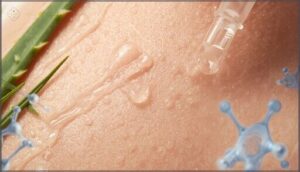
Lightweight formulas prevent greasy buildup while you moisturize scalp tissue effectively. Non greasy serums with glycerin or hyaluronic acid attract moisture without heavy residue, and sulfate-free products maintain hair hydration without stripping natural oils.
Apply thin layers directly to your scalp—never hair lengths—then massage gently to boost absorption. This oil control method keeps your scalp care routine balanced, so you lock in scalp moisture without shine or weight.
Natural Oils for Scalp Hydration
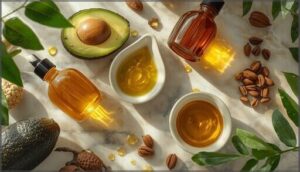
Natural oils are some of the most effective tools you have for restoring moisture to a dry, irritated scalp. Unlike synthetic ingredients, these plant-based oils mimic your scalp’s natural sebum, which means they absorb easily and don’t clog hair follicles.
Below, you’ll learn which oils work best, how to apply them correctly, and how to match the right oil to your specific hair type.
Using Almond, Argan, and Coconut Oil
Three natural oils stand out for scalp moisture because of their fatty acids and hair growth benefits. Almond oil, with roughly 62 to 76 percent oleic acid, acts as a lightweight hair moisturizer that won’t clog pores.
Argan oil offers about 42 to 48 percent oleic acid, making it ideal for scalp massage and natural remedies. Coconut oil penetrates deeply but may cause buildup on oily scalps.
How to Apply Oils for Best Results
Prep your scalp preparation by washing it first, then towel-dry until damp so the oil spreads evenly without dilution.
Warm three to five drops between your fingertips, part your hair into small sections, and place the oil directly on your scalp area. Use gentle circular motions with your fingerpads for about five minutes to boost blood flow and help absorption without scratching.
Matching Oils to Hair Type
Matching oils to your hair type prevents wasted effort and product buildup. Fine hair needs lightweight options like argan or grapeseed that won’t flatten your volume, while thick or coarse strands hold moisture longer with heavier castor or avocado oil.
Hair porosity matters too—low porosity benefits from penetrating jojoba, high porosity from sealing olive oil, and oil blending can address multiple scalp types simultaneously.
Scalp Exfoliation for Better Moisture Retention
Exfoliating your scalp removes the buildup of dead skin cells, excess oil, and product residue that can block moisture from reaching the scalp surface. When you clear away this barrier, hydrating treatments and natural oils can penetrate more effectively, which helps restore balance and prevent dryness.
The following sections explain how regular exfoliation benefits your scalp, how to choose the right exfoliants, and how often you should incorporate this step into your routine.
Benefits of Regular Scalp Exfoliation
Regular scalp exfoliation removes dead skin cells and product buildup that block moisture absorption, creating a clearer surface for your hair follicle environment. This scalp detox technique stimulates circulation and improves the skin barrier function, allowing serums and treatments to penetrate more effectively.
Think of it as scalp renewal—consistent exfoliation every one to two weeks promotes long-term scalp health and reduces flaking noticeably.
Choosing Gentle Exfoliants
You’ll want exfoliants that support scalp renewal without stripping moisture balance. Lactic acid, polyhydroxy acids like gluconolactone, and enzymatic formulas deliver gentle peeling while helping your scalp retain water.
Look for products pairing exfoliant types with glycerin or hyaluronic acid to moisturize as they exfoliate. Avoid harsh scrubs with irregular particles—they create microtears that worsen dryness and compromise scalp health.
How Often to Exfoliate
Most people with normal to dry scalps should exfoliate once every one to two weeks to maintain moisture balance without compromising the skin barrier. If you notice redness or persistent itch after scalp exfoliation, you’re overdoing it—pull back and let your scalp recover.
Adjust based on your scalp sensitivity and seasonal changes:
- Oily scalps may tolerate weekly sessions during active buildup periods
- Sensitive or dry scalp types benefit from twice-monthly gentle products
- Winter dryness calls for reduced exfoliation frequency to protect scalp health
Daily Habits to Prevent Scalp Dryness
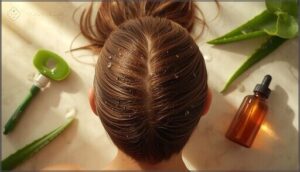
Your everyday choices matter more than you might think in regard to scalp moisture. Small adjustments to your routine can substantially reduce dryness, irritation, and long-term damage to your scalp barrier.
The following habits will help you maintain consistent hydration and protect your scalp from common environmental stressors.
Limiting Heat Styling and Hot Showers
Heat reduction starts with lowering your shower temperature to warm water, which limits moisture loss and preserves your scalp’s natural oils. Keep showers under five minutes to reduce prolonged heat exposure that contributes to scalp irritation.
End with a cool rinse to seal the cuticle and lock moisture in. For hair moisturizing and scalp health advice, avoid vigorous towel rubbing after gentle washing.
Protecting Scalp From Sun and Wind
Sun protection and wind shields are essential for scalp health, especially since UV rays and airflow accelerate transepidermal water loss. Apply scalp sunscreen with SPF 30 or higher to exposed areas, reapplying every two hours during outdoor activities.
- Wear wide-brimmed hats with at least 7.5 centimeter brims for maximum coverage
- Use protective styles like updos or braids to minimize direct exposure
- Apply a light oil or barrier serum before heading outdoors to lock in moisture and prevent scalp irritation
Personalizing Your Wash Routine
Your scalp type dictates every step of your wash frequency and product matching strategy, so start with a simple scalp analysis to identify dryness, oiliness, or sensitivity. Routine customization maintains moisture balance by aligning shampoos and conditioners with your sebum production and activity level, ensuring your hair care routine doesn’t strip natural oils or leave buildup that blocks hydration.
| Scalp Type | Wash Frequency | Key Focus |
|---|---|---|
| Dry or flaky | 2-3 times per week | Moisturize with sulfate-free formulas |
| Oily or greasy | 4-5 times per week | Balance sebum without over-stripping |
| Sensitive or irritated | 2-3 times per week | Gentle, fragrance-free products |
| Normal or balanced | 3-4 times per week | Maintain scalp care consistency |
Top 4 Products to Lock Moisture in Scalp
You don’t need to reinvent the wheel in terms of scalp hydration, you just need products that work. The right moisturizing treatments can restore your scalp’s barrier function, reduce transepidermal water loss, and keep dryness at bay.
Here are four clinically effective options to help you lock in moisture and maintain a healthy scalp environment.
1. SheaMoisture Aloe Pre Wash Hair Masque
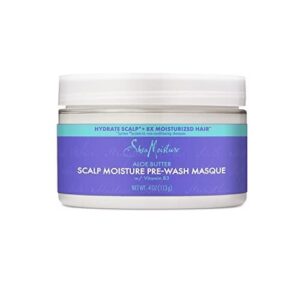
You can prep your scalp for deep conditioning with this deep conditioning masque, which delivers hydration before you even step into the shower. The formula combines aloe butter and vitamin B3 with fair trade shea butter, targeting dry, flaky scalp conditions while softening hair strands.
Clinical results show hair becomes 8x more moisturized and 4x stronger with regular use. Apply the cream-based treatment to your scalp and hair, let it penetrate for several minutes, then proceed with your normal wash routine for restored moisture balance.
| Best For | People with dry, itchy scalps and damaged hair who want a pre-wash treatment that delivers serious moisture and strengthening without harsh ingredients. |
|---|---|
| Form | Cream |
| Cruelty-Free | Yes |
| Vegan | No |
| Price Range | Budget |
| Scalp Hydration | Yes |
| Size | 4.97 oz |
| Additional Features |
|
- Makes hair noticeably stronger and more hydrated—clinical tests show 8x more moisture and 4x stronger strands
- Clean formula with fair trade shea butter, aloe butter, and vitamin B3, skipping parabens and mineral oil
- Works as a scalp treatment and hair mask in one, calming irritation while softening strands
- The 4oz container runs out quickly if you have thick or long hair, meaning frequent repurchases
- Can over-moisturize fine hair if you use too much or leave it on too long
- Some longtime users report the container size has gotten smaller over the years
2. Living Proof Dry Scalp Treatment
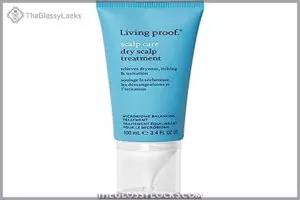
When immediate relief matters, this gel-based treatment delivers targeted hydration through a hyaluronic acid molecular patch that soothes dry, itchy scalps on contact. Apply it directly to cleansed, damp hair in sections, massage gently into your scalp, and leave it in without rinsing.
The vitamin B3 complex works to restore your scalp’s natural balance over time, reducing visible flaking within a week of consistent use three times weekly. You’ll appreciate that it absorbs fast, won’t weigh down your hair, and remains gentle on color-treated strands.
| Best For | People dealing with dry, itchy scalp or visible flaking who want fast relief without weighing down their hair. |
|---|---|
| Form | Gel |
| Cruelty-Free | Yes |
| Vegan | Yes |
| Price Range | Mid-Range |
| Scalp Hydration | Yes |
| Size | 3.4 fl oz |
| Additional Features |
|
- Works quickly to soothe irritation and reduce flaking within a week
- Lightweight gel formula that won’t leave hair greasy or heavy
- Safe for color-treated and chemically processed hair
- Pricey at $42 for 3.4 ounces compared to drugstore alternatives
- Requires ongoing use to maintain results—not a one-time fix
- Citrus scent may not appeal to those who prefer fragrance-free products
3. Christophe Robin Hydrating Cream Scrub
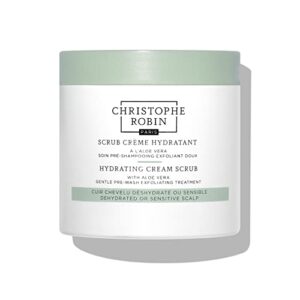
Before you shampoo, treat your scalp to a nourishing reset with this aloe-rich cream scrub. You’ll gently buff away dead skin cells and buildup using natural jojoba particles that exfoliate without irritation, making it ideal for sensitive, dehydrated scalps.
Massage the cream directly onto dry or damp scalp, focusing on areas of tightness or flaking, then rinse thoroughly. The fermented agave juice extract and aloe vera combination calms redness while restoring moisture balance, so your scalp feels comfortable rather than stripped after cleansing.
| Best For | People with sensitive or dehydrated scalps who need gentle exfoliation without irritation. |
|---|---|
| Form | Cream |
| Cruelty-Free | Yes |
| Vegan | Yes |
| Price Range | Premium |
| Scalp Hydration | Yes |
| Size | 8.4 fl oz |
| Additional Features |
|
- Aloe vera and fermented agave soothe and hydrate dry, irritated scalps
- Natural jojoba scrub particles exfoliate gently without causing damage
- Leaves hair shiny and conditioned while calming scalp redness
- At $43 for 8.4 oz, it’s pricier than most scalp treatments
- Only suitable for dry, sensitive skin types, not all scalp conditions
- No detailed allergen information or compatibility with other products
4. Necessaire Scalp Serum For Hair Growth
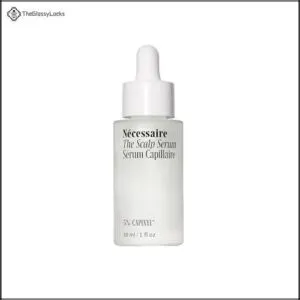
After exfoliating, reinforce your scalp’s moisture barrier with a targeted daily serum. Necessaire’s fragrance-free formula delivers 1 percent hyaluronic acid to bind water into your skin, while niacinamide and panthenol condition the surface and reduce irritation.
You’ll apply one dropper to damp or dry scalp areas each day, massaging it in without rinsing. Clinical data shows 96 percent of users reported improved hydration and less itching after 12 weeks, with 5 percent Capixyl supporting thicker, fuller hair growth alongside moisture retention.
| Best For | Anyone dealing with a dry, itchy scalp who wants to add hydration while encouraging thicker, healthier-looking hair growth. |
|---|---|
| Form | Liquid |
| Cruelty-Free | Yes |
| Vegan | Yes |
| Price Range | Premium |
| Scalp Hydration | Yes |
| Size | 1 fl oz |
| Additional Features |
|
- Combines scalp hydration with hair growth support through clinically-backed ingredients like Capixyl and hyaluronic acid
- Fragrance-free and hypoallergenic formula is gentle enough for sensitive skin and approved by the National Eczema Association
- Works on both damp and dry hair without needing to rinse, making it easy to fit into any routine
- At $48 for just 1 fl oz, it’s significantly more expensive than most scalp treatments
- Some users report it can leave hair feeling semi-oily, especially on days when styling
- May cause irritation or increased flaking in certain individuals despite being formulated for sensitive skin
Dietary and Lifestyle Tips for Scalp Health

Your scalp doesn’t exist in isolation from the rest of your body, and external care alone won’t resolve chronic dryness if internal factors are working against you.
What you eat, how much water you drink, and how you manage daily stress all influence sebum production, skin barrier function, and inflammation levels on your scalp.
The following strategies address the internal contributors to scalp moisture retention, giving you a complete approach to long-term hydration.
Hydration and Nutrient Intake
Your scalp’s moisture depends on what you put into your body, not just what you apply on the surface. Drinking around 2 liters of water daily promotes hair hydration and nutrient uptake to follicles, while the right foods strengthen your scalp’s natural barrier.
The right nutrients have several benefits, including:
- Water balance prevents flaking and uncomfortable tightness
- Healthy fats from fatty fish and walnuts reduce inflammation
- Vitamin benefits include collagen support (vitamin C) and keratin production (biotin)
- Electrolyte role helps cells hold moisture more effectively
- Zinc aids scalp repair and reduces shedding
When you moisturize from within, topical scalp care works better.
Managing Stress for Scalp Balance
Chronic tension keeps cortisol elevated, which weakens your scalp’s barrier and accelerates moisture loss. Relaxation techniques—from mindful breathing to gentle scalp massage—calm your nervous system and support sebum balance, reducing flare-ups of irritation and flaking.
| Stress Reduction Method | Scalp Health Benefit | Frequency |
|---|---|---|
| Mindful breathing | Reduces cortisol, soothes itch | Daily, 5 min |
| Scalp massage | Boosts circulation, eases tension | 3–4 times/week |
| Quality sleep | Repairs barrier, balances oils | 7–9 hours nightly |
| Regular exercise | Improves blood flow, lowers stress | 3–5 times/week |
| Journaling triggers | Identifies patterns, prevents flare-ups | Weekly |
Pairing cortisol management with consistent scalp care and moisturize routines delivers lasting scalp treatment results.
Foods That Support Skin and Scalp
Omega rich foods—salmon, flaxseed, walnuts—deliver fats that keep your scalp’s barrier flexible, cutting dryness by nearly 40 percent over 12 weeks.
Vitamin C sources like oranges and peppers build collagen that holds moisture in, while zinc supplements or oysters prevent flaking and support oil glands.
Probiotic benefits from yogurt and biotin foods such as eggs fortify hair hydration, skin health, and overall scalp care through better nutrition.
When to Seek Professional Scalp Care
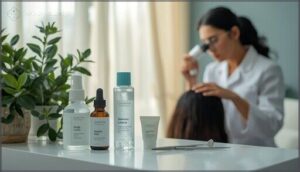
Sometimes home remedies and over-the-counter products won’t resolve persistent scalp dryness, and that’s when professional intervention becomes necessary.
You need to recognize the difference between temporary irritation and chronic conditions that require medical evaluation. Here’s what you should watch for, how specialists can help, and which treatments address stubborn scalp moisture issues.
Recognizing Signs of Severe Dryness
If your scalp won’t stop itching even after you wash it, you’re likely facing severe dryness rather than simple flaking. Look for persistent itch, tight skin that feels stretched after showers, and dusty white flakes that coat your shoulders throughout the day.
When moisturizing efforts don’t ease these dry scalp symptoms, it’s time to think about professional scalp care.
Consulting Dermatologists or Trichologists
When home remedies and over-the-counter products fail to resolve persistent scalp irritation and treatment needs, a dermatologist or trichologist can provide the scalp diagnosis you need. These specialists offer targeted hair loss treatment and customized scalp health and care plans through specialist consultation.
Consider dermatologist referrals or trichologist services if you experience:
- Chronic flaking that won’t respond to moisturizing shampoos
- Painful redness or burning sensations across your scalp
- Sudden patches of hair thinning or bald spots
- Scaly crusts that spread or worsen over time
Dermatology experts can identify underlying conditions and prescribe medical-grade solutions.
Medical Treatments for Persistent Issues
When standard therapies fail, your dermatologist may recommend specialized scalp treatment options customized to stubborn scalp conditions.
Corticosteroid treatments deliver rapid relief for inflammatory flare-ups, while immunotherapy options and hormonal therapies address chronic symptoms driven by immune or endocrine imbalances.
Skin barrier repair formulas with ceramides restore moisture retention within weeks.
For resistant cases, phototherapy approaches offer non-drug relief under specialist dermatological advice, supporting long-term scalp health and care beyond conventional scalp irritation and treatment protocols.
Frequently Asked Questions (FAQs)
How to lock moisture into the scalp?
You need to cleansing formulas with sulfate-free formulas, apply conditioner directly to your scalp, and seal moisture using lightweight oils on damp skin—each step reinforces your scalp’s natural barrier and prevents water loss.
How to lock in moisture in hair?
To lock moisture in hair, apply a lightweight oil like argan or jojoba to damp strands after conditioning, then seal with a leave-in treatment that contains humectants for lasting hydration and reduced water loss.
How to hydrate scalp with locs?
Spray a water-based leave-in directly onto your scalp between locs, then seal it with lightweight jojoba or argan oil using gentle fingertip massage to improve absorption and circulation without buildup.
Can hard water damage my scalps moisture barrier?
Yes, hard water deposits calcium and magnesium on your scalp, creating a mineral buildup that blocks moisture absorption, disrupts your scalp barrier, and increases dryness, flaking, and irritation over time.
How does chlorine from pools affect scalp hydration?
Chlorine damage strips your scalp’s natural oils, triggering moisture loss and scalp irritation.
Pool water penetrates wet hair, disrupting the barrier and increasing hair porosity, which worsens dry scalp and compromises overall scalp hydration and health.
Can scalp massagers improve moisture absorption and circulation?
Gentle scalp massages boost blood flow to hair follicles within minutes, helping distribute natural oils more evenly and improving product contact.
Use soft, flexible bristles and light circular motions for best results without irritation.
Conclusion
The irony is striking: your scalp can feel parched even while you’re drowning it in products. What matters isn’t how much you apply, but whether your routine tackles barrier function, moisture retention, and environmental protection simultaneously.
When you lock moisture in scalp tissue through strategic product selection, proper application techniques, and consistent daily habits, you’re not just treating symptoms—you’re restoring your skin’s fundamental ability to hydrate itself. That’s the difference between temporary relief and lasting results.