
This site is supported by our readers. We may earn a commission, at no cost to you, if you purchase through links.

Pores don’t actually open and close—they’re not tiny doors responding to steam or cold water. That myth has been circulating for decades, and it’s led a lot of people to waste time on techniques that do nothing.
What pores do is stretch, accumulate debris, and lose the structural support that keeps them looking tight. Genetics load the gun, but sun damage, hormonal shifts, and neglected skincare pull the trigger.
The good news is that minimizing large pores comes down to a handful of evidence-backed habits and ingredients—and once you understand what’s actually happening in your skin, the path forward gets much clearer.
Table Of Contents
- Key Takeaways
- What Causes Large Pores?
- Daily Habits to Minimize Pores
- Effective Skincare Ingredients for Pore Care
- Sun Protection and Pore Appearance
- Professional Treatments for Enlarged Pores
- Frequently Asked Questions (FAQs)
- How do you reduce pore size in skincare?
- How to reduce large pores?
- What are the ways to get clear and spotless healthy skin?
- What is the best treatment for minimizing pores?
- Why are pore minimizing products important?
- How can a skin care specialist help with enlarged pores?
- How do I minimize pores and uneven skin texture?
- What is a good skin care routine for large pores?
- What is the best skin treatment for large pores?
- Can you actually shrink large pores?
- Conclusion
Key Takeaways
- Pores can’t actually open, close, or shrink below your genetic baseline — but the right habits make them look noticeably smaller.
- Sun damage and aging both break down collagen, which loosens pore walls over time, so daily SPF and retinol aren’t optional if you want results.
- Chemical exfoliants like salicylic acid and consistent double cleansing at night clear the buildup that stretches pores open in the first place.
- When at-home care plateaus, professional treatments like microneedling and laser resurfacing can physically tighten pore walls through real collagen remodeling.
What Causes Large Pores?
Large pores don’t just appear out of nowhere — there’s usually something driving them. A few key factors work against your skin over time, and knowing them makes it easier to fight back.
Understanding those factors also helps you choose the right products — like finding the best face wash for large pores that actually matches your skin type.
Here’s what’s actually behind those enlarged pores.
Genetics and Pore Size
Your baseline pore size is largely inherited — blame your family history, not your skincare routine. Genetic Pore Patterns vary by Ethnic Skin Types, and if oily skin runs in your family, there’s roughly an 80% chance you inherited it too. That’s your starting point.
Hereditary Traits set the floor, but smart skin care can absolutely minimize pores from there. Sun exposure can worsen pore size by breaking down collagen, so it’s important to understand the effects of sun damage.
Oil Production and Hormones
Genetics sets the stage, but hormones often run the show. Androgens — especially testosterone — push your sebaceous glands into overdrive, flooding pores with sebum. Hormone balance matters more than most people realize.
Even insulin sensitivity plays a role; high-glycemic diets spike oil production. For acne prevention and to minimize pores, a dermatologist can help you dial in smarter sebum control through targeted skin care and androgen effects management.
Changes in skin—including hormonal fluctuations and skin health—are often triggered by shifts in estrogen, progesterone, and other key hormones.
Aging and Collagen Loss
Hormones aren’t the only thing quietly working against your pores. Aging fibroblasts — the cells that build collagen — slow down noticeably after your mid-20s, producing about 1% less collagen each year.
That collagen decline weakens your skin’s support structure, loosening pore walls over time. Enzymatic breakdown accelerates the process, fragmenting collagen structure and reducing skin firmness.
Retinol remains one of the best antiaging tools for supporting skin rejuvenation.
Sun Damage and Skin Elasticity
Collagen loss doesn’t stop with age — sun damage speeds the whole process up. UV damage triggers enzymes that break down collagen and elastic fibers faster than your skin can rebuild them.
Over time, photoaging effects leave skin looser, with pores that look more stretched. Daily sunscreen isn’t optional if skin firmness matters to you.
Pair that daily SPF habit with skin nourishment techniques that help rebuild what sun exposure quietly takes away.
Daily Habits to Minimize Pores
Good skincare doesn’t have to be complicated — a few consistent daily habits can make a real difference in how your pores look over time.
The basics matter more than you’d think. Here’s where to start.
Proper Cleansing Techniques

Your cleanser selection sets the tone for everything else. Reach for a gentle, non-comedogenic gel or foam formula — these lift excess oil without leaving behind pore-clogging residue.
Keep water temperature lukewarm; hot water irritates skin and can actually make pores look worse. Use clean fingertips, small circular massage methods, and pat dry with a soft towel.
Finish with a lightweight moisturizer to restore moisture balance.
Double Cleansing at Night

Think of double cleansing as your nighttime reset. Start with an oil-based cleanser to melt away SPF, makeup, and excess sebum — the stuff a regular wash can’t fully grab.
Follow with a gentle water-based cleanser for deeper pore minimization.
This two-step routine keeps your skin barrier intact while supporting oil control, so pore-clogging buildup never gets a chance to settle in.
Effective Skincare Ingredients for Pore Care
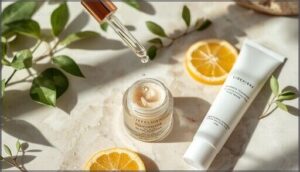
Once you’ve got your cleansing routine down, the next step is knowing which ingredients actually do the heavy lifting. Some work by clearing out what’s already clogging your pores, while others build up the skin itself so pores look tighter over time.
Here are the ones worth adding to your routine.
Chemical Exfoliants (AHAs, BHAs, PHAs)
Exfoliation is where real pore progress happens. Chemical exfoliants work by clearing out what’s stretching your pores open in the first place.
- AHAs (like glycolic acid) smooth surface texture and brighten — ideal if your skin leans dry or sun-damaged
- BHA salicylic acid goes oil-soluble, traveling inside pores to dissolve congestion
- PHA exfoliation suits sensitive skin with gentler, hydrating action
Skin pH levels matter too — lower pH means more active acid delivery.
Retinol for Collagen Support
Retinol is one of the hardest-working ingredients in skin care — and for good reason. It converts into retinoic acid inside your skin, triggering a real collagen boost that firms pore walls from within.
That skin firming effect makes pores look noticeably smaller over time. Start with 0.3% retinol a few nights a week for effective pore minimization without overwhelming your skin.
Hydration and Lightweight Moisturizers
Hydration doesn’t mean heavy. A good water gel moisturizer delivers real moisture without sitting on top of your skin or clogging anything up.
Here are five things to look for:
- Humectant benefits — glycerin and hyaluronic acid pull water in, plumping pores so they look shallower.
- Non comedogenic formula — keeps your skincare routine pore-friendly.
- Oil-free moisturizer — skips heavy oils that stretch pores.
- Barrier support — ceramides and niacinamide keep skin resilient.
- Shine control — a lightweight finish means less midday slick.
Sun Protection and Pore Appearance

Sunscreen isn’t just about avoiding sunburns — it’s one of the most underrated tools for keeping pores looking smaller over time. UV damage breaks down collagen and elastin, which are basically the scaffolding that keeps your skin firm and your pores tight.
Here’s what you need to know to make sun protection actually work for your skin.
Daily Use of Broad-Spectrum Sunscreen
Skipping sunscreen is like leaving your front door open — UV rays walk right in and quietly break down the collagen keeping your pores tight. A broad-spectrum SPF 30 or higher, applied every morning as your last skin care step, blocks UVA and UVB damage before it starts.
Skipping sunscreen lets UV rays silently destroy the collagen keeping your pores tight
Daily protection is non-negotiable for long-term skin health and pore size control.
| When to Apply | Why It Matters |
|---|---|
| Every morning | Limits daily UV damage to pore structure |
| Cloudy or indoor days | UVA rays still penetrate glass and clouds |
Preventing UV Damage to Maintain Skin Firmness
Sunscreen alone is a great start, but UV protection methods don’t stop there. Wearing UPF 50 clothing and seeking shade during peak hours helps preserve skin elasticity by reducing cumulative collagen breakdown.
Pair that with a morning vitamin C serum — it neutralizes UV-triggered free radicals and bolsters skin firmness. These collagen repair strategies keep pore walls stronger over time.
Tips for Choosing Sunscreen for Oily or Combination Skin
If UV damage is already working against your pores, the last thing you want is a heavy sunscreen making things worse. Oily and combination skin deserves a formula that protects without clogging.
- Non Comedogenic, Oil Free options keep pores clear without triggering breakouts
- Matte Finish or Gel Formulas absorb fast, controlling shine all day
- Oil Control ingredients like niacinamide and silica regulate oil production throughout wear
A dermatologist-approved skin care tip: check the label first.
Professional Treatments for Enlarged Pores

Sometimes, at-home skincare just isn’t enough — and that’s where professional treatments come in. A dermatologist can offer options that go deeper than anything you’d find on a drugstore shelf.
Here’s what’s actually available when you’re ready to take that next step.
Chemical Peels and In-Office Exfoliation
Sometimes your at-home routine just needs backup. A chemical peel — whether glycolic, salicylic, or TCA — goes deeper than your daily cleanser, dissolving the buildup that stretches pores open. Salicylic acid is especially good for oily skin; it’s oil-soluble, so it clears right into congested follicles.
Microdermabrasion and dermaplaning offer mechanical skin resurfacing with zero downtime. Ask your dermatologist which suits your skin best.
Microneedling for Collagen Stimulation
Microneedling takes things a step further. Tiny needles create controlled micro-injuries in the skin, triggering collagen induction and real skin remodeling from within.
A dermatologist will choose the right needle depth — usually 0.5 to 1.5 mm for pores — and space sessions four to six weeks apart. Most people see meaningful pore size reduction around the three-month mark.
Laser Therapy and Skin Resurfacing
Laser resurfacing is where science really delivers. Fractional treatments — both ablative therapy and nonablative options — trigger collagen remodeling that physically tightens pore walls over time. A single fractional CO2 session can reduce visible pore size by up to 37 percent.
Picosecond laser therapy offers similar pore minimization with gentler downtime.
Skin rejuvenation through laser treatment builds gradually, with full results appearing around three to six months post-session.
Consulting a Dermatologist for Personalized Options
No two faces are the same — which is exactly why a dermatologist consult matters. A tailored skin assessment looks at your pore type, oil levels, and history to build a plan that actually fits you.
Expect guidance on:
- Targeted pore minimization techniques suited to your skin
- Tailored plans that combine in-office and at-home care
- Maintenance strategies to protect long-term treatment outcomes
That’s dermatological advice working for you, not against you.
Frequently Asked Questions (FAQs)
How do you reduce pore size in skincare?
You can’t actually shrink pores — but smart pore minimization techniques make them far less noticeable.
Consistent skin exfoliation, pore refining ingredients, and skin tightening habits all work together to reduce pore size visibly over time.
How to reduce large pores?
Like a camera lens you can’t resize, your pores won’t shrink — but smart pore minimization techniques can make them nearly invisible with the right skincare and consistent facial exfoliation habits.
What are the ways to get clear and spotless healthy skin?
Clear, spotless skin comes down to a healthy routine: consistent exfoliation, face masks, a balanced diet, and smart skin nutrition.
These habits work together, quietly supporting pore reduction and overall skin health and beauty.
What is the best treatment for minimizing pores?
No single treatment wins every time. The best approach to pore minimization combines consistent exfoliation, retinol, and professional dermatological care like microneedling — customized to your skin type for real, lasting pore reduction.
Why are pore minimizing products important?
Pore minimizing products work quietly in the background — controlling oil, clearing debris, and supporting collagen — so your skin stays smoother, clearer, and more refined before visible damage builds up over time.
How can a skin care specialist help with enlarged pores?
A skin care specialist offers Tailored Assessment and Bespoke Routines, targeting your unique pore concerns.
With Deep Cleansing, Collagen Boosting treatments, and Long Term Management, a dermatologist blends sophisticated cosmetic procedures and aesthetic treatments into your pore minimizing skincare routine.
How do I minimize pores and uneven skin texture?
Think of your pores like open doors — consistent facial exfoliation, collagen boosters like retinol, and daily SPF are your best tools for pore minimization and smoother skin texture.
What is a good skin care routine for large pores?
Start simple: cleanse twice daily, exfoliate with a BHA two to three times weekly, and apply retinol at night. Consistency is your best pore minimizing tool — nothing fancy required.
What is the best skin treatment for large pores?
No single treatment wins every time, but combining collagen boosters with pore minimization strategies — like microneedling or laser facial resurfacing — delivers the most noticeable pore reduction for lasting skin rejuvenation.
Can you actually shrink large pores?
Not exactly — you can’t shrink pores below your genetic baseline. But consistent pore minimization habits genuinely reduce their appearance, making pore size look smaller and skin texture noticeably smoother.
Conclusion
Here’s what most people never question: if pores can’t open and close, can they actually shrink? Not structurally—but they can absolutely look smaller, and that distinction matters.
Minimizing large pores skincare advice only works when it’s rooted in what skin can genuinely do—clear congestion, boost collagen, prevent UV damage. Stack the right habits consistently, and your pores stop being something you manage around. They just quietly stop being the thing you notice first.
- https://www.aad.org/public/everyday-care/skin-care-secrets/face/treat-large-pores
- https://www.bareminerals.com/collections/excess-oil-enlarged-pores
- https://www.clinikally.com/blogs/news/the-truth-about-pores-tips-for-better-skin-health
- https://vivamedspa.life/how-sun-damage-contributes-to-enlarged-pores/
- https://www.vogue.com/article/best-pore-minimizing-treatments