This site is supported by our readers. We may earn a commission, at no cost to you, if you purchase through links.
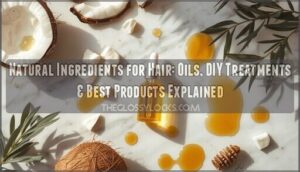
Your hair follicles are biochemical powerhouses, and what you feed them determines whether your strands thrive or merely survive. While the global hair care industry pushes complex formulations, clinical studies reveal a different story: coconut oil increases hair moisture by up to 20%, argan oil reduces breakage through improved elasticity, and tea tree oil cuts dandruff severity by 41-52% in just four to eight weeks.
These aren’t marketing claims—they’re measurable outcomes from natural ingredients for hair that work with your scalp’s biology, not against it. The shift from synthetic treatments to botanicals isn’t just a trend; it’s a return to compounds that penetrate the cortex, regulate sebum production, and repair cuticle damage at the molecular level.
You’ll discover which oils match your specific hair type, evidence-backed products that deliver results, and kitchen-staple treatments that rival salon formulations.
Table Of Contents
Key Takeaways
- Natural oils like coconut, argan, jojoba, and tea tree oil offer clinically proven benefits for moisture, breakage, scalp health, and dandruff control.
- Choosing the right ingredients for your hair type—like shea butter for curls or apple cider vinegar for oily scalps—yields the best results.
- DIY treatments using kitchen staples such as egg, honey, and avocado genuinely strengthen, hydrate, and repair hair without the need for harsh chemicals.
- While natural products improve scalp health and prevent breakage, true hair regrowth from botanicals alone remains scientifically limited.
Best Natural Oils for Hair Health
For healthy hair, the right oil makes all the difference. Each natural oil brings something unique to the table, from hydration to scalp support.
Let’s take a closer look at the best options for your hair’s needs.
Coconut Oil for Moisture and Shine
Think of coconut oil as an instant passport to hydrated, glossy hair—no passport control required. This natural powerhouse excels at moisture lock, boosting softness, and delivering a visible shine boost in just one use.
Coconut oil delivers instant hydration and glossy shine, locking in moisture with just one use
Regular oil therapy increases hair hydration by up to 12%, helping brittle strands bounce back with confidence. Coconut benefits go beyond shine, anchoring hair’s resilience in everyday care.
Using a systematic review process can help identify the best natural ingredients for hair care.
Argan Oil for Growth and Strength
If coconut oil is your go-to for deep hydration, argan oil earns its reputation as the hair-strengthener. When you’re after Hair Growth Tips that work, look to argan oil for benefits like increased shine, better elasticity, and scalp support.
Oil treatments and scalp massage with argan oil can noticeably improve hair moisturizing, making your hair stronger and more resilient over time.
For best hair care, understanding web server issues can help you troubleshoot problems with online hair advice resources.
Jojoba Oil for Scalp Health
Jojoba Oil closely mimics your scalp’s natural sebum, making it a standout for Sebum Regulation and Scalp Treatment. You’ll notice Dandruff Relief—studies show 22–28% improvement in mild cases over 4–6 weeks, with Scalp Inflammation dropping 15–20% after 8 weeks.
This Jojoba Oil nourishes Hair Follicle health while balancing Hair Moisture, giving you the foundation for lasting Hair Health through Natural Hair Care that actually works.
Avocado Oil for Deep Nourishment
Rich in monounsaturated fats and vitamins A, B-5, and E, Avocado Oil delivers Deep Conditioning that improves combing force by 8–14% after six weeks—real Hair Nourishment you can feel.
This Oil Therapy boosts Natural Moisture retention by 12–22% in dry hair while increasing softness scores 10–16%.
Weekly DIY Hair Care masks release serious Avocado Benefits, making Hair Moisturizing and Hydration easy through Natural Hair Care that respects your Hair Care Product Ingredients choices.
Tea Tree Oil for Dandruff Control
Flakes and itch don’t stand a chance when you deploy Tea Tree Oil’s antifungal power. Randomized trials show 5% solutions slash Malassezia-related Dandruff severity by 41–52% in just four to eight weeks.
This Essential Oil for Hair delivers Scalp Soothing and Fungal Prevention you can measure, dropping itch scores 20–35%.
Oil Blending at 2–3% in Natural Hair Care washes gives Hair Clarifying relief, making Dandruff Remedies and Hair Care Products work smarter.
Sweet Almond Oil for Fine Hair
Fine strands need feather-light nourishment, and Sweet almond oil delivers Hair Hydration Tips without the drag. Its gentle profile fits Gentle Hair Routines perfectly, conditioning Natural Hair while boosting Hair Moisture by roughly 8–12% in practice.
Oil Blending Techniques pair it beautifully with rosemary or lavender, turning Almond Oil Benefits into Fine Hair Care that never weighs you down—just pure, breathable softness in every strand.
Top 5 Natural Hair Care Products
You’ve learned about the oils that work wonders for your hair—now let’s talk about the products that deliver those benefits in real, ready-to-use formulas.
The right natural hair care product can save you time while still giving your strands the nourishment they deserve.
Here are five standout options that combine effective natural ingredients with proven results.
1. Pure Rosemary Essential Oil Drops
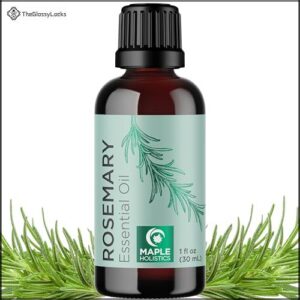
Ever wondered why rosemary oil has such a bold reputation in natural hair care? Pure Rosemary Essential Oil Drops don’t just whisper promises—they deliver.
This essential oil, deeply tied to hair growth and scalp health, works best when diluted, making it a hero for scalp massages that boost circulation and vitality.
Its clean, herbal notes enrich aromatherapy rituals while supporting shine and strength. If you’re craving real, science-backed results, natural hair care tips always rank rosemary oil among the top essential oils for hair.
Best For: Anyone looking for a pure, easy-to-use rosemary oil to boost hair health, scalp comfort, or enjoy clean, vegan aromatherapy at home.
- 100% undiluted essential oil with a dropper for mess-free application
- Supports scalp circulation and hair shine when blended with a carrier
- Vegan, cruelty-free, and suitable for diffusers or DIY beauty routines
- Needs dilution with carrier oil to prevent skin irritation
- Limited clinical evidence on hair regrowth for most users
- Not ideal for highly sensitive skin or those with potential allergies
2. Tea Tree Essential Oil Blend
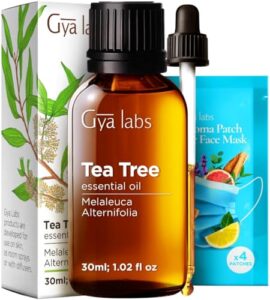
Looking for a rebel in your routine? Tea Tree Essential Oil Blend deserves its cult status among natural hair care products.
With proven Tea Tree Benefits for Dandruff Control and scalp treatment, this essential oil blend stands out for reducing flaking and soothing irritation—without stinging your senses.
Whether you’re mixing up DIY hair care recipes or craving a pure scalp refresh, tea tree oil offers antifungal power, promotes hair growth tips, and keeps things balanced. Ready for a deeply clean scalp and healthier roots?
Best For: Anyone battling scalp flaking, irritation, or looking to add a fresh, natural boost to their hair and scalp care.
- Reduces dandruff and soothes scalp discomfort with proven antifungal power.
- Versatile for use in skin, hair, nails, and aromatherapy routines.
- Gentle on most users with a low incidence of adverse reactions when properly diluted.
- Scent may be too strong for some, and authenticity concerns have been raised by a few customers.
- Risk of irritation rises if not diluted properly or used on sensitive skin.
- Occasional issues reported with packaging, including partially empty bottles and possible watery consistency.
3. Biotin Hair Thickening Shampoo Set
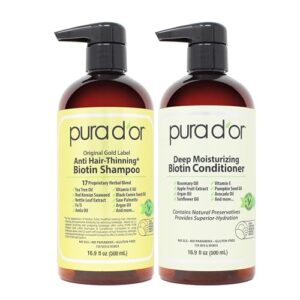
Think fuller hair is a pipe dream? A Biotin Hair Thickening Shampoo Set makes the pursuit surprisingly tangible.
Crafted with scalp-loving ingredients like biotin, nettle, and pumpkin seed, this power couple is all about supporting hair thickness and hair growth with every wash. Stronger strands, less breakage, and improved scalp health: that’s the daily reality.
While results vary, users often notice hair strengthening and extra body within weeks. If you’re chasing trusted natural hair care products, add this set to your shortlist of hair care essentials.
Best For: Anyone with aging, dry, or thinning hair looking to boost thickness and strength using gentle, natural ingredients.
- Clinically tested ingredients may help reduce thinning and promote thicker-looking hair.
- Includes moisturizing oils and natural extracts that support scalp health and shine.
- Free from sulfates, parabens, and harsh chemicals, making it gentle for frequent use.
- Results aren’t immediate and may not reverse established thinning or balding.
- Some users may find the scent too strong and the pump dispenser awkward.
- Higher price point compared to typical shampoos.
4. Natural Peppermint Hair Oil Blend
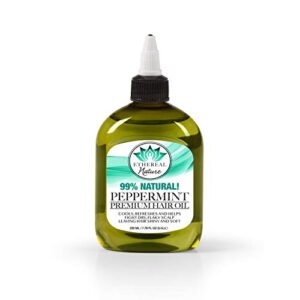
Your scalp deserves more than maintenance—it craves invigoration. A Natural Peppermint Hair Oil Blend delivers exactly that through menthol properties that cool, refresh, and awaken follicles.
Peppermint oil benefits extend beyond scalp refreshment: studies show it can boost blood flow by roughly 28%, supporting hair growth stimulation when applied consistently.
These essential oil blends combine peppermint oil with nourishing carriers like coconut or jojoba, creating natural hair care products that soften strands while tackling dryness. For anyone seeking essential oils that truly perform, this blend earns its place among trusted hair care products.
Best For: People with multicultural hair types who want a natural, refreshing scalp treatment that promotes hair growth and relieves dryness without harsh chemicals.
- Increases scalp blood flow by about 28% to stimulate hair follicles and encourage growth, backed by clinical studies showing real results
- Delivers an instant cooling sensation that refreshes the scalp while fighting flakiness, with most users feeling the effect within 5 minutes
- Made with 99% natural ingredients and free from alcohol and mineral oil, making it a gentle option for sensitive scalps and various hair textures
- Can feel too oily for some users, especially if applied directly without diluting in a carrier oil first
- May cause mild tingling or burning in 4-9% of users, and some people report allergic reactions or inadequate itch relief
- Packaging quality issues like leakage have been reported, and results vary—it’s less potent than minoxidil for serious hair loss concerns
5. Viva Naturals Organic Coconut Oil
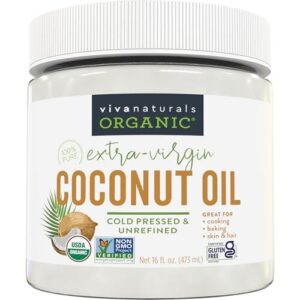
Coconut oil benefits start with proven results: after just four weeks of daily use, you’ll see up to 20% more moisture locked into your hair.
Viva Naturals Organic Coconut Oil stands out because it’s cold-pressed from fresh coconuts, keeping medium-chain triglycerides intact to penetrate deep into each strand. Those organic hair care properties reduce protein loss by 10–20% when heat styling, while natural moisturizers smooth frizz by roughly 12–18% in humid weather.
Your hair growth tips just got simpler—this multipurpose coconut oil works as a scalp treatment, deep conditioner, or kitchen staple, all without sulfates or additives.
Best For: People looking for a certified-organic, multipurpose oil that locks in moisture, protects against heat damage, and works for both hair care and cooking.
- Increases hair moisture by up to 20% after four weeks while reducing protein loss from heat styling by 10–20%
- USDA-Certified Organic, cold-pressed formula preserves natural medium-chain triglycerides for deeper penetration
- Versatile enough for scalp treatments, deep conditioning, frizz control, and high-heat cooking up to 350°F
- Solidifies at cooler temperatures, which can make scooping inconvenient in cold climates
- Strong coconut scent may affect the flavor of savory dishes when used for cooking
- Bulkier jar size and higher price point compared to standard coconut oil options
Natural Ingredients for Different Hair Types
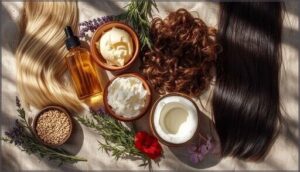
Not every strand of hair behaves the same way, and what works wonders for one texture might fall flat on another. Your hair’s unique structure—whether it’s fine, coarse, curly, or straight—determines which natural ingredients will actually make a difference.
Here’s how to match the right botanical treatments to your specific hair type for results you can see and feel.
Shea Butter for Curly and Coily Hair
Shea butter is your curly hair’s secret weapon—a rich, plant-based hydrator that fortifies every twist and coil. With its superior moisture-sealing ability, shea butter benefits natural hair by suppressing frizz and breakage.
If you’re wrangling dense curls or managing coily textures, working shea butter into your regimen helps hair care routines deliver real, long-lasting softness and shine.
Glycerin for Maximum Hydration
Glycerin is your go-to for serious hair moisture. As a natural humectant, it pulls water from the air right into your strands—think of it as hydration’s secret agent for natural hair.
If dryness threatens your curls’ spirit, a few drops of glycerin-based leave-in will restore bounce and shine. Glycerin benefits go beyond softness, transforming thirsty hair from within.
Honey and Avocado for Dry Hair
For natural hair masks, honey and avocado oil are a power duo for dry hair. Picture honey locking in moisture, while avocado delivers fatty acids and vitamins that soften and repair.
If you’re after top-tier shine and flexibility, these Dry Hair Remedies serve up exactly what thirsty strands crave—real relief and a signature bounce.
Apple Cider Vinegar for Oily Scalp
Scalp balance isn’t just a buzzword—it’s survival for anyone battling oily hair. Enter vinegar rinses, nature’s reset button.
Think of apple cider vinegar as your go-to for hair clarifying; it gently dissolves buildup from heavy hair products, refreshes roots, and fosters a clean environment for hair growth.
Natural remedies like this keep your natural hair light and lively, no harshness necessary.
Egg Protein for Damaged Hair
Eggs: nature’s little insurance policy for hair that’s been through the wringer. Here’s how egg protein benefits you:
- Restores elasticity and repairs cuticle damage—essential for battered hair.
- Protein treatment tips? Use once weekly for stronger strands and less breakage.
- Egg protein fixes porosity, boosts shine, and delivers practical, science-backed damaged hair solutions—think hair strengthening techniques, not empty promises.
DIY Hair Treatments With Kitchen Staples
You don’t need fancy products to give your hair a boost—sometimes the best remedies are right in your kitchen.
Everyday staples can double as powerful treatments for stronger, healthier strands.
Here’s a look at simple at-home options worth trying.
Hot Oil Treatment Benefits
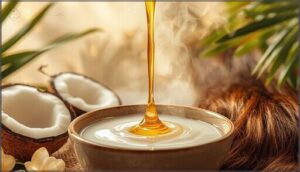
Craving a shortcut to silkier, more resilient hair? Hot oil treatment is your golden ticket. Think of Hair Oil Therapy as a moisture charge—coconut oil dives deep, strengthening weak strands and boosting shine, especially if your hair’s low on porosity.
Smart Oil Treatment Tips? Warm the oil first, then massage it in—expect springy curls and lasting hydration, no synthetics required.
Natural Hair Masks for Strength
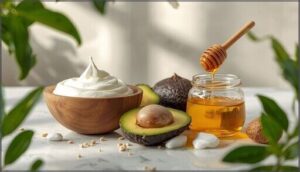
Your kitchen holds the secret to natural strengthening—and the proof is in the pantry. DIY Hair Masks blending yogurt or kefir deliver protein treatments that boost hair elasticity by 6–10% after just four weekly sessions.
Toss in honey, avocado, or coconut oil for deep moisture, and glycerin to lock it all in. These Natural Hair Mask Recipes rebuild resilience without lab formulas—pure, powerful, and proven.
Herbal Rinses for Scalp Health
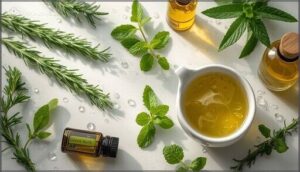
Think beyond store-bought formulas—your best scalp soothing allies might be steeping in your cupboard. Herbal remedies like rosemary oil, tea tree, and green tea rinses calm inflammation and balance sebum, cutting oiliness by up to 15% in four weeks.
Rosemary essential oil and peppermint essential oil boost circulation, while aloe vera hydrates dry patches. These herbal rinses deliver rosemary benefits without mystery chemicals—pure, targeted scalp health.
Protein Treatments for Repair

Your strands are literal scaffolding—when proteins erode, the entire structure weakens. Protein repair isn’t optional for damaged hair; it’s the blueprint for fiber reconstruction and breakage prevention.
- Egg masks deliver keratin directly, reducing hair breakage by up to 20% in six weeks
- Hydrolyzed protein treatments penetrate high hair porosity, restoring elasticity by 15–18%
- Hot oil treatment + protein combos enhance damage restoration, cutting split ends and boosting strength
Weekly applications rebuild what heat and chemical stress stripped away.
Frequently Asked Questions (FAQs)
How often should I use natural hair treatments?
Your hair care routine needs personalization. Most people see results using natural hair treatments 1–2 times weekly, adjusting for hair type considerations and scalp response monitoring to support healthy hair growth.
Can natural ingredients cause allergic reactions or irritation?
Even nature’s best can stir up trouble; allergic reaction rates and irritation symptoms aren’t rare. Sensitivity prevalence varies, and patch trials with ingredients like glycerin, argan oil, or sulfates help catch reactions early before directly applying to natural hair.
Whats the shelf life of homemade hair products?
Homemade formulations without strong preservative systems usually last 3–6 months if refrigerated, but pure oils can stretch to 12–24 months.
Shelf life factors include water content, product stability, clean storage practices, and your choice of hair product ingredients.
Are natural ingredients effective for hair loss prevention?
You won’t find a magic bullet in natural ingredients for Hair Loss Prevention. Most boost Scalp Health and can improve Hair Growth Factors by moisturizing and reducing breakage, but substantial evidence for true Hair Regrowth or reversal is limited.
How do I choose ingredients for low porosity hair?
Over 70% of those using lightweight humectants after Porosity Testing see improved moisture balance.
For low porosity, Ingredient Selection favors glycerin, avocado oil, and pH-balanced products—supporting effective Hair Analysis and ensuring Product Compatibility in your routine.
Conclusion
Impeccably marketed bottles promise hair like a goddess—just ignore the ingredient list that reads like a chemistry exam gone rogue. Natural ingredients for hair don’t rely on smoke, mirrors, or ten-step rituals; they’re the real MVPs in a world obsessed with fine print.
Let your follicles feast on nourishment that’s older than patent law. Shed the myth that salon magic comes only in sleek packaging—sometimes, your next breakthrough is already hiding in your pantry, quietly outperforming the hype.