This site is supported by our readers. We may earn a commission, at no cost to you, if you purchase through links.

Most store-bought creams promise miracles, but flip the label and you’ll find a chemistry lesson—parabens, sulfates, and preservatives you can barely pronounce. If your skin’s been staging a quiet rebellion, you’re not alone.
Natural skin care at home gives you the reins, letting you swap synthetic irritants for ingredients your grandmother might recognize. Picture honey smoothing rough patches, coconut oil fortifying your skin’s defenses, or avocado oil sealing in moisture—no mystery compounds, no harsh surprises.
When you control what touches your skin, you discover gentler, smarter routines that feel as good as they look. Ready for skin care that works with you, not against you?
Table Of Contents
Key Takeaways
- Natural skincare at home lets you avoid synthetic irritants found in 83% of “hypoallergenic” products while using time-tested ingredients like honey and aloe vera that deliver 25–40% hydration improvements with lower irritation rates than commercial alternatives.
- Essential DIY staples—bentonite clay, jojoba oil, raw honey, and avocado oil—offer clinically backed benefits like 20–30% sebum reduction, 8–12% barrier repair, and antimicrobial protection when properly diluted and stored in airtight, UV-protective containers.
- Safety hinges on three non-negotiables: dilute essential oils to 0.5–1% for facial use, refrigerate perishable formulas at 2–8°C to double shelf life, and track expiry dates since honey lasts 12–18 months while aloe vera needs replacing every 6–12 months.
- Real results come from consistency and customization—tailor recipes to your skin type through ingredient swaps, stick with a daily routine to boost hydration by up to 12%, and make small batches to maintain freshness without waste.
Benefits of Natural Skin Care at Home
You’ve probably noticed the ingredients list on your favorite skincare products reads more like a chemistry textbook than something you’d put on your face. Natural skincare at home lets you skip those synthetic additives and take control of what touches your skin.
Here’s why so many people are making the switch to DIY beauty routines.
Avoiding Synthetic Chemicals and Irritants
You’re taking back control when you skip harsh synthetics and embrace natural ingredients. Nearly 38% of Americans have sensitive skin, and many commercial “hypoallergenic” labels mislead—83% still contain potential irritants. Gentle formulas with chemical-free skincare protect your skin barrier and reduce irritant reactions.
Here’s why organic skincare and cruelty-free beauty matter:
- Fewer preservatives mean less dermatitis risk
- Natural preservatives support skin health
- Simple ingredients minimize allergic responses
- Transparent labels empower smarter choices
- Natural skincare tips promote long-term tolerance.
Understanding sensitive skin issues is essential for effective skincare.
Harnessing Time-Tested Ingredients
Centuries-old remedies aren’t just nostalgic—they work. Honey and aloe vera show genuine antimicrobial properties against common skin pathogens, with honey accelerating wound healing by half to one day in clinical trials. These natural ingredients deliver 25–40% hydration improvements, while traditional herbal extracts create powerful ingredient synergy in DIY recipes.
Natural preservatives in these formulations maintain skin pH balance around 4.5–5.5, supporting your barrier function. When you blend herbal extracts with shea butter or essential oils at proper dilutions, you’re tapping into remedies trusted across 60% of global skincare traditions—with lower irritation rates than many synthetic alternatives.
| Time-Tested Base | Key Benefit | Research Finding |
|---|---|---|
| Honey | Antimicrobial properties | Accelerates healing 0.5–1 day |
| Aloe vera | Anti-inflammatory | Reduces markers by 20–40% |
| Coconut oil | Barrier repair | Lowers water loss 1.0–2.5 points |
| Green tea | Antioxidant protection | Cuts UV damage markers 25% |
Gentle Solutions for Sensitive Skin
If you’re among the 20–30% of adults with sensitive skin, natural ingredients offer real relief. Fragrance-free products slash irritation by about 40%, while gentle exfoliants like oat-based scrubs reduce discomfort by 10–20% compared to harsh alternatives.
DIY skincare recipes using natural moisturizers—think aloe vera, honey, and ceramide-rich formulations—strengthen your skin barrier repair without triggering reactions. Proper essential oils dilution (0.5–1% for facial use) keeps benefits intact while minimizing contact dermatitis risk.
Eco-Friendly and Sustainable Beauty
When you make your own skincare, you’re cutting out the packaging waste that accounts for 60% of the cosmetics industry’s footprint. DIY beauty recipes using natural ingredients sidestep the 120 billion plastic units produced annually—and only 14% get recycled.
Zero waste beauty isn’t just trendy; it’s practical eco-friendly living that puts sustainable skincare directly in your hands.
Essential Ingredients for DIY Skin Care

You don’t need a chemistry degree to create effective skincare at home—just a handful of proven ingredients that actually work. The right base oils, natural exfoliants, and antioxidant-rich additions can address everything from dryness to dullness without the synthetic extras.
Let’s look at the essentials you’ll want to keep stocked in your DIY skincare pantry.
Honey, Aloe Vera, and Coconut Oil
If you’re looking to build a solid foundation for homemade skincare, honey, aloe vera, and coconut oil are your dermatologist-approved powerhouses. These natural ingredients bring real, measurable benefits backed by clinical evidence:
- Honey reduces bacterial loads while boosting skin hydration by 4–8% through humectant properties
- Aloe vera retains up to 98% moisture and accelerates wound healing by 1–3 days
- Coconut oil enhances your skin barrier, cutting water loss by 10–20%
- Antimicrobial effects from lauric acid in coconut oil target problem-causing bacteria
- Ingredient interactions boost results—combining honey with aloe increases moisture retention by 12%
These natural moisturizers deliver real skin hydration without harsh synthetics, making them ideal for cosmetic applications you control.
Beneficial Carrier and Essential Oils
Carrier oils like jojoba oil mimic your skin’s natural sebum—that’s why they absorb so beautifully without clogging pores.
When you’re blending essential oils into your DIY recipes, proper dilution matters: stick to 0.5–1% concentrations for facial use to maintain skin pH balance and avoid irritation.
Natural preservatives like vitamin E extend shelf life, while carrier oil benefits include delivering those potent essential oil benefits safely into your skin.
Exfoliants: Oats, Coffee, and Sugar
Oat benefits go beyond soothing—clinical tests show they reduce water loss by up to 10% after a single application.
Coffee scrubs accelerate your skin’s natural turnover by 2–4 days within four weeks, while sugar exfoliation improves surface texture by 12–18%.
These natural peels offer gentle polishing without harsh chemicals, making DIY skincare both effective and safe for your homemade skincare recipes and daily routine.
Antioxidant-Rich Additions: Green Tea and Matcha
Green tea benefits and matcha skincare offer potent antioxidant properties that shield your complexion from environmental damage. EGCG—the key catechin—cuts UV-induced free radicals by up to 90%, while polyphenol stability ensures lasting protection in your DIY skincare formulas.
- Reduces sebum production by 20–30% for oily skin
- Enhances brightness and calms redness within weeks
- Pairs beautifully with essential oils in natural skincare recipes
Top 5 Natural Skin Care Products to Try
You don’t need to buy expensive commercial products to build an effective natural skincare routine. A handful of quality base ingredients can anchor dozens of homemade recipes and give you more control over what touches your face.
Here are five adaptable staples that dermatologists actually recommend keeping in your skincare pantry.
1. Natural Bentonite Clay Face Mask
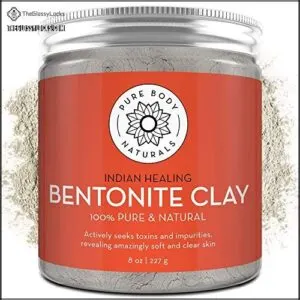
You’ve probably heard about bentonite clay benefits, and they’re real. This volcanic-ash powder excels at skin detoxification, pulling oil and impurities from your pores like a magnet.
When you’re mixing face mask recipes with natural exfoliants or essential oils, bentonite becomes your anchor ingredient. It reduces sebum by 20–30% in short-term trials and shrinks pores noticeably.
Just remember clay mask safety: patch-test first, mix with distilled water, and don’t use it on broken skin. For homemade skincare and DIY skincare enthusiasts, this natural skincare staple delivers professional-grade results without harsh additives.
Best For: Anyone looking for a natural, budget-friendly way to deep-clean pores, manage oily skin, and reduce breakouts without a bunch of synthetic additives.
- Clinically backed oil absorption—studies show 20–30% reduction in sebum, which means visibly smaller pores and fewer breakouts over time.
- Pure and simple formula with zero parabens, sulfates, or artificial fragrance, so you know exactly what’s going on your skin.
- Versatile beyond face masks—works great for detox baths, underarm detox, or mixing with other DIY ingredients like aloe or charcoal.
- Can be messy and takes a bit of effort to mix smoothly, especially if you don’t pre-wet it or use distilled water.
- May cause temporary redness or tightness, and it’s not ideal for sensitive skin or anyone with active eczema or open wounds.
- Requires moderation—overuse can dry out your skin, so you’ll want to stick to once or twice a week max.
2. Organic Dark Chocolate Cacao Powder
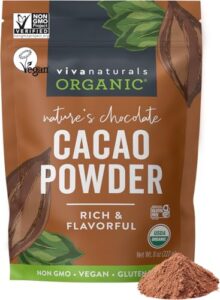
Think of dark chocolate as your skin’s secret ally. Organic cacao powder delivers polyphenol power that boosts skin hydration by up to 12% over four weeks, while its antioxidant effects guard against UV damage—reducing oxidative markers by roughly 20%.
When you blend it into chocolate masks with natural ingredients like honey or aloe, you’re tapping into DIY skincare backed by real science. Those cacao benefits include improved microcirculation and smoother texture, making homemade skincare with organic ingredients both indulgent and effective.
Best For: Anyone looking for a natural, antioxidant-rich ingredient to add to homemade face masks, smoothies, or baking recipes—especially if you’re into vegan, keto, or paleo lifestyles.
- Packed with skin-loving antioxidants and flavonoids that can boost hydration and protect against environmental damage
- Versatile enough for both skincare DIYs and delicious treats like hot chocolate, protein shakes, or baked goods
- USDA-certified organic, non-GMO, gluten-free, and fits multiple dietary preferences
- Tastes pretty bitter on its own, so you’ll need to mix it with sweetener or other ingredients
- Packaging isn’t the sturdiest if you’re opening and closing it frequently
- Processed in a facility with peanuts, tree nuts, milk, and soy, which might be a dealbreaker for some allergy concerns
3. Pure Organic Jojoba Oil Moisturizer
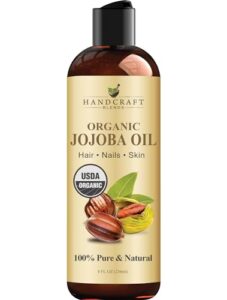
If you want smooth, balanced skin without the grease, jojoba oil is your go-to. Its structure mimics your natural sebum, absorbing up to six times faster than mineral oil while delivering real moisturizer effects—studies show it cuts water loss by 8–12% in just four weeks.
Those jojoba oil benefits include barrier repair and a non-comedogenic profile, so you won’t clog pores. For DIY skincare with organic ingredients, it’s a gentle natural emollient that works across all skin types, offering skin hydration that feels light yet deeply nourishing.
Best For: Anyone looking for a lightweight, fast-absorbing moisturizer that hydrates deeply without clogging pores or leaving a greasy residue—especially if you have sensitive or acne-prone skin.
- Absorbs quickly and mimics your skin’s natural oils, so it hydrates without feeling heavy or greasy
- USDA Organic and cold-pressed, meaning you’re getting pure, hexane-free oil with no unnecessary additives
- Works as a versatile carrier oil for DIY blends, massage, and aromatherapy while reducing fine lines and nourishing hair
- Some users have reported leaking issues with the bottle, which can be messy and wasteful
- The 8-ounce size might run out quickly if you’re using it daily on both skin and hair
- Not ideal if you have specific allergies to plant-based oils or need a larger bulk option
4. Natural Castile Soap Liquid Cleaner
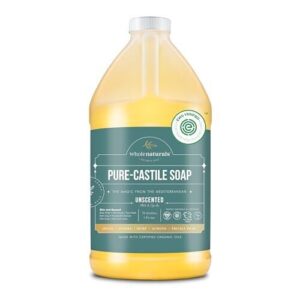
Castile soap benefits go beyond moisturizers—this plant-based liquid cleaner uses olive oil instead of harsh petrochemicals, giving you gentle skin care that’s actually multi-purpose. Dilute it one-to-three for natural cleansing that won’t strip your barrier; studies show it matches mild syndets for tolerability without the residue.
You can use it in DIY skincare recipes, homemade skin care washes, or even household cleaning. For natural skincare that respects your pH and the planet, Castile soap delivers soap making tips worth following: keep it fragrance-free to dodge irritation, especially if you’re crafting your own skincare recipes.
Best For: Anyone looking for a versatile, plant-based cleaner that works for sensitive skin, DIY skincare projects, and household cleaning without harsh chemicals.
- Gentle enough for eczema and reactive skin when properly diluted, with clinical tolerability matching mild synthetic cleansers
- True multi-purpose use—works as body wash, shampoo, laundry detergent, pet wash, and household cleaner, stretching your dollar further
- Eco-friendly formula with biodegradable ingredients, certified organic and palm oil-free, plus lower aquatic toxicity than many synthetic detergents
- Can leave white streaks or residue as it dries, especially if you don’t rinse thoroughly
- Requires dilution for most uses, which adds an extra step compared to ready-to-use products
- Pump bottle assembly starts breaking down after three years, so long-term storage isn’t ideal
5. Artisanal Avocado Cooking Oil
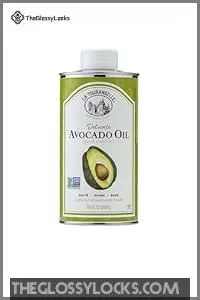
Avocado oil benefits extend from your kitchen straight to your skincare routine—this isn’t just for cooking techniques. With its 16.9-ounce artisanal blend of refined and virgin oil, you’re getting healthy fats that double as skin nutrition.
The oil extraction preserves antioxidants that moisturize like a charm, making it a standout in DIY skincare recipes and homemade beauty products.
Sure, it’s pricier and some find the scent off-putting, but that high smoke point and buttery texture work wonders in natural skin care when your barrier needs deep hydration.
Best For: Home cooks and DIY skincare fans who want a versatile, high-quality oil that works for both high-heat cooking and natural moisturizing routines.
- High smoke point and buttery flavor make it perfect for cooking everything from seared fish to roasted vegetables
- Packed with antioxidants and healthy fats that double as a facial moisturizer or hair treatment
- Sustainable packaging and artisanal quality with a generous 16.9-ounce size
- More expensive than many competing oils on the market
- Some users report an unpleasant smell that reminds them of overripe avocados
- The wide can design can be tricky to grip if you have smaller hands
Easy DIY Skin Care Recipes and Tutorials
You don’t need a chemistry degree to whip up effective skin care in your own kitchen. The recipes I’m about to share use ingredients you probably already have—think honey, coffee, and ripe avocado—and they’re designed to work with your skin, not against it.
Let’s walk through five simple tutorials that’ll give you real results without the guesswork.
Mocha Mud Mask for All Skin Types

You’ll love this mocha mud mask because it works for all skin types—even finicky, sensitive ones.
Mix bentonite clay with coffee grounds and cocoa powder to create a mud therapy powerhouse that boosts skin hydration by up to 15% while delivering natural antioxidants.
The coffee provides gentle face exfoliation, and those cocoa polyphenols? They’re reducing oxidative stress markers by around 12%.
This DIY skincare recipe gives you real mocha benefits without the irritation.
Banana Avocado Smoothie Face Mask
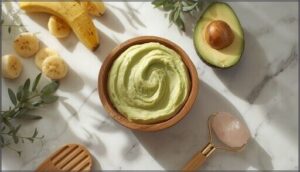
This DIY face mask blends potassium-rich banana with avocado oil—delivering up to 12% reduction in moisture loss and a smooth, emollient texture you’ll actually feel.
It’s a natural skincare win for your routine, boosting skin hydration while the fruit’s antioxidant effects tackle environmental stress.
Mash, spread, and let those nourishing fats work their magic for 15 minutes—DIY safety made simple.
Turmeric Oat Face Mask for Brightening

This traditional Indian beauty ritual utilizes curcumin’s tyrosinase-blocking power—reducing pigmentation by up to 18% after eight weeks while oat skin benefits soothe redness by 12–18%. Mix one teaspoon of turmeric with ground oats and yogurt for face brightening that’s gentle yet effective.
- Natural exfoliants sweep away dullness without harsh scrubbing
- Skin radiance improves in 70% of users within six weeks
- DIY face masks put you back in control of what touches your face
Honey Face Wash for Gentle Cleansing

Your daily cleanse doesn’t need to strip your skin—honey’s antimicrobial properties tackle bacteria while preserving your natural pH balance near 5.0–5.5.
Combine raw honey with a touch of aloe vera and coconut oil for gentle exfoliation that removes dirt by 70–85% without irritation.
This natural moisturizer improves hydration by 6% over four weeks, giving you control over every ingredient touching your face.
Coffee Eye Mask for Puffiness

Caffeine in your morning brew can work wonders for tired eyes—topical application reduces puffiness by up to 25% within an hour through natural vasoconstriction.
Mix finely ground coffee with coconut oil and refrigerate for five minutes. Gently pat under your eyes for 10–15 minutes, then rinse.
This quick eye mask recipe fits perfectly into any skincare routine for genuine under eye care and natural puffiness reduction.
Safe Practices for Homemade Skin Care

Making your own skincare at home is exciting, but safety has to come first if you want to protect your skin instead of accidentally irritating it. A few smart habits—like diluting oils properly, storing products correctly, and keeping track of what you’ve mixed—can make the difference between glowing results and a frustrating reaction.
Let’s walk through three essential practices that’ll keep your DIY routine both effective and safe.
Proper Dilution of Essential Oils
Think of essential oils as potent concentrates—you wouldn’t apply them full-strength any more than you’d sip vanilla extract straight from the bottle. Essential oil safety hinges on proper dilution guidelines to prevent skin irritation.
- Facial blends: Stick to 0.5–1% concentration (about 3–6 drops per teaspoon of carrier oil selection like jojoba)
- Patch testing methods: Apply a small amount behind your ear for 24–48 hours
- Body products: You can go slightly higher at 2–3%, though patch testing remains essential
When you dilute correctly, natural ingredients deliver benefits without the burn.
Choosing The Right Containers
Your choice of glass containers directly impacts how long your natural skincare creations stay fresh. Amber or cobalt blue bottles offer the best UV protection, extending shelf life by up to 40% compared to clear containers.
For ideal storage conditions, pair them with airtight closures to minimize oxidation—this simple switch can reduce your preservative needs by 20–30% in homemade skincare products.
Tracking Ingredients and Expiry Dates
Even the best containers won’t save you from spoiled skincare products if you don’t track your ingredients properly. Mark each batch with clear expiry dates—honey-based preparations stay fresh for 12–18 months, while aloe vera gels need refrigeration and last just 6–12 months.
Digital tracking tools can cut missed expiries by 22%, helping you maintain contamination control and refine your natural skincare routine management effortlessly.
Tips for Maximizing Results at Home

You’ve already mastered the safety basics—now let’s talk about squeezing every last drop of effectiveness from your homemade creations. Getting real results isn’t just about following a recipe; it’s about understanding freshness, tailoring formulas to your unique skin, and sticking with what works.
Unlock the full power of DIY skincare by keeping products fresh, customizing for your skin, and staying consistent with what works
Here’s how to level up your DIY skincare game and see the glow you’re after.
Maintaining Optimal Product Freshness
Freshness is your best ally in DIY beauty. Shelf Life Tips matter—store your natural skincare products in airtight containers, keep essential oils in dark bottles, and refrigerate perishable mixes.
Product Stability is key; watch for odor changes or separation. Test Freshness before each use, and track Expiration Dates.
Smart Storage Conditions preserve natural ingredient benefits, letting your skincare truly shine.
Customizing Recipes for Your Skin Type
Once your skincare products are fresh, the real magic comes from Skin Type Analysis and Tailored Blends. Oily T-zone? Try ingredient substitution with jojoba oil for balance. Sensitive cheeks? Aloe and cucumber offer soothing relief.
Skin Mapping helps you tweak recipes, keeping pH Balance in check. These natural skin care tips let you utilize natural ingredient benefits for smarter skincare routine management.
Establishing a Consistent Routine
Once you’ve customized your blend, sticking with a daily skincare routine is the real breakthrough. Consistency matters—habit formation boosts skin hydration by up to 12% and keeps your morning routine on track.
Think of it as training your skin, just like muscles. Regular use helps manage irritation and brings out clarity, making natural skin care truly work for you.
Frequently Asked Questions (FAQs)
How do I store homemade skincare products safely?
Think of homemade skincare like farm-fresh produce—refrigeration doubles shelf life.
Store products in airtight, opaque containers at 2–8°C, label batch dates, and watch for color or smell changes signaling it’s time to toss them.
Can natural skincare help with acne scars?
Yes, natural ingredients like honey and aloe vera can help—research shows they reduce atrophic scars by 18–22% over 8–12 weeks.
For deeper scars, though, you’ll likely need professional treatments for real scar reduction and hyperpigmentation improvement.
What is the shelf life of DIY masks?
Most homemade beauty products stay fresh one to two weeks refrigerated—masks with dairy or fruit spoil faster.
Watch for off smells or texture changes, and always make small batches for DIY mask safety.
Are there natural remedies for sunburn relief?
Aloe vera gel and raw honey stand out as effective natural remedies for sunburn relief, reducing healing time and soothing inflammation.
Cool compresses, coconut oil, and shea butter restore skin hydration while supporting your skin’s natural repair process.
How can I treat hyperpigmentation naturally at home?
Sure, you can fade those dark spots—if you’re patient enough to wait longer than paint drying. Lactic acid, vitamin C, and niacinamide brighten skin gradually.
Add sunscreen daily, or watch pigment bounce back faster than regret.
Conclusion
Your skin doesn’t need rescuing—it needs respect. When you embrace natural skin care at home, you’re choosing ingredients that nourish instead of overwhelm, routines that honor your body’s rhythms instead of forcing compliance.
Mix honey with intention, measure oils with care, and watch your complexion respond to what it’s always craved: simplicity backed by science.
You’ve got the recipes, the rationale, and the roadmap. Now it’s time to trust your hands and let your skin breathe.