
This site is supported by our readers. We may earn a commission, at no cost to you, if you purchase through links.
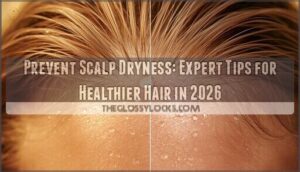
Your scalp sheds about 500,000 skin cells every day, but when it’s dry, that number spikes—and you’ll notice. Winter’s indoor heating and summer’s UV exposure both strip away the protective oils your scalp produces, leaving behind that telltale tightness, flaking, and sometimes unbearable itch.
I’ve seen patients scratch so persistently they create micro-wounds that compound the problem. The good news? Most cases of scalp dryness don’t require prescription treatments. Simple adjustments to your washing routine, targeted moisturizing techniques, and a few daily habits can restore your scalp’s natural moisture barrier within two to three weeks.
Table Of Contents
- Key Takeaways
- Key Causes of Scalp Dryness
- How to Adjust Your Hair Wash Routine
- Best Moisturizing Techniques for Scalp Health
- Daily Habits to Prevent Scalp Dryness
- When to Seek Professional Scalp Care
- Frequently Asked Questions (FAQs)
- How often should I wash my hair if I have a dry scalp?
- What exactly causes a dry scalp?
- Can swimming pools worsen dry scalp symptoms?
- Does hair dyeing contribute to scalp dryness?
- Are humidifiers effective for preventing dry scalp?
- Can certain medications cause scalp dryness issues?
- Does wearing hats frequently dry out scalp?
- Conclusion
Key Takeaways
- Your scalp sheds up to 500,000 skin cells daily, but dryness spikes that number—triggered by hot water, overwashing, harsh sulfates, and environmental factors like low humidity and UV exposure that strip protective oils faster than your body replaces them.
- Switch to sulfate-free shampoos with gentle surfactants like decyl glucoside, wash only 2-3 times weekly with lukewarm water, and add weekly treatments with natural oils like jojoba or coconut to restore your scalp’s moisture barrier within 2-3 weeks.
- Hydration starts from within—aim for 2.7 to 3.7 liters of fluids daily and load up on zinc, magnesium, and omega-3s from leafy greens, nuts, and salmon to strengthen your scalp’s natural defenses against dryness.
- Persistent redness, oozing scabs, or flakes that won’t budge after two weeks of home treatment signal it’s time to see a dermatologist, as these symptoms may indicate infections, eczema, psoriasis, or fungal conditions requiring prescription treatments beyond basic moisturizing.
Key Causes of Scalp Dryness
Understanding what’s causing your dry scalp is the first step toward fixing it. The triggers range from things you can control, like your hair care routine, to factors that need a bit more attention, like your overall health.
Sometimes the issue isn’t dryness at all—it’s buildup or an imbalance that leads to scalp odor and other unexpected symptoms that mimic dryness but require different treatment.
Let’s break down the five main culprits behind scalp dryness so you know exactly what you’re dealing with.
Environmental and Weather Factors
Beyond your bathroom routine, the weather outside plays a bigger role in scalp health than most people realize. Humidity, temperature swings, and air quality directly affect how your scalp retains moisture and reacts to stress.
- Low humidity accelerates moisture loss, leaving your scalp tight and flaky
- Indoor heating during winter creates a dry microclimate that worsens dryness
- Pollutants and particulate matter accumulate on your scalp, triggering irritation
- UV rays degrade natural oils, especially during summer or reflective winter days
- Temperature shifts between seasons disrupt your scalp’s oil balance and sensitivity
Hair Care Products and Ingredients
Your shampoo might be sabotaging your scalp. Many hair care products contain lauryl or laureth sulfates—strong foaming agents that strip away protective oils, especially if you’re already prone to dryness. Look for sulfate alternatives like decyl glucoside or sodium cocoyl isethionate. These gentle shampoos cleanse without harsh disruption.
| Ingredient Type | What to Look For | What to Avoid |
|---|---|---|
| Surfactants | Decyl glucoside, Sodium cocoyl isethionate | Lauryl sulfate, Laureth sulfate |
| Humectants | Glycerin, Panthenol, Hyaluronic acid | High-concentration propylene glycol |
| Moisturizing Oils | Jojoba oil, Argan oil, Coconut oil | Mineral oil in excessive amounts |
| Proteins | Hydrolyzed keratin, Silk peptides | Heavy collagen in fine hair formulas |
| Additives | Vitamin E, Niacinamide, Aloe vera | Synthetic fragrances, Alcohol denat |
Natural ingredients like panthenol improve moisture retention, while jojoba oil mimics your scalp’s own sebum without clogging pores.
To learn more about the benefits of sulphate-free shampoos and gentle surfactants, explore the latest research from hair care experts.
Pair your conditioner with a weekly scalp treatment containing hyaluronic acid or urea at low concentrations—they hydrate while gently exfoliating flakes. A targeted scalp serum with vitamin E protects against oxidative stress between washes. Your hair moisturizer should complement, not compete with, your scalp’s natural oil production.
Overwashing and Hot Water Exposure
Hot water feels soothing, but it’s wrecking your scalp pH balance. Each wash strips essential lipids like ceramides, accelerating moisture loss and flakiness.
Hot water may feel soothing, but it strips your scalp’s essential lipids and wrecks its pH balance with every wash
When you overwash—especially with harsh shampoos—you create repeated wetting-drying cycles that irritate sensitive skin and worsen itchiness.
Lower your water temperature to lukewarm and cut back to two or three washes weekly. This simple dryness prevention strategy protects your scalp’s natural barrier.
For a deeper dive into how temperature affects skin, see this explanation of water temperature’s impact on skin.
Nutrition and Hydration Levels
What you eat and drink shapes your scalp health from the inside out. Aim for 2.7 to 3.7 liters of fluids daily—hydration basics that support every cell, including hair follicles.
Beyond water intake, strategies to hydrate your scalp include adjusting shower temperature and adding nutrient-rich foods that nourish follicles directly.
Load up on mineral-rich foods like leafy greens and nuts for zinc and magnesium, which strengthen your scalp’s moisture barrier. Carbohydrate intake helps bind water in tissues, boosting fluid retention and hair nourishment naturally.
Underlying Skin Conditions
Eczema symptoms like red patches or psoriasis treatment needs often hide behind what looks like simple dryness.
Dermatitis causes include defective skin barriers that lose moisture fast, while lichen planus can trigger scarring if ignored.
Even ringworm infection presents as scaly spots with hair loss. These skin conditions need dermatology expertise—not just better shampoo—to protect your scalp from lasting damage.
How to Adjust Your Hair Wash Routine

Your hair wash routine might be sabotaging your scalp health without you even realizing it.
The good news? A few simple tweaks can make all the difference between constant flaking and a comfortable, balanced scalp. Let’s walk through the key adjustments that’ll help you break the cycle of dryness.
Optimal Washing Frequency
Finding the right hair wash rhythm isn’t one-size-fits-all—your scalp tells you what it needs. For dry scalp, washing every 2 to 3 days maintains scalp balance without stripping natural oils that protect hair moisture.
Listen to your body:
- Stretch to 4+ days between washes if you’re experiencing tightness or flaking
- Post-workout? Gentle cleansing removes irritating sweat and bacteria
- Use lukewarm water—hot showers worsen dryness and compromise scalp health
Choosing Gentle, Sulfate-Free Shampoos
Your scalp thrives when you swap harsh detergents for sulfate-free shampoo formulas. These gentle cleansing alternatives protect your scalp’s natural moisture barrier without stripping essential oils.
Look for fragrance-free options with moisturizing ingredients like glycerin or panthenol—they maintain scalp pH balance around 5.5, matching your skin’s natural acidity. This smart hair care switch reduces irritation while supporting long-term scalp health.
Using Lukewarm Water
Hot water might feel relaxing, but it’s stripping your scalp’s natural oils. Switch to lukewarm water—around 90 to 110 degrees Fahrenheit—to preserve moisture balance and reduce irritation.
This gentle rinsing temperature promotes scalp hydration without harsh drying effects. Your hair care routine becomes more effective when lukewarm water helps moisturizing shampoos work their magic without triggering sensitivity. Think of it as your scalp’s comfort zone.
Avoiding Overuse of Styling Tools
Your blow dryer and flat iron can sap moisture faster than winter wind. Heat styling tools reach 300 to 365 degrees Fahrenheit—well beyond what your scalp tolerates daily. Limit sessions to 2–3 days weekly and always apply protective sprays containing silicone or ceramides beforehand.
Smart thermal damage prevention includes:
- Setting hair dryers to medium heat instead of maximum
- Using leave-in moisturizers before any heat exposure
- Implementing no-heat days for hair recovery
- Cooling your scalp with a blast of cool air after styling
- Tracking your styling frequency to spot patterns
Consistent heat protection transforms your hair care routines and prevents scalp irritation solutions from becoming necessary Band-Aids.
Best Moisturizing Techniques for Scalp Health
Keeping your scalp properly moisturized doesn’t have to feel complicated or expensive. A few targeted techniques can make a real difference in how your scalp feels and how healthy your hair looks.
Here are four proven methods that work together to restore moisture and keep dryness at bay.
Deep Conditioning Treatments
Deep conditioning treatments work like a tall glass of intense hydration for parched hair—they deliver intense hydration exactly where you need it. Look for formulas with humectants like glycerin or hyaluronic acid to lock in moisture balance.
Apply to towel-dried hair, focusing on mid-lengths and ends. Use a heat cap for 15-20 minutes to boost absorption, then rinse thoroughly with lukewarm water.
Natural Oils and Their Application

Plant-based moisturizing oils offer natural moisture your scalp craves. Coconut oil penetrates deeply to hydrate from within, while jojoba mimics your skin’s natural sebum.
For best results:
- Warm the oil slightly between your palms before applying
- Massage into your scalp for 1-3 minutes to boost circulation
- Leave on for 20-30 minutes, then rinse with a gentle shampoo
Use once or twice weekly to moisturize without buildup.
Scalp Masks and Leave-in Conditioners

Scalp masks deliver intense hydration when oils alone aren’t enough. Look for formulas with hyaluronic acid or glycerin—they lock moisture into your scalp for up to 24 hours.
| Product Type | Key Benefits |
|---|---|
| Scalp Mask | Deep hydration 1-2 times weekly |
| Leave-In Conditioner | Daily moisture without heaviness |
| Nourishing Mask | Soothes irritation with aloe vera |
| Lightweight Leave-In | Thermal protection during styling |
| Weekly Treatment | Strengthens scalp barrier with vitamin E |
Leave-in conditioners work differently—they provide ongoing protection without rinsing, keeping your scalp comfortable between washes.
Scalp Massages for Improved Circulation

Beyond topical treatments, your fingertips can work wonders. Scalp massage techniques boost blood flow stimulation, delivering nutrients directly to follicles while providing scalp tension relief.
Use gentle circular motions for 3–5 minutes daily—pair with massage oil benefits like diluted rosemary or jojoba for extra hydration. This simple ritual promotes scalp health, reduces dry scalp symptoms, and offers gentle exfoliation methods without harsh scrubbing.
Daily Habits to Prevent Scalp Dryness
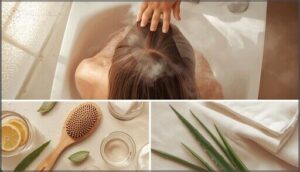
Your everyday choices make a real difference in keeping your scalp healthy and hydrated. Small adjustments to your routine can prevent dryness before it starts, saving you from discomfort down the road.
Let’s look at four simple habits that protect your scalp from the inside out.
Staying Hydrated Throughout The Day
Your scalp health starts from within—water intake isn’t just for thirst. Aim for 2.7 to 3.7 liters of total water intake daily to support hydration benefits and fluid retention. Sip consistently throughout the day rather than waiting until you’re parched.
Electrolyte balance matters too, especially after sweating, so consider water-rich foods like cucumbers and oranges. Daily hydration fuels circulation, helping deliver moisture directly to your scalp and preventing dry scalp before it starts.
Maintaining a Balanced Diet
Nutrient intake directly influences scalp health—your follicles need fuel to thrive. Focus on macronutrient balance: include lean proteins for keratin production, omega-3 fatty acids from salmon or walnuts for anti-inflammatory benefits, and zinc-rich foods like pumpkin seeds.
Meal planning with colorful vegetables ensures vitamins A and E reach your scalp. If healthy eating falls short, dietary supplements targeting hair health can bridge gaps and combat dry scalp effectively.
Protecting Scalp From Harsh Weather
When frigid air or blazing sun threatens scalp health, think of protection as your first defense. Shield your scalp from harsh weather using these dry scalp remedies:
- Weather Shielding: Wear breathable hats to reduce wind exposure by up to 50 percent without trapping moisture.
- Cold Protection: Choose soft cotton scarves to minimize friction and prevent scalp irritation.
- UV Defense: Apply sunscreen-infused serums every two hours outdoors.
- Humidity Control: Use humidifiers indoors during dry months.
- Wind Guard: Cover exposed areas with lightweight, windproof fabrics.
These scalp health tips keep environmental damage at bay.
Reducing Stress and Its Effects on Scalp
When tension runs high, your scalp pays the price. Stress management directly impacts scalp health by lowering cortisol levels that trigger dry scalp and scalp irritation.
Try mindful breathing for 10 minutes daily—it reduces hormone imbalance and promotes scalp relaxation. Pair this with 7 to 9 hours of quality sleep for cortisol reduction.
Regular exercise boosts blood flow, delivering nutrients for effective hair care and scalp soothing.
When to Seek Professional Scalp Care
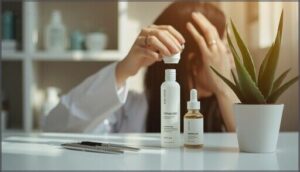
Most dry scalp issues respond well to the home care strategies we’ve covered, but sometimes your scalp needs more than gentle shampoos and hydration.
Knowing when to call in a dermatologist can save you weeks of frustration and prevent minor problems from becoming serious conditions. Let’s look at the warning signs that it’s time to seek professional help.
Persistent Dryness and Severe Irritation
When chronic redness won’t budge and your itchy scalp keeps you up at night, it’s time to see a dermatologist.
Persistent dryness remedies that fail after two weeks signal deeper scalp inflammation or barrier dysfunction. Severe irritation causes like stubborn flake prevention issues, relentless scalp exfoliation needs, or worsening dandruff require professional evaluation to restore scalp health and rule out underlying conditions.
Signs of Infection or Scabbing
If you notice oozing, crusted patches, or tender scabs on your scalp, don’t brush it off—these are red flags that an infection may have taken hold. Watch for these warning signs requiring immediate scalp health evaluation:
- Yellow or green drainage suggesting bacterial scalp infection
- Severe scalp inflammation with spreading redness and warmth
- Painful scabs that worsen despite itch relief and flake treatment attempts
Picking at scabs delays healing and risks scarring.
Differentiating Between Dry Scalp and Dandruff
You can tell dry scalp from dandruff by examining your scalp flakes closely.
Dry scalp produces small, white flakes with tight skin—itch relief often comes from adding moisture.
Dandruff creates larger, oily yellowish flakes caused by excess oil and yeast overgrowth, requiring targeted dandruff prevention shampoos.
Understanding these flake types guides proper dry scalp treatment and restores scalp health effectively.
Treatments Available From Dermatologists
When home remedies don’t work, your dermatologist can prescribe medicated shampoos with ketoconazole for dandruff treatment or topical steroids for severe inflammation.
Antifungal creams target stubborn infections, while laser therapy reduces persistent irritation.
For tough cases, chemical peels and microdermabrasion resurface flaky scalp areas. Professional scalp treatment restores scalp health when standard dry scalp treatment falls short.
Frequently Asked Questions (FAQs)
How often should I wash my hair if I have a dry scalp?
Think of your scalp like thirsty soil—overwatering won’t help.
Wash every 2 to 4 days with gentle shampoos and lukewarm water to maintain hair moisture without stripping natural oils essential for scalp health.
What exactly causes a dry scalp?
Dry scalp happens when your skin loses moisture faster than it can replenish. Harsh chemicals, overwashing, hot water, dry air effects, and genetic predisposition all strip natural oils, leaving your scalp tight and flaky.
Can swimming pools worsen dry scalp symptoms?
Swimming pools can absolutely turn your scalp into a flaky desert. Chlorine effects strip natural oils, triggering scalp irritation and itchy scalp symptoms.
Pool chemicals worsen existing dryness, making swim cap benefits and dry scalp prevention essential.
Does hair dyeing contribute to scalp dryness?
Yes, hair dye chemicals can definitely dry out your scalp. Peroxide and ammonia strip protective oils, triggering scalp irritation and itchy scalp symptoms.
Color damage often worsens without proper dryness prevention and hair moisturizing routines.
Are humidifiers effective for preventing dry scalp?
Absolutely. Running a humidifier raises indoor humidity to 40-60 percent, which reduces transepidermal water loss from your scalp.
This moisture balance helps prevent flaking and itchy scalp, especially during dry heating seasons.
Can certain medications cause scalp dryness issues?
An ounce of prevention beats a pound of cure. Certain prescription interactions do trigger scalp dryness—isotretinoin, antihistamines, and diuretics commonly strip moisture.
Medication side effects require scalp health maintenance through gentle treatments addressing underlying scalp conditions and pharmaceutical impacts.
Does wearing hats frequently dry out scalp?
Hats don’t directly cause dryness, but friction from frequent wear can irritate your scalp and worsen existing dry scalp conditions.
Choose breathable hat materials like cotton to minimize scalp irritation relief issues and maintain better scalp health maintenance.
Conclusion
Studies show your scalp produces up to 2 grams of natural oil daily—but harsh products strip it away faster than your body can replace it.
The prevent scalp dryness tips you’ve learned here work because they respect that delicate balance. Swap sulfate shampoos for gentler alternatives, reduce washing frequency, and add weekly oil treatments.
You’ll notice tightness fading within days. Your scalp has everything it needs to heal itself—you just need to stop interfering with the process.