This site is supported by our readers. We may earn a commission, at no cost to you, if you purchase through links. This content is for general informational and educational purposes only and is not a substitute for professional medical, dermatological, or nutritional advice.

About 4% of people who undergo patch testing react to common hair dye ingredients—a number that climbs higher among those with existing skin sensitivities. If you’ve ever faced redness, itching, or swelling after coloring your hair, you’re not dealing with a minor inconvenience. You’re experiencing an allergic reaction to chemicals that millions use without a second thought.
The culprits often hide behind technical names like PPD and ammonia, compounds designed to help color penetrate your hair shaft but that can wreak havoc on reactive skin.
Fortunately, safe hair color options for sensitive scalp have evolved beyond the limited palette of a decade ago. From plant-based formulas to ammonia-free innovations, you now have access to products that deliver vibrant results without triggering inflammation.
Understanding which ingredients to avoid and which alternatives actually work transforms hair coloring from a dreaded gamble into a manageable routine.
Table Of Contents
- Key Takeaways
- Safe Hair Dye Options
- Hair Dye Allergy Symptoms
- Top 10 Safe Hair Colors
- 1. Madison Reed Ravenna Brown Permanent Hair Dye
- 2. oVertone Rose Gold Coloring Conditioner Brown Hair
- 3. Herbatint Light Brown Organic Henna Hair Dye
- 4. Good Dye Young Semi Permanent Copper Orange Hair Dye
- 5. Manic Panic Hot Hot Pink Semi Permanent Hair Dye
- 6. Light Mountain Natural Black Henna Hair Color
- 7. Everpro Gray Away Black Dark Brown Root Touch Up Stick
- 8. Dongsung Herb Speedy Soft Black Hair Dye
- 9. Zenotri Hwi Light Brown Hair Dye Powder 8 Pack
- 10. Schwarzkopf Simply Color Medium Brown Permanent Hair Dye
- Choosing Right Hair Color
- Sensitive Scalp Care
- Hair Color Maintenance
- Frequently Asked Questions (FAQs)
- What hair dye is safe for sensitive scalp?
- How to color hair with sensitive scalp?
- How can I cover my grey hair if I am allergic to hair dye?
- What hair dye doesn t make your scalp itch?
- Can I dye hair during pregnancy safely?
- How often should I touch up roots?
- Are natural dyes really better options?
- Can I use henna on bleached hair?
- Do hair dyes cause long term damage?
- How often should sensitive scalps dye hair?
- Conclusion
Key Takeaways
- About 4% of patch-tested people react to common hair dye chemicals like PPD and ammonia, but you can avoid these triggers entirely by choosing formulas specifically labeled ammonia-free and PPD-free—products like Madison Reed, oVertone, and plant-based henna options deliver color without the inflammation.
- Contact dermatitis from hair dye shows up as red, itchy patches within 48 hours of application, but you’ll catch problems early if you patch test behind your ear 48 hours before every coloring session—even “gentle” formulas can provoke reactions in sensitive individuals.
- Semi-permanent and temporary dyes work on your hair’s surface without harsh oxidizers, making them safer bets for sensitive scalps than permanent color, though you’ll trade longevity (4-12 washes versus months) for reduced irritation risk.
- Spacing dye sessions 6-8 weeks apart, using sulfate-free shampoos, and applying barrier cream along your hairline protects your scalp between colorings while keeping your results vibrant—rushing touch-ups before your skin recovers invites unnecessary reactions.
Safe Hair Dye Options
If you have a sensitive scalp, choosing the right hair dye means knowing what to avoid. Certain chemicals commonly found in hair color products can trigger reactions ranging from mild irritation to more serious allergic responses.
Understanding these triggers helps you make safer choices and protects your scalp from unnecessary discomfort.
Chemical Triggers and Allergic Reactions

Sensitivity is more than a nuisance—it’s your body’s way of sounding the alarm. Chemical irritants in hair dyes, like PPD and oxidizers, can trigger allergic reactions from mild itching to severe swelling. Oxidative stress and repeated exposure raise your sensitization risks, especially if you’ve had a PPD allergy or sensitive scalp before.
Sensitivity is your body’s alarm system—hair dye chemicals like PPD and oxidizers can trigger reactions from mild itching to severe swelling
Choosing AmmoniaFree and PPDfree options makes a real difference. Always patch test first. If you want to avoid Hair Dye Allergy, consider plant-based alternatives like henna for gentler results.
For a step-by-step approach that balances color payoff with scalp sensitivity, this guide to coloring your beard at home safely walks through picking the right formula for your skin.
Understanding hair dye risks is vital for making informed decisions about hair color products.
Common Irritants in Hair Dyes

Beyond PPD, other chemical triggers lurk in your bottle. Oxidizing agents like hydrogen peroxide and bleaching persulfates can spark inflammation—over 90% of powder bleaches contain them. Fragrance allergens appear in 97% of shampoos, amplifying PPD-free formulas’ irritation risk. Preservatives and ammonia add to the dye sensitizers burden. For true hypoallergenic protection on your sensitive scalp, scrutinize every ingredient:
- PPD and related aromatic amines trigger reactions in roughly 4% of patch-tested patients
- Ammonia opens cuticles but irritates skin; choose ammonia-free alternatives
- Hydrogen peroxide oxidizes pigment yet dries hair and scalp with repeated use
- Persulfate salts in bleach can cause respiratory and skin hypersensitivity
- Fragrance compounds act as co-irritants, worsening hair dye allergy symptoms.
Understanding cosmetic regulations is vital for making informed decisions about hair dye safety.
Preventing Allergic Reactions

After sorting through common irritants, the next step is Patch Testing. Apply a small amount of dye behind your ear and wait 48 hours. This helps you spot Hair Dye Allergy before it spreads.
For true Risk Mitigation, choose Hypoallergenic and Gentle Formulas—look for Hair Dye for Sensitive Skin labeled ammonia-free and PPD-free. Allergen Avoidance keeps your Sensitive Scalp safe.
Hair Dye Allergy Symptoms

Recognizing the warning signs of a hair dye allergy can save you from a painful or even dangerous reaction. Your body will send clear signals when something isn’t right, from mild irritation to severe systemic responses.
Let’s break down what to watch for so you can catch problems early and protect yourself.
Contact Dermatitis
Contact dermatitis from hair dye shows up as red, itchy patches on your scalp, hairline, or neck—sometimes spreading to your face and hands. About 98% of people with hair dye allergy develop this eczema-like reaction. Watch for these warning signs:
- Redness and swelling at application sites within 48 hours
- Itchy, weeping patches that crust over
- Scalp irritation extending to ears and forehead
- Hand dermatitis from direct dye contact
- Persistent eczema lasting days after coloring
Patch testing before dyeing helps identify allergic reactions early, protecting your sensitive scalp from unnecessary skin irritation.
Anaphylaxis
Urgency matters in cases of anaphylaxis—think sudden facial swelling, breathing trouble, or faintness after using hair dye for a sensitive scalp. These severe reactions demand swift emergency response and medical treatment.
Allergic triggers like PPD can turn a routine coloring session into a crisis. Know the anaphylaxis symptoms, act fast, and prioritize allergy prevention to protect yourself.
Identifying Allergic Reactions
Recognition starts with watching your skin closely. Hair dye allergy symptoms often show up 12–72 hours after application—redness, intense itching, swelling, and sometimes oozing or crusting on your scalp, face, or neck. Patch testing 48 hours beforehand catches sensitivity factors before full application.
If you notice burning, dermatitis signs, or spreading skin irritation, stop immediately. Allergy prevention beats scrambling for relief later.
Top 10 Safe Hair Colors
You don’t have to sacrifice color for comfort. These ten products offer safer formulations that reduce your risk of irritation while delivering the results you want.
Let’s look at what makes each one worth considering for your sensitive scalp.
1. Madison Reed Ravenna Brown Permanent Hair Dye
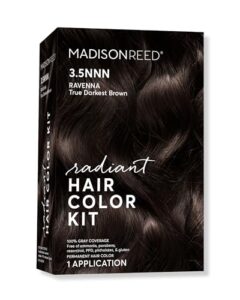
Choosing the right hair dye for a sensitive scalp doesn’t mean sacrificing results. Madison Reed Ravenna Brown delivers 100% gray coverage that lasts while staying free from ammonia, PPD, and other common irritants.
This dermatologist-tested formula earned an 82% top allergen-free rating, and its blend of keratin, argan oil, and ginseng root extract actually nourishes your hair during coloring. However, be aware that it contains ethanolamine and toluene-2,5-diamine sulfate—gentler alternatives, yes, but not entirely risk-free.
Product safety remains paramount: always patch test 48 hours before full application to protect yourself.
Best For: Anyone with a sensitive scalp looking for permanent gray coverage without ammonia or PPD, who’s willing to patch test first and accepts that “gentler” doesn’t mean risk-free.
- 100% gray coverage that actually lasts, with keratin, argan oil, and ginseng root extract conditioning your hair as it colors
- 82% top allergen-free rating and dermatologist-tested, skipping ammonia, PPD, parabens, and a bunch of other harsh chemicals
- Salon-quality results at home for $35, with multi-dimensional color that leaves hair soft and shiny
- Contains ethanolamine and toluene-2,5-diamine sulfate—PPD alternatives that can still trigger reactions in sensitive individuals (up to 50% of PPD-allergic users)
- Mixed reviews on consistency, with some users reporting patchy coverage, hair loss, or scalp irritation despite the “gentle” claims
- Pricier than drugstore options and may not work well on long or previously colored hair
2. oVertone Rose Gold Coloring Conditioner Brown Hair
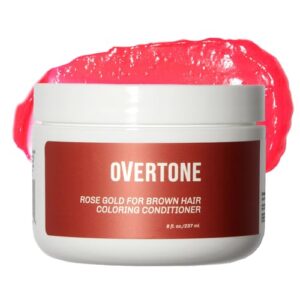
When permanent dyes feel too harsh, this semi-permanent coloring conditioner offers a gentler path forward. oVertone’s Rose Gold formula is 91% free of top allergens and contains no ammonia, peroxide, or PPD—making it a standout hair dye for sensitive scalp.
The natural ingredients like coconut oil, avocado oil, and peppermint provide soothing moisture while depositing color. You’ll get subtle rose gold shade enhancement on brown hair through simple hair toning without the burn.
Still, patch test 48 hours beforehand—even gentle conditioners with plant-based colorants can occasionally trigger reactions in particularly reactive skin.
Best For: People with brown hair who want temporary rose gold tones without the damage of permanent dye, especially those with sensitive scalps looking for a gentler coloring option.
- Free from harsh chemicals like ammonia, peroxide, and sulfates while packed with nourishing oils that actually condition your hair
- Lasts up to 4 weeks and fades evenly without harsh color lines or brassy tones
- Simple 15-minute application on dry hair—no mixing, no bleach, no salon appointment needed
- Mixed user ratings (2.8/5 stars on Target) suggest inconsistent results across different hair types
- Can potentially cause skin irritation or allergic reactions in sensitive individuals despite the gentle formula
- Color payoff varies significantly depending on your starting hair color and condition, with some users reporting faster fading than expected
3. Herbatint Light Brown Organic Henna Hair Dye
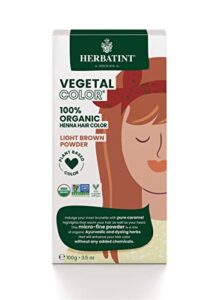
If you’re after a plant-powered route to color, Herbatint’s Light Brown Organic Henna Hair Dye delivers henna benefits without the oxidative punch. This ammonia-free hair dye blends henna and Ayurvedic herbs to coat your hair shaft gently—ideal for a sensitive scalp seeking natural shades.
You’ll see hair nourishment alongside gentle coloring: the formula smooths frizz and adds shine while masking greys gradually. It’s hypoallergenic and dermatologically tested, though even natural hair dye warrants a 48-hour patch test before full application.
Best For: Anyone with a sensitive scalp who wants natural-looking light-brown tones and gradual grey coverage without ammonia or peroxide.
- Coats hair gently with henna and Ayurvedic herbs, so you get conditioning shine and frizz control alongside color
- Dermatologically tested and free of ammonia, parabens, and peroxide—easier on reactive skin than conventional dyes
- Simple water-only mixing and recyclable packaging make it a cleaner, more eco-conscious coloring option
- Grey coverage can take two back-to-back applications to look truly even, so it’s not a quick one-and-done solution
- Won’t lighten your natural color or give dramatic shifts—henna enhances what’s already there rather than lifting pigment
- Powder can stain skin and surfaces during application, so you’ll need to protect your workspace and hairline carefully
4. Good Dye Young Semi Permanent Copper Orange Hair Dye
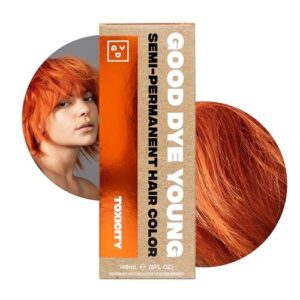
Good Dye Young’s Copper Orange semi-permanent shade gives you vivid color without the chemical baggage—no ammonia, no peroxide, no PPD. It’s a nonoxidative dye that deposits pigment on your hair’s surface rather than penetrating deeply, lowering the risk of severe reactions on a sensitive scalp.
The vegan, cruelty-free formula includes sunflower oil for UV protection and hydrolyzed rice protein for strength. You’ll still want a 48-hour patch test, though; fragrance components like limonene can trigger reactions in some people.
Best For: People with pre-lightened or blonde hair who want a vibrant, semi-permanent copper-orange color without the harsh chemicals found in permanent dyes, especially those with sensitive scalps or PPD allergies.
- Ammonia-free, peroxide-free, and PPD-free formula reduces irritation risk and skips the most common allergens in permanent dyes
- Vegan and cruelty-free with conditioning ingredients like sunflower oil and rice protein that protect and strengthen hair
- Semi-permanent deposit system lasts 4-6 weeks with proper care and doesn’t penetrate as deeply as oxidative dyes
- Won’t show up well on dark or gray hair without pre-lightening, limiting who can use it effectively
- Contains fragrance allergens like limonene and linalool that can still cause reactions in sensitive individuals
- Some users report uneven color distribution, faster fading than expected, or not enough product for the price
5. Manic Panic Hot Hot Pink Semi Permanent Hair Dye

Manic Panic Hot Hot Pink offers vivid color deposit without ammonia, PPD, or parabens—a vegan formula that conditions as it colors. This semi-permanent hair dye relies on direct dye molecules rather than oxidative chemistry, making it gentler for sensitive scalps.
You’ll see best results on pre-lightened hair at level 9 or 10, though hair porosity influences uptake. Dye longevity usually runs 4–6 weeks with proper aftercare.
Don’t skip your 48-hour patch test; the formula contains methylisothiazolinone, a preservative that can trigger reactions in sensitized individuals.
Best For: Anyone wanting vibrant, customizable pink shades on pre-lightened hair who values vegan, ammonia-free formulas with built-in conditioning.
- Direct dye formula skips harsh oxidizers like ammonia and PPD, reducing scalp irritation for most users
- Conditioning cream leaves hair softer and more hydrated while depositing intense pigment
- Mixable with other Manic Panic shades to create unique custom colors
- Requires pre-lightening to level 9 or 10 blonde for true Hot Hot Pink vibrancy—darker hair shows muted results
- Contains methylisothiazolinone preservative, which can trigger allergic reactions in sensitive individuals (patch test required)
- Color longevity varies widely, with some users reporting noticeable fading after just 2–3 washes depending on hair porosity and care routine
6. Light Mountain Natural Black Henna Hair Color
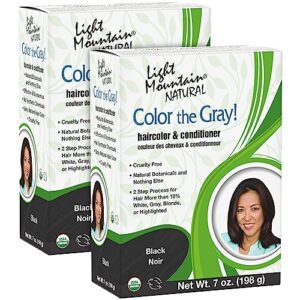
If you want Organic Color Options without compromise, Light Mountain Natural Black Henna Hair Color fits the bill. This Hair Dye Alternative uses only certified botanical ingredients—indigo and henna—so you won’t find ammonia, peroxide, or metallic salts here.
For anyone seeking Chemical Free Dyes and Natural Henna Benefits, it’s a gentle choice. The formula coats each strand, offering rich color while conditioning your hair.
Sensitive Scalp? This Natural Hair Dye is hypoallergenic, vegan, and cruelty-free—making it a safer Hair Dye for Sensitive Scalp with natural ingredients you can trust.
Best For: People with sensitive scalps or chemical allergies who want a natural, semi-permanent black hair color that conditions while it dyes.
- Pure certified organic ingredients (just henna and indigo)—no ammonia, peroxide, PPD, or metallic salts
- Doubles as a conditioner while depositing color, helping restore body and shine
- Vegan, cruelty-free, and lasts 4-6 weeks without permanent commitment
- May not fully cover gray hair, especially on naturally dark hair
- Application can be messy and time-consuming compared to conventional dyes
- Even natural ingredients can cause allergic reactions in some people—patch test recommended
7. Everpro Gray Away Black Dark Brown Root Touch Up Stick

The Everpro Gray Away Root Touch-Up Stick offers a gentler approach for hair dye needs, especially if you have a sensitive scalp. Unlike permanent formulas, this temporary dyes option skips ammonia and peroxide—common culprits behind irritation.
Its color technology delivers gray coverage in seconds, using iron oxides instead of harsh oxidative agents. The wax-free stick targets your part line or temples without touching much scalp surface, making it ideal for root touchups between salon visits.
While it’s labeled hypoallergenic and includes natural ingredients like tapioca starch, patch-test first—especially if you’re prone to cosmetic reactions.
Best For: Anyone with sensitive scalp looking for quick, temporary gray root coverage without the harsh chemicals found in permanent dyes.
- Skips ammonia, peroxide, and PPD—the usual irritants in permanent color—so it’s gentler on reactive scalps
- Takes about 5 seconds per spot with a precision applicator that keeps product on hair, not skin
- Washes out with your next shampoo, so you’re not stuck with long-term exposure to pigments
- Some users report it doesn’t stick well or fades quickly, especially on coarser hair textures
- Can transfer onto pillowcases or clothing if you don’t let it fully set before contact
- The sponge tip may clog or stop working after just a few uses, cutting the product’s lifespan short
8. Dongsung Herb Speedy Soft Black Hair Dye
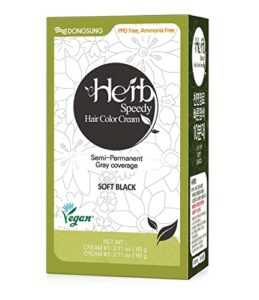
Dongsung Herb Speedy’s Soft Black formula skips PPD, ammonia, and parabens—three major irritants that trigger contact dermatitis. This gentle color option blends botanical extracts like ginseng and chamomile with a patented UV filter, offering full gray coverage in just 20 minutes.
While it’s marketed as hypoallergenic and vegan, you’ll still need a 48-hour patch test before each use—even ammonia-free hair dye can provoke reactions in sensitive scalp conditions.
Best For: People with sensitive scalps or PPD allergies who want permanent black color without the typical irritants found in traditional dyes.
- Cuts processing time to 20 minutes—half the wait of most permanent dyes—while still delivering full gray coverage
- Packed with botanical extracts like ginseng, chamomile, and green tea that help keep hair soft and minimize post-dye dryness
- Includes a patented UV filter to protect your color from fading in sunlight
- Still requires a 48-hour patch test every time you use it, even though it’s marketed as hypoallergenic
- Mixed reviews on how long the color actually lasts—some users report it washing out faster than expected
- Carries a California Prop 65 warning, meaning at least one ingredient is flagged as a potential health concern
9. Zenotri Hwi Light Brown Hair Dye Powder 8 Pack

Zenotri Hwi Light Brown Hair Dye Powder offers eight single-use sachets formulated without ammonia or PPD—two common triggers of contact dermatitis. You mix the powder with water to activate sodium percarbonate, which releases gentle peroxide for gray coverage while acetyl hexapeptide nourishes your scalp’s barrier.
This hypoallergenic, ammonia-free hair dye delivers natural ingredients and scalp protection methods that suit sensitive scalp solutions. However, hair color results vary, and some users report dryness post-application.
Always patch-test 48 hours beforehand—even “sensitive” formulas can provoke reactions. Follow dye application tips with a hydrating conditioner to offset powder dye benefits.
Best For: People with sensitive scalps who want ammonia-free gray coverage at home and are willing to patch-test and follow up with a good conditioner.
- Eight single-use sachets keep the formula fresh and minimize waste between applications
- No ammonia or PPD means less risk of the harsh reactions common with standard dyes
- Includes acetyl hexapeptide to support your scalp barrier while coloring
- Can be messy to mix and apply without a brush or bowl included in the box
- May leave hair feeling dry, so you’ll need a separate conditioner or treatment afterward
- Color results aren’t always predictable—some users get shades they didn’t expect
10. Schwarzkopf Simply Color Medium Brown Permanent Hair Dye
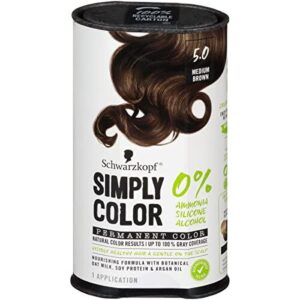
Schwarzkopf Simply Color Medium Brown delivers permanent hair color without ammonia, silicone, or alcohol—three triggers that often sting sensitive scalps. The color cream formulation pairs a low-peroxide developer with botanical oat milk and argan oil for nourishing ingredients during application.
You’ll get up to 100% gray coverage, but remember: even ammonia-free hair dye lists alternative intermediates that can provoke reactions. Patch-test 48 hours before every use—gentle application tips start with caution, not assumptions.
Best For: People with sensitive scalps who want full gray coverage and are looking for a gentler permanent dye option, but who can commit to patch testing before each use.
- Skips ammonia, silicone, and alcohol to reduce scalp stinging and harsh chemical odor during application
- Includes botanical oat milk, soy protein, and argan oil to nourish hair while coloring
- Delivers up to 100% gray coverage with a permanent formula that works in about 30 minutes at home
- Still contains alternative dye intermediates that can trigger allergic reactions in sensitive individuals
- Color results may vary—some users find it darker or lighter than expected, and fade or bleed after washing
- Requires two boxes for longer or thicker hair, which adds to the overall cost
Choosing Right Hair Color

Finding the right hair color for your sensitive scalp isn’t just about picking a shade—it’s about understanding which formula works with your skin, not against it. The type of dye you choose directly impacts how your scalp reacts during and after coloring.
Here’s what you need to know about each option to make the safest choice for your needs.
Permanent Hair Color
You need permanent color that stays put but doesn’t torch your scalp in the process. Look for PPD-free and ammonia-free hair dye formulas—they deliver the color longevity you want without the common irritants that trigger reactions.
Hypoallergenic options keep dye ingredients gentle, reducing hair damage while preventing the fading and need for constant color correction that comes with harsher formulas.
Semi-Permanent Hair Color
Semi-permanent hair dye for sensitive scalp offers a gentler alternative that coats your hair shaft without harsh chemicals. These ammonia-free hair dye formulas skip peroxide developers, reducing irritation while delivering color that lasts 4 to 12 washes.
You’ll notice natural hair dye options work on hair porosity without deep penetration, making semi-permanent formulas ideal for testing shades. Fading patterns are gradual, and color longevity depends on your washing frequency—gentle application means less scalp contact time overall.
Temporary Hair Color
Temporary hair color sits on the surface—no penetration, no oxidizers. These nonoxidative options wash out in one shampoo, making them ideal for sensitive scalp solutions when you want low-risk experimentation.
Sprays, chalks, and color deposits skip PPD entirely, delivering hair pigments without ammonia-free hair dye commitment.
Always patch test 48 hours beforehand, even with temporary dyes. If your scalp’s irritated or sunburned, wait—natural hair dye options work best on healthy skin.
Ammonia-Free Hair Color
Ammonia-free hair dye delivers gentle hair dyes without the sting—nearly 27% of oxidation dyes sold in 2023 were ammonia-free. These low irritation formulas swap harsh alkalizers for alternatives like MEA, offering sensitive scalp solutions with proven gray coverage.
A 2022 study of 50 women reported zero cases of dermatitis after repeated use. You get hypoallergenic, durable color without sacrificing performance—nonoxidative options aren’t your only path to safer dyeing.
Plant-Based Hair Color
Plant-based options like henna, indigo, and cassia offer natural dyes with lower sensitization rates than PPD-containing formulas. By 2023, 38% of consumers had tried botanical colors. These organic hair dye formulas use plant extracts instead of oxidative chemicals, delivering eco-friendly, vegan hair dye options.
Pure powders provide sustainable haircare, though you’ll still want a patch test—even natural ingredients can trigger reactions in sensitive individuals.
Sensitive Scalp Care

Taking care of your scalp before, during, and after dyeing can make all the difference when you’re dealing with sensitivity. The right approach helps you minimize irritation and keep your scalp comfortable throughout the coloring process.
Here’s what you need to know to protect your scalp at every stage.
From recognizing early warning signs to treating irritation after sun exposure, this complete guide to preventing and treating scalp sunburn walks you through everything you need before, during, and after time in the sun.
Pre-Dyeing Scalp Preparation
Proper preparation shields your sensitive scalp from unnecessary reactions. Start with gentle scalp cleansing 1–2 days beforehand—not right before dyeing—to avoid stripping your skin’s barrier. Then follow these protective steps:
- Patch test 48 hours early, even with previously tolerated products
- Skip scratching or brushing for 3 days to keep your barrier intact
- Apply barrier products along your hairline to block dye spread
- Consider antioxidant pretreatment with vitamin C to reduce allergic responses
These hypoallergenic strategies minimize scalp irritation and create a safer dyeing experience.
Scalp Protection During Dyeing
Once you’re ready to color, barrier creams and protective films become your scalp’s first line of defense. Apply petroleum jelly or a dedicated scalp protector along your hairline and part to block dye spread—this simple step shields sensitive skin from irritants like PPD.
Choose ammonia-free hair dye and use gentle application techniques: direct product onto hair shafts, not your scalp, to minimize chemical contact and scalp irritation.
Post-Dyeing Scalp Care
Once you’ve dyed your hair, gentle rinsing with lukewarm water removes residual chemicals—rinse until water runs clear. Follow with a sulfate-free shampoo to minimize scalp irritation and support barrier repair.
Apply a soothing emollient along your hairline afterward to restore moisture and calm sensitive scalp. Skip heat styling for 24–48 hours, giving your scalp time to recover from post-dye stress.
Managing Scalp Irritation
Irritation signals your scalp’s defense system has been overwhelmed. Stop dyeing immediately and rinse with cool water—then apply a cold compress to reduce inflammation.
To prevent future flare-ups, consider these sensitive scalp tips:
- Switch to hypoallergenic, ammonia-free hair dye options
- Perform patch testing 48 hours before every application
- Space dyeing sessions further apart
- Apply barrier ointment along your hairline
- Use gentle, sulfate-free shampoos between colorings
Hair Color Maintenance

Once you’ve found a hair color that works for your sensitive scalp, keeping that color vibrant without triggering irritation becomes your next challenge.
The right maintenance routine protects both your color investment and your scalp health. Here’s how to extend your results while keeping your scalp happy.
Minimizing Heat Styling
Heat styling might seem harmless, but cranking tools above 175 °C can wreck your hair’s structure and irritate your sensitive scalp. Always apply thermal protection beforehand. Keep your blow dryer around 60 °C, limit flat iron sessions to weekly, and never style damp hair—that’s when “bubble hair” forms inside the shaft.
Spacing out heat exposure preserves your ammonia-free hair dye and keeps your scalp comfortable.
| Heat Styling Tips | Why It Matters |
|---|---|
| Use low heat settings (≤149 °C) | Prevents keratin breakdown and damage |
| Style only dry hair | Avoids internal bubble formation |
| Apply heat protectant first | Shields fiber, reduces breakage |
| Limit to once weekly | Minimizes cumulative cuticle harm |
| Keep dryer moving, not stationary | Prevents localized scorching |
Limiting Sun Exposure
Sunlight degrades both natural and artificial pigments faster than most people realize—UVA alone can shift hair color noticeably in weeks.
For photo damage prevention and scalp coverage, wear wide-brimmed hat styles during peak hours. Apply scalp-safe sunscreen along part lines if you have scalp sensitivity or thinning.
These UV protection methods shield your hair dye for sensitive scalp from fading and reduce scalp irritation triggered by sunburn.
Using Gentle Shampoos
The right shampoo acts like a buffer between your color and your scalp’s delicate barrier. Choose sulfate-free formulas that maintain pH balance near 4.5–5.5—the scalp’s natural sweet spot—to reduce irritation after dyeing. Fragrance avoidance matters: fragrance components trigger contact allergy more than any other ingredient in patch-tested populations.
Your sensitive scalp care routine should include:
- Sulfate-free cleansers with gentle surfactant systems
- Fragrance-free options to minimize allergen exposure
- pH-balanced formulas supporting scalp barrier integrity
- Scalp-soothing ingredients for post-color comfort
Scheduling Regular Touch-Ups
Your scalp needs breathing room between chemical sessions. For permanent color, aim for root touch-ups every 6 to 8 weeks—this scalp recovery time lowers irritation risk while managing regrowth.
Keep in mind that hair dye is not an effective lice treatment, so never stretch your color schedule hoping it will double as a scalp remedy.
Semi-permanent formulas allow 4 to 6 week dye application intervals with less oxidative stress.
Between sessions, temporary concealers handle color fade prevention without extra chemical load, giving sensitive scalps the gentlest regrowth management strategy.
Frequently Asked Questions (FAQs)
What hair dye is safe for sensitive scalp?
Think of your scalp as a fortress—choosing the right hair dye means selecting allies that won’t turn against you. PPD-free and ammonia-free formulas like Herb Speedy protect sensitive skin best.
How to color hair with sensitive scalp?
You can protect your scalp during coloring by patch testing 48 hours ahead, choosing ammonia-free and PPD-free formulas, applying a barrier cream along your hairline, and following gentle application techniques.
How can I cover my grey hair if I am allergic to hair dye?
If you’re allergic to hair dye, you can still cover grey using PPD-free formulations, plant-based options like pure henna, or temporary cosmetic products such as root touch-up sticks that wash out easily.
What hair dye doesn t make your scalp itch?
You’ll want PPD-free and ammonia-free formulas—hypoallergenic dyes designed for sensitive scalps dramatically reduce itching.
Natural alternatives like pure henna offer itch-free options, though patch testing remains essential even with gentle formulas.
Can I dye hair during pregnancy safely?
Yes, you can dye your hair during pregnancy safely. Major medical organizations confirm minimal scalp absorption when using ammonia-free, hypoallergenic products.
Wait until the second trimester, make sure there’s good ventilation, and discuss any maternal health concerns with your doctor.
How often should I touch up roots?
Most people need root touch-ups every 4 to 6 weeks as hair regrowth becomes visible.
For sensitive scalps, consider extending dye intervals to 8 weeks and use temporary root concealers between permanent color applications.
Are natural dyes really better options?
Natural dyes generally offer gentler scalp tolerability than oxidative chemical dyes. Plant-based alternatives like pure henna avoid PPD and ammonia, reducing irritation risk—though they’re not entirely risk-free and require patch testing.
Can I use henna on bleached hair?
You can use henna on bleached hair, but color outcome varies dramatically with hair porosity.
Pure henna deposits orange-red tones on lightened strands, while bleach damage may cause uneven absorption and increased dryness.
Do hair dyes cause long term damage?
Permanent hair color options break down hair proteins and strip cuticle integrity over time, increasing scalp irritation and chemical exposure.
Ammonia-free hair dye formulations reduce dye toxicity, protecting hair care for sensitive scalps while improving color longevity without sacrificing hair damage control or scalp health.
How often should sensitive scalps dye hair?
For sensitive scalps, wait 6 to 8 weeks between permanent dye applications to allow recovery time. Semi-permanent options can be reapplied every 4 to 6 weeks, though extending intervals further protects compromised scalp barriers.
Conclusion
Your scalp isn’t a battlefield—it’s territory you can reclaim with the right approach. Armed with knowledge about irritants, patch testing protocols, and genuinely safe hair color options for sensitive scalp, you’ve moved beyond reactive guesswork.
Whether you choose henna-based formulas or ammonia-free synthetics, you’re now equipped to color confidently without triggering inflammation. Trust your skin’s signals, honor your boundaries, and remember: vibrant hair shouldn’t cost you comfort or peace of mind.