This site is supported by our readers. We may earn a commission, at no cost to you, if you purchase through links. This content is for general informational and educational purposes only and is not a substitute for professional medical, dermatological, or nutritional advice.
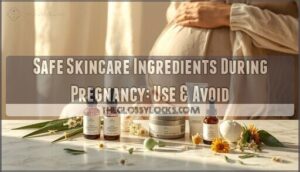
Pregnancy rewires everything—your sleep, your appetite, your emotions—and your skin is no exception. Hormonal shifts can trigger melasma, acne, dryness, or all three at once, often leaving you staring at your usual products wondering what’s still safe to use.
The concern is valid: some ingredients absorb into your bloodstream, and what reaches you can reach your baby. The good news is that finding safe skincare ingredients during pregnancy doesn’t mean stripping your routine down to water. A solid lineup of effective, well-researched ingredients keeps your skin healthy without compromise.
Table Of Contents
- Key Takeaways
- Safe Skincare Ingredients for Pregnancy
- Skincare Ingredients to Avoid While Pregnant
- Pregnancy-Safe Skincare Routine Tips
- Top Pregnancy-Safe Skincare Products
- Frequently Asked Questions (FAQs)
- What ingredients should I avoid in skincare when pregnant?
- What skincare is safe during pregnancy?
- What is the golden rule for every pregnant woman?
- What skincare products should I avoid when trying to conceive?
- What skincare ingredients should I avoid in pregnancy?
- What ingredients are safe during pregnancy?
- Is niacinamide ok for pregnancy?
- Can pregnancy hormones change skin sensitivity permanently?
- Are essential oils safe to use while pregnant?
- How does pregnancy affect existing skin conditions?
- Conclusion
Key Takeaways
- Ingredients like vitamin C, hyaluronic acid, niacinamide, azelaic acid, ceramides, and mineral sunscreens are well-researched and safe to use throughout pregnancy without compromising your skin’s health.
- Retinoids, hydroquinone, high-dose salicylic acid, oxybenzone, parabens, and phthalates can absorb into your bloodstream and pose real risks to your developing baby, so they’re worth cutting from your routine entirely.
- Hormonal shifts during pregnancy can trigger acne, melasma, dryness, and sensitivity all at once, making a simple routine built around gentle cleansers, a good moisturizer, and daily mineral SPF your most reliable foundation.
- When you’re unsure about any ingredient, checking with your OB-GYN or dermatologist before using it is the smartest move—bring your actual products to that first prenatal visit, not just a list.
Safe Skincare Ingredients for Pregnancy
The good news is that plenty of safe ingredients are still completely safe to use while you’re pregnant.
Look for products made without parabens or synthetic fragrances — this guide to organic shaving cream options is a great starting point.
Your skin still needs hydration, protection, and care, and there are solid options that deliver exactly that. Here are the ingredients dermatologists consider safe to use during pregnancy.
Vitamin C

Vitamin C is one of those pregnancy skincare wins you don’t have to second-guess. In forms like ascorbic acid, it delivers real antioxidant properties — neutralizing free radicals, supporting collagen boost, and gently fading dark spots.
Those vitamin C benefits make it especially useful for skin brightening during a time when hormones can leave your complexion looking uneven. It’s a safe, effective daytime choice.
For more on key pregnancy-safe skincare ingredients, see expert recommendations.
Hyaluronic Acid

While vitamin C improves tone, hyaluronic acid keeps your skin comfortably hydrated — and it’s one of the safest moisture retention ingredients you can use during pregnancy skincare. Here’s why it earns a spot in your routine:
- It holds up to 1,000 times its weight in water, plumping skin without penetrating deeply.
- It stays in the skin’s upper layers, so pregnancy skincare safety isn’t a concern.
- It pairs beautifully with ceramides to strengthen your barrier and support facial elasticity.
For more information on, see expert advice. Apply it to damp skin for the best hyaluronic benefits.
Azelaic Acid
If hyaluronic acid is your hydration hero, azelaic acid is your pregnancy skincare multitasker — quietly handling acne treatment, redness reduction, and melasma lightening all at once. And here’s the reassuring part: dermatologist advice consistently confirms it’s safe, because systemic absorption stays low.
| What It Does | Why It Matters |
|---|---|
| Calms breakouts | Pregnancy skincare safety approved |
| Fades dark spots | Aids maternal and fetal health |
| Reduces redness | No harsh skincare ingredients to avoid |
| Application guide: 1–2x daily | Use after cleansing, before moisturizer |
Niacinamide
Think of niacinamide as the all-rounder of pregnancy skincare safety — calming, brightening, and strengthening your skin without a single ingredient on the skincare ingredients to avoid list. It enhances barrier function, which is especially welcome when hormones make your skin act unpredictable. Dermatological care during pregnancy doesn’t get much simpler.
- Calm redness and sensitivity
- Fade dark spots gradually
- Boost ceramides for better moisture retention
- Regulate oil without irritation
Ceramides

Your skin barrier is basically the front-line defense that keeps moisture in and irritants out — and ceramides are what keep it intact. During pregnancy, hormonal shifts can quietly deplete these natural lipids, leaving skin tight, dry, or reactive.
Ceramide benefits include improved moisture retention and calmer skin overall. They’re among the safest skincare ingredients, with no overlap with the skincare ingredients to avoid list.
Peptides

Peptides are short chains of amino acids — basically tiny protein messengers — that signal your skin to produce more collagen. That collagen boost helps skin firming without penetrating deeply, making peptide benefits completely compatible with pregnancy.
As a cosmetic safety win for maternal health, peptides offer real anti-aging results through gentle protein therapy. They’re a smart addition to your pregnancy skincare routine.
Mineral Sunscreens (Zinc Oxide, Titanium Dioxide)
In terms of sunscreen safety during pregnancy, mineral sunscreens are your best friend. Zinc oxide and titanium dioxide sit on top of your skin, physically deflecting UV rays rather than absorbing into your bloodstream.
For chemical exfoliants, pregnancy-safe acids like salicylic and glycolic get the ACOG green light, though checking with your doctor first is always a smart move.
That makes them the highest quality for safe beauty products during this time. Look for broad-spectrum mineral sunscreen with at least SPF 30 — your skin will thank you.
Lactic Acid (Low Concentrations)
Lactic acid is one of those gentle workhorses that earns its place in pregnancy and skincare routines. At low concentrations, it offers mild skin exfoliation without the harsh bite of stronger acids.
- Helps create soft, smooth texture through gentle peels
- Safe acid therapy at concentrations under 10%
- Improves tone and targets dullness
- Cosmetic ingredient safety is well-established for topical use
- Lactic acid benefits include boosting hydration while exfoliating
Skincare Ingredients to Avoid While Pregnant
Now that you know what’s safe, it’s just as important to know what to skip. Some ingredients that work beautifully outside of pregnancy can pose real risks to your developing baby.
Here’s what to avoid while you’re expecting.
Retinoids (Retinol, Tretinoin)
Retinoids are a hard no during pregnancy — full stop. Oral isotretinoin carries a well-documented risk of fetal development problems, including heart and brain malformations.
Retinoids are a hard no during pregnancy — oral isotretinoin alone carries documented risks of fetal heart and brain malformations
Even topical avoidance is strongly advised, since pre-pregnancy planning should include stopping retinoids at least a month before conceiving. For safe skincare during pregnancy, fetal risks simply aren’t worth it when better alternatives exist.
High-Dose Salicylic Acid
Low-dose salicylic acid in a daily cleanser is generally fine, but high-dose treatments are a different story.
Chemical peels containing salicylic acid carry real peel risks because of deep systemic absorption, which raises the possibility of salicylate toxicity for you and your baby.
If you’re managing acne or hyperpigmentation during pregnancy, skincare during pregnancy works better with gentler swaps like azelaic acid instead.
Hydroquinone
Hydroquinone is a popular skin lightening and melasma treatment ingredient, but during pregnancy it’s worth setting aside. Unlike most topical skincare, hydroquinone absorbs into your bloodstream at surprisingly high rates — meaning your baby gets some exposure too.
- Used for hyperpigmentation and skin whitening
- High systemic absorption raises fetal concern
- Limited safety data during pregnancy
- Azelaic acid is a safer alternative for melasma treatment
Parabens
Like hydroquinone, parabens are another group of cosmetic ingredients worth reconsidering during pregnancy. These common preservatives show up in everything from moisturizers to shampoos, and they’re known hormone disruptors.
Because parabens mimic estrogen and absorb through skin into your bloodstream, their toxic effects on maternal and fetal health are a real concern. Look for paraben-free labels — cosmetic regulation hasn’t caught up, so you’re your own best advocate.
Phthalates
Parabens aren’t the only endocrine disruptors hiding in your products. Phthalates — often tucked under “fragrance” on labels — are toxic chemicals with real pregnancy risks. Studies detect them in the urine of pregnant people who use multiple cosmetics daily.
Here’s why phthalate exposure matters:
- They disrupt estrogen, androgen, and thyroid hormones.
- Higher exposure links to low birth weight and preterm birth.
- They may affect your child’s puberty timing later in life.
- Cosmetic regulations don’t require full disclosure of fragrance ingredients.
- Choosing “phthalate-free” products meaningfully reduces your exposure.
Check labels carefully — your maternal and fetal health is worth that extra minute.
Formaldehyde and Formaldehyde-Releasers
Another category of toxic chemicals worth knowing: formaldehyde and formaldehyde-releasers like quaternium-15 and DMDM hydantoin. These cosmetic preservatives show up in shampoos, lotions, and nail products more often than you’d expect.
From a toxicology standpoint, formaldehyde is a known carcinogen and skin irritant — carcinogen exposure during pregnancy is something worth avoiding. Check your labels and choose formaldehyde-free alternatives whenever possible.
Chemical Sunscreen Ingredients (Oxybenzone)
Oxybenzone is one chemical sunscreen ingredient worth removing from your pregnancy skin care routine. Research shows it absorbs through your skin and into the bloodstream — even showing up in breast milk. From a cosmetic ingredient safety and toxicology standpoint, that’s concerning.
Here’s what to keep in mind:
- Skip chemical sunscreen formulas listing oxybenzone as an active ingredient.
- Choose mineral options — zinc oxide and titanium dioxide offer effective, chemical free skin protection.
- Check the label — sunscreen alternatives with “mineral” or “physical” on the packaging are your safest bet.
Essential Oils (Certain Types)
Essential oils feel like the ideal natural skincare choice during pregnancy — but some can actually trigger uterine contractions or irritate sensitive skin. For your prenatal skincare routine and overall maternal health, knowing which ones to avoid matters.
| Essential Oil | Pregnancy Concern |
|---|---|
| Clary Sage | May stimulate contractions |
| Rosemary | Uterine stimulant |
| Cinnamon | Skin irritant, uterine activity |
| Peppermint | Avoid in high doses |
| Undiluted blends | Increased absorption risk |
Diethanolamine (DEA)
Diethanolamine, or DEA, is a cosmetic chemical worth knowing about. It’s commonly found in foaming cleansers, shampoos, and lotions — and it raises real concerns around fetal development and reproductive health.
Research links DEA exposure to altered sperm structure and possible hormonal disruption. From a skincare ingredient safety standpoint, avoiding this toxic chemical exposure during pregnancy is a straightforward precaution, since safer alternatives exist.
Aluminum Compounds
Aluminum compounds show up in more cosmetic ingredients than most people realize — from deodorants to certain skincare formulations. The concern here centers on aluminum toxicity and its potential neurological effects on a developing baby.
Because skin absorption allows aluminum to enter the bloodstream, fetal exposure becomes a real consideration. Data on cosmetic risks during pregnancy are still incomplete, but given these unknowns, reducing toxic chemical exposure is just smart skincare ingredient safety.
Pregnancy-Safe Skincare Routine Tips
Building a pregnancy-safe skincare routine doesn’t have to feel overwhelming. A few simple adjustments can keep your skin healthy while protecting your baby. Here’s what to focus on.
Gentle Cleansers
Your skincare routine is the foundation of any skincare routine during pregnancy, so choosing wisely matters. Look for fragrance-free skincare options with gentle surfactant types — think coco betaine rather than harsh sulfates — to protect your skin barrier without stripping it.
A good pH balance, around 5 to 6, keeps irritation low. Brands like CeraVe and Cetaphil are solid, dermatologist-trusted starting points.
Moisturizers With Safe Ingredients
A good moisturizer works like a seal over everything your cleanser leaves behind. For pregnancy skincare, look for gentle formulas built around natural humectants like hyaluronic acid — it holds water in your skin without clogging pores.
Ceramides help rebuild your skin barrier, while fragrance-free, mineral actives-friendly options keep irritation minimal. These natural skincare options balance hyaluronic benefits with real, everyday comfort.
Gentle Exfoliation Practices
Once your skin is hydrated and sealed, it’s ready to gently shed what it no longer needs. Exfoliation methods during pregnancy look a little different — skip salicylic acid, benzoyl peroxide, and beta hydroxy acids, and reach for lactic acid under 5% instead.
Here’s a simple gentle skincare approach:
- Use a soft washcloth instead of gritty scrubs
- Exfoliate once every two weeks to protect your skin barrier
- Follow with a ceramide moisturizer to calm sensitive skin
Consistent Sunscreen Use
After exfoliating, sunscreen becomes your next non-negotiable step. Pregnancy raises your UV sensitivity thanks to hormonal shifts, making daily sun protection more important than ever.
Choose a mineral sunscreen with zinc oxide or titanium dioxide — mineral filters sit on the skin’s surface, minimizing absorption. Apply SPF 30 or higher every morning as part of your skincare routine, and reapply every two hours outdoors.
Consulting Healthcare Providers
Sunscreen covers the outside, but prenatal care also means getting professional eyes on everything you’re putting on your skin. Your OB-GYN or dermatologist can review your full routine — ideally at your very first prenatal visit.
- Bring your actual products, not just a list
- Ask about pregnancy risks tied to specific ingredients
- Request healthcare advice for safe swaps
- Clarify what’s safe through breastfeeding too
Top Pregnancy-Safe Skincare Products
Finding products you can actually trust during pregnancy takes the guesswork out of your routine. Each of the options below has been selected with safety and effectiveness in mind, so you’re not left scanning labels alone.
Here are five dermatologist-friendly picks worth knowing about.
1. Weleda Deep Cleansing Gel
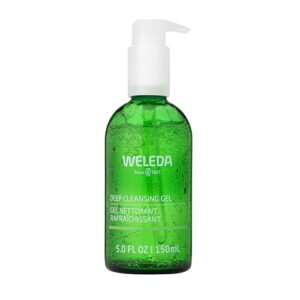
Ever wonder if a cleanser can truly be both effective and gentle during pregnancy? Weleda Deep Cleansing Gel achieves that balance, sweeping away oil and makeup without harsh ingredients.
Its formula skips parabens, phthalates, and synthetic fragrances, leaning on plant-derived surfactants, aloe, and witch hazel to keep your skin feeling fresh, not tight. The subtle citrus scent comes from essential oils, so if you’re sensitive, consider patch testing first.
For most, this gel offers a safe, invigorating start to your daily routine.
| Best For | Anyone who wants a clean, no-fuss daily face wash — especially those with sensitive or combination skin who care about what’s in their products. |
|---|---|
| Skin Type | All skin types |
| Daily Use | Yes |
| Fragrance | Citrus scent |
| Key Benefit | Deep cleansing |
| Form | Gel cleanser |
| Age Range | Adult |
| Additional Features |
|
- Free from parabens, phthalates, synthetic fragrances, and microplastics — a solid pick if you’re watching your ingredient list
- Works for all skin types and leaves your face feeling clean without that tight, stripped feeling
- Gentle enough for daily use and plays well in a double-cleanse routine
- The citrus scent, even though it’s from essential oils, might not agree with everyone — especially those with reactive skin
- It’s not going to give you that rich, creamy feel if you prefer a more moisturizing cleanser
- Sensitive skin folks should patch test first since it can cause some irritation
2. EltaMD UV Clear Face Sunscreen
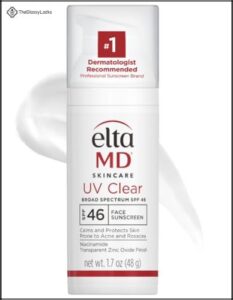
EltaMD UV Clear SPF 46 is a dermatologist favorite for good reason — but during pregnancy, it deserves a closer look. It combines zinc oxide with octinoxate, a chemical filter, so it’s not fully mineral. If you’re being cautious, that matters.
The good news? It’s fragrance-free, non-comedogenic, and packed with niacinamide and hyaluronic acid, which are both pregnancy-safe. If you’re already using it, talk to your provider about switching to a fully mineral option like EltaMD UV Pure for extra peace of mind.
| Best For | People with sensitive, acne-prone, or hyperpigmented skin who want a lightweight daily sunscreen they can wear alone or under makeup. |
|---|---|
| Skin Type | Sensitive/acne-prone |
| Daily Use | Yes |
| Fragrance | Fragrance-free |
| Key Benefit | Sun protection |
| Form | Sunscreen lotion |
| Age Range | Adult |
| Additional Features |
|
- Oil-free and non-comedogenic, so it won’t clog pores or trigger breakouts
- Fragrance-free formula makes it a solid pick for sensitive skin
- SPF 46 with zinc oxide gives solid broad-spectrum UVA/UVB protection
- Pricier than a lot of other sunscreens on the market
- Contains octinoxate alongside zinc oxide, so it’s not a fully mineral formula
- May leave a slight white cast, which can be noticeable on deeper skin tones
3. Vitality Precision Skin Ferulic Serum
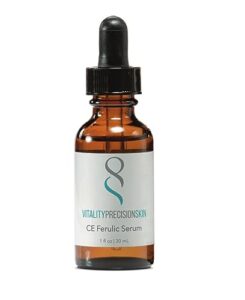
This serum is a solid pick if you want antioxidant protection during pregnancy — but with one caveat. Its 15% vitamin C and vitamin E are both generally considered safe for topical use while pregnant, and together they help brighten skin and defend against daily environmental damage.
The ferulic acid, though, is worth a conversation with your OB or dermatologist before you start. It’s at a low 0.5%, but cautious is always the right approach when you’re expecting.
| Best For | Anyone looking to brighten skin, reduce wrinkles, and boost collagen — especially if you want solid antioxidant protection against daily sun damage. |
|---|---|
| Skin Type | All skin types |
| Daily Use | Yes |
| Fragrance | Aloe scent |
| Key Benefit | Anti-aging |
| Form | Serum |
| Age Range | Adult |
| Additional Features |
|
- Packs a powerful combo of 15% vitamin C, vitamin E, and ferulic acid that works together to seriously amp up antioxidant protection
- Clinically shown to reduce wrinkle depth by 63% in 28 days — that’s a pretty impressive turnaround
- Boosts collagen synthesis 8x over, so you’re not just masking aging, you’re actually fighting it at the source
- Ferulic acid gives it a noticeable smell that takes some getting used to
- The applicator can get messy, so expect a little trial and error with your routine
- Results aren’t guaranteed — some users see little to no change in skin tone, so it’s a bit of a gamble
ISDIN Melatonik Anti-Aging Night Serum
ISDIN Melatonik is a night serum worth knowing about during pregnancy. Its key actives — bakuchiol, melatonin, and vitamin C — skip retinoids entirely, which makes bakuchiol safety a genuine advantage here.
The melatonin effects support overnight skin repair, and the lightweight oil formula stays gentle on sensitive pregnancy skin. Still, check with your provider before adding any active serum to your routine.
4. The Ordinary Azelaic Acid Brightening Suspension
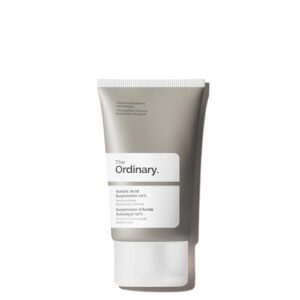
The Ordinary Azelaic Acid Brightening Suspension is a quiet workhorse for pregnancy skin. Its 10% azelaic acid formula addresses acne, redness, and dark spots without retinoids, hydroquinone, or high-dose salicylic acid — ingredients you’re steering clear of right now.
It’s also fragrance-free and non-comedogenic, which matters when your skin is more reactive than usual. Apply a small amount after your water-based serums in the evening, and always follow with SPF in the morning. Still, confirm with your provider before starting.
| Best For | Pregnant women dealing with acne, redness, or uneven skin tone who need a safe, effective alternative to retinoids and hydroquinone. |
|---|---|
| Skin Type | Sensitive skin |
| Daily Use | Yes |
| Fragrance | Distinct fragrance |
| Key Benefit | Skin brightening |
| Form | Night cream |
| Age Range | Adult |
| Additional Features |
|
- Targets acne, dark spots, and redness all at once — solid bang for your buck
- Fragrance-free and gentle enough for sensitive or reactive skin
- Works morning or night, so it fits easily into any routine
- Can pill up when you layer other products on top, which gets annoying fast
- Skip it as a makeup base — the silicone texture doesn’t play well under foundation
- Skip the moisturizer and it might leave your skin feeling drier than expected
Frequently Asked Questions (FAQs)
What ingredients should I avoid in skincare when pregnant?
Think of your skincare shelf as a guest list — some ingredients just don’t belong at the pregnancy party. Avoid retinoids, hydroquinone, high-dose salicylic acid, parabens, phthalates, oxybenzone, formaldehyde-releasers, and DEA.
What skincare is safe during pregnancy?
Most skincare products are safe during pregnancy. Focus on gentle cleansers, hydrating moisturizers, mineral sunscreens, and proven actives like vitamin C, hyaluronic acid, niacinamide, and azelaic acid to keep your skin healthy.
What is the golden rule for every pregnant woman?
When in doubt, leave it out. The golden rule for every pregnant woman is simple: if you’re unsure whether an ingredient is safe, skip it and ask your doctor before using it.
What skincare products should I avoid when trying to conceive?
When trying to conceive, avoid retinoids, hydroquinone, high-dose salicylic acid, parabens, phthalates, chemical sunscreens like oxybenzone, formaldehyde-releasers, DEA, aluminum compounds, and certain essential oils.
When in doubt, ask your doctor first.
What skincare ingredients should I avoid in pregnancy?
Retinoids, high-dose salicylic acid, hydroquinone, oxybenzone, parabens, phthalates, formaldehyde, DEA, aluminum compounds, and certain essential oils should all be avoided during pregnancy due to absorption risks or links to developmental harm.
What ingredients are safe during pregnancy?
Pregnancy doesn’t mean giving up a good skincare routine. Several ingredients are well-studied and considered safe, including vitamin C, hyaluronic acid, niacinamide, azelaic acid, ceramides, peptides, and mineral sunscreens.
Is niacinamide ok for pregnancy?
Yes, niacinamide is safe during pregnancy. It’s a gentle form of vitamin B3 that stays mostly on the skin’s surface, making it a trusted go-to for calming, brightening, and barrier support.
Can pregnancy hormones change skin sensitivity permanently?
For most people, no — but it depends. Hormones usually normalize within three to six months postpartum, and sensitivity fades with them.
Some pigment changes, like melasma, can linger much longer.
Are essential oils safe to use while pregnant?
It depends on the oil type and how you use it.
Some, like lavender oil, may be okay after the first trimester when diluted, but others can trigger contractions and should be avoided entirely.
How does pregnancy affect existing skin conditions?
It’s no coincidence that your skin seems to have a mind of its own right now.
Pregnancy reshapes your immune system and hormones, which can calm conditions like psoriasis while making eczema or acne noticeably worse.
Conclusion
It’s no coincidence that the moments you become most protective of your body are also when your skin feels most unpredictable.
Pregnancy has a way of making everything feel urgent, including your bathroom shelf. But finding safe skincare ingredients during pregnancy doesn’t have to feel like a guessing game.
With the right ingredients working for you and the harmful ones removed, your routine becomes something simple and reassuring—a small, steady act of care for both of you.