This site is supported by our readers. We may earn a commission, at no cost to you, if you purchase through links. This content is for general informational and educational purposes only and is not a substitute for professional medical, dermatological, or nutritional advice.

Your hair can look clean at breakfast and feel flat, sticky, or oddly heavy by dinner. That doesn’t always mean you need a stronger shampoo. Oil, sweat, styling residue, and loose flakes can collect around the roots, leaving the scalp coated even after a wash.
A scalp detox treatment at home can clear that film, but the wrong scrub or acid can trigger more itching and flaking. The goal isn’t to strip your scalp squeaky-clean. It’s to remove buildup while protecting the skin barrier.
Start by reading the clues your scalp gives you, then choose a treatment and use it with a light hand.
Table Of Contents
Key Takeaways
- Buildup—not dirty hair—is usually why your scalp feels heavy or greasy by end of day, and a simple detox clears that film without stripping your skin barrier.
- Match your treatment to your scalp type: oily scalps do well with clay masks or salicylic acid every 1–2 weeks, while dry or sensitive scalps need gentler options like diluted apple cider vinegar once a month.
- Over-exfoliating is a real risk—if you notice stinging, redness, or tenderness, stop immediately and let your scalp rest for 1–2 weeks before trying again.
- If flaking, itching, or irritation doesn’t settle after 2–4 weeks of gentle care, skip the DIY fixes and see a dermatologist, since those symptoms can signal something a detox won’t fix.
Signs You Need a Scalp Detox
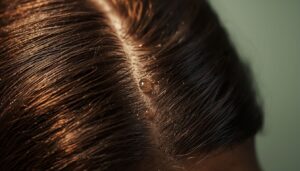
A scalp detox can help when your roots feel weighed down or your usual wash routine no longer leaves your scalp comfortable. The key is to tell everyday buildup apart from dandruff or irritation that needs different care. Check for these signs before choosing a treatment.
For tailored cleansing options, explore the best shampoos for a healthy scalp based on your hair type and concerns.
Oil, Sweat, and Product Buildup
When roots feel greasy within a day of washing, residue accumulation may be the issue. Oil, sweat, and styling products can form a waxy scalp film that weighs hair down.
- Hair loses volume quickly
- Roots feel coated or sticky
- Scalp odor develops after sweating
- Clogged follicles feel tender
A scalp detox treatment at home helps product buildup removal through a gentle cleansing routine or oil absorption treatment. Regular washing can help reduce excess sebum and residue.
Flaking Versus Dandruff
That waxy film can coexist with flaking, but flakes do not always mean dandruff. Use this scalp feel assessment before scalp exfoliation or product buildup removal.
| Flake Color Differences | Oil Versus Dry |
|---|---|
| Larger, yellowish, oily flakes | Dandruff |
| Small, white, dry flakes | Dry scalp |
| Strong itch, greasy feel | Dandruff |
Use Flake Size Comparison and Itch Severity Check for itch relief remedies.
Itching and Scalp Odor
Flakes with a greasy feel often come with itching and scalp odor. Sweat, oil, and product residue can feed microbial buildup, creating a stale or sour smell.
A scalp detox treatment at home may support scalp odor control, but don’t chase itch with harsh scrubs. Fragrance, dyes, and even natural scalp detox oils can irritate skin. For itch relief remedies, stop suspected products for one week.
Skip Detox on Irritated Skin
Burning, stinging, tenderness, or redness means skip scalp detox. Choose Barrier Protection, Gentle Cleansing, Trigger Avoidance, and Safe Alternatives instead. Pause the Purifying Clay and Aloe Mask, Energizing Sugar Scrub, acids, and fragrance. For scalp sensitivity management and Ingredient Sensitivity, use mild shampoo and conditioner on ends. Once settled, follow a patch testing protocol carefully before trying anything new again.
How to Prepare Your Scalp
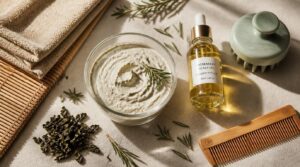
A little preparation makes a scalp detox more effective and far less likely to cause irritation. Your scalp type, current condition, and product choices all matter. Before you begin, work through these simple preparation steps.
Identify Your Scalp Type
Your scalp gives clues between wash days. Check sebum production rate: oily scalps look greasy quickly; dry scalps feel tight with dusty flakes.
Fine, oily hair may benefit from this guide on how often to use hair growth shampoo without over-cleansing.
Use flake texture clues, itch sensitivity signs, and odor buildup patterns to identify scalp type. Stinging or redness suggests a sensitive scalp and barrier health. This helps sebum regulation and keeps you from confusing irritation with buildup.
Choose One Detox Treatment
Why pile on products when one targeted treatment can reset your scalp? Choose clarifying shampoo options or exfoliating scalp scrubs for oil and styling residue. For dryness, use hydrating clay masks or soothing oil treatments.
A natural scalp detox may use bentonite clay or apple cider vinegar. Pick tea tree oil for flakes, and balancing serum choices for mixed zones.
Patch Test New Ingredients
Before any new detox, do a patch test. Apply the normal amount to a quarter-sized spot on the underside of your arm or elbow bend, where it won’t wash away.
For a sensitive skin protocol, use fragrancefree formulations and check twice daily for seven to 10 days. Burning, hives, or swelling? Rinse with lukewarm water and seek medical advice, especially with existing skin conditions.
Detangle and Section Hair
Detangle and Section Hair before cleansing. Detangle gently with a wide-tooth comb, starting at the ends and working bottom-up toward the roots. Hold hair above tangles to limit pulling.
Section hair properly into four to eight parts, based on thickness and length. Use clips wisely, then finish sections first before moving on. This keeps hair separate, protects hair follicle health, and makes your scalp massage technique more controlled for a scalp circulation boost.
Protect The Scalp Barrier
Your barrier comes first. Before detoxing, use fragrancelight care and avoid harsh scrubs, strong fragrance, or high-alcohol formulas. Keep scalp pH balance near 4.5 to 5.5 with a pH-balanced shampoo.
- Choose barrier-friendly cleansers.
- Limit natural exfoliants.
- Add lipid barrier support, such as ceramides or panthenol.
- Stop if burning occurs.
Gentle detox care and consistent barrier repair provide better scalp barrier protection than aggressive treatments.
Step-by-Step Scalp Detox Treatment at Home
A scalp detox works best when you follow a simple order and keep the routine gentle. Set aside 15 to 20 minutes, and use only one detox treatment at a time. Follow these steps to cleanse buildup without overworking your scalp.
Massage The Dry Scalp

Use gentle fingertip pressure on your dry scalp before cleansing. Start at the hairline, then make small circular scalp motions across the crown, sides, and back for 1 to 2 minutes. Keep pressure light, never scratch or scrub.
This scalp massage can support itchiness relief, circulation stimulation, and stress reduction massage. A soft bristled brush also works during product application massage.
Shampoo Roots Thoroughly

After the dry massage, wet your hair with warm or cool water. Apply a 5 to 10 cent amount of shampoo directly to the scalp, then massage roots for 30 seconds until lather forms.
- Focus on oily areas
- Lift product buildup
- Support dead skin cell removal
- Rinse until residue-free
Choose a clarifying shampoo only when buildup is noticeable. Hot water can dry the scalp.
Apply Your Detox Treatment
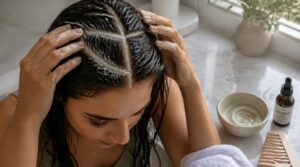
With clean roots, apply treatment to damp, not dripping hair. Part hair into four sections, working along each scalp line. Use fingertips, never nails, for gentle scalp exfoliation, massaging circles 2–3 minutes.
| Treatment | Amount | Leave on |
|---|---|---|
| Clay mask | 1–2 tbsp | 15–20 min |
| Sugar/oil scrub | 1–2 tsp | 5–10 min |
Keep mixtures lukewarm. Tea tree leave-on treatments need only five minutes maximum.
Rinse and Condition Ends
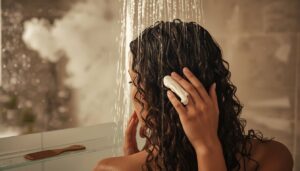
After the treatment time, rinse thoroughly with lukewarm water until your scalp and hair no longer feel slippery. Leftover product can cause buildup and make roots feel heavy.
Then condition ends only, from about chin level downward. Leave it on for 1–3 minutes, then gently detangle with your fingers or a wide-tooth comb. This gives slip without recoating the scalp after your detox.
Air-Dry or Use Low Heat

Let hair air-dry first whenever possible. It gives your scalp breathing time after cleansing and avoids heat styling on freshly treated skin. Stay in a well-ventilated room, and don’t leave roots wet for hours.
If you need a dryer:
- Blot, don’t rub.
- Choose low heat.
- Hold it 6 inches away.
- Stop when slightly damp.
Finish with cool air. This helps consistent scalp care and buildup prevention habits.
Best DIY Scalp Detox Treatments
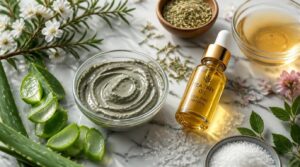
The best at-home detox is the one that matches your scalp’s needs without causing irritation. Choose just one treatment at a time, and patch test anything new first. These options target common buildup concerns with a gentle approach.
Diluted Apple Cider Vinegar Rinse
Use a diluted apple cider vinegar rinse for dull hair. Mix 1 part apple cider vinegar with 4–5 parts water; apply after shampooing for 2–5 minutes.
It helps with product buildup removal, scalp pH balance, acid mantle support, itch and flaking relief, hair shine enhancement, and natural scalp detox. Rinse.
Never apply undiluted vinegar; use weekly, less on sensitive scalps.
Bentonite or Rhassoul Clay Mask
When buildup feels stubborn, a clay scalp mask can absorb oil and lift surface debris.
- Mix bentonite clay or rhassoul clay with warm water until oatmeal-thick.
- Whisk to prevent lumps.
- Apply to damp, sectioned roots only.
- Leave on 10–15 minutes, not until cracked dry.
- Rinse thoroughly and condition ends.
This natural exfoliant suits oily scalps. Sensitive skin should patch test and skip it on irritated areas.
Tea Tree Oil Shampoo
A Tea Tree Oil Shampoo can support dandruff control and antiinflammatory scalp care when flakes come with oil or itch.
Massage into wet roots for 60 seconds, then leave it on 3–5 minutes before rinsing thoroughly with cool water. Use 2–3 times weekly.
For DIY, keep tea tree oil at 5 percent maximum. Condition only mid-lengths and ends, never the scalp.
Salicylic Acid Scalp Exfoliant
Salicylic acid, a beta hydroxy acid, dissolves oily scalp buildup while loosening dead skin cells and flakes. Apply a pre-wash scalp exfoliant to dry, sectioned roots, then use gentle scalp massage. Leave it on 10–15 minutes before shampooing.
For dandruff reduction, use it 1–2 times weekly. If using a salicylic acid shampoo, leave lather on for five minutes, then rinse thoroughly.
Gentle Sugar and Oil Scrub
Superfine sugar gently lifts flakes and product residue without the harshness of salt. Mix 1 tablespoon brown sugar with 1 tablespoon jojoba oil for dry scalps, or coconut oil for thicker hair.
Massage the sugar and oil scrub onto a damp, sectioned scalp for 1–2 minutes, then shampoo well. Use every 1–2 weeks. Refrigerate leftovers up to one month; discard if the smell changes.
Scalp Detox Frequency, Aftercare, and Safety
A scalp detox should leave your scalp comfortable, not tight or irritated. The right schedule and aftercare depend on your scalp, hair routine, and any flaking you notice. Use these guidelines to keep the process helpful and know when it’s time for professional care.
Frequency by Scalp Type
Match scalp detox frequency by scalp type, not a calendar. Oily scalps may need cleansing daily and detoxing every 1–2 weeks when product buildup returns quickly.
Dry scalp timing is slower: detox every 3–4 weeks. A sensitive scalp needs gentler care, often monthly or less.
For dandruff frequency, follow medicated-shampoo directions. Growth cycle impact means results build gradually, not overnight.
Prevent Sweat and Product Buildup
Prevent Sweat and Product Buildup by matching habits to your Scalp Type between detox sessions.
- Pull hair back for workouts and blot roots with a clean towel.
- Rinse or shampoo promptly after heavy sweating.
- Keep conditioner below ear level.
- Choose less-tacky styling products.
- Wash headbands and hats often.
Sweat and Product Interaction can make Product Buildup feel heavier. Use Clarifying Shampoo only when roots stay greasy or flat.
Avoid Over-Exfoliating Your Scalp
Don’t chase buildup by over-exfoliating. For scalp detox, follow exfoliation frequency limits: use exfoliants every 2–4 weeks with gentle application methods, fingertips, circles, never nails.
| Scalp irritation signs | What to do |
|---|---|
| Stinging | Stop treatment |
| Redness | Rest 1–2 weeks |
| Tenderness | Use bland care |
Scalp irritation relief: cool rinsing and scalp barrier protection. Recovery after over-exfoliation: lower detox frequency until calm.
Use Medicated Dandruff Shampoo
After resting an over-exfoliated scalp, use a dandruff shampoo if flakes persist. Choose ketoconazole or zinc pyrithione for yeast-related dandruff, selenium sulfide for oily scaling, or salicylic acid for buildup.
Massage it into your scalp and leave it on five minutes unless the label says otherwise. Use 2–3 times weekly. Expect progress in weeks; then switch actives if results stall.
When to See a Dermatologist
If medicated shampoo and gentler care don’t settle persistent symptoms within 2–4 weeks, book a dermatologist consultation. A scalp detox warning: worsening irritation may reflect hidden skin conditions, including seborrheic dermatitis, and need a medical treatment referral.
If irritation worsens or persists after 2–4 weeks of gentle care, see a dermatologist for possible underlying scalp conditions
- Unexplained hair loss or thinning
- Bleeding or itching lesions
- Changing mole appearance
- Serious warning patterns, including rapid spread
- Painful crusting, swelling, or drainage
Frequently Asked Questions (FAQs)
What is the best homemade scalp detox?
The best homemade option is a diluted apple cider vinegar rinse for natural oil balancing. For stubborn buildup, use bentonite clay with aloe vera. Skip coffee grounds, brown sugar, jojoba oil, yogurt masks, herbal rinses, and tea tree oil if sensitive.
How can I deep cleanse my scalp at home?
Your scalp enjoys serving as a product buildup warehouse: use scalp massage techniques, deep cleansing treatment shampoo, rinse thoroughly, apply detox treatment with exfoliants, then air dry gently, supporting scalp purification and natural hair care.
What naturally kills bacteria on the scalp?
Tea tree oil is one of the best-studied natural antimicrobials for skin. Apple cider vinegar lowers pH to discourage microbial growth, while rosemary oil, aloe vera gel, and bentonite clay also help reduce bacterial load.
How do I clean my scalp from buildup naturally at home?
Think of buildup like sediment settling at the bottom of a riverbed. Plain rinsing won’t cut it. A diluted apple cider vinegar rinse or clay mask lifts residue naturally. Follow with a low pH shampoo.
How do I get a scalp detox?
Apply a clarifying shampoo or exfoliant directly to your dry scalp, massage with your fingertips for 2 to 3 minutes, and let it sit for about 15 minutes. Rinse well, then condition only your ends.
Conclusion
Think of your scalp like garden soil. When it’s packed with old debris, nothing can grow the way it should. A scalp detox treatment at home clears that layer so your roots can finally breathe again.
Don’t overdo it. Once or twice a month is enough for most scalp types. Read the signals your scalp sends, adjust your method, and keep your products simple. The cleaner the foundation, the healthier your hair grows from it.