
This site is supported by our readers. We may earn a commission, at no cost to you, if you purchase through links.
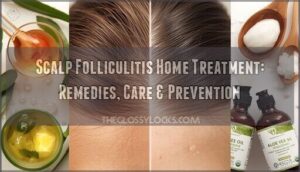
Those small, angry red bumps clustered around your hair follicles aren’t just annoying—they’re your scalp’s way of signaling an infection that won’t resolve on its own. Scalp folliculitis, caused by bacterial or fungal organisms infiltrating your follicles, creates tender pustules, persistent itching, and sometimes patchy hair loss that can shake your confidence.
The good news is that you don’t always need a dermatologist’s prescription to take control. Scalp folliculitis home treatment options, from antimicrobial shampoos to natural oils with proven antibacterial properties, can effectively target the infection while soothing inflammation and protecting your hair.
Understanding which remedies work, how to use them correctly, and when home care isn’t enough will help you clear your scalp and prevent future flare-ups.
Table Of Contents
Key Takeaways
- Scalp folliculitis stems from bacterial or fungal infections in hair follicles, causing red bumps, pustules, and sometimes permanent hair loss if left untreated beyond two to four weeks.
- Home treatments like antimicrobial shampoos (ketoconazole, zinc pyrithione), warm compresses, and diluted tea tree oil can effectively clear mild to moderate infections when used consistently for one to three weeks.
- Prevention requires strict hygiene practices—never sharing combs or towels, avoiding tight hairstyles that traumatize follicles, and using sulfate-free products to maintain your scalp’s natural pH balance.
- Seek immediate medical care if you develop fever, swollen lymph nodes, spreading pus-filled lesions, or notice symptoms persisting beyond ten days of home treatment to prevent scarring and irreversible follicle damage.
What is Scalp Folliculitis?
Scalp folliculitis is an inflammatory condition that affects the hair follicles on your scalp, often resulting from bacterial or fungal infections. Understanding what this condition is, how it presents, and why it develops can help you take control of your scalp health.
Let’s start by breaking down the basics of folliculitis, from its definition to the factors that put you at risk.
Definition and Overview
Scalp folliculitis is an inflammatory condition affecting hair follicles on your scalp, often triggered by bacterial infections like Staphylococcus aureus or fungal organisms such as Malassezia species.
These skin infections disrupt follicle structure, leading to characteristic red bumps and pustules around individual hair follicles.
Using gentle shampoos designed for relaxed hair helps prevent further irritation while keeping your scalp clean during recovery.
This scalp condition can be acute or chronic, with episodes persisting for days to weeks and sometimes recurring over extended periods.
Common Symptoms and Signs
Recognizing folliculitis symptoms helps you address this skin infection promptly. You’ll commonly notice:
If you’re also managing scalp inflammation, combining folliculitis care with seborrheic dermatitis scalp care strategies can help you tackle both conditions effectively.
- Red bumps around hair follicles on your scalp that may be itchy
- Pus-filled or fluid-filled blisters in affected areas
- Tender, painful nodules that can crust over or form scabs
- Scaly skin surrounding infected follicles
- Hair shedding in localized patches where follicles are inflamed
Some people experience burning sensations or mild discomfort, while others develop more severe pain requiring medical attention. Accurate diagnosis often relies on scientific study summaries to identify the root cause of the infection.
Causes and Risk Factors
Understanding what triggers folliculitis helps you avoid repeated flare-ups. Bacterial infection, especially from Staphylococcus aureus, is the most common culprit affecting hair follicles. Fungal causes, occlusion from oily products, tight headwear, and aggressive scratching also contribute.
Your immune system plays a role—conditions like seborrheic dermatitis or immunosuppression increase susceptibility. Poor scalp hygiene and shared items aid transmission of these skin conditions.
Choosing the right shampoo means understanding which ingredients to avoid, especially if your scalp is already vulnerable to irritation or infection.
To better comprehend the terminology related to scalp conditions, exploring language resources can be beneficial.
Home Remedies for Scalp Folliculitis
When you’re dealing with scalp folliculitis at home, you have several options that can reduce inflammation, control infection, and ease discomfort. These remedies range from simple compresses to specialized shampoos and natural oils, each targeting different aspects of the condition.
Let’s look at the specific treatments you can use to manage your symptoms effectively.
Warm Compresses and Soothing Techniques

When follicles flare up, compress therapy offers you immediate comfort and practical relief. Apply warm compresses—heated to a tolerable temperature—for 5 to 15 minutes, once or twice daily, to ease itching, reduce pain, and encourage drainage.
Pairing compresses with gentle natural skincare for rosacea helps you build a complete soothing routine that addresses triggers while calming inflammation.
Moist heat applications support infection prevention and skin health. After each session, pat dry and follow with soothing gels or gentle exfoliation to maintain proper scalp care while promoting recovery.
If your scalp is prone to irritation, choosing gentle hair color formulas designed for sensitive skin can help you avoid flare-ups while keeping your color routine safe.
Antibacterial and Antifungal Shampoos

Specialized shampoos give you control over stubborn scalp folliculitis when bacteria or fungal infections take hold. Ketoconazole, selenium sulfide, and zinc pyrithione target Malassezia yeast and bacterial organisms, offering relief within 2–4 weeks when used several times weekly.
- Apply to affected areas only, leaving lather on for 3–5 minutes before rinsing
- Patch test first to avoid scalp irritation or medication interactions
- Rotate active shampoo ingredients if sensitivity develops over time
- Combine with topical antibacterial soap for thorough folliculitis treatment
- Track symptoms weekly—persistent lesions require professional evaluation
Follow label directions carefully, as overuse can worsen inflammation and delay your treatment duration.
Natural Oils and Ingredients (Tea Tree, Coconut, Castor)

Tea tree oil, coconut oil, and castor oil offer natural remedies with antimicrobial and anti-inflammatory properties that may ease scalp folliculitis treatment symptoms.
Dilute tea tree oil to 2–5% in a carrier oil before scalp massage to minimize ingredient safety risks, apply coconut oil for moisture and mild antibacterial effects, and use castor oil to soothe irritation.
Though these oil benefits support hair regrowth and comfort, they won’t replace medical care for confirmed infections.
Over-the-Counter Treatments

Drugstore shelves offer several effective options you can reach for without a prescription. Consider adding these to your routine:
- Antibacterial shampoos containing chlorhexidine or zinc pyrithione reduce bacteria when used 2–3 times weekly, while antifungal shampoo formulations with ketoconazole target yeast overgrowth.
- Cortisone cream soothes inflammation between washes.
- Antibiotic ointment such as Neosporin may help minor lesions, though scalp serums and medicated oils with salicylic acid address deeper buildup.
Scalp Hygiene and Daily Care Tips

Proper scalp hygiene forms the foundation of folliculitis treatment and prevention, reducing bacterial and fungal colonization while supporting follicular healing.
Your daily care routine should balance effective cleansing with gentle handling to avoid further trauma to inflamed follicles.
The following guidelines will help you establish a protective regimen that minimizes irritation and promotes scalp recovery.
Gentle Cleansing Routines
You can think of your scalp like any other sensitive skin—gentle treatment is essential. Use your fingertips, not nails, to apply mild, sulfate-free shampoos in small circular motions during scalp massage, which helps remove debris without aggravating folliculitis.
Rinse thoroughly with lukewarm water to eliminate residue, and limit vigorous scrubbing. This cleansing technique promotes scalp health and hygiene while protecting hair follicles from further irritation.
Choosing The Right Shampoo
Your shampoo can either soothe or aggravate scalp folliculitis, so choose carefully. Select formulations designed for sensitive scalp needs, prioritizing fragrance-free options with a balanced pH near 5.5 to support your scalp’s natural barrier.
For active scalp conditions, consider these evidence-based choices:
- Medicated shampoos with ketoconazole or selenium sulfide for antifungal action
- Antidandruff shampoo containing zinc pyrithione for antibacterial effects
- Products without harsh sulfates that strip protective oils
- Antifungal shampoos applied 2–3 times weekly as directed
- Gentle cleansers with minimal dyes and alcohol to prevent irritation
Look for shampoo ingredients that address infection while respecting your hair care routine.
Avoiding Irritants and Triggers
Protecting your sensitive scalp means identifying and eliminating irritants that trigger inflammatory disease. Switch to fragrance-free, hypoallergenic hair care products to minimize skin irritation associated with scalp folliculitis.
Avoid tight hairstyles, harsh brushes, and chemical treatments near follicles, as friction worsens inflammation.
Implement trigger management by tracking new products and environmental exposures, documenting flare patterns. Choose gentle products formulated for irritant avoidance to support long-term skin care and reduce recurrence risk.
Best Practices for Hair and Scalp Maintenance
Maintaining healthy hair follicles requires consistent, gentle care that protects your scalp from friction and buildup. Incorporate scalp massage during shampooing to boost circulation without aggravating folliculitis, using lukewarm water and pH-balanced formulas.
Your daily routines should prioritize hair nutrition through a balanced diet rich in zinc and essential fatty acids, while scalp protection from UV exposure and tight hairstyles prevents recurrence and fosters long-term scalp health.
Preventing Scalp Folliculitis Recurrence
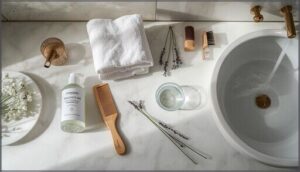
Scalp folliculitis can return if underlying triggers remain unaddressed, making prevention essential for long-term management. Your daily habits, from hair care routines to hygiene practices, directly influence whether follicular inflammation recurs.
The following strategies target common causes and help you maintain a healthier scalp over time.
Hygiene and Personal Care Habits
Consistently prioritizing personal hygiene can dramatically reduce your scalp folliculitis risk. To maintain follicle care and skin health, adopt these daily routines:
- Wash your scalp 2–3 times weekly with antibacterial soap or a gentle cleanser to remove sebum and debris that block follicles.
- Rinse thoroughly after every hair product application to prevent irritating residue buildup.
- Never share combs, brushes, or towels—this transmits infection-causing bacteria.
- Keep your scalp clean and dry between washes to discourage bacterial colonization.
Managing Hairstyles and Hair Products
Hairstyle modifications protect inflamed hair follicles from further trauma. Tight buns and ponytails pull on follicles, worsening scalp folliculitis, so opt for loose styles or hair tie alternatives like soft scrunchies.
Choose noncomedogenic product ingredients free of fragrances, which reduce irritation. Gentle scalp massage improves circulation during cleansing, and careful hair accessorizing—avoiding dirty clips or headbands—promotes scalp health and hair care during recovery.
Reducing Risk From Shared Items
Beyond your personal styling choices, items that touch your scalp can spread bacteria or fungi that trigger hair follicle infection. Sanitizing tools and limiting shared item risks are infection control measures that protect you from scalp folliculitis and support skin health and hygiene:
- Wash shared towels weekly in hot water, then dry on high heat
- Disinfect combs, brushes, and clippers after each use—never share them
- Clean helmets, hats, and scarves regularly, ensuring proper airflow for scalp protection
Supporting Overall Scalp Health
Your scalp’s resilience against folliculitis improves when you nourish it from the inside out, incorporating scalp nutrition rich in omega-3s and essential vitamins into your skin care routine.
Hydration therapy bolsters hair follicles and dermatological health, while pH balance products preserve your scalp’s protective barrier.
Don’t overlook sun protection—it prevents dryness that compromises hair moisture and invites infection during hair care and maintenance.
When to Seek Professional Treatment

Most scalp folliculitis cases respond well to home care within two to four weeks, but sometimes the infection persists or worsens despite your best efforts.
Knowing when to shift from self-treatment to professional intervention can prevent complications like scarring, hair loss, or systemic infection. Watch for these specific warning signs that indicate you need medical evaluation and treatment.
Warning Signs and Complications
Persistent redness, spreading pus-filled bumps, or warmth that won’t quit despite your best efforts can signal deeper trouble. Watch for these red flags:
- Fever or swollen lymph nodes near your jaw, suggesting infection symptoms that demand urgent care
- Thickened, tender patches with ongoing inflammation, risking scalp scarring and follicle damage
- Abscess formation or foul-smelling drainage, complications that can trigger hair thinning or permanent hair loss
Don’t let scalp folliculitis steal your confidence—early action prevents lasting damage.
Medical Therapies and Prescriptions
When home care falls short, your doctor can prescribe targeted folliculitis treatment options to halt the infection. Topical antibiotic ointments like mupirocin tackle surface bacteria, while oral medications such as doxycycline address widespread flare-ups. Prescription antifungal medication clears stubborn fungal cases, and cortisone cream paired with topical treatments calms inflammation.
This layered antibiotic therapy—combining anti-inflammatory agents with antimicrobial power—restores your scalp’s balance.
Preventing Hair Loss and Scarring
Untreated inflammation can damage follicles beyond repair, making hair restoration a challenge you don’t want to face. By controlling infection early and protecting your scalp from further trauma, you’ll safeguard follicle health and support hair loss prevention.
Untreated scalp folliculitis can permanently damage hair follicles, so early intervention protects against irreversible hair loss and scarring
Your scar prevention strategy for scalp folliculitis starts here:
- Prompt infection prevention and treatment halts prolonged inflammation that triggers hair loss
- Gentle styling practices minimize traction and mechanical injury to vulnerable follicles
- Scalp massage with non-irritating oils boosts circulation without worsening irritation
- Avoiding harsh chemicals and tight hairstyles reduces stress on already compromised follicles
- Early medical evaluation of persistent lesions prevents progression to scarring alopecia
Prioritizing these folliculitis treatment options preserves your hair and scalp integrity.
Monitoring Progress and Recovery
Tracking your scalp folliculitis recovery week by week puts you in control and helps you catch any warning signs before they escalate. Document lesion count, itching intensity, and new pustules every few days, and expect early improvement within 1–2 weeks of home remedies or prescribed therapy—a clear signal your infection prevention and treatment plan is working.
| Healing Stage | What to Monitor |
|---|---|
| Week 1–2 | Reduced itching, fewer new lesions, decreased burning sensation |
| Week 2–3 | Pustule resolution, lessening redness, improved scalp comfort |
| Week 3–4 | Absence of new bumps, scalp returning to normal appearance |
| Ongoing | No recurrence for defined period, follicle integrity maintained |
| Red Flags | Spreading infection, fever, worsening pain—seek urgent care |
Your symptom tracking reveals whether your scalp conditions treatment is sufficient or if you need medical escalation, guiding timely adjustments to your infection control strategy.
Frequently Asked Questions (FAQs)
Is scalp folliculitis contagious to other people?
While scalp folliculitis itself isn’t usually contagious through casual contact, sharing contaminated combs, hats, or pillows can transfer infection-causing bacteria or fungi to others, particularly those with compromised immunity or skin breaks.
How long does folliculitis take to heal completely?
Most cases resolve within one to three weeks with appropriate treatment. Mild folliculitis may clear in three to seven days, while moderate infections usually require one to two weeks for substantial improvement.
Can stress or hormones trigger scalp folliculitis outbreaks?
Like dominoes falling in sequence, your body’s stress response can set off a chain reaction—elevated cortisol levels and hormonal imbalance may intensify inflammation in hair follicles, triggering folliculitis outbreaks and worsening scalp folliculitis symptoms.
Does hard water worsen scalp folliculitis symptoms?
Hard water’s mineral buildup—calcium and magnesium deposits—can irritate your scalp, worsen inflammation, and trap residues around hair follicles. This may potentially aggravate folliculitis symptoms through increased scalp irritation. However, direct evidence linking water quality to follicle damage remains limited.
Conclusion
Your scalp’s reaction to folliculitis—whether it resolves quickly or persists for weeks—depends entirely on your next steps.
Scalp folliculitis home treatment works when you combine antimicrobial shampoos, natural oils, and strict hygiene with consistent daily care.
But delaying action allows infections to deepen, risking permanent hair loss and scarring. Start treatment immediately, monitor your progress closely, and seek dermatological intervention if symptoms worsen after seven to ten days of home care.
- https://www.linkedin.com/posts/bohdanlukianets_tasks-study-research-activity-7373377539521667072-UTEi
- https://pmc.ncbi.nlm.nih.gov/articles/instance/9553038/bin/pone.0275964.s005.docx
- https://github.com/tugcekonuklar/msc-computer-science-notes/blob/main/research-methods/Home.md
- https://www.instagram.com/zalkamd/
- https://www.healthline.com/health/how-many-hairs-on-a-human-head