This site is supported by our readers. We may earn a commission, at no cost to you, if you purchase through links.
Your scalp produces sebum to protect living skin cells, while your hair shaft is made of dead keratin that can’t generate its own moisture—yet most people treat both exactly the same way. This fundamental difference between scalp moisture and hair moisture explains why your roots might feel oily while your ends remain brittle, or why a product that soothes your scalp leaves your strands limp and greasy.
The scalp relies on balanced oil production and an intact skin barrier to stay hydrated, whereas hair strands depend on their cuticle structure to trap water molecules inside the cortex. When you understand how these two systems work independently, you can address dryness, flaking, and breakage at their true source instead of masking symptoms with the wrong products.
Table Of Contents
- Key Takeaways
- Scalp Moisture Vs Hair Moisture: Key Differences
- Why Scalp Moisture Matters
- Importance of Hair Moisture for Hair Health
- Common Causes of Scalp and Hair Dryness
- Signs Your Scalp or Hair Needs Moisture
- Best Techniques to Hydrate The Scalp
- Effective Methods to Moisturize Hair
- Balancing Scalp and Hair Moisture in Your Routine
- Frequently Asked Questions (FAQs)
- How to tell if scalp needs moisture?
- Is it better to hydrate or moisturize hair?
- Is it good to keep your scalp moisturized?
- Can drinking more water improve scalp moisture?
- Does scalp moisture affect hair color retention?
- How often should you deep condition hair?
- Can over-moisturizing damage your hair or scalp?
- Do silk pillowcases help retain scalp moisture?
- Conclusion
Key Takeaways
- Your scalp produces its own protective sebum as living skin, while your hair shaft is dead keratin that depends entirely on external products to trap and retain moisture inside its cortex.
- Scalp hydration relies on maintaining your skin’s barrier function through balanced oil production and intact lipid layers, whereas hair moisture depends on cuticle integrity to prevent water from escaping the fiber.
- A dry scalp triggers itching, flaking, and compromised follicle health that disrupts hair growth cycles, while dehydrated hair loses elasticity and breaks easily because it can’t repair damage on its own.
- Effective moisture care requires separate strategies—hydrating your scalp with pH-balanced serums and gentle cleansing, then moisturizing hair strands by layering humectants to draw in water and occlusives to seal it inside.
Scalp Moisture Vs Hair Moisture: Key Differences
Your scalp and your hair strands need moisture, but they don’t work the same way.
A dry, flaky scalp can throw off that balance entirely, so watch for signs of dehydrated scalp like itching or tightness that signal your roots need help.
The scalp is living skin with its own barrier function, while hair is a non-living structure made of protein that can’t repair itself.
Your scalp is living skin that repairs itself, while hair is dead protein that can’t heal once damaged
Understanding how each one holds and loses moisture will help you build a routine that actually works.
Definition of Scalp Moisture
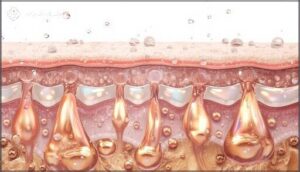
Your scalp’s moisture depends on a delicate dance between water content and natural oils at the skin’s surface. Unlike moisturizing hair strands, scalp hydration involves maintaining your skin barrier with protective lipids and sebum that keep irritation at bay.
| Component | Function |
|---|---|
| Water content | Maintains hydration levels in upper skin layers |
| Skin barrier lipids | Lock in moisture and protect against environmental stress |
| Natural sebum | Prevents excessive dryness and flaking |
Balanced moisture levels support healthy follicles and reduce itchiness.
Products featuring science-backed scalp health insights can offer additional support for maintaining moisture balance.
Definition of Hair Moisture
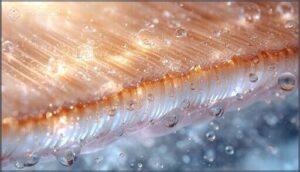
Hair moisture refers to the water content inside your fiber—specifically in the cortex and medulla layers. This internal hydration determines how pliable and resilient your strands remain, directly affecting breakage and elasticity. Moisture levels fluctuate with environmental humidity and cuticle integrity, so hair porosity plays a key role in how well your strands attract and retain water for lasting moisture balance. Understanding the distinction between hydration and moisture is vital, as explained in this overview of .
| Hair Moisture Aspect | Impact |
|---|---|
| Water content in cortex | Boosts tensile strength and reduces brittleness |
| Internal hydration | Improves shine and smoothness from within |
| Cuticle integrity | Regulates moisture transfer and retention |
| Hair porosity | Determines how easily strands absorb water |
| Moisture balance | Promotes elasticity and manageability |
How They Interact and Affect Each Other
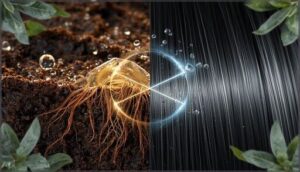
When you nourish your scalp, you create a hydrated environment that feeds the hair root and promotes steady growth. In turn, moisturizing hair reduces friction during brushing, which lowers micro-scratches that irritate the scalp. This moisture exchange shows how scalp health and hair hydration work together—dry hair can pull moisture away from your scalp, while a balanced scalp distributes oils more evenly along each strand.
| Scalp Hair Connection | Direction of Effect | Interactive Effects |
|---|---|---|
| Scalp moisturize fosters follicles | Scalp → Hair | Hydration dynamics at the root improve growth rates |
| Hair moisture reduces scalp friction | Hair → Scalp | Fewer micro-scratches mean less irritation |
| Balanced sebum production | Scalp ↔ Hair | Even oil distribution prevents dryness at both levels |
| Cuticle permeability near roots | Scalp → Hair | Scalp products penetrate hair shaft more effectively |
| Reduced cleansing frequency | Hair → Scalp | Moisturizing hair preserves scalp’s natural balance restoration |
Why Scalp Moisture Matters
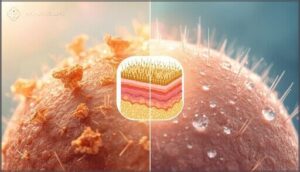
Your scalp isn’t just where your hair grows—it’s living skin that needs water and protective oils to function properly. When that balance gets disrupted, you’ll notice everything from annoying itchiness to changes in how your hair actually grows.
If you’re dealing with dryness or flakiness, choosing the right oil for scalp moisture can make a noticeable difference in both comfort and hair health.
Let’s look at three specific ways scalp moisture shapes your overall hair health.
Role in Scalp Barrier Function
Think of your scalp’s barrier function as a fortress protecting what lies beneath. When you maintain proper moisture retention through ceramide balance and an intact hydrolipidic film, you strengthen that defense. The skin barrier relies on barrier lipids working with scalp pH to lock out irritants and seal in water.
Here’s how you can support scalp health:
- Choose sulfate-free cleansers that preserve natural barrier lipids instead of stripping them away.
- Apply serums rich in ceramides to rebuild moisture gaps in your scalp’s protective layer.
- Practice gentle scalp exfoliation monthly to remove buildup without compromising barrier integrity.
- Use lukewarm water during washing to avoid degrading the hydrolipidic film that shields follicles.
- Incorporate niacinamide-based treatments to help balance scalp pH and reduce transepidermal water loss.
Your scalp barrier functions like your skin’s first responder team. The stratum corneum creates that brick-and-mortar structure with corneocytes held together by lipids—ceramides, cholesterol, and free fatty acids form the mortar that seals everything tight. This architecture doesn’t just sit there looking pretty; it actively prevents water from escaping while blocking environmental aggressors from penetrating deeper layers.
When barrier lipids stay balanced, your scalp maintains its acidic environment—the acid mantle—which naturally inhibits harmful microbes. That’s why scalp moisturize routines matter beyond simple hydration. Products designed to restore ceramide balance work at the structural level, reinforcing those lipid layers that got disrupted by harsh styling or over-cleansing.
Temperature matters more than you might expect. Hot water degrades barrier lipids quickly, tightening follicles and accelerating moisture loss. Meanwhile, proper scalp pH keeps enzymatic activity humming along smoothly, protecting against irritants that trigger scalp conditions like sensitivity and inflammation.
Impact on Itchiness, Flaking, and Dandruff
Persistent dryness triggers a cascade of discomfort you can’t ignore. When moisture levels drop, irritation management becomes critical—itchy sensations signal inflammation from excess oil or Malassezia activity disrupting your scalp health.
Those white or yellowish flakes clinging to your hair? They’re dandruff, worsened by scratching that breaks your protective barrier. Effective dandruff treatment starts with restoring hydration through scalp soothing serums and gentle scalp exfoliation for lasting flake control and itch relief.
Effects on Hair Growth and Follicle Health
Healthy follicle health depends on moisture—without it, your growth phases stall and hair regrowth suffers. A hydrated scalp promotes follicle metabolism, keeping nutrients flowing to each follicle while reducing inflammation that disrupts the hair cycle.
- Proper scalp hydration extends anagen phase duration, sustaining active hair growth
- Balanced moisture protects follicle stem cells essential for new shaft formation
- Adequate scalp conditions reduce oxidative stress that weakens hair health
- Moist environments improve nutrient delivery through healthier microcirculation
- Consistent hair hydration minimizes premature shedding during growth transitions
Importance of Hair Moisture for Hair Health
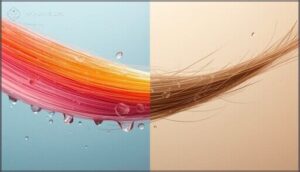
Your scalp produces the moisture it needs, but your hair strands can’t hydrate themselves once they emerge from the follicle. Think of each strand as a rope that needs regular care to stay pliable and strong.
Understanding how moisture works in your hair helps you choose products and techniques that actually deliver results instead of just coating the surface.
Hydration Vs Moisturization in Hair Strands
You might hear hydration and moisturization used interchangeably, but they work differently in your hair strands. Hydration draws water into the cortex using humectants like glycerin, restoring your hair’s internal water balance and improving flexibility.
Moisturizing hair products with oils seal the cuticle afterward, preventing that water from evaporating. Cuticle sealing locks in strand hydration for lasting moisture retention—you need both steps working together.
Benefits for Texture, Strength, and Shine
When your strands hold enough water inside and seal it at the cuticle, you’ll see improvements in texture, strength, and shine that actually last.
Moisture balance enhances hair elasticity so fibers resist snapping during combing, while hydrated cuticles smooth scales for shine enhancement by magnifying light return.
Proper hair moisturizing promotes strand strength and softness, reducing wiry texture and delivering shiny hair with cohesive, defined curl clumping.
Preventing Breakage and Split Ends
Breakage and split ends signal damaged cuticles that can’t lock in moisture. When you keep hair hydrated through humectant-rich conditioners and seal with emollients, you prevent hair damage by maintaining flexibility that withstands combing stress.
Fragile hair care means prioritizing preventive styling, gentle handling, and deep hair nourishment strategies—your strands break less, split end repair becomes easier, and you’ll spend less time trimming frayed ends.
Common Causes of Scalp and Hair Dryness
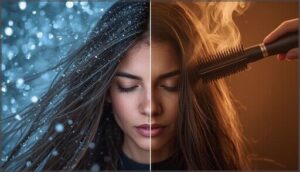
Your scalp and hair don’t dry out on their own—there’s always something pulling moisture away or blocking it from getting in. Sometimes the culprit is obvious, like a blast of winter air or a chemical relaxer, but other times it’s a habit you didn’t realize was doing damage.
Let’s walk through the most common offenders so you can spot what’s affecting your moisture balance.
Environmental Factors (Weather, Pollution)
Climate change and air quality shifts are rewriting the rules for scalp care tips and hair health. Dry air steals moisture from your hair, while high humidity can help hair hydration but challenges frizz control.
UV radiation degrades the cuticle, decreasing moisture retention and accelerating hair damage prevention needs. Pollution effects include particulate matter that abrades your hair surface, making strands porous and increasing moisture loss with each seasonal shift.
Overwashing and Harsh Products
Beyond climate change, your own routine can be sabotaging your scalp. Overwashing strips your protective oils—washing daily with harsh sulfates disrupts your scalp pH balance, triggers moisture stripping, and leaves skin tight and irritated. That cycle breeds scalp health issues and undermines hair damage prevention.
Switch to gentle cleansing:
- Use sulfate-free formulas to reduce product irritation
- Wash every 2–3 days unless your scalp demands daily care
- Choose hydrating hair products with glycerin or panthenol
- Rinse with lukewarm water to preserve your barrier
- Let your hair care routine support, not stress, your scalp
Heat Styling and Chemical Treatments
Your flat iron cranked above 350 degrees Fahrenheit breaks down cortex proteins, raising breakage risk and moisture loss. Chemical processing—relaxers, perms, bleaching—opens cuticles and spikes porosity by 12 to 20 percent, leaving strands parched.
Heat damage and chemical processing demand thermal protection and hair reconstruction. Use protectants before styling tools, deep condition post-treatment, and embrace hair nourishment strategies for frizz reduction methods and lasting hair health benefits.
Signs Your Scalp or Hair Needs Moisture
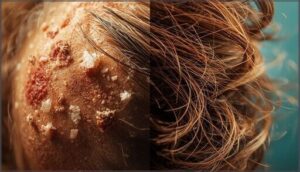
Your body has a way of signaling when something’s off, and your scalp and hair are no exception. When moisture levels drop, you’ll notice specific changes in how your scalp feels and how your hair behaves.
Learning to recognize these signs helps you address the problem before it leads to bigger issues like breakage or persistent scalp conditions.
Symptoms of Scalp Dehydration
Discomfort often starts with a tight sensation around your crown and hairline—one of the clearest dehydration signs that your scalp’s barrier needs attention. You might also notice dry flakes, mild scalp irritation, or persistent itch relief needs even without visible dandruff.
Scalp sensitivity and redness can emerge after washing, signaling that your dry scalp requires hydration-focused scalp care tips, not just oil-based treatments.
Signs of Hair Lacking Hydration
When your hair lacks hydration techniques, you’ll feel stiffness and brittleness—strands snap during brushing, a telltale sign among dry hair causes.
Split ends fray at the tips, demanding split end repair, while frizz prevention becomes harder as the cuticle lifts. Hair breakage increases, elasticity drops, and shine vanishes.
Moisture balance through hair hydration techniques restores flexibility, helping hair hydrating and hair moisturizing techniques lock in what water-based products deliver.
How to Tell The Difference
How do you pinpoint the true source of dryness? Moisture detection begins with scalp analysis: check for flakes—white and dry signal dehydration, while oily flakes suggest sebum imbalance.
For hair flexibility, gently bend a strand; stiffness reveals hydration signs lacking. Understanding hair hydration vs moisture helps you choose between hair hydration techniques and hair moisturizing techniques.
Scalp exfoliation methods and targeted hair moisturizing restore balance where dryness indicators appear most severe.
Best Techniques to Hydrate The Scalp
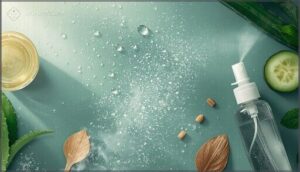
Your scalp needs targeted hydration to maintain its protective barrier and prevent that uncomfortable tightness, itching, or flaking you might be experiencing.
The good news is that you don’t need an elaborate ten-step routine to see real improvement. Let’s look at three practical techniques that work by restoring moisture where your scalp needs it most.
Hydrating Shampoos and Scalp Serums
Hydrating shampoos use gentle surfactants and humectants like glycerin or hyaluronic acid to draw water into your scalp without stripping natural oils. Look for formulas with a pH around 4.5 to 5.5 to protect your skin barrier.
Scalp serums deliver concentrated ingredients—niacinamide, lightweight oils, or panthenol—directly where moisture retention matters most:
- Choose sulfate-free shampoos with ceramides or pentavitin
- Apply serum to dry or towel-dried scalp 2–3 times weekly
- Massage gently to boost absorption and circulation
These products work together to stabilize sebum production and reduce flaking.
Scalp Massage and Exfoliation
Kneading your scalp with circular finger motions increases blood flow and eases tension—aim for 3 to 5 minutes per session using light oil to reduce friction.
Exfoliate weekly with fine scrubs or salicylic acid to lift away dead skin and product buildup, clearing the path for better moisture uptake. These scalp massage benefits and gentle scrubbing methods support scalp stimulation, detox, and healthier hair hydration.
Natural Remedies for Scalp Moisture
You don’t need a lab coat to tackle a dry scalp—your kitchen and bathroom probably hold powerful natural remedies already.
Avocado oil penetrates deep to seal in moisture for up to eight hours, while aloe vera delivers hydration without grease.
A glycerin treatment pulls water from the air, and a jojoba serum mimics your skin’s own oils, balancing moisture beautifully when paired with scalp massage benefits.
Effective Methods to Moisturize Hair
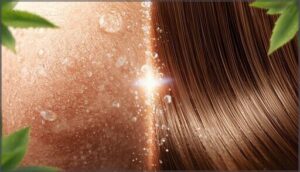
Once you’ve addressed your scalp’s hydration needs, your hair strands require their own moisturizing strategy to seal in that internal water content. The goal here is to create a protective barrier on the hair shaft that prevents moisture loss and shields against daily environmental stress.
Below are three proven methods that work across different hair types to lock in hydration and restore softness.
LOC and LCO Methods Explained
Think of the LOC and LCO methods as strategic layering techniques that transform moisture retention. LOC applies liquid, oil, then cream—ideal for high-porosity hair needing intense moisture sealing.
Both hair hydration and moisturizing techniques rely on precise product ordering to lock water into your hair shaft and improve moisture retention methods. LCO reverses the cream and oil order, preventing heaviness in finer textures while maintaining curl definition.
Hot Oil Treatments and Leave-in Conditioners
Hot oil treatments and leave-in conditioners work as foundational hair moisturizing steps. Pre-warm oils like coconut or jojoba before applying to damp hair—heat enhances cortex penetration and deep conditioning.
Cover with a shower cap for 10-20 minutes. Leave-in conditioner follows every wash, using humectants to maintain hair hydration between oil treatment benefits sessions while protein-containing formulas repair surface damage.
Choosing Moisturizing Ingredients and Products
After your oil and leave-in routine, you’ll want products built around key ingredient categories. Humectant selection starts with hyaluronic acid or glycerin to draw water into strands for hair hydration.
Emollient benefits come from natural oils like jojoba that soften texture. Occlusive effects from dimethicone seal everything in. Product layering—humectant first, emollient next, occlusive last—maximizes how you moisturize hair at each level.
Balancing Scalp and Hair Moisture in Your Routine
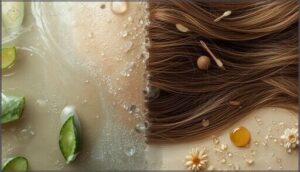
You’ve learned how to care for your scalp and hair separately, but the real challenge lies in bringing those strategies together without overwhelming your routine.
The key is designing a moisture-balancing routine that caters to both needs in harmony, adjusting for your unique hair type and texture.
Here’s how to build a sustainable routine that works for the long haul.
Building a Scalp-Friendly Hair Care Regimen
A sustainable routine starts with matching your cleanser to your scalp’s pH—around 4.5 to 5.5—to preserve the moisture barrier and support healthy hair hydration.
Use sulfate-free cleansing formulas that won’t strip natural oils, and follow with lightweight leave-in treatments containing humectants like glycerin.
This scalp care approach balances scalp moisture and hair moisture without overwhelming your follicles or causing buildup.
Tips for Different Hair Types and Porosity
Your hair type and hair porosity determine exactly which hair hydration and moisturizing techniques work best.
Low porosity hair benefits from lightweight leave-in products and sulfate-free shampoos that won’t cause buildup.
High porosity treatment requires heavier creams sealed with oils after hair masking. Curly hair care often demands the LOC method and frequent moisture replenishing.
Try simple porosity testing—drop a clean strand in water to see how quickly it sinks.
Maintaining Long-Term Moisture Balance
Once you’ve matched products to your hair porosity, sustaining moisture balance requires adapting your routine to environmental shifts. Humidity control becomes your ally—switch to lighter formulas in summer and richer product layering in winter.
Track scalp health weekly and adjust washing frequency as needed. Long-term moisture retention methods include:
- Deep conditioning every one to two weeks
- Seasonal product switches for humidity control
- Protective styling during extreme weather
- Regular scalp exfoliation to maintain barrier function
Frequently Asked Questions (FAQs)
How to tell if scalp needs moisture?
Your scalp sends clear signals when it’s parched: persistent itchiness, visible flaking, a tight stretched feeling, or redness. These symptoms reveal inadequate moisture levels in your scalp’s outermost skin layer.
Is it better to hydrate or moisturize hair?
The real question isn’t which is better—it’s understanding that you need both in sequence.
Hydrate first to draw water into strands, then moisturize to seal it in for lasting softness and strength.
Is it good to keep your scalp moisturized?
Absolutely—keeping a balanced moisture level on your scalp promotes your skin barrier, reduces itchiness and flaking, and creates a healthy environment for hair growth.
Hydration techniques like scalp massage with natural oils work wonders for dry scalp conditions.
Can drinking more water improve scalp moisture?
Yes, drinking water promotes your scalp’s hydration and barrier function, reducing tightness and flaking over time.
However, you’ll need topical moisturizers and gentle cleansers alongside good water intake for complete moisture balance and lasting hair health.
Does scalp moisture affect hair color retention?
A well-hydrated scalp promotes color longevity by maintaining healthy follicles and smooth cuticles that lock pigment more evenly.
Balanced scalp moisture reduces dye fade, while dryness accelerates color loss through cuticle damage.
How often should you deep condition hair?
Think of deep conditioning as routine nourishment for your hair.
Most hair types benefit from weekly treatments, but adjust based on hair porosity, damage levels, and how your strands respond to moisture.
Can over-moisturizing damage your hair or scalp?
Over moisturizing can trigger hair breakage through hygral fatigue, where strands lose elasticity from repeated swelling.
It also causes scalp irritation, product buildup, and disrupts your scalp’s protective barrier, inviting itchiness and flaking.
Do silk pillowcases help retain scalp moisture?
Silk pillowcases support scalp moisture by minimizing friction and preserving your natural oils overnight.
Unlike cotton, silk’s low absorbency prevents moisture loss, helping maintain scalp oil balance as part of nighttime hair care.
Conclusion
Think of your hair care routine as tending two distinct gardens: one living garden, one dormant garden. Your scalp’s sebaceous glands need balance and barrier protection, while your hair shaft requires external moisture it can’t produce alone.
Treating scalp moisture vs hair moisture as separate systems—not competing priorities—lets you address flaking without weighing down strands, or hydrate lengths without clogging follicles. When both ecosystems thrive independently, your entire head benefits from healthier growth, stronger structure, and lasting comfort.
- https://drhowardmurad.com/water-water-everywhere/
- https://www.techtimes.com/articles/134867/20160219/health-expert-says-eating-water-is-better-than-drinking-it-what.htm
- https://www.ncbi.nlm.nih.gov/pmc/articles/PMC4387693/
- https://pubmed.ncbi.nlm.nih.gov/36942745/
- https://cecred.com/blogs/cecred-space/the-difference-between-hair-hydration-and-moisture