
This site is supported by our readers. We may earn a commission, at no cost to you, if you purchase through links.

A recent study found that shaving underarm hair can reduce odor by up to 57%. That’s not just a cosmetic change—it’s a measurable impact on how your body handles sweat and bacteria.
For men, the question of whether to shave armpits has shifted from taboo to legitimate grooming consideration, especially as athletes, professionals, and everyday guys recognize the practical benefits.
The choice isn’t just about aesthetics or following trends. It’s about understanding how underarm hair affects odor control, skin health, and personal comfort, then deciding what works for your lifestyle.
Whether you’re dealing with excessive sweat, curious about improving your grooming routine, or simply want to know what you’re getting into before picking up a razor, the decision comes down to weighing real benefits against potential drawbacks and maintenance requirements.
Table Of Contents
- Key Takeaways
- Benefits and Drawbacks of Shaving Armpits
- How Common is Armpit Shaving Among Men?
- Step-by-Step Guide: How to Shave Armpits
- Top 3 Recommended Armpit Shaving Products
- Alternatives to Shaving and Maintenance Tips
- Frequently Asked Questions (FAQs)
- Why should men shave their armpits?
- Are there any risks associated with shaving your armpits?
- What should you do if you experience irritation after shaving your armpits?
- Can anyone else shave your armpits for you?
- Is It Ok to Not Shave Your Armpits?
- Is Armpit Hair Attractive?
- Do Hairy Armpits Smell Worse Than Shaved Ones?
- Should You Trim or Shave Armpit Hair?
- Is It More Hygienic to Shave Your Armpits?
- Should Women Shave Armpits?
- Conclusion
Key Takeaways
- Shaving your armpits can reduce body odor by up to 57% because it allows deodorant to reach your skin directly instead of coating the hair shaft, though you’ll need to manage potential irritation like razor burn and ingrown hairs through proper technique.
- The decision between shaving, trimming, or going natural depends entirely on your lifestyle priorities—athletes often shave for performance benefits and reduced chafing, while others prefer trimming to balance odor control with lower maintenance and skin irritation risks.
- Modern grooming trends show 68% of men now trim their armpits, with younger generations (ages 16-24) doubling their underarm grooming rates in just two years, reflecting shifting cultural attitudes about male body hair.
- Keeping natural armpit hair serves biological purposes by trapping pheromones that signal sexual maturity and masculinity, so the choice isn’t just about hygiene—it’s about weighing odor control and aesthetics against your body’s natural functions and personal comfort.
Benefits and Drawbacks of Shaving Armpits
Deciding whether to shave your armpits isn’t just about aesthetics—it comes down to weighing real benefits against practical drawbacks. From reducing odor and enhancing your grooming routine to dealing with potential irritation and upkeep, each factor plays a role in what works best for you.
Let’s break down the key pros and cons so you can make an informed choice.
Hygiene and Odor Reduction
When armpit hair traps sweat against your skin, it creates the perfect breeding ground for bacterial growth. Shaving can cut underarm odor by more than half—one study showed a 57% drop—because removing hair lets your deodorant reach the skin directly instead of coating the hair shaft. You’ll notice less body odor, especially after workouts, though watch for potential skin complications like razor bumps.
Shaving armpits can cut body odor by over half because it lets deodorant reach your skin directly instead of coating trapped hair
Regular showering is also essential to prevent odor, as is managing excessive underarm sweat.
Aesthetic and Grooming Considerations
Beyond odor control, grooming norms have shifted—over half of men who shave do it for aesthetic reasons, aiming for that cleaner, more sculpted look. Visual preferences lean toward less body hair, with research showing trimmed underarms boost perceived attractiveness and muscle definition.
Fashion trends favor neat, controlled grooming that won’t peek out from tank tops or fitted tees, directly influencing body image and psychological perceptions of polish. A recent survey indicates that a significant percentage of men trim their armpit hair.
Athletic Performance and Comfort
Athletes shave armpits for tangible gains—sweat evaporation accelerates cooling during intense workouts, and drag reduction can shave seconds off swim times. Chafing prevention becomes critical in endurance sports where repetitive motion meets moisture. Cyclists gain aerodynamic advantages, while runners report measurable performance metrics improvements.
Athletic reasons for shaving extend beyond hygiene to athlete hygiene and comfort: less friction, better mobility, and that psychological edge of feeling lighter and faster.
Potential Skin Irritation and Upkeep
Before you reach for that razor, consider the trade-offs. Shaving removes roughly a third of your skin’s protective barrier with each pass, which can trigger razor burn, ingrown hairs, and contact dermatitis. Darker skin types face pigmentation risks from inflammation, while daily upkeep demands time you mightn’t want to invest.
Pseudofolliculitis—those irritating bumps—affects up to 60% of shavers with curved hair follicles.
Preserving Natural Masculinity and Pheromones
While shaving offers hygiene perks, keeping your natural armpit hair provides real biological purposes tied to mate attraction and pheromones. Your underarm hair traps androstadienone—a compound linked to testosterone levels that signals sexual maturity. Cultural perceptions vary, but the evolutionary significance is clear:
- Hair increases surface area for pheromone production and dispersal
- Natural masculinity markers boost confidence in sexual attraction
- Body odor carries chemical signals that influence potential partners’ mood
Ultimately, it’s your call.
How Common is Armpit Shaving Among Men?

Armpit shaving among men isn’t as universal as you might think, but it’s far from rare. The practice varies widely depending on where you live, how old you are, and what circles you run in.
Let’s look at the trends, cultural shifts, and actual numbers that show how common this grooming choice really is.
Trends in Men’s Grooming
Men’s grooming has grown into a massive market, projected to reach nearly $120 billion globally by 2032. This shift reflects changing attitudes across generations about personal grooming for men.
You’re not alone if you’re rethinking body hair removal—surveys show 68% of men now trim their armpits, and younger guys aged 16–24 have doubled their underarm grooming rates in just two years.
Cultural and Generational Perspectives
Your relationship with body hair is deeply personal, shaped by where you live and when you grew up. Western norms increasingly favor smooth underarms, while cross-cultural practices vary widely—some Middle Eastern men view it as a religious duty, others embrace natural masculinity.
Generational shifts matter too: Gen Z men experiment more freely with grooming than older guys, facing less masculinity stigma around sexuality identity and aesthetic choices.
Prevalence Statistics and Survey Findings
How many guys actually shave their armpits? Generational trends reveal striking shifts: in the UK, 42% of men aged 16–24 removed underarm hair by 2018—up from just 16% in 2016. Global shaving rates vary widely, reflecting cultural norms and societal views on body hair.
A Men’s Health survey found 68% trim their pits, driven by aesthetic and social perspectives, while motivation for shaving centers on cleanliness and appearance.
Step-by-Step Guide: How to Shave Armpits
Shaving your armpits doesn’t have to be complicated, but doing it right makes all the difference between smooth results and irritated skin. The key is following a proper sequence—from prep work to aftercare—that minimizes discomfort and keeps your underarms looking clean.
Here’s how to get it done without the razor burn or regret.
Pre-shaving Preparation and Trimming

Before you put razor to skin, a little prep goes a long way. Think of it as setting the stage for a smoother, irritation-free shave that actually lasts.
- Trim first: Use an electric trimmer or Philips OneBlade to cut hair down to about 1.5–3 mm, which prevents tugging and makes the blade’s job easier.
- Cleanse thoroughly: Hop in a hot shower to wash away bacteria, sweat, and any old antiperspirant that could clog your razor.
- Exfoliate gently: Before shaving, use a washcloth or mild scrub to lift dead skin cells and reduce the chance of ingrown hairs.
- Hydrate the hair: Let warm water soak the area for three minutes so hair softens and cuts cleanly without extra force.
Shaving Techniques for Sensitive Skin
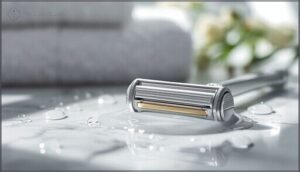
Your razor choice matters more than you think—single-blade or closely spaced multiblade razors distribute pressure evenly, reducing irritation on sensitive skin.
Apply a dermatologist-tested shaving gel, then glide the blade with the grain using short, light strokes. Rinse your razor every couple of passes to prevent buildup.
Less pressure and fewer passes mean less post-shave discomfort, so let the blade do the work.
Preventing Razor Burn and Ingrown Hairs

You can dodge razor burn and ingrown hairs by sticking to a few proven habits. Pre-shave hydration softens hair and opens pores, so spend ten minutes in warm water before you start.
Keep your blade sharp—dull razors tug and create folliculitis. Always use lubrication; dry shaving invites irritation.
Shave with the grain in short strokes, and avoid pressing hard or repeating passes.
Post-shave Care and Moisturizing

Once you’ve finished shaving, your barrier function needs support. Skip deodorant for a few hours—freshly shaved underarm skin is sensitive. Instead, apply an aftershave balm or moisturizer with glycerin, hyaluronic acid, or ceramides within minutes.
These moisturizer ingredients repair skin irritation and lock in hydration. Make this your skincare routine: rinse, pat dry, moisturize.
Product prevalence shows most men experience underarm issues, so smart skin sensitivity management pays off.
Top 3 Recommended Armpit Shaving Products
Getting a smooth, irritation-free shave starts with having the right tools in your arsenal. The products you choose can make the difference between a quick, comfortable routine and a frustrating experience that leaves your skin angry and bumpy.
Here are three solid options that cover everything from prep to the actual shave itself.
1. Braun Multi Grooming Kit MGK3060

The Braun Multi Grooming Kit MGK3060 delivers solid value for men tackling armpit hair removal. Its 8-in-1 design includes kit attachments spanning 13 precision length settings from 0.5 to 21mm, perfect for trimming before a close shave.
This electric trimmer addresses beard, body, and detail work, with cleaning ease thanks to its fully washable head. Battery performance offers about 60 minutes of cordless runtime, enough for several grooming sessions.
It’s a practical step in any men’s grooming guide, combining grooming suitability with affordability.
Best For: Men looking for an affordable, multi-purpose grooming tool that handles beard trimming, body hair management, and detail work without needing separate devices.
- 13 length settings (0.5-21mm) plus multiple attachments give you flexibility for everything from stubble to longer beards and body hair trimming
- Fully washable design makes cleanup quick and hygienic, especially important after trimming sweat-prone areas like armpits
- Decent 60-minute battery life handles multiple grooming sessions before needing the overnight recharge
- Battery performance gets mixed reviews—some users report it doesn’t hold a charge as well over time
- Takes a long time to recharge (8 hours), so you need to plan ahead if it dies mid-groom
- Replacement parts are pricey, and some users mention hair gets stuck between blades during use
2. Easymoo Bath Loofahs Shower Sponge Poufs
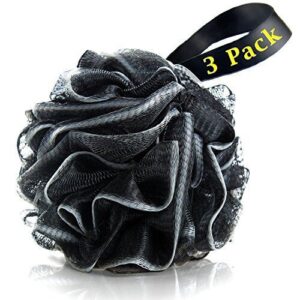
Once your armpits are smooth, exfoliation keeps them that way. The Easymoo Bath Loofahs Shower Sponge Poufs use a soft loofah material that gently lifts dead skin without aggravating freshly shaved zones.
Consumer reviews highlight their exfoliation effectiveness and budget-friendly three-pack design, though bacterial concerns call for thorough rinsing and drying after each use. Product lifespan hovers around three to four weeks, matching typical replacement cycles.
These poufs integrate easily into your shaving routine, enhancing your overall shaving experience with minimal fuss.
Best For: Anyone who wants gentle daily exfoliation after shaving or waxing, especially if you’re looking for an affordable option that creates rich lather without irritating sensitive underarm skin.
- Soft loofah texture removes dead skin and prevents ingrown hairs without scratching freshly shaved areas
- Creates tons of bubbles with just a small amount of body wash, so your products last longer
- Comes in a three-pack at a budget-friendly price, and each pouf includes a hanging strap for quick drying
- Can harbor bacteria if not rinsed thoroughly and dried completely between uses, which requires extra attention to hygiene
- Needs replacement every 3–4 weeks to stay hygienic and effective, adding up over time
- Some users report the poufs fall apart or lose their fluffiness faster than expected, especially with daily use
3. Aveeno Therapeutic Shave Gel For Women
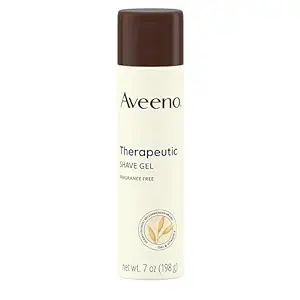
Sensitive skin demands a gentler approach. Aveeno Therapeutic Shave Gel delivers oatmeal skin benefits through colloidal oatmeal and vitamin E, creating a lubricating barrier that reduces friction and shaving irritation.
Its fragrance-free claims hold up—no synthetic perfumes, just a faint natural scent. The soap-free formula suits reactive underarm zones prone to razor burn, making it one of the strongest shaving product recommendations for men borrowing from the women’s aisle.
Dermatologist-tested and allergy-screened, this shave gel proves that sensitive skin use doesn’t require compromise on closeness or comfort.
Best For: People with sensitive or easily irritated skin who need a fragrance-free, hypoallergenic shave gel that minimizes razor burn and bumps in delicate areas like underarms.
- Colloidal oatmeal and vitamin E provide proven moisturizing and anti-inflammatory benefits that can last up to two weeks after use
- Fragrance-free and soap-free formula reduces contact irritation, making it ideal for reactive skin in high-friction zones
- Dermatologist-recommended brand with extensive allergy testing and a low sensitization profile backed by clinical safety data
- Some users report a mild natural scent from base ingredients despite the fragrance-free label
- Packaging issues may lead to product leakage during shipping
- Limited stock availability can make it harder to find consistently
Alternatives to Shaving and Maintenance Tips

Shaving isn’t your only option for managing armpit hair. You’ve got several alternatives that can fit different preferences, skin types, and grooming routines.
Let’s look at the main approaches you can take, from trimming to going completely natural.
Trimming Vs. Shaving
You’ve got two solid options for armpit hair grooming: trimming keeps things short without touching skin, while shaving removes everything at the surface.
Trimming with clippers takes under five minutes and slashes irritation risk, but you’ll still see stubble.
Shaving delivers smooth results and better odor control—clinical data shows up to 57% reduction—yet demands more upkeep and proper shaving techniques to avoid razor burn.
Waxing and Hair Removal Creams
When you’re weighing hair removal methods beyond shaving, waxing pulls hair from the root and keeps underarms smooth for two to four weeks—though waxing pain levels run higher than creams. Skin irritation risks differ: waxing can trigger redness or ingrown hairs, while creams occasionally cause mild stinging during use.
Hair removal creams dissolve hair at the surface with cream application times around five to ten minutes, but regrowth appears within three to seven days.
Maintaining Hygiene With Natural Armpit Hair
You can keep your natural armpit hair fresh without a razor—it’s all about smart hygiene.
Wash daily with a gentle cleanser to cut bacteria and underarm odor, then dry completely since moisture feeds the microbes that cause trouble.
Trim to a shorter length so deodorant reaches skin better, apply a mild moisturizer to protect your skin barrier, and you’ll knock out personal hygiene concerns while reducing body odor naturally.
Choosing The Best Method for Your Lifestyle
Match your grooming to your real life—time commitment, cost analysis, skin sensitivity, sport activity, and personal values all steer your choice. If razor burn plagues you, try alternatives to shaving like the Philips OneBlade or trimming.
Athletes often pick underarm hair removal methods such as the waxing method for less drag. Budget-conscious guys may skip laser hair removal and stick with quick clippers instead.
Frequently Asked Questions (FAQs)
Why should men shave their armpits?
If you’ve ever noticed how odor clings after a tough workout, shaving armpits might help. Removing hair cuts bacteria buildup by over 50%, improves deodorant contact, and meets modern grooming standards—especially for athletes seeking comfort.
Are there any risks associated with shaving your armpits?
Yes, shaving your armpits carries risks like skin irritation, razor burn, and ingrown hairs. You’re also more vulnerable to folliculitis and infections from nicks.
Proper technique and upkeep help minimize these issues.
What should you do if you experience irritation after shaving your armpits?
A skin irritation feels like fire under your arms—immediate relief starts with cool compresses and hydrocortisone cream.
Switch to fragrance-free moisturizers, sharpen your razor, and pause shaving until razor burn and ingrown hairs heal completely.
Can anyone else shave your armpits for you?
Assisted grooming is common in caregiver shaving scenarios—think mobility limitations or post-surgery recovery.
Always prioritize infection control with clean razors, consent considerations, and proper shaving techniques for men before letting anyone handle your underarms.
Is It Ok to Not Shave Your Armpits?
Not shaving is perfectly fine—47% of adults don’t care about men’s armpit hair. Natural masculinity, pheromones, and personal choice matter more than trends.
Regular washing controls body odour without removing hair.
Is Armpit Hair Attractive?
Attractiveness ratings vary widely across cultural norms and grooming trends. Women’s opinions on armpit hair differ—some prefer shaved for aesthetic appearance and odor perception, while others value natural masculinity and its evolutionary role in sexual attraction.
Do Hairy Armpits Smell Worse Than Shaved Ones?
Like a forest holding moisture after rain, hairy armpits trap sweat and bacteria that fuel body odour.
Research shows shaved armpits reduce odor intensity by up to 57% initially, though the effect fades as hair regrows.
Should You Trim or Shave Armpit Hair?
Trimming keeps some hair length for odor control and skin protection, while shaving removes everything for a smoother feel.
Your choice depends on personal preference, skin sensitivity, and how much grooming upkeep you’re willing to handle.
Is It More Hygienic to Shave Your Armpits?
Think of your underarm as a tropical rainforest—dense hair creates humid pockets where odor-causing bacteria thrive.
Shaving improves hygiene and body odor by letting deodorant reach skin directly, reducing microbial balance disruptions and boosting deodorant efficacy.
Should Women Shave Armpits?
Women routinely shave their armpits due to cultural norms and femininity standards—surveys show over 90% remove underarm hair.
Social pressure influences this practice more than health concerns, though personal choice in hair removal methods matters most.
Conclusion
The razor doesn’t make the man—your choice does. Whether you decide men should shave armpits comes down to what suits your body, lifestyle, and comfort best.
Some guys find freedom in a clean shave, others in natural grooming, and many land somewhere between. There’s no universal answer carved in stone.
What matters is understanding your options, knowing the trade-offs, and picking the approach that keeps you feeling confident and fresh every day.
- https://www.sciencedirect.com/science/article/abs/pii/S174014451300079X
- https://pubmed.ncbi.nlm.nih.gov/32167230/
- https://onlinelibrary.wiley.com/doi/full/10.1111/jocd.12197
- https://oneskinderm.com/dermatology-blog/understanding-axillary-hyperhidrosis-causes-symptoms-and-treatment-options
- https://www.axe.com/us/en/inspiration/grooming/does-shaving-armpits-reduce-sweat.html