
This site is supported by our readers. We may earn a commission, at no cost to you, if you purchase through links.

Your razor hovers mid-air while your brain runs the same calculation it’s done a thousand times: before or after? The answer isn’t just about convenience—it’s about whether you walk away with smooth skin or a stinging reminder that you guessed wrong.
Hair texture determines how much prep you need, skin sensitivity decides your tolerance for friction, and timing shapes whether your follicles cooperate or rebel.
Some people swear by shaving before stepping into the shower, claiming better visibility and control. Others won’t touch a razor until steam has softened every stubble. Both camps have science backing their corner, and understanding what happens at the cellular level helps you stop gambling with your face.
Table Of Contents
- Key Takeaways
- Should You Shave Before or After a Shower?
- Key Factors Influencing Shaving Timing
- Benefits of Shaving Before a Shower
- Drawbacks of Shaving Before a Shower
- Benefits of Shaving After a Shower
- Drawbacks of Shaving After a Shower
- Expert Tips for an Optimal Shaving Experience
- Frequently Asked Questions (FAQs)
- Conclusion
Key Takeaways
- Shaving after a shower is dermatologically superior for most people because warm water softens hair by up to 65%, opens pores, and reduces cutting force by roughly 30%, which minimizes razor burn, nicks, and irritation compared to dry shaving.
- Your hair texture and skin sensitivity determine optimal timing—coarse or dense facial hair benefits from post-shower hydration, while fine or sparse hair can be managed effectively before showering with proper warm-towel preparation.
- Pre-shower shaving offers better visibility, precision, and easier cleanup but increases irritation risk by 40% due to unprepared skin and stiffer hair that requires more mechanical force and multiple passes.
- Proper technique matters more than timing alone—sharp blades, quality shaving cream, pre-shave exfoliation, and immediate post-shave moisturizing with hyaluronic acid or ceramides protect your skin barrier regardless of when you choose to shave.
Should You Shave Before or After a Shower?
Why does shaving timing spark so much debate? The decision to shave before or after a shower isn’t one-size-fits-all—it depends on your hair texture, skin sensitivity, and daily routine. Most dermatologists recommend shaving after a shower because warm water softens facial hair and opens pores, reducing friction and irritation. Studies show that hydrated hair shafts are easier to cut, requiring less mechanical force from your blade. This approach is particularly helpful if you’re prone to razor burn or have coarse facial hair.
Understanding the shaving debate basics can help you make an informed decision about your shaving routine. That said, shaving before a shower works for some people, especially those with fine hair who value precision and quick cleanup.
The key is understanding how shaving techniques, skin preparation, and razor maintenance interact with your choice. Whether you shave after shower or shave before shower, proper preparation and sharp blades make all the difference in achieving comfort and preventing skin problems.
Key Factors Influencing Shaving Timing

Your shaving timing isn’t one-size-fits-all—it depends on what’s happening with your skin and hair. The choice between before or after comes down to a few personal factors that actually matter more than you’d think.
Let’s break down the key considerations that should guide your decision.
Hair Thickness and Type
Follicle size and keratin structure determine whether your hair feels fine or coarse. Coarse texture with higher hair density—common in certain ethnic variations—benefits from shaving after a shower, since hydration softens thick strands and reduces razor burn.
Fine hair responds well to shaving before a shower, offering better visibility and control. Understanding your hair type shapes which shaving techniques protect your skin best. Considering the hair growth stages is essential for effective shaving.
Skin Sensitivity and Irritation Risk
Your barrier function determines how much shaving irritates you. If you react easily—redness, stinging, ingrown hairs—shaving after a shower protects sensitive skin conditions better than dry shaving.
Warm water opens pores and softens hair, lowering razor burn risk by around 40% compared to shaving before shower. Sensitive areas like the neck especially benefit from that hydration, making post-shave care less about damage control and more about comfort.
Time Constraints and Routine Preferences
Morning rush changes everything. If you’re fighting for 30 minutes in the bathroom before work, shaving before shower cuts overlap—you’re done while water heats up. Evening routine fans shift grooming off-peak, dodging time management chaos entirely.
A Gillette survey found 63% of men need half an hour for personal hygiene, so aligning your grooming schedules with daily priorities beats forcing thoroughness when you’re already late.
Benefits of Shaving Before a Shower
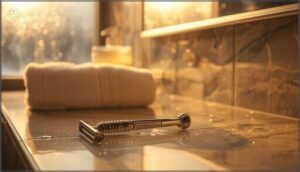
Shaving before you shower isn’t the most popular choice, but it has some real advantages worth considering. If you’ve got a steady hand and prefer working with dry skin, this approach gives you sharper control over your routine.
Let’s look at three specific benefits that might make pre-shower shaving the right move for you.
Enhanced Control and Precision
When you’re steering a blade across your face, control isn’t optional—it’s survival. Shaving before shower gives you that edge through:
- Stable Grip at the sink with clear mirror access for precise blade angle adjustments on your jawline
- Visual Access to track contours and define sharp lines without steam obscuring your view
- Tactile Feedback from less-slippery skin that signals when you’re applying too much pressure
Shaving safety starts with seeing and feeling what you’re doing.
Easier Cleanup and Less Mess
Sweeping hair into the trash instead of washing it down beats scrubbing clogged drains any day. When you shave before showering, every whisker lands where you can see it—on the counter, not tangled in your drain trap.
| Shaving Location | Cleanup Effort |
|---|---|
| At the sink | Wipe basin daily; collect hair on tissue |
| In shower | Hair rinses down; clear tub drain weekly |
| With strainers | Empty catchers; prevents plumbing calls |
| Without protection | 66% leave visible mess; clogs build fast |
Hair strainers and quick counter wipes give you drain protection without the plumber’s bill.
Suitable for Fine or Sparse Facial Hair
Light stubble gives you room to choose your own path. If your facial hair grows slowly or patches thin, shaving before showering works just fine—especially when you pair it with smart skin prep.
- Thin whiskers cut 70% easier with warm‑towel softening, letting you skip the full shower wait
- Electric shavers capture dry, fine hair more cleanly than wet stubble
- Fewer passes preserve your skin barrier when hair removal demands less pressure
Sharp razor selection and quality shaving cream still matter. Afterward, rinse clean in the shower and finish with post‑shave care that locks moisture in—your face will thank you.
Drawbacks of Shaving Before a Shower

Shaving before a shower might seem efficient, but it comes with real downsides your skin won’t thank you for. Dry hair and unprepared skin create a rougher experience that can leave you dealing with irritation you could’ve avoided.
Here’s what you’re up against when you choose to shave before stepping into the shower.
Increased Risk of Irritation and Nicks
Shaving dry skin strips away your protective barrier, leaving you vulnerable to cuts and inflammation. When you skip pre-hydration, blade friction spikes—microscopic tears form, transepidermal water loss accelerates, and follicles suffer traumatic injury that triggers burning sensations within 24–48 hours.
Shaving dry skin strips your protective barrier, spiking blade friction and triggering cuts, inflammation, and burning sensations within 48 hours
| Risk Factor | Mechanism | Outcome |
|---|---|---|
| Skin Barrier Damage | Higher blade friction on unlubricated skin | Microtrauma, increased water loss |
| Razor Burn Causes | Repetitive passes over dry areas | Erythema, prolonged soreness |
| Nick Reduction Strategies | Lack of glide and cushioning | Blade catches on skin irregularities |
| Irritation Prevention Methods | Inadequate follicle preparation | Traumatic folliculitis, inflamed papules |
That’s why shaving after a shower matters—warm water softens hair and opens pores, letting your razor glide smoothly. Without it, you’re inviting nicks, razor burn, and inflammatory flare-ups that compromise your skin health for days.
Tougher, Less Hydrated Hair
Dry hair fights back—keratin fibers retain rigid hydrogen bonds, demanding up to 65% more cutting force than hydrated strands. When you shave before a shower, your blade battles tougher resistance at every pass.
- Hair Hydration Levels drop dramatically without pre-soaking, leaving shafts stiff
- Cutting Force spikes as dry keratin structure resists deformation
- Blade Interaction suffers from increased friction on unlubricated cuticles
- Dry Shaving Risks multiply when hair hasn’t absorbed moisture for 2–3 minutes
- Hair Type matters—coarse beards become especially unforgiving when bone-dry
That’s the mechanical reality of shaving before a shower.
Potential for Razor Burn and Ingrown Hairs
When you skip the shower, your blade drags across unprepared skin—and up to 79% of men report at least one shaving problem like razor burn or nicks. Dry shaving disrupts your skin’s protective barrier, triggering inflammation that shows as angry red patches.
Curly hair types face even steeper risks: without proper hydration, sharp-tipped hairs curl back into follicles, creating painful ingrown hairs that demand ingrown hair treatment and careful razor safety and maintenance.
Benefits of Shaving After a Shower

If you’ve ever wondered why barbers insist on hot towels before a shave, it’s because heat and moisture fundamentally change how your skin and hair respond to a blade.
Shaving after a shower isn’t just tradition—it’s backed by dermatological evidence that makes a real difference in your results. Here’s what actually happens when you shave on freshly showered skin.
Softer Hair and Open Pores
Warm water loosens the grip of dry stubble, transforming coarse whiskers into pliable strands that yield more easily to your razor.
When you shave after a shower, heat accelerates hydration—lab studies confirm softer hair requires about 30% less cutting force—while elevated skin temperature increases moisture at the surface, creating conditions that support razor efficiency and shave comfort, especially for sensitive skin.
Reduced Friction and Smoother Shave
Hydrated stubble paired with clean, lubricated skin helps your razor glide smoothly, cutting friction by 30 to 65% and sparing you from tugging that aggravates sensitive areas. This friction reduction means fewer passes and a smooth finish in your shaving routine, supporting razor efficiency and better skin hydration.
- Softened hair lowers mechanical resistance, letting blades work with less drag
- Steam and warm water prep skin, creating an ideal surface for shave techniques
- Quality shaving cream adds a protective film, reducing direct skin–blade contact
- Cleaner skin eliminates debris, preventing stop–start movement that increases friction
- Efficient strokes minimize repeat passes, lowering cumulative shear stress and irritation
Lower Chance of Skin Irritation
Gliding over softened, well-hydrated skin means your blade encounters less resistance, and you’ll see irritation prevention in action. Research shows shaving after a shower keeps barrier damage low—one study found proper lubrication on hydrated skin maintained transepidermal water loss at baseline, while dry shaving spiked it to tape-stripping levels.
That’s why post-shave care on clean, moist skin promotes skin health and minimizes razor burn, especially for sensitive skin.
| Shave Timing | Barrier Impact | Irritation Risk |
|---|---|---|
| After shower | Minimal TEWL increase | Low |
| Before shower | Moderate disruption | Moderate |
| Dry shaving | Severe TEWL spike | High |
Drawbacks of Shaving After a Shower

Shaving after a shower isn’t always the perfect solution, even though it comes with real benefits. Your skin and hair can become too soft or waterlogged, creating a few unexpected problems during your shave.
Here’s what you need to watch out for when you choose this timing.
Clogged Razor Blades From Hydrated Hair
When you shave after showering, you’re working with hair that’s up to 65% softer—but there’s a catch. That same hydration causes hair fibers to swell and clump together, forming dense bundles that clog multi-blade cartridges more readily.
You’ll likely need to rinse your razor every two to three strokes to keep those blade channels clear and maintain smooth shaving performance.
Extra Time Required in Routine
Choosing to shave after a shower extends your grooming schedules more than you might expect. While your morning routines benefit from softened hair, the cumulative time cost adds up considerably across weeks and years.
- Dermatology guidance recommends 5 to 10 minutes of warm water exposure before shaving
- A complete in-shower shave adds 10 to 15 minutes to your typical shower routine
- Shaving three times weekly creates roughly 45 extra minutes in your personal grooming routine
- Daily shavers invest approximately 30 additional hours annually in their grooming routine
Potential for Overhydrated or Slippery Skin
Prolonged water contact before shaving can backfire. When your stratum corneum absorbs too much moisture, your skin becomes overly pliable, compromising razor grip and blade control. That slippery surface raises your risk of nicks, especially on curves like the jawline.
Overhydration effects also disrupt your lipid barrier, leaving sensitive skin more vulnerable to irritation and pore clogging once the temporary swelling subsides.
Expert Tips for an Optimal Shaving Experience
Whether you shave before or after your shower, the right techniques can make all the difference in protecting your skin. Smart prep work, quality products, and proper aftercare help you avoid irritation while getting consistently smooth results.
Here’s what you need to focus on for a shave that’s both effective and gentle on your skin.
Prepping Skin With Exfoliation Tools

Before you even reach for your razor, think about exfoliation methods that match your skin types—this step defines your entire shaving routine tips.
Use tool selection wisely: exfoliating gloves work well for normal skin, while loofahs suit daily maintenance.
Pre-shave routine exfoliation, performed 2–3 times weekly, clears follicles and preps you for shaving after shower, reducing ingrown hairs and razor bumps through smart skin care.
Choosing Quality Razors and Creams

Your razor materials and blade sharpness define every stroke—disposable cartridges may cost you a dollar per shave, while double-edged safety razors run about ten cents and deliver sharper, cleaner cuts.
Match shaving cream types to your skin compatibility: rich, lathering formulas protect sensitive faces, whereas transparent gels let you navigate scars and beard lines with precision, keeping aftershave products and razor maintenance straightforward.
Post-Shave Moisturizing and Care

Right after you shave, your skin barrier needs rescue. Hyaluronic acid serums boost skin hydration by nearly 50% within hours, while niacinamide calms razor burn and strengthens defenses against environmental stress.
Look for moisturizer benefits from ceramide formulas if you deal with stinging, and layer soothing agents like aloe to quiet inflammation fast.
Consistent aftershave serums transform shaving and skincare from irritation into recovery.
Frequently Asked Questions (FAQs)
Can I shave during the shower instead?
Kill two birds with one stone—shaving during the shower works beautifully. Your skin stays hydrated, hair softens continuously, and cleanup happens automatically.
Just use quality shaving creams and rinse your razor frequently between strokes.
How often should I replace my razor blade?
You’ll want to replace your razor blade every 5 to 7 shaves to maintain blade sharpness and skin hygiene.
This replacement guideline helps prevent irritation, razor bumps, and bacterial buildup that compromise your shave quality.
Does water temperature affect shaving cream effectiveness?
Strike while the iron is hot” applies to your shave—warm water around 100–110°F hydrates hair, reducing cutting force by roughly thirty percent.
That softening boosts lather quality and minimizes skin irritation after your shower.
Should I shave daily or skip days?
Your skin recovery matters more than routine. If you notice redness or bumps, skip a day between shaves to let your barrier heal.
Daily shaving works when you use sharp razors and proper technique.
What causes razor bumps on the neck?
Ironically, the closer you shave your neck, the worse those razor bumps get. Curved hairs pierce the skin after cutting, triggering inflammation.
Tightly coiled hair and multi-blade razors worsen this ingrown hair nightmare considerably.
Conclusion
The real question isn’t should you shave before or after a shower—it’s whether you’re willing to work with your skin or against it. Your follicles don’t care about convenience; they respond to heat, hydration, and preparation.
Post-shower shaving wins for most skin types because biology favors softened hair and open pores. But if your routine demands speed and you’ve mastered pre-shave prep, own it. Just stop expecting different results from the same rushed approach.
- https://blackwolfnation.com/blogs/news/should-you-shave-before-or-after-the-shower
- https://www.medicalnewstoday.com/articles/325886
- https://www.schweigerderm.com/skin-care-articles/men/expert-tips-shave/
- https://dermatologyofct.com/the-dermatologists-guide-to-healthy-shaving-prepping-shaving-and-choosing-the-right-aftershave/
- https://sansnik.com/blogs/all-blogs/how-does-water-affect-your-shave