This site is supported by our readers. We may earn a commission, at no cost to you, if you purchase through links.

Your scalp feels tight after every shower, fine white flakes dust your shoulders by midday, and no amount of conditioner seems to help. You might be dealing with a dehydrated scalp—a condition that’s often confused with dryness but stems from water loss rather than oil deficiency.
While dry scalps lack natural oils, dehydrated scalps can’t hold onto moisture, leaving the skin stretched and parched even if oil production remains normal. The distinction matters because treating dehydration requires pulling water into your scalp and sealing it in, not just adding more oils.
Recognizing the telltale signs helps you choose the right approach to restore balance and comfort.
Table Of Contents
- Key Takeaways
- What is a Dehydrated Scalp?
- Common Signs of Scalp Dehydration
- How Dehydration Affects Hair Health
- Triggers and Aggravators of Dehydrated Scalp
- Restoring and Maintaining Scalp Hydration
- Frequently Asked Questions (FAQs)
- How do you know if your scalp is dehydrated?
- What does dehydration do to your scalp?
- Can dehydrated scalp cause permanent hair loss?
- How long does scalp rehydration usually take?
- Is dehydrated scalp contagious to other people?
- Does drinking more water directly hydrate the scalp?
- Can children develop dehydrated scalp like adults?
- Conclusion
Key Takeaways
- A dehydrated scalp lacks water rather than oil, causing tightness, fine white flakes, and itching that won’t improve with regular conditioners or oil-based treatments alone.
- You can distinguish dehydration from ordinary dryness by the stretched, taut sensation after washing and powdery flakes, even when your scalp produces normal amounts of sebum.
- Scalp dehydration directly weakens your hair by making strands brittle and prone to breakage, reducing shine, and causing styling products to fail within hours.
- Restoring hydration requires applying moisturizers to damp skin immediately after washing, using humectants like hyaluronic acid first, then sealing with protective oils to lock moisture in.
What is a Dehydrated Scalp?
A dehydrated scalp happens when your skin lacks water, not oil. This creates a cycle of flaking, tightness, and irritation that can affect your hair’s health.
Fortunately, you can restore balance by following a targeted hydration routine that addresses the root cause rather than just masking symptoms.
Let’s break down what causes it, how it differs from typical dryness, and who’s most at risk.
Definition and Key Differences From Dry Scalp
A dehydrated scalp lacks water in its outer skin layer, while a dry scalp struggles with oil production. You might feel tightness after washing, even when your scalp produces sebum normally. This skin barrier issue stems from moisture loss, not oil buildup.
For more details on symptoms of dry scalp, including what to watch for and treatment options, see this in-depth guide.
Key differences to watch for:
- Dehydration brings taut, stretched sensations regardless of oil balance
- Dry scalp shows roughness from insufficient natural oils affecting scalp health
- Dehydration signs include powdery flakes; dry scalp treatment targets sebum levels
Causes of Scalp Dehydration
Your scalp loses moisture through several pathways. Environmental triggers like cold air and indoor heating pull water from skin cells. Harsh chemicals in shampoos strip protective oils, while mineral buildup from hard water blocks hydration.
Hormonal changes and genetic predisposition affect oil production too. Unlike typical dry scalp causes that stem from sebum issues, dehydration stems from water loss affecting overall scalp health. Notably, itchiness and flakiness symptoms are also common indicators of a dehydrated or dry scalp.
Risk Factors for Dehydrated Scalp
Certain factors raise your vulnerability. Genetic predisposition affects how your scalp produces oils, while hormonal changes during menopause or thyroid conditions reduce moisture levels.
Environmental triggers like winter air and low humidity accelerate water loss. Age-related factors thin your scalp’s protective barrier.
Nutritional deficiencies also play a role. These elements combine to create itchy scalp, flaky scalp, and scalp irritation—distinct from simple dry scalp or scalp dryness alone.
Common Signs of Scalp Dehydration
Your scalp usually tells you something’s wrong before you see it in the mirror.
The signs aren’t always obvious at first, but they become harder to ignore as dehydration sets in.
Here’s what to watch for so you can catch the problem early and address it before it affects your hair.
If you’re noticing changes, understanding why your hairline is receding can help you choose the right treatment approach.
Itching and Flakiness
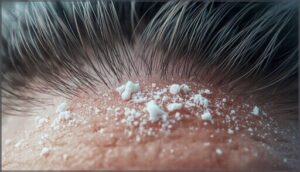
You might notice your head feeling persistently itchy scalp even when you haven’t been sweating or styling. A dehydrated scalp produces fine, white, powdery flakes that drift onto your shoulders—different from the oily clumps of dandruff.
This itchy scalp irritation improves when you add moisture through hydrating sprays or gentle cleansing. Flake removal becomes easier, and scalp soothing happens faster once proper hydration returns to your dry scalp.
Redness and Irritation
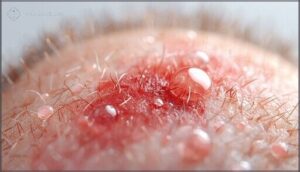
When your skin starts to protest, patches of pink or bright red may appear after washing or styling. This scalp inflammation signals barrier damage.
You might feel mild burning when shampoos touch sensitive scalp areas, or notice redness worsening with heat and exercise. Irritation causes range from harsh products to chronic moisture loss.
Gentle, hydrating care restores scalp health and reduces discomfort.
Tightness or Stretched Sensation
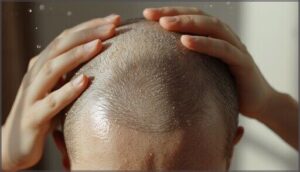
That taut feeling after washing isn’t just in your head. Scalp tension signals moisture balance disruption and can last from 15 minutes to hours.
This stretched feeling worsens in dry indoor air but improves when you apply light moisture directly to your scalp. Gentle massages and proper scalp care help restore hydration and provide dryness relief.
Persistent tightness means your scalp needs better treatment now.
Dull or Grayish Appearance
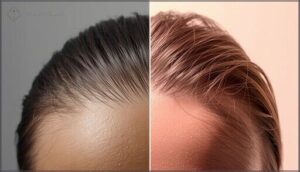
Your scalp’s luster tells a story. When moisture drops, your scalp can shift from vibrant to matte, sometimes taking on an ashy or pale tone under bright lights. This scalp discoloration signals reduced surface hydration and compromised moisture retention—key dryness causes that affect both scalp health and hair care routines.
- Scalp appears flat and lacks natural sheen after washing
- Grayish tone becomes visible in harsh bathroom lighting
- Dull hair reflects diminished scalp oils feeding each strand
- Dry scalp contributes to overall lackluster appearance
- Restoring moisture revives healthier, more vibrant scalp color
Rehydration often brings back that healthy glow, addressing dandruff and scalp dryness at their source.
How Dehydration Affects Hair Health
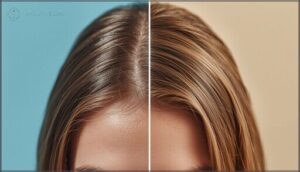
Your scalp doesn’t suffer alone when it’s dehydrated. The moisture loss travels down each strand, changing how your hair looks and behaves.
Here’s what happens when your scalp can’t provide the hydration your hair needs.
Straw-Like or Frizzy Hair Texture
When your hair feels rough like straw and frizzes at the slightest humidity, a dehydrated scalp is often to blame. Your hair cuticle repair depends on moisture balance from the scalp itself.
Without proper hydration, hair texture analysis reveals lifted cuticles that can’t hold water. A hydrating shampoo paired with scalp exfoliation helps restore your haircare routine.
Frizz reduction starts when you address dry scalp and prioritize hair hydration over managing hair damage alone.
Increased Hair Breakage
Dehydrated strands snap more easily than well-moisturized ones—breakage can climb by 40 percent when moisture drops. Hair fiber damage worsens as your scalp moisture dips, leaving strands brittle and prone to snapping mid-shaft or near the roots.
Dehydrated hair breaks 40 percent more easily as moisture loss makes strands brittle and prone to snapping
- Avoid heat over 350°F—flat irons and curling tools dry the cortex fast
- Brush gently when wet—rough combing causes immediate breakage
- Limit chemical treatments—dyes and bleach weaken keratin bonds
- Use heat protectants—silicone shields help preserve your hair’s natural moisture
Dullness and Loss of Shine
A flat, lackluster look often signals moisture imbalance—dry scalp robs your hair of natural shine by roughening the cuticle and slowing cell turnover. Restore moisture balance through gentle scalp exfoliation and targeted hair serum application.
Regular scalp massage boosts circulation, while proper scalp treatment rebuilds your hair’s reflective surface. Prioritizing scalp health directly improves hair care outcomes and shine restoration.
Weakening of Styling Hold
Beyond shine, moisture loss sabotages your styling routine. When Scalp Moisture Balance drops, Hair Hold Loss becomes noticeable—curls fall flat within hours and hairspray stops working.
Dry Scalp increases Hair Fiber Friction, causing Styling Product Failure as gels and mousses can’t grip properly. Hold Duration Factors shift dramatically with dehydration.
Restore your Haircare Routine with Scalp Treatment to improve Hair Health and make your Haircare Product Recommendations actually work.
Triggers and Aggravators of Dehydrated Scalp
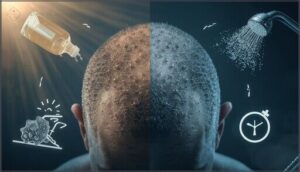
Your scalp doesn’t exist in a vacuum. It reacts to what you put on it, what’s happening around you, and what’s going on inside your body.
Let’s look at the most common triggers that can leave your scalp parched and uncomfortable.
Environmental Factors (Weather, Humidity)
When cold fronts roll in or seasonal shifts bring dry air, your scalp loses moisture fast. Low humidity levels strip hydration, triggering scalp dryness and flakiness. Hot, dry winds accelerate this.
Climate change intensifies weather patterns that worsen dehydration cycles. Combat this by using humidifiers indoors and moisturizing regularly. Proactive scalp health management protects you year-round.
Hair Care Products and Styling Habits
Your hair care products and styling habits can drain scalp moisture quickly. Sulfate-heavy shampoos strip natural oils, while heat styling tools accelerate water loss.
Choose moisturizing shampoos with gentle surfactants and pH around 5. Add scalp massage with hair oils like jojoba to boost hydration. Skip daily washing and use thermal protectants. Your haircare routine directly impacts scalp health—small changes make a big difference.
Underlying Skin Conditions
Sometimes skin conditions like eczema, psoriasis, or dermatitis trigger scalp dehydration. Eczema causes itchy red flares that worsen moisture loss. Scalp psoriasis forms thick silvery scales and inflamed patches. Seborrheic dermatitis brings oily yellow flakes with irritation.
These conditions disrupt your skin’s natural barrier, making it harder to retain water. Proper dermatitis treatment targets the root cause while restoring hydration—not just the symptoms.
Lifestyle and Dietary Influences
Often, what you eat and drink directly impacts your scalp’s moisture balance. Poor hydration tips like skipping water throughout the day worsen scalp dryness.
Dietary changes matter too—omega-3s and vitamins support nutrient balance for scalp health. Healthy habits like scalp massage boost circulation, while stress and smoking harm it.
Natural remedies for dry scalp start with lifestyle changes that address the root causes.
Restoring and Maintaining Scalp Hydration
Restoring hydration to your scalp doesn’t require a complete overhaul of your routine. Small, consistent changes can make a real difference in how your scalp feels and functions.
Here’s what works to bring moisture back and keep it there.
Effective Moisturizing Techniques
The best hydration routines start with damp skin—apply your moisturizer right after washing to lock in water. Here’s your step-by-step approach:
- Use humectant benefits first: Apply glycerin or hyaluronic acid serums to draw water into your scalp.
- Layer moisturizer strategically: Move from lightweight to heavier textures for better absorption.
- Seal with occlusive products: Top with dimethicone or plant oils to prevent moisture escape.
- Practice scalp massage: Gently massage for 60 seconds to boost blood flow and penetration.
Reapply twice daily in dry indoor environments for lasting hydrating relief.
Product Recommendations for Scalp Hydration
You’ll want lightweight formulas that work fast. Moisturizing serums with hyaluronic acid or niacinamide deliver instant hydration without residue.
Pair them with hydrating shampoos containing glycerin or aloe—INVIGO Scalp Balance Sensitive Shampoo is a solid fragrance-free option. Follow with scalp oil treatments using jojoba or argan, then finish with protective sprays for all-day moisture.
Skip heavy products that clog pores.
Protective Daily Habits
Your scalp thrives when you protect it daily. Start with gentle shampooing every 2-3 days using lukewarm water to preserve natural oils. Add a 60-second scalp massage during washing to boost circulation without irritation.
Seal moisture with lightweight hair oiling on dry patches. Track daily hydration—eight glasses keeps your scalp fed from within. Air-dry when possible to avoid heat damage.
When to Seek Professional Help
You deserve professional care when home treatments stop working. Schedule a dermatologist referral if symptoms persist beyond two weeks or disrupt daily life.
Watch for these red flags requiring immediate healthcare provider attention:
- Signs of scalp infections—pus, spreading redness, or fever
- Severe symptoms like intense burning despite moisturizers
- Rapid worsening with history of skin conditions
Emergency care addresses serious dermatology concerns affecting scalp conditions and overall health.
Frequently Asked Questions (FAQs)
How do you know if your scalp is dehydrated?
Your skin feels tight after washing, like it’s stretched thin.
Fine white flakes appear, itching persists, and hair looks dull.
These dehydration signs reveal low scalp moisture rather than typical dry scalp or dandruff.
What does dehydration do to your scalp?
When your scalp lacks water balance, it loses elasticity and feels tight.
Moisture balance drops, disrupting scalp pH levels and weakening hair follicles.
This triggers itching, flakiness, and increased sensitivity to products.
Can dehydrated scalp cause permanent hair loss?
No, a dehydrated scalp usually won’t cause permanent damage. Breakage from dehydration is reversible with proper scalp treatment and hair regrowth strategies.
Chronic dehydration may worsen existing hair loss conditions, so early intervention prevents long-term issues.
How long does scalp rehydration usually take?
Like a garden after rainfall, your scalp begins improving within days. Itching eases in 1–3 days, while flakiness clears over 1–2 weeks with consistent hydration—though recovery speed varies by severity.
Is dehydrated scalp contagious to other people?
No, moisture loss itself won’t spread between people.
However, fungal transmission like ringworm or lice prevention failures can spread contagious scalp infections through shared combs, hats, or direct contact—requiring proper hygiene practices.
Does drinking more water directly hydrate the scalp?
You drink plenty of water and wonder why your scalp still feels tight.
Here’s the truth: water intake promotes overall hydration, but topical moisturizing shampoos and scalp health advice offer more direct relief than fluid balance alone.
Can children develop dehydrated scalp like adults?
Yes, children can experience scalp dehydration just like adults. Their skin condition responds similarly to environmental factors, harsh products, and hot water.
Gentle shampoos and proper scalp moisture tips support kids’ hair health and overall skin health effectively.
Conclusion
Think of your scalp as soil that needs consistent watering, not occasional flooding. Recognizing the signs of dehydrated scalp—the tightness, flaking, and brittle texture—gives you the roadmap to relief.
Start with hydrating products that lock moisture in, protect your scalp from harsh conditions, and adjust your routine as seasons shift. If symptoms persist despite your efforts, a dermatologist can identify underlying issues. Your scalp’s comfort begins with understanding what it’s truly asking for.
- https://my.clevelandclinic.org/health/symptoms/23326-dry-scalp
- https://www.mayoclinic.org/diseases-conditions/dandruff/symptoms-causes/syc-20353850
- https://www.aad.org/public/diseases/a-z/dry-skin-self-care
- https://www.americanskin.org/resource/dryskin.php
- https://nationaleczema.org/eczema/types-of-eczema/atopic-dermatitis/