This site is supported by our readers. We may earn a commission, at no cost to you, if you purchase through links. This content is for general informational and educational purposes only and is not a substitute for professional medical, dermatological, or nutritional advice.
Razor bumps in your bikini area aren’t bad luck. They’re almost always a sign of rushed technique or the wrong tools.
Most irritation happens because skin down there is thinner and hair grows thicker than anywhere else on your body. Add a dull razor or dry skin, and you’ve set yourself up for redness, ingrown hairs, or worse.
The good news? A few small changes to your routine make a real difference. These tips for shaving your pubic area cover prep, technique, and aftercare so you can get smooth results without the bumps and burn.
Table Of Contents
- Key Takeaways
- How to Prepare Your Pubic Area Before Shaving
- Pubic Hair Shaving Tips for Less Irritation
- Top 5 Products for Pubic Area Shaving
- Aftercare Tips to Prevent Razor Bumps
- Frequently Asked Questions (FAQs)
- How do I correctly shave my pubic area?
- How should a woman shave her pubic area?
- Is it better to shave pubic hair wet or dry?
- Should you shave pubic hair completely?
- What is the best way to shave your pubic area?
- What not to do when shaving pubes?
- Is it hygienic to shave your pubic hair?
- How often should you shave your pubic hair?
- What are some ways to remove pubic hair without a razor?
- What is the best way to shave your pubes?
- Conclusion
Key Takeaways
- Prep matters most: trim hair first, soften skin with warm water, exfoliate gently, and cleanse with fragrance-free products before you ever pick up a razor.
- Shave with the grain using short, light strokes and a sharp, clean blade, holding skin taut to avoid drag, irritation, and ingrown hairs.
- Never shave over the same spot repeatedly, since extra passes cause razor burn and bumps instead of smoother skin.
- Aftercare seals in the results: rinse with cool water, pat dry, moisturize while skin is damp, and wear loose cotton underwear to prevent friction and trapped heat.
How to Prepare Your Pubic Area Before Shaving
Good results start before the razor ever touches your skin. A few simple steps get your skin ready and lower your chances of nicks, bumps, or irritation. Here’s what to do first.
Skipping the prep work is usually why razor burn shows up by afternoon, so it helps to check a guide on prepping skin properly before an electric shave first.
If you’re prone to razor bumps, mastering proper shaving technique to prevent ingrowns starts well before you even pick up the blade.
Trim Hair First
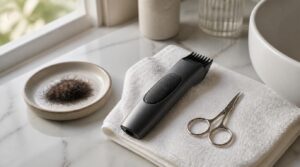
Cutting hair down before you shave keeps the whole process cleaner. Use clippers or a body trimmer with a guard set to about 1/4 inch, trimming in the direction of hair growth to avoid snagging. Follow with scissors for stray strands.
Dry trimming, done before any water touches skin, gives you better control and less blade clogging. Using professional-grade hair scissors can also help prevent split ends.
Warm Shower or Bath

Once hair’s trimmed, hop in a warm shower or bath for five to ten minutes. Warm water softens skin and hair, easing blade glide and cutting nick risk.
Steam hydrates follicles for a cleaner cut, while warmth relaxes groin muscles, so you sit still and steady. Keep water comfortably warm, not scalding, and rinse well, since it clears debris that could irritate skin later.
Gentle Exfoliation

Once you’re out of the shower, your skin is still soft and damp, which is the perfect time to exfoliate. Use a soft washcloth or a mild sugar scrub, not harsh grains, working in gentle circles for a few seconds per area.
This clears dead skin so hairs release easier, cutting the risk of ingrown hairs. Skip exfoliation if your skin is already irritated, and don’t overdo it more than once or twice weekly.
Fragrance-Free Cleansing

Now wash the area with a fragrance-free cleanser, since scented soaps often carry irritants your skin doesn’t need pre-shave.
Check labels closely, "unscented" isn’t the same as fragrance-free.
Many of the best sunscreens for runners explicitly note whether they’re fragrance-free, making it easier to find a safe option for sensitive skin.
- Protects sensitive skin from burning
- Prevents surfactant sensitivity flare-ups
- Keeps pH balance steady
- Rinses clean, no residue
- Lowers ingrown hair risk
Pick pH-balanced, mild personal care products for your routine.
Choose a Clean Razor
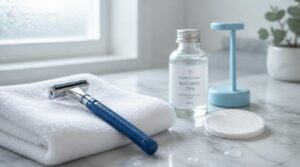
One tool matters most here: your razor itself. A clogged blade drags, tugs, and raises infection risk fast.
| Do | Why | Skip |
|---|---|---|
| Dedicated razor | Prevents sharing risks | Multiblade, if bump-prone |
| Disinfect with alcohol | Kills bacteria buildup | Dull, rusty blades |
| Dry storage | Maintains sharpness | Damp bathroom shelves |
Pubic Hair Shaving Tips for Less Irritation

Prep only gets you so far, your technique matters just as much. Small habits during the actual shave make the difference between smooth skin and an itchy, bumpy mess. Here are five simple tips to keep irritation to a minimum.
Using shorter strokes and following the grain helps you dodge the most common causes of razor burn and how to prevent them, especially around tricky curves like knees and ankles.
Apply Shaving Cream Generously
Skimping on shaving cream is the fastest route to razor burn. Use a thick, cushiony layer of unscented shaving foam, not a thin film.
Massage it in with circular motions so it coats every curve, then let it sit briefly. This protective barrier softens hair and keeps moisture locked in.
If it feels dry, add a splash of water to keep the lather spreadable before you shave with the grain.
Hold Skin Taut
Pull the skin tight with your free hand before the blade ever touches down. This creates surface stabilization, flattening folds so the razor glides evenly instead of catching.
Taut skin means fewer skips and better stroke control, especially around curves. It also cuts down friction, since the blade isn’t dragging over loose, bunching tissue in these sensitive areas.
Shave With Hair Growth
Direction matters more than most people realize regarding razor safety. Shave with the grain, meaning the same direction your hair naturally grows, not against it.
Going against the grain might feel closer, but it increases drag and irritates follicles. Directional shaving patterns protect skin texture, especially in curved or sensitive spots where pubic hair maintenance requires extra care.
Use Short Light Strokes
Long, sweeping strokes feel efficient, but they’re where razor safety breaks down. Keep each stroke short, about a quarter to half inch, moving with the grain.
Short strokes give you better blade angle control and reduce dragging, so you catch tugging before it turns into razor burns. They also limit blade buildup, keeping the edge sharp and lowering your risk of ingrown hairs.
Avoid Over-Shaving
More isn’t better here. Going over the same patch again to "get it smoother" is exactly what causes razor burns and bumps.
More passes won’t smooth skin, they just trade progress for razor burn and bumps
Stop once hair’s gone. Blade sharpness matters more than repeat passes, and light contact beats pressure every time.
Watch for redness or stinging, that’s skin stress talking. Rinse and stop; finish that spot another day.
Top 5 Products for Pubic Area Shaving
The right products make all the difference between a smooth shave and an irritated mess. You don’t need anything fancy, just gentle, fragrance-free formulas made for sensitive skin. Here are five options worth keeping in your bathroom cabinet.
If irritation from shaving seems to bring out brassy or red undertones in your hair, it helps to know how to neutralize red tones in hair at home before they become a bigger styling headache.
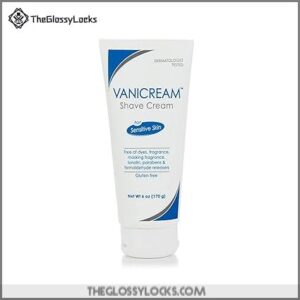
1. Vanicream Sensitive Skin Shave Cream

Skip the fragrance entirely if your skin is prone to reacting easily — that’s the whole point of this cream. Vanicream leaves out dyes, lanolin, and parabens, so there’s less chance of irritation on skin that’s already prone to bumps and redness.
Instead of a thick foam, you get a thin, clear glide. That means you can actually see where you’re shaving, which matters a lot when you’re working around curves and folds. The glycerin base pulls in moisture with each stroke, so skin stays hydrated instead of feeling stripped afterward.
It’s dermatologist-tested for reactive skin and works just as well on other areas as it does down south. Two small downsides: the tube opening dispenses slowly, and it costs more per ounce than typical drugstore brands. For genuinely sensitive skin, though, it’s worth the extra cost.
| Best For | People with sensitive, reaction-prone skin who want a gentle, fragrance-free shave cream they can trust on delicate areas. |
|---|---|
| Fragrance Free | Yes |
| Sensitive Skin Focus | Yes |
| Dermatologist Tested | Yes |
| Hydration Support | Glycerin-based |
| Product Type | Shave Cream |
| Price Tier | Premium |
| Additional Features |
|
- Free of dyes, lanolin, and parabens, reducing the risk of irritation
- Thin, clear formula makes it easy to see what you’re shaving, especially around curves
- Glycerin base keeps skin hydrated instead of feeling stripped
- Tube opening dispenses product slowly
- Costs more per ounce than typical drugstore shave creams
- Lack of foam or lather may feel unfamiliar if you’re used to traditional shaving cream
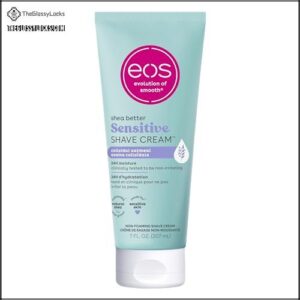
2. eos Shea Better Sensitive Shave Cream
If Vanicream’s clear glide won over your skin, eos Shea Better takes a similar approach with a non-foaming formula built around colloidal oatmeal and shea oil. You can actually watch the razor move instead of guessing through lather.
The shea butter and glycerin combo gives you 24-hour hydration, so skin stays soft long after you rinse off. It works wet or dry, though a splash of water helps if it feels thick.
Dermatologist-tested, hypoallergenic, and pricier than drugstore basics.
| Best For | This bar is best for anyone with sensitive, easily irritated skin who wants one gentle, fragrance-free product they can use on their face, hands, and body. |
|---|---|
| Fragrance Free | Yes |
| Sensitive Skin Focus | Yes |
| Dermatologist Tested | Yes |
| Hydration Support | Shea Butter/Glycerin |
| Product Type | Cleansing Bar |
| Price Tier | Premium |
| Additional Features |
|
- Hypoallergenic, fragrance-free formula with pH-balanced, plant-based cleansers
- Free from sulfates, parabens, and phthalates, so it’s gentle on sensitive skin
- Multi-purpose and cruelty-free (PETA approved), with moisturizing cream to fight dryness
- Requires manual lathering between hands, which adds an extra step
- Not a liquid soap or body wash, so it may not suit those who prefer a pump or squeeze format
- Small size (3.99 oz) means it may need replacing sooner than larger products
3. Body Scoop For Girls Healthy Beautiful You
Not every entry on this list is something you’ll rub on your skin. Body Scoop For Girls Healthy Beautiful You is a guidebook, written for teens going through puberty and their first shaving routines.
It walks you through picking gentle products, spotting irritants, and building habits that actually protect your skin—think breathable cotton underwear and proper hygiene to cut folliculitis risk. No lather, no blade, just solid groundwork before you ever pick up a razor.
| Best For | teens who are new to shaving and want a clear, gentle introduction to skincare basics before they ever pick up a razor. |
|---|---|
| Fragrance Free | N/A (guidebook) |
| Sensitive Skin Focus | Yes |
| Dermatologist Tested | N/A (guidebook) |
| Hydration Support | Educational Only |
| Product Type | Guidebook |
| Price Tier | Budget |
| Additional Features |
|
- Breaks down puberty-era skin and shaving concerns in simple, approachable language
- Covers practical habits like breathable cotton underwear and hygiene tips to help prevent folliculitis
- Focuses on gentle product choices and irritant awareness, ideal for sensitive, still-adjusting skin
- It’s a guidebook, not an actual shaving product, so it won’t replace the tools you still need to buy
- General advice may not address every individual’s specific skin type or condition
- Teens looking for quick, product-specific recommendations may want something more targeted
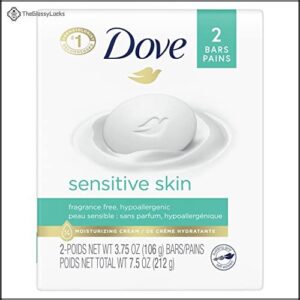
4. Dove Moisturizing Fragrance Free Beauty Bar
Guidebooks give you the theory, but cleansing well is where good habits actually start. Dove Moisturizing Fragrance Free Beauty Bar contains a quarter moisturizing cream, so it cleans without stripping your skin’s natural barrier. That matters most before and after shaving, when skin is more prone to irritation.
Its fragrance-free, hypoallergenic formula cuts down on reaction risk for sensitive genital skin. Dermatologists often recommend fragrance-free bars for exactly this reason. Use it as a simple, affordable step alongside your shaving cream for smoother results.
| Best For | Anyone with sensitive skin looking for a gentle, fragrance-free bar to pair with their shaving routine, especially around the bikini line. |
|---|---|
| Fragrance Free | Yes |
| Sensitive Skin Focus | Yes |
| Dermatologist Tested | Often Recommended |
| Hydration Support | Moisturizing Cream |
| Product Type | Beauty Bar |
| Price Tier | Budget |
| Additional Features |
|
- Contains moisturizing cream that cleanses without stripping skin’s natural barrier
- Fragrance-free and hypoallergenic formula reduces irritation risk on sensitive areas
- Affordable, simple addition to a shaving routine for smoother results
- Not a dedicated shave cream, so it works best as a complement rather than a replacement
- May not provide the same targeted hydration as products formulated specifically for shaving
- Results depend on pairing it consistently with a proper shaving cream for best effect
5. La Roche Posay Lipikar AP Plus Moisturizer
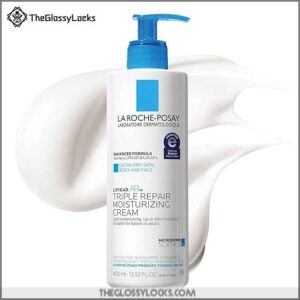
If your skin runs dry or eczema-prone, La Roche-Posay Lipikar AP Plus is worth adding to your shelf. Its ceramide and niacinamide combo restores your skin barrier while delivering 48-hour hydration, which helps prevent that tight, itchy feeling after shaving.
Shea butter and glycerin soften hair for an easier glide. Apply a thick layer to damp skin, let it absorb for 30 seconds, then shave. It’s fragrance-free, non-comedogenic, and accepted by the National Eczema Association. If you’re pairing it with a broader routine, this guide to effective hydration ingredients for every skin type helps you match formulas to your skin’s needs year-round.
| Best For | People with dry, sensitive, or eczema-prone skin who want a barrier-repairing moisturizer that’s gentle enough for daily use, even after shaving. |
|---|---|
| Fragrance Free | Yes |
| Sensitive Skin Focus | Yes |
| Dermatologist Tested | Yes |
| Hydration Support | Ceramides/Shea/Glycerin |
| Product Type | Body Lotion |
| Price Tier | Mid-Range |
| Additional Features |
|
- Delivers 48-hour hydration and up to 24-hour itch relief, thanks to ceramides, shea butter, glycerin, and niacinamide
- Gentle enough for sensitive skin, including babies as young as two weeks and chemotherapy patients
- Fast-absorbing, non-greasy formula that’s accepted by the National Eczema Association
- Not suitable for use on broken skin
- Best used under medical guidance for certain skin conditions
- Clinical relief claims are based on specific studies, so individual results may vary
Aftercare Tips to Prevent Razor Bumps

Shaving doesn’t end when you rinse off the razor, what you do next matters just as much. Your skin is more sensitive right after shaving, so a little extra care goes a long way. Here are five simple habits that help you avoid bumps and stay comfortable.
Rinse and Pat Dry
The first two minutes after shaving set the tone for how your skin feels all day. Rinse with cool water to close pores and calm the area, then pat gently with a clean, soft towel—never rub. Rubbing causes friction and irritation. Keep a towel just for this area, and dry promptly:
- Rinse thoroughly
- Pat, don’t rub
- Use a dedicated towel
- Move to next step while skin’s calm, not dripping
Apply Fragrance-Free Moisturizer
Moisturize while skin’s still slightly damp—this locks in water better than dry application. Choose a fragrance-free moisturizer with barrier-supporting ingredients like emollients and occlusives; these calm sensitive skin and reduce post-shave friction.
New product? Patch test first on a small area. If burning or redness appears, skip it. Once cleared, apply a thin layer daily, or twice if skin feels tight.
Wear Loose Cotton Underwear
What you wear next matters just as much as what you did in the shower. Pick loose cotton underwear over tight synthetics for the next day or so.
Cotton’s naturally breathable, letting air move around freshly shaved skin instead of trapping heat. It also absorbs sweat well, so dampness doesn’t linger against sensitive skin. Softer, hypoallergenic fabric means less friction and irritation, too.
Avoid Sweat and Friction
Heat and sweat are freshly shaved skin’s worst enemies, so give yourself a buffer before hitting the gym or sauna.
- Choose moisture-wicking fabrics over cotton during workouts
- Take short cooling breaks in shade or airflow
- Pat sweat away instead of rubbing
- Apply an anti-friction cream for repeated movement
- Stay hydrated to cut salt-driven irritation
Less sweat contact means less friction, plain and simple.
Treat Ingrown Hairs Safely
Bumps happen even with perfect technique, so know your next move. Pause shaving in that spot until it clears.
A warm compress for 10-15 minutes helps trapped hairs surface. Never dig or pluck—that invites infection. Salicylic acid can unclog the follicle gently.
Watch for pus, spreading redness, or fever. Those signs mean it’s time to call your clinician, not your razor.
Frequently Asked Questions (FAQs)
How do I correctly shave my pubic area?
Picture smooth, stroke-by-stroke glides instead of jagged tugging. Trim first, then shave with the grain using a sharp blade, light pressure, and taut skin. This combo prevents nicks, razor bumps, and irritation down there.
How should a woman shave her pubic area?
Trim first, soften skin in warm water, then shave slowly with the grain using short, light strokes. Hold skin taut, rinse the blade often, and moisturize after—this lowers your risk of razor bumps and irritation on sensitive skin.
Is it better to shave pubic hair wet or dry?
Wet wins, hands down. Warm water softens hair and skin, so the blade glides instead of dragging. Dry shaving raises friction and irritation, increasing nicks and razor burn. Always shave down there with warm water and lather for a safer, smoother result.
For even better results, pair warm-water prep with shaving techniques that prevent irritation and razor bumps, so your skin stays smooth long after the blade does its job.
Should you shave pubic hair completely?
Going bare isn’t mandatory—it’s a "hair" today, gone tomorrow choice. Complete removal raises irritation and ingrown risk, since your hair barrier disappears. Partial grooming keeps comfort intact while still styling your intimate area safely.
What is the best way to shave your pubic area?
Success starts with trimming vs shaving in the right order, prepping softened skin, then using short, light strokes with the grain. This lowers razor burn risk in sensitive areas while keeping intimate grooming safe and controlled.
What not to do when shaving pubes?
Skip dry shaving, dull blades, and shaving against the grain — all raise nicks and razor burn risk. Never press hard or shave over broken skin; doing so invites microabrasions, contact dermatitis, and worse irritation.
Is it hygienic to shave your pubic hair?
Think of pubic hair as nature’s cushioning, a tiny shock absorber against friction and bacteria entry. Shaving strips that protective barrier, raising infection risk. Real hygiene comes from gentle cleansing and aftercare, not hair removal—grooming is about preference, not cleanliness.
How often should you shave your pubic hair?
There’s no single right answer here. Most people shave every 2 to 3 days for smoothness, or 3 to 5 days if skin gets irritated easily. Watch your skin’s response, not the calendar, and adjust from there.
What are some ways to remove pubic hair without a razor?
A razor isn’t your only option. Waxing or sugaring pulls hair from the root, lasting two to six weeks. Depilatory creams dissolve hair chemically, while laser hair removal and IPL reduce regrowth long-term with repeated sessions.
What is the best way to shave your pubes?
Good prep beats good technique every time. Trim, soften skin, exfoliate gently, then shave with the grain using light strokes. Rinse blades often, moisturize with aloe after—this routine curbs razor burn and irritation down there.
Conclusion
Smooth skin, like a well-tended garden, only stays that way with steady care. These tips for shaving your pubic area aren’t complicated, but they do require patience. Trim first, prep well, shave with the grain, and moisturize after.
Skip a step, and bumps creep back fast. Follow the routine, and irritation stays rare. Your skin down there’s sensitive, not fragile. Treat it gently, stay consistent, and smooth, bump-free results become your new normal.